

Billion-Dollar Market on the Verge of Transformation: How to Achieve High Repurchase Rates in Pain Management?
The annual West China Pharmaceutical Conference has drawn to a close. Under the theme “Rapid Transformation, Navigating the New Cycle,” various forums invited prominent industry representatives to focus on key issues in niche sectors, engage in in-depth dialogues, and jointly explore the future of the industry. Among them, a sub-forum dedicated to pain management attracted significant attention.
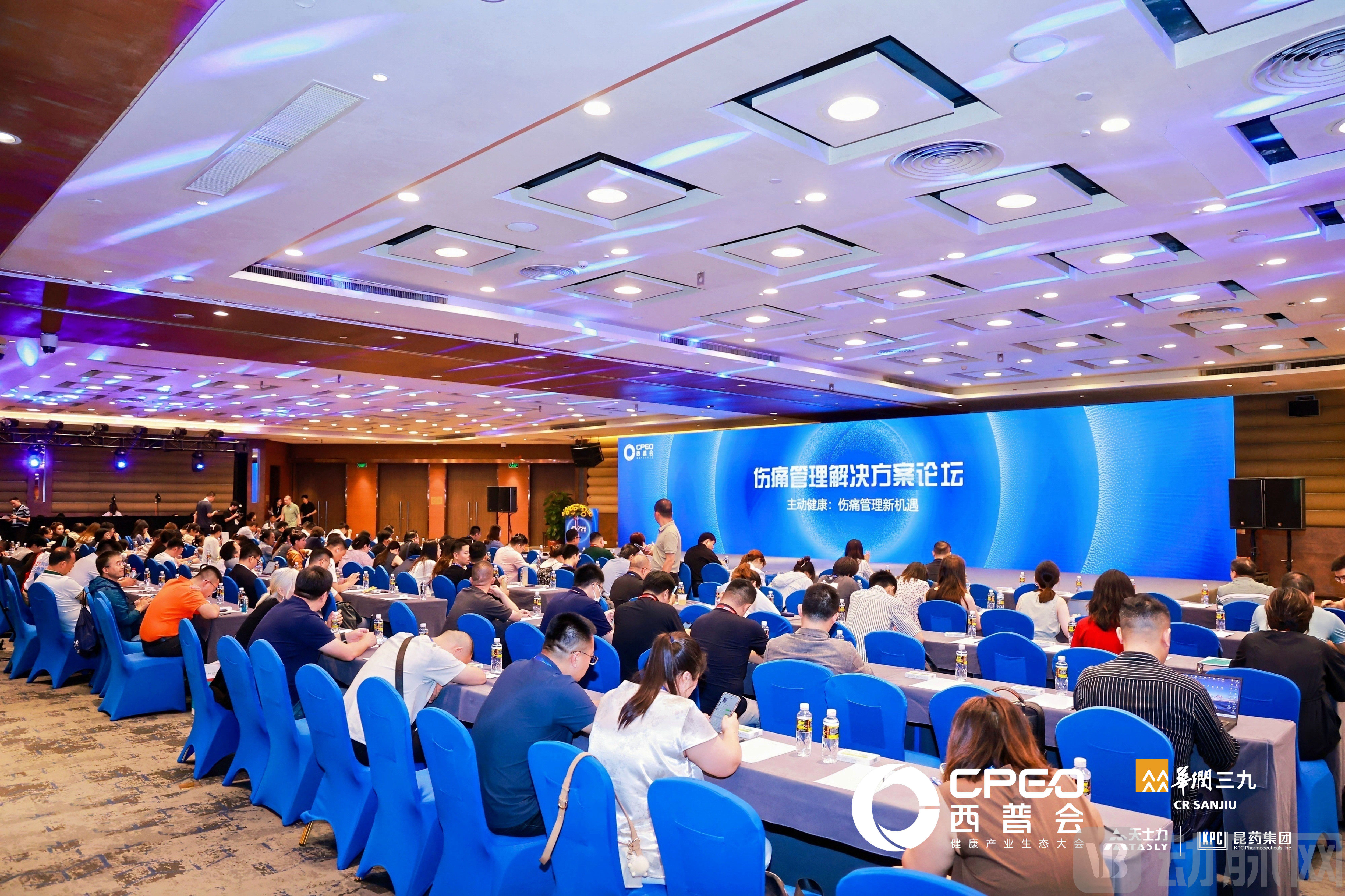
Themed “Proactive Health: New Opportunities in Pain and Injury Management,” the forum invited representatives from pharmaceutical companies, pharmacy chains, and platforms in the pharmaceutical education and social media sectors, including Zhongkang Technology, Yunnan Baiyao Group, Shandong Yanxitang Pharmaceutical Chain Co., Ltd., Luchen Bone Health Education Research Institute, Huahong Pharmaceutical Group, Guangdong Jundao Fanglue Brand Operation Co., Ltd., Guangdong Jiaying Pharmaceutical Co., Ltd., Xiaohongshu (Little Red Book), Sichuan Xinglin Pharmaceutical Chain Co., Ltd., and Hunan Luchen Education Holding Group. Participants shared insights and practical experiences on key topics such as the innovative integration of pharmaceuticals and medical devices, and the transformation and upgrading of pharmacies.
Data-Driven Overview: Unlocking the Growth Code of the ¥70 Billion Market
“Pain from injury, distinct from pain caused by diseases (such as cancer), emphasizes pain resulting from trauma and is highly associated with injuries to soft tissues, bones, and skin. It can be categorized into two major types: acute and chronic.”Li Xiao, Senior Manager of Consumer Insights at Zhongkang TechnologyBefore the formal presentation, he first clarified the definition of injury and pain.
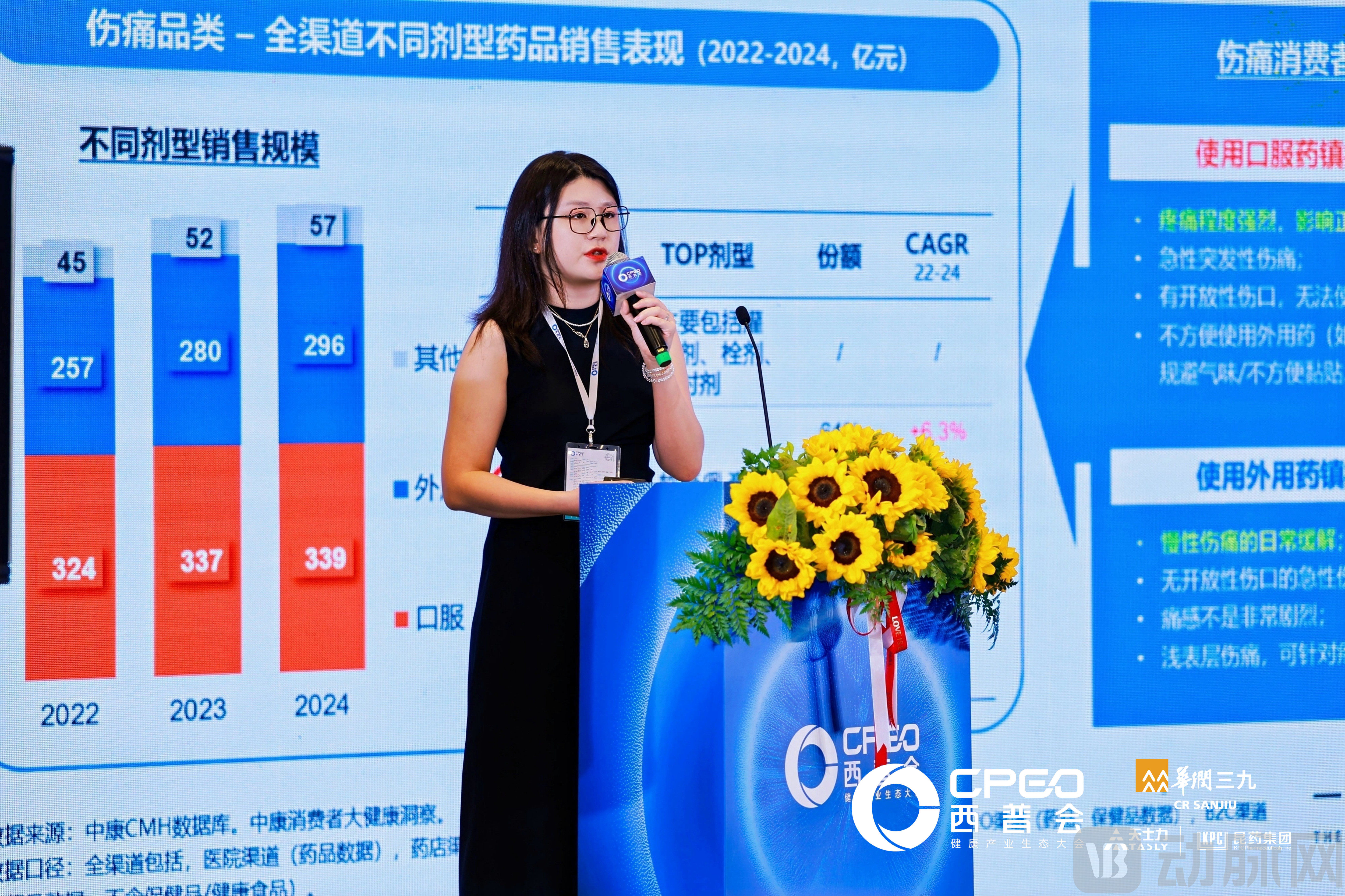 Li Xiao, Senior Manager of Consumer Insights at Zhongkang Technology
Subsequently, leveraging Zhongkang Technology’s omnichannel big data, Li Xia conducted a systematic analysis of the market size, consumption trends, and future development opportunities in China’s pain management category, based on market performance and consumer demand.
Data shows that virtually everyone will inevitably suffer from traumatic injuries during their lifetime, with the lifetime prevalence of acute pain reaching 100%. The number of individuals suffering from chronic pain has exceeded 500 million, and this figure continues to rise due to an aging population and the increasing prevalence of obesity.
As market demand continues to rise, sales of pain management products are also climbing steadily. In 2024, the omnichannel sales revenue of China’s pain management category approached RMB 70 billion, with a compound annual growth rate (CAGR) of 5.1% over the past three years, outpacing the 3.1% growth rate of China’s overall pharmaceutical market during the same period.
Meanwhile, subtle yet significant transformations are underway. From 2022 to 2024, sales volume and market share through tiered hospitals, B2C, and O2O channels have continued to rise, while the proportion attributable to offline pharmacies has gradually declined. In response, Li Xiao stated that channel transformation is compelling greater industry collaboration. Pharmaceutical companies must work with pharmacies to carefully select products and enhance professional capabilities, thereby restoring consumer confidence and paving the way for sustainable development.
From the perspective of product structure, the pain management category exhibits a clear market pattern characterized by the dual dominance of oral and topical medications, with topical products demonstrating superior growth rates. In 2024, while the omnichannel sales of oral medications reached RMB 33.9 billion, the sales of topical medications approached RMB 30 billion. Further breakdown by subcategory reveals that topical treatments for joint and muscle pain hold the largest market share. Not only did their omnichannel share reach 33.4% in 2024, but they also maintained continuous growth in the pharmacy channel, becoming the core driver of offline sales.
Based on deep insights into market data for the pain management category, Li Xiao believes that “centering on efficacy to optimize dosage forms and patient experience; leveraging channel synergy to rebuild the value of offline pharmacies; and using data-driven insights to precisely match supply with demand are the keys to breaking through in this market.”
Sharing Practical Experience and Innovative Explorations to Navigate Industry Changes
Having gained a thorough understanding of market demand and sales performance, representatives from pharmaceutical companies, chain pharmacies, and other industry players also shared their innovative practices in responding to industry changes.
Sun Guoying, Senior Director of the Commercial Procurement Center at Shandong Yanxitang Pharmaceutical Chain Co., Ltd.It was stated that chain pharmacies are currently facing survival challenges such as the normalization of cost containment and shrinking market share due to competition from online channels. The bone health market, expanding due to factors like population aging, is expected to become a niche segment for chain pharmacies to explore their second growth curve.
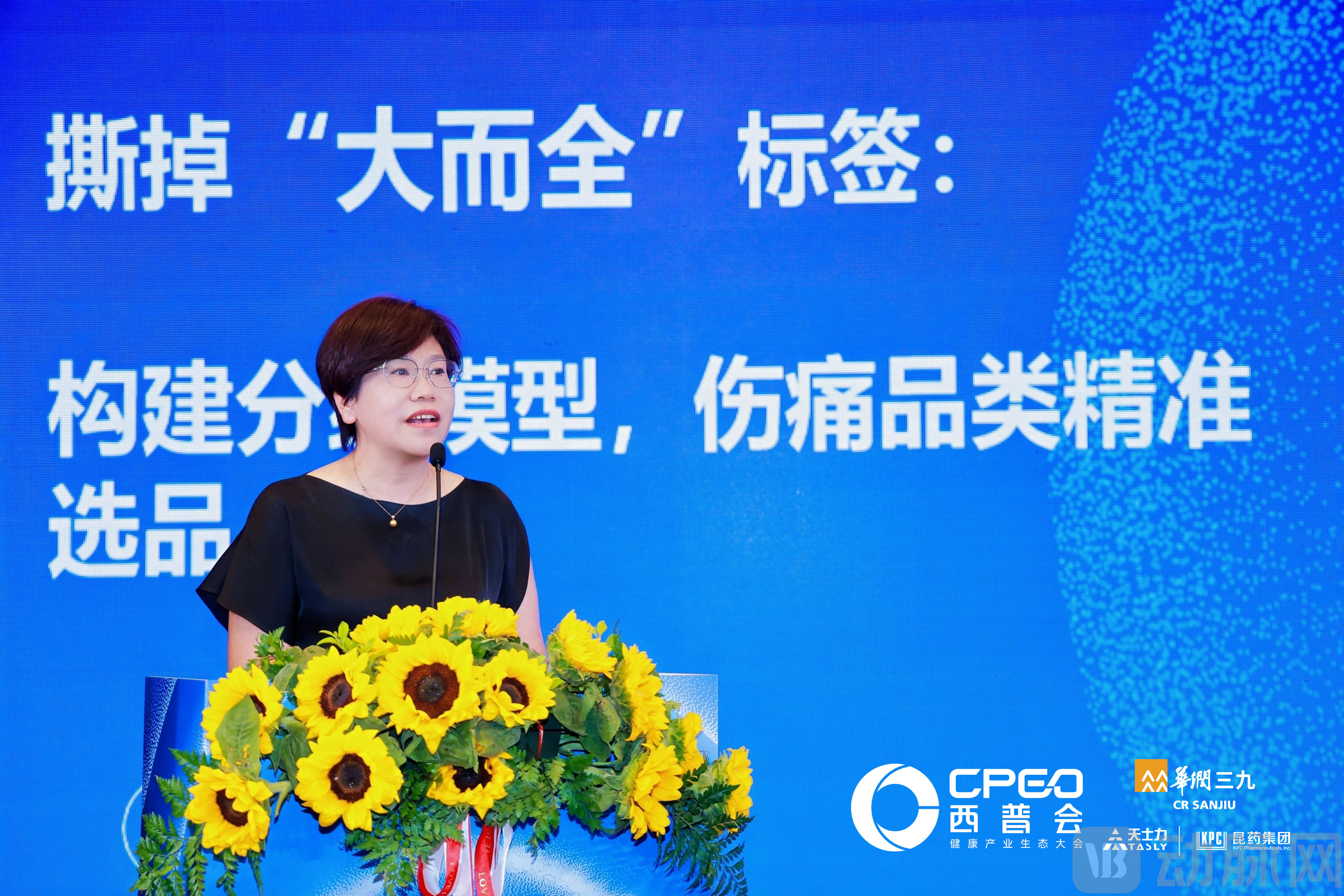 Sun Guoying, Senior Director of the Commercial Procurement Center, Shandong Yanxitang Pharmaceutical Chain Co., Ltd.
In response, Yanxitang has actively embraced change, centering on the formula “Products + Services = Value” to drive the transformation of its pharmacies from a “product-centric” to a “customer-centric” model. To this end, Yanxitang has adopted a three-step strategy rooted in disease-specific management, achieving comprehensive, customer-centric whole-course care management, including for orthopedic conditions. First, since the beginning of this year, Yanxitang has removed display merchandise from checkout counters in more than half of its stores, replacing them with sofa seating areas. This initiative aims to enhance customer retention, extend dwell time, and increase opportunities for staff-customer interaction. Second, once customers arrive and take a seat, professionally trained staff members engage them through services such as massage and topical medication application, thereby building rapport and initially earning customer trust. Staff then conduct preliminary scientific assessments to identify the customer’s condition and recommend appropriate medications accordingly. This approach aligns closely with Yanxitang’s emphasis on “patient-centered” whole-course management. As she emphasized, “patient-centered” care should not prioritize drug recommendations; instead, medications should be prescribed based on individual patient needs and tailored to their specific conditions. Finally, collaborating with pharmaceutical companies and other industry resources to establish health experience zones within stores serves as an effective means to attract customers and strengthen the bond between pharmacies and patients.
Zhang Chunyu, Deputy Director of the Brand Marketing Department, Pharmaceutical Business Group, Yunnan Baiyao GroupIt primarily shared the innovative practices of Yunnan Baiyao’s Injury Care Service Center, aiming to provide new insights for building a win-win, symbiotic ecosystem for injury management among various industry stakeholders, including pharmaceutical companies and chain pharmacies.
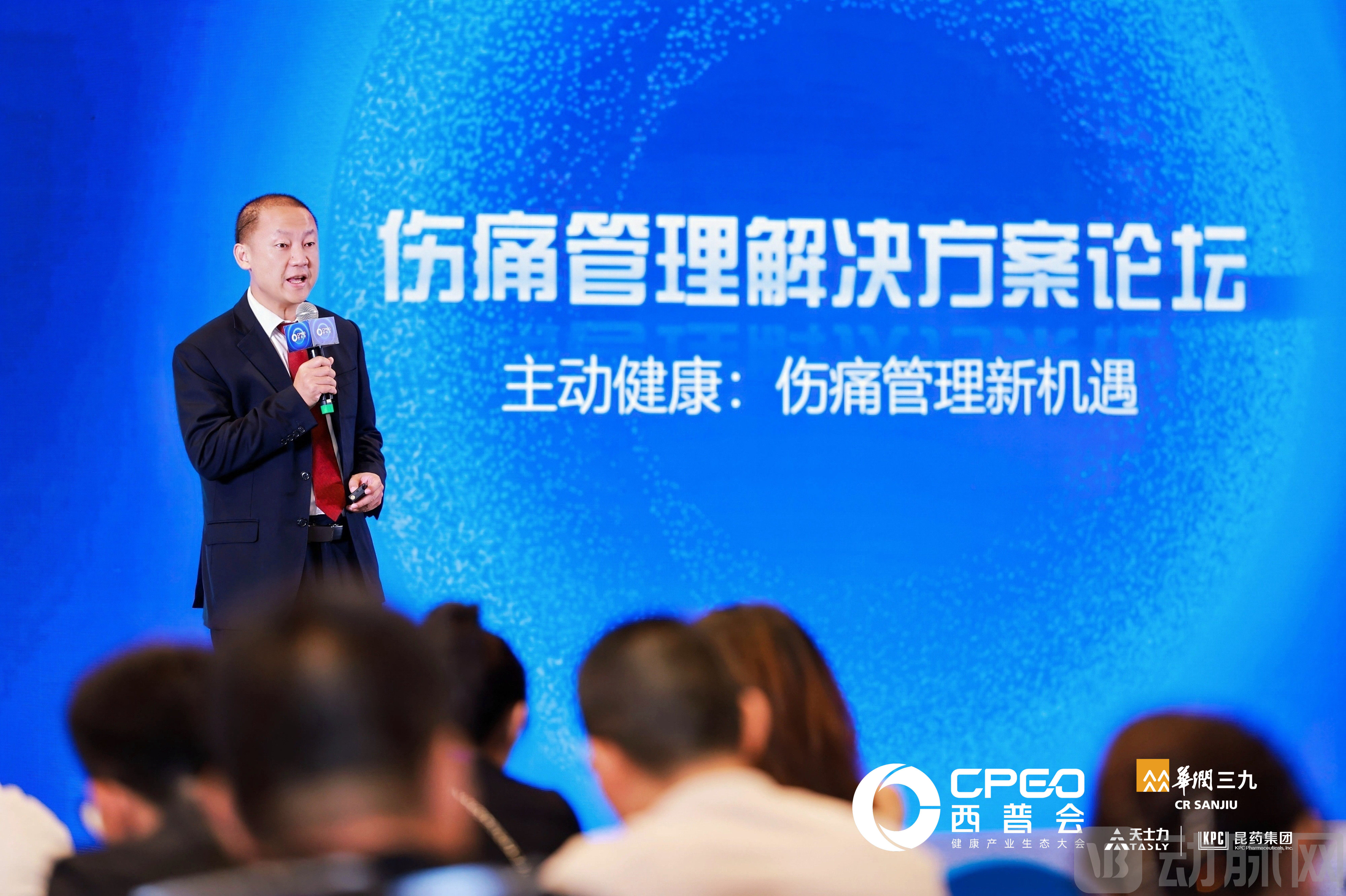 Zhang Chunyu, Deputy Director of the Brand Marketing Department, Pharmaceutical Business Group, Yunnan Baiyao Group
Yunnan Baiyao’s Pain and Injury Service Centers are primarily established within community chain pharmacies and integrate a variety of pain and injury management products, enabling more convenient provision of preliminary treatment services for patients with mild conditions. Meanwhile, due to their proximity to communities and extensive coverage, these centers also generate richer scenario-based data for activities such as sales, market research, brand building, and health education. Pharmacies can leverage this to enhance their pain and injury care capabilities and strengthen patient loyalty.
Focus on Specific Categories to Build a Sustainable High-Repurchase Closed Loop
Song Hongyao, Dean of the Luchen Bone Health Education Research InstituteFrom the perspective of a pharmaceutical and medical device protection portfolio, innovative measures for pharmacies to launch bone health services were shared. In Song Hongyao’s view, although traditional pharmacies have achieved high sales volumes by selling bone health-related products such as medicated plasters, they still face challenges including low repurchase rates and thin profit margins. By contrast, the model combining symptomatic treatment with bone health management not only enhances patient stickiness but also addresses the issues of low repurchase rates and low profitability.
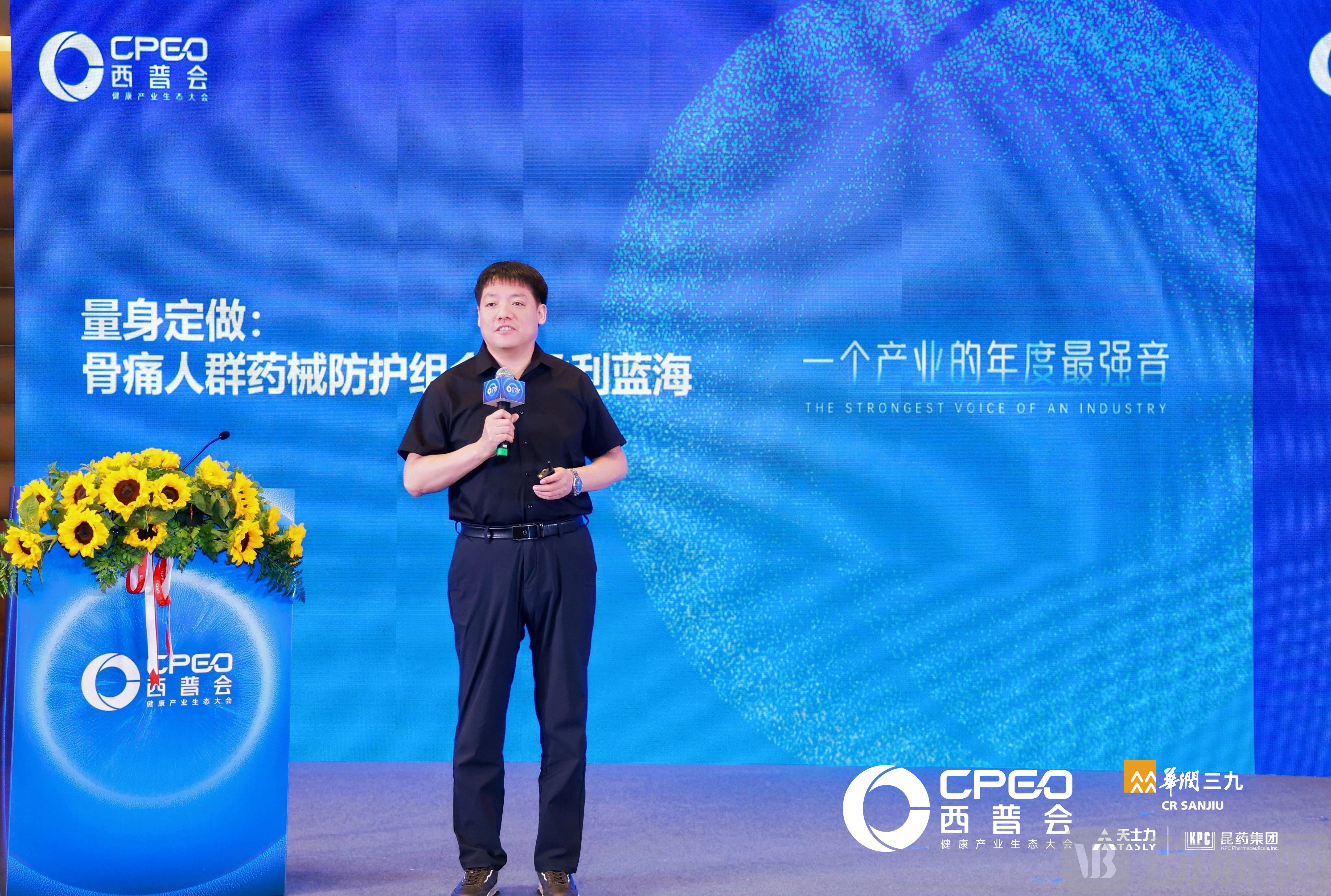 Song Hongyao, Dean of the Luchen Bone Health Education Research Institute
Specifically, patients typically visit the pharmacy for the first time during the onset of disease symptoms. At this stage, pharmacies can earn patient trust by providing professional solutions to address their medical conditions. Subsequently, pharmacies can enhance patient stickiness and drive revenue growth through curated portfolios of professional products and services, including preventive care, nutritional management, and rehabilitation management.
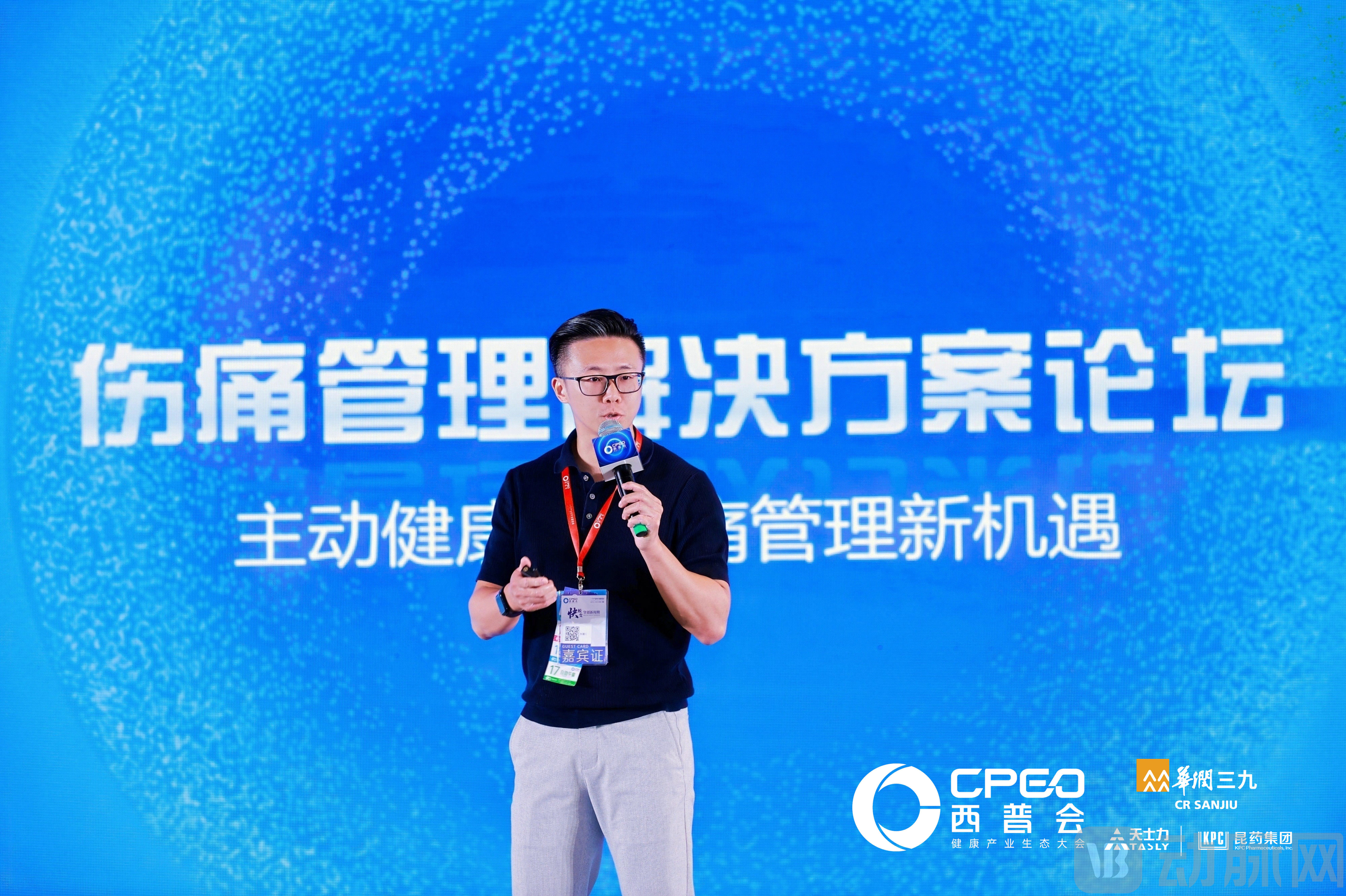 Zhang Jingchuan, General Manager of the Marketing Center, Huahong Pharmaceutical Group
Zhang Jingchuan, General Manager of the Marketing Center, Huahong Pharmaceutical GroupThe presentation, themed “High-Traffic Blockbuster Products Empowering Pharmacies: A New Engine for Breaking Through in Pain Management Business,” was delivered. According to Zhang Jingchuan, the vast and complex range of pain-relief products poses a series of operational challenges for pharmacies, such as increased operating costs due to product proliferation, higher decision-making barriers for consumers, and declining sales conversion rates. Against this backdrop, Huahong Pharmaceutical’s Xiaozhong Zhitong Ding (Swelling-Relieving and Pain-Alleviating Tincture), with its broad indications and high convenience, features a “multi-functional single bottle” attribute that can rapidly drive sales while also being combined with other medications to form comprehensive pain management solutions. Currently, Huahong Pharmaceutical is launching large-scale traffic campaigns through television media, online social platforms, and event sponsorships to further enhance the brand awareness of Xiaozhong Zhitong Ding, thereby encouraging offline pharmacies to position it as an “anchor product” to achieve sales conversion.
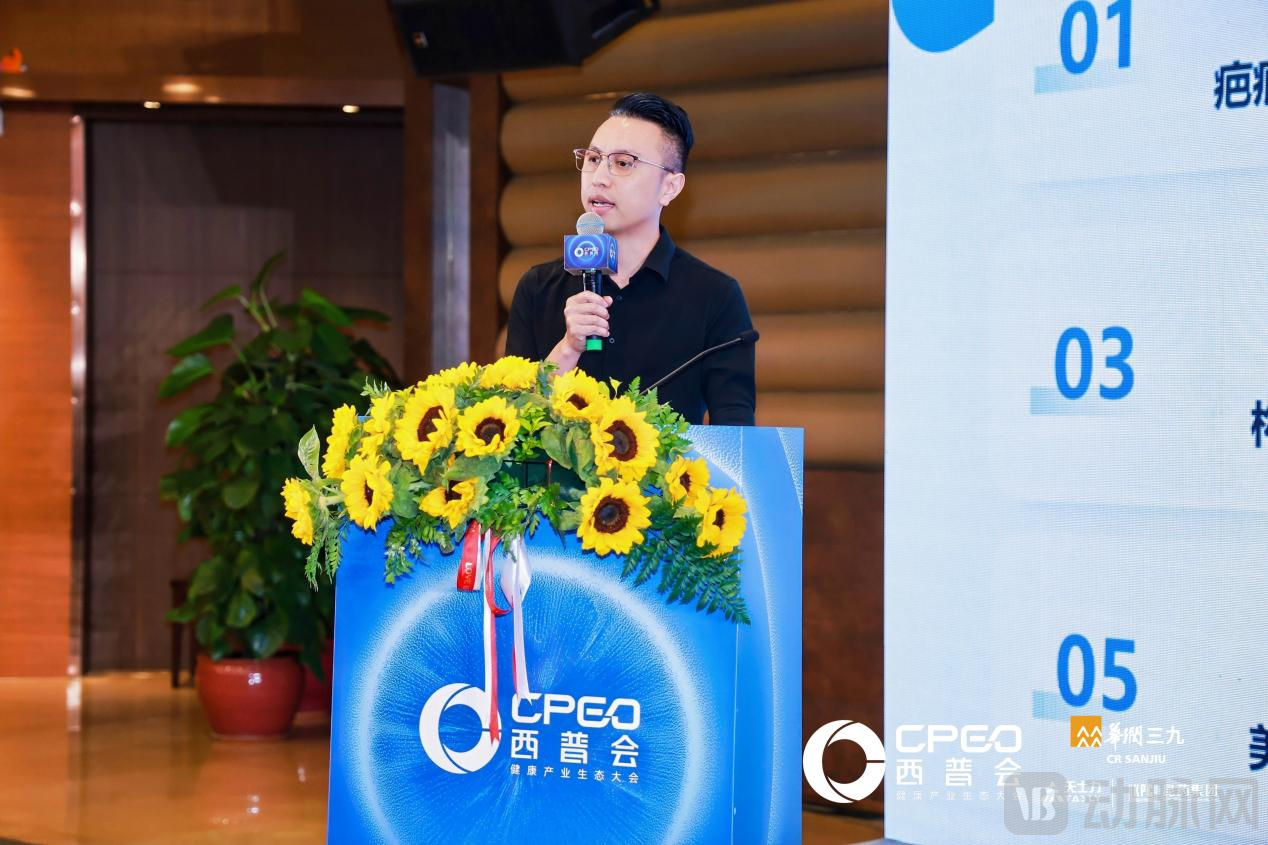
Li Shengta, General Manager of Guangdong Jundao Fanglue Brand Operation Co., Ltd.
Li Shengta, General Manager of Guangdong Jundao Fanglue Brand Operation Co., Ltd.Focusing on scar prevention and repair, this analysis deconstructs the current development status and opportunities in the scar prevention and management market from multiple dimensions. Based on market data analysis, Li Shengta stated that scar prevention and repair will become the next high-margin market due to characteristics such as high frequency, high average transaction value, and high repurchase rates. However, at present, pharmacies still lack sufficient awareness and professional capabilities regarding scar prevention and repair. For instance, most pharmacies do not have dedicated shelves for scar-related products, nor do they display products categorized by the three stages of prevention, repair, and maintenance. In this regard, while enhancing their awareness and professional expertise, pharmacies should also focus on product selection. From an environmental perspective, priority should be given to medical device-registered products (“Xie Zi Hao”), complemented by selected products included in the national medical insurance catalog and those integrating traditional Chinese and Western medicine. Furthermore, pharmacies can collaborate with well-known brands to co-launch “scarless” post-medical-aesthetic procedure packages.
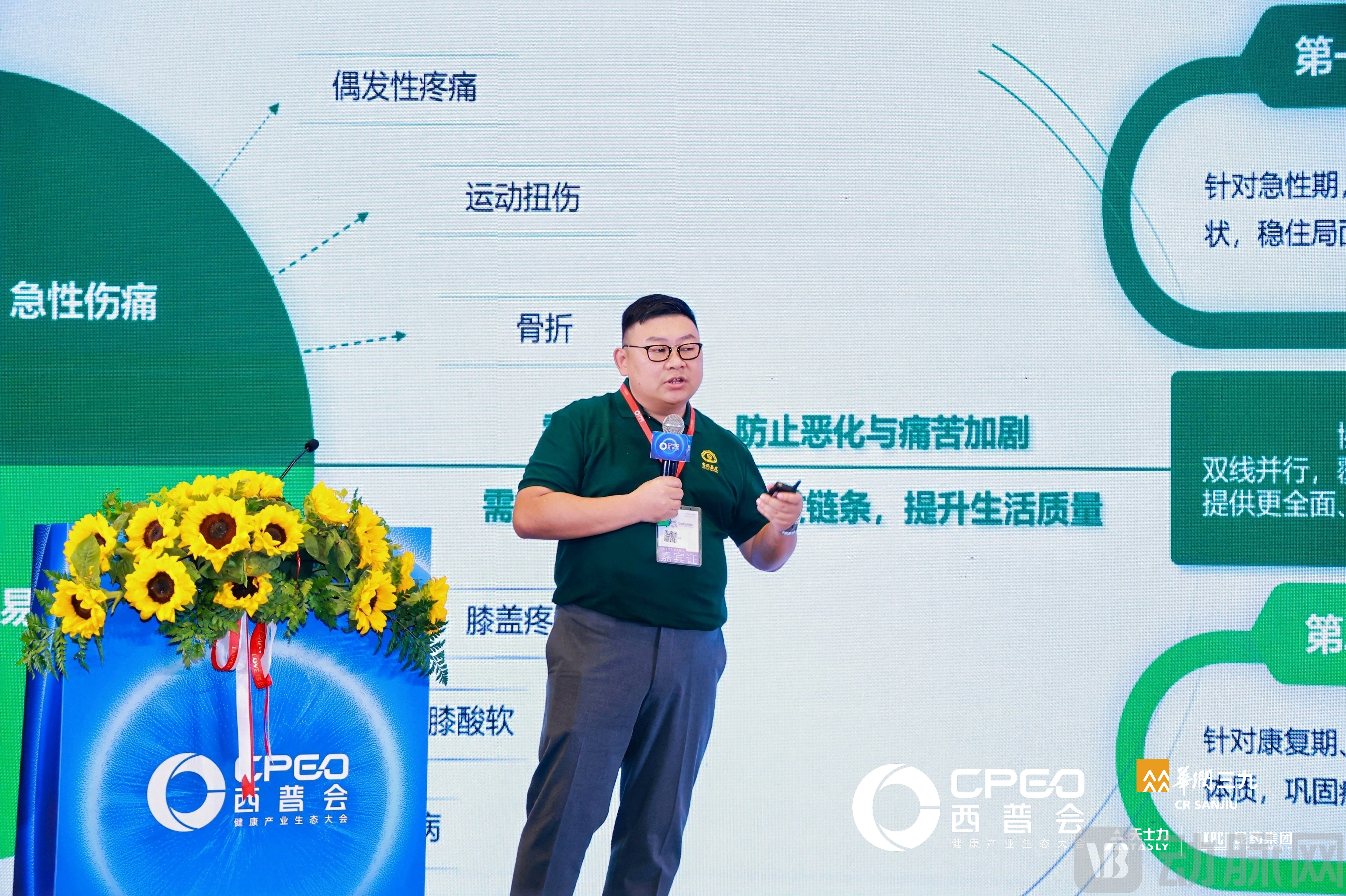
Wang Tuo, Marketing Director of Guangdong Jiaying Pharmaceutical Co., Ltd.
Wang Tuo, Marketing Director of Guangdong Jiaying Pharmaceutical Co., Ltd.He shared how Jiaying Pharmaceutical achieved the transformation of a traditional Chinese medicine enterprise through four major “reinventions,” leveraging its core strategic product—Shuangliao Houfeng San—to inherit and promote Hakka medicinal culture, thereby realizing the vision of “Hakka Medicine at Jiaying, Jiaying’s Fine Hakka Medicine.” He emphasized that Hakka medicinal culture is a “living fossil” of Lingnan medicine, and that inheriting and promoting its core values to benefit human health has always been Jiaying Pharmaceutical’s pursuit.
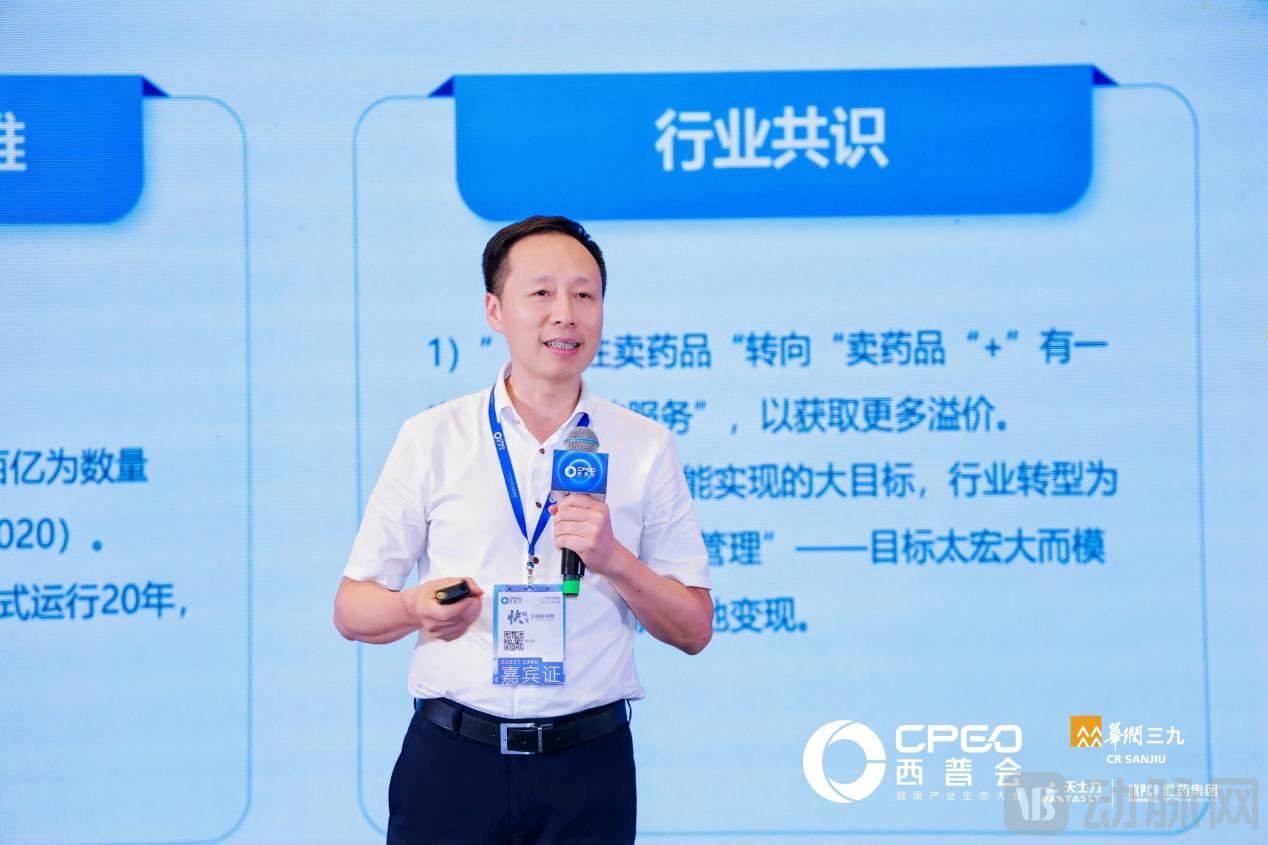
Hu Hongmin, Chairman of Sichuan Xinglin Pharmaceutical Chain Co., Ltd.
Hu Hongmin, Chairman of Sichuan Xinglin Pharmaceutical Chain Co., Ltd.It is stated that the transition from “simply selling pharmaceuticals” to “selling pharmaceuticals plus providing professional-grade services” has become an industry consensus. In particular, chronic bone health services targeting middle-aged and elderly individuals and patients with long-term strain injuries (including conditions such as frozen shoulder, cervical spondylosis, and lumbar and knee strain) hold significant development potential and feasibility for implementation. On this basis, pharmaceutical companies and pharmacies can build a high-repeat-purchase closed-loop system through five key steps: first, rapidly alleviate pain and establish initial trust by treating single-disease pain conditions; second, ensure therapeutic efficacy through five major measures, including improving medication adherence, providing lifestyle guidance, and strengthening follow-up management; third, deepen trust and increase average transaction value by extending treatment to pain management for other related conditions; fourth, shift focus from pain management to recuperation and conditioning management; and finally, achieve a high-repeat-purchase closed loop by providing long-term health management through continuous, regular tracking.
Yi Jun, Chairman of Hunan Luchen Education Holding Group and Principal of Changsha Xianglu Medical SchoolHe shared in detail his experience in building an operational system for bone health projects. He pointed out that constructing a business model requires consideration of market value, revenue models, resource allocation, and conversion pathways. Meanwhile, enterprises should establish a consensus on “transforming bone health projects into professionalism-based membership management initiatives, ensuring short-term profitability does not compromise customer relationships while building core corporate competitiveness; cultivating high-value orthopedic patient groups over the long term to create a resilient and sustainable foundation,” thereby exploring and expanding the market. Finally, he emphasized that project implementation must fully account for five key elements: the product system, incentive policies, marketing system, professional and training system, and operational execution system.
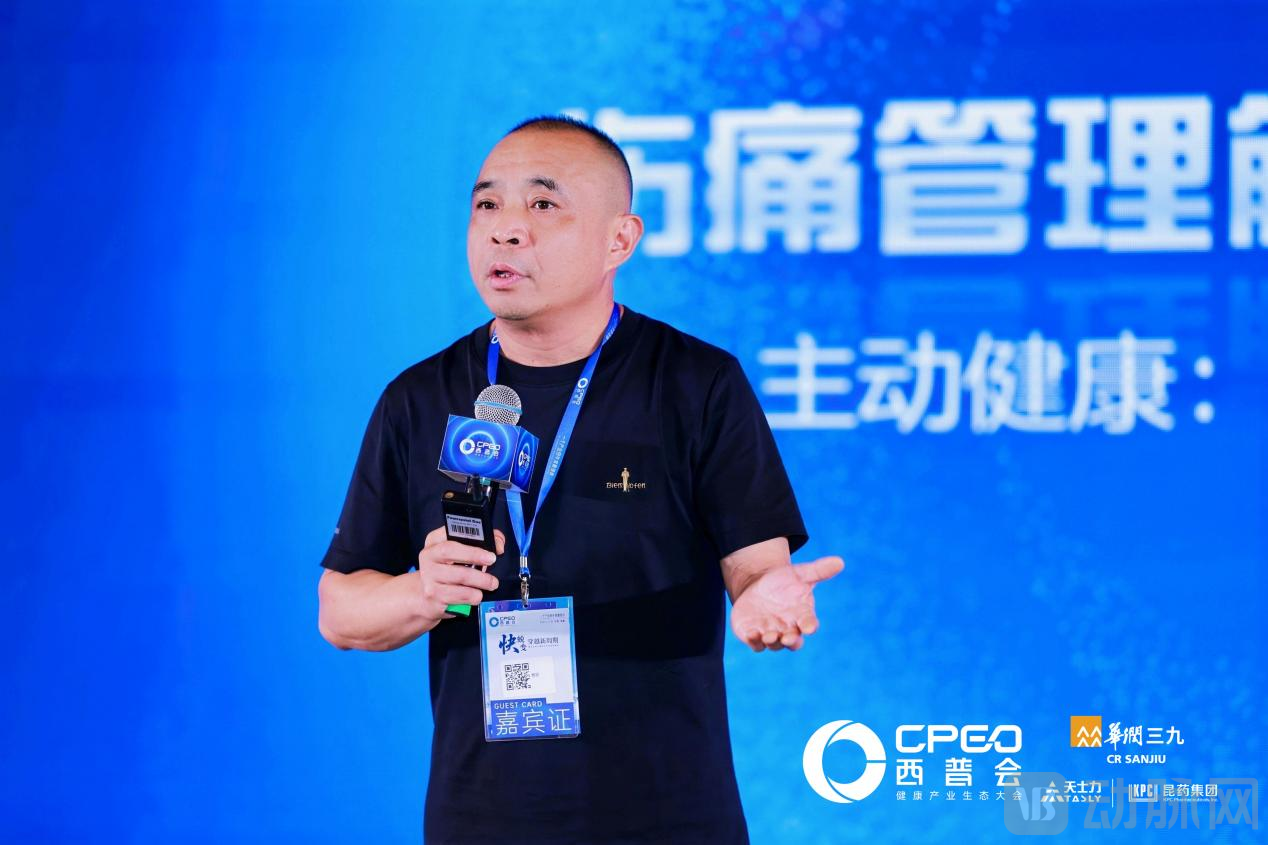 Yi Jun, Chairman of Hunan Luchen Education Holding Group and President of Changsha Xianglu Medical School
From a comprehensive analysis of the current market landscape to innovative practices in individual categories and specific scenarios, and further to the construction of an injury management ecosystem and the exploration of digital marketing innovations, representatives from various sectors of the industry have shared brilliant insights and interpreted trends for the injury management market. Amidst the waves of population aging and the national fitness movement, the development of the injury management market is highly anticipated. Through collective exploration and collaborative efforts, the injury management market is poised to undergo a transformation, advancing further into a stage of high-quality development.