

Decoding New Trends in Eye Health Development at the Conference
Eye health remains a golden track.
Taking the ophthalmic medical services market as an example, Zhongyan Puhua Industry Research Institute predicts that the market size for ophthalmic medical services will reach RMB 252.15 billion in 2025, representing an 83% increase compared to 2024.
As the eye health sector continues its robust growth, industry focus has become increasingly diversified: from enhancing product capabilities to achieve import substitution and ultimately Chinese-led innovation; from the application of single therapeutic modalities to emphasizing comprehensive, personalized, and dynamic solutions across the entire lifecycle; and from initial fragmented efforts to a growing emphasis on ecosystem building and organic collaboration.
While the industry harbors hidden opportunities, it is also fraught with challenges.
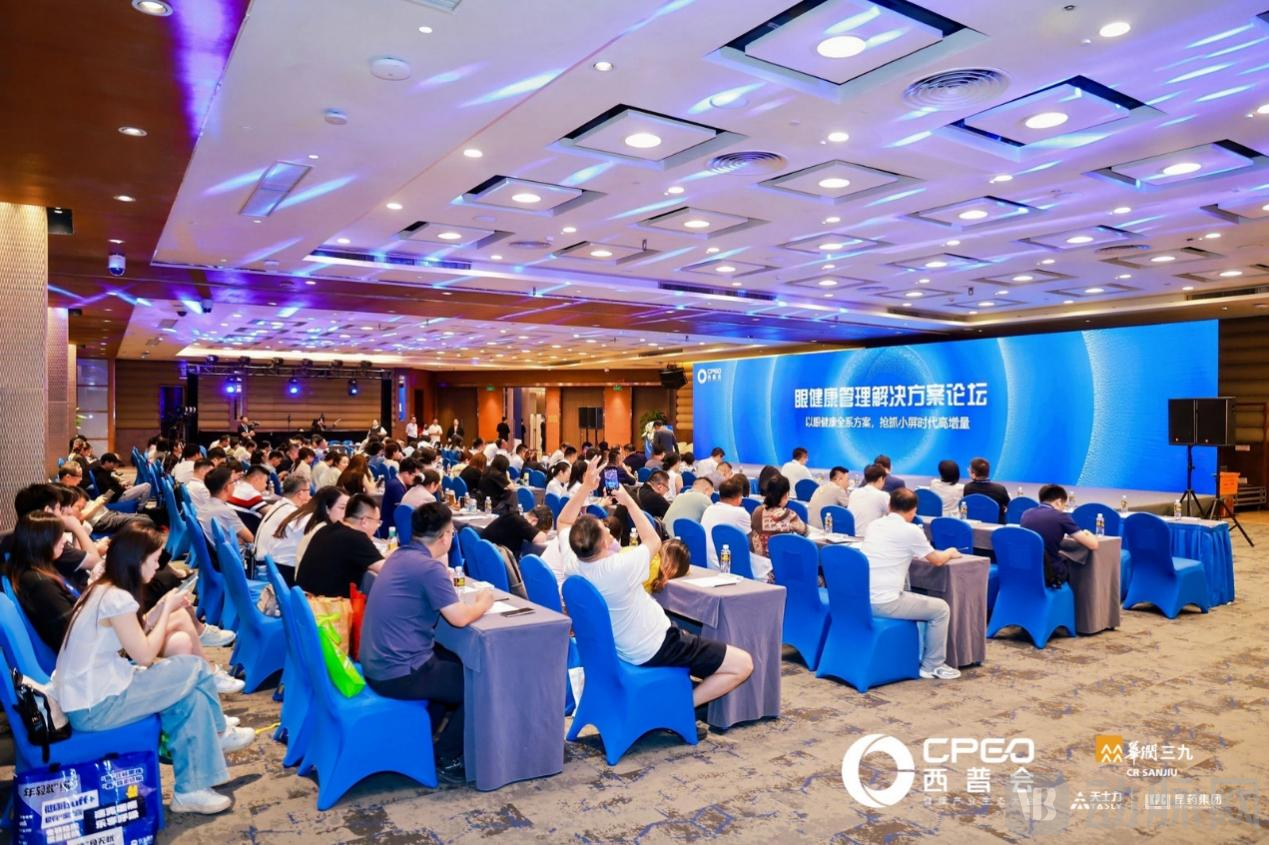
To this end, the 2026 Westphal Conference has specially established a Forum on Eye Health Management Solutions. Centered on the theme “Leveraging Comprehensive Eye Health Solutions to Capture High Growth in the Small-Screen Era,” the forum invited numerous industry experts and seasoned professionals from pharmaceutical companies, healthcare institutions, and pharmacies to comprehensively analyze the current development status and future opportunities of China’s eye health industry. Furthermore, the forum placed particular emphasis on innovating eye health medication supply models, inviting multiple industry experts to directly address the pain points in current supply practices, thereby assisting pharmacies in transitioning from mere drug retailers to comprehensive eye health management service providers.
Topic Sharing: High Growth and Scenario-Based Development—Current Status of Eye Health from a Multidimensional Perspective
As eye health rapidly grows into a trillion-yuan market, driven by favorable policies and technological breakthroughs, what opportunities remain for industry stakeholders?Zhao Mengying, Senior Research Manager, Retail Market Research Center, Commercial Business Division, Zhongkang TechnologyThe answer is provided by combining industry data with Zhongkang Technology’s industry insights.
 Zhao Mengying, Senior Research Manager, Retail Market Research Center, Commercial Business Division, Zhongkang Technology
In the industry landscape depicted by Zhao Mengying’s data, the total retail sales of ophthalmic pharmaceuticals reached RMB 9.6 billion in 2024, representing a year-on-year increase of 2.6%. From the perspective of subcategories, not only did anti-infective and anti-inflammatory eye drops, treatments for pseudomyopia, products for relieving visual fatigue and eye care, as well as medications for tissue adhesion and dry eye disease account for more than 70% of the market share, but they also demonstrated growth momentum. Meanwhile, Chinese patent medicines for improving vision recorded a robust year-on-year growth of 25.8%. In terms of channel distribution, retail pharmacies (including O2O platforms) accounted for 82.5% of the market size, while the share of B2C e-commerce further increased to 17.4%, with a growth rate exceeding 9%. These figures indicate, on one hand, the steady growth of eye care products; and on the other hand, that retail pharmacies (including O2O platforms) remain the dominant sales channel.
Based on the varying eye health needs across different age groups, Zhao Mengying also shared insights into the developmental trends in eye health for each life stage. For children and adolescents, whose primary concerns include scientifically grounded myopia control, relief from eye fatigue and dryness, and prevention of organic lesions, companies should adopt a three-pronged approach of “control, relief, and prevention,” balancing short-term comfort with long-term developmental needs. For working professionals, who seek relief from visual fatigue to maintain work focus, prevention of chronic eye diseases to reduce long-term damage, and convenient eye-care solutions tailored to workplace scenarios, companies should center their strategies on “immediate relief, long-term prevention, and scenario-specific adaptation” to continuously safeguard eye health in high-pressure work environments. For the elderly, whose needs focus on slowing functional decline to improve visual quality, early screening for organic eye diseases to reduce the risk of blindness, and integrated management of comorbid chronic conditions to minimize ocular complications, companies must balance the natural laws of physiological degeneration with disease risk prevention, helping older adults maintain their quality of life and prevent blinding eye diseases.
Bai Ji, Dean of Baiji Eye HospitalFrom a clinical perspective, this article provides an in-depth analysis of the reasons behind the high prevalence of eye diseases and the major challenges facing eye health management. President Bai Ji stated that over the past 30 years, the rise and widespread adoption of the internet, various electronic devices, and video applications have significantly increased visual demand. However, the natural evolutionary pace of the human eye is far unable to keep up with this surge in visual usage. When the eyes are subjected to long-term overload, their health experiences chronic depletion, leading to the onset of various eye diseases. Therefore, continuous, personalized, full-lifecycle eye health management represents the optimal approach for the prevention and control of eye conditions.
 Bai Ji, President of Bai Ji Eye Hospital
However, China currently faces three major challenges in the prevention and control of eye health: First, public awareness of eye health prevention and control needs to be strengthened, and relevant knowledge levels need to be improved. Second, the lack of data and information interoperability among medical institutions at all levels hinders the implementation of continuous care, thereby compromising treatment outcomes. Third, pharmacies, as one of the most accessible channels for residents (patients), still need to enhance their professionalism in medication management and combination therapy, while also innovating related ancillary services.
Zhao Heng, Founder of Latitude Health (Cunfu Diary), a Medical Strategy Consulting FirmDrawing on practical experience from Japanese drugstores, industry insights were shared. Zhao Heng stated that, compared with pharmacies primarily dispensing prescription drugs, the consumer-facing (ToC) drugstore market exhibits higher concentration, making it easier for major industry leaders to emerge. Moreover, Japanese drugstores generally have larger floor spaces, enabling them to host large-scale events that attract substantial numbers of potential customers into stores and stimulate consumption. For instance, Japanese drugstores hold an average of 500 events per year, or 1–2 events per day on average. These initiatives not only stimulate consumption but also enhance customers’ health awareness, thereby improving customer stickiness.
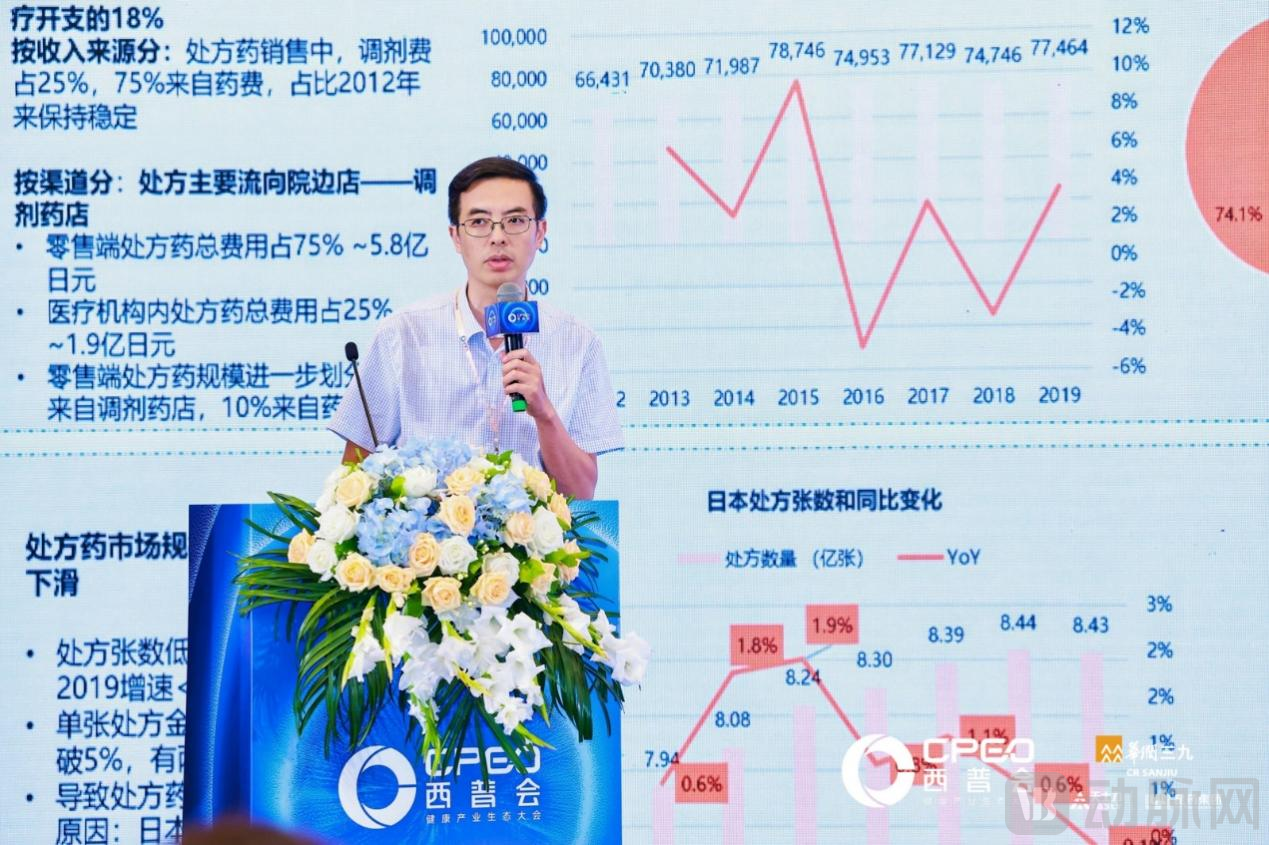 Medical Strategy Consulting FirmZhao, Founder of Latitude Health (Cunfu Diary)Heng
Theme Sharing: Innovative Practices at Home and Abroad Bring New Insights to Eye Health in China
In the second half of the forum, Li Xuewei, Research Director at Magic Mirror Insights; Ling Chenhui, Vice President of Ruilin Pharmaceutical; and He Yulun, Founding General Manager of Beijing Heshi Investment Management Co., Ltd., each shared their perspectives on the current state and future trends of the industry, drawing on their respective insights and practical experience.
Li Xuewei, Research Director at Mojing InsightIt stated that, driven by surging market demand and supportive policies, the category of eye-care products has gradually expanded, forming a rich product ecosystem that includes pharmaceuticals, health supplements, beverages, and eye-protection lamps. Meanwhile, with the popularization of eye health knowledge, people’s needs have long shifted from traditional treatment to prevention and daily care, with scenario-based, personalized, and diversified characteristics becoming increasingly prominent.
 Li Xuewei, Research Director at Magic Mirror Insights
As the prevalence of myopia among adolescents rises and age-related eye diseases become more common, high-end anthocyanin-based eye care products, B-complex vitamin supplements, pharmaceuticals for myopia control in children, retinal medications for middle-aged and elderly individuals, and functional eye health foods will exhibit strong growth potential. Meanwhile, leveraging clinical data to support claims, targeting precise patient populations, and tailoring solutions to specific usage scenarios will help break through homogeneous competition, address import monopolies, and bridge cognitive gaps.
 Ling Chenhui, Vice President of Ruilin Pharmaceutical
Ling Chenhui, Vice President of Ruilin PharmaceuticalDrawing on the innovative practices of Ruilin Pharmaceutical, particularly its core product Hylo eye drops, the session shared insights on how corporate brand building and channel strategies can empower pharmacies to develop comprehensive eye care solutions.
Ling Chenhui emphasized that Ruilin Pharmaceutical focuses on influencing consumer decision-making through various channels in its product promotion. In terms of traditional media, Ruilin Pharmaceutical adopts a combined and matrix-style communication strategy to maximize product exposure among the general public, thereby enhancing public awareness of eye health while attracting more customers to pharmacies. On new media platforms, Ruilin Pharmaceutical not only collaborates with well-known gaming brands but also actively engages in creating, adopting, and leveraging internet memes to capture the attention of younger users. This approach helps address the issue of pharmacy clientele being predominantly middle-aged and elderly individuals. Additionally, Ruilin Pharmaceutical actively sponsors sports events to achieve strong brand exposure through such platforms.
 He Yulun, Founding General Manager of Beijing He's Investment Management Co., Ltd.
He Yulun, Founding General Manager of Beijing He's Investment Management Co., Ltd.He shared Taiwan’s experience, where the family pharmacist system doubled revenue from eye health services. Drawing on in-depth study and understanding of family pharmacist practices in the United States, Canada, India, and other regions, He Yulun emphasized that in the future, only licensed pharmacists will be able to effectively deliver the most efficient and highest-quality treatments to consumers. Furthermore, regardless of the medical specialty involved, licensed pharmacists and professional pharmacies must assume responsibility for healthcare delivery.
Healthcare services must span the entire process, including pre-diagnosis, during-diagnosis, and post-diagnosis stages. In the pre-diagnosis stage, licensed pharmacists and professional pharmacies should assume the functions of early disease screening and diagnosis. During the diagnosis stage, they need to collaborate with physicians to provide professional medication guidance. In the post-diagnosis stage, comprehensive follow-up services are required. Meanwhile, He Yulun emphasized that licensed pharmacists must possess scientific medical knowledge, professional service competencies, and the ability to utilize various digital and intelligent tools. Coupled with a thorough understanding of consumer needs, these capabilities enable them to effectively serve as a bridge between pharmaceutical companies and consumers.
Roundtable Discussion: A Dynamic Exchange of Perspectives from Clinical Treatment to Ecosystem Building
In addition to keynote presentations, the forum featured two roundtable discussions, inviting stakeholders from across the industry to engage in vibrant exchanges of perspectives on key issues shaping sector development.
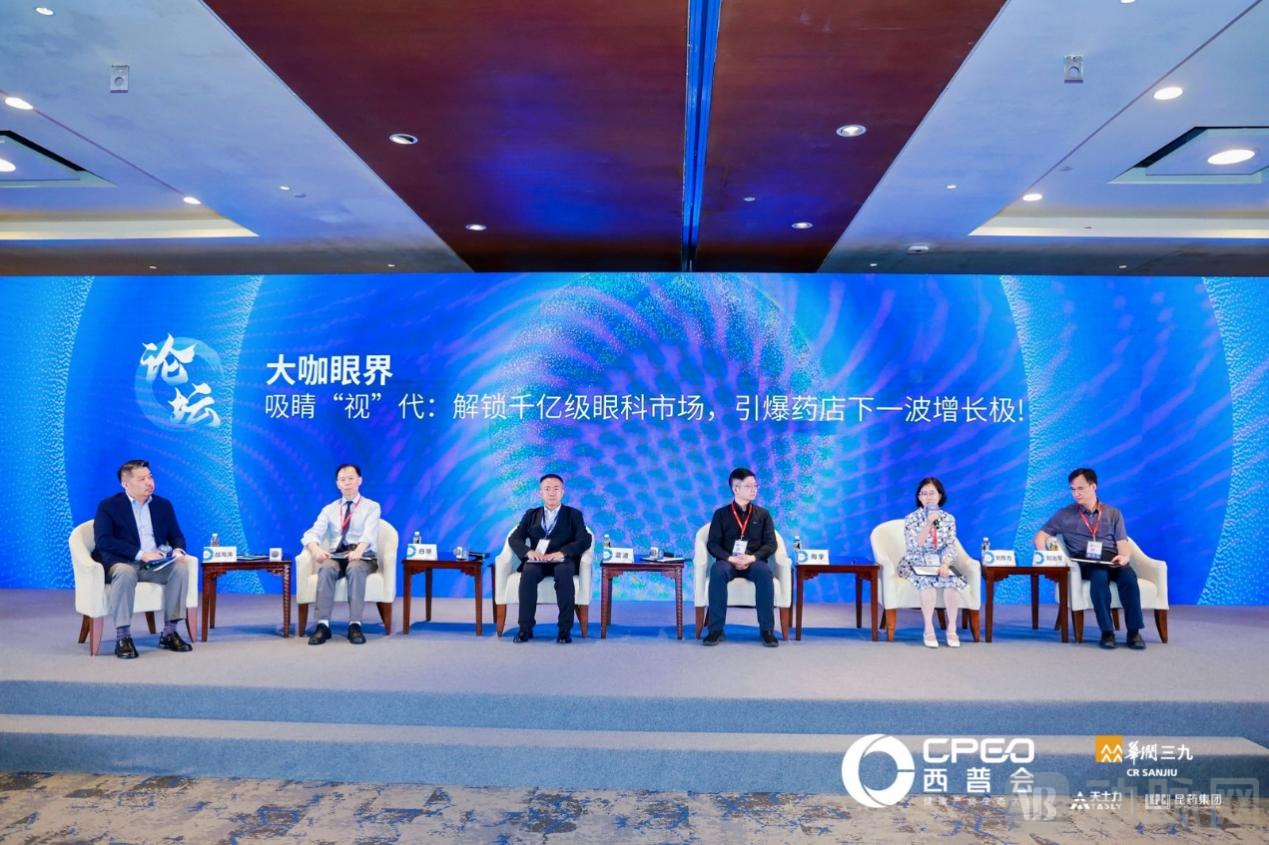
Roundtable Forum 1, moderated by Zhan Haitao, Founder of Ruiyi Yaoda (Shanghai) Health Technology Co., Ltd., featured distinguished guests including Bai Ji, Director of Baiji Eye Hospital; Lan Bo, Chairman and President of Jianzhijia Pharmaceutical Chain Group Co., Ltd.; Xiang Yu, President of Santen Pharmaceutical’s China Region; Liu Dongfang, Director of the Department of Endocrinology and Metabolism at the Second Affiliated Hospital of Chongqing Medical University; and Liu Zhijun, Chief Pharmacist at Beijing Anzhen Hospital. The panelists delivered insightful presentations under the theme “Visionary Leaders’ Perspectives: Captivating the ‘Eye’ Era—Unlocking the Multi-Billion Ophthalmic Market and Igniting the Next Growth Engine for Pharmacies!”
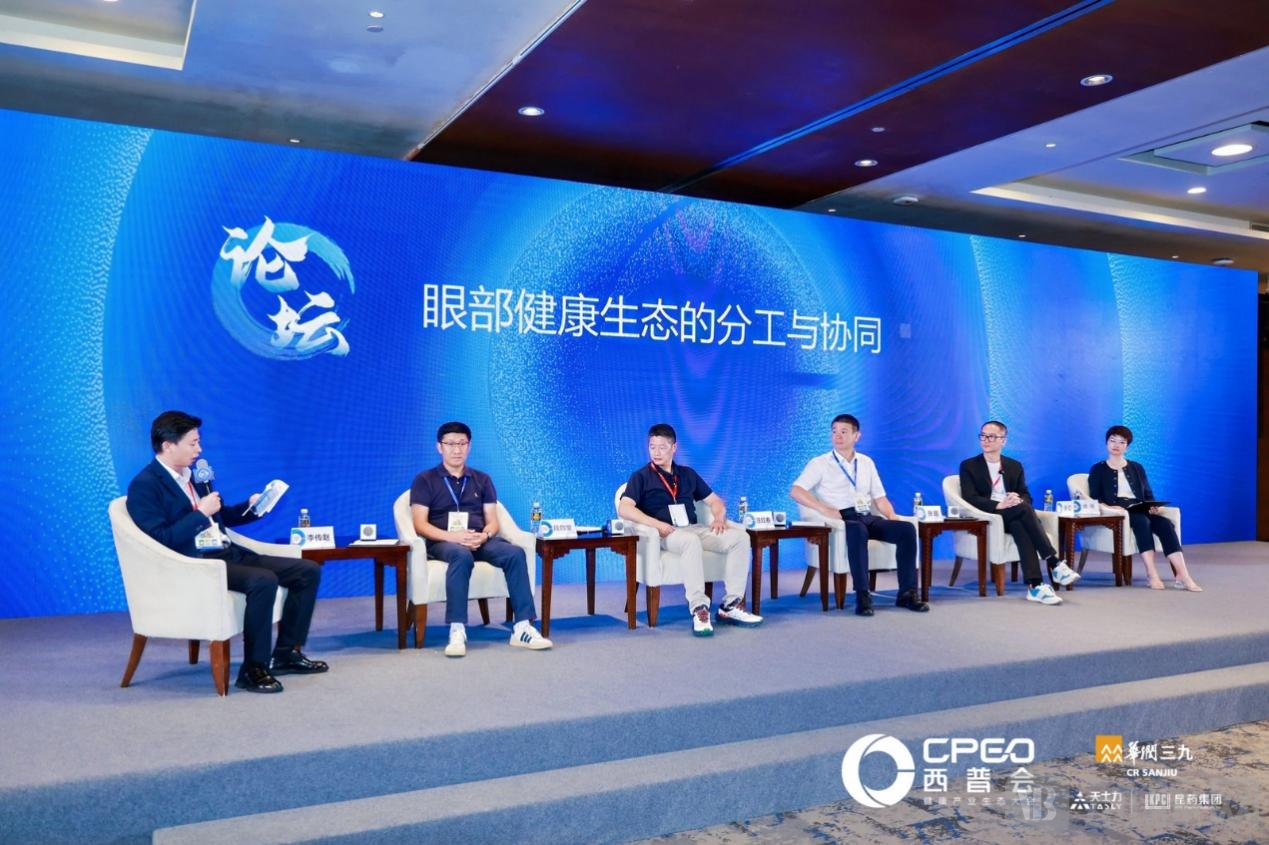
Roundtable Forum 2, moderated by Li Chuanzhao, Director of the Chain KA Department at CMS Pharmaceutical’s Out-of-Hospital Center, featured a dynamic exchange of views on the theme “Division of Labor and Collaboration in the Eye Health Ecosystem.” The invited panelists included Duan Sitang, Marketing Center Director of Yixintang Pharmaceutical Group; Wang Hongchun, Deputy General Manager of Lezhu Pharmaceutical; Zhang Chao, Chairman of Shandong Xinhongren Pharmaceutical Chain Co., Ltd.; Xu Yi, President of Wuyixi; and Xie Qian, General Manager of the Retail Business Unit of Ruilin Pharmaceutical.
With the intensifying aging of the population and the widespread use of electronic devices, the high prevalence of eye diseases has become an issue that cannot be ignored by the healthcare sector and society at large. However, traditional pharmacies still focus primarily on pharmaceutical sales in the field of eye health, lacking full-cycle service capabilities. There is an urgent need for the industry to build a comprehensive eye health service ecosystem.
Through thematic presentations by six distinguished guests and insightful exchanges during two roundtable discussions, this forum not only analyzed the current state of the eye health industry from multiple perspectives but also offered new insights and possibilities for its future development. We believe that, with collaborative efforts across all sectors of the industry, China’s eye health sector is poised to usher in a new wave of robust growth. Eye health will continue to serve as a premier growth engine, leading the industry’s advancement.