

Beauty Economy Emerges as Pharmacy's New Growth Engine Amid Industry Transformation
China's beauty and health industry continues to experience rapid growth.
Currently, consumer demand for beauty is shifting from single-product skincare to a holistic approach of “internal supplementation and external care plus health management.” Leveraging their professional credibility and health service scenarios, pharmacy channels are emerging as a new growth driver in the beauty economy.
At the “Out-of-Hospital Solutions Forum,” one of the summit forums of the China Health Industry Conference (CHIC), the sub-forum on the “Beauty Economy Development” focused on emerging growth drivers in the beauty economy, aiming to further advance pharmacy-based beauty and health businesses from initial exploration to in-depth development.
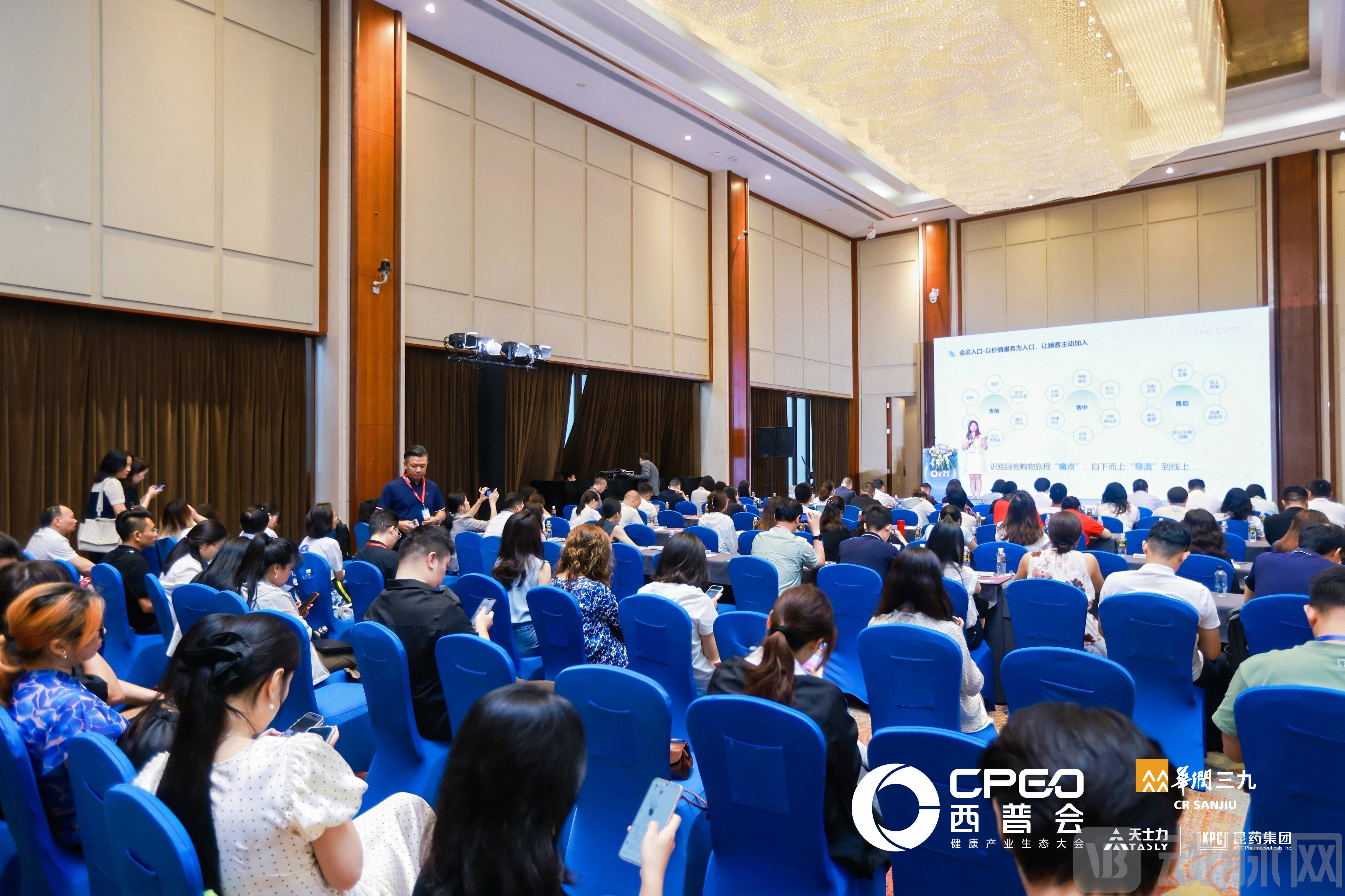
This forum has invited numerous leading enterprises and experts from the industry. Through trend insights, practical case studies, and cross-sector resource integration, it aims to explore a viable path to help pharmacies secure a core position in the trillion-yuan "beauty economy" market, facilitating their transformation and upgrade from merely "selling products" to providing comprehensive solutions.
Growth Rate Reaches Double Digits, with Health, Personalization, and Ingredients as Key Development Keywords
“Since last year, the growth rate of the personal care and beauty industry has surpassed that of the overall fast-moving consumer goods (FMCG) market. According to the latest data from this year, the industry’s growth rate has jumped from single digits to double digits, reaching approximately 12%.” At the opening of the forum,Zheng Zhi, Chief Growth Officer at NielsenIQThis set of data demonstrates the strong growth momentum of the personal care and beauty industry in recent years.
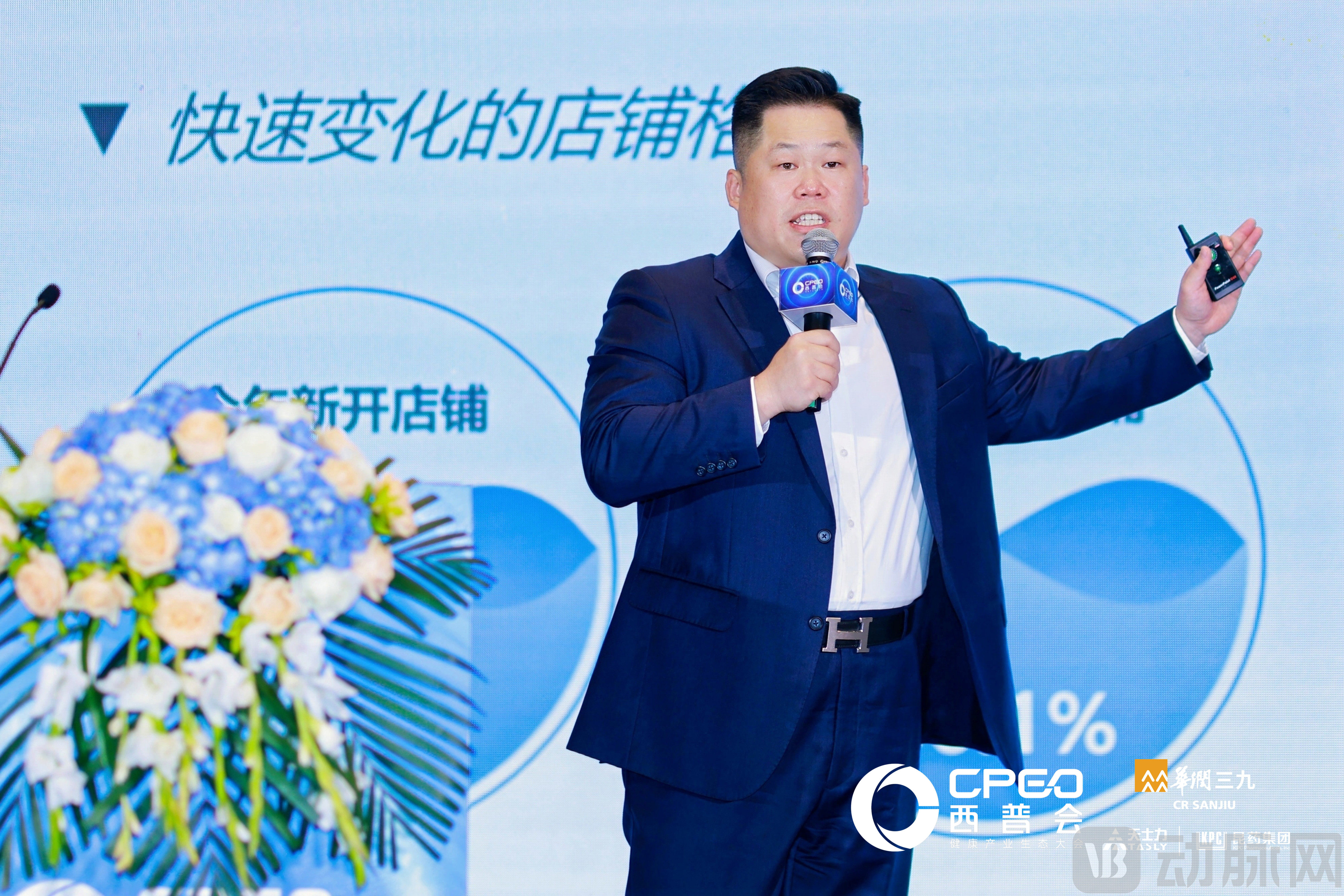
Zheng Zhi, Chief Growth Officer of NielsenIQ
From Zheng Zhi’s insights, we also learned that personal care and beauty channels can currently be categorized into three types: first, traditional e-commerce platforms and large offline department stores, which cater to consumers’ routine replenishment needs; second, content-driven e-commerce platforms and more specialized, niche offline personal care and beauty stores, designed to stimulate purchase intent; and third, convenience stores and other instant retail outlets, along with online-to-offline (O2O) platforms, which address consumers’ urgent needs.
Driven by varying consumer purchase needs and decision-making journeys, these three channel categories exhibit distinct characteristics and thus require differentiated development strategies. Specifically, sales of personal care and beauty products on traditional e-commerce platforms and in offline large-scale supermarkets are primarily driven by promotions. Therefore, pricing strategies and the pacing of promotional activities are most critical for these channels. Furthermore, traditional e-commerce platforms, content-driven e-commerce platforms, and offline personal care and beauty stores with clear segmentation and professional attributes all serve as primary channels for new product sales. Consequently, core considerations for these channels include optimizing product selection, effectively highlighting the features and novel concepts of new products, and formulating robust go-to-market strategies. For channels catering to consumers’ immediate needs, instant retail outlets such as convenience stores should prioritize basic product assortments to better meet demand, while O2O platforms characterized by high premium potential can seek additional growth opportunities through online-offline integration.
From the perspective of the industry’s overall development, Zheng Zhi believes that health, personalization, and ingredients will be the key words for future growth. Health trends have been evolving in recent years, but the focus on physical and mental well-being—such as sleep solutions that alleviate fatigue, fragrance products, and offerings infused with Traditional Chinese Medicine (TCM) culture—represents a clear developmental trend. Personalization specifically refers to segmentation by scenario, function, and consumer demographics. Ingredients have emerged in recent years as one of the critical factors influencing consumers’ purchasing decisions. Companies need to identify rising ingredients and concepts to imbue their products with greater vitality.
Meanwhile, Zheng Zhi also emphasized that an increasing number of young consumers tend to leverage AI technologies for online experiences before making purchase decisions. This trend is blurring the boundaries between online and offline channels. Consequently, how to better utilize AI technology to drive online traffic to offline stores and ultimately convert it into sales has become a critical issue for the industry to address.
East Meets West, Internal Regulation and External Nourishment: The Beauty Economy Upgrades from Traditional Cosmetics to “Medical-Grade”
“Using the culture of Traditional Chinese Medicine and the technology of Western medicine to address skin problems is one of the important directions for the future development of the beauty industry.”Zhang Guifeng, Co-Scientist for Pharmaceutical and Medical Device R&D at Pechoin, and Deputy Director of the Biologic Drug Research Department at the State Key Laboratory of Biopharmaceutical Preparation and Delivery, Institute of Process Engineering, Chinese Academy of SciencesHe shared that, based on this concept, research on skin aging can be conducted from the dimensions of cells and extracellular matrix, cross-tissue common proteins, and tissues. Building on this foundation, Zhang Guifeng also proposed the “3+N” skin management concept and shared Pechoin’s recent practices in this area. These include utilizing synthetic biology technologies to prepare ingredients for evaluating pigmentation management, developing recombinant collagen implantable products through synthetic biology, and conducting research and development of products aimed at skin barrier repair, wrinkle management, and anti-aging.
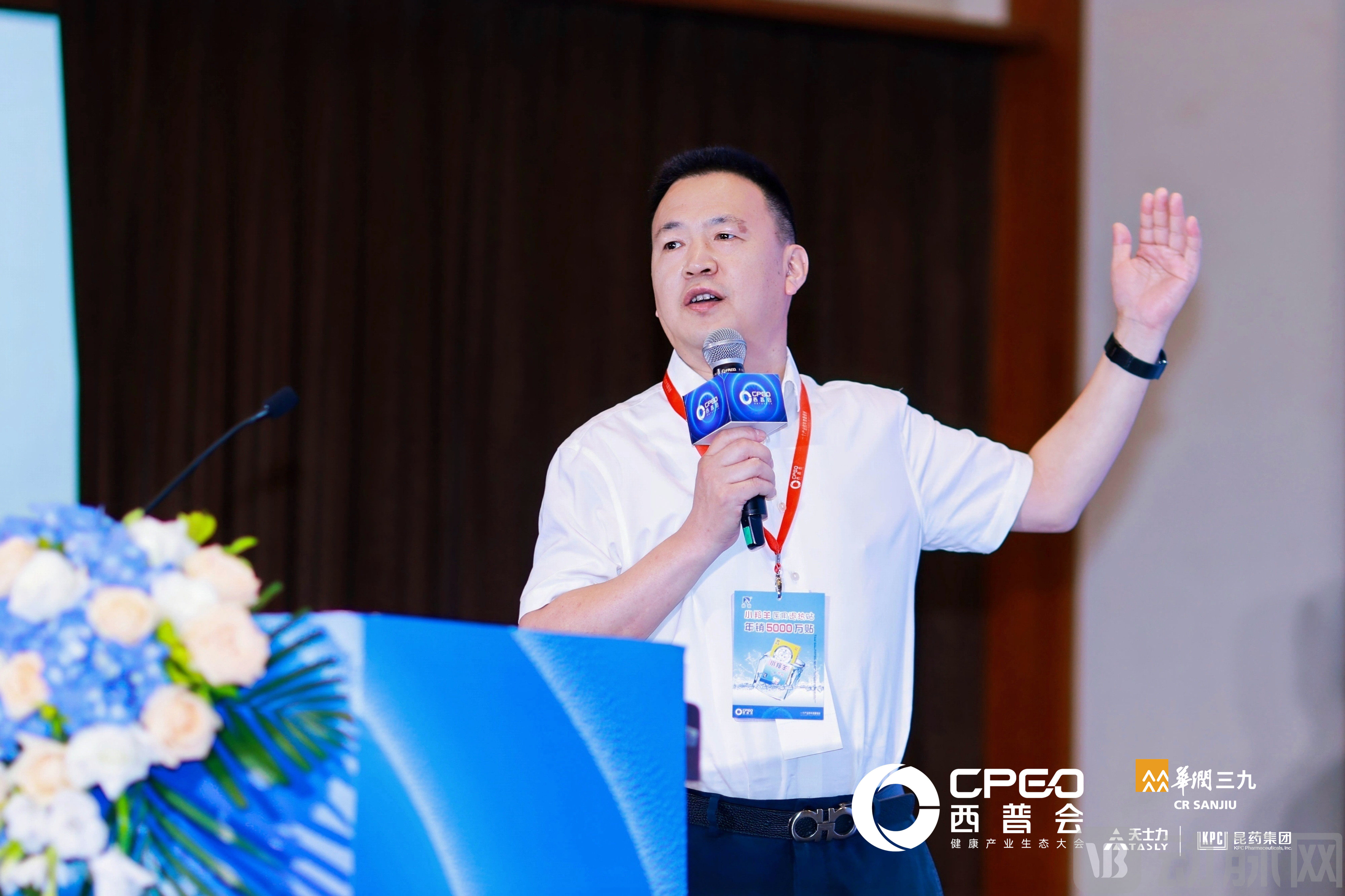
Zhang Guifeng, Co-Scientist of Pharmaceutical and Medical Device R&D at Pechoin, and Deputy Director of the Biologics Research Division, State Key Laboratory of Biopharmaceutical Preparation and Delivery, Institute of Process Engineering, Chinese Academy of Sciences
Zhang Yan, Deputy Director of Domestic Marketing at Winner MedicalShe delivered a speech titled “Safeguarding Public Health and Beauty with Medical Technology.” She pointed out that the demand for health and beauty is driving the upgrade of traditional cosmetics to “medical-grade” standards, with growing needs for refined services such as post-procedure care in medical aesthetics. Pharmacy channels are also accelerating their transformation, becoming a key entry point for medical-grade beauty and personal care products. Winner Medical has expanded from wound dressings to fields such as scar repair and post-procedure care in medical aesthetics to meet consumers’ emerging needs. Its beauty and personal care product lines, including the medical aesthetics series, medical nursing pads, and scar repair products, have secured the top position in specific categories on Meituan Medicine thanks to their professional quality. These products cover the full cycle of post-procedure and daily care, ensuring that “health” and “beauty” are no longer mutually exclusive choices.
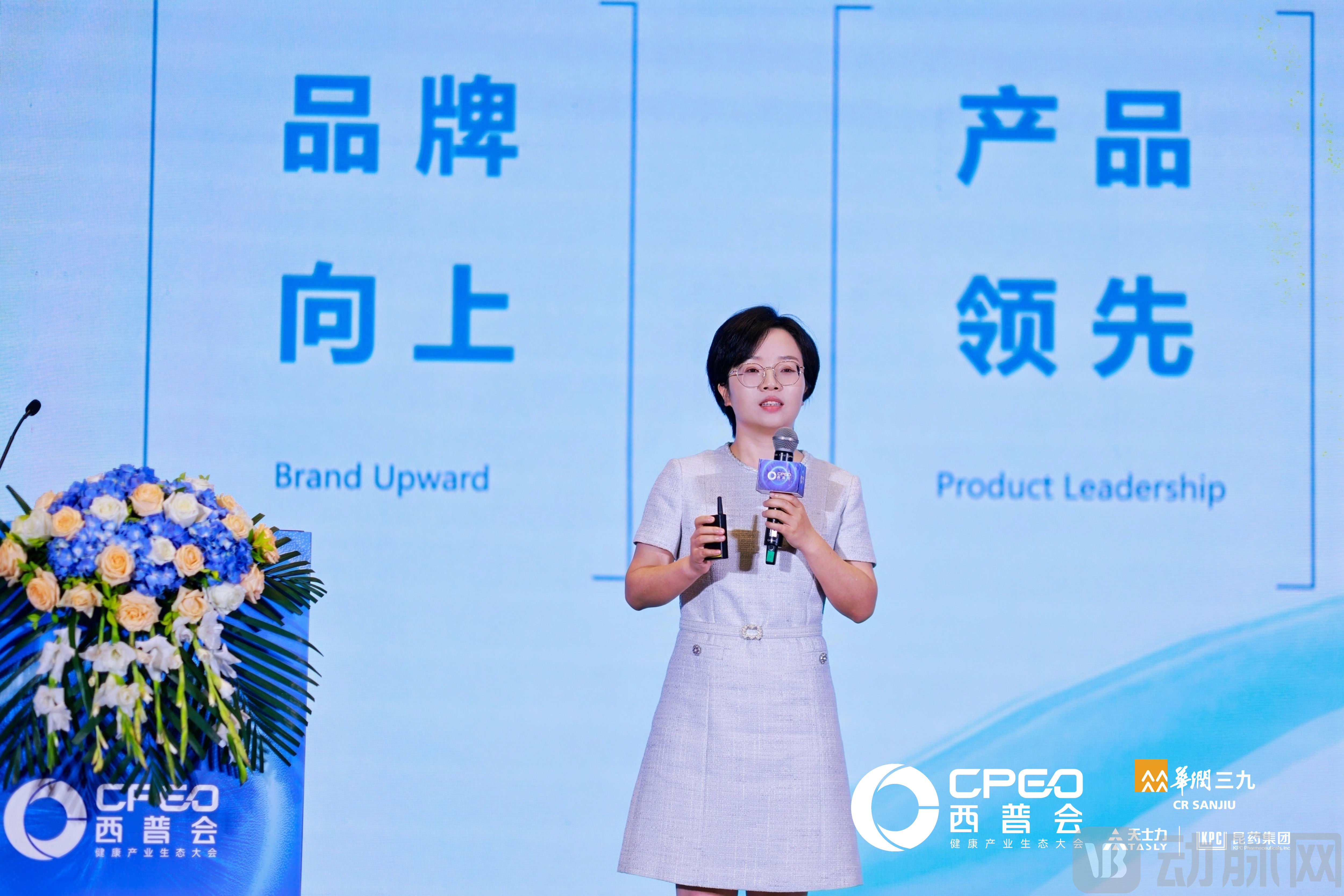
Zhang Yan, Deputy Director of Domestic Marketing at Winner Medical
Li Guozheng, General Manager of the OTC Business Division and Digital Marketing Division of Dong-E-E-Jiao Co., Ltd.Taking Dong-E-E-Jiao’s innovative practices as an example, a presentation was delivered under the theme “Internal Regulation for Beauty: A New Growth Pole in the Nourishing Health Industry.” According to Li Guozheng, Dong-E-E-Jiao has currently established a “Three-Wave Superposition” growth model: first, fully leveraging the brand and product advantages of Dong-E-E-Jiao to continuously deepen its presence in the qi-and-blood category; second, implementing a dual layout in pharmaceuticals and health consumer goods to achieve two-wheel drive; and third, capitalizing on Dong-E-E-Jiao’s brand strength among female consumers to expand into other categories related to pregnancy, childbirth, and lactation.
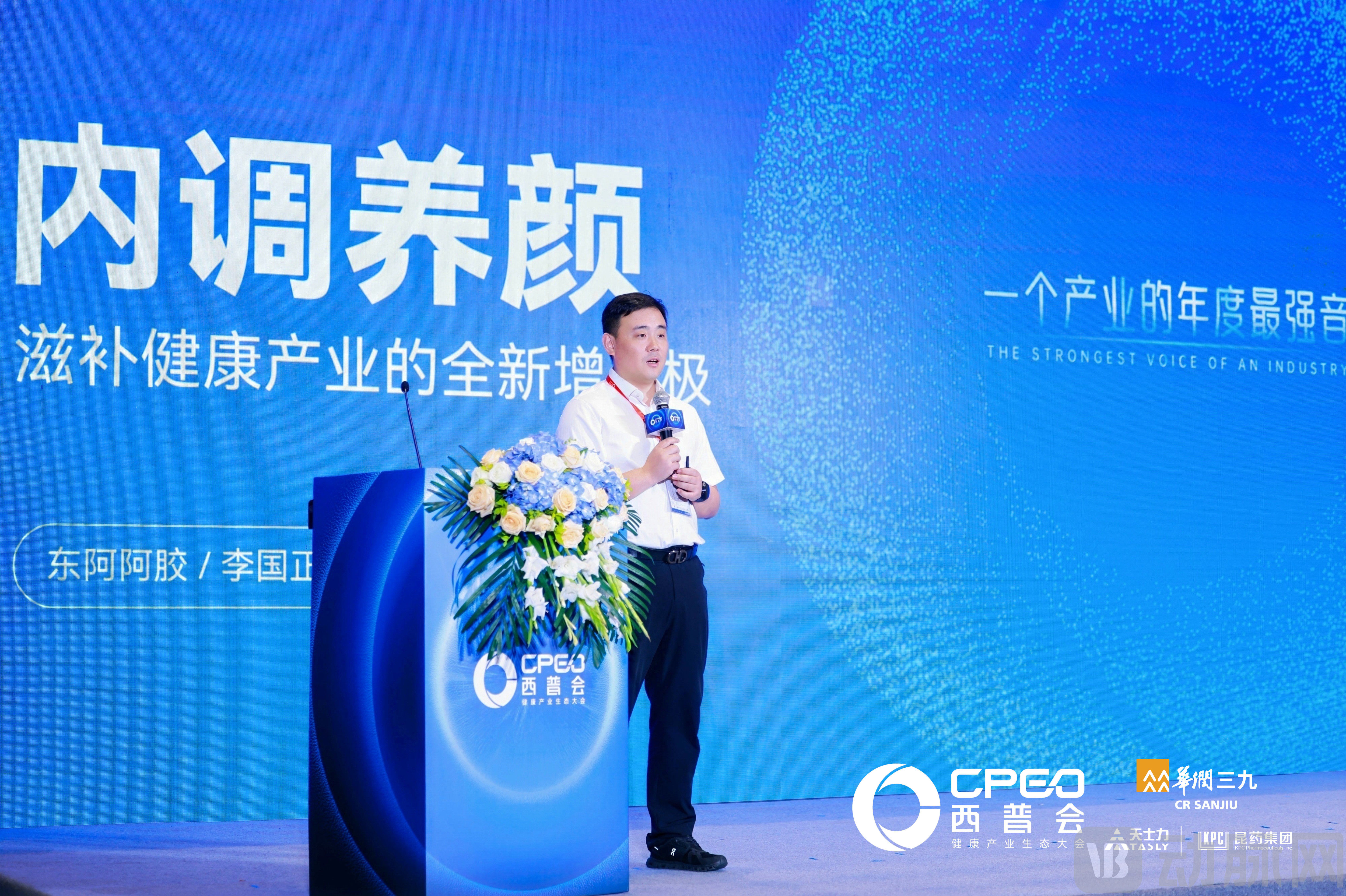
Li Guozheng, General Manager of the OTC Business Division and Digital Marketing Division of Dong-E-E-Jiao Co., Ltd.
Among these initiatives, the “beauty economy” serves as Dong-E-E-Jiao’s entry point into the health consumer market. The company primarily collaborates with cosmetics enterprises to achieve a comprehensive strategy for the beauty economy that combines “topical application and internal regulation.” Regarding its offline presence in the beauty economy sector, Dong-E-E-Jiao has developed a systematic methodology: first identifying usage scenarios, then managing channel benefits, and finally implementing refined marketing strategies. “In future non-pharmaceutical scenarios, we need to place greater emphasis on understanding consumer needs and determining how we can meet their scenario-specific demands. On this basis, we will enhance the value proposition of our products and the professionalism of our team,” stated Li Guozheng.
Expanding the Beauty Economy Through Offline Channels: Cognition, Product Selection, and Team Building Are Key
In addition to product-side participants, the forum also invited numerous representatives from distribution channels and third-party platforms to share innovative practices and industry insights on exploring the “beauty economy” through pharmacies, retail stores, and other outlets.
Tu Lijuan, General Manager of the Beauty Division of Shuyu Civilian Pharmacy Chain Co., Ltd.It is believed that pharmacies are no longer merely places for selling medications but have become gateways to healthy and beautiful lifestyles. Building blockbuster products from scratch requires breaking through and reconstructing the ecosystem of efficacy-based skincare, which involves three key elements: people, products, and premises. Specifically, “people” refers to the development of personnel teams, while “products” pertains to category selection. Taking Shuyu Pingmin Pharmacy’s practice as an example, its product offerings mainly fall into three categories: first, foundational categories that ensure stable growth; second, traffic-driving categories with strong sales potential; and third, other categories that meet personalized needs. In this way, Shuyu Pingmin Pharmacy can not only comprehensively satisfy user demands but also cater to the personalized needs of discerning customers.
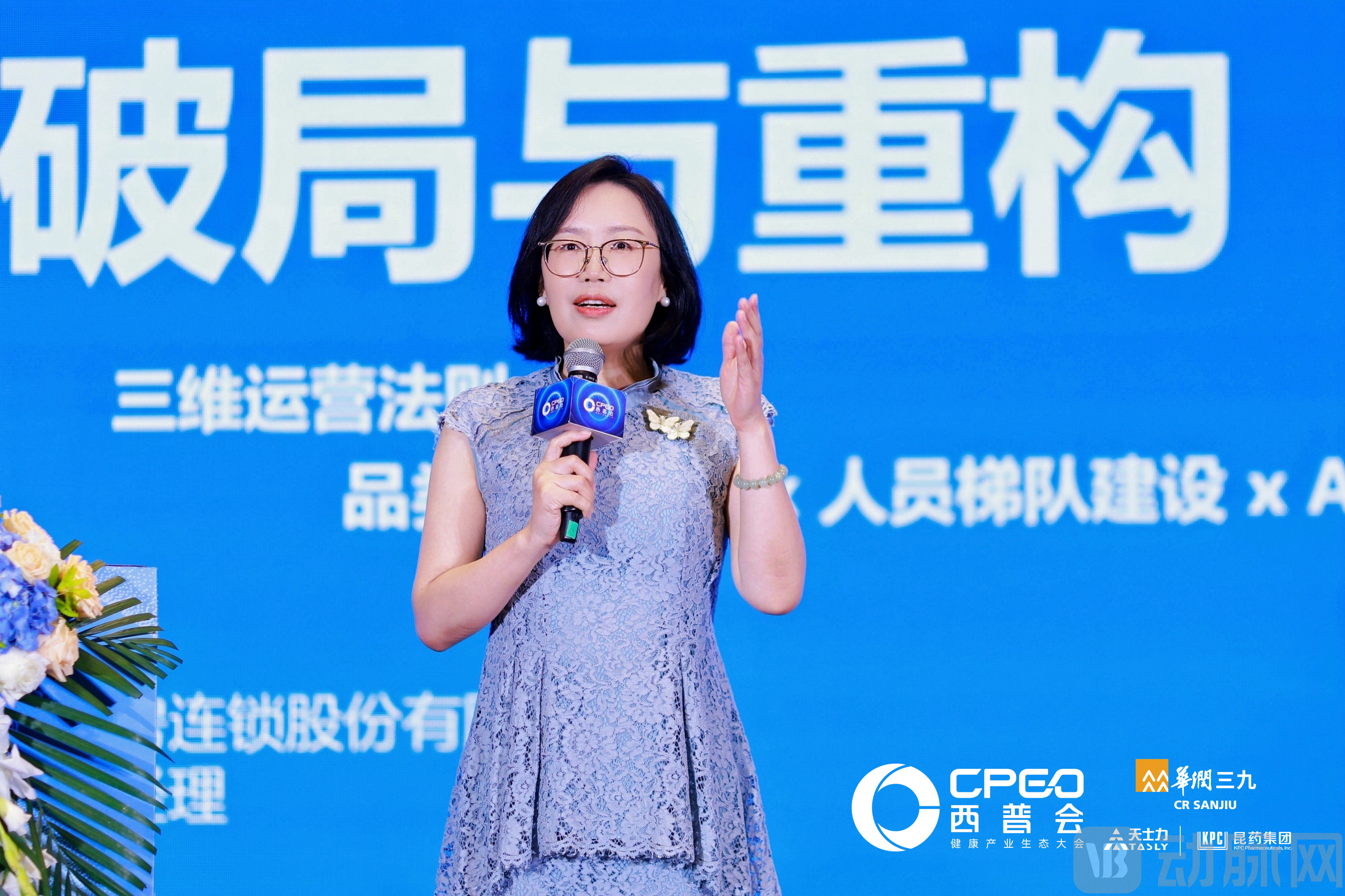
Tu Lijuan, General Manager of the Beauty Business Division, Shuyu Pingmin Grand Pharmacy Chain Co., Ltd.
Wang Zehui, General Manager of Operations at Tianhong Lingzhi Digital TechnologyDrawing on Rainbow Lingzhi’s practice of leveraging digital technologies for high-end member operations, the session shared insights into exploring the “beauty economy” in the retail sector. By adopting a “member-centric” refined operational strategy and implementing a systematic digital layout, Rainbow Lingzhi has established a complete closed loop—from traffic acquisition to value retention—offering a viable pathway to convert customers into repeat buyers and helping the industry address the challenge of traffic retention. “We must delve deeper than mere insight, elevate our service to a higher level, and never overlook the needs of any customer,” emphasized Wang Zehui during his presentation.
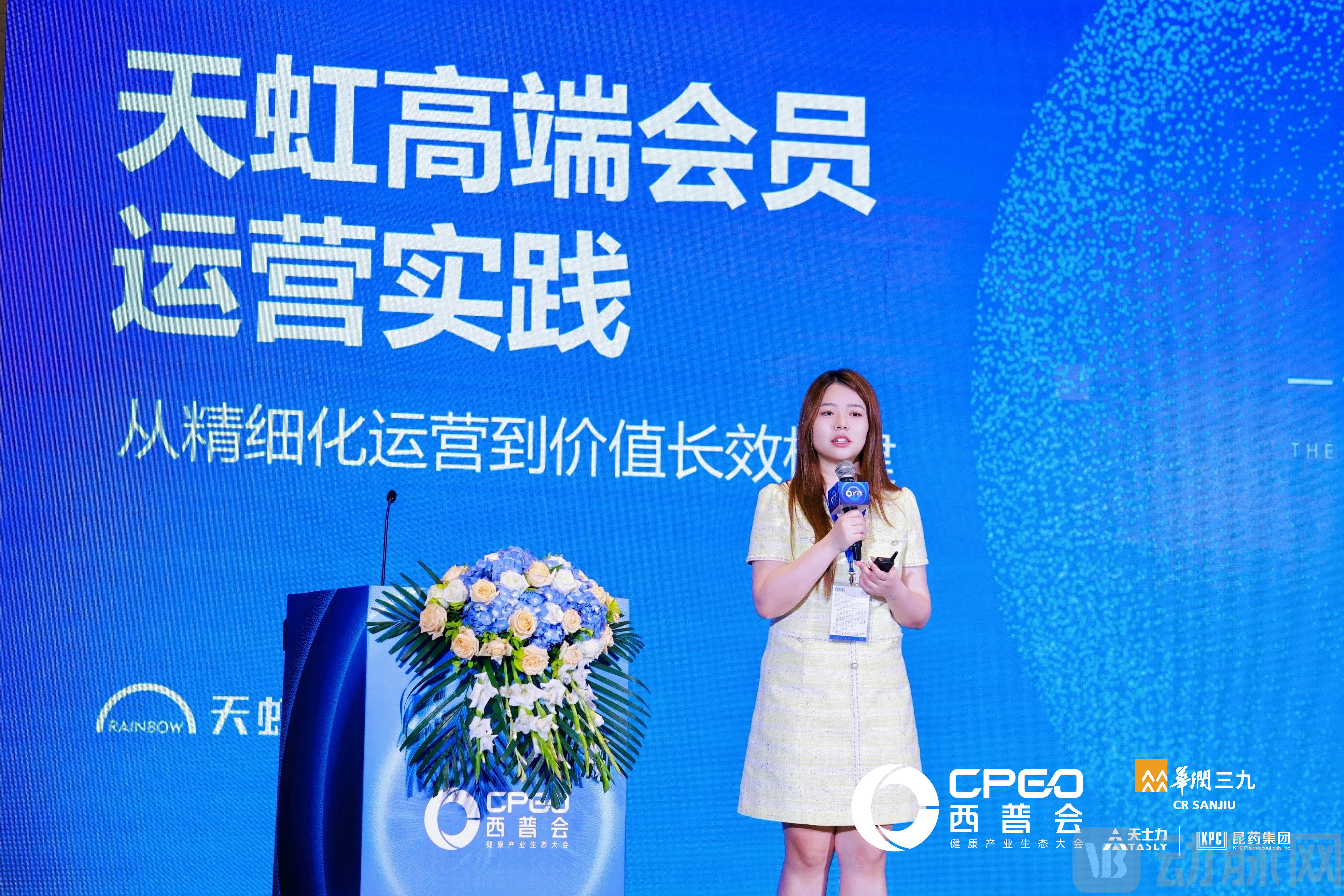
Wang Zehui, General Manager of Operations at Tianhong Lingzhi Digital Technology
“There are obvious contradictions in the development of the beauty economy. On one hand, whether measured by the number of companies involved or industry attention, the beauty economy is booming; on the other hand, its performance at the consumer end can be described as lukewarm. Product homogenization, poor sales, and low gross profit margins are major obstacles hindering the integration of the beauty economy into pharmacies.”Luo Wenqin, CEO of Tianqin Brand Consulting Management (Guangzhou) Co., Ltd.indicates.

Luo Wenqin, CEO of Tianqin Brand Consulting and Management (Guangzhou) Co., Ltd.
To establish a foothold for the beauty economy in pharmacies, at least three major challenges must be overcome: first, enhancing industry awareness correctly; second, improving organizational structures; and third, achieving brand specialization. This not only means that pharmacies should adopt more scientific approaches in product selection and recommendations but also that they should focus on specific scenarios to build their differentiated advantages. Meanwhile, Luo Wenqin emphasized, “Future growth of pharmacies in the beauty economy will definitely start with category expansion.”
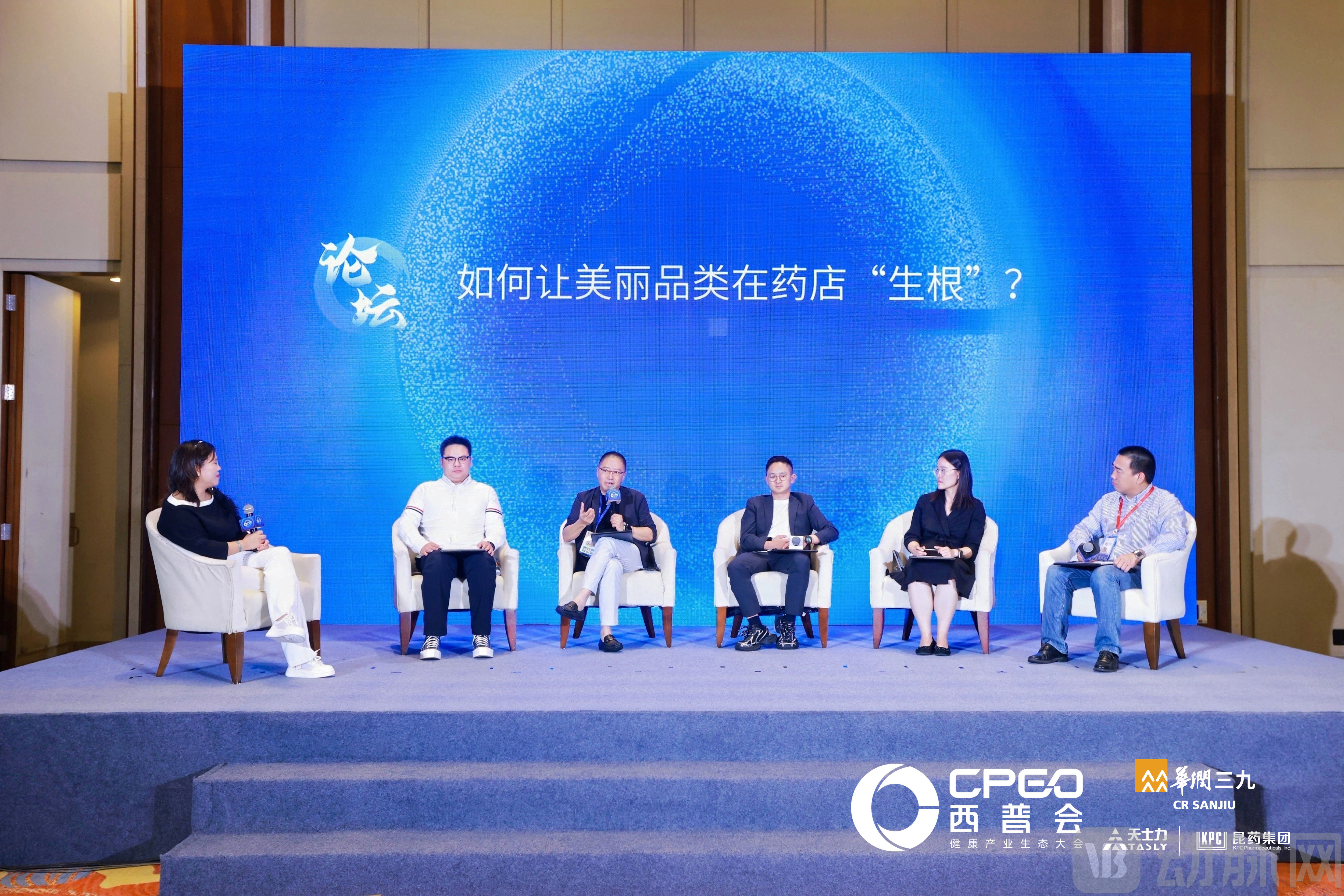
To better explore “how beauty categories can ‘take root’ in pharmacies,” a spirited discussion was moderated by Luo Wenqin, CEO of Tianqin Brand Consulting & Management. The panelists included Luo Junhai, Head of the OTC Division at Fuqing; Wang Wenjun, Co-founder of Guizhou Yishu; Ma Chunwei, General Manager of the Pharmaceutical Division at Botanee Group; Li Ruixue, Marketing Director at Minsheng Health; and Zhang Lei, Greater China Representative Director of Japan BIZUKI Pharmaceutical Medical Group Co., Ltd. The participants agreed that “good products + good business models” constitute the core of the pharmacy beauty economy, with product strength serving as the foundation—only by first solidifying product quality can beauty categories in pharmacies truly become robust.