

Longzang Bio Successfully Produces Ginseng via Plant Stem Cell Technology, Cutting Costs by 70% and Reducing Production Cycle to 60 Days

Lectherb Metacell Tech
Plant Stem Cell Raw Material R&D Service Provider
CASSTAR
Venture Capital Institution
Human survival depends on plant-synthesized nutrients (such as polysaccharides, proteins, and vitamins) and pharmaceutical molecules (such as artemisinin, paclitaxel, and camptothecin). Medicinal plants not only constitute the mainstay of clinical practice in Traditional Chinese Medicine (TCM), but also serve as a vital source for new drug discovery, playing a crucial supportive role in the life and health system through various pathways including food, medicine, and cosmetics.
However, most medicinal plants face common challenges, including fragile supply security, unclear mechanisms underlying the formation of bioactive constituents, and an uncontrollable trend of quality degradation. Rare medicinal plants, in particular, have long suffered from supply shortages due to their slow growth and scarce resources. Crucially, the upstream segment of the industry chain is linked to cultivation, which exhibits distinct cyclical, regional, and seasonal characteristics. The planting and cultivation of raw materials directly impact product uniformity, production costs, and the content of active ingredients.
To break the bottleneck in the mass production of rare medicinal plants, Longzang Bio andIn collaboration with the Institute of Botany, Chinese Academy of Sciences, we have launched a synthetic biology solution for medicinal plant resources, based on an innovative technological pathway utilizing plant stem cells.
Recently, Longzang Biotechnology’s self-developed platform for the large-scale culture of plant stem cellsSuccessful pilot-scale trials were conducted in a 500-liter bioreactor, establishing an end-to-end technological chain spanning plant stem cell isolation, metabolic regulation, and GMP-compliant manufacturing. Stable proliferation and efficient synthesis of active ingredients have been achieved for multiple high-value medicinal plant species, including Taxus chinensis (Chinese yew), Centella asiatica (gotu kola), and Panax ginseng (ginseng).According to estimates, this technology can enable rare medicinal componentsCosts decreased by 70%.
Taking this opportunity, VCBeat interviewed Wan Cheng, Chairman and Chief Scientist of Longcang Bio, to interpret the breakthrough path of this novel solution.
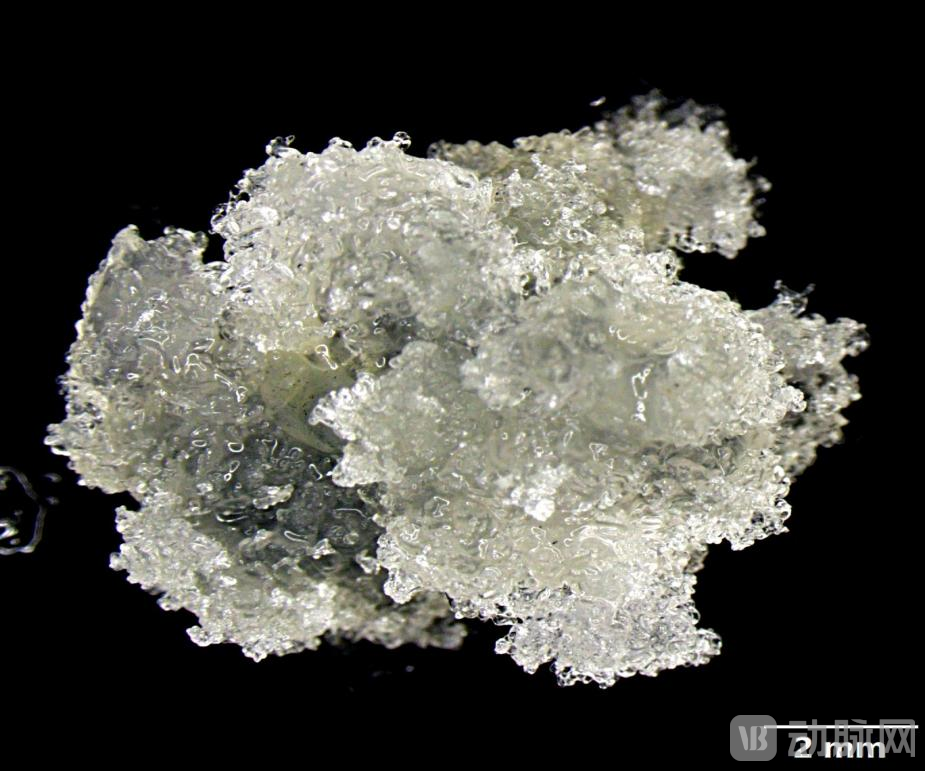 Ginseng Stem Cells Harvested Using Large-Scale Plant Stem Cell Culture Technology
1Costs reduced by 70%, synthesis cycle compressed from years to 60 days
As a Ph.D. candidate at the Institute of Botany, Chinese Academy of Sciences (CAS), Wan Cheng collaborated with the institute’s research team to focus on applied research into embryonic cell regeneration systems, aiming to improve medicinal plant seed resources and address quality issues such as superficial appearance without substantive efficacy and lack of pharmacological properties. As R&D progressed, the team discovered that improving seed resources could only resolve a small fraction of the problems; the key to influencing pharmacological efficacy lies in the regulation of the overall cultivation environment.
“From the perspective of growth logic,When plants in natural environments encounter external stresses such as pest infestations and drought, they actively produce secondary metabolites as a defense mechanism; these secondary metabolites are the source of more than 99% of medicinal compounds.“Wan Cheng stated, ‘If we further trace back to the underlying logic, what we are leveraging is a capability that enables plants, despite being immobile, to resist external stresses. This capability or energy is stored within the holistic composition dominated by secondary metabolites.’”
Therefore, in terms of technological innovation, Longcang Biology continues its research on the embryonic cell regeneration system, constructs high-value plant cell lines, and thereby achieves the industrialized production of natural bioactive plant compounds.On the one hand, we build plant stem cell lines “from zero to one,” establishing an integrated pathway for plant cell induction, analysis, modification, and industrial-scale cultivation. On the other hand,Explore the regulation of climatic and environmental factors in large-scale cultivation platforms to identify optimal growth parameters (e.g., light, temperature, pH) for various medicinal plant species, thereby enhancing the yield of bioactive constituents.
Wan Cheng pointed out that the active constituents of medicinal plants are typically mixtures composed of multiple components, with highly complex chemical profiles and potential interactions among different constituents. From a basic science perspective, it is extremely difficult to determine the pharmacodynamic effects of each individual component and how inter-component interactions influence efficacy and toxicity; indeed, current understanding in this area remains limited.Therefore, return to plant stem cell lines, that is, start from the “true source,”AdequateHolistic Efficacy from Cells to Metabolites。
This approach not only circumvents issues such as uncontrollable costs and excessive byproducts associated with microbial synthesis, but is also more suitable for high-value components with complex molecular structures that are difficult to synthesize using microorganisms.In fact, the difficulty of this approach is entirely front-loaded to the stem cell lineConstruction. Currently, Longcang BioCore technological breakthroughs have been achieved, with the establishment of 56 cell lines and a robust reserve of directions for platform expansion.
Through precise environmental control, Longcang Bio’s platform for the large-scale culture of plant stem cells has achieved sustained maintenance of plant stem cell viability within 500-liter bioreactors,The synthesis efficiency of key secondary metabolites (such as paclitaxel, ginsenosides, and asiaticoside) has doubled compared to laboratory-scale production, with the cycle compressed from decades of natural growth to 45–60 days, enablingProduction EfficiencyIncreased by over 100-fold.
It is estimated that this technology can reduce the cost of rare medicinal ingredients by 70%.
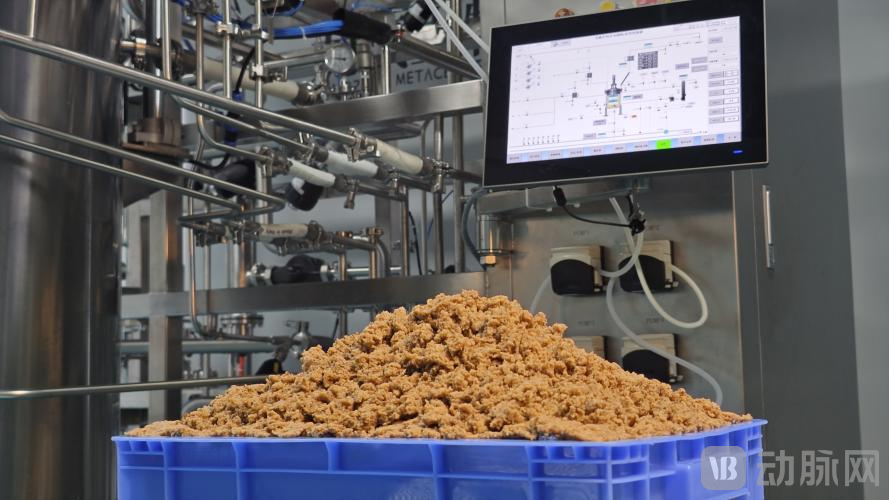 Taxus Stem Cells Harvested via Large-Scale Plant Stem Cell Culture Technology
2Pharmaceuticals, Food, and Cosmetics: A Three-Pronged Approach with Mass Production Capabilities for Plant Extracellular Stem Cells and Exosomes
The successful 500-liter pilot-scale validation marks the entry of medicinal plant resource development from laboratory research into a new era of industrial mass production. The varieties included in this pilot validation coverDisease Treatment, Premium Skincare, Tissue RepairThree Major Fields.Pilot production has been successfully completed for the three product lines, with mass production to commence shortly., has partnered with multiple enterprises to initiate the research and development, clinical trials, and commercialization of products in the pharmaceutical, food, and cosmetic sectors.
Broad-Spectrum Anticancer Paclitaxel
The raw material, yew trees, requires more than 20 years of natural growth, leading to a long-term shortage of wild resources. After the platform becomes operational within the year, paclitaxelAnnual production capacity can meet the demand for 200,000 doses of anticancer preparations., which will significantly alleviate pressure on wild resources.
Rare Ginsenosides
Whether wild-harvested or cultivated, the accumulation of active ingredients in the precious traditional Chinese medicine ginseng takes decades. However, data from Longcang Biology shows that rare ginsenosides account for over 80% of its synthetically produced ginseng stem cells, with anti-tumor activity reaching ten times that of traditional extracts, and annual output per bioreactor equivalent to that of a 2,000-mu plantation.
Centella asiatica
Centella asiatica Cell-Targeted Repair Factor for Severe Burn ModelsSkin regeneration efficiency increased by 85%, offering new avenues for tissue regeneration. We have collaborated with Guangdong Provincial People's Hospital and other institutions to develop Class III innovative drugs based on plant stem cells, and engaged in deep partnerships with leading cosmetic brands to co-develop next-generation skincare products derived from plant stem cells.
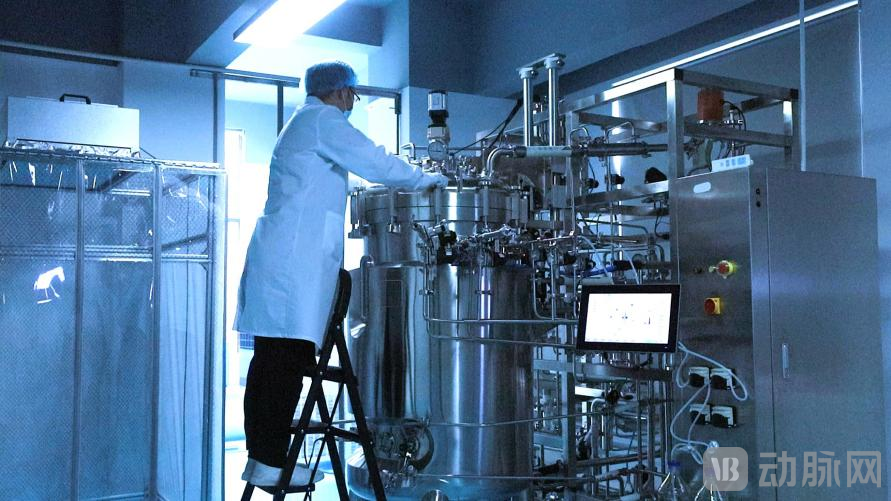
Operation of Cell Fermentation Scale-up Process in a 500-Liter Pilot-Scale Bioreactor
“The successful 500-liter pilot-scale trial marks a critical turning point for ‘cell factories’ to replace ‘field cultivation,’ particularly representing a fundamental shift in production logic,” mentioned Wan Cheng.“Before us lies a disruptive process system that requires regulatory and approval recognition. For instance, we are collaborating with the China Health Care Association to advance the filing and market commercialization of ginseng stem cells, and the filing process for the new raw material centella asiatica has also been initiated.”
According to Wancheng’s observations, pharmaceutical companies that have already established collaborations or are currently in negotiations all highly endorse this new methodology.—“Because they are well aware that the synthetic iteration based on plant stem cell logic addresses the fundamental contradiction of raw material supply shortages, while also achieving upgrades in both active ingredients and manufacturing costs.”
Xu Xiaoyang, President of China Biopharmaceuticals, stated that the successful application of large-scale plant stem cell culture technology has effectively overcome the bottleneck of dwindling resources of rare medicinal plants. This breakthrough not only injects new momentum into the inheritance, innovation, and development of Traditional Chinese Medicine (TCM), but also provides robust scientific and technological support for the industrial upgrading of high-end biopharmaceuticals and cosmetics, as well as for the field of regenerative medicine.
Wan Cheng emphasized:“Innovative drugs and the application of traditional Chinese medicine will undoubtedly be the most critical future development directions for plant stem cells, such as plant-derived exosomes.”As a major type of extracellular vesicle, exosomes can not only penetrate tissues but also disseminate into the bloodstream and cross the blood-brain barrier. Consequently, exosomes are being developed as drug carriers and monotherapeutic agents, with applications in medical aesthetics for delivery and tissue repair. Currently, most plant-derived exosomes on the market are extracted directly from plants, leading to challenges such as significant batch-to-batch variability and difficulties in standardization.This large-scale culture platform for plant stem cells enables stable sourcing from the same master cell bank, addressing challenges in consistency and standardization, and overcoming key technical bottlenecks in the mass production of plant exosomes.
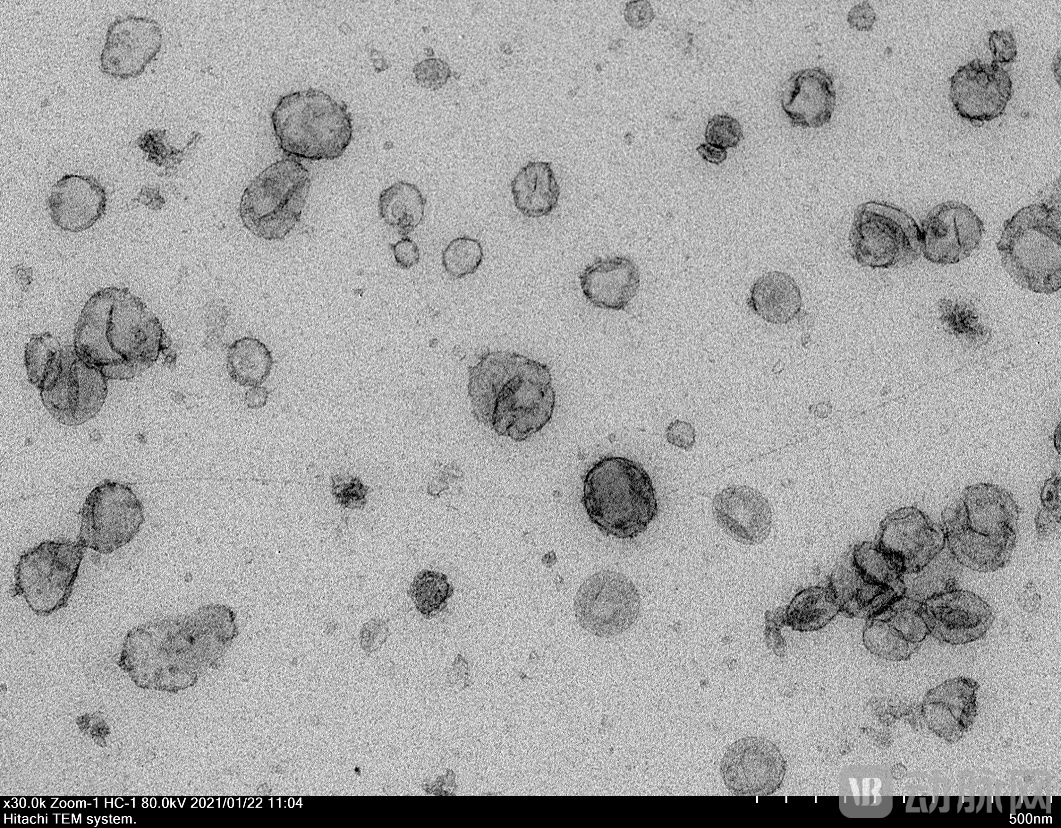 Exosomes Secreted by Ginseng Stem Cells
Meanwhile, Longcang Bio has accelerated its capacity building, establishing a full-chain technology platform spanning plant stem cell isolation, metabolic regulation, and GMP-compliant production, thereby achieving an annual production capacity of active ingredients at the hundred-kilogram scale.In addition to the three existing laboratories (Beijing, Kunming, and Xishuangbanna) centered around the Institute of Botany, Chinese Academy of Sciences, it is planned that within the yearImplementation of Ton-Scale ProductionBase Construction: Supporting the Scaled Supply of Future Innovative Drugs, High-End Skincare Products, Medical Aesthetics Products, Regenerative Medicine Products, and Health Supplement Ingredients.
From a strategic perspective, Wan Cheng believes that over the next three to five years, initiatives in “food,” “cosmetics,” and “pharmaceuticals” will be advanced along multiple fronts with targeted breakthroughs. By leveraging robust data, clinical validation, and regulatory review and approval processes, this strategy will be commercialized, ultimately reaching frontline clinical practice and consumers’ hands.
From laboratory breakthroughs to successful pilot-scale trials of disruptive platform technologies, andTon-scale Mass Production, is a universal capability that "industrializes scarcity."When active ingredients are no longer constrained by climate, species, and geographic origin, but instead rely on reproducible, scalable, and optimizable master cell banks, with cell factories replacing field cultivation, “geo-authenticity” is no longer a limitation to the development of medicinal plants. This day has arrived.