

LivingPhoenix Regenerative Technologies Unveils Global First-in-Class Chemically Synthesized Triple-Helix Biomimetic Collagen, Overcoming Stability Challenges in Collagen-Based Therapeutics and Aesthetics
Strong national policy support, enthusiastic adoption by the medical aesthetics industry, and deep attention from both the serious medical sector and capital markets have collectively written a significant chapter in the narrative of collagen’s technological innovation in China.
Globally, research into the applications of collagen in the medical and health sectors can be traced back to the 1940s. In 1976, the United States began regulating collagen-based products as medical devices, subjecting them to approval for market entry, and the first clinical trials of collagen implants commenced in 1977.
In 1981, Allergan’s product Zyderm I became the first collagen implant approved by the FDA worldwide, subsequently experiencing rapid growth. Following the market launch of hyaluronic acid injectables in 2003, and constrained by ethical concerns regarding animal-derived collagen and its limited duration of effect in vivo, collagen injection treatments in the United States gradually declined.
In contrast, after decades of research and development, China has achieved a leading technological level in the field of non-animal-derived collagen.
And this momentum continued into 2025.
In 2025, at the recently held 20th China Western International Expo, a company from Chengdu—As demonstrated by Phoenix Regenerative Technology Development (Chengdu) Co., Ltd. (hereinafter referred to as “Phoenix Regenerative”), “POGMENT®“Triple-Helix Biomimetic Collagen Raw Materials” Captivated the Audience.
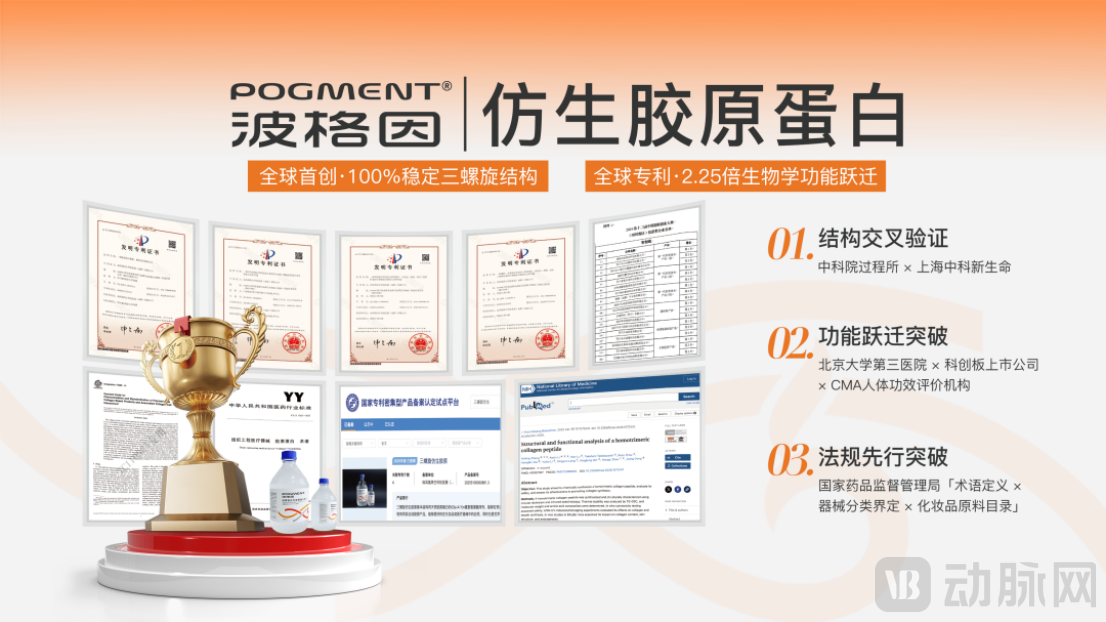
According to the industry standard YY/T 1955—2025 "Terminology for Collagen" issued by the National Medical Products Administration, collagen mimetic peptide refers to the specific amino acid sequence of the triple-helix structural domain of collagen. It constitutes the fundamental sequence of the natural collagen triple-helix conformation and is typically characterized by the “Glycine-Proline-Hydroxyproline-” (Gly-X-Y) motif.
Meanwhile, according to the standard guide F3089-14 “Characterization and Standardization of Polymerizable Collagen-Based Products and Associated Collagen–Cell Interactions” issued by ASTM International (formerly the American Society for Testing and Materials), the definition of collagen encompasses proteins or polypeptides with collagen-like structural and functional properties obtained through various technical approaches, including extraction from animal tissues, genetic recombination, and chemical synthesis.
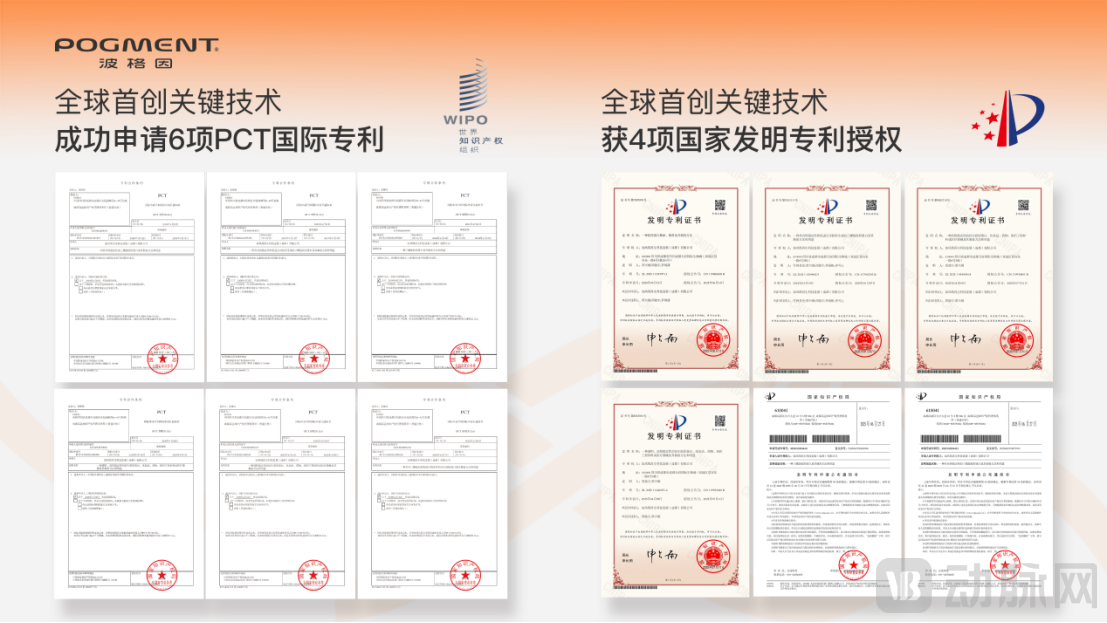
such as POGMENT, independently developed and manufactured by Phoenix®Bionic Collagen (Invention Patent Authorization Numbers: CN202510440054.8, CN202510440051.4, CN202410309842.9),Prepared via chemical synthesis, this biomimetic collagen consists of collagen polymers with a linear repeating sequence of “glycine-proline-hydroxyproline.” It features a weight-average molecular weight greater than 200 kDa, exhibits characteristic triple-helix structural features, and is capable of self-assembling into collagen fibrils. Essentially, it is a polymer material with excellent biocompatibility. This technology represents the third-generation collagen synthesis technology, which is a global first, originating in Japan and independently developed in China.
The biomimetic collagen synthesis technology of Phoenix Regenerative Technology originates from a doctoral team at Kyoto University in Japan. Leveraging its patents and trade secrets, the technology was further developed by a full-time doctoral team led by Dr. Zhou Boyu and others at the University of Tokyo, successfully constructing a thermally stable triple-helix structure that significantly enhances tissue repair and regeneration functions. Through continuous iterations by doctoral teams from the University of Tokyo, Peking University, Lanzhou University, and the Chinese Academy of Sciences,A world-first breakthrough in the product application development of biomimetic collagen has led to the establishment of second-generation technology with fully independent intellectual property rights. Three Chinese invention patents (substance patents) for the core achievements have been granted by the China National Intellectual Property Administration, and the product has been registered as a patent-intensive product.
Biomimetic Collagen: Chemical Synthesis Technology Overcomes Thermal Stability Challenges of the Triple-Helix Structure
To understand the aforementioned achievements, akin to a phoenix rising from the ashes, one must delve into a deeper contextual framework.
Collagen is a natural biopolymer produced by animal fibroblasts, accounting for one-third of the total protein content in mammals. It is widely distributed throughout all tissues and organs, providing strength, durability, and flexibility to tissues. Due to its low immunogenicity, biocompatibility, hemostatic properties, and biodegradability, collagen has become one of the most extensively used protein materials in fields such as biomaterials and regenerative medicine, including applications like artificial skin and collagen sponges.
However, collagen faces two critical issues. The first is safety. Previously, products from Inamed, a subsidiary of Allergan in the United States, required patients to undergo a skin test injection, with suitability for treatment determined only after a 30-day observation period. This indirectly highlights safety concerns associated with collagen, such as allergenicity and immunogenicity. The second issue is stability. Even if safety concerns are addressed, collagen remains difficult to apply widely as a standalone agent due to its poor stability, characterized by short duration in vivo and rapid degradation.
Furthermore, ensuring the integrity of the “triple-helix structure” of collagen during large-scale production has long been a technical challenge plaguing the industry, yet this triple-helix structure is precisely the fundamental prerequisite for collagen to exert its biological functions.
Specifically, the technical bottleneck in achieving the triple-helix structure of collagen primarily lies in the modification process (restoring the secondary or higher-order structures inherent to collagen), with challenges centered on the selection of gene fragments and the stability of the triple-helix structure. Currently, most recombinant collagens produced at scale on the market adopt a single-chain structure, as industrial-scale production of recombinant collagen with a triple-helix structure remains technically difficult to achieve.
Given factors such as the short duration of effect and immature biosynthetic processes associated with natural collagen, Phoenix Regeneration has opted for a classic chemical synthesis approach. Chemical synthesis enables precise control over amino acids at the source and over the final product, supported by well-established analytical techniques. Crucially, it facilitates the formation of a stable triple-helix structure in collagen, leading to significantly enhanced functionality.
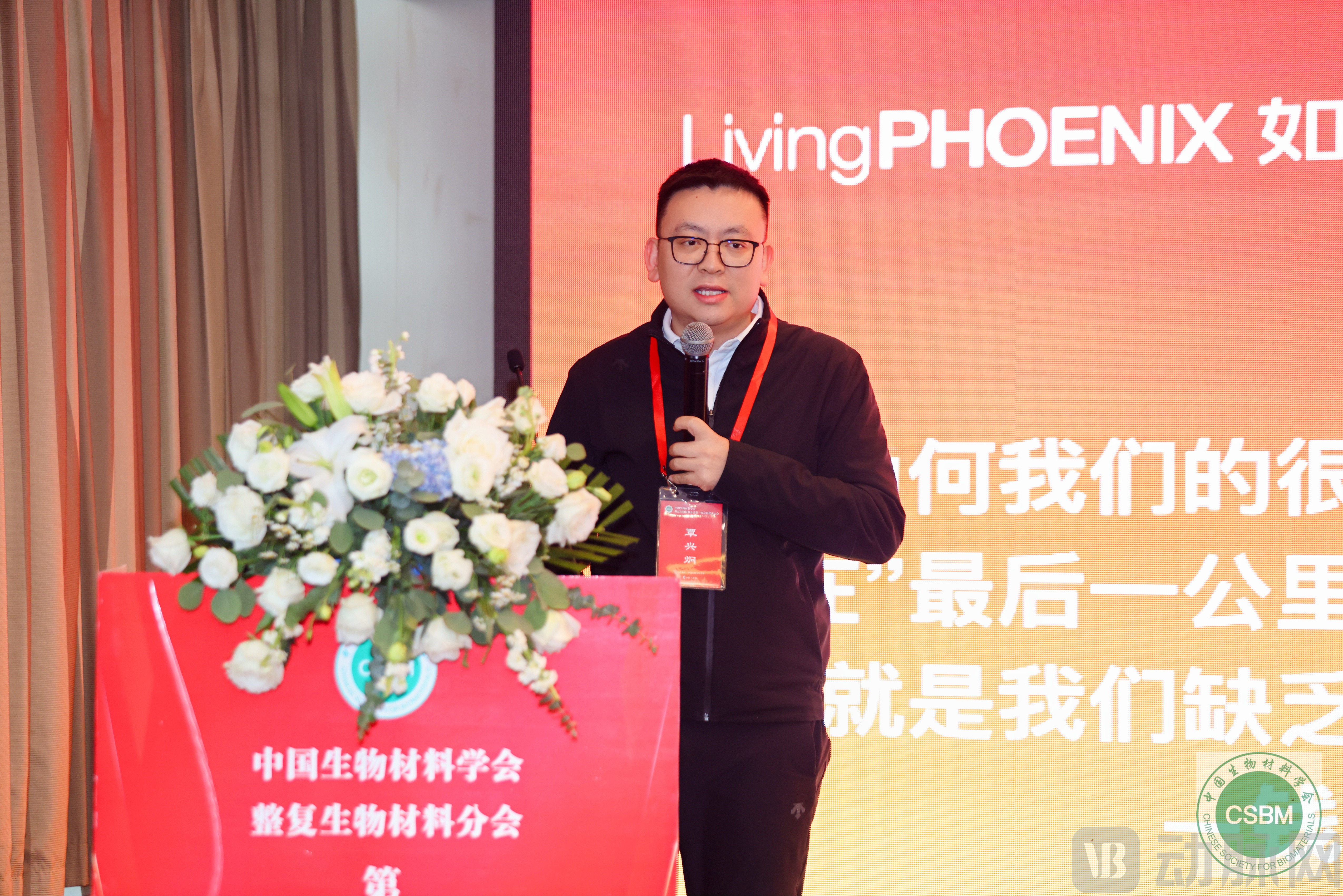
As Qin Xingjiong, founder of Ru Fenghuang Regeneration, emphasized: “Ru Fenghuang Regeneration evaluates technologies based on functionality and cost. Functionality is fundamental, with structure as its basis; cost is a key factor for industrialization. Currently, whether through biosynthesis or chemical synthesis, synthesizing a substance is not difficult—the key lies in reducing costs. Based on a comprehensive consideration of functionality and cost, Ru Fenghuang Regeneration has chosen the chemical synthesis pathway. This approach has become a hotspot in frontier basic research internationally, with dedicated studies underway in countries such as China, Japan, and the United States.”
Currently, the market launch of biosynthetic products has fallen short of expectations, fundamentally due to unresolved structural issues. However, chemical synthesis also has its drawbacks, including multiple steps, high costs, and significant R&D challenges. For instance, Phoenix Regeneration employs liquid-phase peptide synthesis technology, utilizing acid-amine condensation to progressively couple amino acid monomers and construct the target peptide sequence. The entire reaction process is conducted in a liquid-phase system, with real-time monitoring (e.g., via HPLC) used to control reaction progress.
Following synthesis, purification is carried out using methods such as precipitation, extraction, and dialysis, ultimately yielding high-purity collagen peptide products through recrystallization. At the level of triple-helix formation and collagen fibril self-assembly, biomimetic collagen products are developed by directionally polymerizing peptide monomers with specific sequences via amide condensation, based on liquid-phase peptide polymerization technology.
The reaction proceeds under mild conditions, with polymerization efficiency enhanced through pH regulation and optimization of condensing agents. The final product is purified via homogenization, ultrafiltration, and other methods to yield functional materials possessing collagen triple-helix structures and collagen fibrils. This approach enables the efficient synthesis of biomimetic collagen products, achieving biological functionality while reducing costs.
Meanwhile, biomimetic collagen is non-immunogenic, free from viral risks and endotoxins, and exhibits excellent biocompatibility. Its stable triple-helix structure endows collagen-based materials with superior properties. It can be synergistically combined with various materials, such as hyaluronic acid, chitosan, and hydroxyapatite, to synthesize composite gels with diverse regulatory biological functions.
Phoenix-like regenerative biomimetic collagen, synthesized chemically, features amino acid sequences and primary, secondary, tertiary, and quaternary structures similar to those of natural collagen. It also addresses material strength issues, with a molecular weight exceeding 200,000 Da (compared to 300,000 Da for natural collagen), thereby more closely approximating the physicochemical properties and biological functions of natural collagen.
Backed by Multiple International and Domestic Invention Patents, the World’s First Product Targets Diverse Application Fields
It is worth noting that the various advantages of biomimetic collagen also position it as a potential next-generation star product in the medical aesthetics field, such as dressings, skin boosters, and injectable fillers. Furthermore, it serves as a key option for tissue engineering and regenerative materials, including applications in artificial skin, drug delivery carriers, cell culture media, wound dressings, surgical sutures, nerve scaffolds, and artificial blood vessels.
In terms of market strategy, Phoenix Regeneration initially addresses the company’s short-term funding needs through its raw materials, cosmetics, and Class II medical device businesses.
such as POGMENT, independently developed by Phoenix Regenerative Technology®Triple-helix biomimetic collagen, leveraging the globally pioneering “stable triple-helix structure” technology, overcomes the limitations of immunogenicity associated with traditional animal-derived collagen and the structural instability of recombinant collagen.
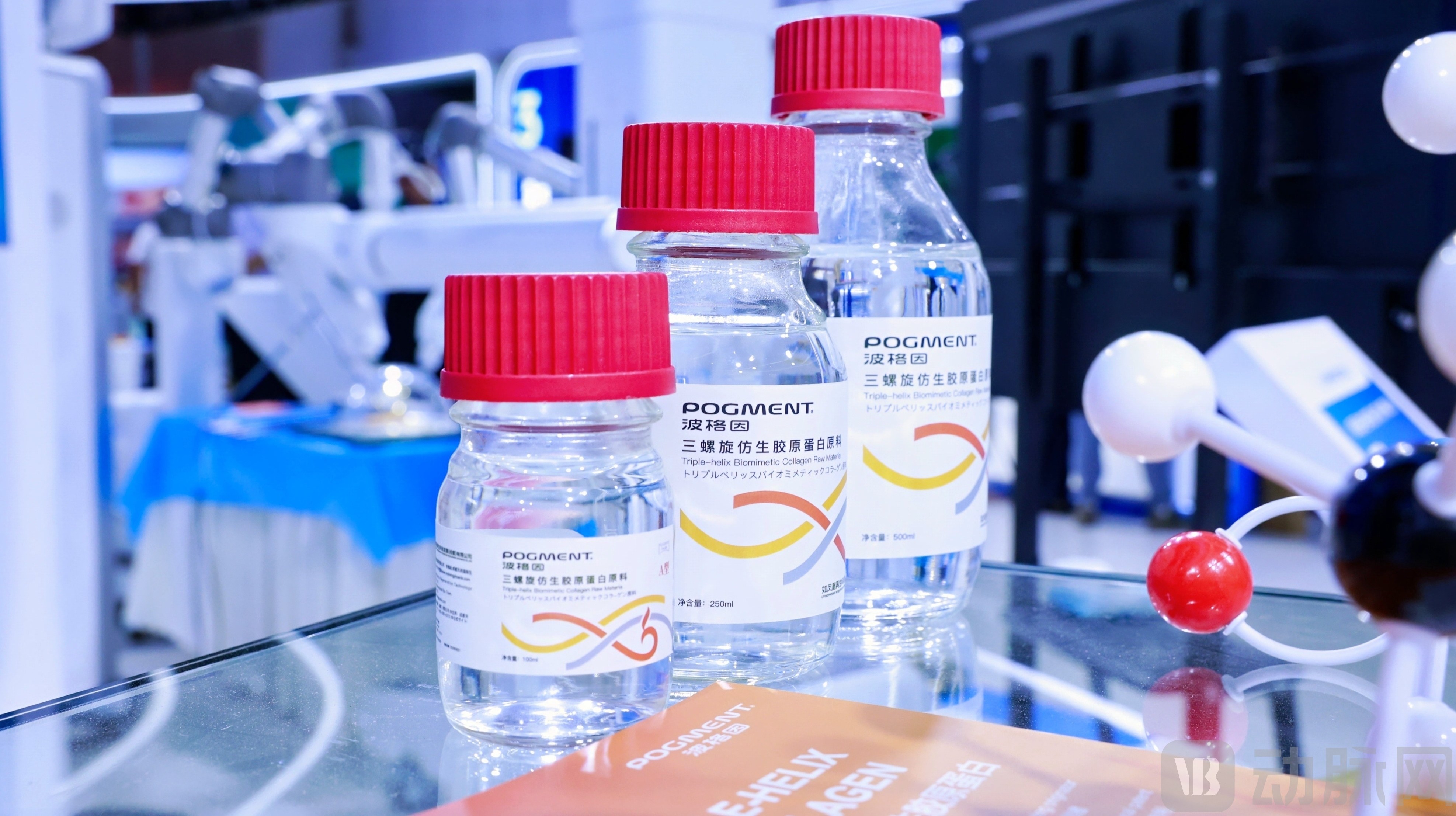
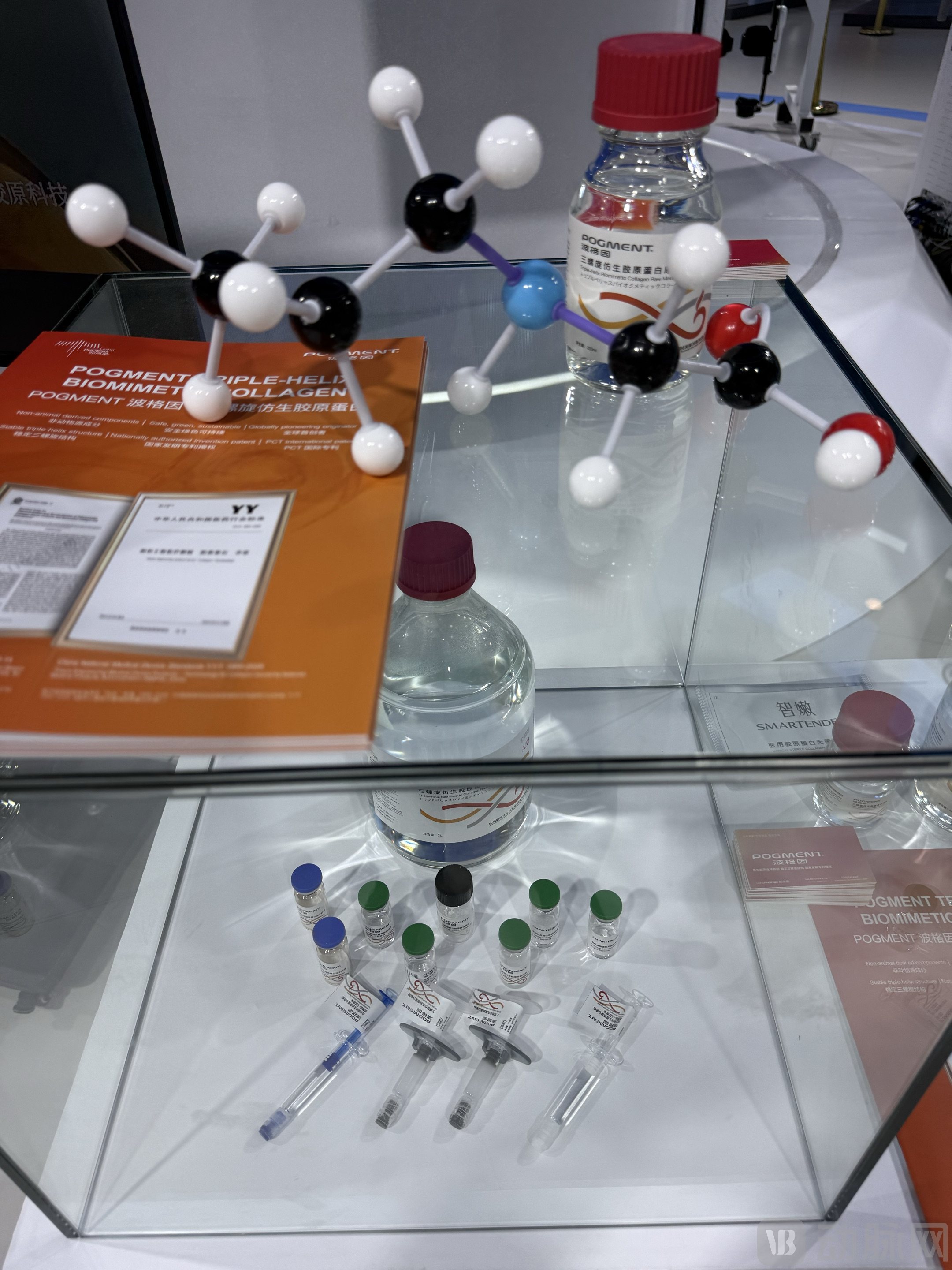
Bogin®Biomimetic collagen, as an innovative non-animal-derived protein material produced through chemical synthesis,By precisely designing amino acid sequences to accurately mimic the stable triple-helix structure of natural collagen and the collagen network fiber structure formed through self-assembly, its thermal stability and structural integrity have been validated by the internationally authoritative SCI journal Frontiers in Bioengineering and Biotechnology (Q1 quartile, Impact Factor: 4.8).。
Bogin®The core mechanism of action belongs to the physical biological scaffold effect: it forms a three-dimensional structural scaffold in the physiological environment, supports cell migration, and guides cell behavior (such as migration and adhesion) directly through its stable biomimetic structure. This is distinct from pharmacological mechanisms that rely on chemical signals or receptor pathways. Therefore, Bogin®Essentially, it is an innovative new class of peptide/protein materials that mimic the structure of natural collagen and are synthesized via safer chemical pathways. Its core value stems from its stable triple-helix structure and the resulting physiological activity.
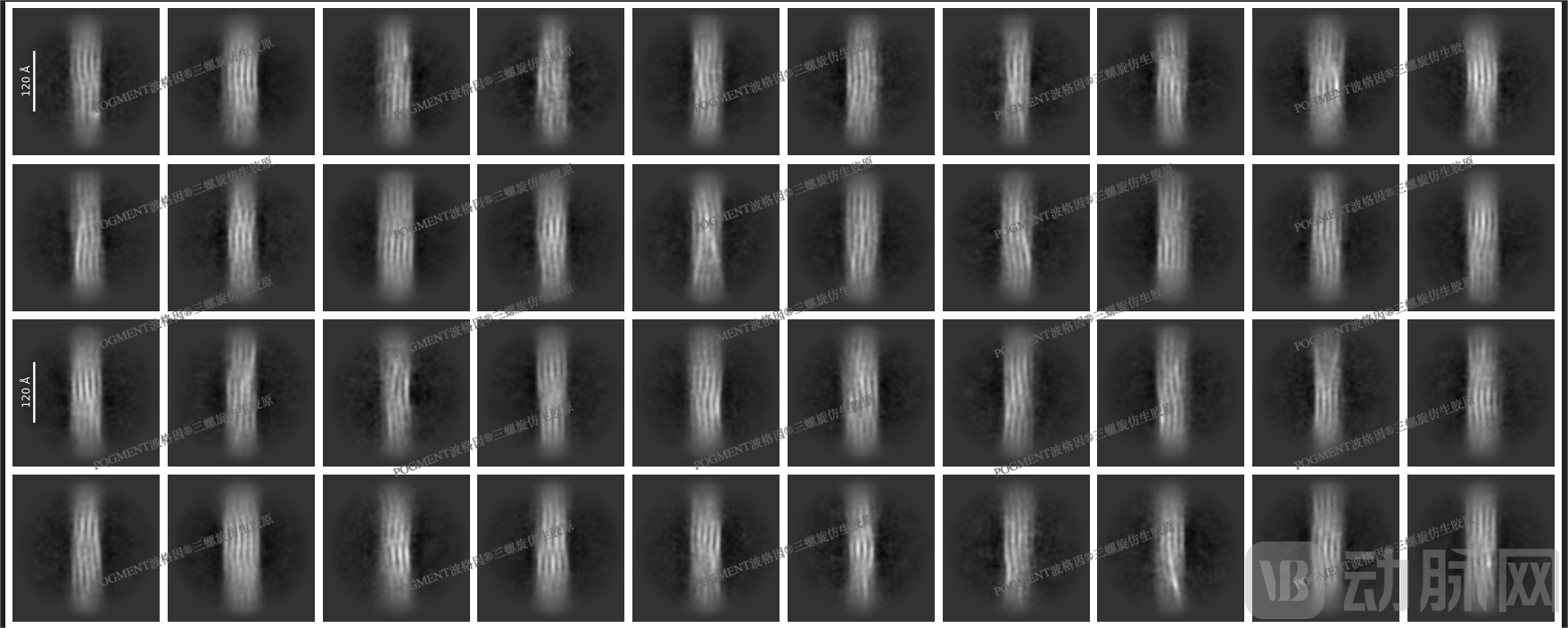
Notably, the team led by Professor Zhao Jie, Associate Research Fellow at Tianfu Jincheng Laboratory (Frontier Medical Center), successfully achieved POGMENT using the 300 kV Titan Krios G4 cryo-transmission electron microscope.®POGMENT’s high-resolution visualization of “collagen fiber bundles” in multiple batches of its biomimetic collagen products, a rare achievement globally. According to reports, POGMENT®Bogin®Triple-helix biomimetic collagen achieves internationally leading breakthrough. For the first time worldwide, high-resolution visualization and imaging of the advanced structure of “collagen fiber bundles” have been accomplished at the molecular level. The study employed multiple electron microscopy techniques to systematically elucidate the advanced structures formed through self-assembly. Under ambient temperature conditions, using a 120 kV transmission electron microscope (Talos L120C TEM), observations of multiple batches of samples were conducted via negative staining at magnifications of 45,000× and 73,000×, initially revealing the structural characteristics of collagen fiber bundles. More importantly, in an ultra-low-temperature liquid nitrogen environment (–196°C), the research team further utilized a 300 kV cryo-transmission electron microscope (Titan Krios G4) at a high magnification of 165,000× to successfully obtain POGMENT®High-resolution cryo-electron microscopy (Cryo-EM) visualization of biomimetic collagen “collagen fiber bundles” reveals the hierarchical structure of collagen fiber bundles formed through triple-helix molecular self-assembly. Both scientific validation pathways were based on multi-batch replicate experiments, yielding highly reproducible data that fully confirm the excellent self-assembly capability of POGMENT® biomimetic collagen, as well as the authenticity and stability of its structure. This achievement marks the first high-resolution imaging of collagen fiber bundle structures at the molecular scale worldwide, providing a critical structural foundation for functional studies, material design, and applications in regenerative medicine involving biomimetic collagen.
At the cellular migration level, triple-helix biomimetic collagen demonstrates a highly significant effect in promoting cell migration. Furthermore, Fenghuang Regeneration exhibits outstanding performance across multiple safety indicators.
“Whether used as dressings, cosmetic ingredients, or filler implants, our products offer significant advantages, thanks to their stable triple-helix structure. In terms of mechanistic research, we employed the most advanced methods to conduct molecular-level analyses, revealing that our products’ stable triple-helix structure promotes high expression of various types of collagen and elastin.”
Qin Xingjiong stated that Phoenix Regeneration’s products have secured multiple domestic and international invention patents and have been registered as national patent-intensive products. The company’s production base is about to commence the renovation of its Class III medical device GMP-compliant cleanrooms and the installation of equipment, thereby accelerating the pace of industrialization.
“Industry Standard” Improvement + Overseas Market Expansion in Parallel
In terms of industry scale, Frost & Sullivan forecasts that by 2026, the market share of collagen-based professional skincare products will surpass that of hyaluronic acid, with a compound annual growth rate (CAGR) of 52.6%. By 2027, the overall market size of collagen in China is projected to reach RMB 173.8 billion, among which the market size of recombinant collagen products will amount to RMB 108.3 billion, accounting for 62.3%.
On August 19, LeadLeo Research Institute released an industry research report on biomimetic collagen, predicting that with the approval of China’s first biomimetic collagen patent, the market size is expected to grow from RMB 1 million to RMB 6.778 billion between 2025 and 2030. In recent years, the supply of recombinant humanized type III collagen products has declined relatively, and the emergence of new products may drive market development.
In the overall recombinant collagen market, the supply of recombinant humanized type III collagen products decreased in 2023 compared to 2022, and this downward trend continued in 2024, with its market share accounting for approximately 25%. As more companies enter the recombinant collagen market, particularly those producing other types of recombinant humanized collagen such as type I and type II, industry market shares have been squeezed. With the approval of patents for biomimetic collagen products, these products are poised to capture the market gap by leveraging their stability and technological advantages.
Currently, Phoenix Regeneration has received extensive official certification at the national level. Its related technological achievements have been incorporated into the industry terminology definitions issued by the National Medical Products Administration (NMPA), completed medical device classification determination and master file registration, and been included in the "Inventory of Cosmetic Ingredients." Meanwhile, the team is participating in the formulation of three national group standard guidelines in the field of biomimetic collagen, striving to promote the standardized development of the industry.
Such a systematic layout not only provides legal protection for the triple-helix biomimetic collagen technology, akin to a phoenix rising from the ashes, but also instills confidence in the market and consumers regarding its quality.
Not only in China, but also in overseas markets.
Recently, the Phoenix Regeneration team conducted a specialized field visit to Southeast Asia. Initially, the team believed that Singapore and Malaysia offered the greatest market potential. However, after engaging with the Indonesian market, the team identified Indonesia as a highly promising pilot market, boasting a population of 200 million and strong purchasing power. Moreover, obtaining certification in Indonesia is expected to facilitate faster entry into the Middle Eastern market.
Qin Xingjiong told VCBeat that the local market holds Phoenix Regeneration’s technology in high regard, as consumers generally reject animal-derived products, whereas Phoenix Regeneration’s offerings are non-animal synthetic alternatives. Furthermore, eczema is prevalent in Indonesia, and due to the intense local UV radiation, existing products provide inadequate sun protection. There is also significant demand for skin whitening solutions. Therefore, developing products targeting eczema and dermatitis treatment, as well as skin whitening, presents substantial market potential.
# Final Remarks
The phoenix is a spiritual totem shared by all humanity, a mythical divine bird symbolizing the miraculous life cycle of “nirvana and rebirth.” “Ru” signifies Suchness (Tathatā), representing the path of authenticity. Inspired by the phoenix, the name conveys the aspiration to achieve self-transcendence and renewal akin to the phoenix’s rebirth, by integrating technological innovation, humanistic faith, and artistic expression through the path of Suchness. By adopting this name, the company embodies its vision of fostering symbiotic prosperity between biotechnology and a better life.
Currently, Phoenix Regeneration is steadily advancing its clinical trials while actively pushing forward with its financing efforts. Regarding expectations for investment institutions, Qin Xingjing stated that he hopes partners will not merely provide capital but will also work together to build and expand the industrial ecosystem, leveraging the company’s position as the “global pioneer of biomimetic collagen.” Specifically, investors should embrace a development philosophy centered on long-term companionship and mutual growth with innovative enterprises, while possessing the ability to empower through industrial resources. In terms of post-investment management, the focus should be on business development, facilitating technology transfer and market expansion.
Qin Xingjiong emphasized, “We look forward to partnering with those who truly understand technology and share our vision, jointly fulfilling the mission embodied by ‘Ru Fenghuang’—to safeguard human health and beauty, enabling a phoenix-like rebirth, and harnessing the power of technology to realize the regenerative beauty of life.”