

Avalyn Pharma Secures $100M Oversubscribed Series D Financing to Advance Inhaled Therapies for Pulmonary Fibrosis
Avalyn Pharma
Biological New Drug Developer
Recently, a biotechnology company focused on the development of inhaled therapies for pulmonary fibrosisAvalyn Pharma Announces Completion of $100 Million Oversubscribed Series D Financing. This financing round was co-led by Suvretta Capital Management and SR One, with participation from existing investors including Norwest Venture Partners and Perceptive Advisors.
This round of financing will primarily be used to support Avalyn’s key clinical advancements in the field of pulmonary fibrosis treatment, including advancing the global Phase IIb clinical trials of its core candidate drug AP01 (inhaled pirfenidone), the late-stage development of AP02 (inhaled nintedanib), and the entry of AP03 (fixed-dose combination of pirfenidone/nintedanib) into Phase I clinical trials. Through parallel investment in these three products,Avalyn Is Gradually Building a Diversified Product Portfolio in the Field of Inhaled Anti-Fibrotic Therapies。
Inhaled Delivery + Local Targeting: A Novel Pathway to Reduce Toxicity While Preserving Efficacy
In the field of rare lung disease treatment, idiopathic pulmonary fibrosis (IPF) stands as a formidable fortress. This insidious and rapidly progressive interstitial lung disease follows a clinical course comparable to that of malignant tumors, with a median patient survival of only 3–5 years.[1], more than 200 pathological types of interstitial lung disease (ILD) ultimately progress to pulmonary fibrosis, posing a serious threat to patients' life and health. Although antifibrotic drugs such as pirfenidone and nintedanib have been approved, butCommon Side Effects and Limited Adherence Associated with Oral Formulations, becoming a major obstacle on the patient's treatment journey.
Avalyn Pharma entered the market against this backdrop,Seeking a superior solution that balances therapeutic efficacy with long-term tolerability by establishing an “inhaled delivery + local targeting” treatment pathway.
Its core technological strategy is to reformulate existing drugs—already proven effective but associated with significant systemic toxicity due to whole-body exposure—into inhalable formulations. Using a fine-particle nebulization device, the drug is precisely deposited in the alveolar region, bypassing gastrointestinal absorption and hepatic first-pass metabolism. This approach substantially reduces systemic toxicity while enhancing local pulmonary drug concentrations. It not only achieves the goal of “reducing toxicity while preserving efficacy,” but also offers a viable long-term treatment option for patients with chronic fibrotic diseases.
From Monotherapy Optimization to Combination Therapy: Building a Diversified Inhaled Therapy Pipeline
Avalyn is currently focused on its inhaled anti-fibrotic platform,Established a candidate drug portfolio centered on AP01, AP02, and AP03, dedicated to addressing two key challenges in the treatment of pulmonary fibrosis:Insufficient efficacy and frequent systemic adverse reactions.
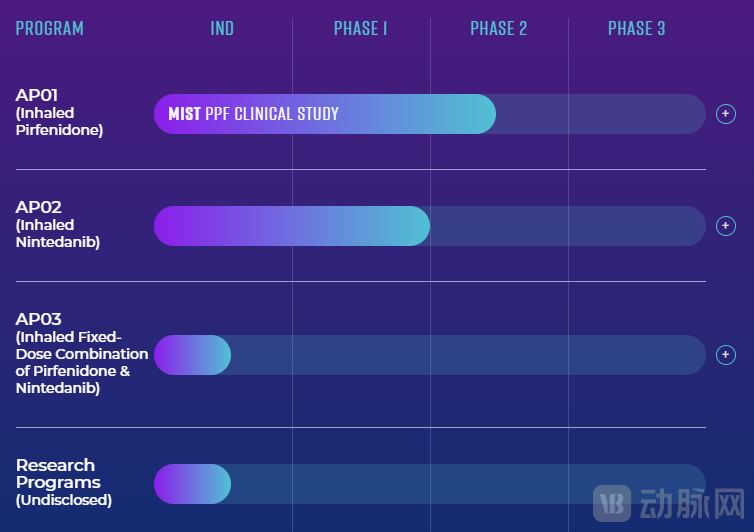
Figure 1: Overview of Avalyn’s Pipeline (Source: Avalyn Official Website)
1AP01: The First Core Product, Redefining the Safety and Adherence of Pirfenidone
Pirfenidone, a clinically validated antifibrotic agent, exerts anti-inflammatory and antifibrotic effects by modulating cytokines and growth factors. However, its oral formulation has significant limitations: systemic exposure frequently leads to adverse effects such as gastrointestinal discomfort and skin reactions. In clinical practice, dose reduction is often required to manage toxicity, which inevitably compromises efficacy, thereby creating a therapeutic dilemma between efficacy and toxicity.
Avalyn has reformulated oral pirfenidone into an inhalable formulation, enabling soft mist delivery via the FDA-cleared eFlow nebulizer. This technology facilitates direct deposition of drug particles in the alveolar region, allowing for precise targeting of pulmonary lesions with a reduced dose compared to oral formulations. By bypassing gastrointestinal absorption and hepatic first-pass metabolism, it avoids systemic toxicity associated with circulation, thereby achieving the delivery advantage of “high lung concentration and low systemic exposure.”
In the completed Phase Ib clinical study, AP01 demonstrated favorable safety and tolerability.[2]Currently, AP01 is recruiting patients for a global, multicenter Phase IIb clinical trial, aimed at further evaluating its efficacy and safety in the target patient population and providing evidence for subsequent pivotal Phase III studies.
2AP02: Inhaled Nintedanib, Expanding Patient Population Applicability
Nintedanib, a multi-target tyrosine kinase inhibitor, can effectively block the progression of pulmonary fibrosis; however, systemic exposure from oral administration results in a high incidence of adverse reactions, including diarrhea, hyperbilirubinemia, and drug-induced liver injury.
By leveraging inhalation delivery technology to redefine the administration route of nintedanib, we developed AP02 as an inhaled formulation. Using a dedicated nebulization device, the drug acts directly on pulmonary lesions, significantly reducing systemic exposure.
Currently, AP02 has completed Phase I clinical trials for both single ascending dose (SAD) and multiple ascending dose (MAD) regimens, demonstrating safety, tolerability, and favorable pharmacokinetic profiles across all dose levels. Notably, clinical data revealed that lung exposure following a single 4 mg dose of AP02 was more than 20-fold higher than that achieved with a 150 mg oral dose.
Avalyn positions it as a significant complement to AP01, targeting patients who have an inadequate response to or intolerance of pirfenidone, with a particular focus on indications such as progressive pulmonary fibrosis (PPF) and systemic sclerosis-associated interstitial lung disease (SSc-ILD). AP02 is planned to advance into Phase II clinical trials for the idiopathic pulmonary fibrosis (IPF) indication, after which a differentiated combination strategy with AP01 will be developed based on efficacy and tolerability data.
3AP03: Early-Stage Projects in Multi-Target Combination Development
Clinical studies have shown that although the combined oral administration of pirfenidone and nintedanib may enhance anti-fibrotic efficacy, the叠加 systemic toxicity (such as an increased risk of liver injury) renders the combination therapy clinically unfeasible. The traditional oral route fails to resolve the contradiction between "synergistic enhancement" and "cumulative toxicity," constituting a significant technical barrier in anti-fibrotic treatment.
AP03 adopts a “fixed-dose combination for inhalation” strategy, enabling the synchronized delivery of two drugs via aerosol pulmonary delivery technology. This design leverages the local targeting properties of inhaled therapy to create synergistic drug effects at the pulmonary lesion sites, while avoiding the additive toxicity associated with systemic combination therapy. Preclinical data demonstrate that this combination exhibits superior anti-fibrotic efficacy compared to monotherapy in animal models, with no new toxic side effects observed.
Currently, Avalyn is advancing IND-enabling studies for AP03 and plans to conduct Phase I clinical trials. Although still in the preclinical stage, this project demonstrates Avalyn’s continued innovation at the platform level in “precise delivery + multi-target synergy,” holding the potential to expand into more complex disease spectrums.
Overall, Avalyn is leveraging its differentiated inhaled delivery platform to build a diversified product portfolio around pulmonary fibrosis, a field with significant unmet medical needs. This strategy creates a positive synergy among enhancing efficacy, optimizing safety, and expanding indications, demonstrating a strong technological moat and considerable potential for commercialization.
Four Rounds of Financing Fuel Synergistic Advances in Clinical Development and Regulatory Affairs
Since its founding in Seattle in 2011, Avalyn has rapidly evolved from a small startup focused on aerosolized delivery technologies into a clinical-stage biopharmaceutical company with a complete drug candidate pipeline and ecosystem operational capabilities.
Avalyn Pharma has garnered significant capital recognition since the platform’s inception, having completed four rounds of financing to date with a cumulative total exceeding USD 300 million. This robust financial backing has provided solid support for advancing its core pipeline development, expanding clinical trials, and building its platform ecosystem.
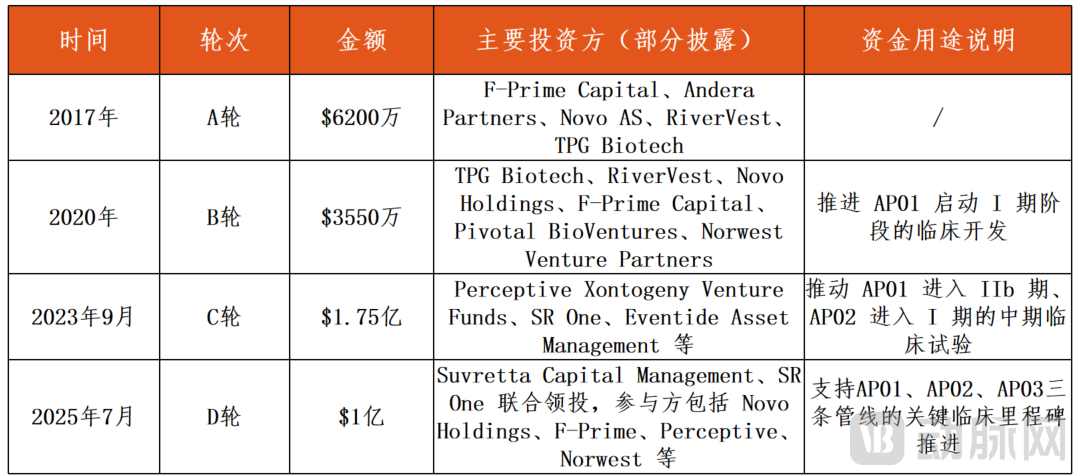
Table 1: Overview of Avalyn’s Financing (Source: Avalyn Official Website)
Driven by financing, Avalyn has simultaneously built a comprehensive ecosystem. On one hand, Avalyn collaborates with the U.S.-based ILD Collaborative Research Network and multiple university-affiliated hospitals to conduct clinical studies, ensuring data quality and clinical efficiency.
On the other hand, its flagship product, AP01, has been granted FDA Fast Track designation, accelerating the approval process. Avalyn is simultaneously initiating commercialization preparations, including the construction of manufacturing facilities and supply chain validation, to lay the foundation for rapid delivery upon future market approval.
Synergistic Strength in Financing, Clinical Development, Regulatory Affairs, and Commercialization, Avalyn has steadily transitioned from the platform incubation phase to a clinical product-driven enterprise, building a competitive portfolio of pulmonary inhalation therapies.
Although current treatment options for pulmonary fibrosis are limited, as companies like Avalyn Pharma continue to advance the development of locally targeted therapies,In the future, a new generation of therapies that are safer, suitable for long-term use, and offer higher adherence may emerge.
References:
[1] Lederer DJ, Martinez FJ. Idiopathic Pulmonary Fibrosis. N Engl J Med. 2018 May 10;378(19):1811-1823. doi: 10.1056/NEJMra1705751. PMID: 29742380.
[2] West A, Chaudhuri N, Barczyk A, et alInhaled pirfenidone solution (AP01) for IPF: a randomised, open-label, dose–response trialThorax 2023;78:882-889.