Zhongguancun Xisanqi (Jinyu) Science Park: Spatial Revolution and Ecosystem Empowerment to Overcome CGT Industry Growth Bottlenecks
The global CGT market is racing toward a $36 billion target by 2030, with China’s 14th Five-Year Plan for the Bioeconomy designating it as a key development track. The cell and gene therapy industry is surging to the forefront of biomedical innovation with explosive growth.
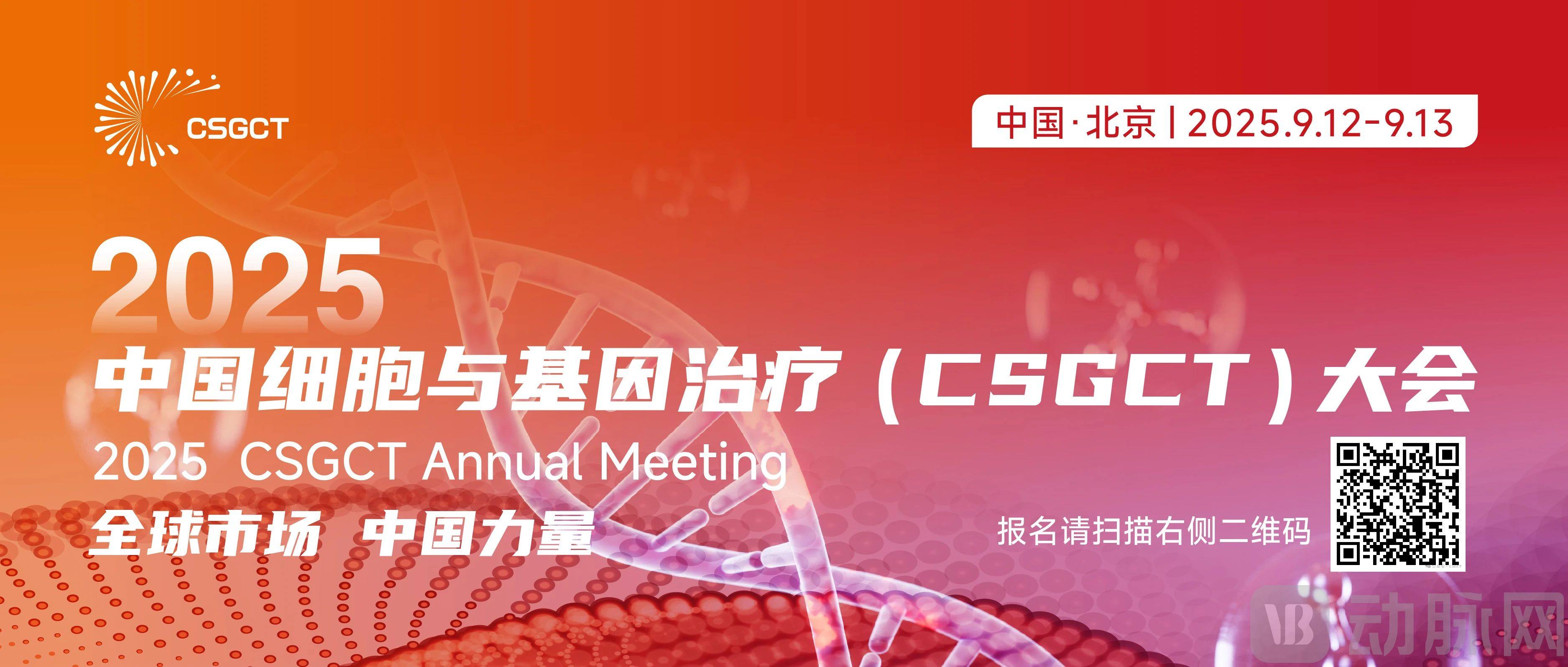
September 12–13, 2025: The 2025 China Cell and Gene Therapy Conference (CSGCT) will be grandly held at the Conference Center of Zhongguancun National Independent Innovation Demonstration Zone. As a co-organizer, Zhongguancun Xisanqi (Jinyu) Science Park drives innovation through “Space Revolution × Ecosystem Empowerment,” addressing industry development challenges and accelerating the growth of CGT enterprises.
Strong Industry Momentum, with Spatial Bottlenecks Becoming the Key Constraint on Leapfrog Growth
In recent years, the cell and gene therapy (CGT) industry has entered a golden phase of development, with synergistic forces from the market, capital, and policy injecting strong momentum into its growth. According to data from Frost & Sullivan, the global CGT market size is projected to reach $30.54 billion in 2025, representing a compound annual growth rate (CAGR) of 71% from 2020 to 2025. The Chinese CGT market is expected to maintain a rapid growth trajectory, with its total market size reaching approximately $2.59 billion in 2025, corresponding to a CAGR of 276% from 2020 to 2025.
Policy support has become more precise and robust. The National 14th Five-Year Plan for Bioeconomy Development explicitly lists cell and gene therapy (CGT) as a key area of focus. Cities such as Beijing, Shanghai, and Guangzhou have taken the lead in piloting the opening-up of foreign investment, thereby creating broader development opportunities for the industry. Meanwhile, Beijing has issued the Three-Year Action Plan for Accelerating Innovative Development of the Cell and Gene Therapy Industry, while Haidian District has introduced Several Measures to Promote High-Quality Development of the Pharmaceutical and Health Industries. These municipal and district-level policies form a synergistic “combo,” providing comprehensive support through financial assistance, streamlined approval processes, fiscal subsidies, and residency guarantees for talent, thereby continuously removing obstacles to the development of the CGT industry.
Yet beneath the high growth lie multiple hidden challenges. The cell and gene therapy (CGT) industry has an exceptionally high technical threshold, and its development faces considerable headwinds due to factors such as process complexity, scaling-up difficulties, and stringent quality control requirements. Meanwhile, the industry relies heavily on interdisciplinary talent spanning biology, medicine, and engineering. Given the relatively short history of China’s CGT sector, there is a scarcity of seasoned professionals, making it difficult to meet the rapidly growing industry demand in the short term. Among these issues, spatial constraints have become a core bottleneck impeding industrial leapfrogging: GMP facility construction standards are rigorous, with exacting requirements for floor loading capacity, ceiling height, ventilation, and cleanliness; post-construction energy consumption and maintenance costs also remain persistently high. Under the cumulative impact of these factors, many CGT companies find themselves trapped in a predicament of “having no room to grow.”
Dual-Park Synergy: Precisely Aligning with the Full Lifecycle Needs of Industries
Addressing industry pain points, Zhongguancun Xisanqi (Jinyu) Science and Technology Park has established a dual-park collaborative model featuring the “Jinyu Intelligent Manufacturing Factory” and the “Jinyu Life Sciences Innovation Center.” Leveraging these two core platforms for “production + R&D,” it provides spatial solutions and an industrial ecosystem that cover the entire lifecycle of CGT enterprises.
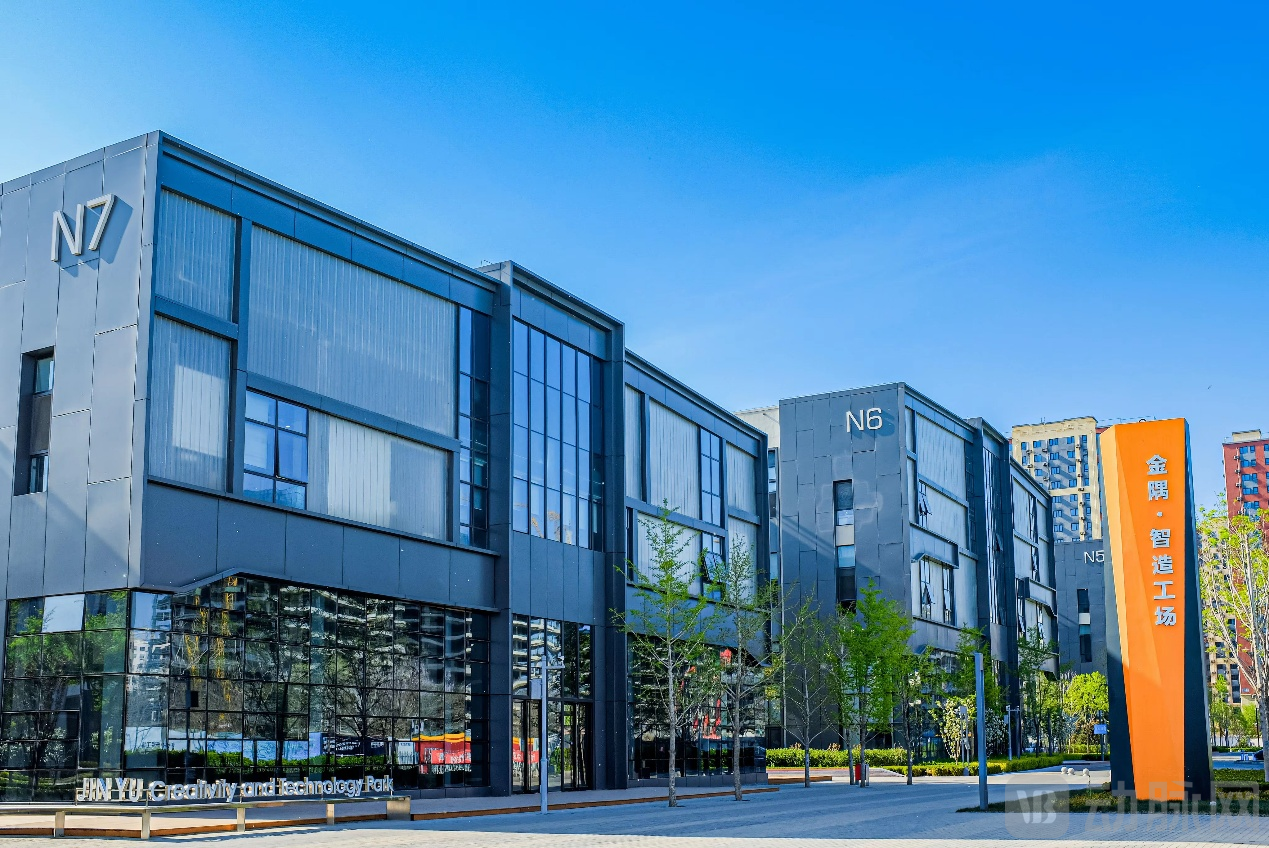
Jinyu Intelligent Manufacturing Factory
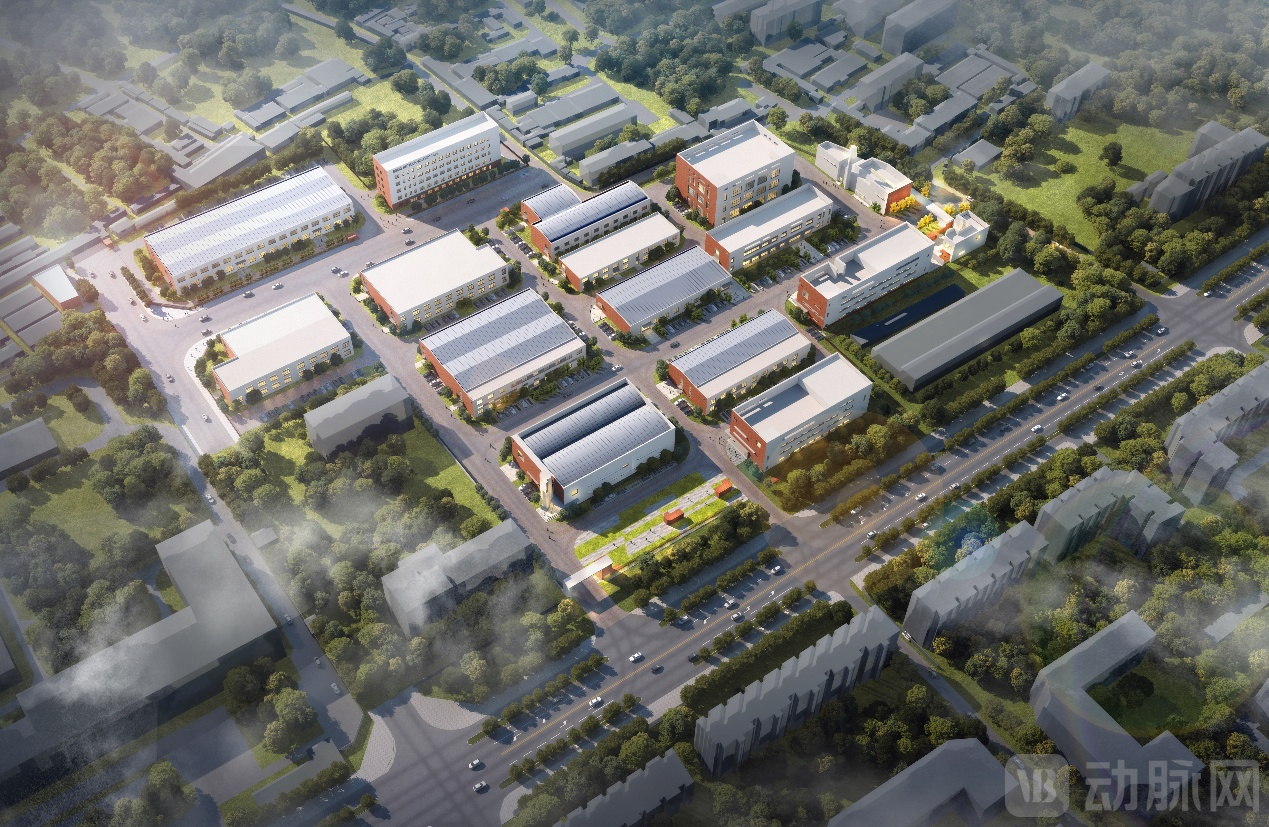
Jinyu Life Science Innovation Center
As the “production core” of the park, Jinyu Smart Manufacturing Factory boasts a unique “innate genetic” advantage—its robust physical conditions inherited from industrial heritage, featuring high ceilings, high load-bearing capacity, and no underground space. With ceiling heights exceeding 6.5 meters (covering 85% of the area), large-scale equipment such as bioreactors can be easily installed. Its floor load-bearing capacity of 1.6 tons effectively minimizes vibration interference with precision instruments, making it well-suited for small-scale trials, pilot studies, testing and inspection, and small-batch production transfer. Renovation costs are 40% lower than those for new construction, significantly reducing the initial investment burden for enterprises.
The Jinyu Life Sciences Innovation Center, with its focus on R&D, serves as a specialized acceleration engine tailored to the biopharmaceutical industry. Leveraging the resource advantages of Zhongguancun Science City, the park offers the physical infrastructure necessary for ISO Class 5 cleanrooms and Biosafety Level 2 (P2) laboratories. By centering on AI and synthetic biology, it establishes a streamlined paradigm characterized by “rapid R&D, rapid production, and rapid clinical trials.” This enables enterprises’ R&D outcomes to be swiftly integrated into the intelligent manufacturing facilities, boosting collaboration efficiency by 60% compared to dispersed layouts and securing critical time gains for capturing first-mover market advantages.
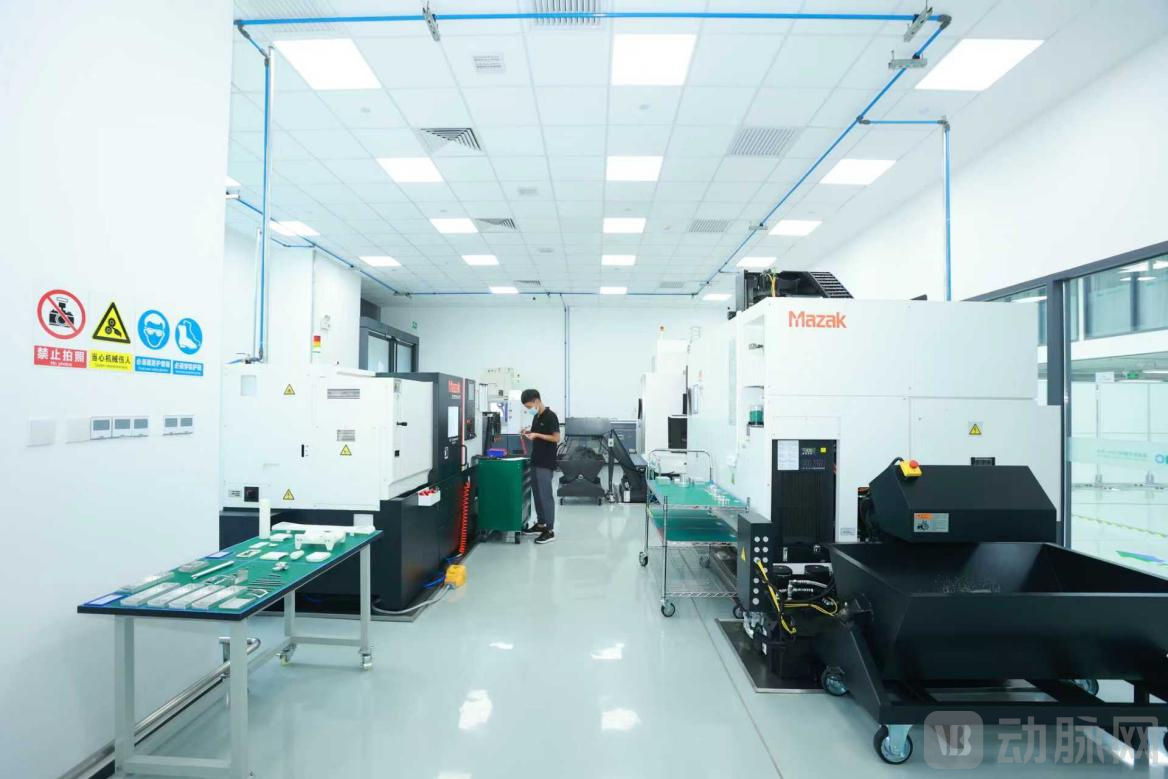
High-End Medical Device CDMO Platform
From R&D incubation spaces of 50–500 m², to pilot-scale acceleration carriers of 500–5,000 m², and further to large-scale production bases of 5,000–20,000 m², the dual-park model establishes a “flexible space supply chain” that precisely matches the needs of enterprises at different development stages. Leveraging an integrated “hardware + software + ecosystem” service system, it consolidates resources such as shared technology platforms, “worry-free environmental compliance” one-stop services, and the “Jinyu·Haidian” Sci-Tech Innovation Fund, enabling companies to focus on technological innovation and achievement commercialization without distraction from space, regulatory, or funding concerns. Furthermore, with six universities and five Grade A tertiary hospitals within a 10-kilometer radius, along with comprehensive talent apartments, commercial amenities, and educational and medical resources, the parks further cultivate a livable and business-friendly environment characterized by deep integration of industry and urban life.
The CGT industry carries the noble vision of conquering intractable diseases and safeguarding human health. Its development represents not only innovative breakthroughs in the biopharmaceutical field but also a crucial pillar supporting China’s medical technology as it advances to the global forefront. The countdown has begun for the 2025 China Cell & Gene Therapy Conference. Zhongguancun Xisanqi (Jinyu) Science Park invites you to join this premier industry event, where we will delve into how the Jinyu Dual-Park Matrix addresses industrial challenges through spatial innovation and accelerates corporate growth through ecosystem empowerment. Let us join hands to propel Chinese CGT technology from “following” to “leading”!
2025 CSGCT Conference
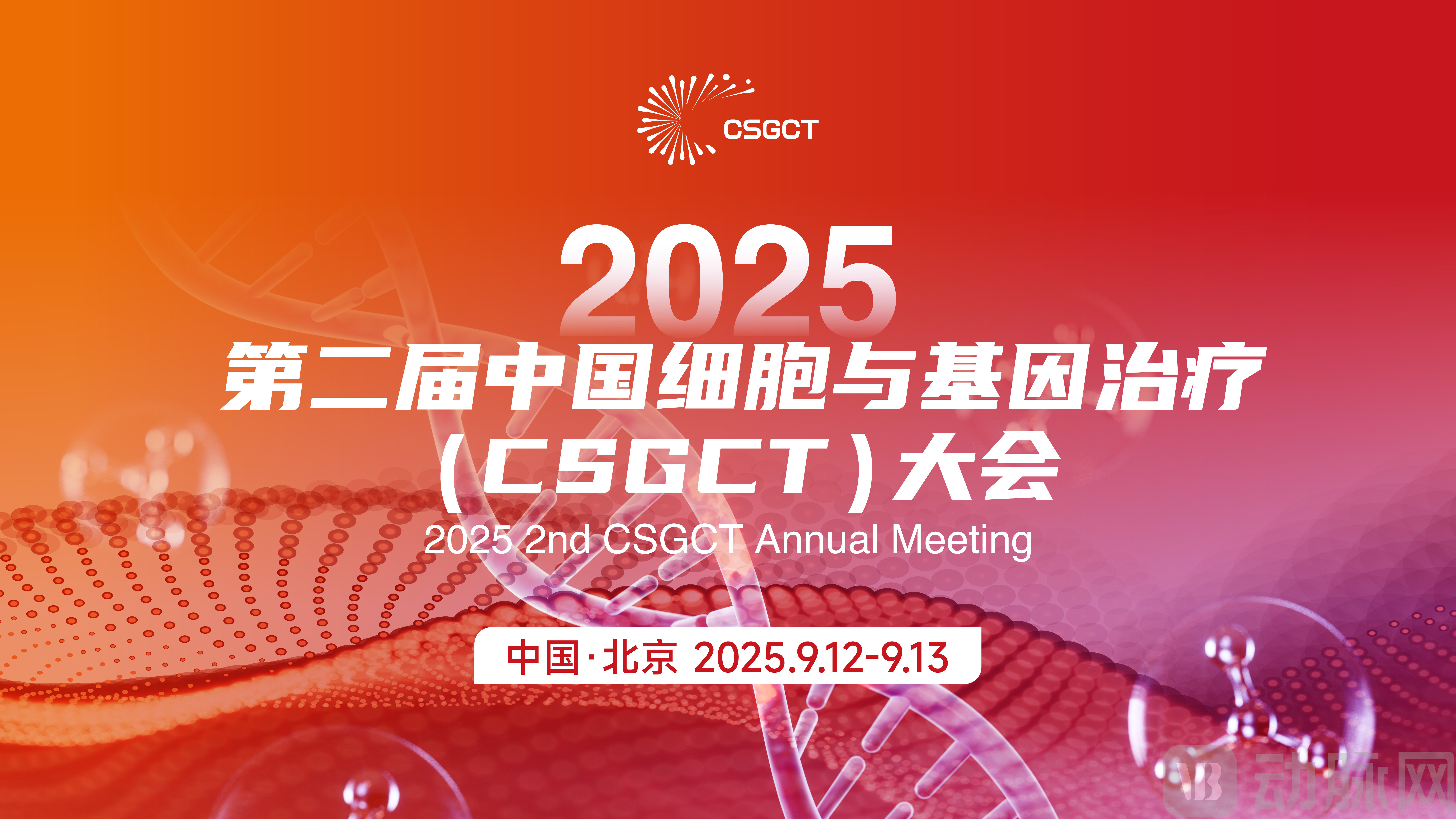
To drive technological breakthroughs, industrial integration, policy alignment, and international cooperation in China’s cell and gene therapy (CGT) sector, and to propel the Chinese CGT industry to the forefront of global competition, the China Society for Gene and Cell Therapy (CSGCT) Conference was established.
Leveraging its close ties with the American Society of Gene & Cell Therapy (ASGCT), the 2025 CSGCT Annual Meeting will bring together leading scientists, clinical experts, multinational pharmaceutical companies, and overseas investment institutions from around the world. The event will showcase the most cutting-edge scientific advances, technologies, and applications in the global cell and gene therapy field, provide insights on market access, highlight high-quality collaborative projects, and facilitate matchmaking between overseas investors and investment opportunities. It aims to build a platform for in-depth exchange and cooperation between China’s cell and gene therapy industry and the global value chain.
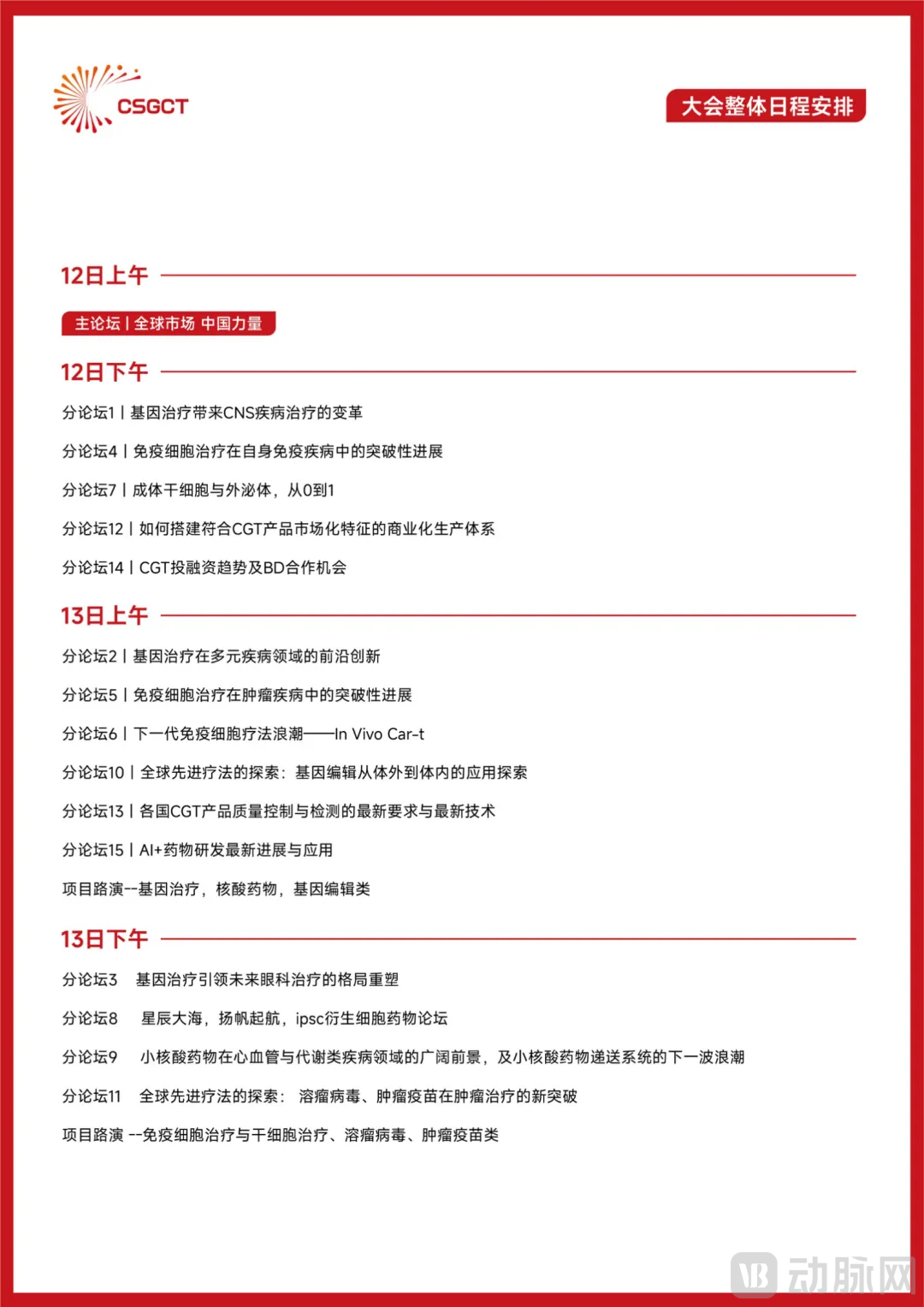
This conference closely addresses the industry's hotspots, pain points, and bottlenecks, featuring1 Main Forum + 15 High-End Sub-Forums, covering the latest advances in global gene therapy, immune cell therapy, in vivo CAR-T, adult stem cells and exosomes, iPSC-derived cell therapies, small nucleic acid drugs, gene editing, oncolytic viruses, tumor vaccines, and other fields, as well as clinical applications and breakthroughs, CMC and testing, AI-driven drug R&D, registration and regulation, investment and financing, and BD matchmaking.Comprehensive Coverage of the Entire Industry Chain.
2025 The 2nd China Society for Gene and Cell Therapy (CSGCT) Congress
September 12–13, 2025
Zhongguancun National Independent Innovation Demonstration Zone Exhibition and Trading Center [Conference Center]
For more details, scan the QR code to visit the official conference website.

Special Planning for the 2nd China Society of Gene and Cell Therapy (CSGCT) Conference in 2025“2025 CSGCT Conference Project Pitch” Session, bringing together 1,000+ high-quality domestic and international investment institutions, industrial investors, and decision-makers from government industrial guidance funds; attracting MNCs as well as renowned domestic and international medical and pharmaceutical companies seeking BD collaborations with outstanding projects, products, and technologies; and accelerating the exchange and cooperation on the most distinctive new technologies, new products, and new ecosystems in China’s CGT sector.
Conference Forum Details