

Somnics Redefines OSA Treatment Paradigm with China-Innovated Intra-oral Negative Pressure Therapy at Global Premier Sleep Conference
What Industry Development Trends Can We Discern from the World’s Top Conferences?
Recently, the 18th World Sleep Congress is being held in Singapore. This is the most prestigious and largest comprehensive international conference in the field of global sleep medicine. It not only brings together experts, scholars, clinicians, researchers, and industry leaders from more than 70 countries worldwide to jointly discuss global development trends in sleep medicine, but also features the debut of numerous cutting-edge academic achievements and innovative products, showcasing their prominence.
At this global feast of innovation in sleep medicine, a special symposium focused on “Sleep Respiratory Health” drew significant attention from attendees. The symposium featured four renowned global experts who provided a multidimensional analysis of the limitations of current treatments for sleep apnea and outlined future development trends.
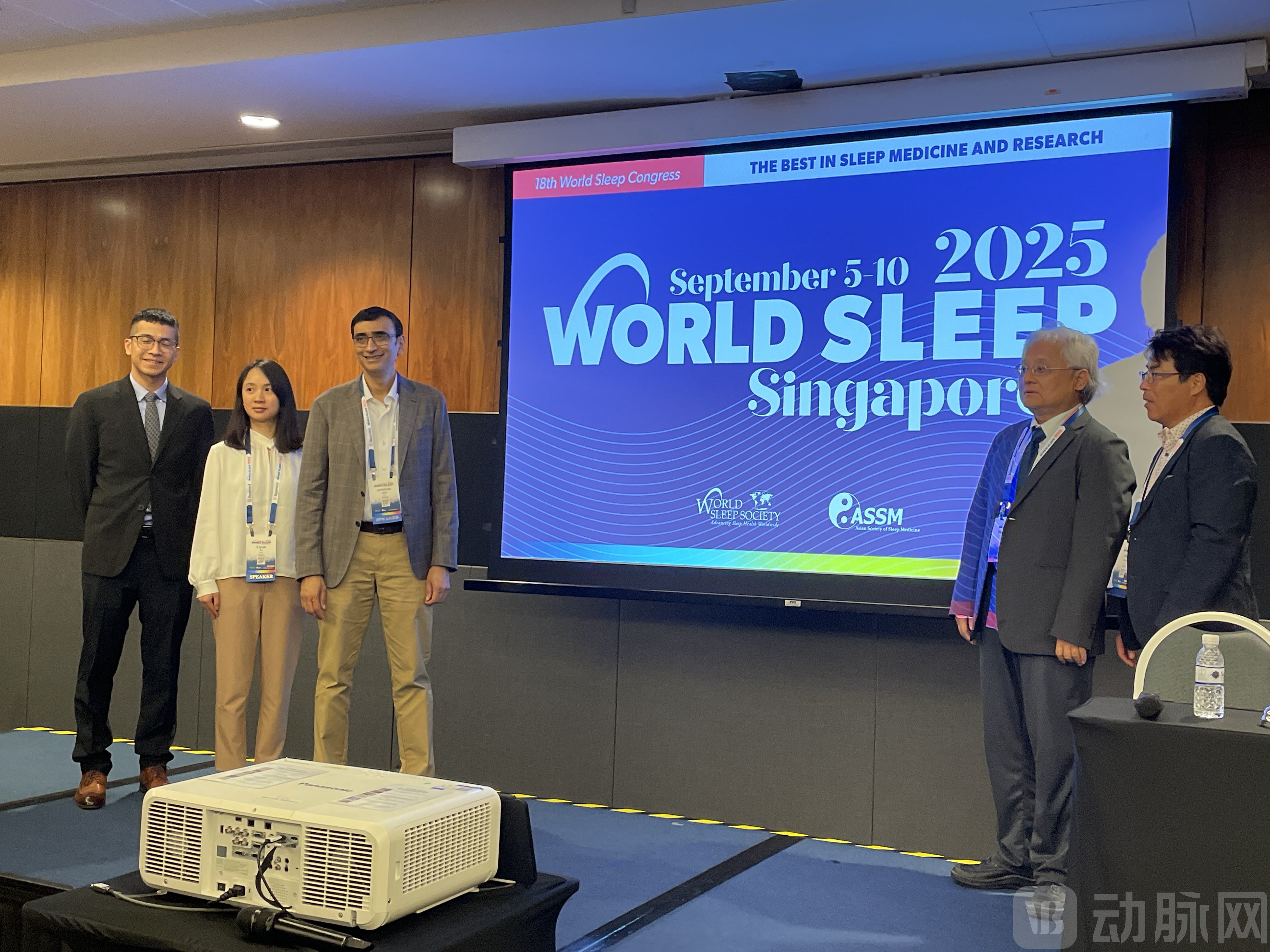
During the sharing session, all four guests mentioned an innovative therapy from Taiwan, China—Intra-oral Negative Air Pressure (iNAP) Therapy. Pioneered by Laimei Medical, this therapy reflects the company’s commitment since its founding in 2010 to leveraging breakthrough technologies to enhance patient experience and reshape sleep-disordered breathing management. Based on the methodology of intra-oral negative pressure, Laimei Medical has launched the iNAP device, offering a novel treatment option for individuals with sleep-disordered breathing.
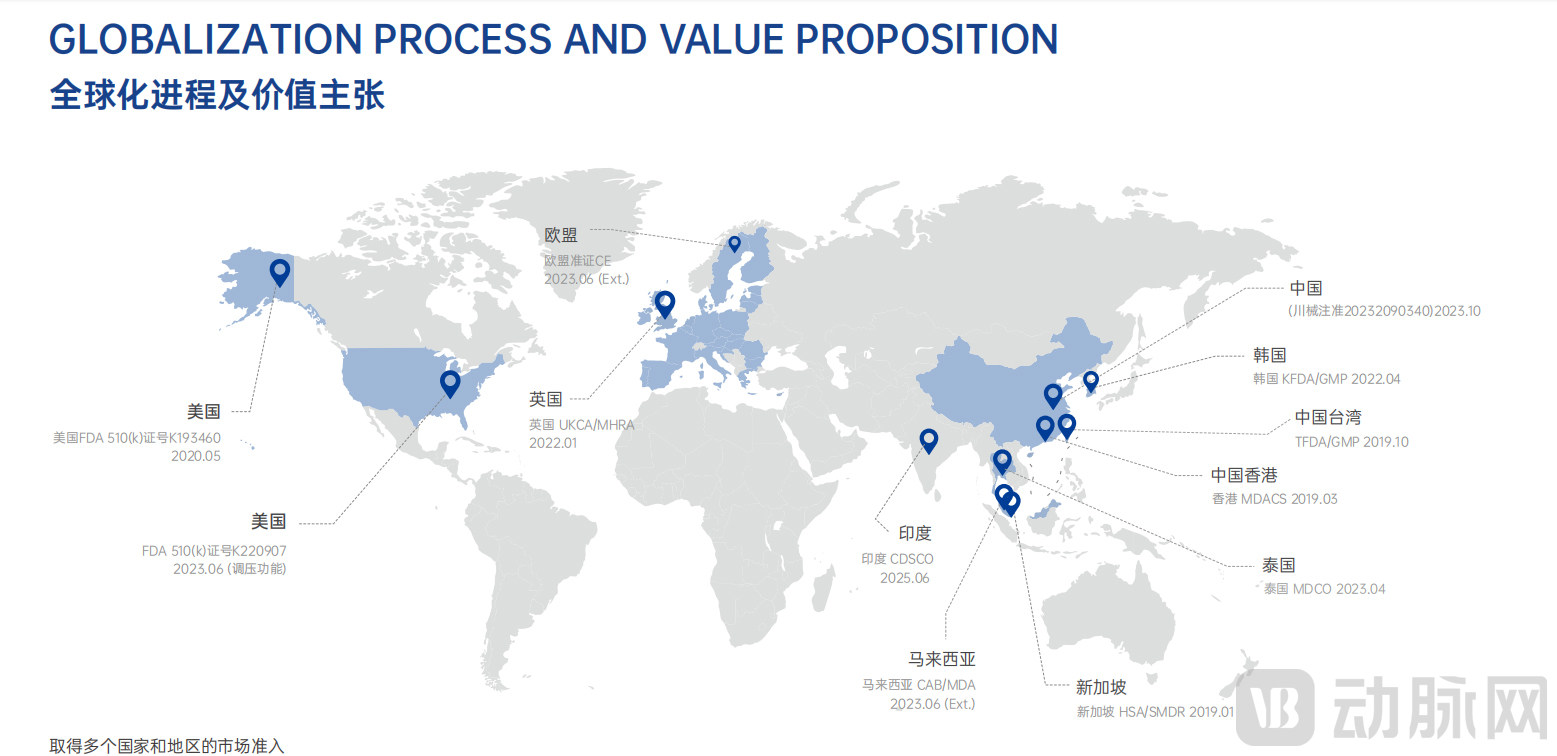
Since the product’s commercialization in 2016, Laimi Medical’s iNAP has sequentially obtained market access approvals from regulatory authorities such as the TFDA, FDA, and NMPA, gaining entry into more than 30 countries/regions and accumulating robust clinical data.As of the end of 2023, iNAP technology had secured 183 granted patents worldwide, including 161 invention patents. Furthermore, over 45 related research papers have been published in core journals, underscoring the product’s robust capabilities.
Precision intervention, comfort and portability, wide applicability.
iNAP’s Three Key Advantages Target the Pain Points in Sleep-Disordered Breathing Intervention
“Among the global adult population, the prevalence of sleep-disordered breathing, including snoring and obstructive sleep apnea, is as high as 26%,” stated Dr. Srinivas Kishore from India at the conference. “Yet for a disease with such a vast number of affected individuals,Clinical diagnosis and treatment still face many challenges. One of them is the lack of precise intervention."
Dr. Srinivas Kishore’s so-called “precision intervention” refers to tailoring treatments to address specific pathogenic mechanisms. It is reported that the core pathological mechanisms of pathological sleep-disordered breathing fall into three categories: skeletal structural abnormalities, soft tissue factors, and neuromuscular regulation disorders. Different pathological mechanisms warrant distinct interventions to achieve optimal therapeutic outcomes. Consequently, precision intervention has emerged as a major trend in clinical treatment in recent years.
Furthermore, as there are currently no definitive and effective pharmacological treatments for sleep-disordered breathing, “precision physical intervention” has become a focal point for breakthroughs sought jointly by the clinical community and industry. LaiMei Medical’s intraoral negative pressure therapy is precisely aligned with this trend.
Specifically,By applying intraoral negative pressure to draw the tongue, soft palate, and surrounding soft tissues forward, Laimai Medical’s intraoral negative pressure therapy can alleviate upper airway collapse, thereby providing an effective intervention for sleep-disordered breathing caused by soft tissue factors.
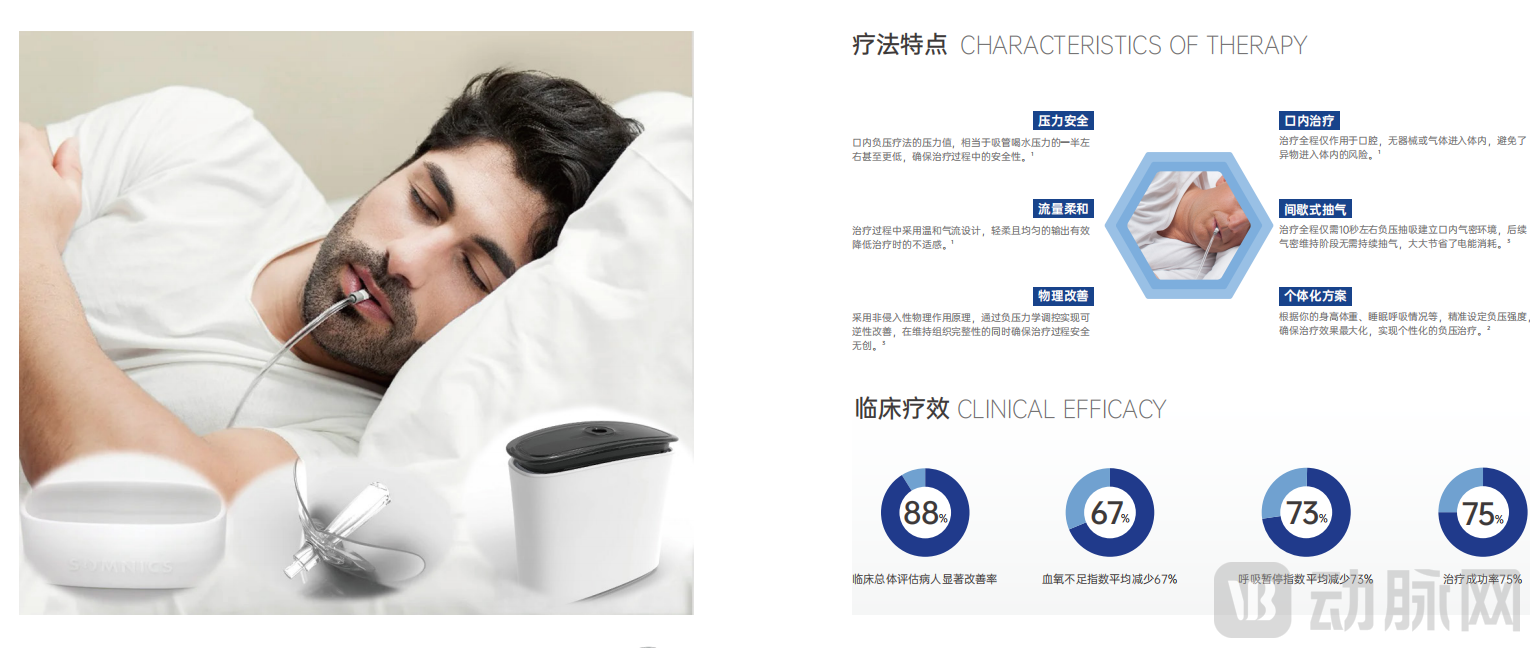
Clinical data show that,For some patients treated with Laimai Medical’s intraoral negative pressure therapy, the Apnea-Hypopnea Index (AHI) decreased from 43 events per hour to 0.2 events per hour, representing an average reduction of up to 99.5%; meanwhile, patient blood oxygen saturation levels increased by nearly 10%.
Furthermore, to achieve precise intervention as much as possible, Laimai Medical’s intraoral negative pressure therapy places significant emphasis on “personalization.” It can precisely set the negative pressure intensity based on the patient’s height, weight, and sleep breathing patterns, thereby ensuring maximized and personalized treatment efficacy.
andIn addition to precision intervention, Laimei Medical’s intraoral negative pressure therapy also targets another major pain point of current intervention methods—poor compliance.Taking home ventilators as an example, patient compliance with this intervention is poor due to factors such as the foreign-body sensation caused by the mask, airflow noise, and restricted ability to turn over during sleep. In contrast, LaiMed Medical’s intraoral negative pressure therapy can effectively improve patient compliance by enhancing comfort during use. According to LaiMed Medical, the compliance rate for patients using the iNAP system exceeds 75%, which is significantly higher than the average compliance rate observed among ventilator users.
Specifically, first, from the perspective of technical principles, unlike positive pressure ventilators that forcibly open the airway using positive pressure and rely on such pressure to counteract collapse,Laimai Medical’s intraoral negative pressure therapy primarily utilizes a compact intraoral device connected to a negative pressure unit to gently traction the tongue base and soft palate, thereby preventing their posterior collapse and maintaining upper airway patency. This approach aligns more closely with anatomical structures and does not alter pulmonary pressure gradients, resulting in enhanced patient comfort. Furthermore, the tube-free design eliminates facial compression caused by tubing drag. The system employs a gentle airflow mechanism that delivers soft, uniform airflow to minimize discomfort during treatment. Finally, its silent operation ensures effective therapeutic intervention while minimizing disruption to sleep duration and quality.
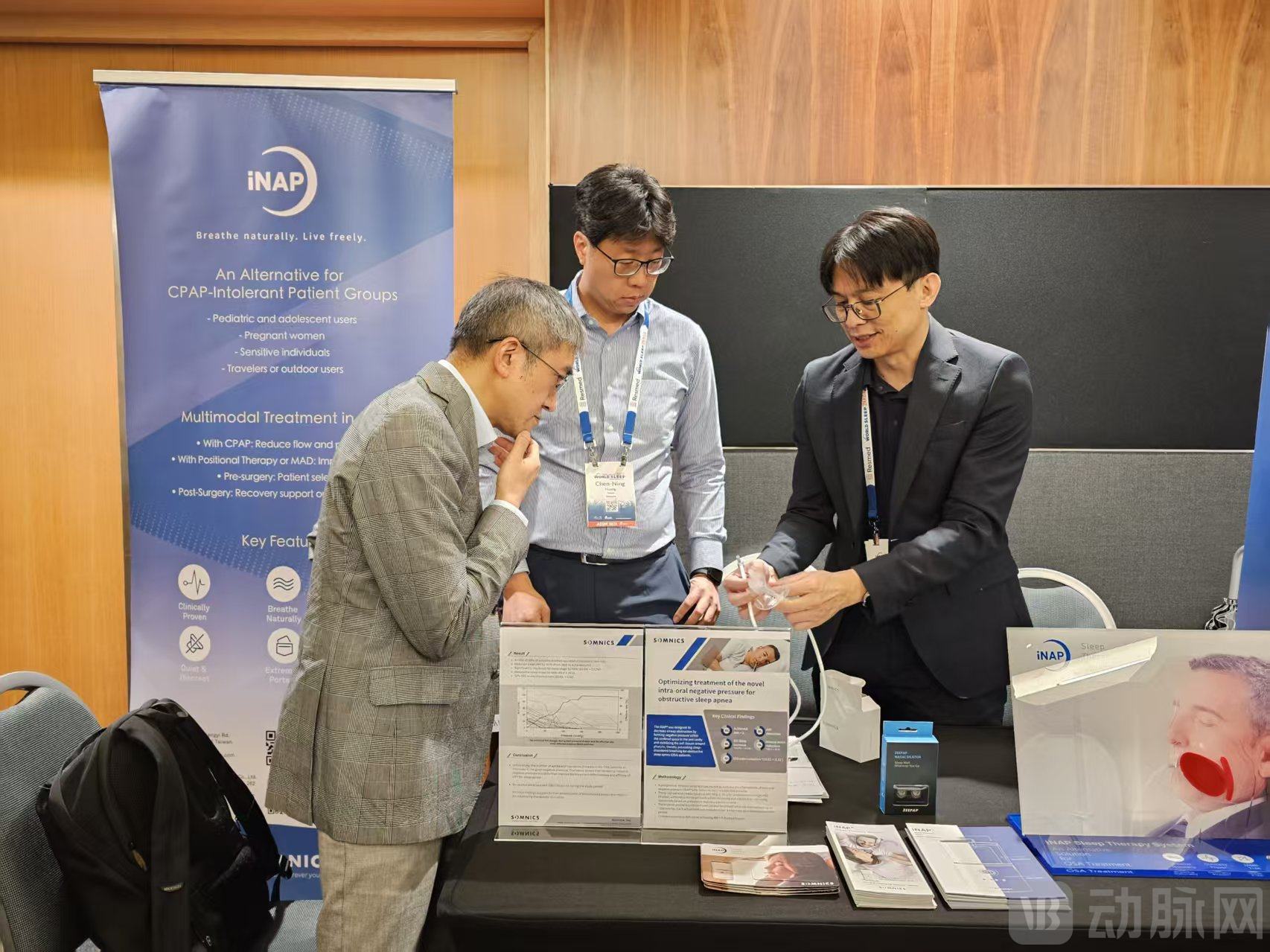
Furthermore, Laimai Medical’s intraoral negative pressure therapy offers a significant advantage in that it is suitable for a broader patient population.In addition to conventional OSA patients and those with mild-to-moderate OSA who are intolerant to CPAP, Limei Medical is also actively promoting intraoral negative pressure therapy inFour Major Populations: Hypertension with OSA, Pre-Alzheimer’s Mild Cognitive Impairment with OSA, Adolescent OSA, and High-Risk Occupational OSAApplied research has been conducted, with phased achievements made.
Taking as an example a prospective efficacy study on iNAP for adolescent sleep apnea conducted jointly by Lemei Medical and the Eye, Ear, Nose, and Throat Hospital of Fudan University, the results demonstrated that iNAP therapy significantly reduced the Apnea-Hypopnea Index (AHI) in adolescents with Obstructive Sleep Apnea (OSA), shortened the duration of apneic events, and improved nocturnal hypoxemia. This indicates that iNAP is indeed a promising, non-invasive, and effective treatment modality in the field of adolescent OSA management.
Notably, at the current stage, population segmentation and research on comorbidity management have also become major global trends in the field of sleep-disordered breathing. By actively promoting worldwide research on iNAP among adolescents, pregnant women, patients with hypertension, and even those with cognitive impairments, Laimai Medical is aligning itself with this developmental trend.
Based in China, with a Global Vision: Laimi Medical Officially Launches Its Global Expansion Strategy
With technological breakthroughs already achieved, the primary challenge facing Laimai Medical is how to effectively promote iNAP therapy to benefit more patients with sleep-disordered breathing.
In response, Limei Medical has proposed a market strategy of “anchoring in mainland China while keeping a global perspective.” This approach is driven by two key factors. First, China is the world’s largest market for sleep-disordered breathing, characterized by a substantial patient population, significant unmet clinical needs, and increasingly standardized regulatory and clinical systems, making it an ideal environment for validating innovative therapies. Moreover, Chinese hospitals possess world-class clinical capabilities; securing clinical endorsement from top-tier Chinese hospitals can significantly enhance the credibility and persuasiveness of product efficacy on a global scale. Second, the comfort and adherence advantages of iNAP confer universal value across different cultures and populations. Therefore, Limei Medical’s commercialization strategy can be broadly divided into two segments: the Chinese market and the global market (excluding China).
Specifically, regarding the Chinese market, according to Laimai Medical,China is its core strategic market for the trinity of “validation, innovation, and implementation.”All research, clinical iterations, and market optimization for iNAP’s indications by Laimai Medical will be prioritized in China, with the resulting standard model then exported to global markets. Meanwhile, Laimai Medical’s China team serves as a hub for product compliance, supply chain management, and expansion into emerging markets, acting as both the starting point and accelerator for the implementation of Laimai Medical’s globalization strategy.
Indeed, Laimei Medical also frankly admitted that,The implementation of intraoral negative pressure therapy in the Chinese market faces challenges such as clinical education, a lack of local data, patient education, and payment mechanisms. In response, Laimei Medical has formulated a strategy of “academics first, market second.”
Specifically,Adopting a collaborative model of “clinical pilots + data co-construction + exploration of application pathways,” Laimai Medical has partnered with the Shanghai Eye & ENT Hospital to conduct trials on interventions for pediatric mouth breathing, collaborated with a top-tier tertiary hospital specializing in neurology in Beijing to explore sleep-disordered breathing intervention strategies for patients with mild cognitive impairment, and joined forces with leading domestic hospitals in this field to study hypertensive populations with obstructive sleep apnea (OSA).
By collaborating with leading hospitals in China, LaiMei Medical can not only accumulate local data on intraoral negative pressure therapy and complete the clinical validation and indication expansion of iNAP across diverse populations, but also conduct clinical education to gain physicians’ trust. As clinical trust gradually builds, patient-focused education will be prioritized and can be implemented effectively and rapidly.
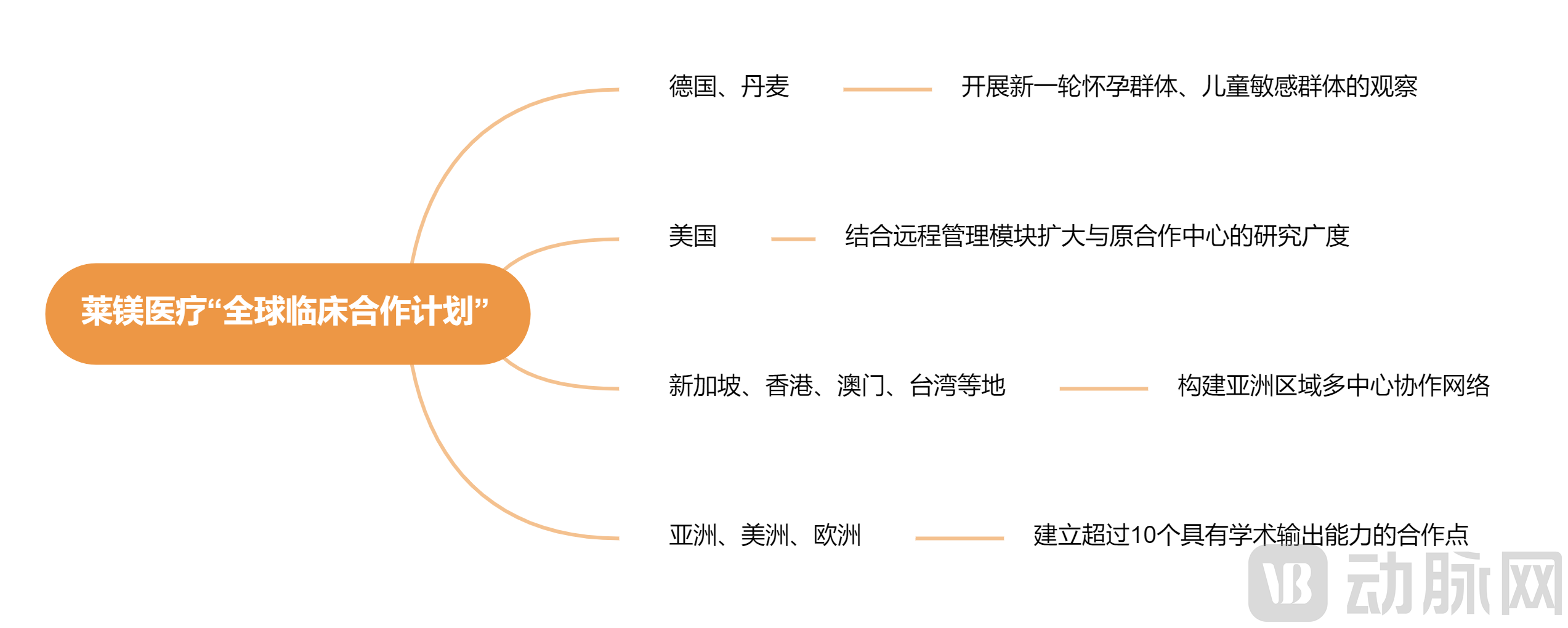
andIn terms of its globalization strategy, Laimi Medical officially launched the “Global Clinical Collaboration Program” during the current World Sleep Congress.The plan focuses on three key areas of collaboration: first, launching a new round of clinical observations targeting pregnant women and children as sensitive populations in partnership with relevant institutions in Germany and Denmark; second, expanding the scope of research with existing partner centers in the United States by integrating remote management modules; and third, establishing a multi-center collaborative network across Asia, encompassing Singapore, Hong Kong, Macao, and Taiwan. Over the next two years, Laimai Medical will establish more than 10 academically productive collaboration sites across Asia, the Americas, and Europe, thereby accumulating robust efficacy data and supporting expanded indications.
It is worth mentioning that,In Laimai Medical’s global strategic layout, the Southeast Asian market is highly prioritized.Lemai Medical has even set a goal to become one of the top three technology providers in the Southeast Asian market by 2028. The company’s confidence in achieving this objective stems from three key factors. First, Lemai Medical views the current sleep medicine market in Southeast Asia as being in its early stages; leveraging its mature products and proven market entry strategies, the company can rapidly penetrate this market. Second, due to climatic conditions and lifestyle habits, acceptance of CPAP therapy is relatively low in Southeast Asia. In contrast, iNAP enjoys higher patient acceptance in the region owing to its mask-free design. Finally, Lemai Medical has established a comprehensive channel network in mainland China, Taiwan, Hong Kong, Macau, Thailand, India, South Korea, and Singapore, which will empower its business expansion into neighboring countries.
Overall, LaiMei Medical will complete its clinical deployment in Germany, the United States, Hong Kong, Australia, and Denmark within the next 1–2 years, while strengthening clinical research focused on four key populations: individuals with hypertension, those with mild cognitive impairment (MCI), children, and pregnant women. Over the following 3–4 years, the company will facilitate the market entry of iNAP and its derivative products in Asia-Pacific countries, accelerating international expansion; meanwhile, it will complete the integrated launch of its digital platform and product services. In the longer term, LaiMei Medical will continue to pursue innovation, striving to become the preferred solution for patients intolerant to CPAP therapy and the leading brand among CPAP alternatives in the global sleep treatment market.
“In the future, long-acting efficacy, safety, and high adherence will increasingly become key terms in the treatment of sleep-disordered breathing. Building on this foundation, precise and personalized interventions tailored to specific patient subgroups will also emerge as a major trend in the management of sleep-disordered breathing. iNAP will continue to strive in these directions, delivering higher-quality, more precise innovative therapies to a broader patient population,” summarized Chen Zhongzhu, Chairman of Lai Mei Medical.