

Rushen Robotics' Qijia Q1 Enters Fushoukang Penghai Care Center, Illuminating a New Era of Elderly Care

RobotGym
Rehabilitation Robotics Developer
As China’s population ages at an accelerating pace, the pressure on elderly care services continues to rise. The number of semi-disabled and disabled older adults is increasing, while the limited supply of caregivers and their high work intensity have become prominent social concerns. At the national policy level, the integration of artificial intelligence with elderly care services has emerged as a key priority. The “14th Five-Year Plan” for Smart Elderly Care encourages leveraging technological innovation to enhance the quality of life for older adults and optimize care efficiency, providing policy support and pilot opportunities for both private and public elderly care institutions. Against this societal backdrop, technology-enabled elderly care is becoming an effective means to alleviate caregiving challenges and improve service quality.
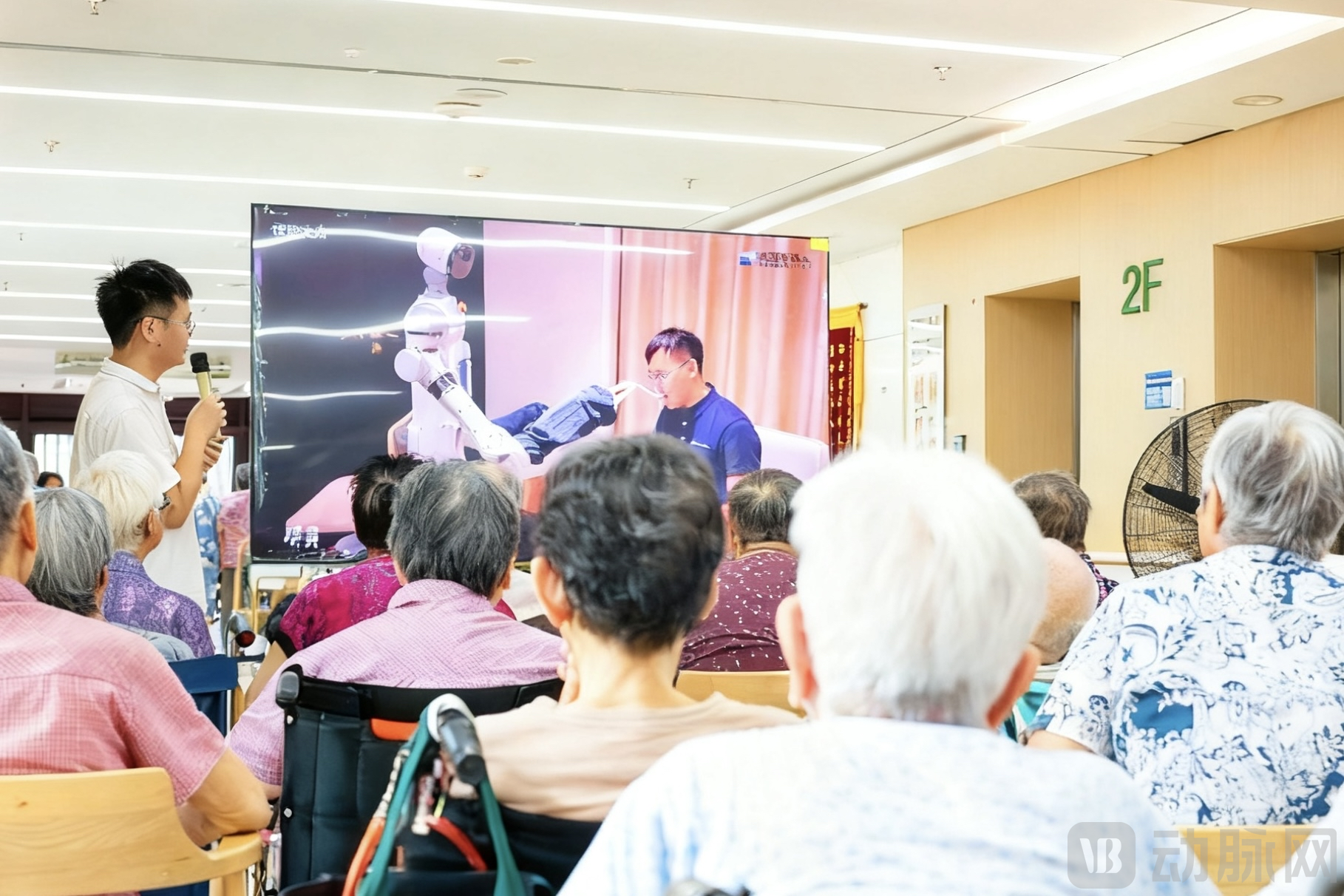
On the morning of September 12, 2025, with the support of the “2025 Silver Tech Partner Program,” Shanghai Rushen Robot Technology Co., Ltd. (hereinafter referred to as “Rushen Robotics”) brought its two core products—the “Qijia Q1” elderly care robot and the “Gewu” all-in-one intelligent rehabilitation robot—to the Fushoukang Penghai Nursing Home in Beicai Town, Pudong New Area, to hold“Elderly Care Robots Enter Nursing Homes”experience activities.
The elderly residents personally experienced the robot’s capabilities, including retrieving and delivering items upon command, engaging in conversation, and transporting passengers. During the rehabilitation session, they completed exercises such as arm workouts and lower-limb training. The seniors remarked, “We never imagined that intelligent robots had become so advanced—they can not only talk but also perform tasks!” They appreciated both the convenience brought by technology and the warm companionship provided by smart elderly care solutions.
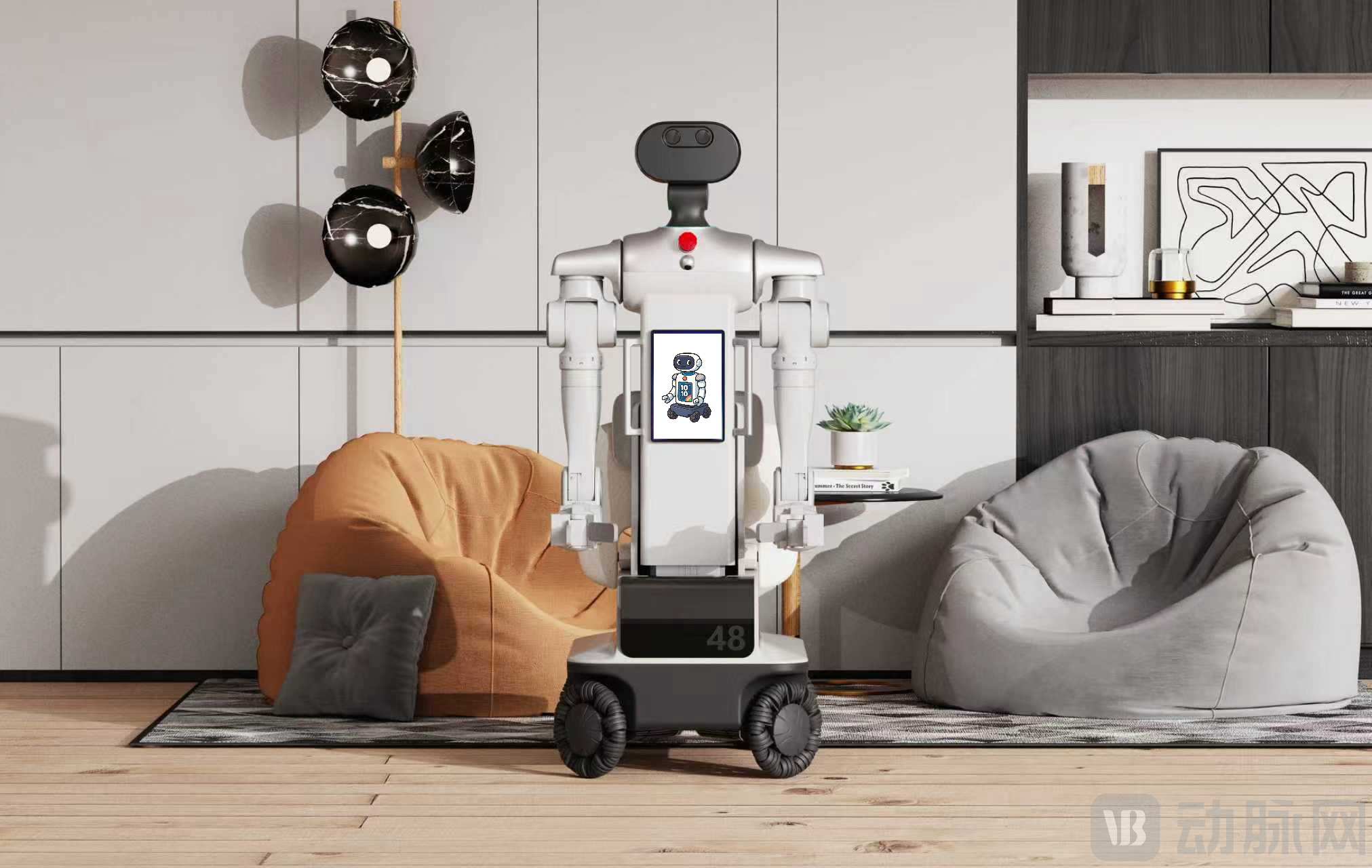
“Qijia Q1” is an elderly care robot developed by Shanghai Rushen Robot Technology Co., Ltd., designed for semi-disabled, disabled, and elderly individuals living alone. It offers multiple functions, including daily living assistance, mobility support, emotional companionship, and health monitoring. The robot can switch between “operation mode” and “wheelchair mode” with a single button press, performing high-frequency care tasks such as item delivery, user transportation, and conversational companionship. Equipped with an omnidirectional mobile chassis, a high-precision force-controlled robotic arm, a multimodal interaction large language model, and bilateral force-feedback teleoperation technology, it ensures gentle, safe, and reliable operation in complex environments such as bedrooms and bathrooms.
During the event, seniors were able to command “Qijia Q1” to perform tasks such as moving and retrieving items using simple, natural language instructions, creating a vivid and intuitive interactive experience. Mr. Gu, Director of Fushoukang Penghai Nursing Home, expressed his expectations: “In the future, we hope to leverage elderly care robotics technology to support nursing and companionship services, thereby enhancing our care efficiency while providing companionship and emotional support. This represents not only an integration of technology with traditional healthcare but also a novel empowerment of conventional elderly care models.” A caregiver from Fushoukang also stated, “We hope that robots will be able to assist seniors with standing up and mobility in the future. Some of our female caregivers have limited physical strength when helping disabled seniors stand up, which can lead to instability for the seniors. We truly need robotic assistance.”
On-site caregivers remarked that in the past, a significant amount of time was consumed by repetitive tasks such as handing over water, fetching items, and pushing wheelchairs. Now, robots can share these responsibilities, allowing caregivers to devote more energy to emotional companionship, psychological support, and professional nursing care. This “human-robot division of labor” model not only infuses caregiving with greater warmth but also significantly enhances service efficiency.
In terms of safety, the “Qijia Q1” incorporates multiple age-friendly designs tailored for elderly care scenarios. Equipped with safety mechanisms such as fall detection, intelligent obstacle avoidance, and emergency stop functions, the robot ensures stable and reliable operation in complex and narrow environments like bedrooms, hallways, and bathrooms. Even in cases of sudden instability on the part of the elderly or abrupt changes in the surrounding environment, the robot can respond quickly to maximize operational and usage safety for seniors. Regarding intelligent interaction, the “Qijia Q1” integrates a multimodal large language model that continuously learns from big data to understand seniors’ daily habits and preferences, gradually optimizing its movements and conversational companionship. For instance, when the robot detects low mood in an elderly user, it proactively initiates conversation or plays music, truly realizing the shift from “passive service” to “proactive care.”
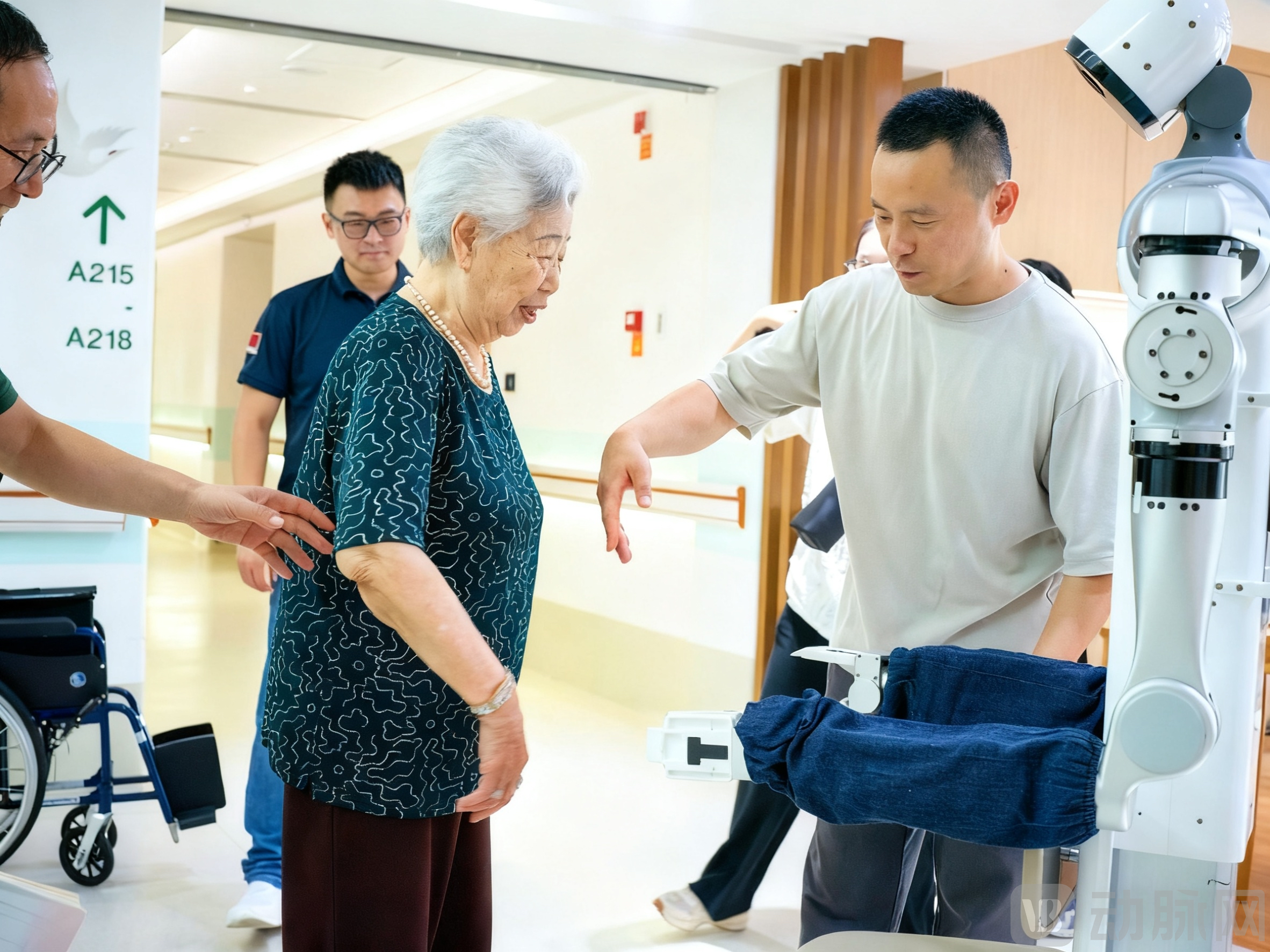
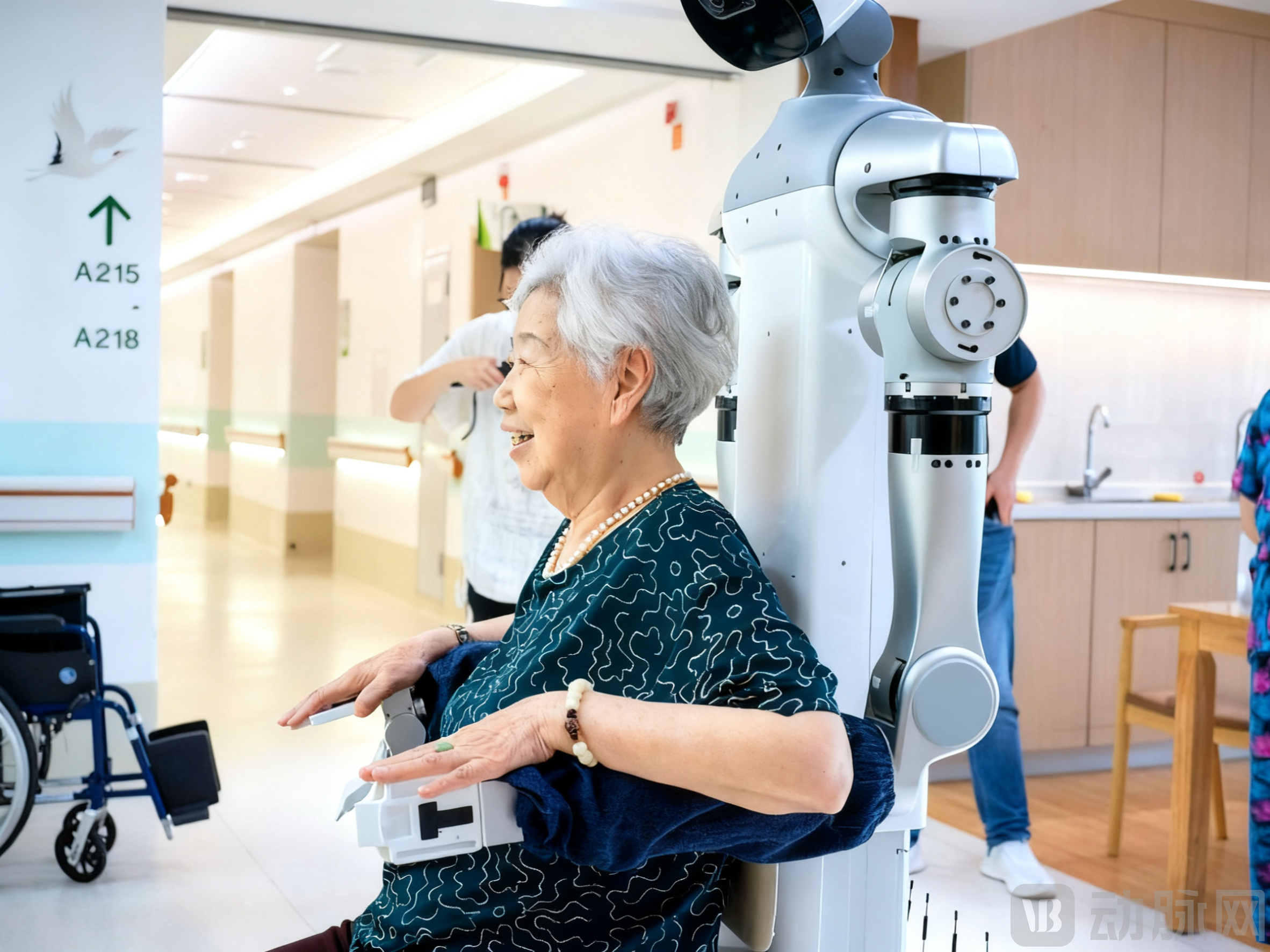
The elderly operate the “QiJia Q1” robot for assisted mobility through simple and intuitive controls.
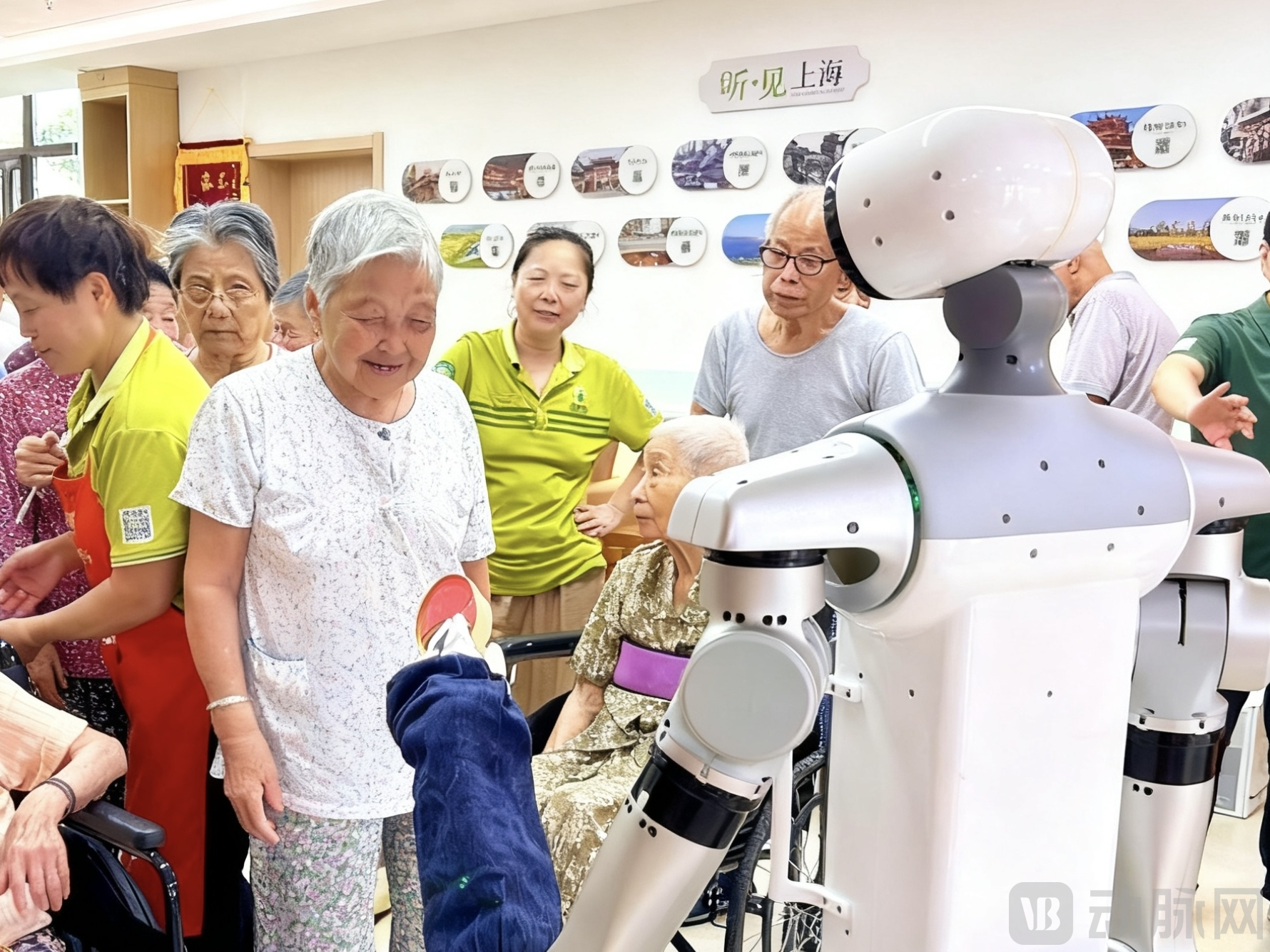
"Qijia Q1" Robot Distributes Small Gifts
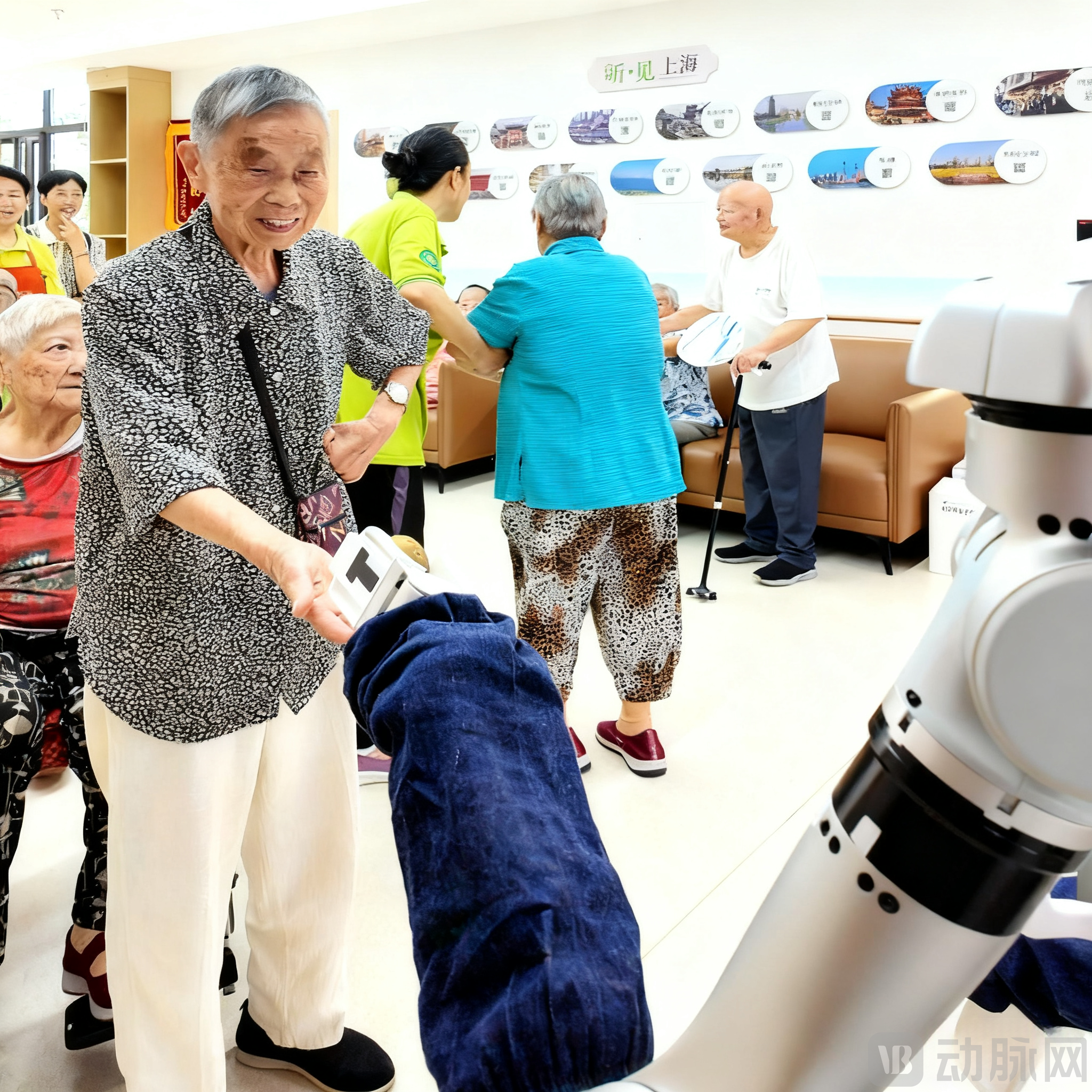
"Qijia Q1" Robot Distributes Fruit
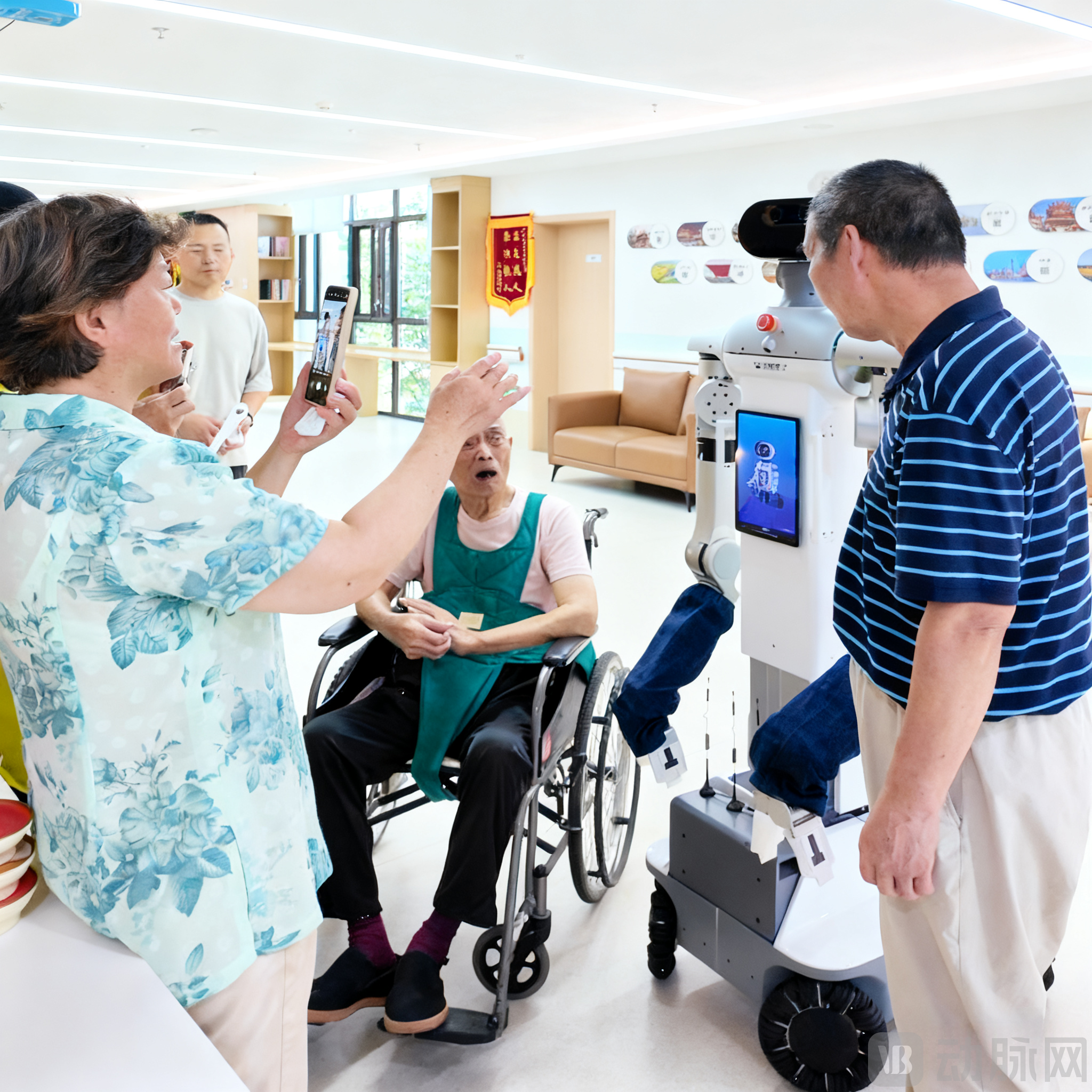
Engage in Fun Conversations with “Xiao Ru,” the Health and Wellness Agent: It’s More Than Just a “Cold, Mechanical Device”
Mr. Ma and several other elderly residents at the facility also enjoyed trying out the “Gewu Series” all-in-one intelligent rehabilitation robot. As the world’s first home-based rehabilitation product covering all joints of the hands, upper limbs, and lower limbs, it has won the iF Design Award and been included in the German National Design Museum collection. This robot not only supports comprehensive joint rehabilitation training but also enables remote prescription delivery and rehabilitation data collection. Physicians can monitor seniors’ rehabilitation progress in real time via the platform, adjust training plans accordingly, and achieve closed-loop management integrating medical care with eldercare. This functionality extends rehabilitation beyond mere “movement execution” to encompass scientific assessment and continuous improvement. The product entered mass production this May and has been exported to markets in North America, Europe, and Southeast Asia. Through intelligent interaction and gamified design, rehabilitation training has become more relaxed and engaging, significantly boosting seniors’ participation while alleviating caregivers’ workload during rehabilitation sessions. On-site participants experienced the benefits of combining technology with rehabilitation through exercises such as arm stretching and upper- and lower-limb training.
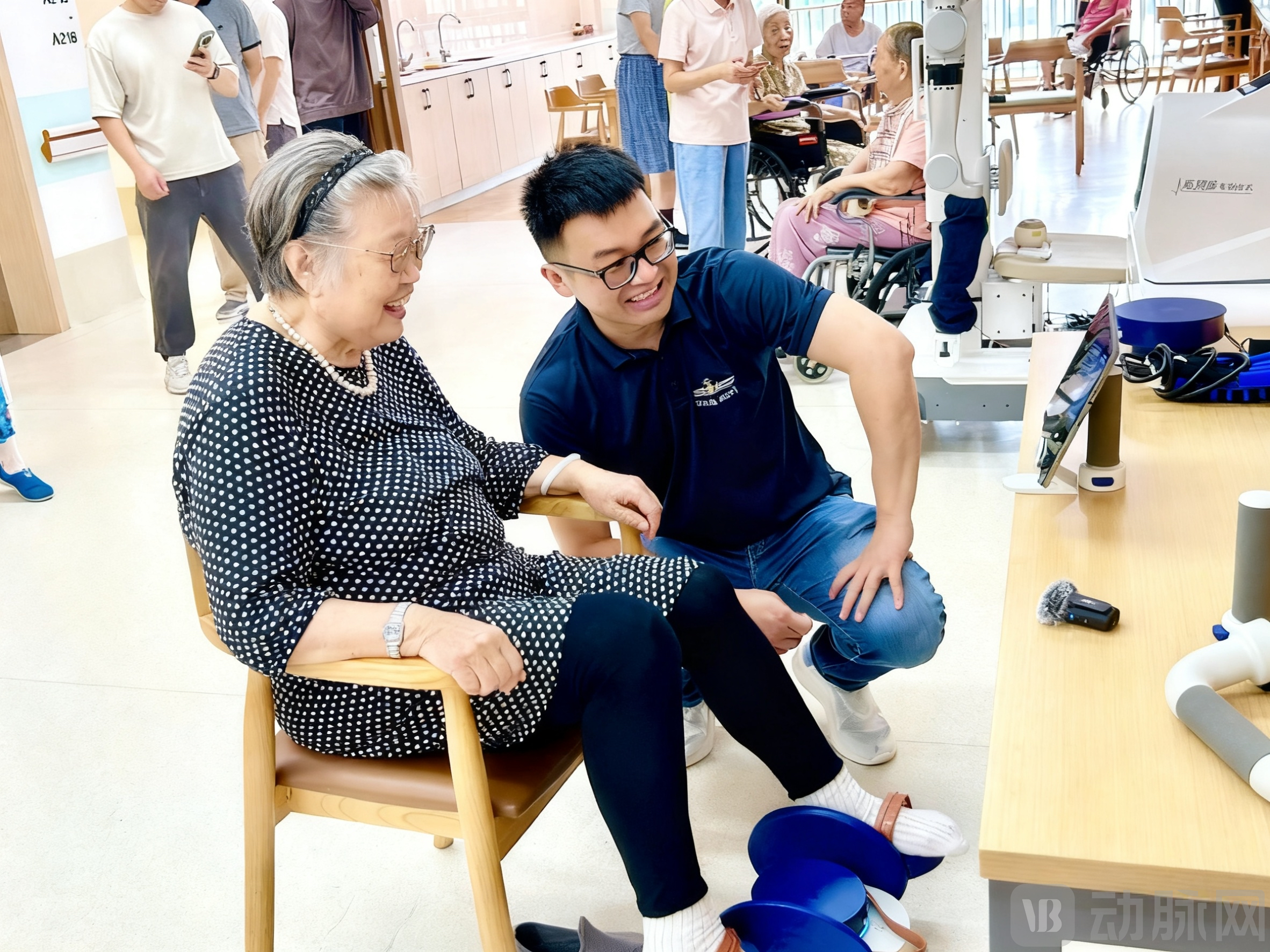
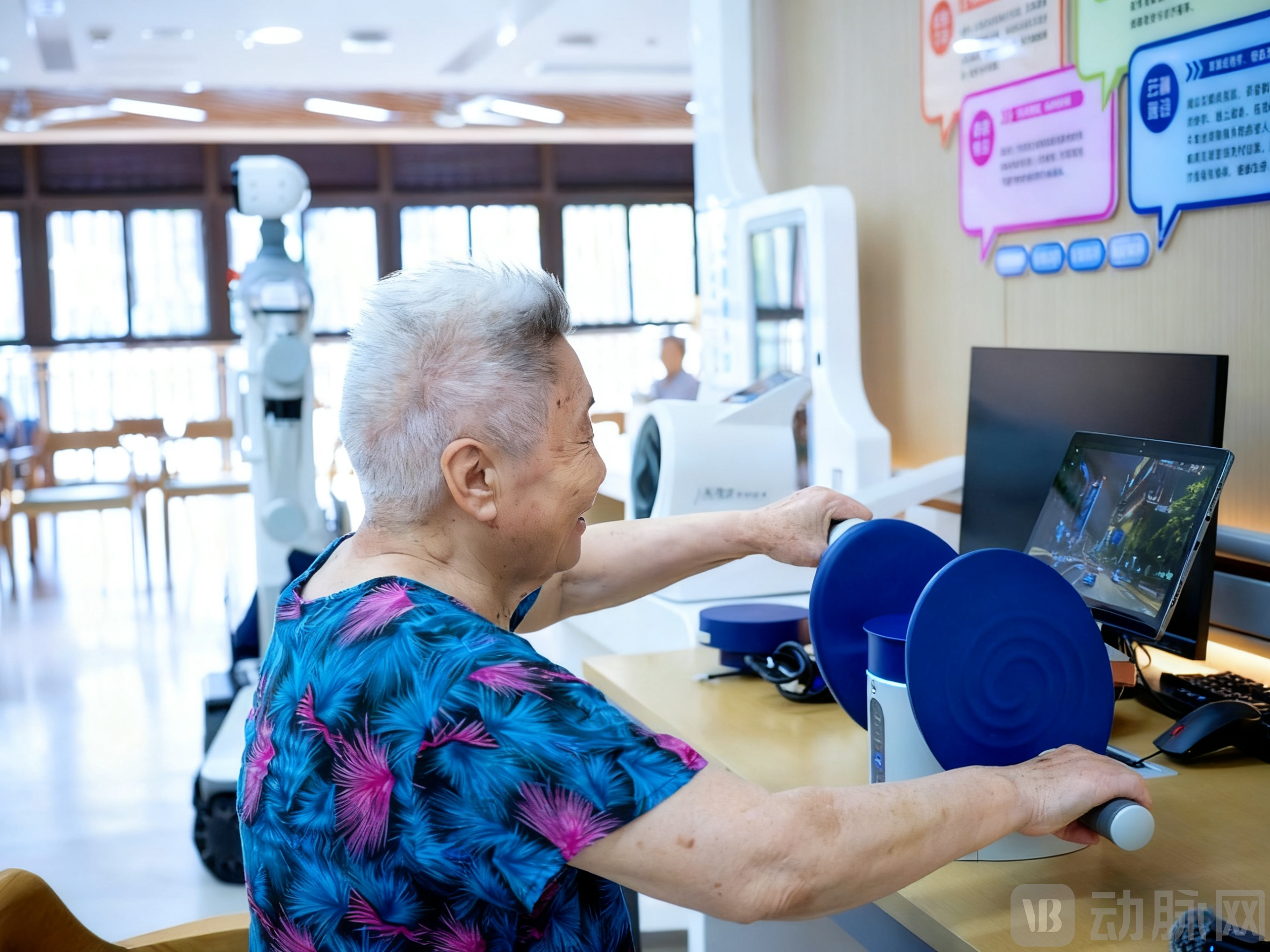
“Qijia Q1” adopts a hybrid architecture of “AI autonomy + remote operation,” capable of performing repetitive tasks during the day and continuously responding at night or in emergencies, providing elderly people with round-the-clock attentive care. The rehabilitation training function of “Gewu” further demonstrates the value of technology in improving the quality of life for the elderly and assisting in rehabilitation training. From the daily care provided by “Qijia Q1” to the rehabilitation training offered by “Gewu,” Rushen Robot is gradually building a coverage that spansDaily Living Care + Rehabilitation Supporta comprehensive health and wellness system.
This initiative marks not only the first step for Rushen Robot’s entry into nursing homes but also signifies further validation of smart elderly care robots in real-world usage environments. The company will continue to intensify its efforts in core technology iteration and product engineering implementation, partnering with Fushoukang to deepen collaboration. The aim is to integrate smart elderly care robots into the daily lives of seniors, embedding humanistic care within technological innovation and making smart elderly care a key solution for society’s response to population aging. Regarding future cooperation, both parties will conduct larger-scale pilot applications centered on “Qijia Q1” and “Gewu,” gradually expanding to more elderly care institutions and community settings. They will explore models that combine product engineering deployment with standardized nursing processes. Additionally, the two sides will jointly carry out effectiveness evaluations and user surveys to continuously optimize the robots’ adaptability, striving to make smart elderly care an integral part of seniors’ daily lives and a vital support force in elderly care services.
We remain steadfast in our philosophy of leveraging technology to serve people, continuously refining product architecture and interaction logic around the real-world care experiences of users. Our commitment is to make robots an extension of caregivers and a trusted companion for the elderly.
Fushoukang Penghai Nursing Home is a key medical-nursing integrated facility under Fushoukang Smart Medical and Elderly Care Services (Shanghai) Co., Ltd. (hereinafter referred to as “Fushoukang”). Leveraging the surrounding parks and river landscapes, the nursing home boasts a tranquil and beautiful environment. The facilityUpholding the Philosophy of “Dignity and Warmth”, providing the elderly with integrated services encompassing medical care, rehabilitation training, and daily companionship. As a pilot unit under the Ministry of Civil Affairs, it explores smart elderly care service models and actively promotes the integration of technology with nursing services. At the event, Shanghai Rushen Robot Technology Co., Ltd. closely collaborated with Fushoukang’s professional nursing services, demonstrating the application of smart health and elderly care in real-world senior living scenarios.
The “Silver Tech Partner Program,” jointly launched by the Shanghai Municipal Science and Technology Commission, the Shanghai Civil Affairs Bureau, the Minhang District People’s Government, and Tencent, aims to solicit outstanding silver-tech solutions from across China to promote the development of the smart elderly care industry. By connecting social capital, scientific research resources, and application scenarios, the program accelerates the translation and practical implementation of scientific and technological achievements. Since its launch, it has attracted 189 project applications from 16 provinces, autonomous regions, and municipalities nationwide, with 15 projects ultimately selected for the acceleration camp. Shanghai Rushen Robot Technology Co., Ltd., in partnership with scenario provider Fushoukang, was successfully selected among them. Through innovative explorations in smart health and wellness as well as intelligent rehabilitation, they will provide seniors with warmer and higher-quality service experiences.