

Synthetic Lethality in Oncology: A Promising Yet Challenging Therapeutic Frontier
Synthetic lethality, a cancer therapy approach, is garnering increasing attention.
# Synthetic LethalitySynthetic lethality is a genetic phenomenon in which mutation of either of two genes individually does not affect cell survival, but simultaneous mutation or inactivation of both genes leads to cell death. Simply put, if gene A is inactivated, the cell remains viable; if gene B is inactivated, the cell also remains viable; however, if both gene A and gene B are simultaneously inactivated, the cell dies.
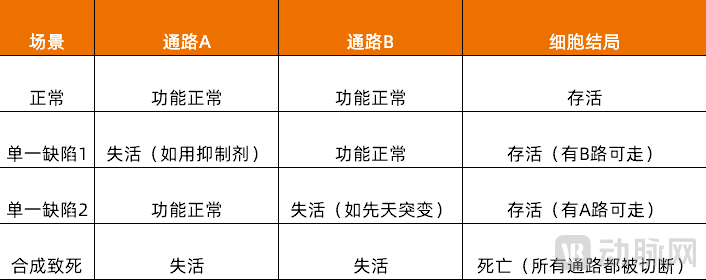
Figure 1. Principle of synthetic lethality (Graphic by VCBeat)
The core of synthetic lethality lies in the compensatory mechanisms of cellular signaling pathways: when one gene is mutated, another gene can compensate for its function. If one gene is inactivated while the other is simultaneously inhibited, the cell will die due to its inability to repair damage.
Synthetic lethality offers new avenues for cancer therapy. As an emerging oncology treatment strategy, it has garnered significant attention in recent years from major pharmaceutical companies such as GSK, Bayer, Amgen, CSPC, and BeiGene. While capital is rapidly flowing into this sector, the risks associated with new product development are seldom discussed.
1The Synthetic Lethality Sector Boasts Triple Advantages
As an emerging small-molecule anticancer therapeutic mechanism, the synthetic lethality space has attracted the attention of innovative pharmaceutical companies both in China and abroad. After communicating with researchers in this field, VCBeat found that there are three main reasons for innovative pharmaceutical companies to enter this track.
First is the treatmentTargeting. For patients, synthetic lethality targets have clear biomarkers, enabling developers to use genetic defect screening methods toPrecisely Target the Applicable Population。
During treatment, drugs targeting synthetic lethality achieve precise killing only in the presence of specific gene mutations in tumor cells, therebyAvoid damage to normal cells and reduce side effects.
Secondly, it has relatively goodClinical Benefit. Synthetic Lethality Mechanism"Can address the challenge of 'undruggable' targets"Many tumor suppressor genes may be difficult to target directly due to loss of function. In such cases, indirect targeting of their complementary genes can enable drug development. This approach provides new therapeutic options for cancer types that lack effective clinical treatments, such as pancreatic cancer.
Drugs targeting synthetic lethality can alsoReduce the Risk of Drug Resistance. For patients resistant to prior therapies, the novel mechanism of synthetic lethality can offer new treatment options, expand the beneficiary population, and delay the onset of drug resistance. Furthermore, synthetic lethality therapy canCombination with Existing Therapies to Enhance Efficacy。
Finally, products in the synthetic lethality trackPossesses considerable commercial value. Since patients with specific genetic defect profiles are not limited to a single cancer type, thereforeDrugs targeting synthetic lethality have a broad range of indications, which means that these products will enjoy a larger market potential after launch.. This advantage can also be applied during the clinical trial phase.
In the design of clinical trial protocols, for the same genetic defect, it is possible toConducting Multi-Cancer Clinical Trials Simultaneously to Accelerate Market LaunchFor example, Tango Therapeutics’ investigational PRMT5 inhibitor TNG-456 is currently in Phase II clinical trials globally, with intended indications covering bladder cancer, cholangiocarcinoma, non-small cell lung cancer, glioblastoma, squamous cell carcinoma, solid tumors, advanced solid tumors, pancreatic cancer, and metastatic nervous system tumors.
Furthermore, given the well-defined molecular mechanisms of synthetic lethality targets, preclinical models demonstrate strong predictive power.The success rate of clinical trials will also be relatively high.
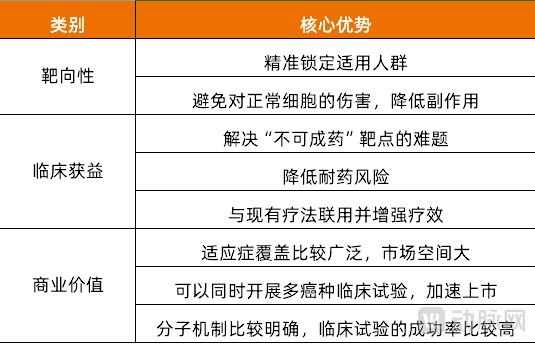
Figure 2. Key Advantages of the Synthetic Lethality Sector (Compiled by VCBeat)
2BD and Financing Activities in the Field of Synthetic Lethality Remain Active
PARP inhibitors are the first class of drugs successfully developed based on the principle of synthetic lethality. Olaparib, the first PARP inhibitor approved globally (in 2014), selectively kills tumor cells harboring BRCA mutations or homologous recombination deficiency (HRD) by inhibiting PARP activity and thereby blocking DNA damage repair. According to the Insight database, olaparib, a PARP inhibitor jointly developed by AstraZeneca and Merck & Co., achieved sales of USD 3.072 billion in 2024, becoming a blockbuster product.
The success of PARP inhibitors has drawn attention to the synthetic lethality sector, with capital flowing into the industry and continued activity in private equity investments and business development deals.
In the field of private equity (PE) investment, the financing rounds of Danqing Pharma and Impact Therapeutics, two innovative pharmaceutical companies in the synthetic lethality sector, have been among the most significant cases recently.
On March 3, 2025, Danqing Pharma, an innovative pharmaceutical company in China, announced the completion of a new round of financing amounting to RMB 150 million. The funds will be used to advance the development of multiple novel synthetic lethality drugs. Danqing Pharma’s core product, the PARG inhibitor DAT-2645, has received approval from both China’s National Medical Products Administration (NMPA) and the U.S. Food and Drug Administration (FDA) to initiate Phase I clinical trials. The intended indications include breast cancer, ovarian cancer, pancreatic cancer, prostate cancer, uterine cancer, gastric cancer, and colorectal cancer. In addition to DAT-2645, Danqing Pharma’s website indicates that its pipeline includes several other novel drugs in the synthetic lethality space, targeting Polθ, WRN, and other targets.
On November 15, 2024, ImmuPharma completed a D++ round of financing amounting to RMB 250 million. ImmuPharma is dedicated to researching the mechanism of synthetic lethality in oncology. The company’s product pipeline includes the PARP inhibitor Senaparib (IMP4297), the WEE1 inhibitor IMP7068, the ATR inhibitor IMP9064, and the PARP1-selective inhibitor IMP1734 (co-developed with Eikon Therapeutics in the United States), among others.
Beyond PE investment, the consistently hot BD transactions in recent years have also frequently emerged in the synthetic lethality sector.
On September 2, 2025, Servier and IDEAYA Biosciences announced an exclusive licensing agreement worth up to $530 million to bring the PKC (protein kinase C) inhibitor darovasterib to the global market. Under the terms of the agreement, Servier will obtain regulatory and commercial rights for darovasterib in territories outside the United States, while IDEAYA will retain its rights in the U.S. market. In June 2020, IDEAYA Biosciences also established a strategic collaboration with GSK in the field of synthetic lethality, encompassing three R&D projects targeting MAT2A, Polθ, and Werner helicase. As part of this deal, IDEAYA received an upfront cash payment of $100 million and a $20 million equity investment.
On March 26, 2025, Bayer and Puhe Medicine reached a global licensing agreement for an orally administered small-molecule PRMT5 inhibitor under development. This drug is designed to provide selective targeted therapy for MTAP-deleted tumors. The Phase I clinical trial, coded BAY 3713372, has been initiated, and patient enrollment has been successfully completed.
In December 2024, CSPC Pharmaceutical Group and BeiGene reached a global licensing agreement for SYH2039, under which CSPC will receive total payments amounting to $1.835 billion, including a $150 million upfront payment. Preclinical studies have demonstrated that SYH2039 can effectively inhibit the growth of various MTAP-deleted tumor cells, including those in non-small cell lung cancer, glioma, gastroesophageal cancer, pancreatic cancer, and bladder cancer.
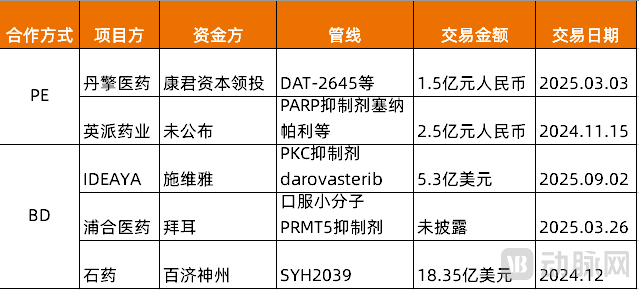
Figure 3. Major Recent Deals in the Synthetic Lethality Space (Incomplete Statistics by VCBeat)
Research in the synthetic lethality space is gradually gaining momentum, with innovative pharmaceutical companies increasingly entering this field for R&D. A growing number of targets are being developed. Beyond the earliest PARP target, other targets such as PRMT5, WRN, MTAP, and PARG have come into researchers’ focus.
3PRMT5 is a currently hot target.
In the field of synthetic lethality, PARP inhibitors (including olaparib, rucaparib, niraparib, talazoparib, and other products) are the first class of drugs proven to have clinical efficacy, and they have been widely used in BRCA-deficient breast cancer, ovarian cancer, prostate cancer, and pancreatic cancer.
However, the success of PARP inhibitors remains an isolated case. The SynLethDB database reports that over 26,000 gene pairs have been identified as exhibiting synthetic lethality, mostly through high-throughput screening methods. Nevertheless, significant challenges remain in translating these synthetic lethal interactions into clinically applicable products.
Most synthetic lethal interactions exhibit significant tissue- and genetic context-dependency, meaning that they manifest differently across distinct cellular and genetic environments. This makesPoor reproducibility of synthetic lethal interactions across different models poses challenges to the development of related products., a researcher who has been involved in the development of synthetic lethality-based products told VCBeat.
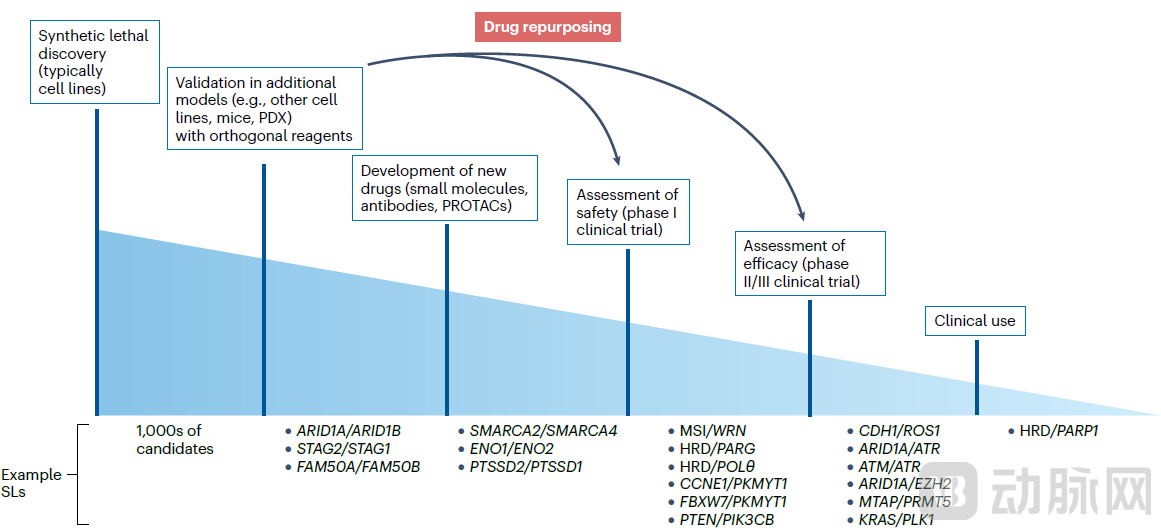
Figure 4. Representative Targets in the Synthetic Lethality Pipeline
(Source: Nature Reviews Drug Discovery)
PRMT5 is another well-studied target in the synthetic lethality field. PRMTs are a family of epigenetic regulatory enzymes that catalyze the methylation of arginine residues on proteins. Based on their catalytic mechanisms, they are classified into Type I (PRMT1–4, 6, and 8), Type II (PRMT5 and 9), and Type III (PRMT7). Members of the PRMT family regulate biological processes such as gene expression, cell cycle progression, and DNA repair by methylating both histone and non-histone proteins.
Methylthioadenosine phosphorylase (MTAP) gene deletion is prevalent in approximately 10%–15% of human cancers, and its loss of function leads to abnormal intracellular accumulation of the metabolite methylthioadenosine (MTA). MTA can bind to PRMT5 to form a PRMT5/MTA complex, thereby inhibiting its activity. Therefore, designing an inhibitor that functions exclusively in the presence of the PRMT5-MTA complex could selectively kill MTAP-deficient cancer cells while sparing normal cells.
According to statistics from Molecule Pharma, there are currently 23 PRMT5 products in Phase I/II clinical trials globally, with an additional 20 products in the preclinical stage.
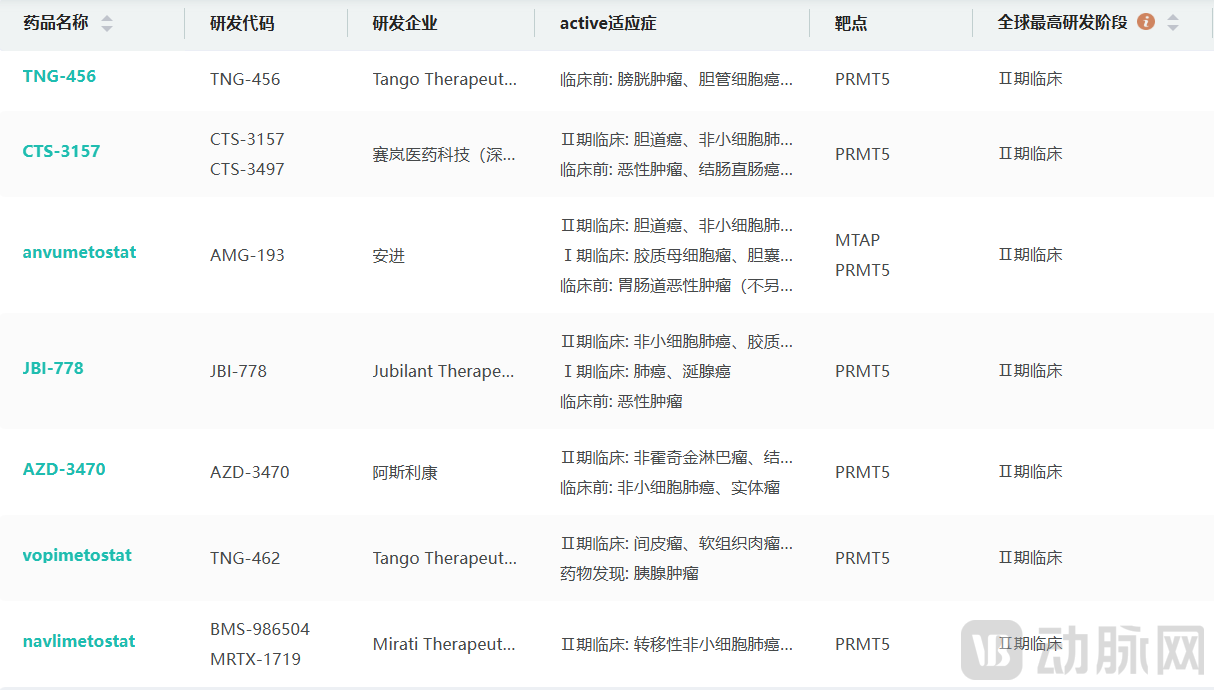
Figure 5. Global PRMT5-Targeted Products in Phase II Clinical Trials (Source: Mordor Intelligence)
In the domestic market, several Chinese companies have similar products in clinical trials, with Sailan Pharmaceutical’s CTS-3497 leading in clinical progress and currently in Phase II clinical trials.
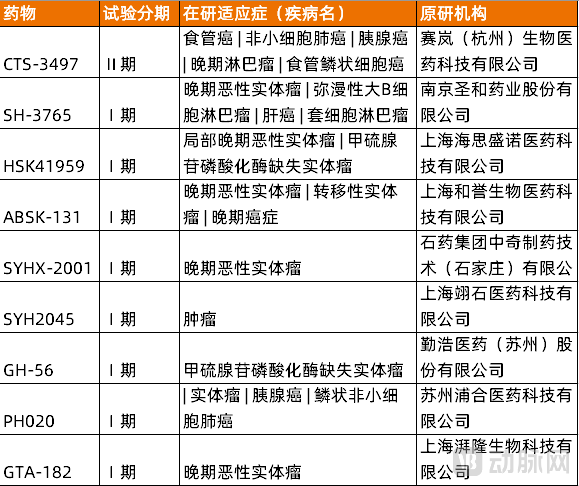
Figure 6. PRMT5-targeted products made in China (incomplete statistics by VCBeat)
Beyond PRMT5, another highly scrutinized target is the Werner syndrome RecQ helicase (WRN). A series of studies have revealed a “synthetic lethal” relationship between WRN and microsatellite instability (MSI) cancers. WRN is a DNA helicase; in MSI tumor cells with defective DNA mismatch repair, knockout of the WRN gene or depletion of the WRN protein induces a synthetic lethal effect, leading to tumor cell death. Consequently, WRN has emerged as a promising synthetic lethal target for MSI tumors.
Data show that there are currently five WRN-targeted products in clinical trials globally, with an additional 13 products in the investigational new drug (IND) application and preclinical stages.
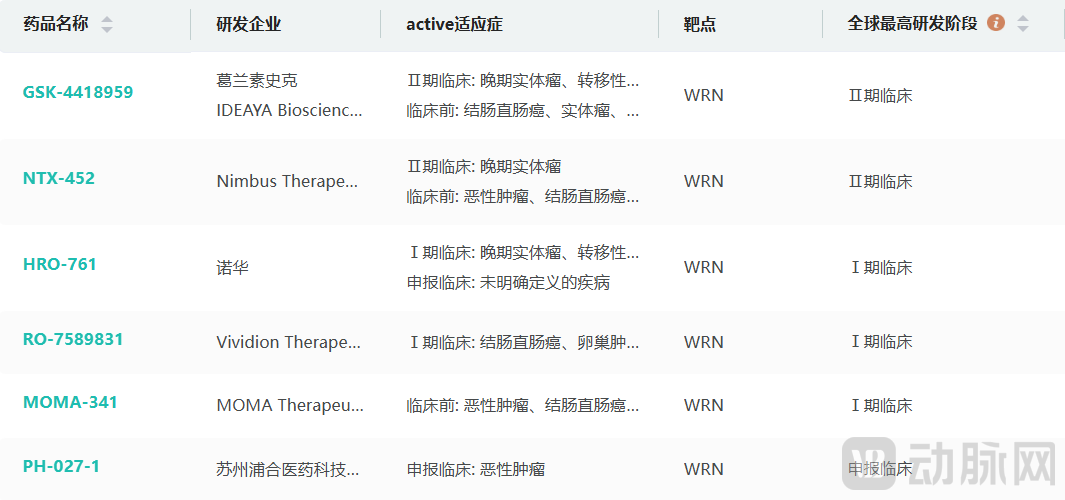
Figure 7. Global R&D Progress of WRN Targets (Source: MedBrain Pharma)
"The number of companies involved in newly discovered synthetic lethality targets is relatively small, resulting in less intense competition; however, the R&D risks are also high."The mechanisms of new targets have not been fully elucidated, and their mechanisms of action remain unverified.”This is the primary reason for product development failures,” a researcher with experience in developing synthetic lethality-based products told VCBeat.
In addition to PRMT5 and WRN, targets such as MTAP and PARG are also under development. On September 11, 2025, a research team from the University of Lisbon, University College Dublin, and the Wellcome Sanger Institute published a review article titled “Synthetic lethality in cancer drug discovery: challenges and opportunities” in Nature Reviews Drug Discovery. The article provides a detailed overview of the major investigational products currently in clinical development that target synthetic lethality mechanisms.
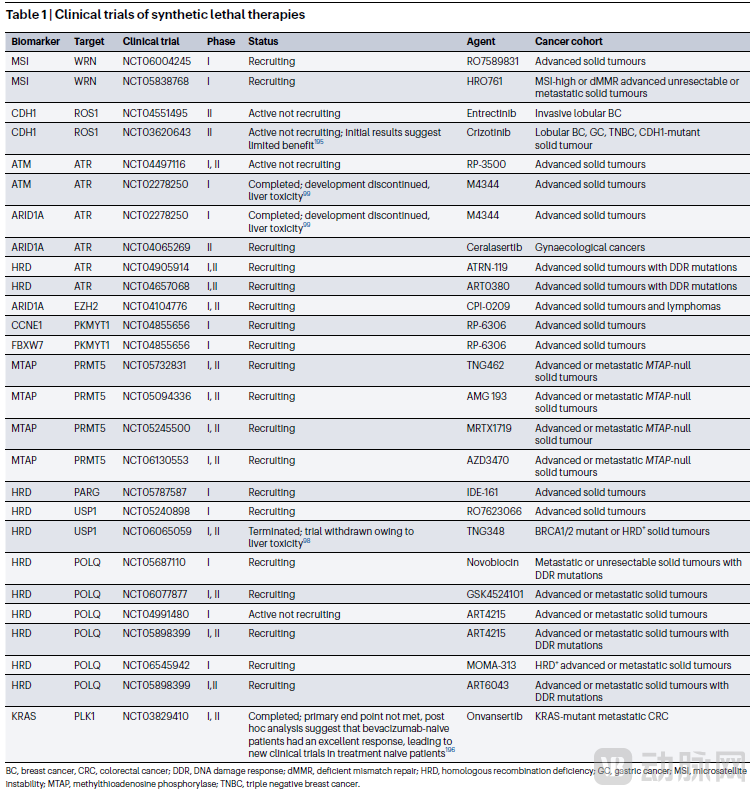
Figure 8. Clinical Research Progress on Representative Targets in the Synthetic Lethality Field
(Source: Nature Reviews Drug Discovery)
4“Act According to Your Capabilities” When Entering the Synthetic Lethality Arena
Although the synthetic lethality space offers significant development advantages and has attracted an increasing number of companies, this does not mean that the development of drugs targeting related pathways is any easier.
During the early stages of research and development, pharmaceutical companies need to identify suitable synthetic lethality targets, which requires researchers to have a thorough understanding of the mechanisms underlying these novel targets. After selecting appropriate targets, researchers must proceed with molecular design, ultimately screening for a series of lead compounds for further development.
Targets with well-elucidated mechanisms carry lower R&D risks but face more intense competition. In contrast, newly developed targets entail a higher risk of failure.For instance, the presence of multiple pathways in cells can lead to the failure of synthetic lethality mechanisms, and newly designed molecules may ultimately fail to become viable drugs.. This places high demands on the biological and medicinal chemistry capabilities of development enterprises.
Qinhao Medicine maintains a relatively leading position in the field of synthetic lethality research. Currently, Qinhao’s pipeline encompasses multiple targets, with GH2616 and GH56 already advanced into clinical stages. Qinhao Medicine’s capacity to conduct simultaneous research across multiple targets is underpinned by the company’sStructure-Based Structure-Activity Relationship Research Platform, an early-stage drug screening platform based on target research, and a preclinical evaluation platform encompassing efficacy, metabolism, and safety studies.
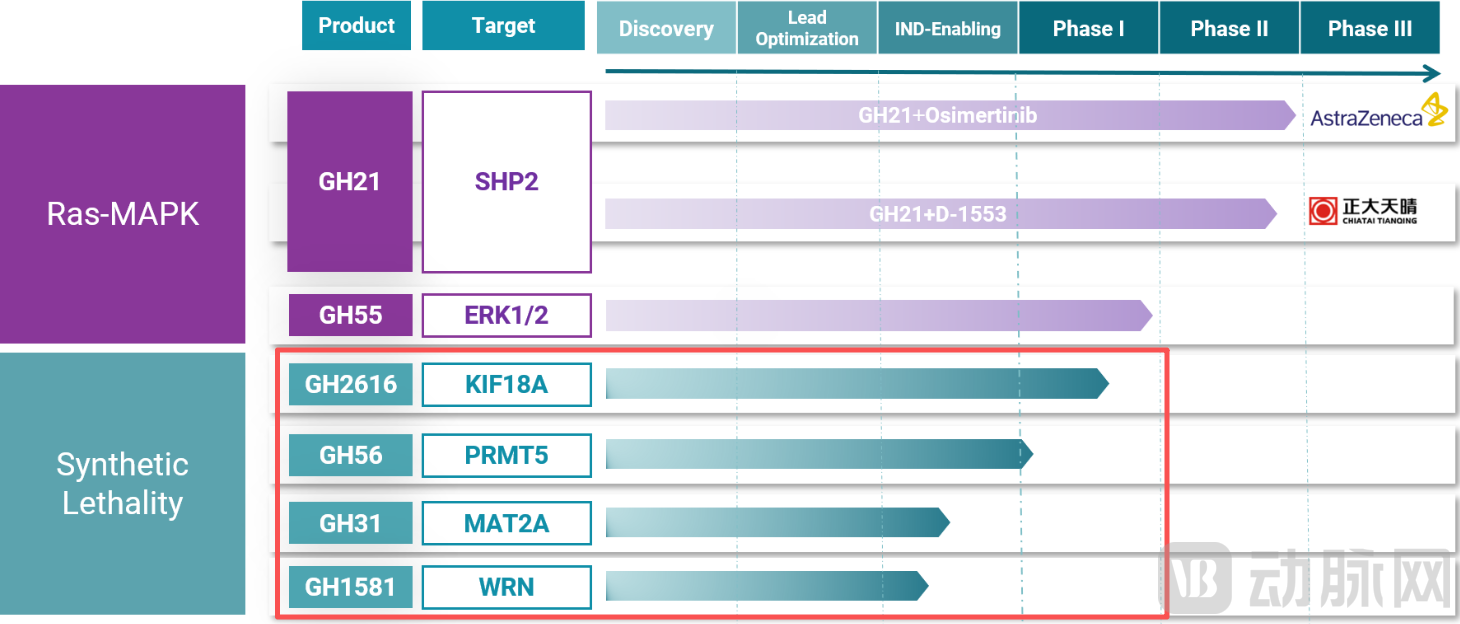
Figure 9. QinHao Medicine’s R&D Pipeline (Source: Company Website)
XtalPi and Chipscreen Biosciences leverage AI technology to assist in drug development, thereby identifying superior lead compounds for subsequent development.
Recently, PEP08, a next-generation PRMT5 inhibitor developed through the collaboration between XtalPi and Phylaxis Biopharma, achieved a significant milestone in clinical development. XtalPi generated a molecular library comprising millions of compounds for this project and identified a series of lead compounds for subsequent development.
MicroCore Biopharma leverages AI technology to support its core technological framework, the “Integrated Drug Discovery and Early Evaluation Platform Based on Chemical Genomics.” This platform enables the evaluation and prediction of potential molecular pharmacology and toxicology of new compounds, continuously optimizing the structures of candidate compounds to ensure that lead compounds with the most favorable comprehensive evaluation metrics advance to the next stage of development.
Thus, it can be seen thatEach company engages in differentiated competition based on its unique characteristics.。
In summary, we believe that synthetic lethality, as a novel mechanism for cancer therapy, offers high target specificity, significant clinical benefits, and substantial commercial value, which explains why this field is attracting increasing attention from enterprises. However, the synthetic lethality sector is not a gold rush for innovative pharmaceutical companies.
So-called synthetic lethal “partners” occur in pairs, and the study of their mechanisms of action as well as the corresponding chemical molecule design ultimately depend on the R&D capabilities of the developing company.Developing novel targets or identifying superior molecules among relatively mature ones tests a company’s biological and pharmaceutical capabilities.。
In this context, enterprises can only gain a competitive advantage by accurately positioning themselves and better integrating their strengths with the development process of related products.