

KangAi Bio's Class 1 Cell Therapy for Liver Cancer Enters Registrational Clinical Trial; IPO Filing Submitted
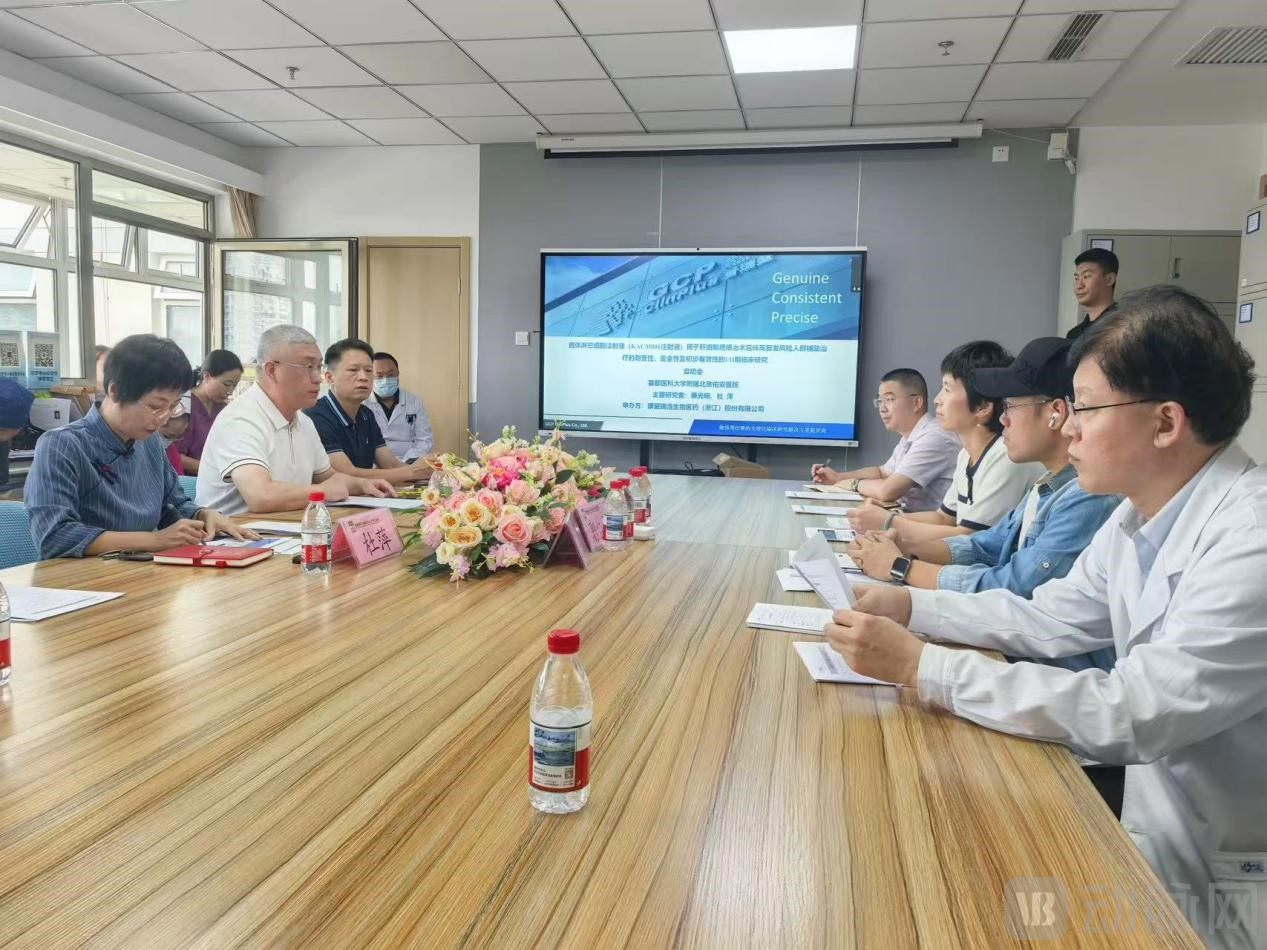
Recently, Kang Ai Rui Hao Biopharmaceuticals (Zhejiang) Co., Ltd. (abbreviated as: Kang Ai Bio) officially launched the Phase I/II clinical trial of its Class 1 new drug for liver cancer cell therapy, KACM002 Injection (Acceptance Number: CXSL2200546), at Beijing Youan Hospital affiliated with Capital Medical University. This marks the entry of the company’s second independently developed cell therapy drug for liver cancer into the domestic registration clinical trial stage. The principal investigators are Deputy Director Li Guangming from the General Surgery Center and Director Du Ping from the Clinical Trial Research Office at Beijing Youan Hospital.
KACM002 Cell Injection, a tumor cell therapy drug independently developed by Kangai Biologics with independent intellectual property rights, is primarily used for the treatment of liver cancer. According to Li Junyang, Deputy General Manager of Kangai Biologics, the safety and efficacy of KACM002 have been thoroughly validated both in vitro and in vivo, and Investigator-Initiated Trials (IIT) are being conducted in accordance with Good Clinical Practice (GCP) guidelines.
The study results showed that no adverse events or serious adverse events related to the investigational drug were observed. After administration, the product undergoes substantial expansion in vivo, directly killing tumor cells and significantly inhibiting the orthotopic growth of liver cancer cells. It exerts synergistic antitumor efficacy through multiple mechanisms, including immune system reconstitution and inhibition of cancer cell metastasis.
Liver cancer is a highly malignant tumor that is common in China. According to data from the National Cancer Center, there were 390,000 new cases of liver cancer in China, with 360,000 deaths. More than half of the new liver cancer cases and deaths worldwide occur in East Asia (54.3% and 54.1%, respectively). Currently, the 5-year survival rate for liver cancer in China is only 12.1%, indicating that liver cancer remains characterized by "high incidence and low survival."
According to data from Frost & Sullivan, the 5-year survival rate for early-stage liver cancer is approximately 60.0%, significantly higher than that for advanced-stage liver cancer. However, 60–70% of patients with early-stage liver cancer may experience recurrence within five years. Recurrence can occur as early as two months after hepatectomy, with the majority of recurrences happening between one and two years post-surgery. Therefore, it is particularly important to improve the early diagnosis rate of liver cancer and administer post-hepatectomy treatments to prevent recurrence. Currently, there is no widely recognized adjuvant therapy for patients at high risk of recurrence after liver cancer surgery.
In light of this, there is a significant unmet clinical need regarding recurrence in patients with liver cancer, which will give rise to a substantial market in the future. KACM002 injection holds promise as a new therapeutic option for patients at high risk of recurrence following surgical resection for liver cancer.