

2025 Beijing Life Science Innovation Summit Successfully Concludes: Empowering End-to-End Innovation and Co-Creating a New Era of Health through Multi-Stakeholder Collaboration
On September 20, 2025, the 2025 Beijing Life Science Innovation Conference was successfully held in Beijing. Themed “From Discovery to Realization,” the conference brought together nearly 400 leading global scientists, healthcare institution administrators, clinical experts, representatives from biopharmaceutical companies, entrepreneurs, and investors. Participants systematically explored frontier topics including innovative drug discovery, breakthroughs in precision diagnosis and treatment, cell and immunotherapy, AI-driven scientific research, and innovation translation. The event aimed to accelerate the clinical application of research achievements, support the development of Beijing as an international center for scientific and technological innovation, promote high-quality growth in the pharmaceutical and health industries, and contribute to Chinese innovation and global health.
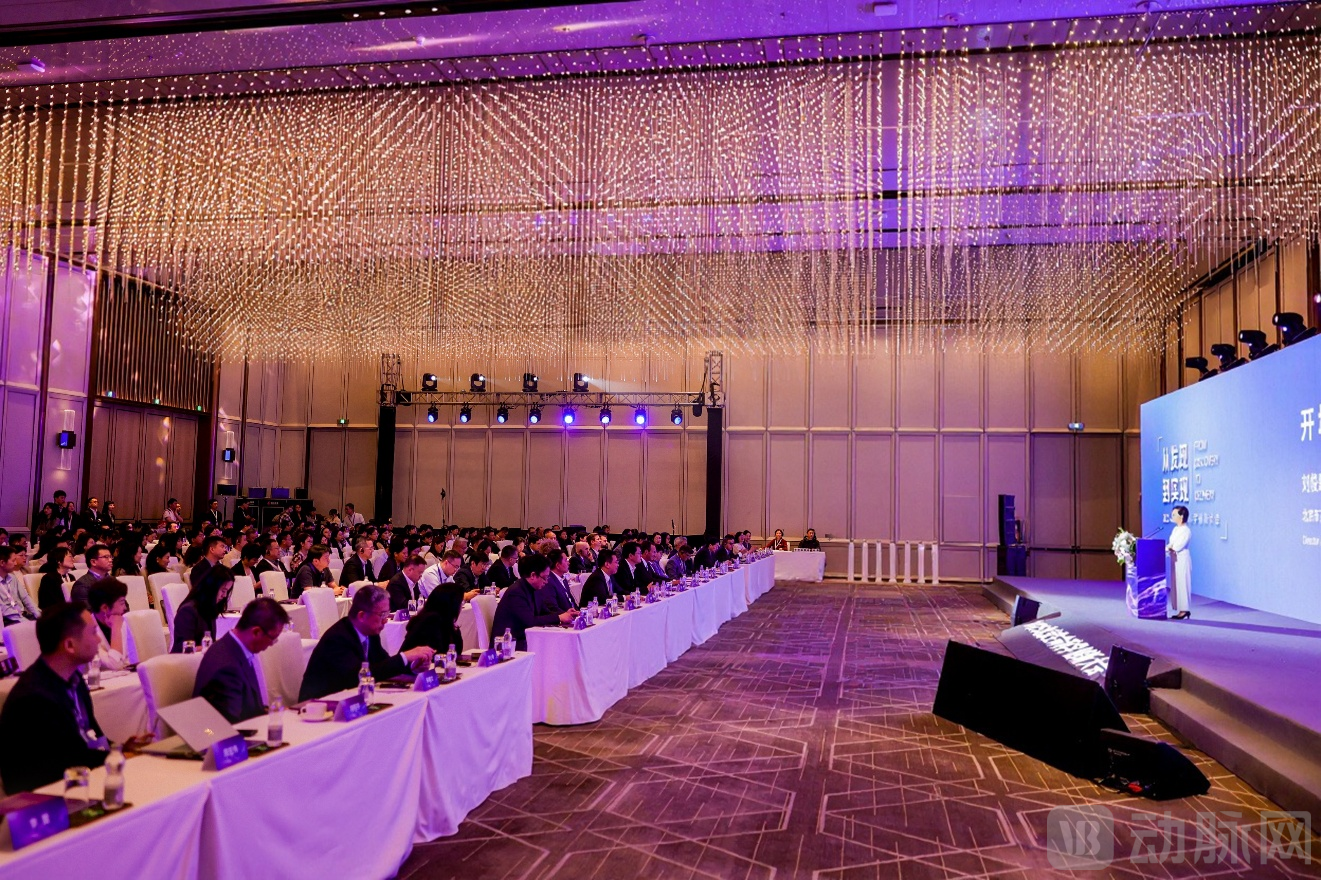
2025 Beijing Life Science Innovation Conference
Liu Juncai, Director of the Beijing Municipal Health Commission; Gong Weimi, Party Leadership Group Member and Deputy Director of the Beijing Municipal Science & Technology Commission and Zhongguancun Administrative Committee; and Liu Xiaodong, District Mayor of Changping District, Beijing, and Director of the Future Science City Administrative Committee, attended the event.
In her address, Liu Juncai stated that Beijing has established core advantages supporting life sciences innovation, boasting the most concentrated life sciences research resources in China and providing fertile ground for the commercialization of innovative achievements. In recent years, Beijing has successively introduced a series of policy measures, creating a closed-loop policy framework that incentivizes innovation and positioning the city as a key growth pole for high-quality economic development. She expressed hope that this high-level international exchange and cooperation platform would contribute to the development of Beijing’s life and health industry by gathering top-tier global scientific research expertise.
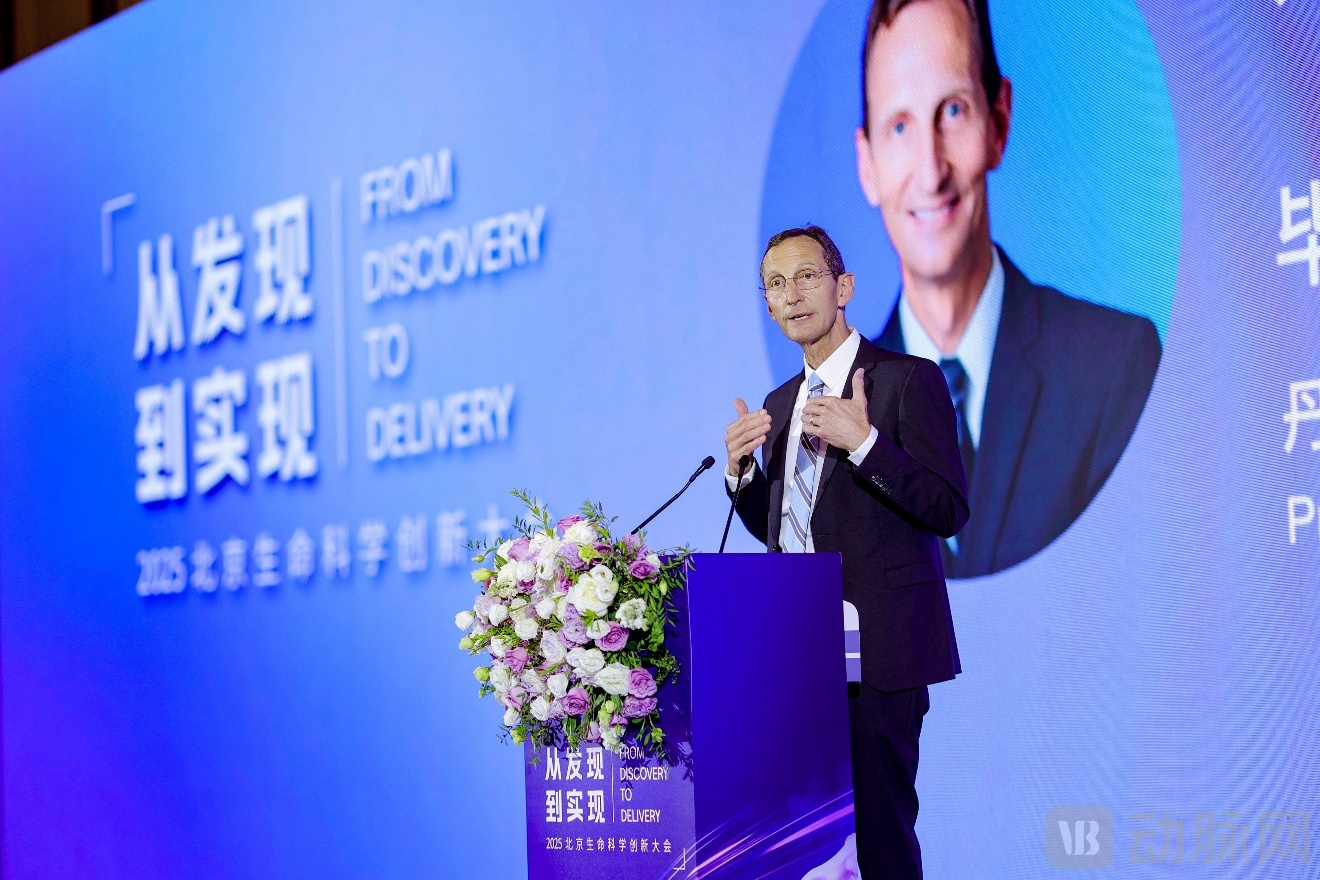
Rainer M. Blair, President and Chief Executive Officer of Danaher Corporation
Address by Rainer M. Blair, President and Chief Executive Officer of Danaher CorporationMr. Blair stated, “For Danaher, China is not only a critically important market but also a driving force for global innovation. From synthetic biology and organoids to mRNA therapeutics and CAR-T cell therapies, Chinese scientists are making profound impacts and outstanding contributions whose value transcends national borders. Danaher is honored to participate in this vibrant development. In our view, localization in China goes beyond merely transferring overseas production and supply chains to the country; it entails deep integration into and empowerment of a complete innovation ecosystem. We innovate together with China to create value for the world. Our goal is clear and steadfast: to become the multinational corporation with the highest degree of localization in China, deeply integrated into the nation’s scientific research and industrial systems.”
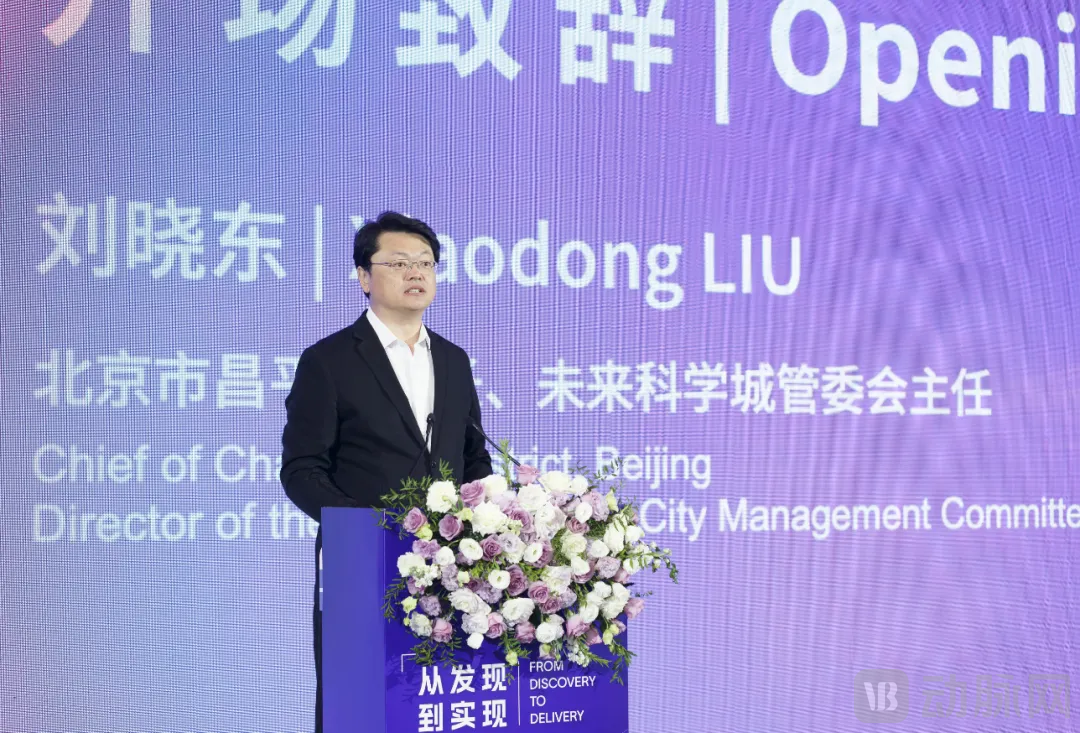
Liu Xiaodong, District Mayor of Changping District, Beijing, and Director of the Future Science City Management Committee
In his address, Liu Xiaodong stated that Changping is a key plain-area new city under priority development in the capital and an important hub for Beijing’s International Science and Technology Innovation Center, bearing the significant mission of fostering new-quality productive forces and future industries. In March this year, the Danaher Northern Innovation Center was officially launched in Changping, and the two major synthetic biology technology platforms jointly established by both parties have become operational, serving as a model for government-enterprise collaboration. Today’s conference has brought together leading domestic and international experts to discuss frontier advantages in the life sciences field, which will undoubtedly gather greater wisdom and momentum to accelerate the development of life sciences.
This conference has received authoritative support from multiple parties. It is guided by the Beijing Municipal Health Commission, the Beijing Municipal Science & Technology Commission and Zhongguancun Administrative Committee, and the Changping District People’s Government; hosted by the Beijing Medical and Health Science and Technology Promotion Center and the Beijing Medicine and Health Science and Technology Development Center; organized by the Beijing Weichuang Institute for Medical Science and Technology Promotion; and co-organized by Danaher Corporation, the Capital Institute of Medical Sciences, and the Beijing Future Science City Management Committee. The conference features a comprehensive agenda spanning “basic research–clinical translation–industrial implementation,” aiming to promote deep integration among government, industry, academia, research, healthcare, investment, and end-users, and to establish a cross-disciplinary, cross-sector collaborative platform for innovation and translation. Dr. Fang Zhuo, Chief Scientific Officer of Danaher China, presided over the conference, while Mr. Chen Hang, Deputy Director of the Beijing Municipal Health Commission, served as the host for the opening session.
Peak Dialogue: A Collision of Global Top Minds on Frontier Transformations
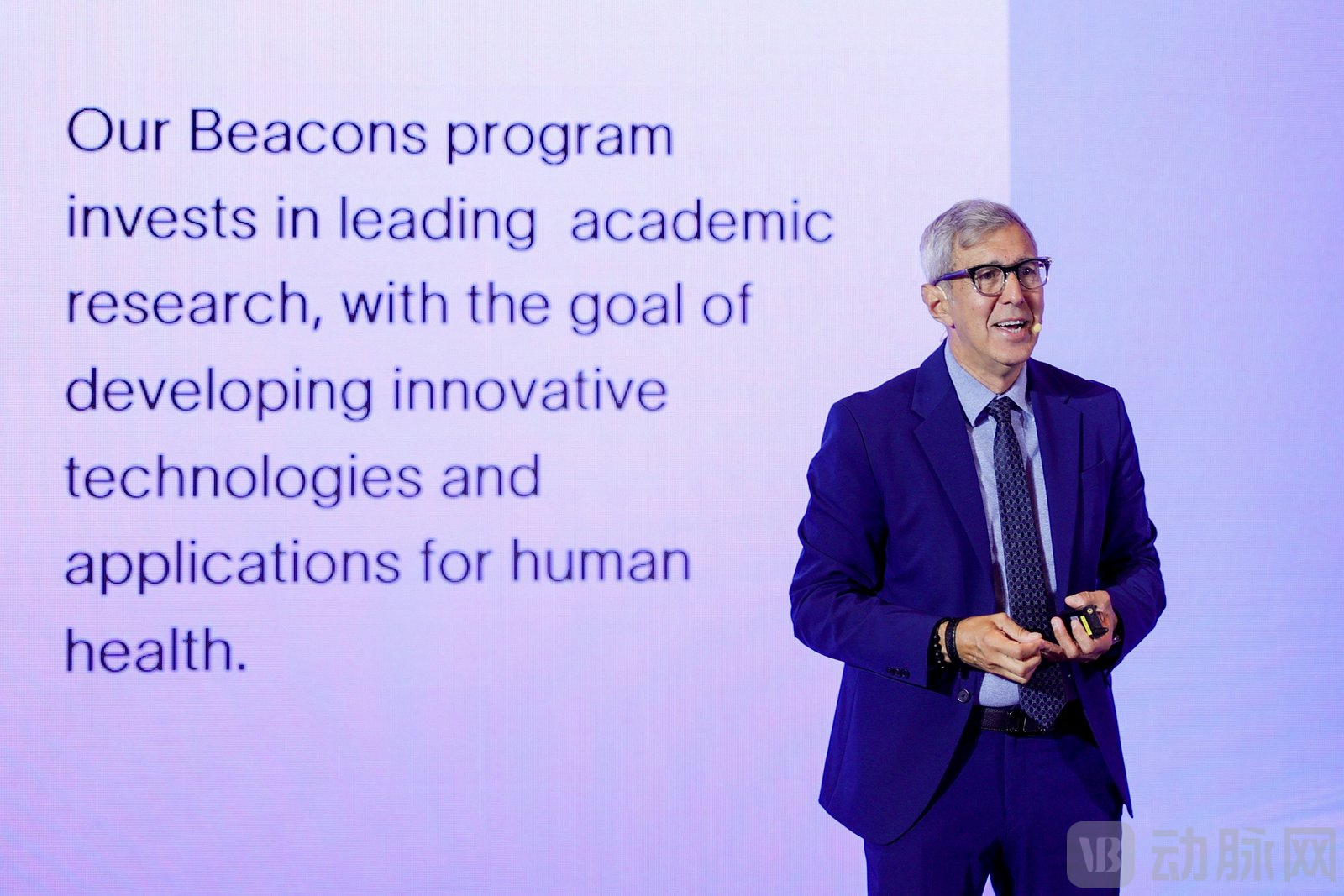
José-Carlos Gutiérrez-Ramos, Global Senior Vice President and Chief Scientific Officer at Danaher
Jose-Carlos Gutiérrez-Ramos, Senior Vice President and Chief Scientific Officer of Danaher Corporation, stated: “Over the past 12 months, Danaher has launched six new technologies that span the entire innovation chain from basic research to clinical applications, delivering greater precision and efficiency in disease monitoring, diagnostics, and medical manufacturing. We are building a pan-cancer ecosystem platform that leverages artificial intelligence to enable minimally invasive sample collection and precise detection. Meanwhile, our innovative achievements in autologous CAR-T cell therapy and gene-edited cell therapies are driving advances in translational and clinical medicine. Danaher looks forward to collaborating with partners across the industry to accelerate medical technological progress and contribute to human health.”
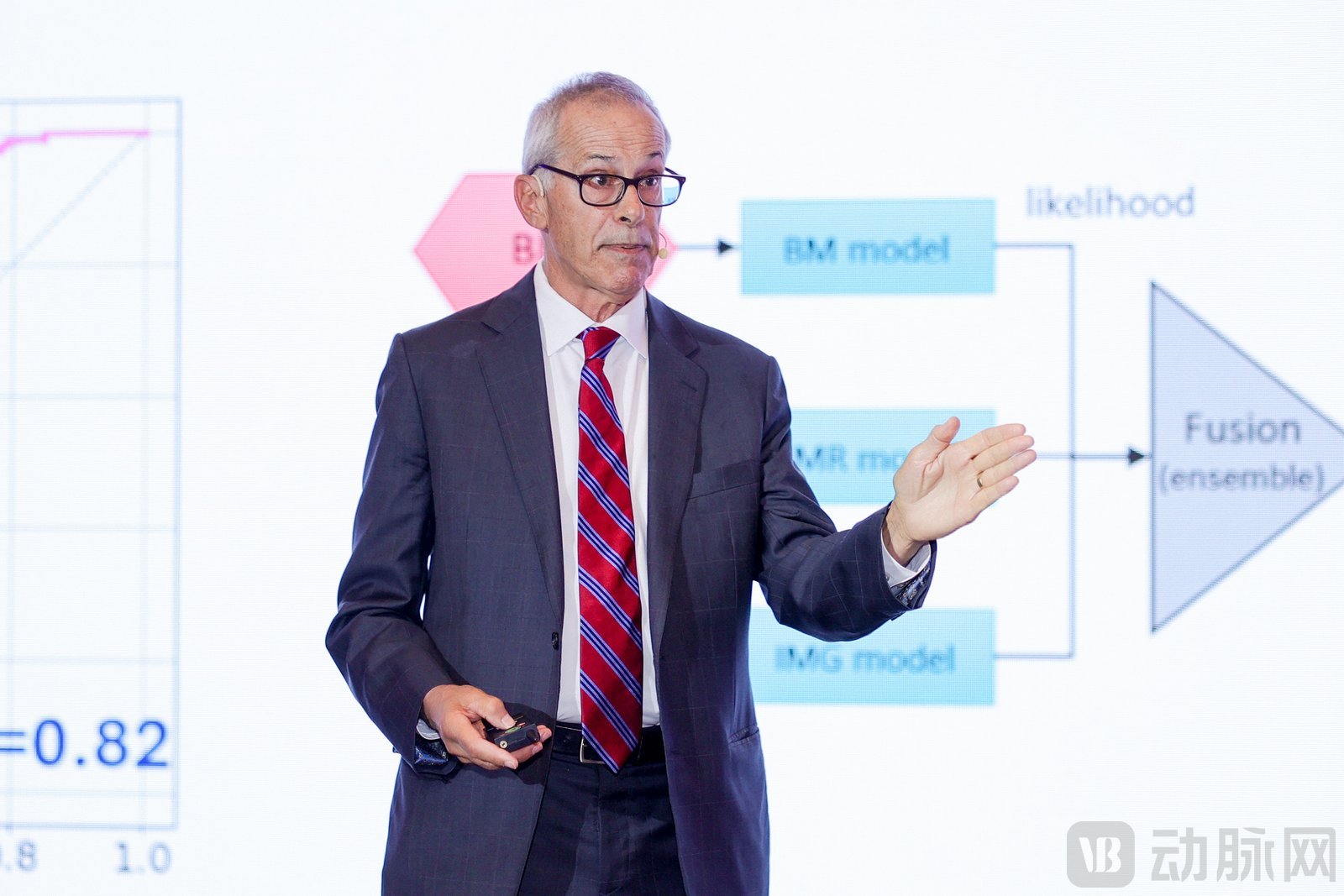
David R. Walt, Professor at Harvard University and Member of the U.S. National Academy of Sciences, National Academy of Engineering, and National Academy of Medicine
David R. Walt, Professor at Harvard University and Member of the U.S. National Academy of Medicine, National Academy of Engineering, and American Academy of Arts and Sciences, stated at the conference: “Technologies that emerge from the laboratory must serve to empower and save lives—whether saving one or two individuals, or millions. This is my mission, and it is also the mission and aspiration of every scientist here: to advance human health.”
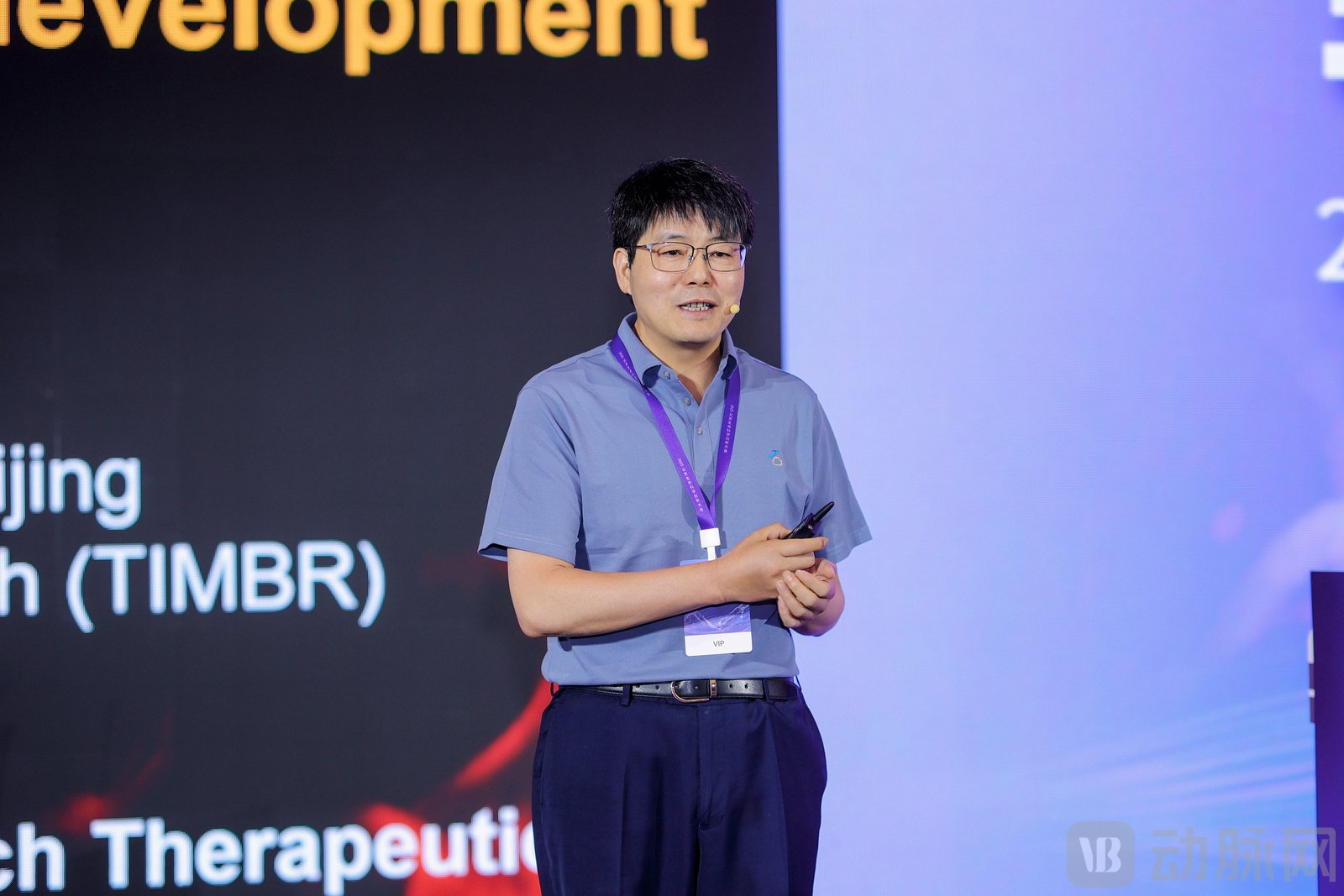
Shao Feng, Academician of the Chinese Academy of Sciences and Deputy Director for Scientific Research at the National Institute of Biological Sciences, Beijing
Academician of the Chinese Academy of Sciences and Deputy Director of Research at the National Institute of Biological Sciences, Beijing, Shao Feng stated: “Our research on innate immunity and pyroptosis has identified a series of important targets and pathways. Through translational medicine studies, we have accumulated evidence regarding the relevance of these targets and pathways to inflammatory diseases and cancer. Ultimately, we hope to leverage the power of the pharmaceutical industry to translate these discoveries into reality—developing them into drugs.”
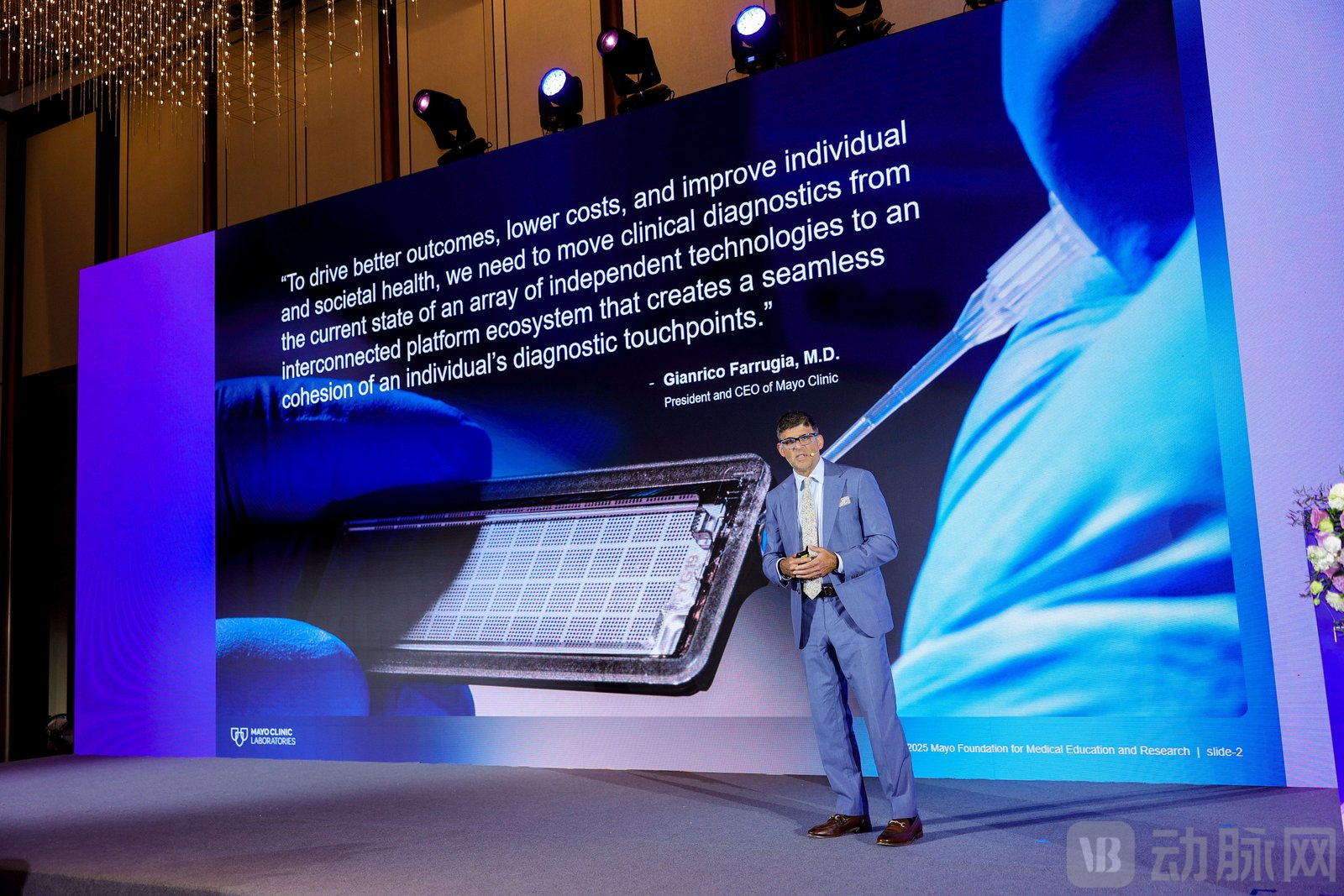
William Morice, President and Chief Executive Officer of Mayo Clinic Collaborative Services and Chair of the Board of Directors of the American Clinical Laboratory Association
Professor William Morice, President and CEO of Mayo Clinic Collaborative Services and Chair of the Board of Directors of the Association for Molecular Pathology, stated, “The best way to predict the future is to create it. The future we envision is one of predictive and preventive diagnostics, where the integration of multi-omics—including genomics, proteomics, and more—works hand in hand to advance precision medicine. By leveraging artificial intelligence and data integration to deliver faster and more precise insights, we aim to build a borderless global ecosystem.”
During the conference, the Advanced Therapy Medicinal Products (ATMP) Translation and Manufacturing Acceleration Center, jointly established by Cytiva (a global life sciences pioneer under Danaher), Changfazhan Group, and Yiming Biologics, was officially launched.
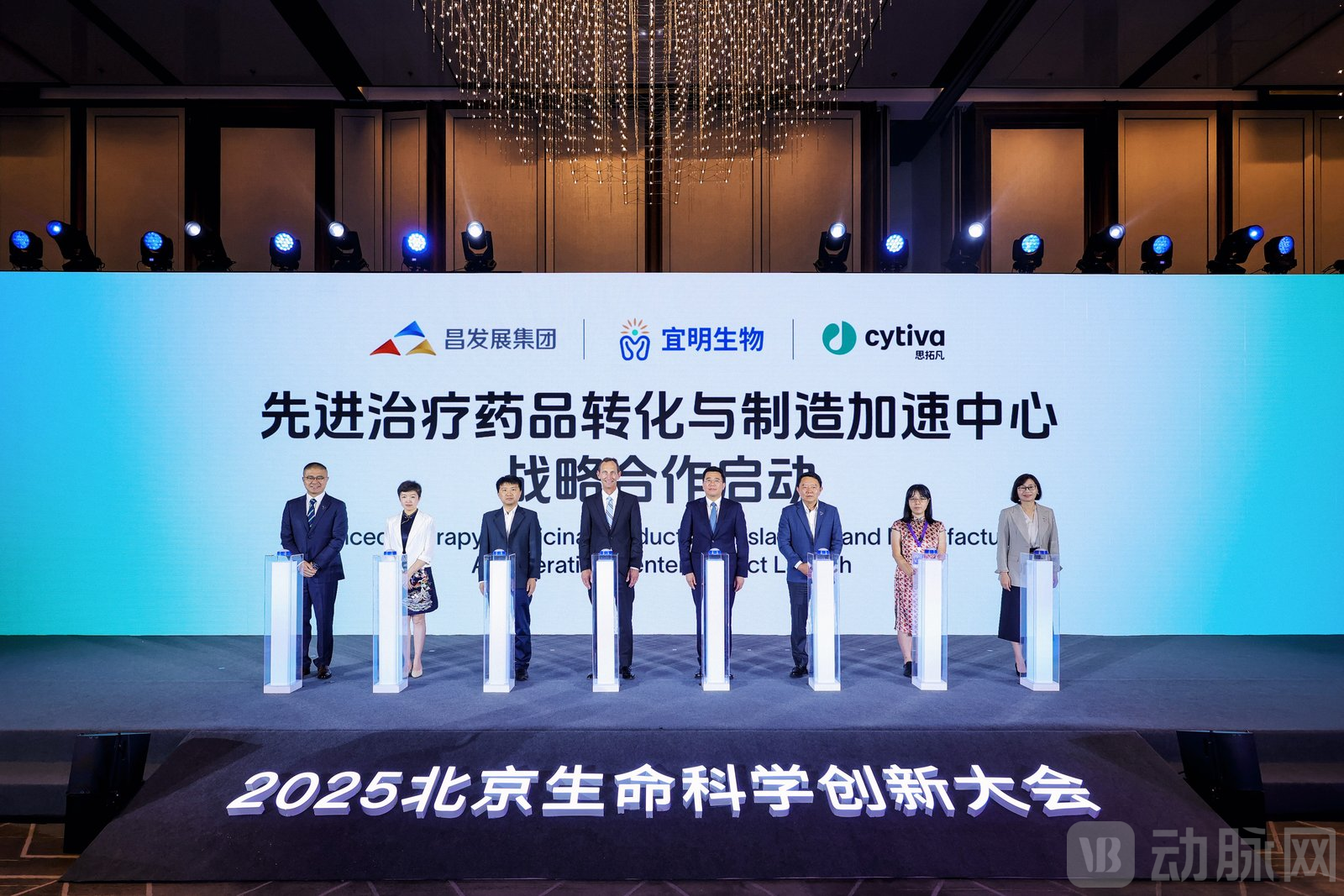
Gong Weimi, Party Group Member and Deputy Director of the Beijing Municipal Science & Technology Commission and Zhongguancun Administrative Committee; Rainer M. Blair, Global President and Chief Executive Officer of Danaher Corporation; Zhao Shiwei, Deputy Director of the Beijing Future Science City Administrative Committee and Deputy District Mayor of Changping District; Peng Yang, Global Vice President of Danaher Corporation and President of Danaher China; Wang Ying, General Manager of Chang Development Group; Sun Xiulian, Chairman and Chief Technology Officer of Yiming Biology; Li Lei, President of Cytiva China; and Wei Chunyan, Vice President of External Affairs at Danaher China, jointly witnessed the launch ceremony.
Li Lei, President of Cytiva China, stated, “Leveraging Cytiva’s bioprocessing technologies, products, and services that cover the entire industry chain, along with our comprehensive process training system, we will provide key support for the center’s hardware infrastructure, training framework, and curriculum development. This will accelerate the translation of innovative achievements and the cultivation of specialized talent, thereby enhancing China’s biopharmaceutical capabilities and core competitiveness.”
The Advanced Therapy Medicinal Products (ATMP) Translation and Manufacturing Acceleration Center is scheduled to commence operations in 2026. It integrates four core functions: a Bioprocess Talent Training Center, an Industry-Academia-Research Translation and Proof-of-Concept Center, a Biopharmaceutical Industry Acceleration Center, and an International Frontier Technology Translation and Incubation Center. These capabilities are designed to enhance the efficiency of innovative drug R&D and facilitate the rapid commercialization of research outcomes.
Discovery Revolution: New Breakthroughs in Drug Development and Precision Diagnostics
Currently, the global drug discovery landscape is undergoing a historic transformation driven by technological innovation and policy synergy. Propelled by the dual engines of precision medicine and companion diagnostics, fields such as oncology and neurodegenerative diseases are witnessing disruptive breakthroughs.
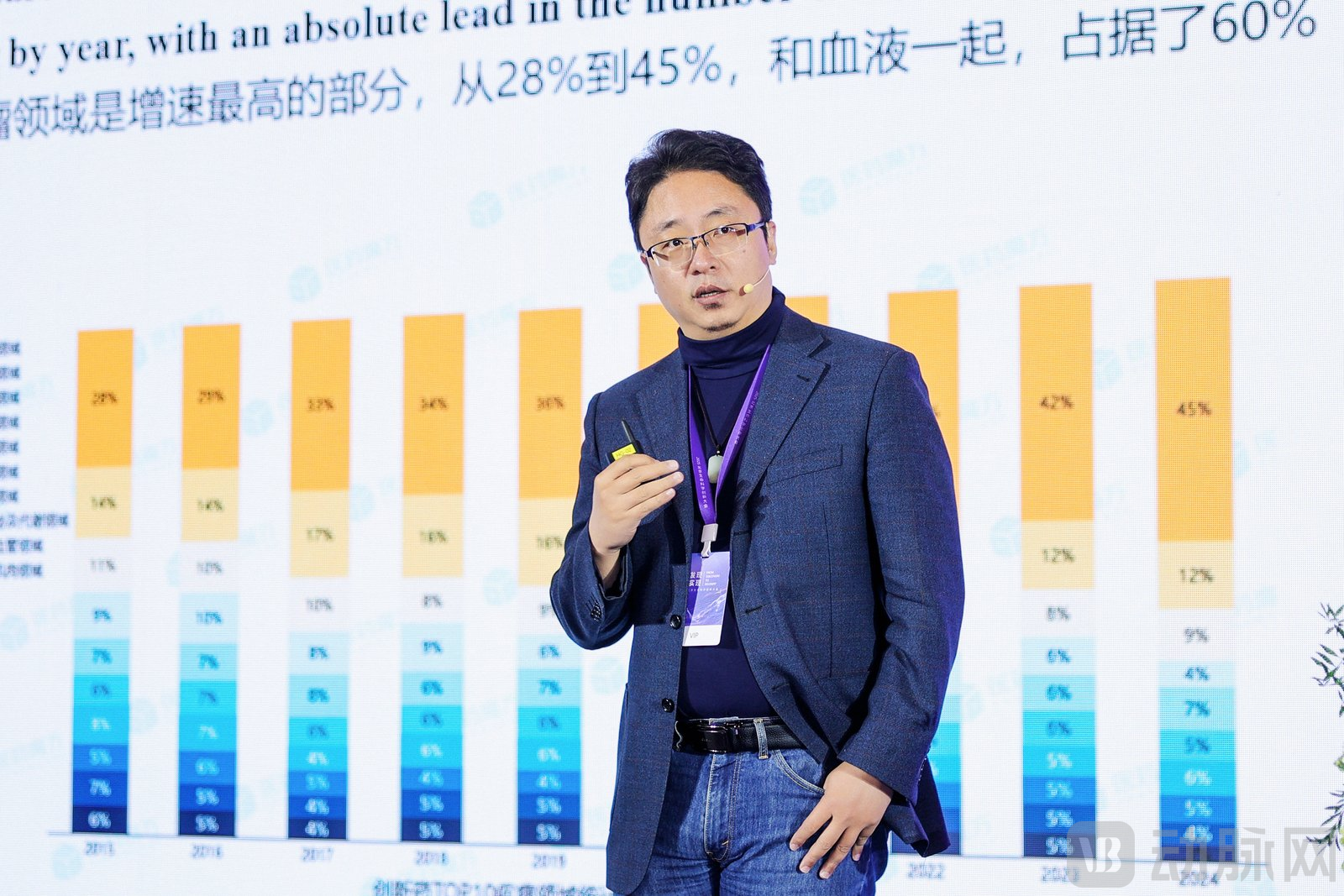
Li Ning, Vice President of the Cancer Hospital, Chinese Academy of Medical Sciences
Li Ning, Vice President of the Cancer Hospital of the Chinese Academy of Medical Sciences, stated, “Our goal is to bring more oncology therapeutics into clinical practice, providing patients with a wider range of superior treatment options. Danaher can provide us with the much-needed companion diagnostics platform to advance precision medicine. We look forward to collaborating on innovation to develop high-quality clinical products that serve patients.”
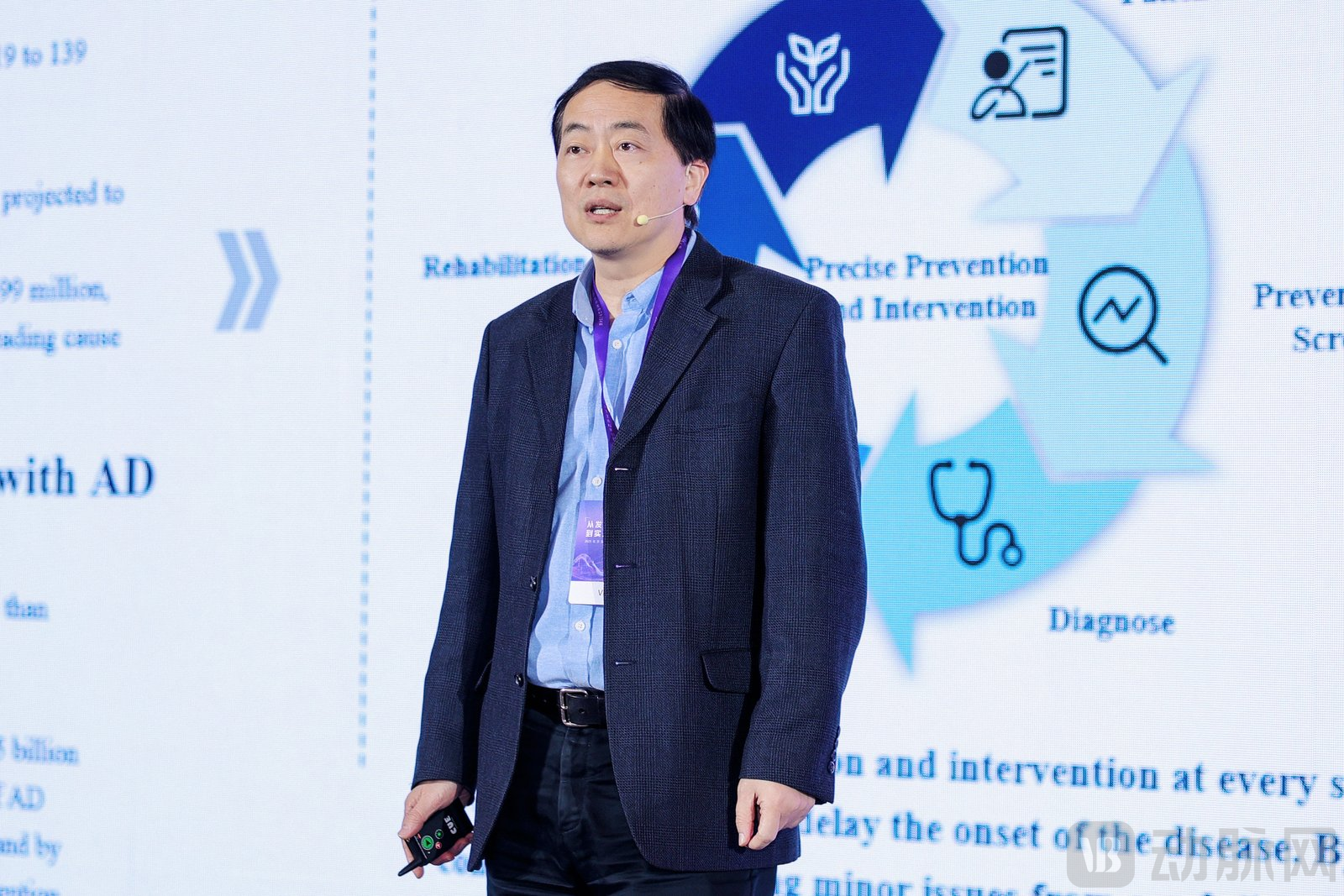
Shi Jiong, Vice President of the First Affiliated Hospital of University of Science and Technology of China
Shi Jiong, Vice President of the First Affiliated Hospital of the University of Science and Technology of China, stated, “In addressing Alzheimer’s disease, we aim to achieve three 80% targets, one of which is an early screening rate of 80%. Blood-based biomarkers can play a significant role in clinical screening and diagnosis. We are also collaborating with Danaher on follow-up research related to pharmacological treatments. In the future, we hope to further advance development from disease exploration to disease modeling.”
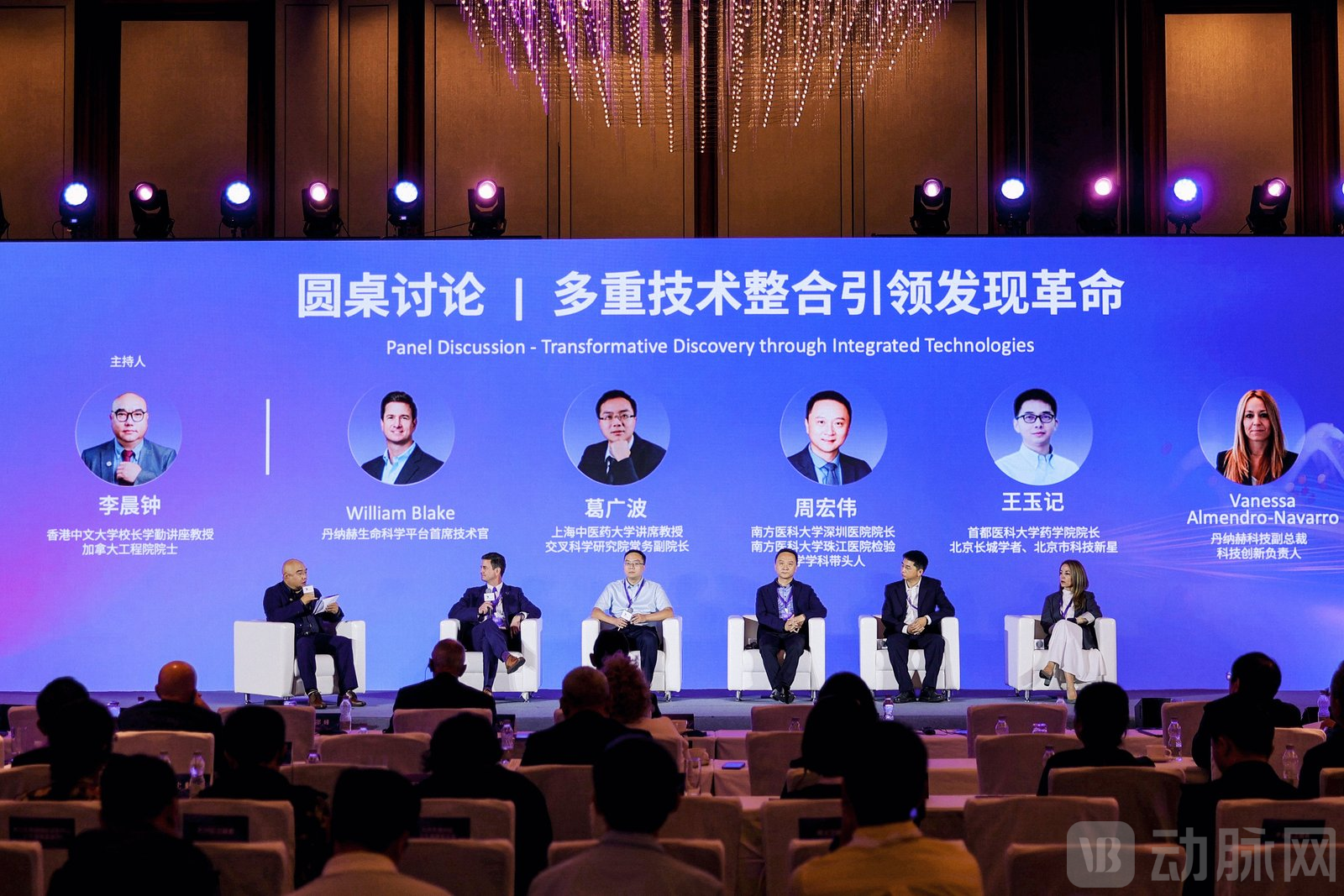
At the roundtable discussion themed “Integration of Multiple Technologies Leading a Discovery Revolution,” moderator Chen-Zhong Li, President’s Chair Professor at The Chinese University of Hong Kong and Fellow of the Canadian Academy of Engineering, led in-depth discussions with Hongwei Zhou, Dean of Shenzhen Hospital of Southern Medical University and Leader of Laboratory Medicine at Zhujiang Hospital of Southern Medical University; Yuji Wang, Dean of the School of Pharmaceutical Sciences at Capital Medical University; Guangbo Ge, Chair Professor and Executive Vice Dean of the Interdisciplinary Research Institute at Shanghai University of Traditional Chinese Medicine; Vanessa Almendro-Navarro, Vice President and Head of Technology Innovation at Danaher Corporation; and William Blake, Chief Technology Officer of Danaher Life Sciences Platform.
The roundtable focused on interdisciplinary integration and technological innovation in the biomedical field. Participating experts discussed the deep integration of automation, artificial intelligence, and high-end instrumentation in drug development, precision diagnostics, and the modernization of Traditional Chinese Medicine (TCM). They emphasized the importance of enhancing R&D efficiency and clinical translation capabilities through integrated hardware-software solutions, standardization, and automation, while also calling for strengthened international cooperation and reduced technology costs to make advanced medical technologies more accessible for public health.
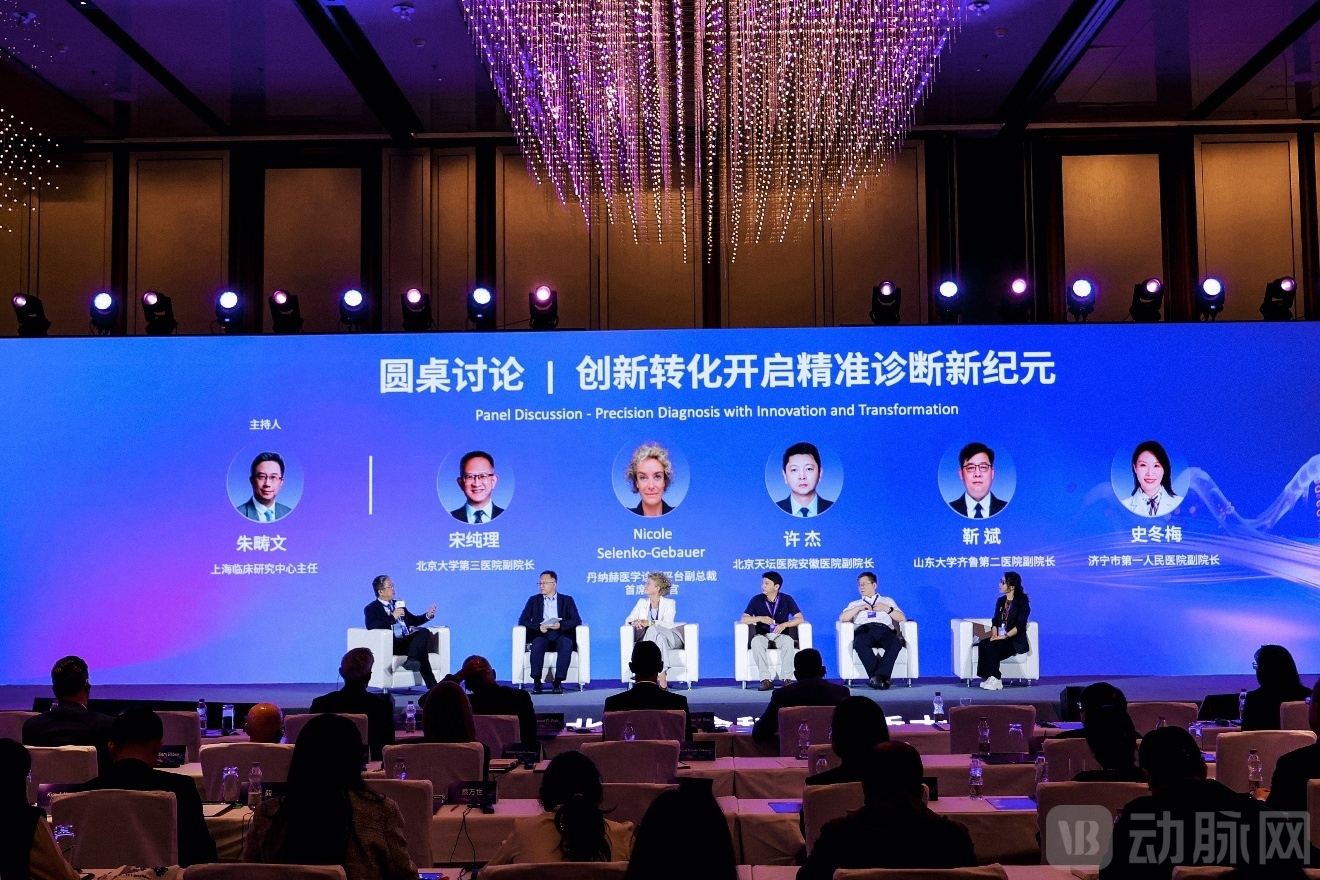
Centered on the theme “Innovative Translation Ushers in a New Era of Precision Diagnostics,” Zhu Chouwen, Director of the Shanghai Clinical Research Center, served as the roundtable moderator. He was joined by Song Chunli, Vice President of Peking University Third Hospital; Xu Jie, Vice President of Beijing Tiantan Hospital Anhui Hospital; Jin Bin, Vice President of Qilu Second Hospital of Shandong University; Shi Dongmei, Vice President of Jining No. 1 People’s Hospital; and Nicole Selenko-Gebauer, Vice President and Chief Innovation Officer of Danaher’s Medical Diagnostics Platform, for an in-depth discussion.
Participating experts engaged in in-depth discussions on the clinical translation of precision diagnostic technologies, interdisciplinary collaboration, and future prospects. The discussions highlighted that current precision diagnostics face challenges such as prolonged technical validation cycles, insufficient clinical adaptability, and barriers to cross-departmental synergy. To address these issues, it is necessary to establish an efficient translation framework encompassing “technology screening, clinical validation, and process integration.” Looking ahead to the next 5–10 years, experts believe that precision diagnostics will advance toward interdisciplinary cooperation, multi-omics diagnostics, and non-invasive, convenient diagnostic methods. Achieving these goals will require sustained investment and collaborative efforts from multiple stakeholders, including the government, enterprises, and research institutions, to jointly drive the development of the precision diagnostics industry, promising a bright future.
The Future Is Here: A New Wave of Innovative Therapies and AI Technology
Regenerative medicine is hailed as the “golden triangle” of stem cells, biomaterials, and tissue engineering. It is demonstrating unprecedented potential in addressing a wide range of complex human diseases, including chronic conditions such as diabetes, neurological disorders such as Parkinson’s disease, and the field of induced regeneration of tissues and organs.
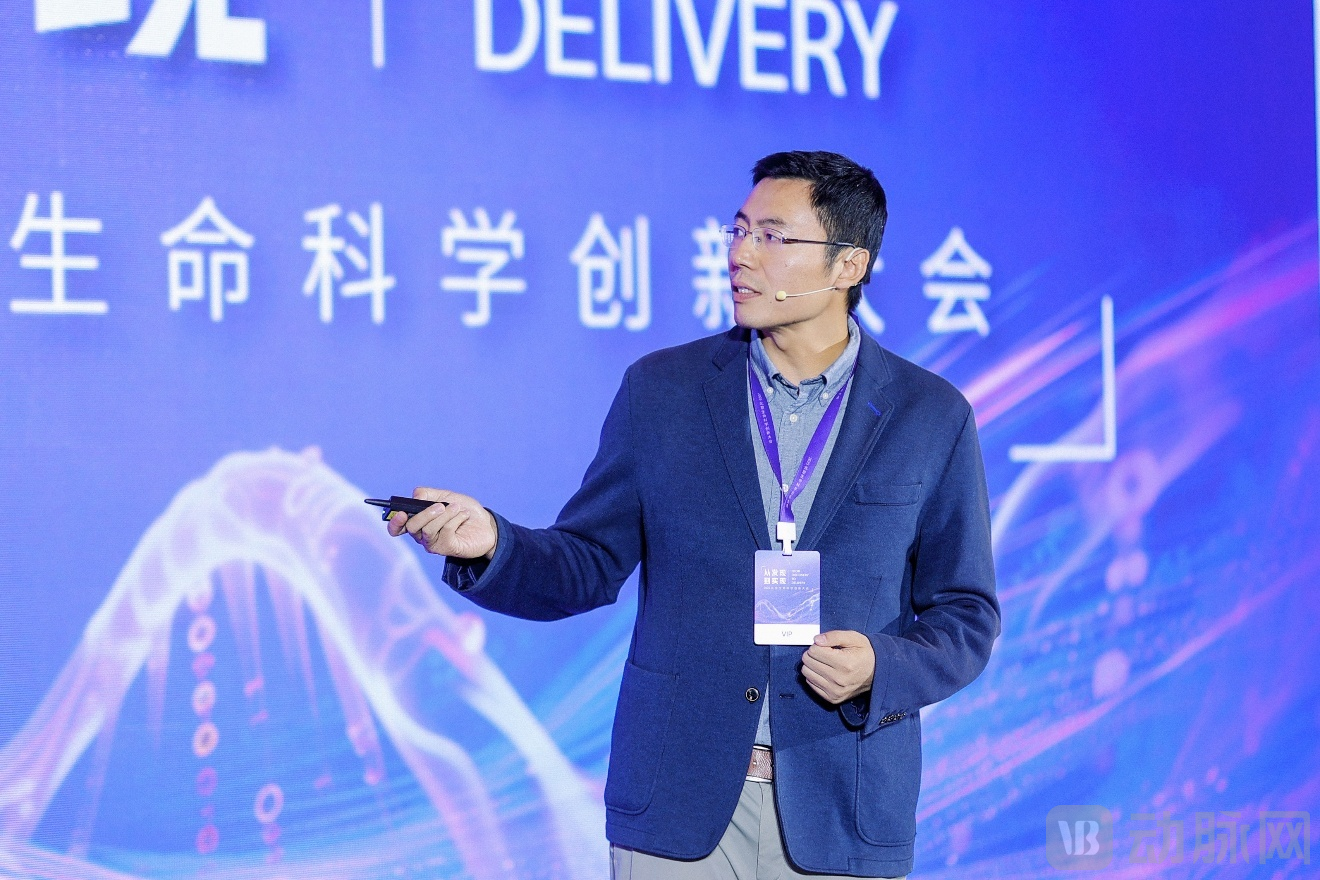
Du Yanan, Deputy Dean of the School of Biomedical Engineering at Tsinghua University
Du Yanan, Deputy Dean of the School of Biomedical Engineering at Tsinghua University, pointed out: “Regenerative medicine holds broad prospects, with rapid advancements in fields such as cell and gene therapies. However, it also faces challenges including insufficient cell quantities, suboptimal quality, and inadequate in vivo functionality. In particular, pathological microenvironments, such as fibrosis, pose significant obstacles to tissue regeneration. Our research team focuses on the precise and scalable construction of cellular microenvironments, achieving large-scale, automated intelligent manufacturing of 3D cell cultures, thereby promoting the translation and clinical application of innovative regenerative medicine technologies, including cell therapies.”
AI, as the core driving force of the new round of technological revolution and industrial transformation, is also profoundly reshaping the healthcare sector.
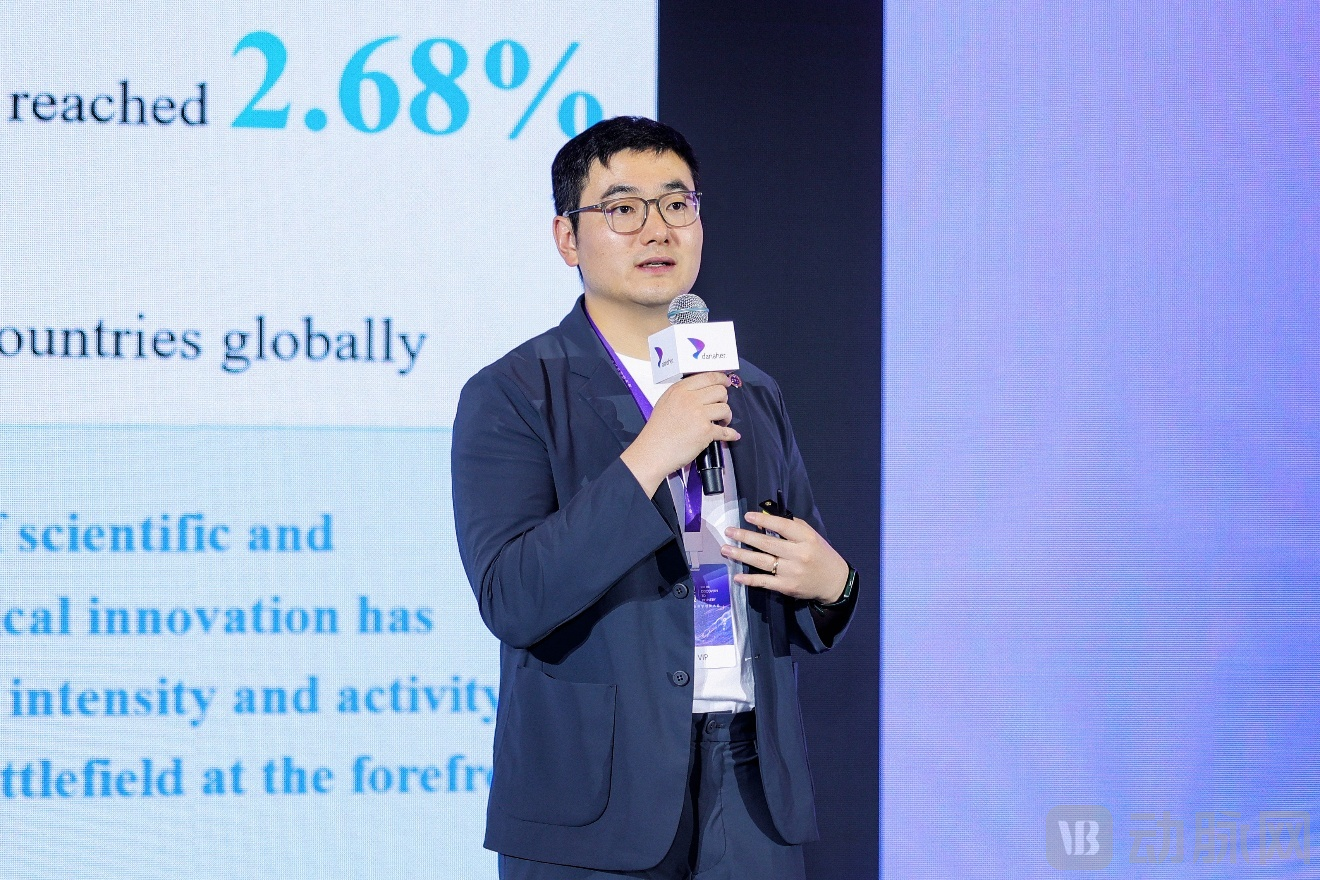
Sun Weijie, Founder and CEO of DP Technology
Mr. Sun Weijie, Founder and CEO of DP Technology, delivered an in-depth presentation, stating, “AI for Science empowers the entire research workflow—reading, computing, and experimentation—through AI tools. The intelligent systems developed by DP Technology have already demonstrated postdoctoral-level research capabilities and are expected to reach the equivalent of ten years of R&D experience in specialized fields within three years. With this goal in mind, DP Technology is driving the intelligent transformation of scientific discovery and accelerating the pace of human innovation.”
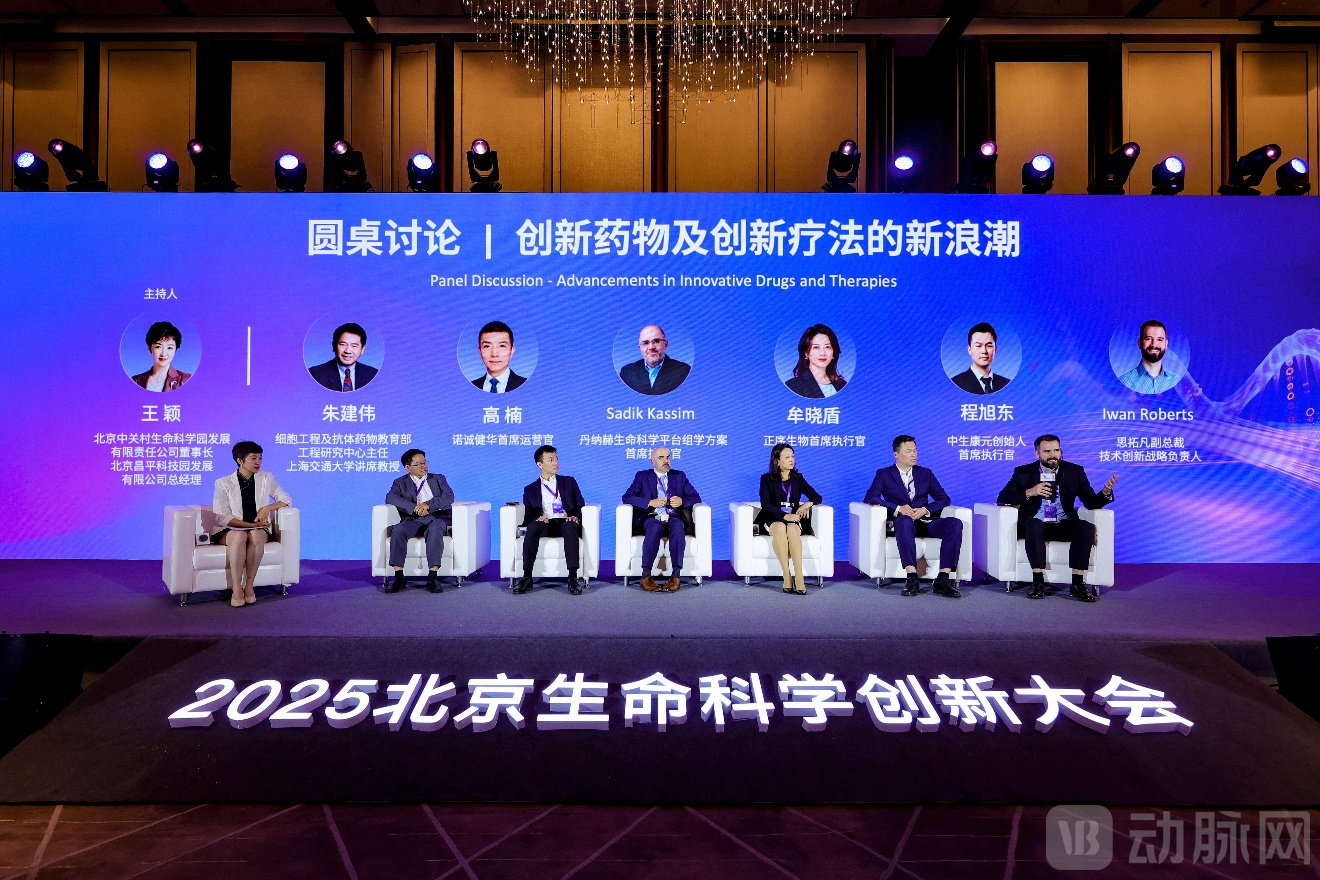
At the roundtable discussion themed “A New Wave of Innovative Drugs and Therapies,” Wang Ying, Chairman of Beijing Zhongguancun Life Science Park Development Co., Ltd. and General Manager of Beijing Changping Science and Technology Park Development Co., Ltd., served as the moderator. The panel featured in-depth discussions with Zhu Jianwei, Director of the Ministry of Education’s Engineering Research Center for Cell Engineering and Antibody Drugs and Chair Professor at Shanghai Jiao Tong University; Mu Xiaodun, CEO of Correct Order Biology (Zhengxu Shengwu); Gao Nan, Chief Operating Officer of InnoCare Pharma; Cheng Xudong, Founder and CEO of Zhongsheng Kangyuan; Sadik Kassim, Chief Technology Officer of Omics Solutions, Danaher Life Sciences Platform; and Iwan Roberts, Vice President and Head of Technical Innovation Strategy at Cytiva.
The roundtable discussion focused on the latest developments in innovative drugs and therapies, covering multiple aspects such as product pipeline strategy, internationalization, commercialization of academic research outcomes, applications of gene therapy and gene editing technologies, technical pathways and market bottlenecks for cancer vaccines, and breakthrough technologies in emerging therapeutic areas. By sharing experiences and insights, participants jointly explored ways to accelerate the rapid development of innovative drugs and therapies through differentiated competition, collaborative partnerships, strengthened industry-academia-research cooperation, leveraging new technologies, and addressing regulatory challenges.
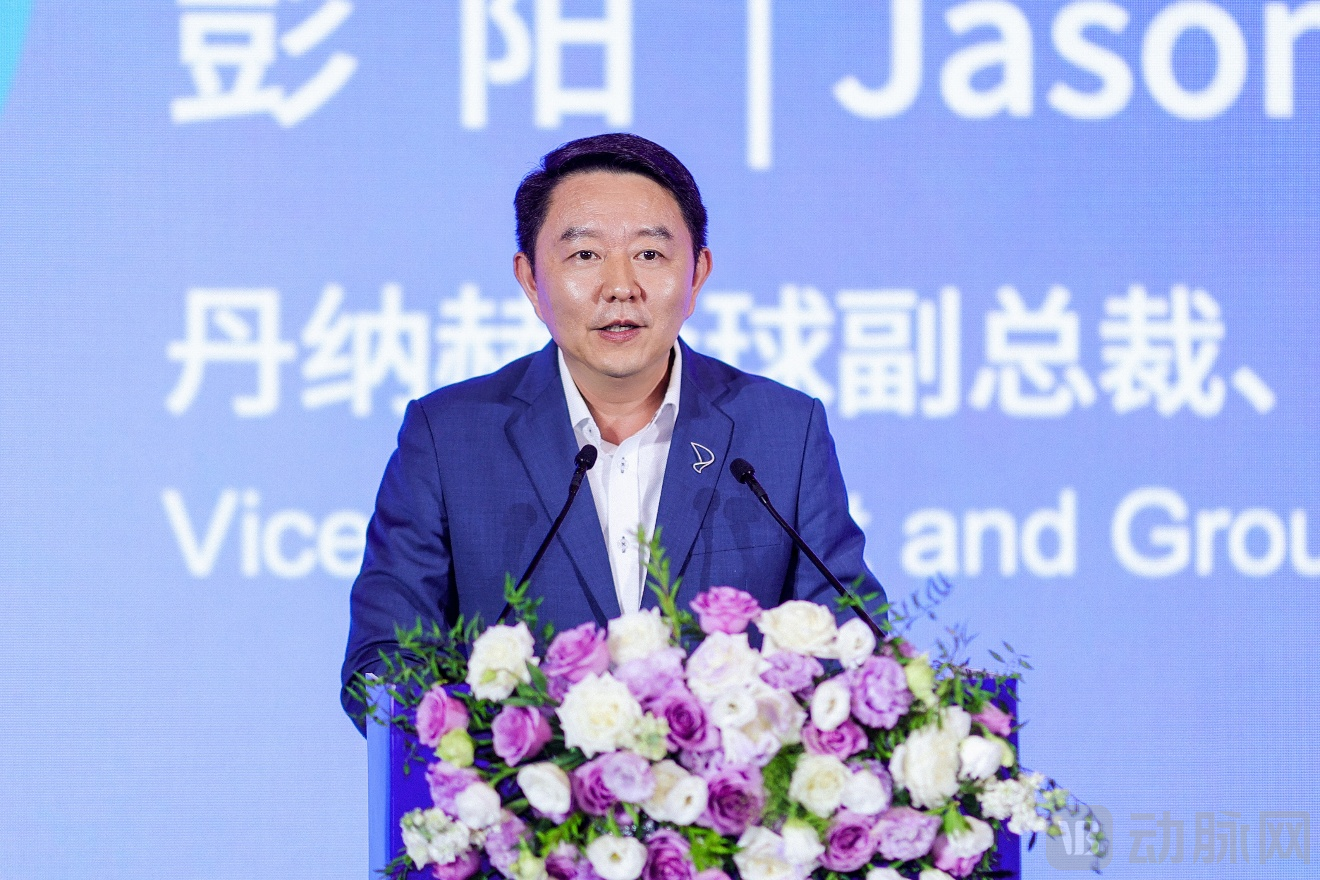
Peng Yang, Global Vice President of Danaher and President of Danaher China Group, delivered the closing remarks at the conference. He stated, “Danaher is committed to being the most reliable partner for scientific researchers. Through our ‘Dual Innovation Acceleration Engine’ strategy, we deeply engage with governments, hospitals, universities, and research institutions to provide comprehensive support for the translation of innovative achievements. Our goal is to enable every scientific discovery to break through bottlenecks, rapidly transforming ‘discoveries’ made in the laboratory into ‘realizations’ that improve human lives. At Danaher, we are dedicated to helping China’s innovative achievements benefit the world. Danaher will work hand in hand with all of you to turn more ‘discoveries’ into ‘realizations,’ contributing greater strength to human health and well-being.”
About Danaher
Danaher is an innovator in the fields of life sciences and medical diagnostics, dedicated to accelerating scientific and technological advancements to improve human health. We work closely with our customers to address many of the critical health challenges facing patients worldwide. Danaher’s advanced science and technology, combined with its proven track record of innovation, not only enable faster and more accurate medical diagnostics but also effectively reduce time and costs, thereby facilitating the sustainable discovery, development, and delivery of life-changing therapies. Guided by a commitment to scientific excellence, innovation, and continuous improvement, Danaher’s approximately 63,000 associates worldwide help enhance the quality of life for billions of people today while laying the foundation for a healthier, more sustainable future.