

Policy, Clinical, and Capital Empowerment: CSGCT Conference Unleashes China's Strength, Witnessing the Shift from Follower to Leader

Anchored in Regulation, Harnessing Wisdom, Connecting Globally, Co-creating the Future. The Field of Cell and Gene Therapy in China Welcomes Its Premier Annual Event.
From September 12 to 13, 2025, the China Society for Gene and Cell Therapy (CSGCT) Conference was grandly held at the Zhongguancun Exhibition and Trading Center in Haidian District, Beijing. Under the guidance of the People’s Government of Haidian District, Beijing, the conference was jointly organized by the Administrative Committee of Zhongguancun Science City and the CSGCT China Cell and Gene Therapy Alliance, co-organized by the Beijing Medical and Health Technology Development Center, VCBeat, and the Healthcare Innovation Ecosystem Alliance (HIEA), with support from Beijing Jinyu Cultural Technology Development Co., Ltd. and Haixinyu Urban Renewal Group.
At the main forum of the aforementioned conference, leaders from the Beijing Municipal Science and Technology Commission, the Zhongguancun Administrative Committee, the People’s Government of Haidian District, Beijing, and the Zhongguancun Science City Administrative Committee also provided a detailed overview of the current development status of the pharmaceutical and health industries in Beijing and Haidian District.
“Over the past three years, Beijing has ranked first nationwide in the number of medical device products approved for market launch. In 2024, the scale of its pharmaceutical and health industry reached RMB 1.06 trillion, a year-on-year increase of 8.7%, making Beijing the first city in China where the pharmaceutical and health industry exceeded the one-trillion-yuan mark,” said Tang Jian, a second-level inspector at the Beijing Municipal Science & Technology Commission and the Zhongguancun Administrative Committee, at the conference. “We are confident that, with the enhanced synergy between municipal and district authorities, BeijingCGTThe industry is certain to achieve remarkable results.”
Cui Ying, a member of the Party Leadership Group and Deputy District Mayor of the Haidian District People’s Government in Beijing, pointed out that Haidian has leveraged its rich resources—including 37 higher education institutions such as Tsinghua University and Peking University, as well as 57 tertiary hospitals including Peking University Third Hospital and Peking University Cancer Hospital—to build a “talent hub” where innovative R&D converges with clinical resources. Meanwhile, the district has gathered a cluster of innovative enterprises dedicated to the research and development of cell and gene therapy (CGT) drugs, such as BioMap, ImmuneOnco, InnoCare Pharma, and Northland Biotech, providing sustained innovation momentum for frontier fields like CGT. By embracing open policies, data, spaces, and mechanisms, Haidian will work hand in hand with all sectors to jointly propel China’s CGT industry from a position of “following” to one of “leading.”
“As a pilot zone for institutional innovation, Haidian District is sparing no effort to promote the full-chain development of the cell and gene therapy (CGT) industry, while strengthening its role as a source of original innovation and creating an internationally first-class business environment,” said Yuan Xueqin, Deputy Director of the Third Division for Industrial Promotion under the Administrative Committee of Zhongguancun Science City. At the policy level, action plans and several measures have been issued to chart the course for industrial development. In terms of space, specialized CGT industry clusters have been made available to provide high-quality development platforms for enterprises. Regarding services, a global incubation platform for the future pharmaceutical and health industry has been cultivated, and the Beijing Drug and Medical Device Innovation Service Station (Haidian Station) has been established to offer one-stop services. Furthermore, medical application scenarios are being actively opened up to foster in-depth collaboration between medical institutions and enterprises. Notably, China’s first trusted data space for pharmaceuticals and healthcare has been built to integrate diverse data resources, injecting strong momentum into industrial innovation and helping the CGT industry reach new heights.
As one of the most influential international conferences in the field of cell and gene therapy (CGT) in China, the CSGCT Conference is committed to promoting full-chain synergy across basic research, technological development, clinical trials, industrial translation, and global collaboration. The successful convening of the 2025 conference once again highlights China’s growing influence and innovative vitality in the global CGT landscape.
01
Fruitful Achievements, Looking to the Future
Guided by the core philosophy of “Anchoring in Regulation, Pooling Wisdom, Connecting Globally, and Co-creating the Future,” the conference featured one main forum, 15 sub-forums, and two project pitch sessions, attracting scientists, clinicians, entrepreneurs, and investors, including more than ten international leaders in cell and gene therapy (CGT).Over 2,000Distinguished guests from all sectors are invited to attend and jointly discuss the strategic development of cell and gene therapy.
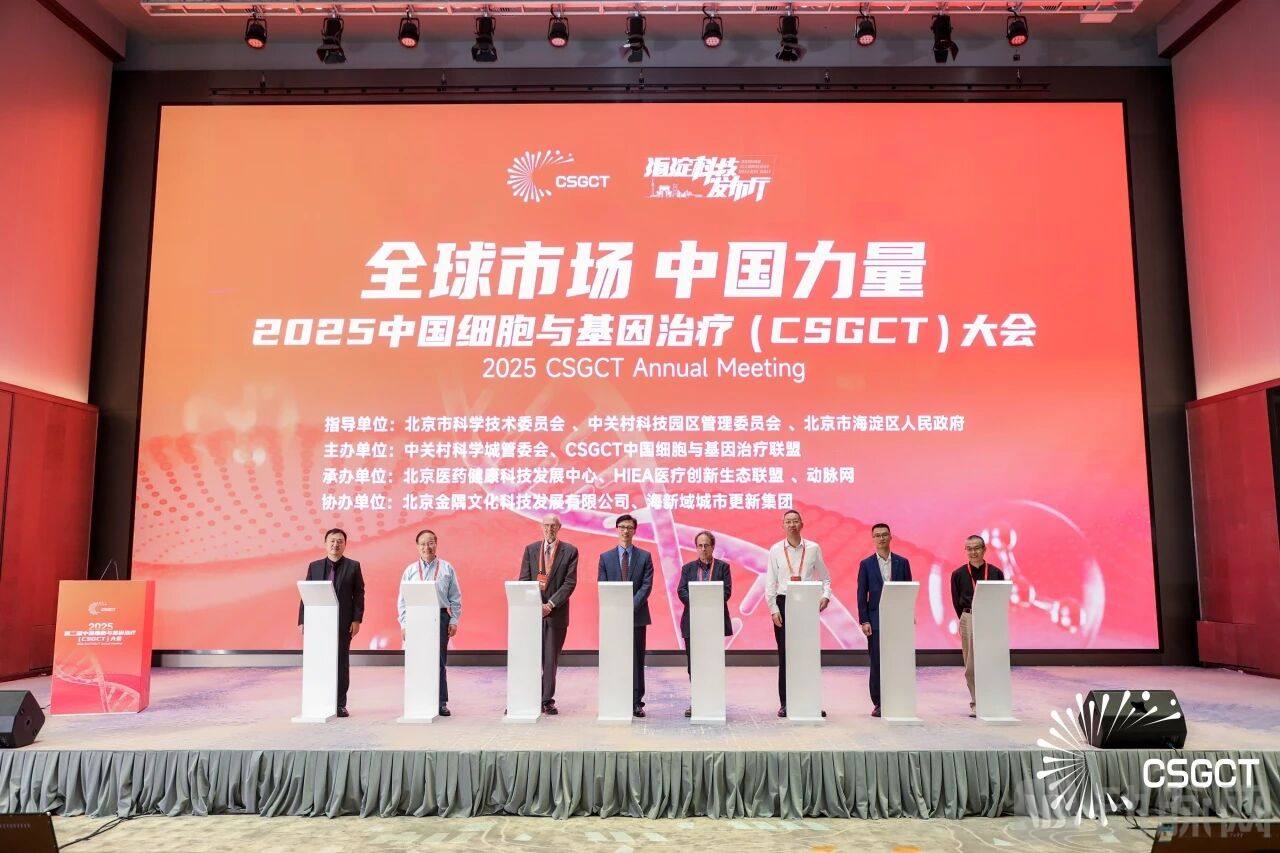
On the first day of the conference, multiple key industry announcements and ceremonies were successfully held.The China Society for Gene and Cell Therapy (CSGCT) Board has been officially established. The alliance will develop comprehensive plans across multiple areas, including policy support, academic research, clinical trials, industrial implementation, international cooperation, talent development, and public education. It is committed to addressing the common challenges facing China’s gene therapy (CGT) industry, accelerating the integration of Chinese CGT products into the global market, and advancing China’s technological innovation and industrial development in gene and cell therapy to reach globally advanced levels.
“Since Legend Biotech embarked on the path of global innovation in Chinese CGT technology in 2017, China has rapidly transformed from a follower to a peer and even a leader in the global CGT arena, driven by continuous reductions in process costs, the accumulation of clinical data, and the Center for Drug Evaluation’s (CDE) clarification of the definition of advanced therapy medicinal products. A vibrant and high-potential ecosystem for China’s CGT industry is accelerating its formation, contributing Chinese solutions and wisdom to the global health cause. Science knows no borders, nor does innovation.” Qi Fei, Co-founder of the China Society for Gene and Cell Therapy (CSGCT) and Executive Director at Legend Capital, pointed out at the conference that it is against this backdrop that the 2025 China Cell and Gene Therapy Conference was launched.
Wu Zhenhua, Founder and Chairman of the China Society for Gene and Cell Therapy (CSGCT) and Founder and CEO of Hangzhou Jiayin Biotechnology, stated: “Scientifically, we aim to foster the localization and flourishing of global innovations in China; commercially, we seek to promote international cooperation and exchange; clinically, we leverage China’s abundant clinical resources to accelerate validation; and regulatorily, we collaborate with drug regulatory agencies worldwide to facilitate the introduction of innovative policies.”
The Blue Book on the Development of China’s Cell and Gene Therapy Industry and the Interpretation of Regulatory Policies was released for the first time at the conference, providing an authoritative reference for dialogue between the industry and regulators.“The CGT industry is currently in the process of clinical exploration and regulatory framework development, while also advancing toward manufacturing innovation and the exploration of payment models,” said Li Datao, Founder of VCBeat. “We believe that in such a complex sector heavily reliant on systemic support, the scientific rigor and agility of the regulatory system are crucial. We hope this Blue Paper will help consolidate industry consensus and voices, thereby accelerating and improving the iterative updates of regulatory policies.”
The conference featured two dedicated project pitch sessions, where participating companies showcased their cutting-edge achievements and breakthroughs in their respective niche sectors.21 projects spanning gene therapy, gene editing, immune cell therapy, stem cell therapy, and nucleic acid drugs are establishing an efficient matchmaking channel between innovative enterprises and capital focused on this sector.Hankang Capital, Taikang Investment, Fortune Capital, Kaihui Capital, Shengjing Jiacheng Venture Capital, China-US Green Fund,Zhongke Star, Buchang Asset Management Center, Beijing Zhongguancun Bank, Yuansi Capital, and other diverse investment and financial institutions participated in the matchmaking, helping enterprises expand financing channels and accelerate their internationalization strategy.
Currently, cell and gene therapy has become a major therapeutic modality on par with small-molecule, antibody, and protein therapies. It is reported that there are approximately 2,000 cell and gene therapy clinical trials worldwide, with China accounting for more than 50% of the total share, and over 60% in the field of cell therapy alone. Notably, China’sIITThis pathway is highly active, accounting for approximately 50% of all clinical trials. Particularly in the field of cell therapy, the number of investigator-initiated trials (IITs) in China has exceeded 500, comparable to that in the United States.
In the future, CSGCT will continue to build an open, authoritative, and efficient global dialogue mechanism, facilitating the deep participation of China’s cell and gene therapy industry in global innovation and standard-setting, and contributing Chinese wisdom and solutions to the advancement of human health.
02
Global Market, Chinese Power
The main forum on the morning of September 12, themed “Global Markets, Chinese Power,” invited authoritative experts from both China and abroad to share their insights.
Among them,One of the pioneers in the field of AAV gene therapy, Professor Richard Jude Samulski, delivered an online presentation titled “Gene Therapy: The Evolutionary Path of a Revolution》keynote speech.In the report, Professor Samulski reviewed the development history of AAV (adeno-associated virus) as a gene therapy vector since 1978.
He also acknowledged that, despite the challenges AAV vectors still face in clinical applications—particularly regarding differences in cross-species transduction efficiency and potential toxic reactions—the field has made significant progress globally since the discovery of AAV in 1965, providing modern medicine with entirely new therapeutic approaches. Currently, 48 related products have been approved for market launch, fully demonstrating the immense potential and practical value of gene therapy.
Professor Samulski also specifically mentioned that his laboratory has trained numerous Chinese scholars, who have actively engaged in scientific research and entrepreneurship upon returning to China, thereby driving the rapid development of the gene therapy field in the country.

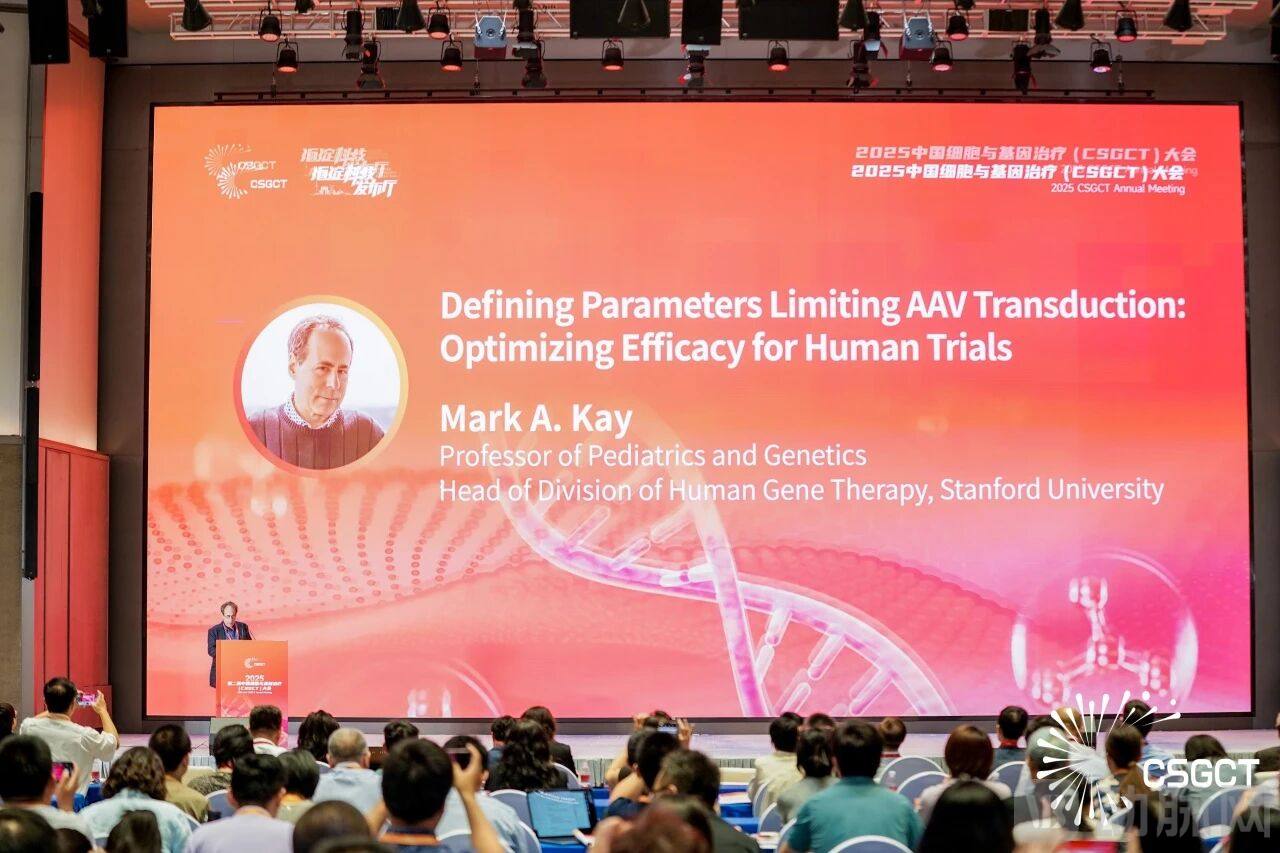
Mark A. Kay, Head of the Human Gene Therapy Program at Stanford University and Professor of Pediatrics and Genetics, shared his research findings on the mechanisms of AAV transduction and their variability among individuals.He emphasized that understanding the molecular mechanisms underlying the interaction between AAV capsids and the host will facilitate the development of more efficient and safer gene therapy vectors, and may optimize therapeutic outcomes through small-molecule drugs or genetic screening approaches.
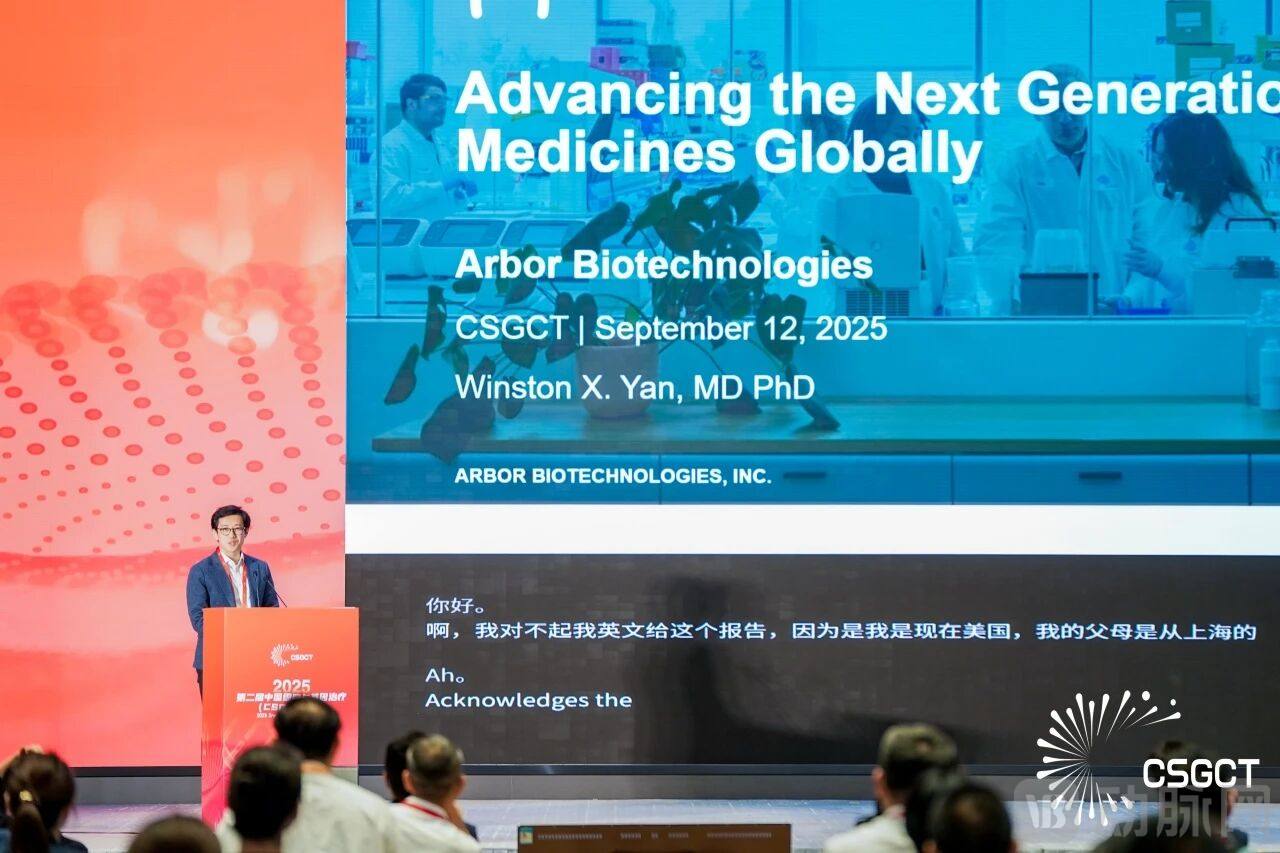
Winston X. Yan, Co-Founder of Arbor Biotechnologies, shared the latest advancements in gene editing. With advantages such as one-time curative potential, precise correction of mutations, and platform-based scalability, gene editing represents a key direction for the future treatment of genetic diseases.China’s advantages in investigator-initiated trials (IITs) provide valuable opportunities for the rapid validation of new technologies. He called for global collaboration, particularly in the field of rare diseases, urging the removal of national boundaries to enable the sharing of patient resources and the interoperability of clinical data.
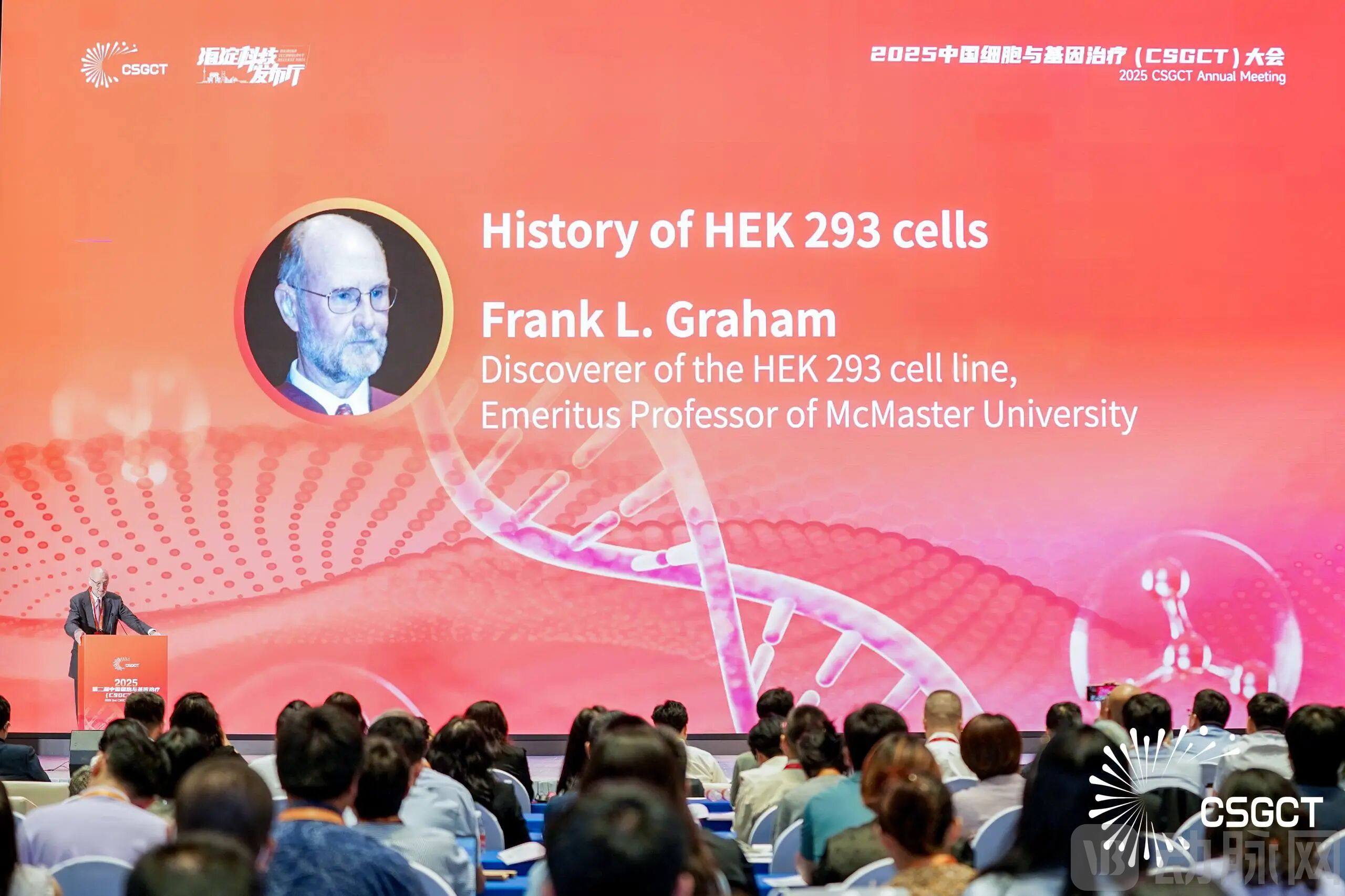
Frank L. Graham, Discoverer of the HEK293 Cell Line and Professor Emeritus at McMaster University, Reviews the History and Impact of This Cell LineHEK293 cells have played an irreplaceable role in gene therapy, viral vector production, and protein expression, particularly in the manufacturing of adenovirus and AAV vectors. He stated that although he initially developed HEK293 to study the mechanisms of adenoviral transformation, he had not anticipated it would become one of the core tools in global biomedical research and development, a realization that fills him with immense satisfaction and pride.
During the roundtable discussion on “Ecological Practices of China’s CGT Industry and Building Global Competitiveness,” distinguished guests including Fu Sheng, Director of the Hainan Boao Lecheng International Medical Tourism Pilot Zone Administration; Li Ning, Vice President of the Cancer Hospital of the Chinese Academy of Medical Sciences; Li Zonghai, Founder of CARsgen Therapeutics; and He Ting, CEO of ImmunoChina, engaged in in-depth dialogue to jointly strategize new approaches for the global development of China’s cell and gene therapy (CGT) sector.

Xiao Xiao, Co-founder, Chairman, and Chief Scientist of Belief BioMed, pointed out that the core innovation in gene therapy lies in delivery systems, particularly the optimization of tissue tropism for AAV capsids. He emphasized that China has transitioned from following to keeping pace with global leaders in the field of gene therapy, but still faces challenges related to payment systems during the commercialization stage. Li Zonghai shared his experience of shifting focus from gene therapy to cell therapy, highlighting that China already possesses global competitiveness in areas such as CAR-T. He Ting added that a unique advantage in the CGT sector is its close collaboration with universities and research institutes. The proportion of scientists launching startups in China is significantly higher than in other fields, injecting sustained innovative momentum into the industry.
Experts at the conference stated that the dual-track system (IIT + IND) is not unique to China, as it is also being implemented in Europe, Japan, and other regions. China’s advantage lies in its high efficiency in clinical execution, which is key to the rapid development of cell and gene therapy (CGT) in the country. In particular, Boao Lecheng has provided a “fast track” for the rapid translation of CGT products through legislative safeguards and rigorous screening of enterprises and medical teams.
03
Therapeutic Breakthroughs: Co-Creating the Blueprint
As an emerging direction, in vivo CAR-T technology has garnered significant attention due to its advantages, such as eliminating the need for ex vivo cell engineering and offering greater treatment convenience.
Hamideh Parhiz, Co-founder of Capstan Therapeutics, and Lai Caida, Co-founder and CEO of Metagenomi (Jitai Technology), shared insights on the technical principles and development progress of in vivo CAR-T therapy from international and domestic perspectives, respectively.
In his speech, Zhang Dan, Co-founder and Chief Strategy Officer of Kunling Pharma and Co-founder and Co-Chairman of Puxin Biotech, emphasized that China has established global competitiveness in the field of cell and gene therapy, with investigator-initiated trial (IIT) data from Chinese researchers increasingly gaining recognition from international regulatory agencies. He called on Chinese enterprises to position themselves in the global market, leverage China’s advantage in accelerating clinical development, and align with international regulatory standards to achieve “overtaking on a bend.”
In vivo CAR-T therapy represents not only a revolution in delivery technology but also an upgrade in molecular design. Yang Hanshuo, Founder of Zhenyu Biopharma and Professor at West China Hospital of Sichuan University, pointed out that CAR (chimeric antigen receptor) structures should be tailored to different indications. For hematologic malignancies, equal emphasis should be placed on safety and efficacy; for solid tumors, efficacy should take precedence; and for autoimmune diseases, safety is paramount.
Mei Heng, Chief Physician and Professor in the Department of Hematology at Union Hospital, Tongji Medical College, Huazhong University of Science and Technology, pointed out that in vivo CAR-T therapy offers advantages over ex vivo CAR-T therapy, including higher accessibility, lower cost, and shorter waiting times, making it particularly suitable for patients with rapidly progressing disease. However, he also emphasized that in vivo CAR-T therapy still faces challenges related to safety, immunogenicity, dose design, and long-term follow-up, which must be fully considered in clinical trial design.
Song Yuqin, Deputy Director of Peking University Cancer Hospital, shared practical experiences in investigator-initiated trials (IITs) from the perspectives of clinical management and regulatory oversight. She emphasized that IITs must ensure data quality and ethical compliance to gain international recognition.
Multiple participating experts believe that in vivo CAR-T represents the future direction of cell therapy, although it remains in its early stages. 2025 will be a pivotal year for data readouts, with different technological pathways gradually diverging. Chinese enterprises should leverage their advantages in clinical efficiency while strengthening source innovation and international cooperation to strive for a dominant position in the global market.
The Advanced Therapy Thematic Forum, held during the conference, brought together authoritative experts from the research community, medical institutions, innovative pharmaceutical companies, and patient organizations. They engaged in in-depth discussions on the R&D progress, technical bottlenecks, and clinical translation pathways of advanced therapies, focusing on areas such as central nervous system disorders, rare diseases, and cardiovascular and metabolic diseases. Multiple high-level presentations and roundtable discussions indicated that next-generation biotechnologies, represented by gene therapy, are continuously expanding their application boundaries, offering new hope for previously intractable diseases.
Xiao Bin, Co-Founder and Chief Scientific Officer of Uni-Pioneers BioMed Inc., focuses on the core of gene therapy—the design and optimization of delivery vectors. His team has significantly enhanced the binding affinity and specificity of AAV vectors to target cells through innovative engineering.
The event was packed with valuable insights, showcasing the “China speed” and global perspective in translating gene therapy from the laboratory to the clinic, and from concept to product. Xiao Xiang shared the complete journey of China’s first approved hemophilia B gene therapy drug, “Xinjiuning” (pofolucibase injection), from research and development to market launch. Xiao candidly acknowledged that the gene therapy industry is currently in a trough akin to an “ice age,” but he firmly believes that persistence will ultimately usher in a springtime of growth. He reviewed the evolution of gene therapy vectors, noting that adeno-associated virus (AAV) has become the mainstream platform due to its natural ability to infect cells; however, immunogenicity and manufacturing costs remain widespread challenges facing the industry.
Dong Biao, founder of Zhishan Weixin, further pointed out that although China’s gene therapy sector started relatively late, it has developed rapidly, with nearly 30 institutions in the country currently possessing the capability to develop rAAV-based gene therapies.
Looking ahead to the industry’s future, several panelists candidly acknowledged ongoing commercialization challenges. Despite the significant efficacy of these products, a critical issue demanding urgent attention is how to enhance patient accessibility through reimbursement mechanisms such as national health insurance, particularly if the price per single-dose therapy exceeds one million yuan.
At the roundtable discussion, the panelists reached a consensus:The future of gene therapy lies not only in rare diseases but will also expand into age-related conditions such as Alzheimer’s disease and other major illnesses.Although the path ahead is fraught with challenges—including technological optimization, cost reduction in manufacturing, and innovation in payment models—gene therapy represents a medical revolution with disruptive potential. Only through sustained long-term investment in innovation and close collaboration among industry, academia, and research can this technology truly benefit a broader patient population.
Small nucleic acid drugs have become the “third wave” of modern pharmaceuticals, with numerous highlights emerging in related sub-forums.Experts at the conference pointed out that breakthroughs in extrahepatic delivery technologies will greatly expand the therapeutic scope of oligonucleotide drugs, with cardiovascular, metabolic, and neurological diseases becoming the next main battleground.
Participants in multiple thematic forums comprehensively showcased the latest developments and trends in advanced therapies, including gene therapy, cell-based drugs, small nucleic acids, and exosomes, through multi-dimensional and multi-level sharing and discourse.
04
Focus on the Ecosystem, Industrial Resonance
Biopharmaceutical industries, such as cell and gene therapy, have their own unique characteristics and high entry barriers; not just any office building can meet their requirements.
During the conference, Xiao Jiayin, Deputy General Manager of Bio-Increment at Haixinyu Urban Renewal Group, stated that urban renewal deeply empowers the upgrading of the medical and health industry. By integrating spatial restructuring, technological convergence, and ecological synergy, it has built a comprehensive industrial ecosystem for the pharmaceutical and healthcare sector, covering the entire chain from R&D and translation to production and services.
Currently, the CGT industry is transitioning from technological breakthroughs to the critical phase of industrialization and commercialization, with whole-ecosystem collaboration becoming the core driver for advancing therapy implementation.
At the CGT Product Quality Control and Testing Sub-forum, experts focused on the latest regulatory requirements and technological advancements in various countries, emphasizing that rigorous quality control is the lifeline for product commercialization and patient safety.
The “AI + Drug Discovery” forum, held concurrently, showcased the immense potential of artificial intelligence to accelerate innovation in target discovery, molecular optimization, and preclinical research, with AI increasingly becoming a key tool for enhancing R&D efficiency and success rates. Li Ziqing, Chief Scientist (AI Large Models) at BioMap; Ma Jianzhu, Associate Researcher and Associate Professor at the Institute for Intelligent Industry, Tsinghua University; Ma Lijia, Distinguished Researcher and Doctoral Supervisor at Westlake University, and Founder of Westlake Cloud Valley Intelligent Pharma Science; Alan Wong (Wang Zhaolin), Associate Professor at the School of Biomedical Sciences, The University of Hong Kong; and Lai Caida, Co-founder of DTI Pharmaceuticals, shared their insights on cutting-edge topics including AI virtual cells, all-atom generative models, AI-assisted vector design and development of in vivo CAR-T products, gene editor optimization, and nanodelivery.
Wu Yuan Capital partners Jing Xutian and Alan Wong (Huang Zhaolin), Lixin Li, founder of Shenxin Bio, Gang Wang, founder of Buyang Gene, and Pengbo Guo, VP of R&D at Xingchen Zhiyao, joined other representatives to discuss the future of AI-driven cell and gene therapy. Delivery systems are widely recognized as a technical bottleneck and a focal point for breakthroughs in the CGT field. Representatives from multiple companies agreed that achieving the “critical leap” from the laboratory to clinical application requires interdisciplinary collaboration and continuous process innovation.
Notably, commercial-scale manufacturing capability is the core guarantee for the successful market launch of CGT products. It is essential to strengthen process and production systems to lay the foundation for the scale-up and standardization of cell therapy products.
Investment, Financing, and Industrial Collaboration: A Key Engine Driving CGT from R&D to MarketAttendees pointed out that early-stage technical barriers and clinical differentiation have become focal points for capital. Investors are acting more rationally, favoring companies with genuine global innovation capabilities. The deep integration of government-guided funds and Corporate Venture Capital (CVC) is providing CGT enterprises with full-cycle support, ranging from R&D assistance to industrial commercialization.
During the discussion titled “Viewing China from a Global Perspective: How Innovative Assets Become Business Development Targets,” multipleMNCA company’s external innovation head stated that Chinese original innovative drug assets are increasingly drawing global attention, with products demonstrating high clinical value and clear IP strategies being more likely to gain favor from multinational pharmaceutical companies.
More participants from the financial and legal sectors analyzed professional services and risk control in BD transactions and financing processes from the perspectives of law, investment banking, and consulting, emphasizing that a mature professional intermediary ecosystem is the “catalyst” for facilitating the union of capital and industry.
A series of high-level technical presentations and strategic dialogues comprehensively reviewed the current landscape and challenges facing the CGT industry in quality control, manufacturing processes, delivery technologies, capital collaboration, and commercialization.
A consensus has emerged: China’s cell and gene therapy (CGT) industry is undergoing a critical transition from scientific innovation to industrial maturity. Only through close collaboration across the entire ecosystem—encompassing academia, industry, research institutions, healthcare providers, and policymakers—can bottlenecks be overcome, allowing more innovative therapies to truly benefit patients worldwide.