MAH Compass | The 4th MAH Collaboration and Innovation Conference Grandly Opens
Healthgen Biotech
Research and Product Developer of Plant-derived Recombinant Protein Expression Technology
The Qiantang Tide Surges, the Grand Event Reopens.
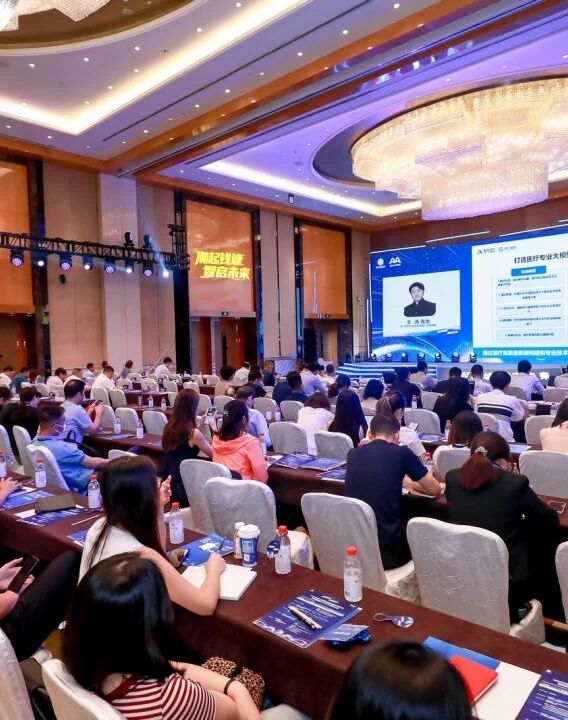
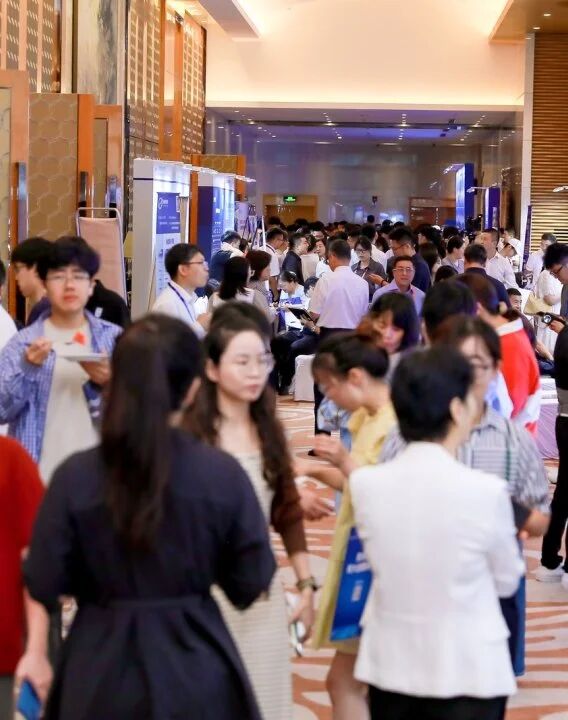
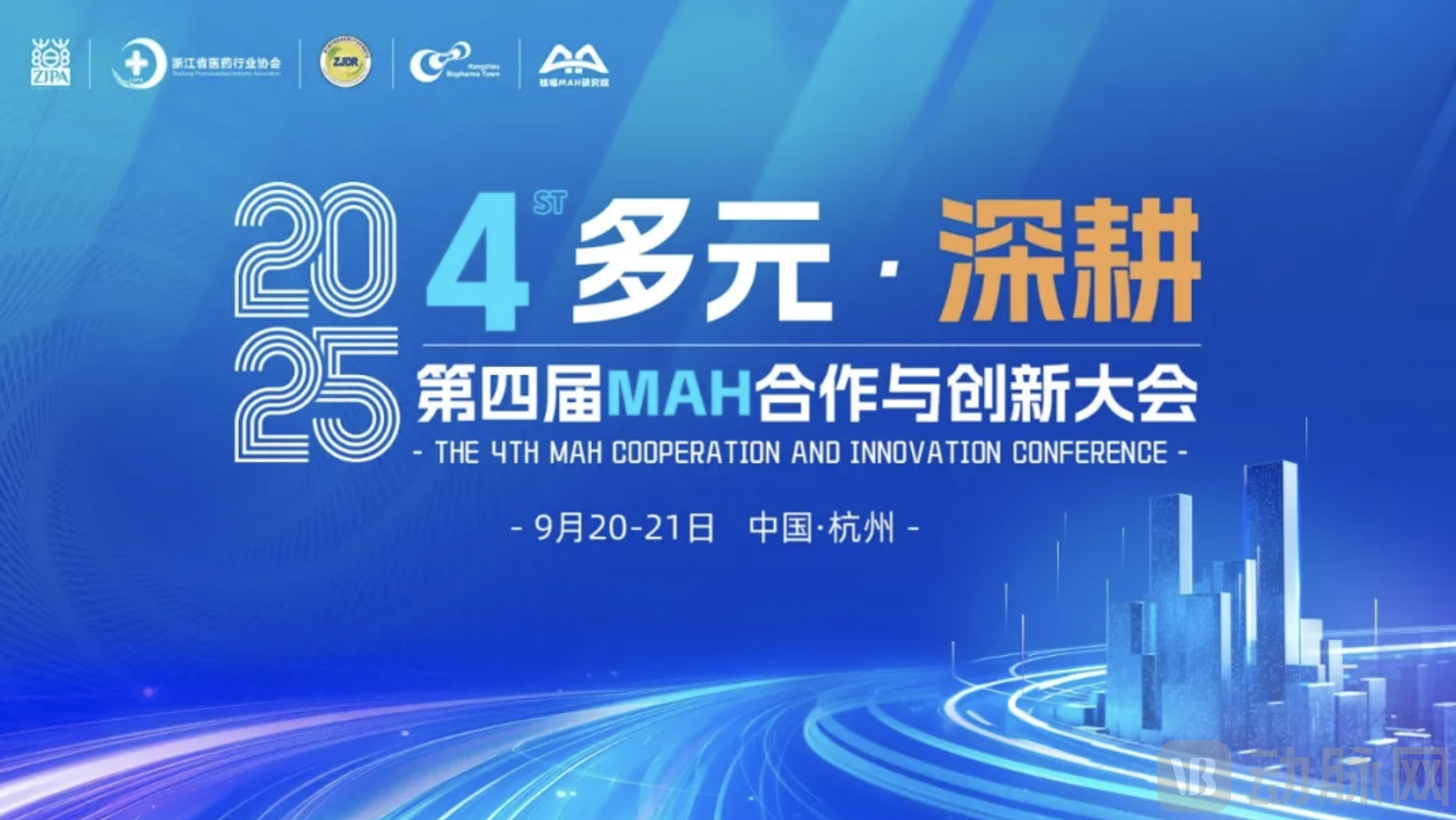
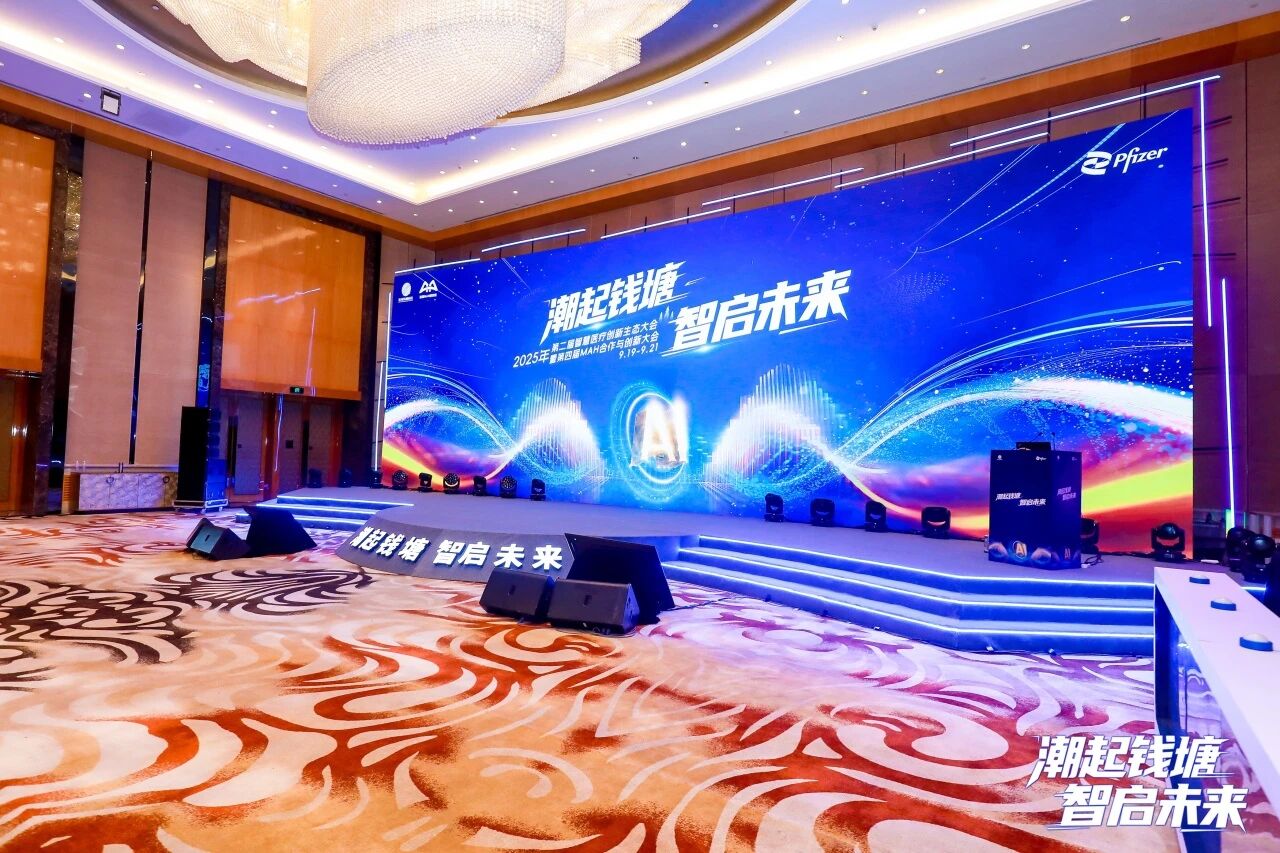
On September 20, jointly hosted by the Zhejiang Pharmaceutical Association, Zhejiang Pharmaceutical Industry Association, Zhejiang Research Society for Drug Supervision and Administration and Industrial Development, and the Zhejiang Drug MAH Translation Platform, with co-organizers including Yao Wen Tian Xia, etc.The 4th MAH Cooperation and Innovation ConferenceGrandly opened at the DoubleTree by Hilton Hotel in Qiantang District, Hangzhou.
The conference, with“AI-Enabled, Smartly Initiating the Future”as the theme, attracting experts, scholars, and entrepreneur representatives from China’s pharmaceutical regulatory bodies, research institutes, and industry to gather together and discuss industry development.
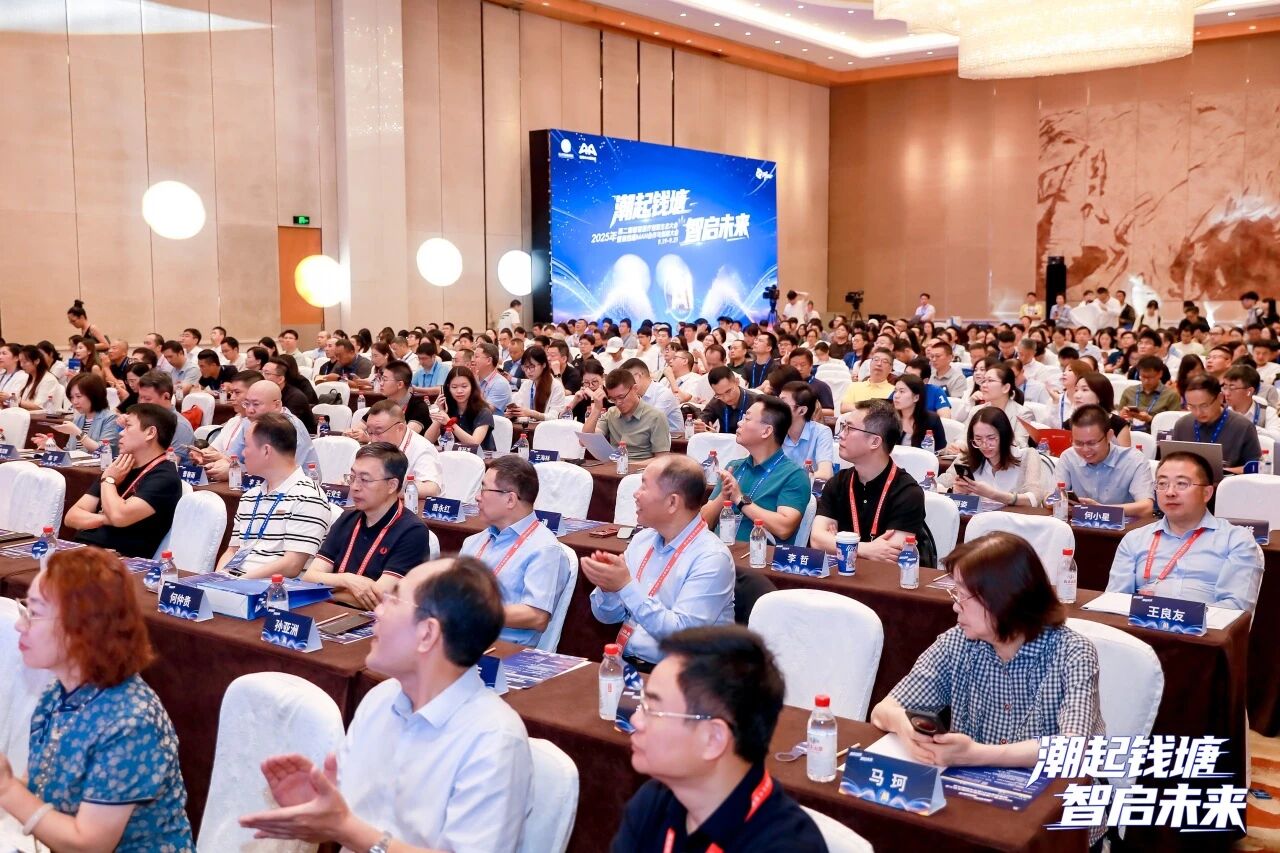
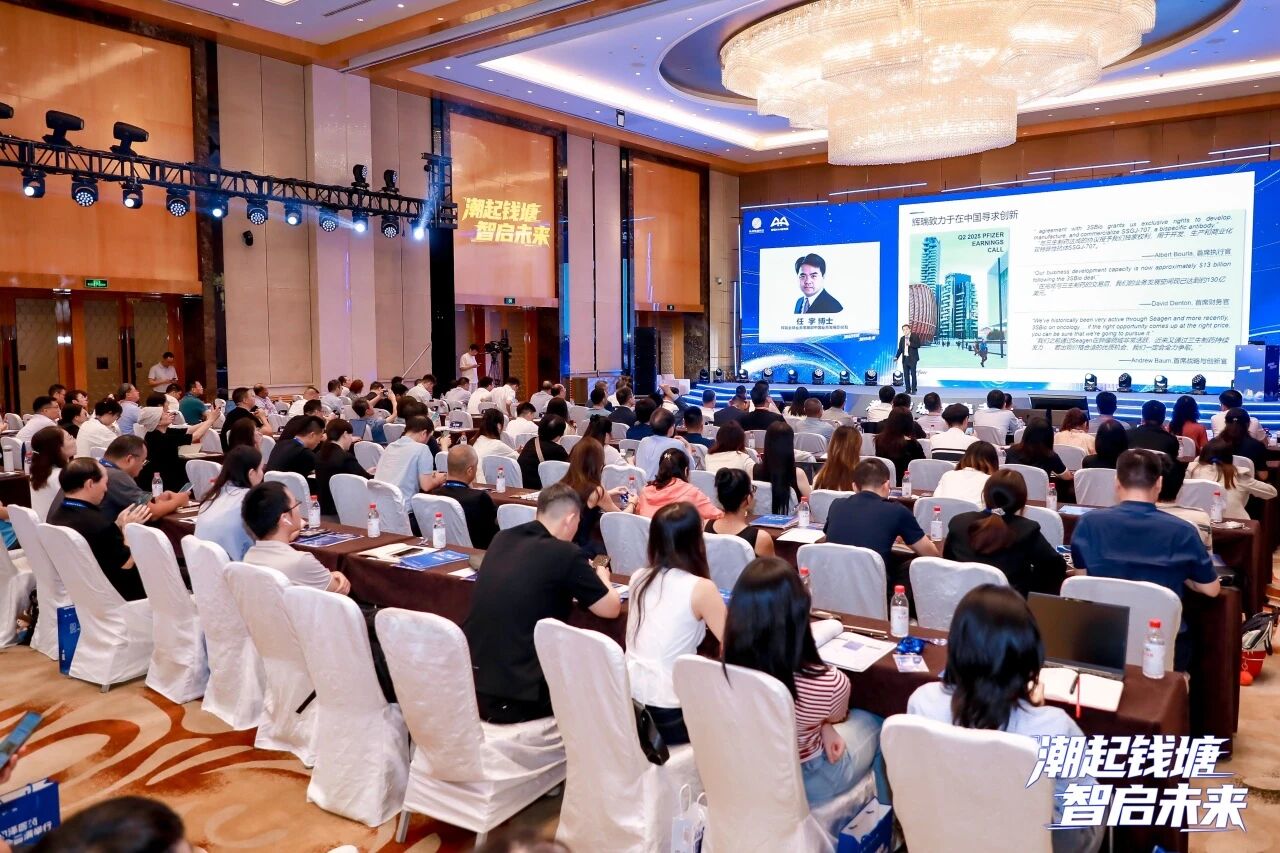
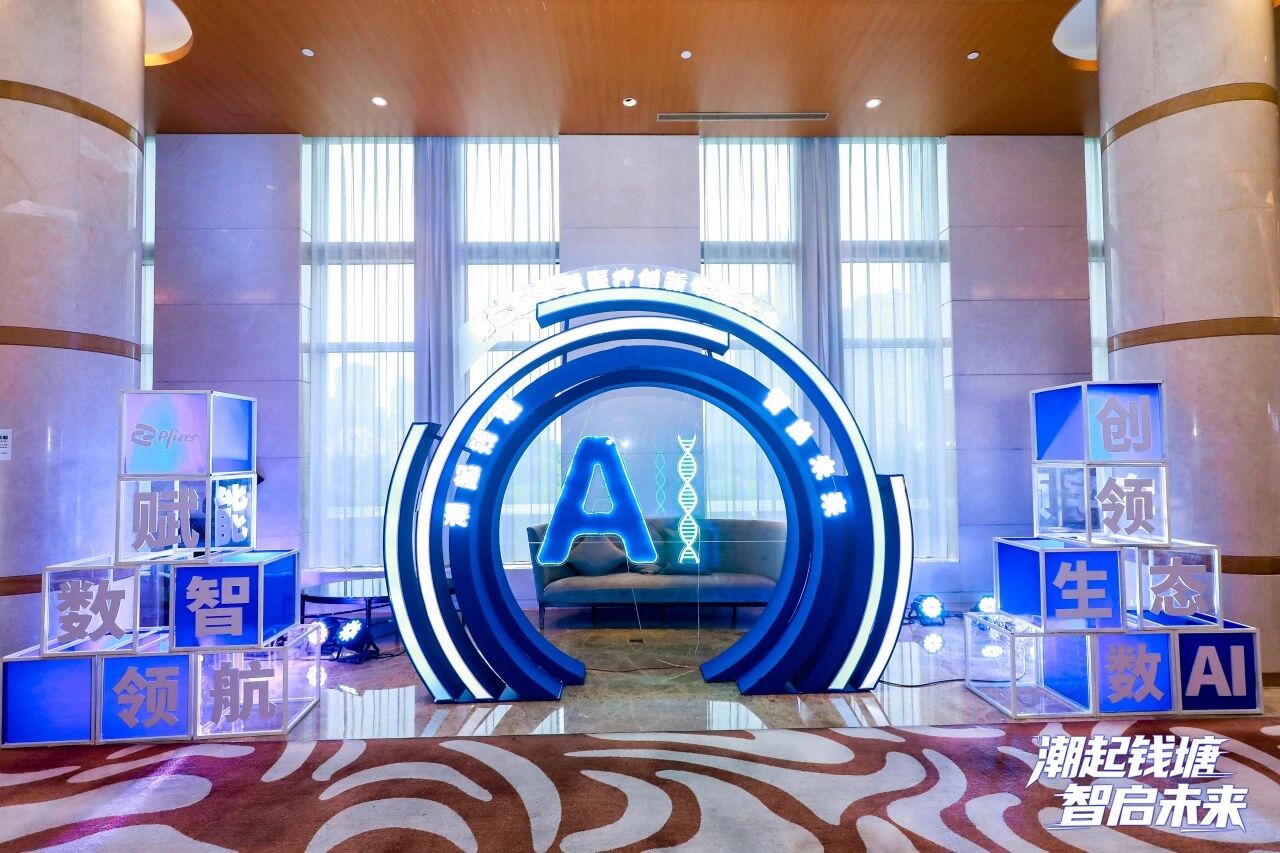
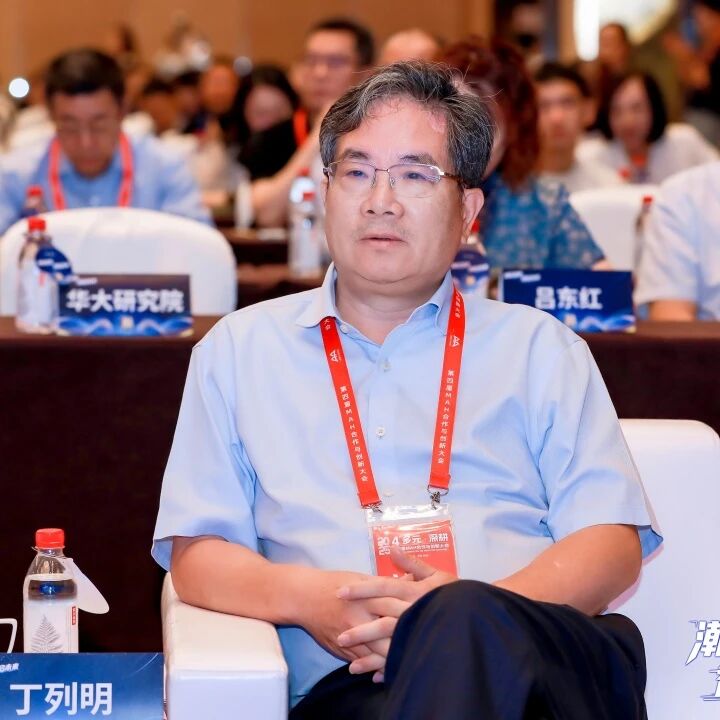
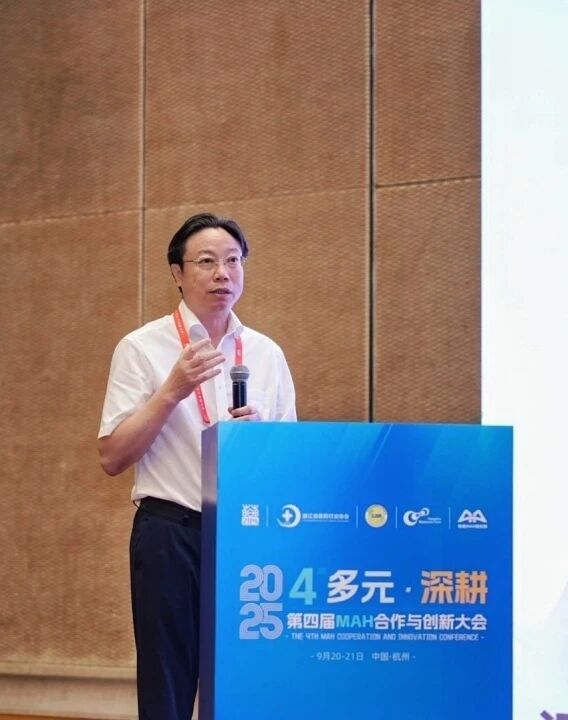
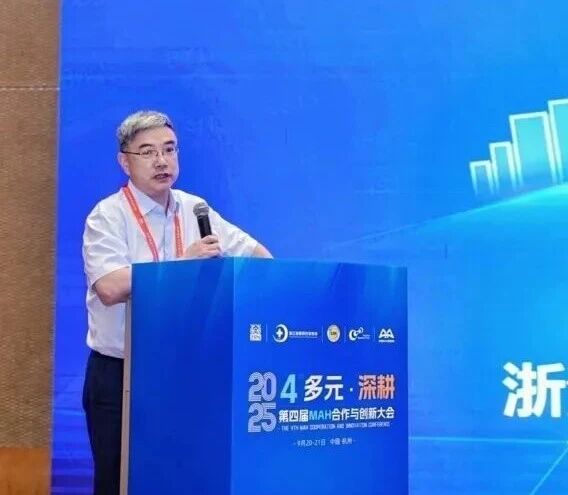
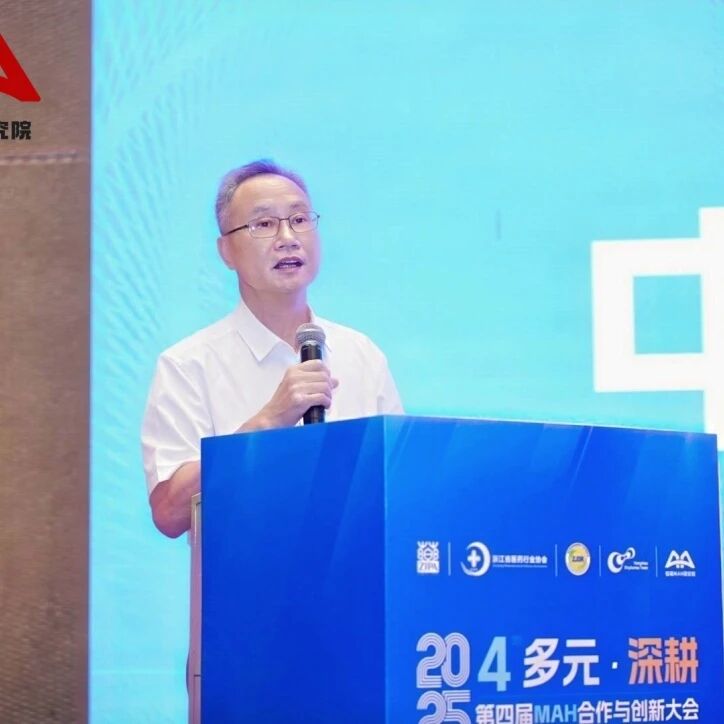
At the opening ceremony,Ding Lieming, President of the Zhejiang Pharmaceutical Industry Association; Chen Zhihui, President of the Zhejiang Research Society for Drug Supervision, Administration and Industrial Development; and Liu Guojuan, Member of the New Area Party Working Committee, Member of the Standing Committee of the District Party Committee, Head of the Publicity Department, and Secretary of the Party Working Committee of Hangzhou Medicine Port, highly affirmed the role of the Marketing Authorization Holder (MAH) system in promoting pharmaceutical innovation and driving industrial upgrading. They emphasized that artificial intelligence and institutional innovation serve as the “dual engines” for high-quality industry development.
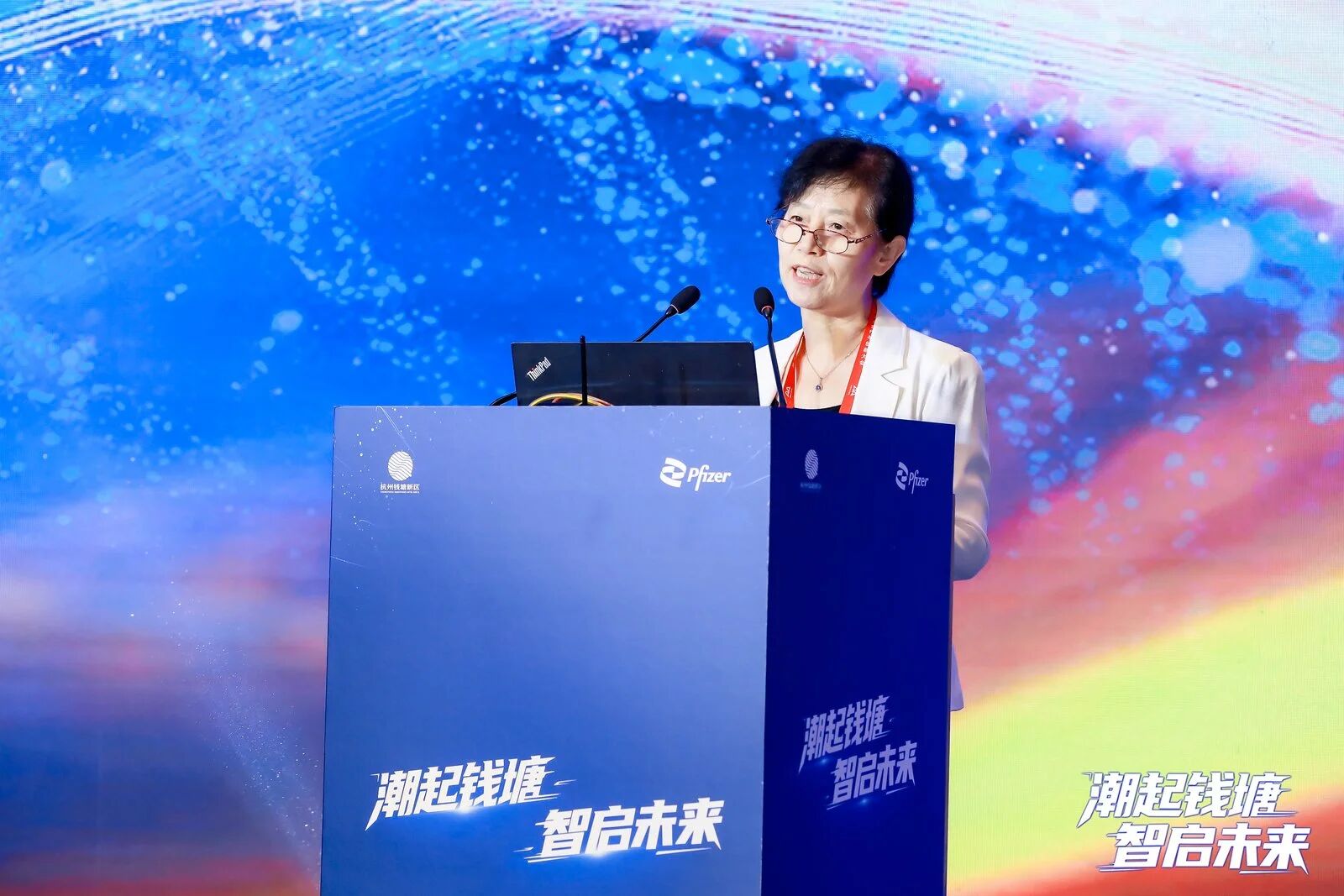
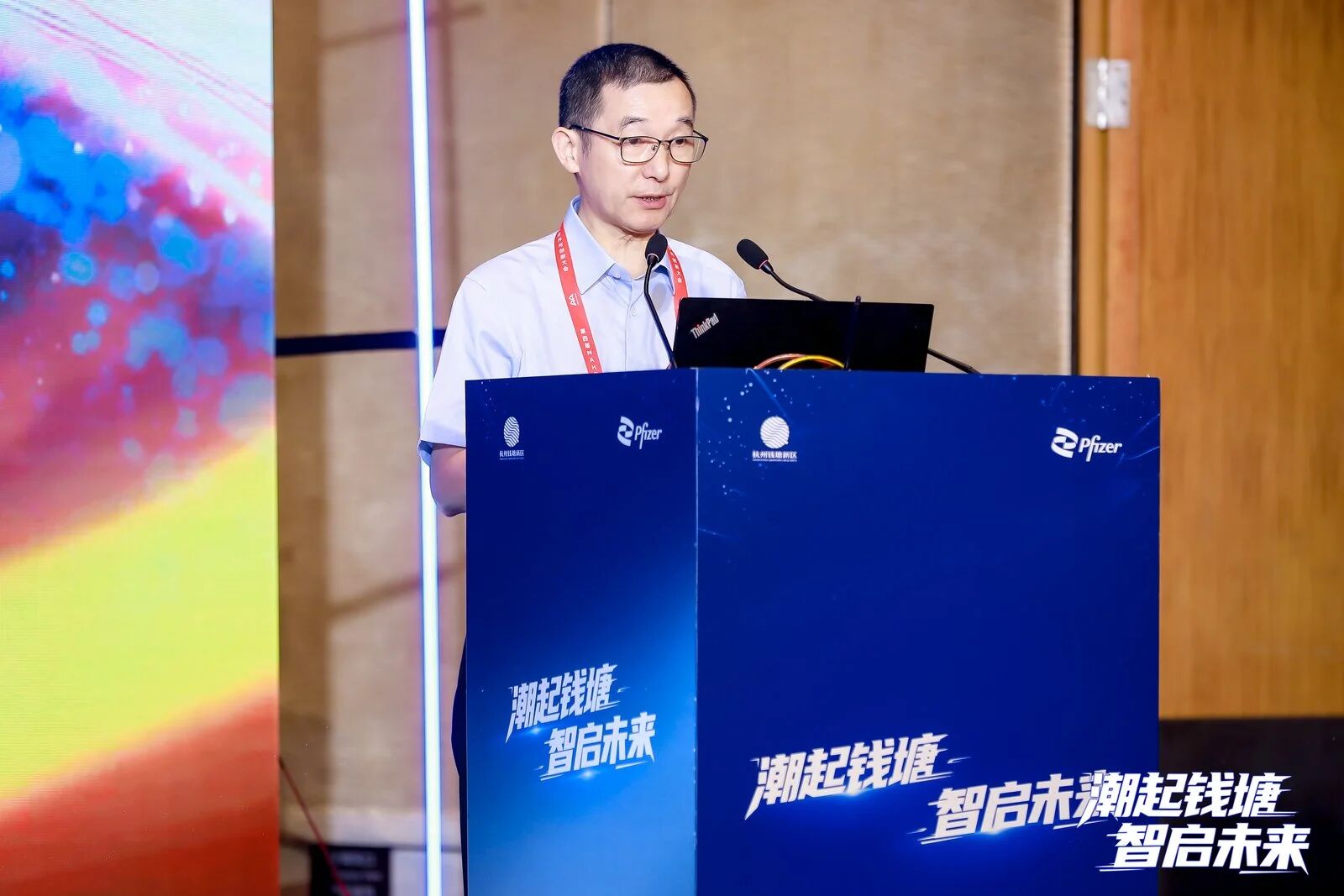
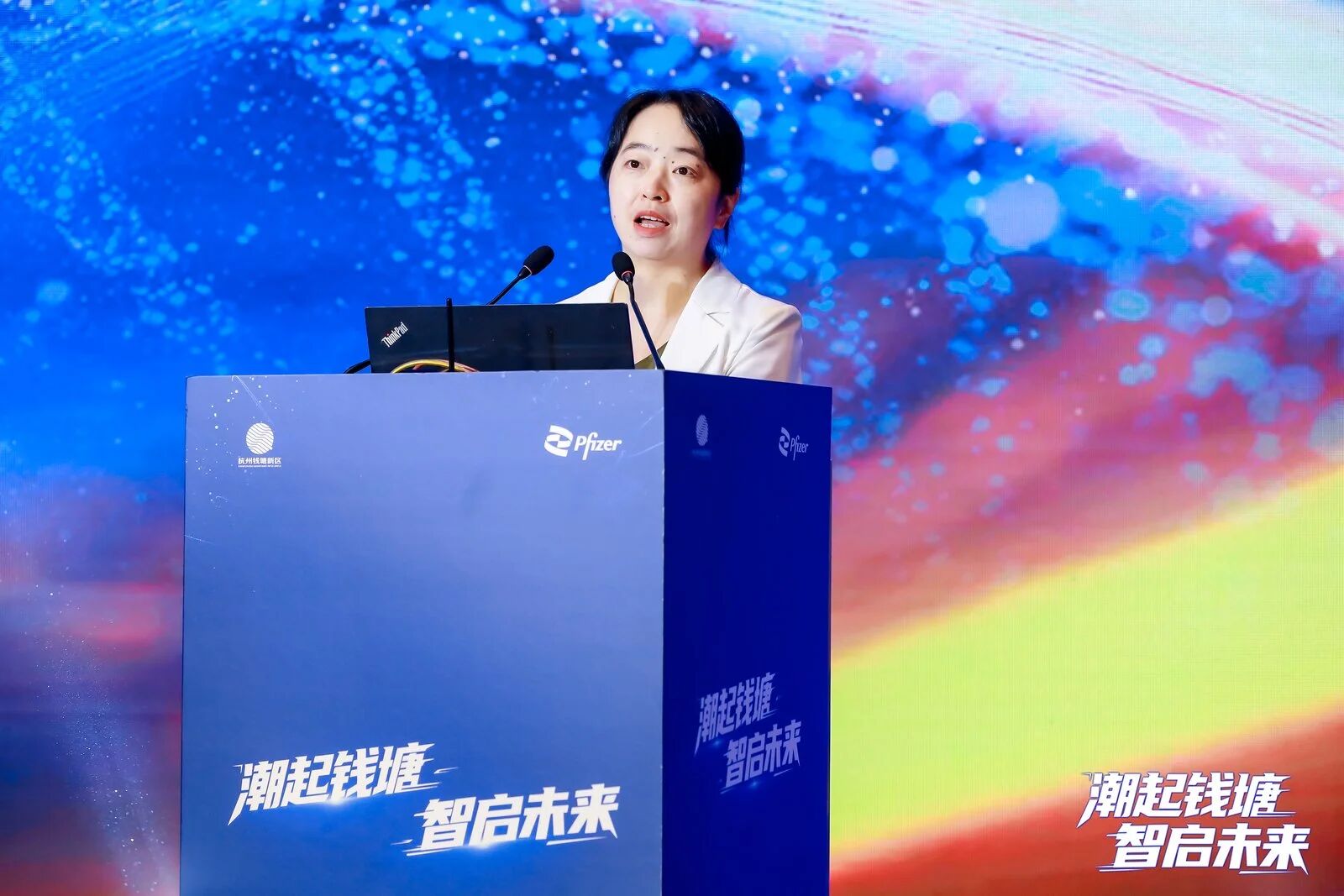
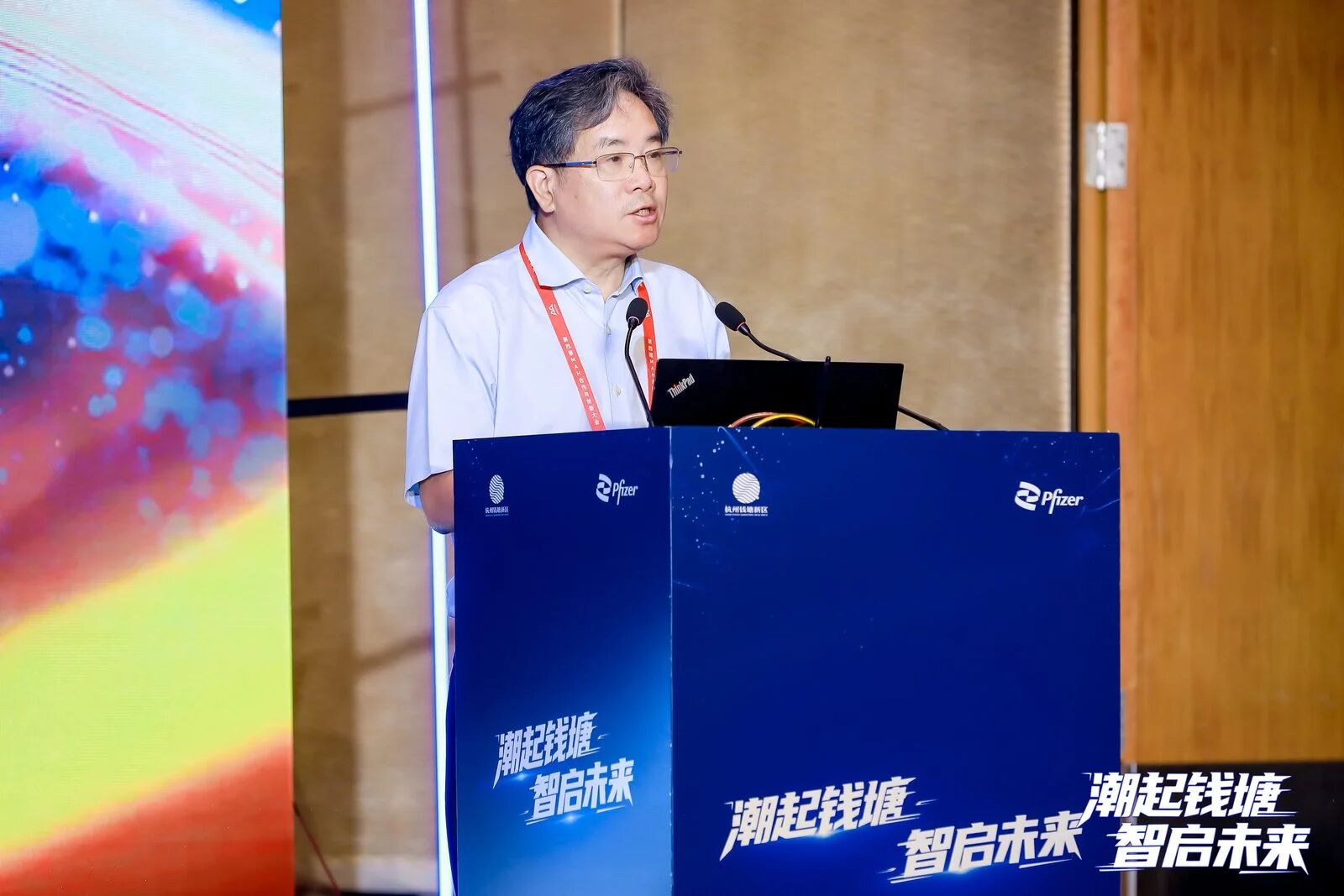
Following this, the conference held a series of important ceremonial segments:
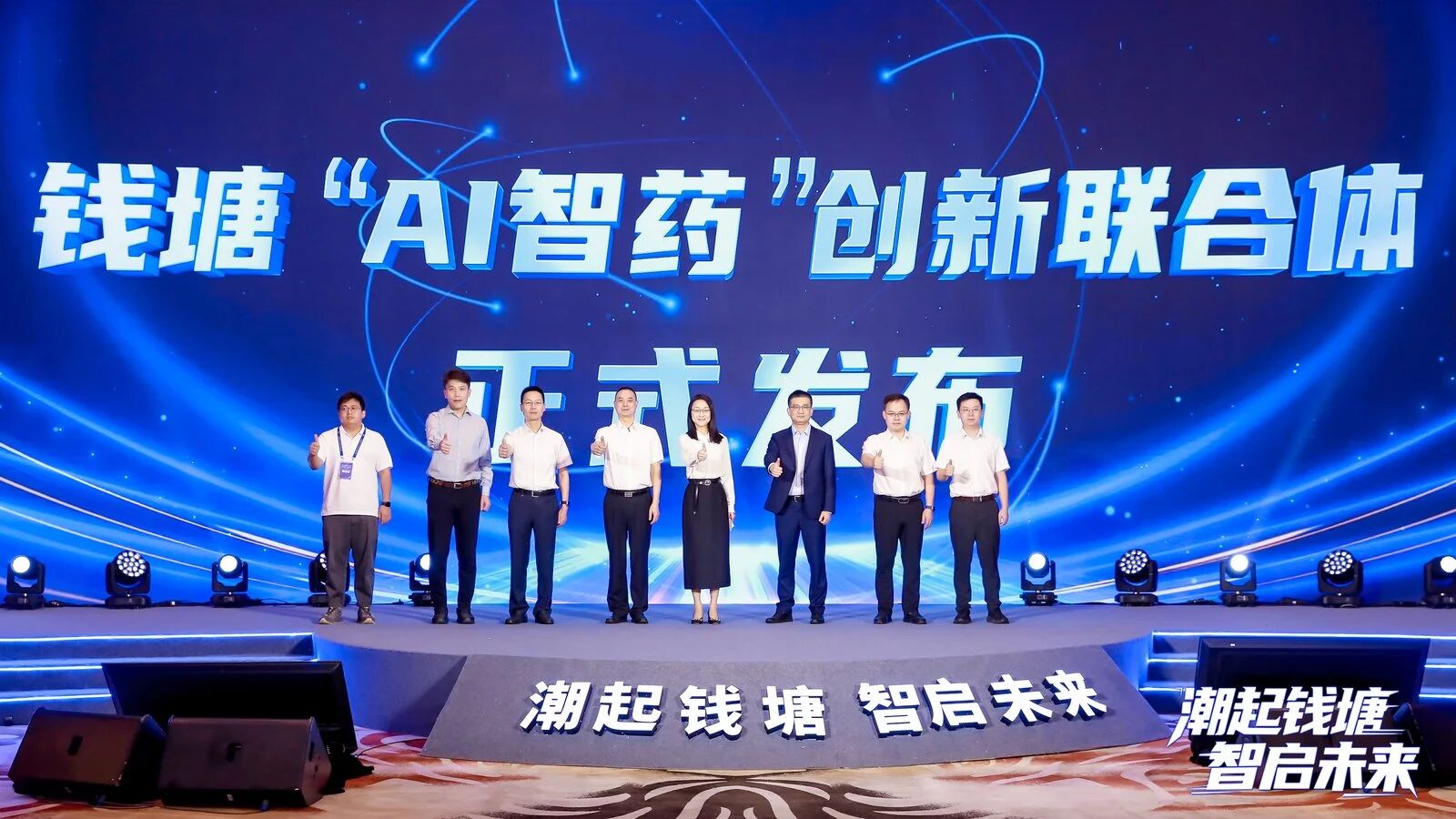
Qiantang Intelligent Manufacturing Innovative Drug ConsortiumLaunched with the joint participation of the Hangzhou Municipal Bureau of Economy and Information Technology, the Working Committee of the New Area, Zhejiang University, the Qiantang District Bureau of Economy, Information, Science and Technology, the Administrative Committee of Medicine Port, and multiple key enterprises.
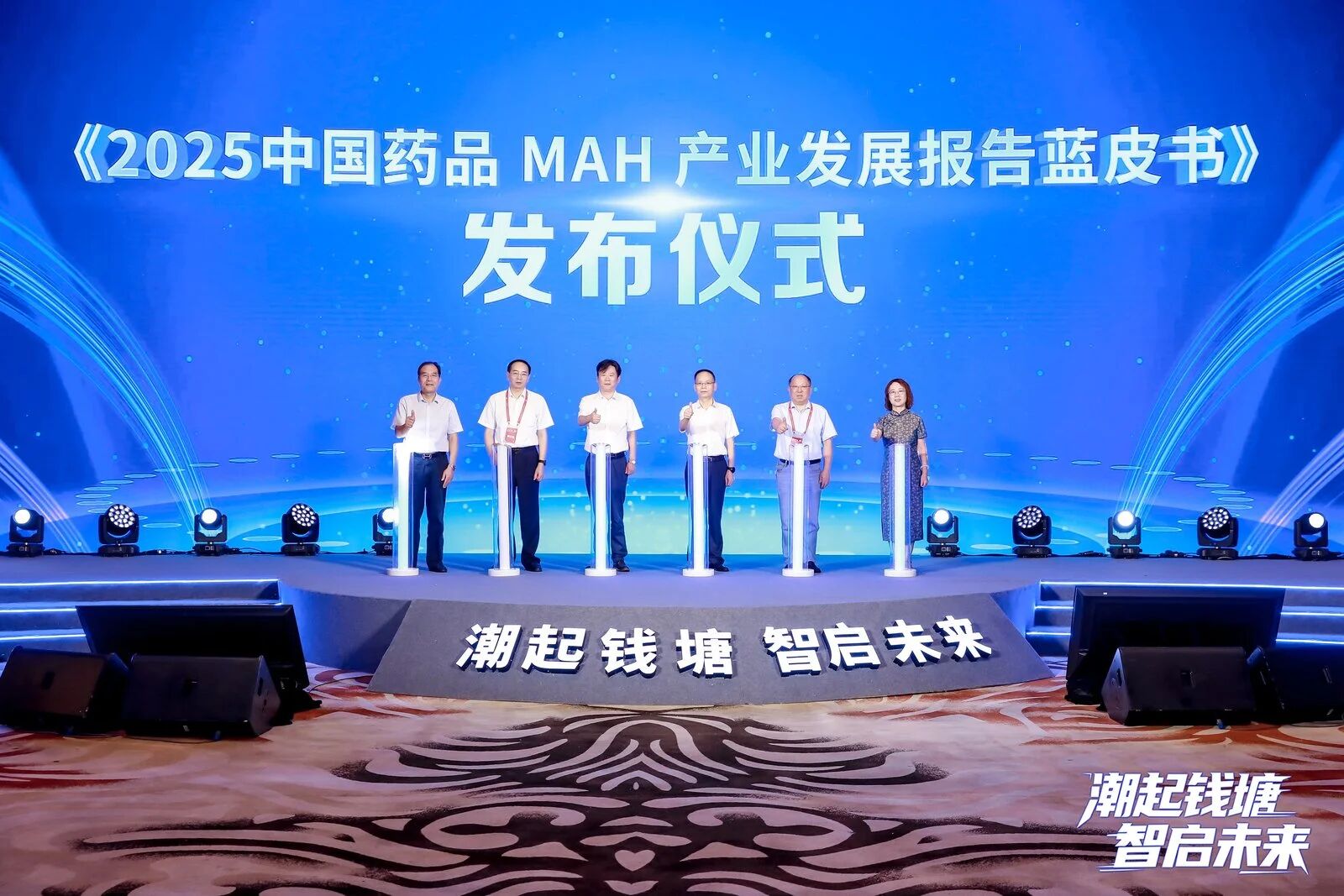
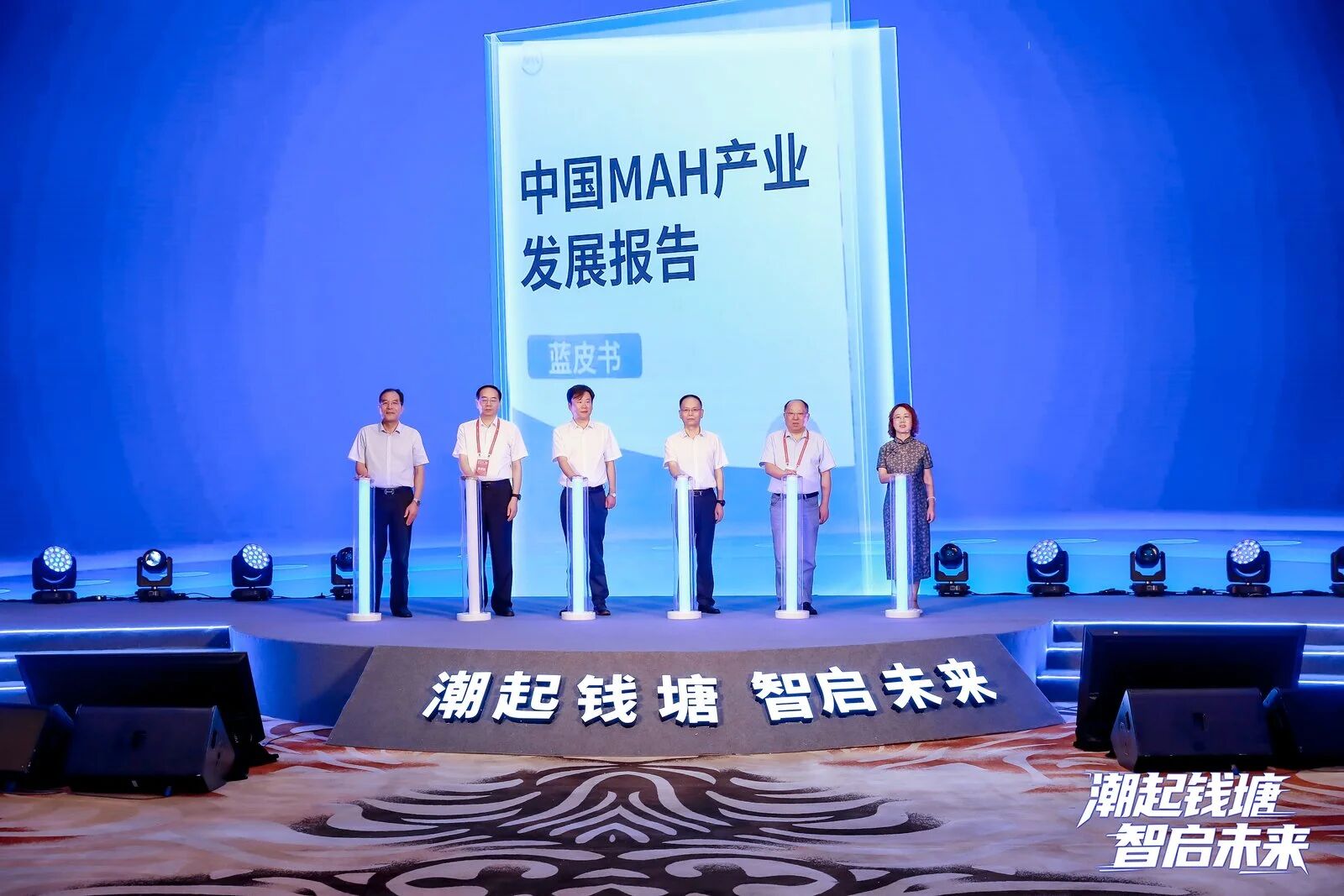
“2025 MAH Blue Book” Grandly Released,Jointly released by Zhejiang Pharmaceutical College, the Zhejiang Provincial Medical Insurance Research Association, the Zhejiang Pharmaceutical Industry Association, the Zhejiang Drug Regulation and Industrial Development Research Association, and the Qiantang Marketing Authorization Holder (MAH) Research Institute, this publication provides data support and decision-making references for industry development. The Blue Book systematically reviews the achievements and challenges of implementing the Marketing Authorization Holder system over the past year, offering decision-making references and policy recommendations to promote high-quality industry development.
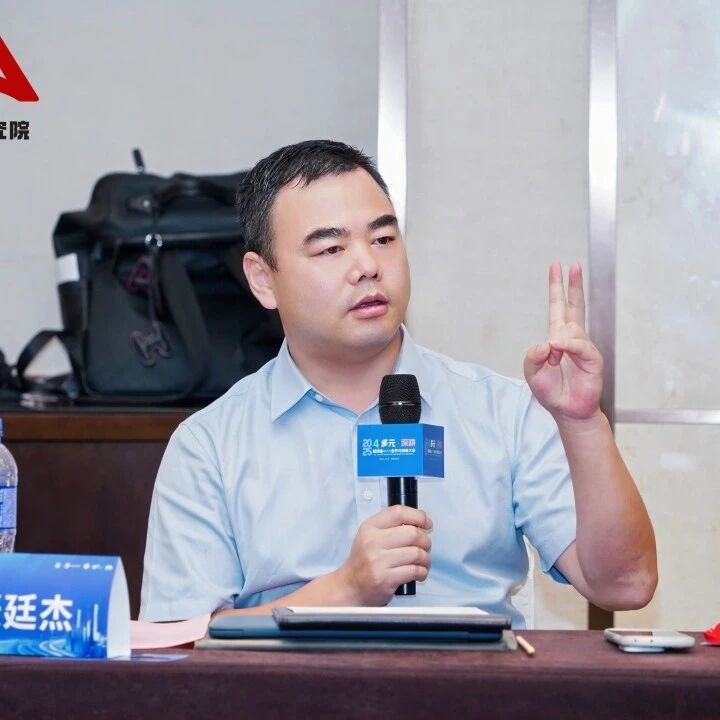
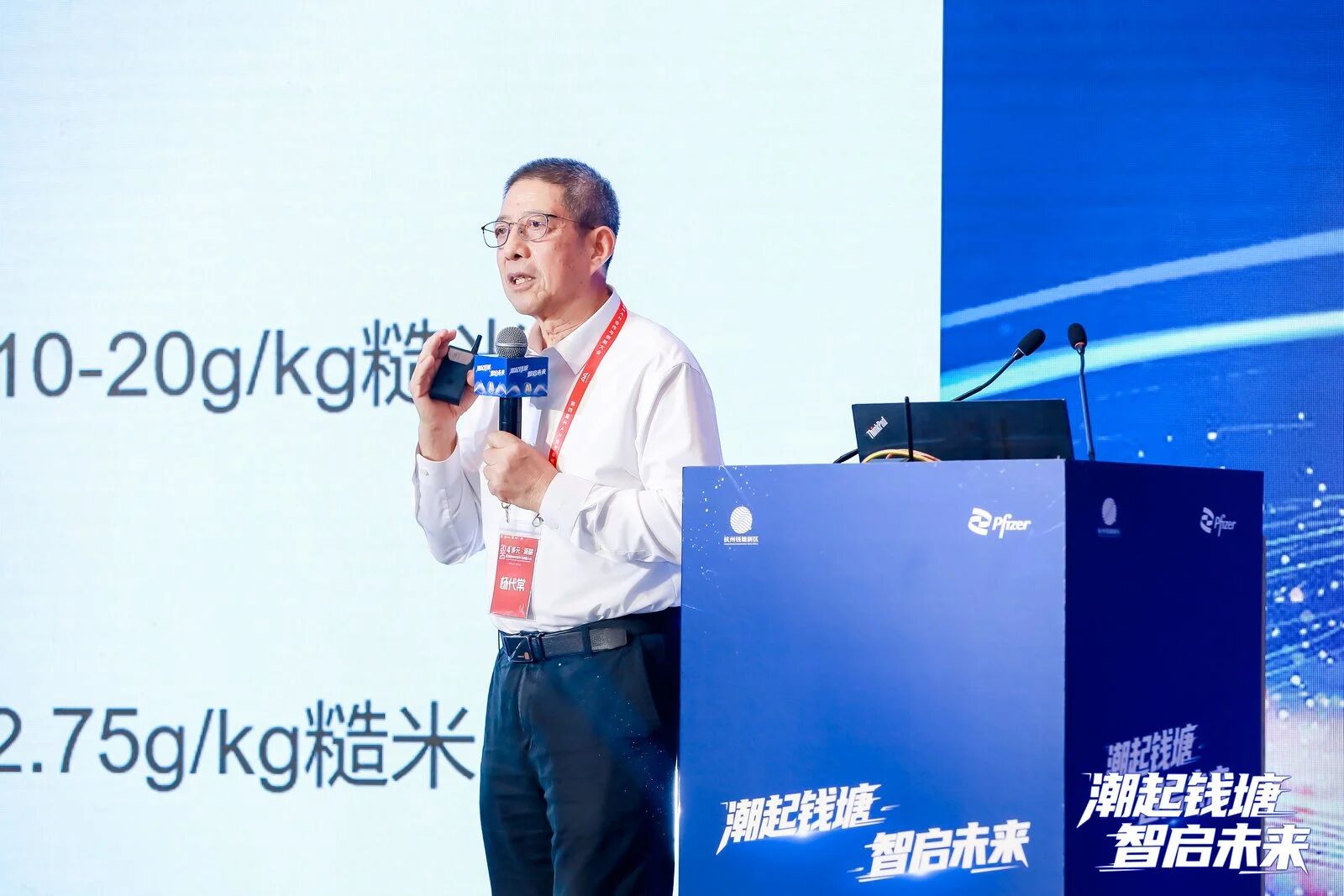
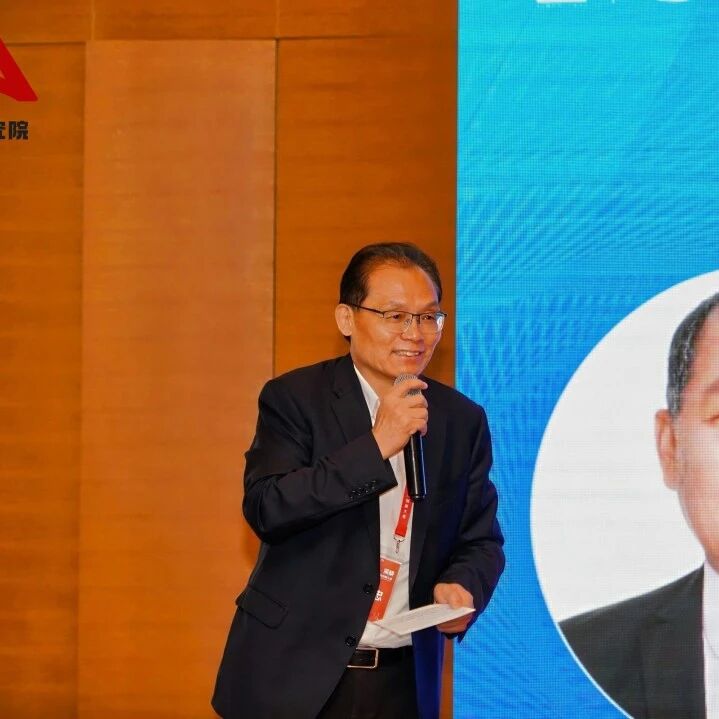
Subsequently, the keynote speech session was brilliant and diverse.Professor Yang Daichang, Founder of Healthgen Biotech“From Rice to Intelligent Biomanufacturing”: Showcasing Frontier Breakthroughs in Synthetic Biology for the Production of Biologic Macromolecule Drugs Such as Human Serum Albumin, and Proposing a New Pathway for Scalable Application Driven by Intelligent Manufacturing
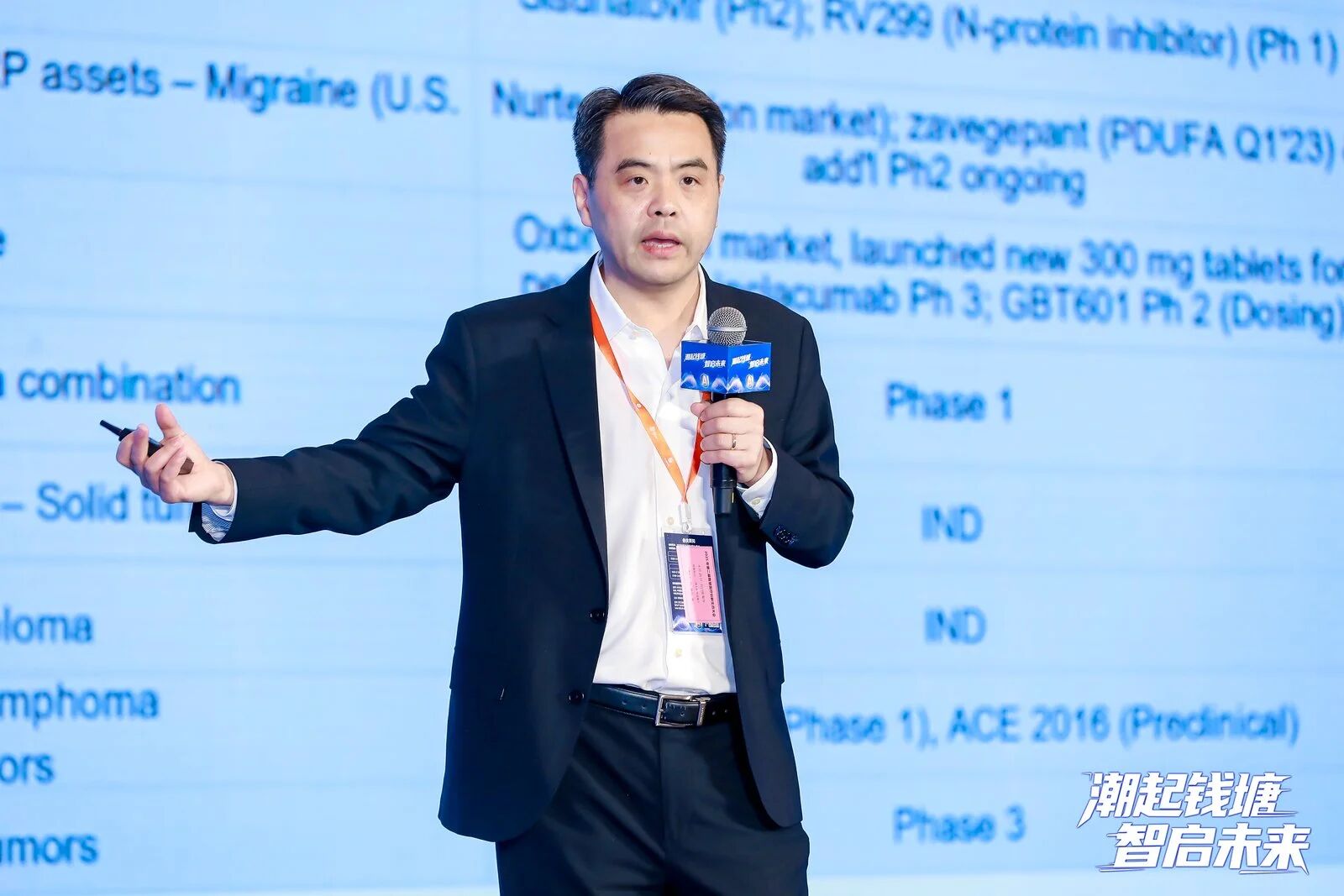
Subsequently,Ren Yu, Vice President of Pfizer’s Global Business Development Division, China RegionShared Pfizer’s collaboration experience with local innovative enterprises, particularly its explorations in global strategy and overseas expansion pathways, offering insights for the internationalization of domestic companies.
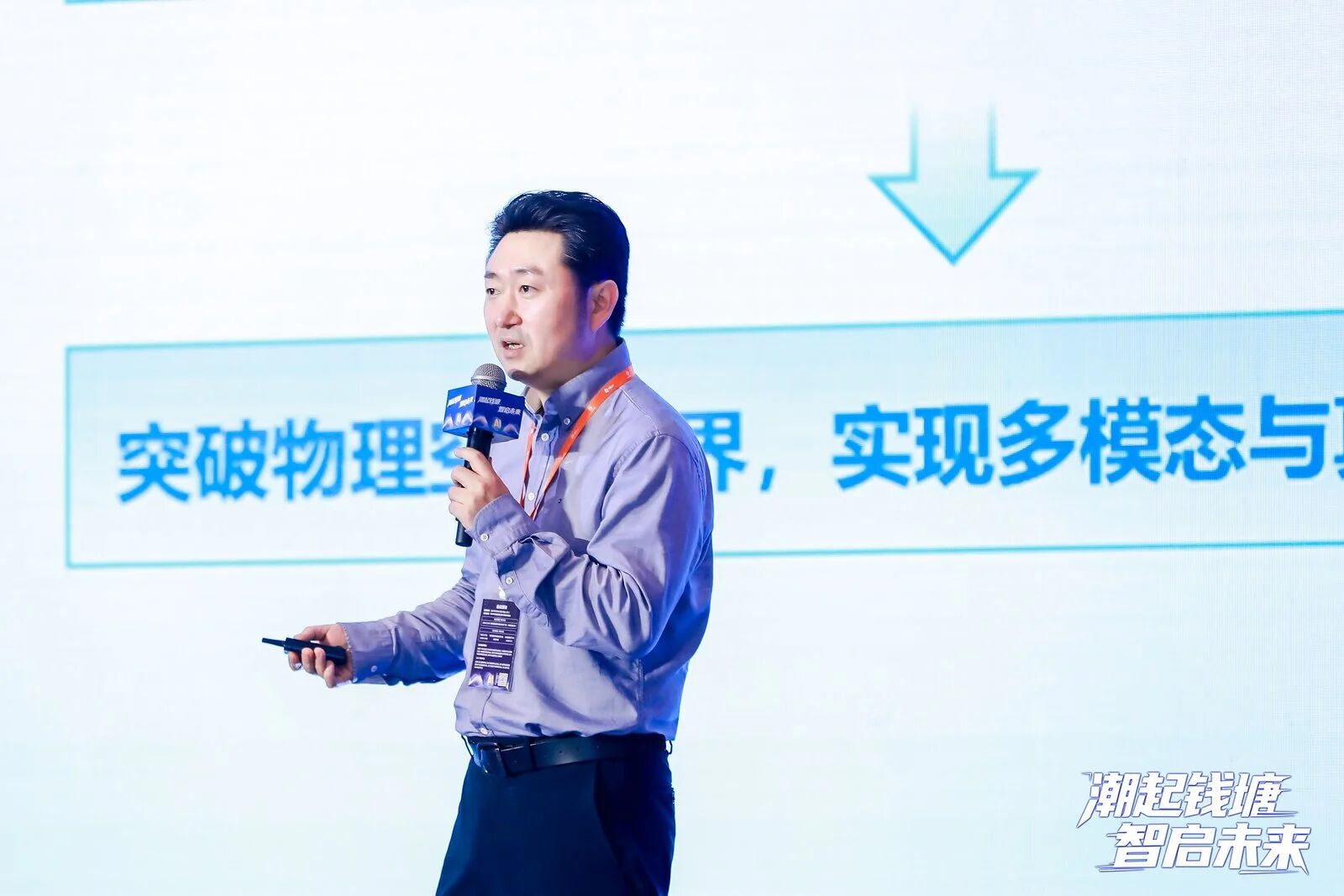
In the keynote report,Wang Xiao, Executive Vice President of iFlytek HealthcareDrawing on real-world cases of AI in clinical practice, this analysis provides an in-depth examination of artificial intelligence’s application scenarios in diagnostic and therapeutic decision-making, medical quality control, and industrial transformation.
In the finale roundtable discussion, moderated by Cao Yibo, Managing Director at Sequoia China, guests from Zhejiang University, Tencent Health, Pfizer Center for Scientific Innovation, Laparoscopic Robot, and MindRank AI engaged in a lively discussion on “How AI Empowers the Development of the Life and Health Industry.”From AI models to clinical implementation, and from data security to international collaboration, the panelists offered constructive insights and practical pathways, fostering frequent audience interaction and vibrant intellectual exchange.
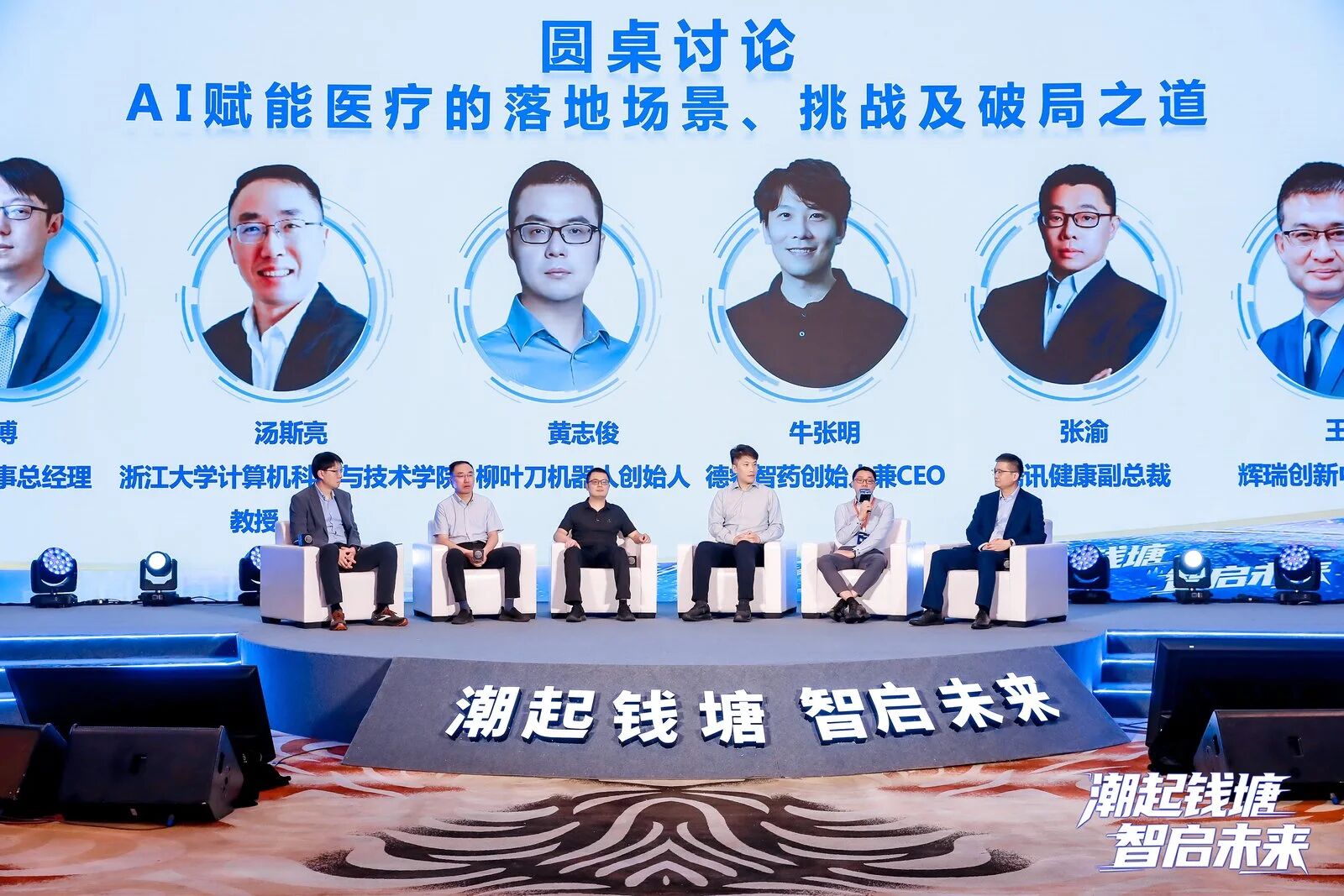
That afternoon, the conference featured three parallel breakout sessions:
TCM Health Innovation Forum:Experts from the National Healthcare Security Administration, universities, and enterprises shared insights on topics such as healthcare payment reform, R&D of new traditional Chinese medicine (TCM) drugs, real-world studies, and the internationalization of substances that are both food and TCM ingredients, focusing on the challenges and opportunities in the modernization and globalization of TCM.
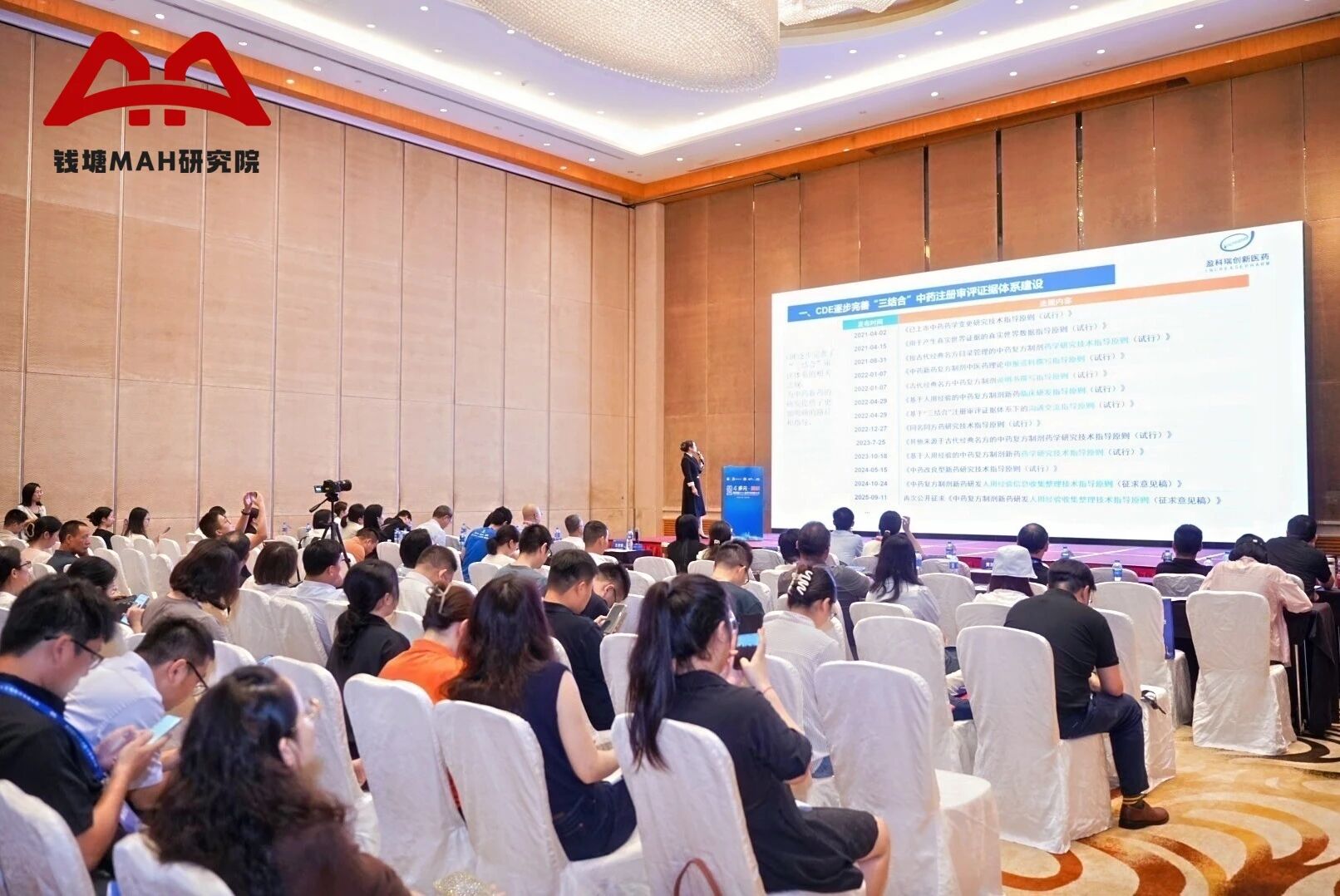
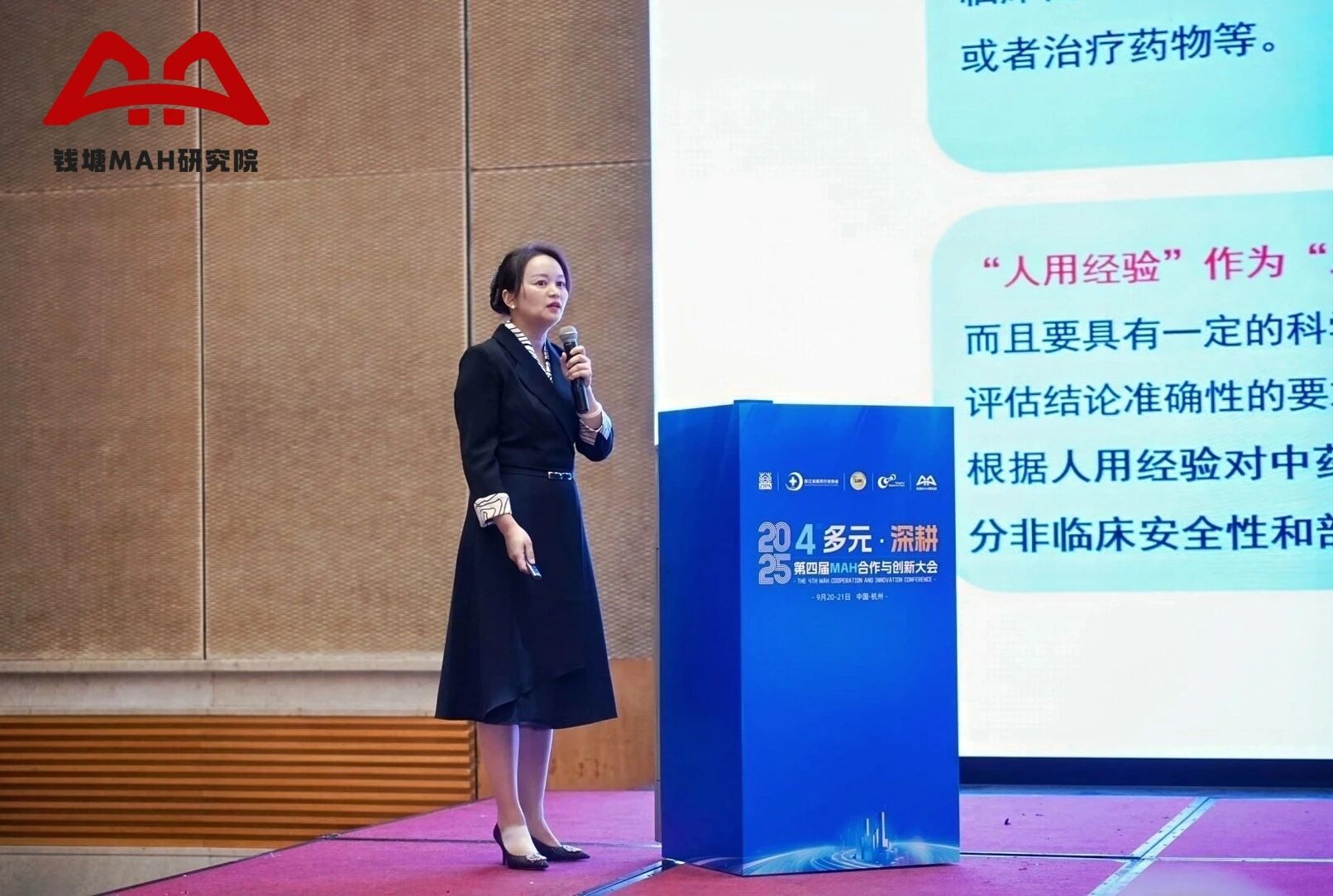
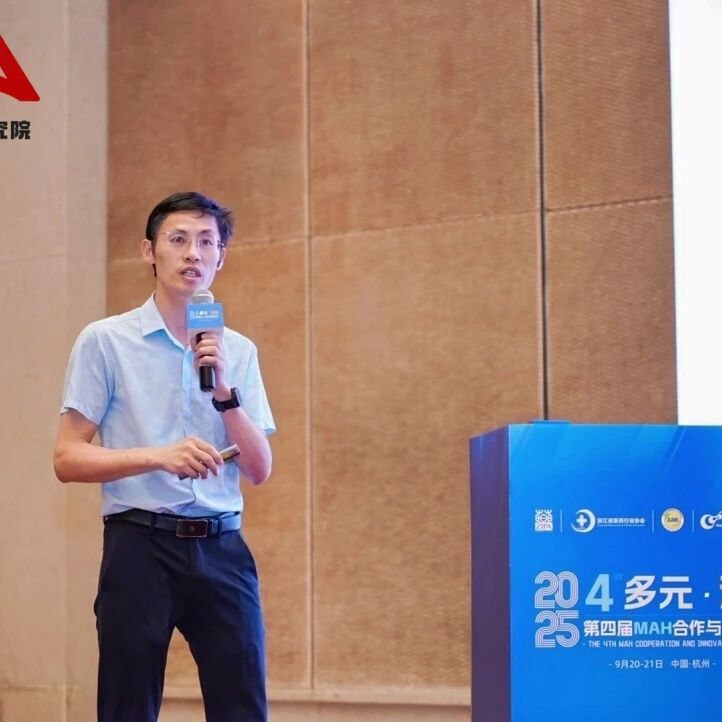
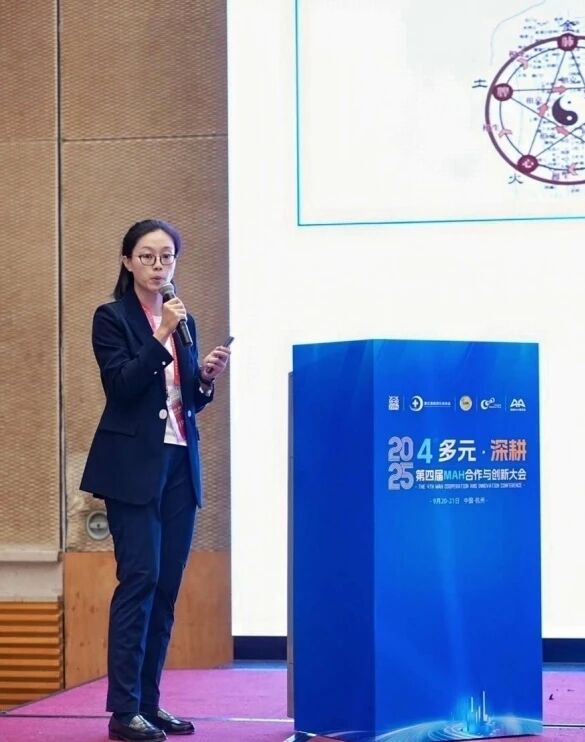
CXO Ecosystem Development Forum:Representatives from leading CXO enterprises, including WuXi Biologics, Pharmaron, Porton Pharma Solutions, China Peptides, and Xingcheng Bio, engaged in in-depth discussions on hot topics such as complex protein development, continuous manufacturing, global supply chains, and CMC for gene and cell therapies. They also held a roundtable dialogue on global expansion and technological barriers.
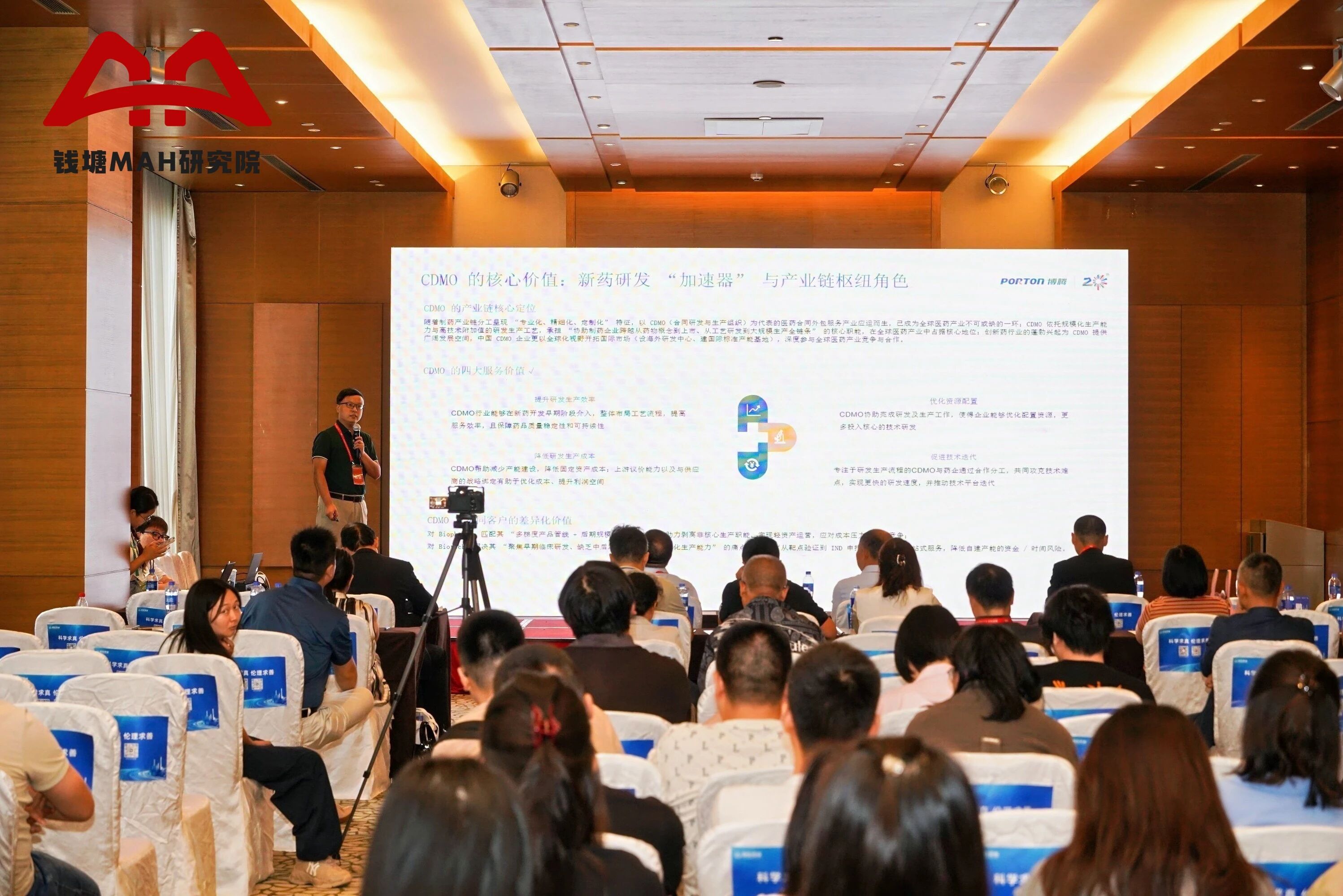
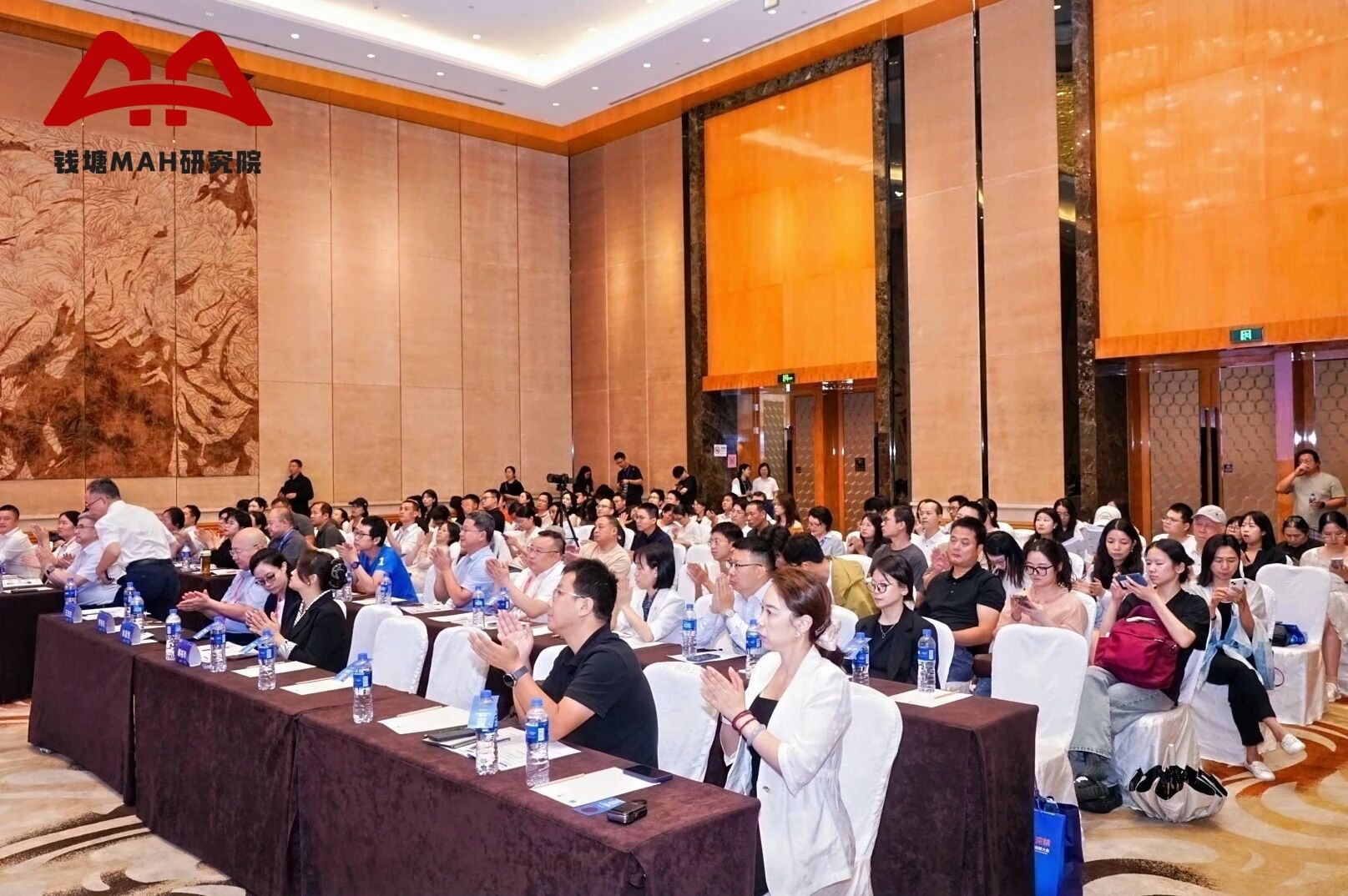
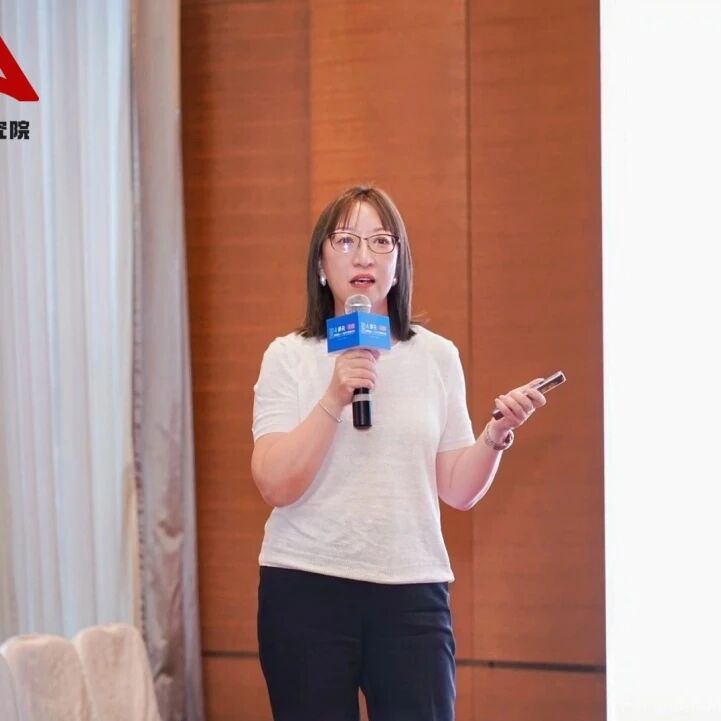
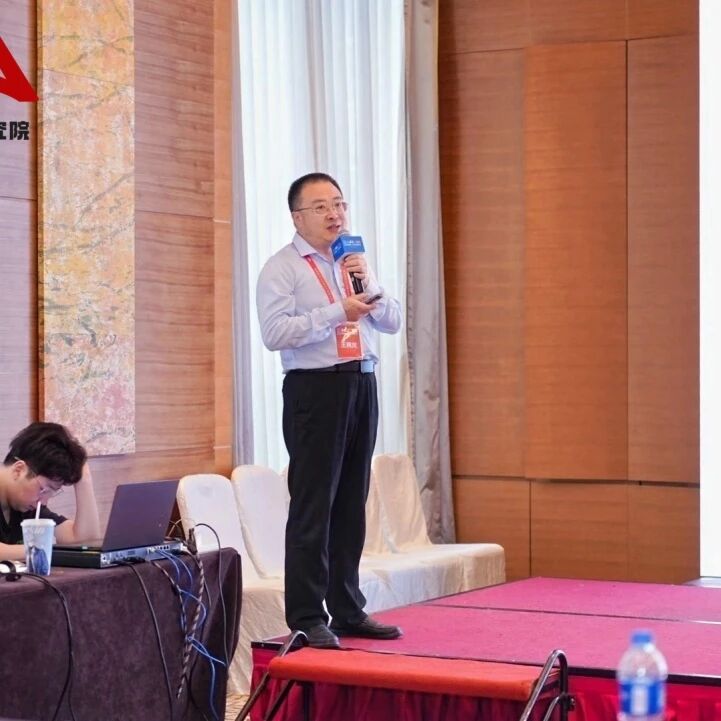
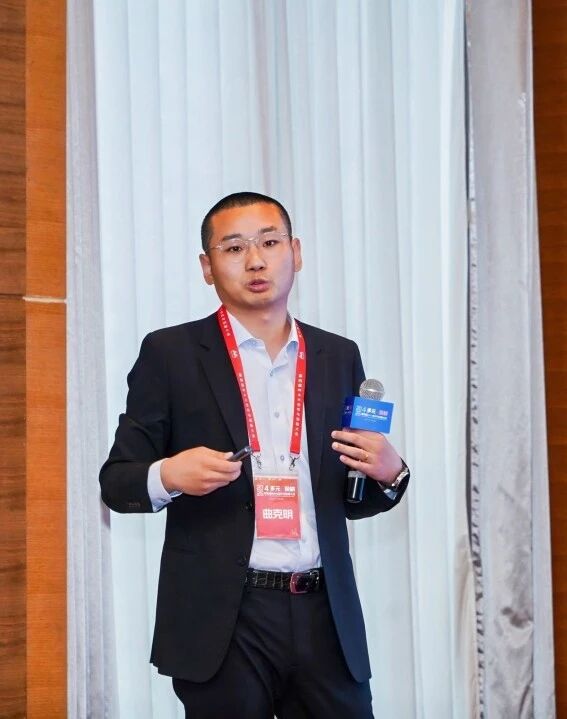
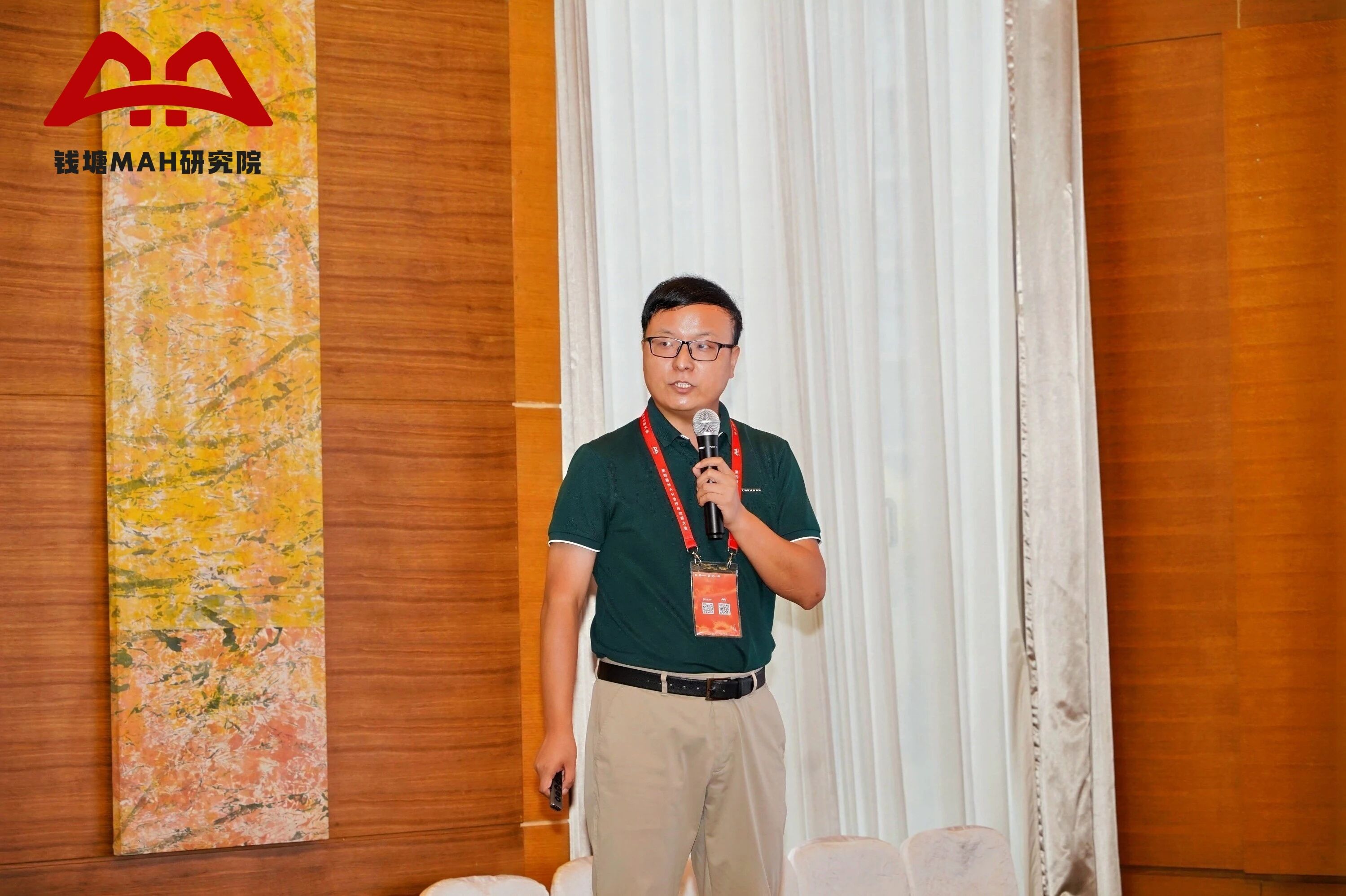
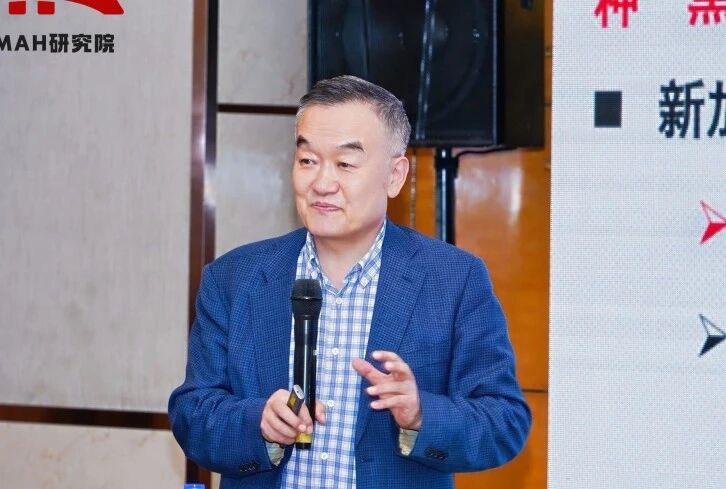
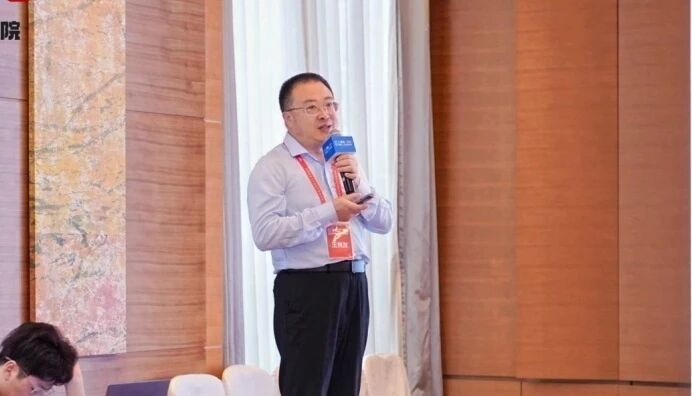
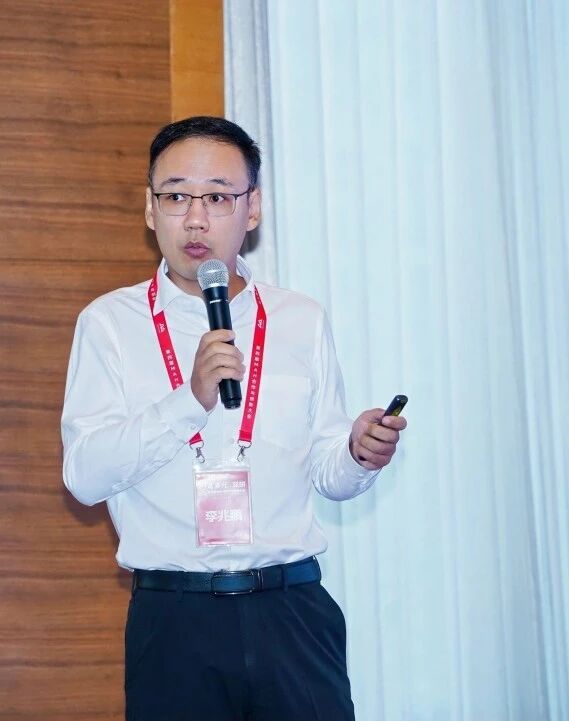
China Pharmaceutical Entrepreneurs Forum:Representatives from industry associations, leading enterprises, and startups convened to discuss the future of generic drugs in the “post-centralized procurement era,” strategic layouts for innovative drugs, emerging opportunities in medical aesthetics and veterinary pharmaceuticals, and overseas expansion risks under the Belt and Road Initiative. The discussions encompassed both macro-strategic perspectives and practical operational insights from enterprises.
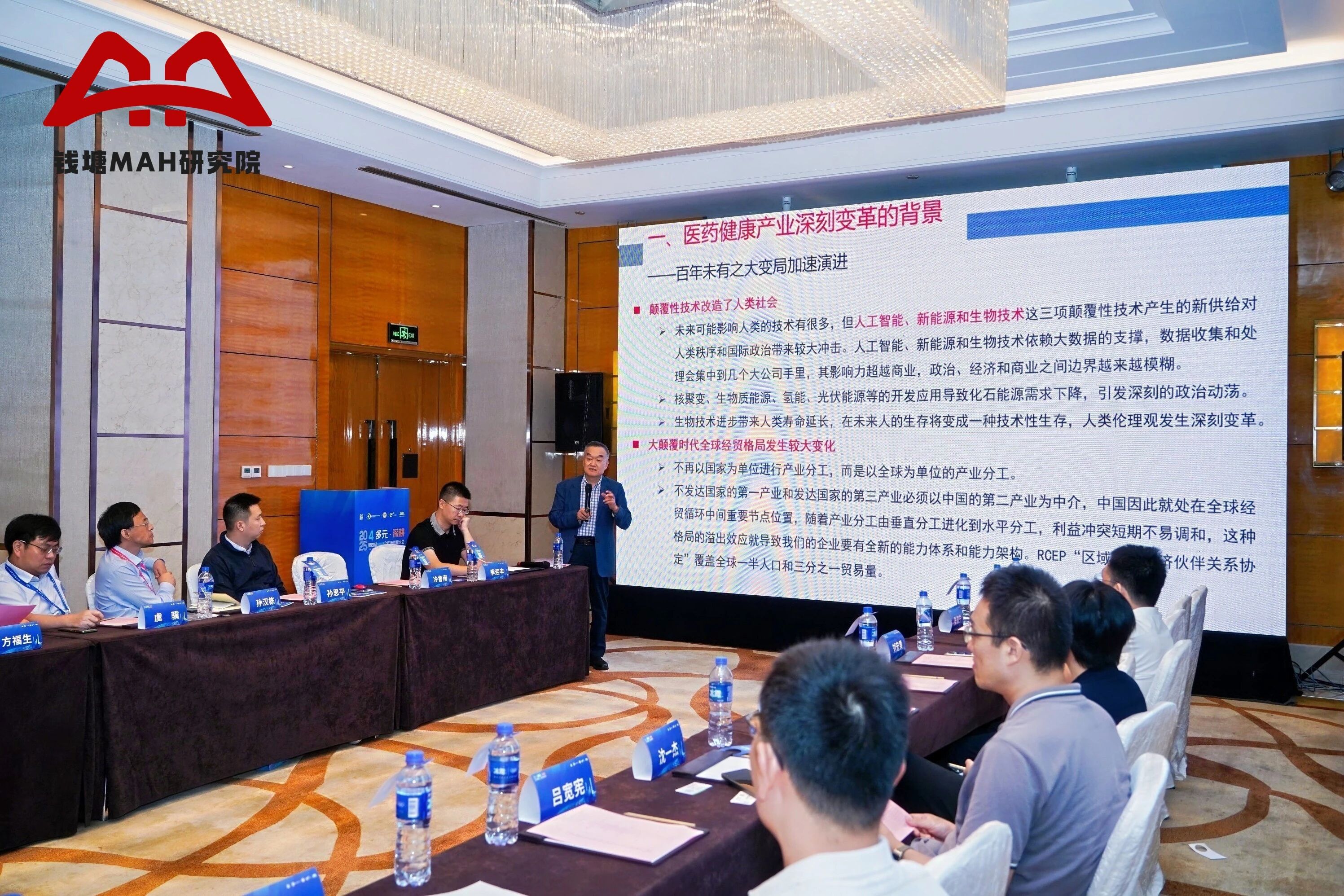
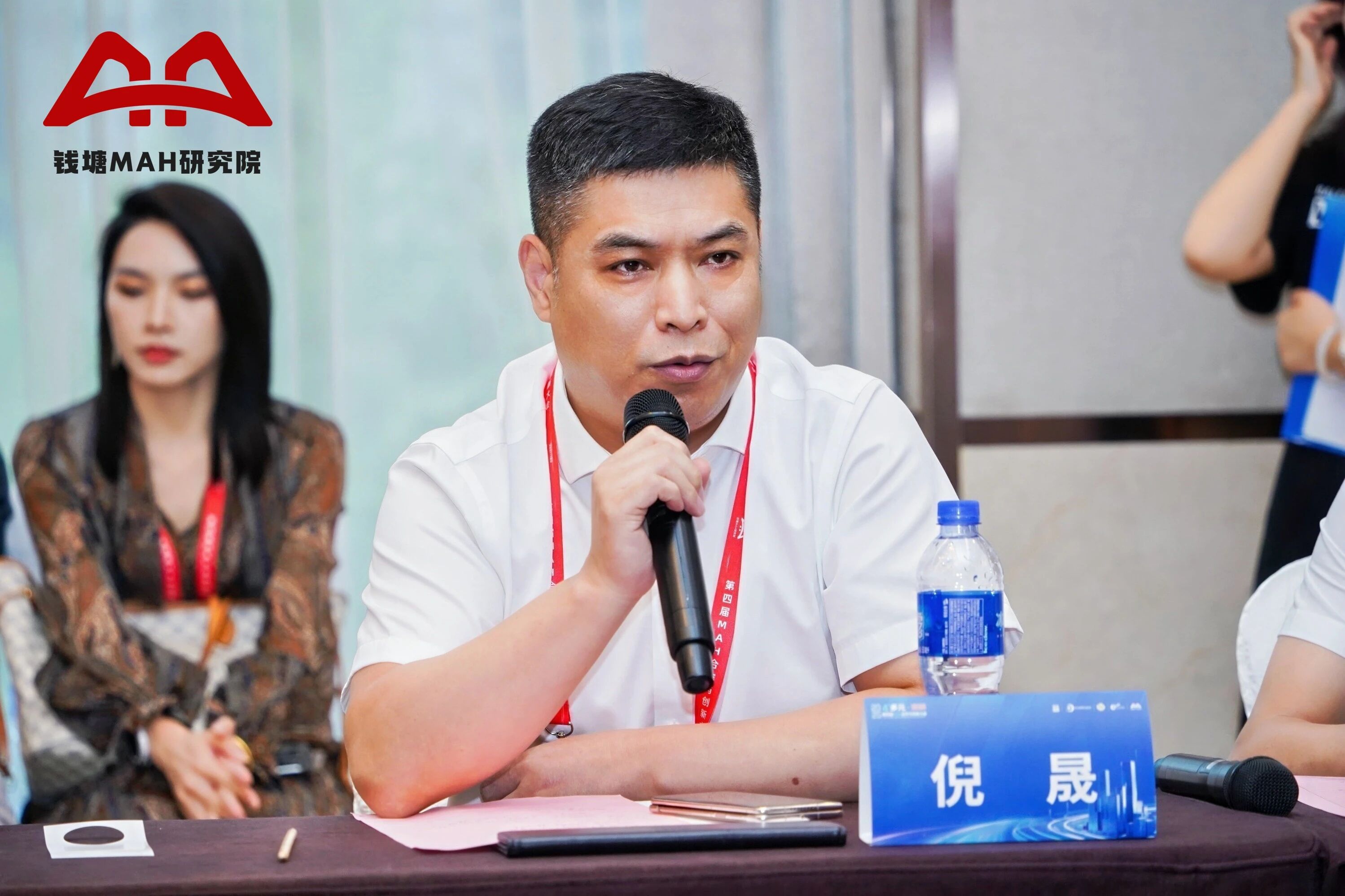
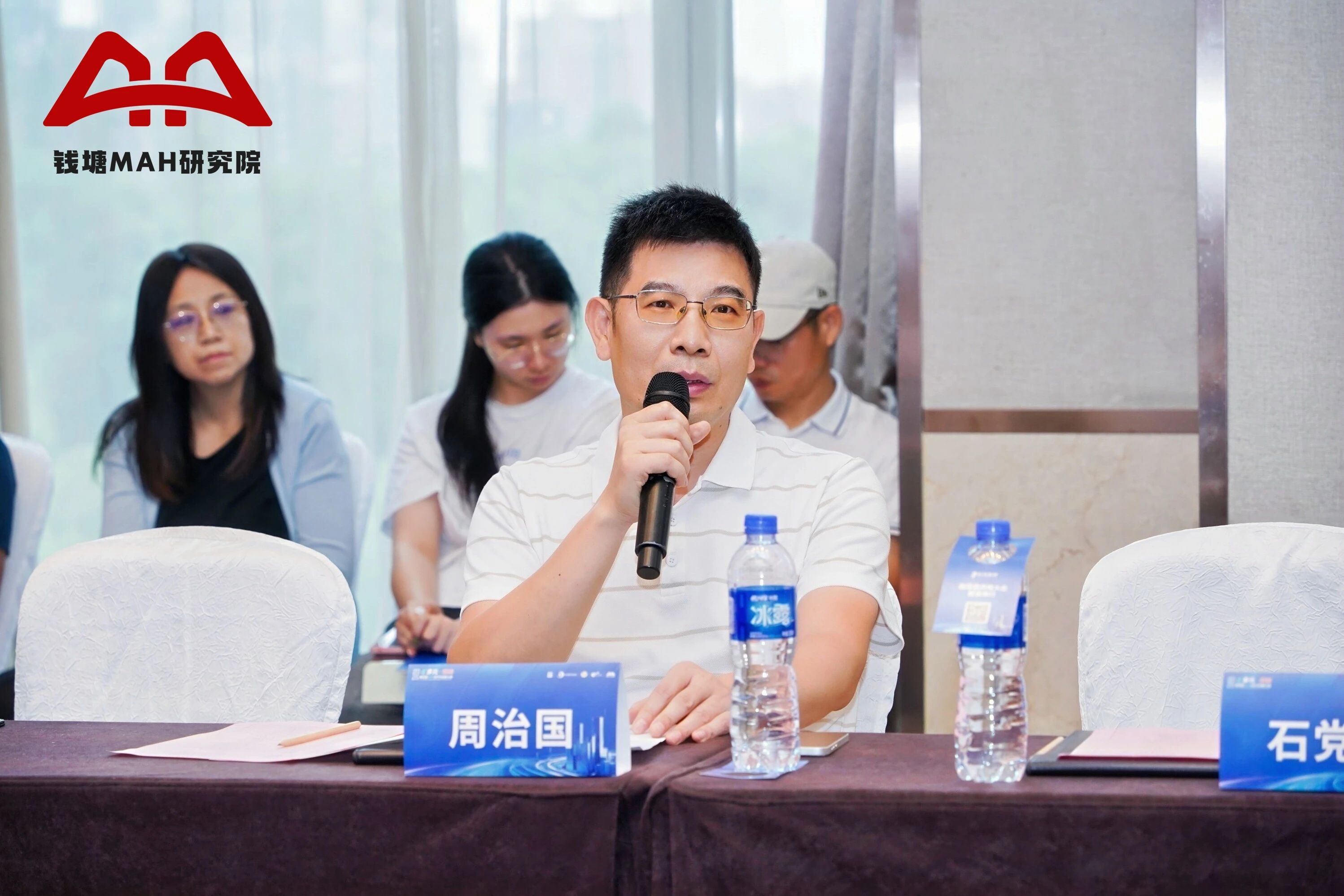
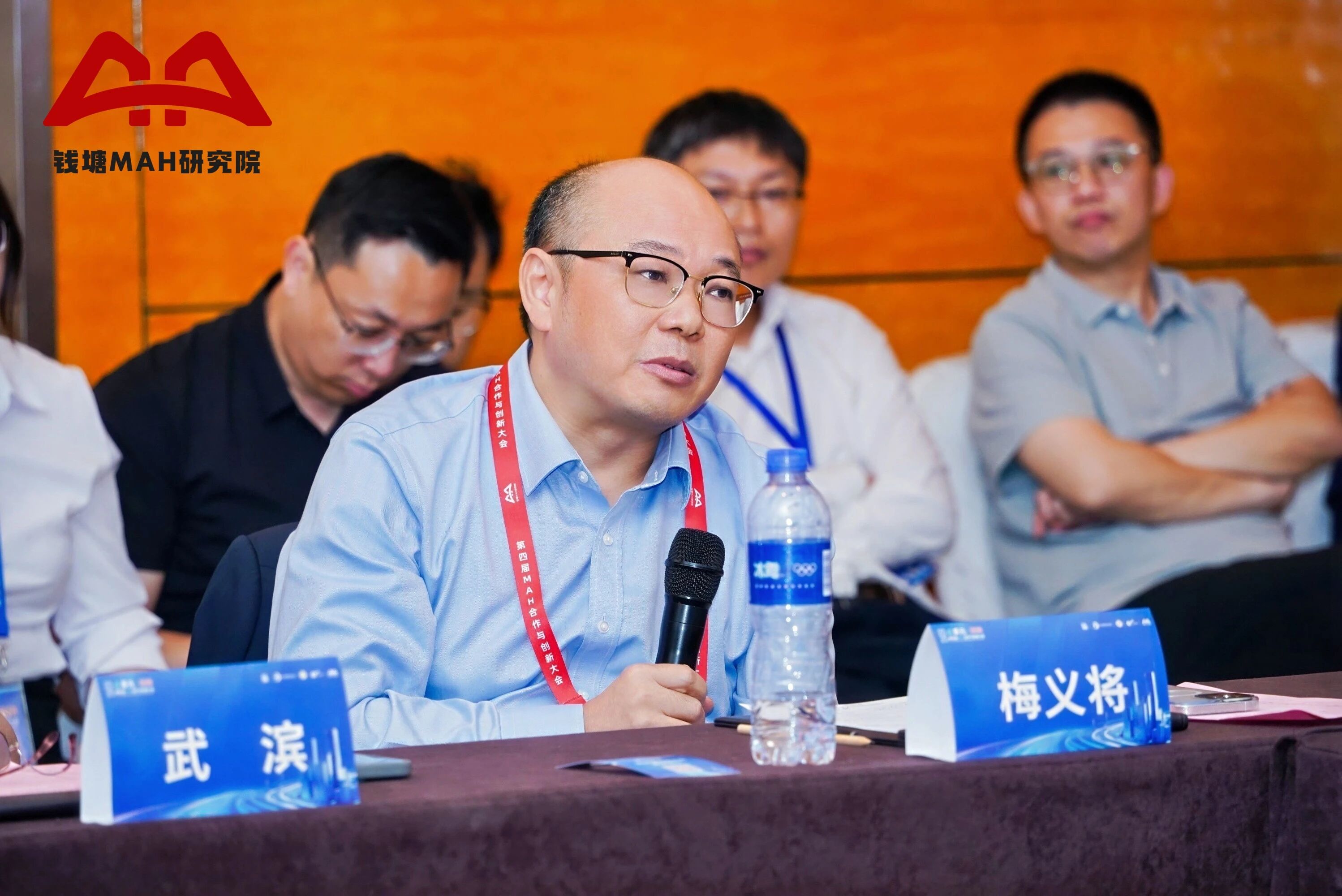
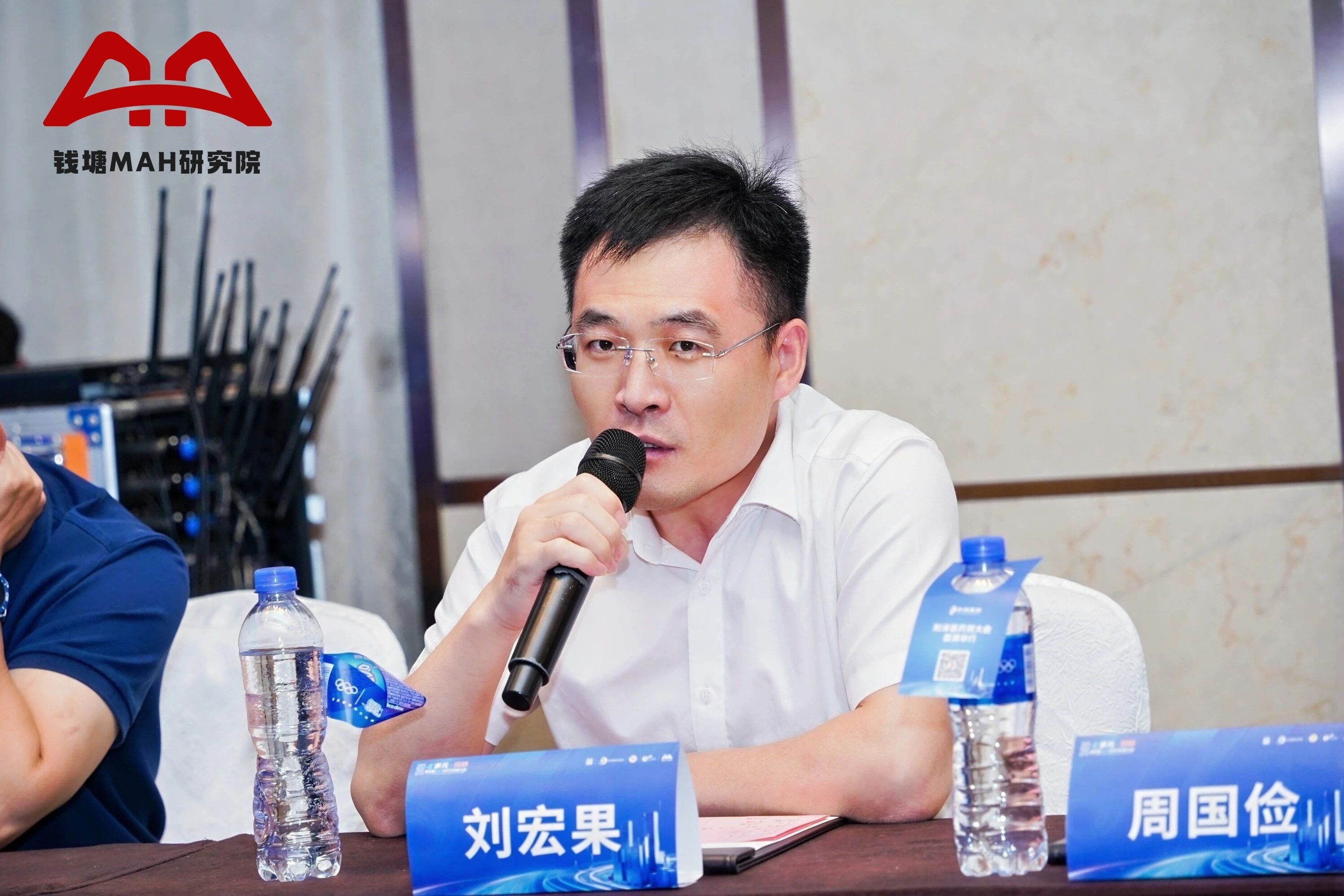
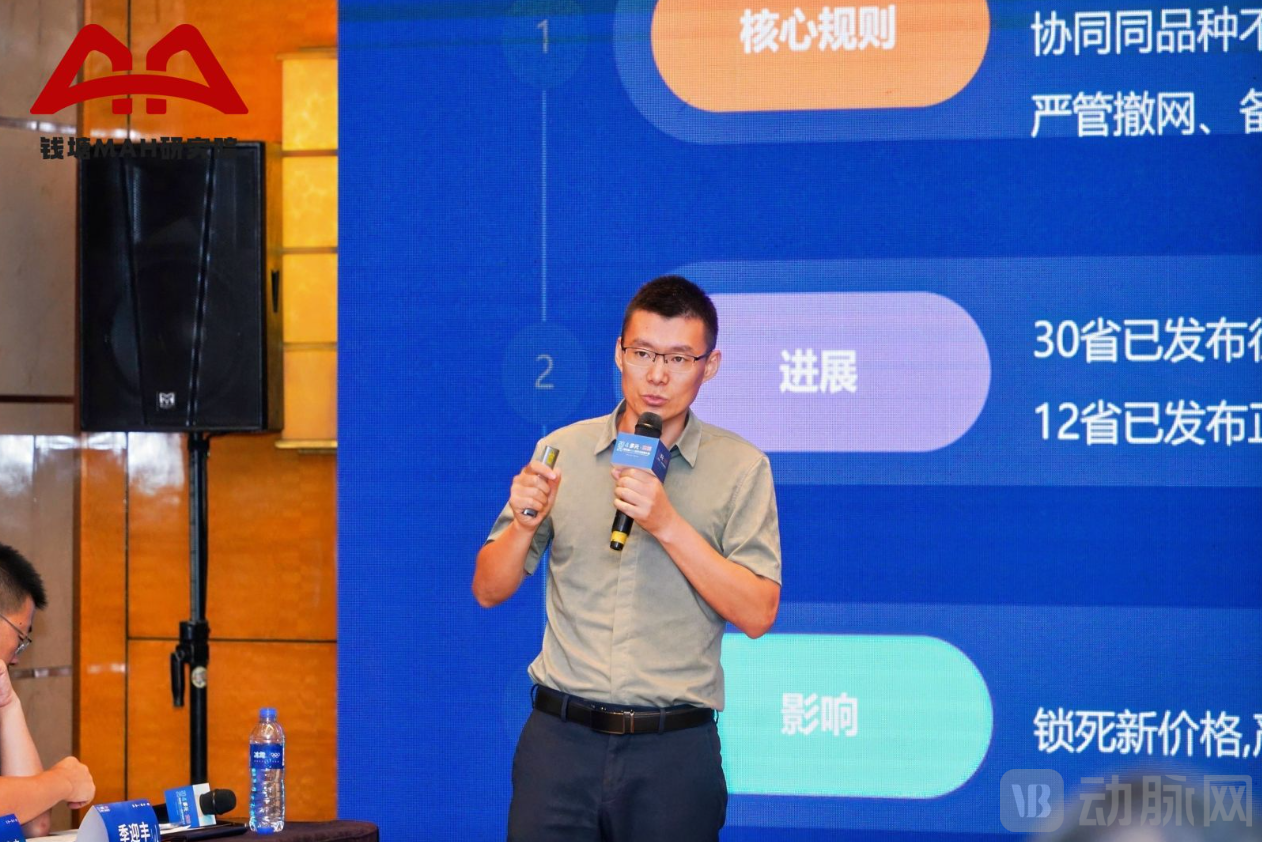
The first day’s agenda closely followed the core theme of “AI × Pharmaceutical Industry,” unfolding across the entire value chain from frontier technologies and international cooperation to industrial ecosystems. Whether through in-depth reflections on the clinical implementation of AI or pragmatic discussions on traditional Chinese medicine, CXO, and generic drugs, the sessions embodied the overarching logic of “innovation–quality–internationalization” under the Marketing Authorization Holder (MAH) system.
Industry insiders widely regard the conference not only as a “bellwether” for the pharmaceutical industry but also as a platform for cross-sector collaboration. The deep integration of AI, synthetic biology, and international cooperation is opening up new growth spaces for China’s pharmaceutical industry.
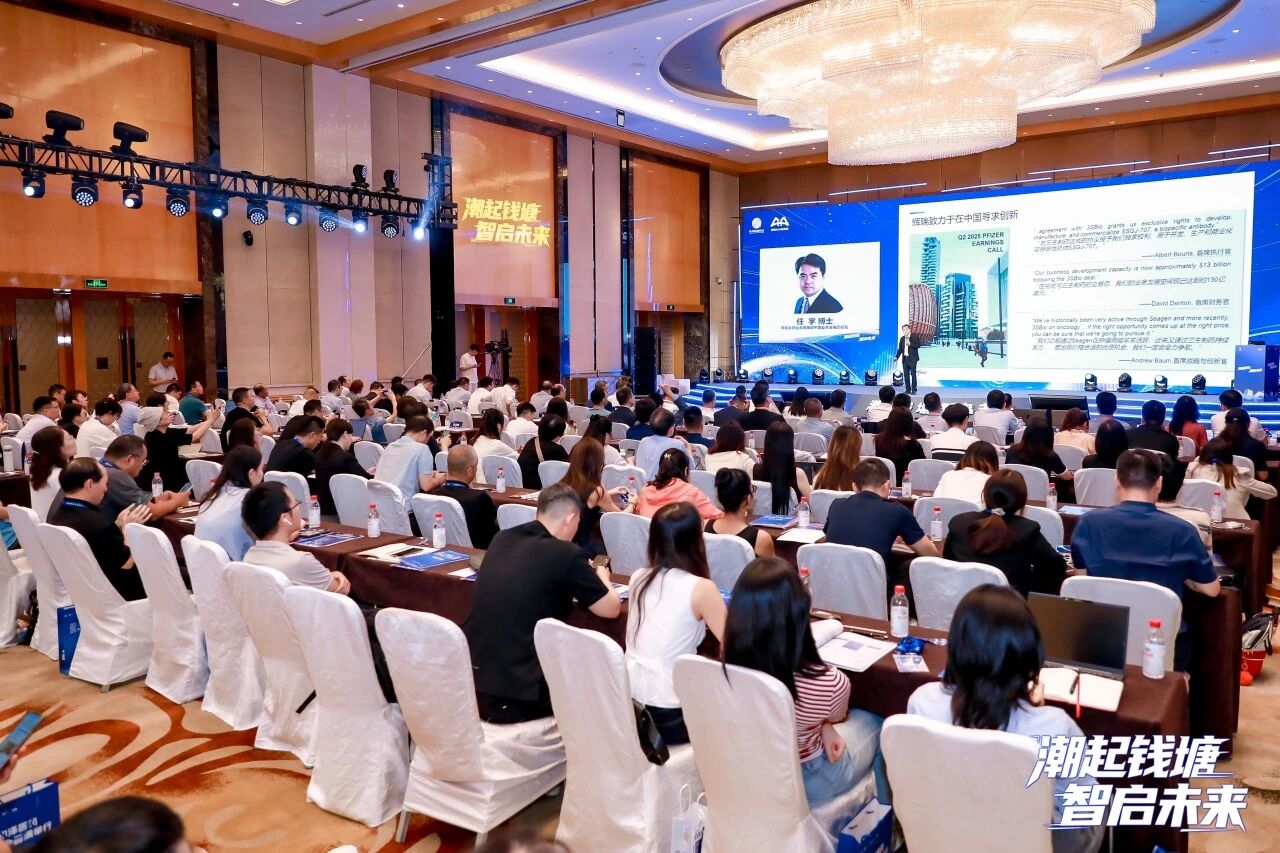
Since the inaugural MAH Collaboration and Innovation Conference was held in 2022, this industry event, rooted in Qiantang, has spanned four years. Over this period, Qiantang has emerged as one of the key sources of innovation for the Marketing Authorization Holder (MAH) system. The district has focused on pioneering trials of the MAH system, issuing China’s first Type B Manufacturing License, and establishing the Zhejiang Provincial MAH Translation Platform and the MAH Research Institute. These efforts have attracted more than 100 high-quality license-holding enterprises to settle in the area, fully integrating the entire “R&D–production–sales” chain. Furthermore, in recent years, Qiantang has leveraged its first-mover advantage in “AI + Biopharmaceuticals” by forming the “AI Smart Drug Discovery” Innovation Consortium and building a series of innovative platforms, such as the AI-Driven One-Stop Drug Design and Optimization Platform at the Zhejiang University Institute of Intelligent Pharmaceutical Research. This has established a strategic application layout across key segments of the industrial chain, including AI-enabled new drug development and biomanufacturing.
Highlights