

Reverse-Engineered Innovation: Rewriting the Millennia-Old Artemisia Annua Legend — Conversion Insights from the Plant Biotechnology Research Center of Shanghai Jiao Tong University
“Take one handful of Qinghao (Artemisia annua), steep it in two sheng of water, wring out the juice, and drink it all.” The story of a single Qinghao plant has been written over a millennium, from ancient times to the present.
For the Plant Biotechnology Research Center at Shanghai Jiao Tong University, Artemisia annua is not only a legend but also the origin of its development. As the founding director, Professor Tang Kexuan succeeded Academician Tan Jiazhen. Under his leadership, the team produced the world’s first high-resolution genome map of the medicinal plant Artemisia annua, thereby advancing the field of herbal genomics.
In 2001, when synthetic biology and gene-editing technologies were still in their infancy, Shanghai Jiao Tong University, Fudan University, and the University of Nottingham jointly established the Center for Plant Biotechnology Research.
Among the 985 universities at that time, few had agricultural disciplines. On September 1, 1999, the Shanghai Municipal People’s Government integrated Shanghai Agricultural College entirely into Shanghai Jiao Tong University, which is directly affiliated with the Ministry of Education. The “College of Agriculture, Shanghai Jiao Tong University” was established, making it the only top-tier 985 university with a complete college of agriculture at that time.
Thus, leveraging the School of Agriculture at Shanghai Jiao Tong University, the Plant Biotechnology Research Center was established. At the time, the Center aimed to utilize advanced synthetic biology technologies to produce natural, rare plant-derived ingredients and develop breeding strategies that enable higher yields on limited arable land, thereby providing high-quality plant-based raw materials for industries such as daily chemicals and healthcare.
“It’s understandable from the name of his school—the School of Agriculture and Biology,” said Executive Director Li Lei. They aim to narrow the efficiency gap between traditional agriculture and industry through biotechnology, leveraging gene editing and synthetic biology to achieve near-industrial-level yields on limited land.
The Trilogy: How a Research Organization Promotes Industrial R&D
Influenced by Academician Jia Zhen Tan, many of Academician Kexuan Tang’s research endeavors have found applications in pharmaceuticals. Consequently, the Research Center has focused more on medicinal plants, with Artemisia annua (sweet wormwood) being one of the most representative species. Centered on research into Artemisia annua, the Research Center has established a complete chain over the past two decades, encompassing “basic research–variety improvement–new drug development–industrial implementation.”
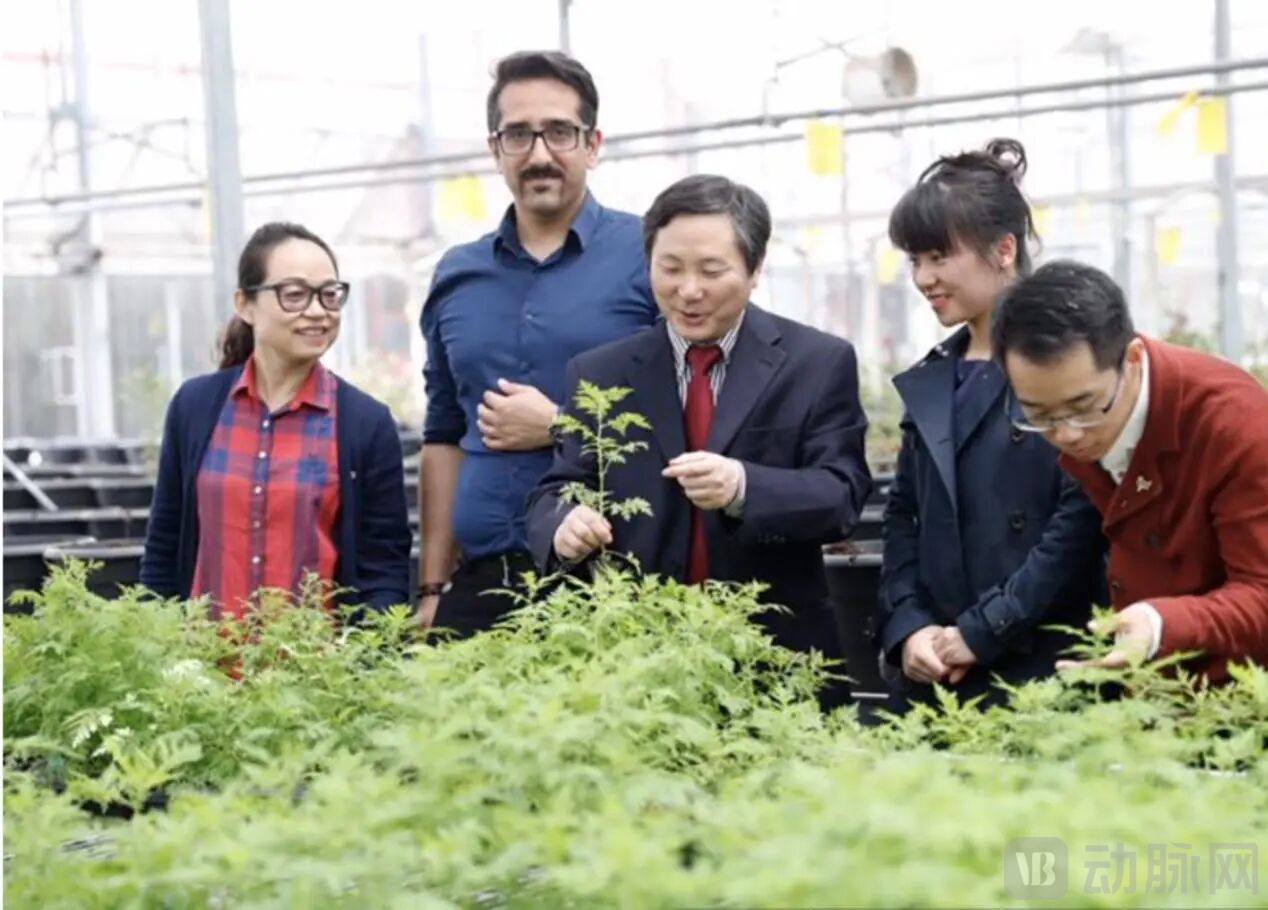
Photo from the Plant Biotechnology Research Center of Shanghai Jiao Tong University, with Academician Tang Kexuan introducing *Artemisia annua*.
Reflecting on the journey from research to industrial application, Li Lei believes that the core lies in a shift in mindset: moving away from the approach of simply turning papers into money, and toward market-demand-driven reverse R&D.
1. Short-Term Value: Reverse Engineering to Address Industry Challenges
“We place particular emphasis on a term called ‘scenario development,’” Li Lei explained.
In recent years, in addition to its continuous investment in research and development, the Research Center has also conducted extensive market research over the past two years. The entities surveyed were primarily brand owners and channel partners across various end-user sectors, encompassing not only pharmaceutical companies but also those in the daily chemical, food, and even apparel industries. Among these interactions, the question most frequently raised by Li Lei was: “What does the market need?”
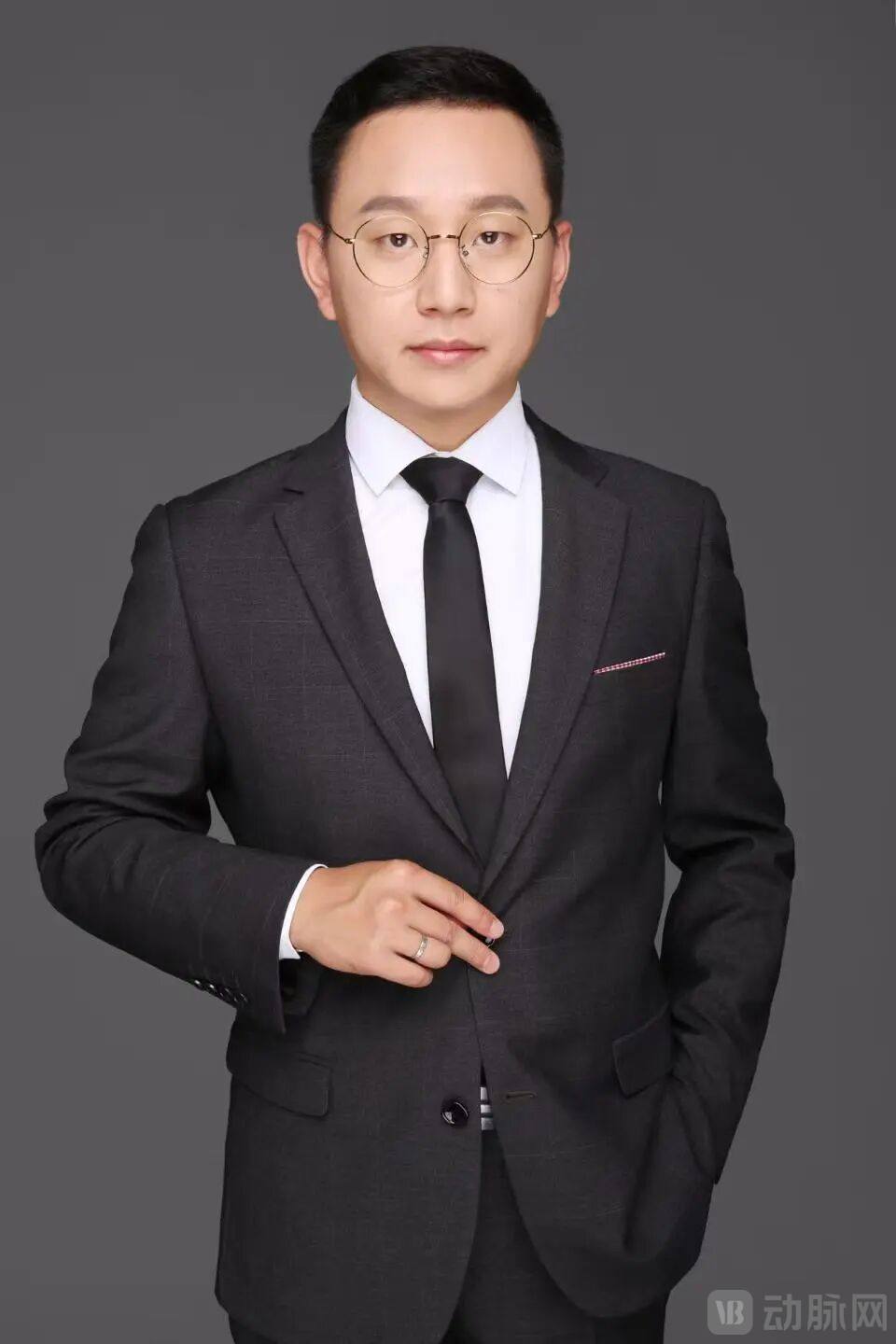
Li Lei, Executive Director of the Plant Biotechnology Research Center at Shanghai Jiao Tong University
Typically, the logic of scientific and technological translation follows a path that starts with existing laboratory achievements and then considers which market problems they can solve. However, after conducting extensive research and on-site interviews, Li Lei believes that proactively aligning with the market and listening to market demands can provide R&D with clear direction, thereby shortening the translation cycle.
Take the collaboration between the research center and the personal care brand Shu Xiaodou as an example. As a biotechnology company, they naturally possess knowledge of gene editing and biosynthesis technologies and their related applications. Therefore, during their initial contact with the research center, the company did not inquire about which technologies and achievements were available for commercialization; instead, it sought to understand the specific outcomes achieved by the research center through the application of these two technologies.
“Normally, we assumed that companies would first inquire about the R&D catalog,” Li Lei recalled. It was this very interaction that made him realize that corporate priorities might differ from original assumptions. Different enterprises serve different markets and cater to distinct user groups. Therefore, in the product development process, companies must first consider user needs and application scenarios, then identify potential solutions, and proceed with reverse engineering based on these insights.
Taking Shu Xiaodou as an example, its primary customer base consists of adolescents aged 14 to 20. Given that individuals in this age group are undergoing physical development and have unstable metabolic systems, some may experience acne and a series of related conditions triggered by it.
“From a pathological perspective, this is a minor issue, but its impact is actually quite extensive,” said Li Lei. In the field of dermatology, acne vulgaris is not a difficult problem to resolve; however, the psychological issues triggered by acne can potentially cast a shadow over and impose a burden on adolescents’ mental well-being. Addressing this population and the challenges they face, Shu Xiaodou proposed the slogan “Love Acne in Youth,” linking acne with adolescence and advocating the concept of accepting acne and embracing the teenage years. The approach emphasizes maintaining a peaceful mindset first before seeking solutions.
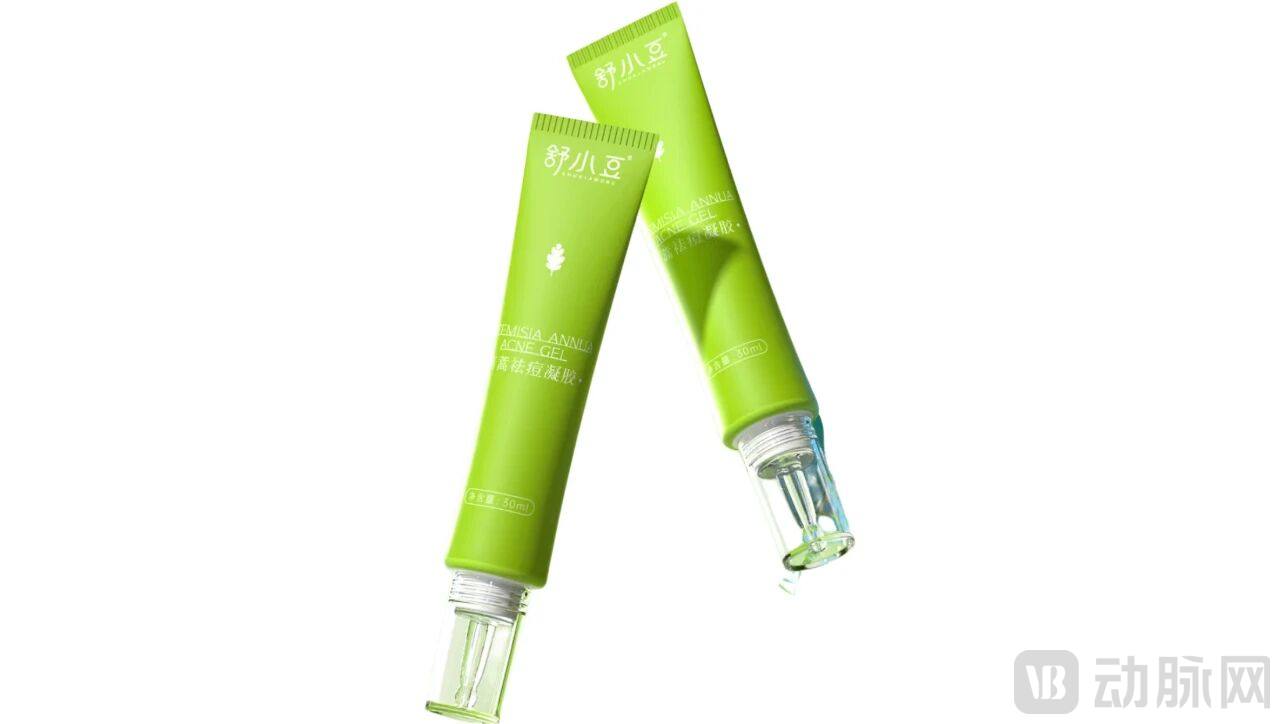
Guided by this philosophy, Shu Xiaodou advocates for avoiding excessive pharmaceutical intervention and promotes natural skin development. In this context, the brand seeks to identify ancient formulas that are rooted in traditional Chinese culture and capable of alleviating acne and skin inflammation. With a 2,000-year history of medicinal application, Artemisia annua (Qinghao) embodies both the historical depth of traditional culture and immunomodulatory efficacy, aligning perfectly with Shu Xiaodou’s core values.
“This can all be deduced in reverse,” he explained. Drawing on this collaborative experience, Li Lei has developed a methodology that extends the exploration of translational scenarios beyond existing research. Even in areas not yet covered by current studies, they are able to work backward—through dialogue with manufacturers and brand owners and by exploring application scenarios—to determine the technologies and ingredients required for products, as well as to define the value that the research center can deliver in this process.
He refers to this process as reverse R&D.
In Li Lei’s view, if R&D teams do not engage with users within actual usage scenarios, the information they gather will inevitably lack authenticity. In some cases, product requirements may even follow two distinct tracks—overt and covert. Taking the collaboration between the Research Center and a certain sleep brand as an example, the two parties jointly developed a soothing product aimed at male prostatitis. From a conventional standpoint, the target audience for this product would be prostatitis patients, and its application scenario would fall within the health care sector. However, in practice, the product was ultimately positioned in a markedly different application scenario: the sleep context.
“It is usually difficult for people to draw a connection between the two,” pointed out Li Lei. As life expectancy increases, the issue of population aging has become increasingly prominent. Similarly, age-related organ degeneration has gradually emerged as a widespread societal concern. Among men aged 60 and above, urological diseases are particularly prevalent, with frequent nocturia severely impairing their sleep quality.
It is precisely for this reason that the brand closely links urinary system diseases with sleep quality and proposes corresponding solutions centered around “quality sleep.”
“Given the multitude of factors contributing to poor sleep quality, the solutions we offer for this application scenario are inevitably diverse,” pointed out Li Lei.
Taking this as an example, similar application scenarios abound across various human body systems. Co-creation targeting these scenarios is therefore particularly crucial. It was revealed that the Research Center plans to establish a dedicated Industrial Research Institute this year, aiming to conduct co-creative research focused on unmet needs in the market.
2. Long-Term Value: Building a Corporate Moat Through “Unique” Innovation
User-friendly application scenarios, while attracting consumers, will inevitably draw in more channel partners. For enterprises that enter these application scenarios early, building industry barriers is equivalent to establishing a moat for corporate development.
“Often, the root cause of weak corporate competitiveness lies in innovation that lacks a solid foundation,” pointed out Li Lei. Companies struggle to establish advantages in the areas of germplasm and seedlings. However, the technical guidance provided by the research center not only assists them with ingredient verification—offering scientific explanations and endorsements—but also grants them significant advantages in channel expansion and consumer perception.
Taking the collaboration with a biotechnology company in Ningbo as an example, the milk thistle seed oil generated during its production process was typically discarded as fertilizer prior to partnering with the research center. However, following the establishment of this partnership, it was discovered that the by-product contains substantial amounts of pharmacologically active ingredients.
“Although the product was not independently developed by the research center, we are able to provide enterprises with scientific evidence and optimization solutions during the ‘R&D 2.0’ phase,” he stated.
In this process, gene editing and plant synthesis technologies primarily deliver long-term value to enterprises. Once a product or ingredient is successfully launched, numerous imitators will inevitably emerge in the market. To maintain a competitive advantage, companies must continuously optimize and innovate.
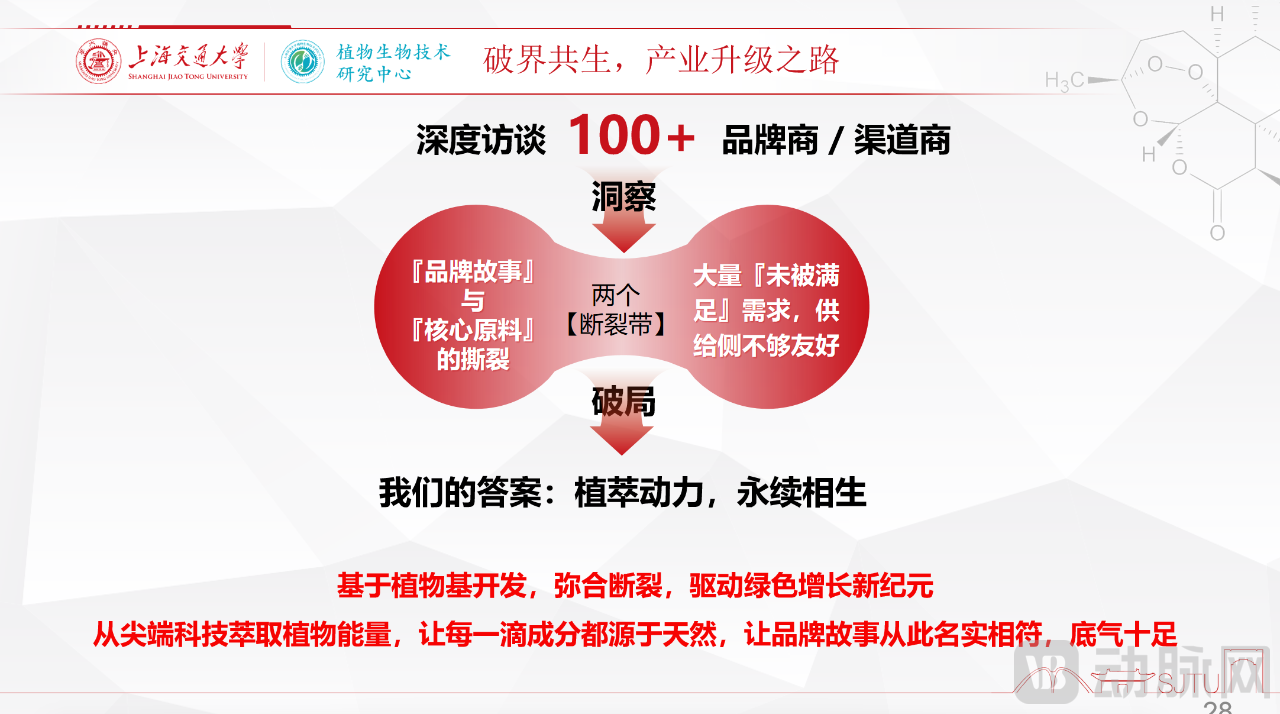
“This is the long-term value we bring to enterprises,” he stated. He elaborated on the research center’s advantages and foundational infrastructure in advancing the modernization of Traditional Chinese Medicine (TCM) and establishing a cornerstone for corporate innovation, covering aspects such as digital dissemination, science popularization, and modern scientific evidence. He emphasized that competition based on long-termism revolves around offering “unique differentiators,” thereby collaboratively building intellectual property (IP).
3. Multi-party collaboration to jointly build a regional industrial ecosystem
Whether it is artemisinin or mugwort, the Research Center has accumulated a substantial foundation of research and extensive germplasm resources, capable of supporting enterprises’ short-term innovation and long-term development.
“For local governments, this is undoubtedly also a favorable condition for attracting businesses to establish operations and commence production,” stated Li Lei. Driven by ecological and environmental considerations, both international brands and leading Chinese enterprises are actively advancing the implementation of ESG (Environmental, Social, and Governance) principles, with naturally derived ingredients gradually replacing chemical-based materials. Among naturally derived materials, plant-based materials account for a significant proportion.
As a leader in the field of plant biology research, the research center is undoubtedly a powerful engine for local governments to attract investment and intellectual resources from a technical support perspective. For local governments, the establishment of giant enterprises often involves the linkage effect of the primary, secondary, and tertiary industries. Meanwhile, the introduction of universities and laboratories can bring advantages in extraction processes and germplasm resources. By simultaneously pursuing investment attraction and talent acquisition, research institutions have become a key combined force for local governments in promoting industry-finance integration and industrial belt development.
“This effect is particularly pronounced in the central and western regions, where agriculture is the leading industry,” he said.
Writing the Plant-Based Story Across More Fields
"Built on a solid foundation of reverse R&D and long-term value discovery, the Research Center has achieved remarkable results in both academia and industry, and has received funding from the Bill & Melinda Gates Foundation twice in a row."
During a two-hour conversation, Li Lei’s discussion consistently revolved around the market and consumers. He believes that the key to translating scientific and technological achievements into practical applications lies in the market. Rather than short-term collaborations, he prefers partnerships between research institutions and enterprises that involve mutual binding and shared growth.
“This is a manifestation of long-termism; we need like-minded partners,” said Li Lei.
Over the past two decades of exploration and practice, the research center has established a solid foundation of hard power in industrial collaboration. Looking ahead, Li Lei expects to achieve gradual improvements in soft power as well.
On one hand, he expects the research center to break through more industrial boundaries. In the past, collaborations were mainly concentrated in the pharmaceutical field, showing a scattered distribution, while Li Lei hopes to establish extensive exploration across different scenarios and fields.
On the other hand, there is a systematic review of past history, achievements, and methodologies. He aims to bring the research center’s accomplishments to a broader stage, enabling more peers in academia and industry to recognize and understand the center, thereby enhancing its visibility and influence.
During the China Beauty Expo (Shanghai) held several months ago, the Research Center, as the organizer, successfully hosted the “Forum on ‘Intriguing’ Scenario Development for Plant-Based Ingredients.” The forum invited over 100 founders and executives from brands, retail chains, and ingredient suppliers, along with experts and scholars from renowned universities and research institutions, to engage in in-depth discussions on the development of plant-based matrix scenarios. Such dialogues are expected to continue in the future and gradually expand into more fields, leveraging plant-based ingredients and plant biology research to craft further industry narratives.