White Paper on China's Longevity Medicine and Anti-Aging Industry: In-Depth Analysis of 47 Leading Institutions and Six Differentiated Longevity Care Models
The era of “merely extending lifespan” has passed; how to extend “healthspan”—that is, the number of years lived in good health—has become one of the most pressing social issues under the “Healthy China” strategy. This context has spurred reflection on the traditional disease-treatment-centered healthcare model and driven substantial market demand for aging management and longevity services.
The “Healthy China 2030” Planning Outline, along with a series of subsequent policies, has provided important strategic guidance and policy impetus for the development of longevity clinics and the aging management industry. The implementation of these policies has not only offered direction for meeting the growing health needs of the elderly population but also created a favorable environment for the standardized and large-scale development of the market for longevity clinics and aging management services.
This report is jointly authored by TimePie and VBInsight, focusing on the entire industry chain of longevity medicine and aging management in China. The scope of research covers upstream core technological products and downstream public and private diagnostic and treatment service institutions. To ensure the professionalism and objectivity of the content, this report is based on in-depth desk research of more than 40 representative domestic and international longevity clinics, interviews with over a dozen core industry executives and clinical experts, and a systematic review of cutting-edge scientific literature.
Based on this, the report distills the following core conclusions:
Dual-Track Development, Model Divergence: China’s longevity medicine industry is exhibiting a dual-track development pattern characterized by “public-sector foundation-building and private-sector exploration.” Public hospitals, leveraging their strengths in scientific research and credibility, serve as the industry’s stabilizing anchor, while private institutions lead innovation in service models through flexible, market-oriented operations.
Value Leapfrog, Cycle Is King: The true watershed for the industry lies in whether it can achieve a model upgrade from “project-based sales” to “data-driven full-cycle health management,” which is also the core of building long-term commercial value for institutions. Successful institutions are no longer selling one-off services but are managing and monetizing customers’ health timelines.
Ecological Integration: An Irresistible Trend: The future success of the industry will depend not only on breakthroughs in individual upstream technologies, but more critically on the ability of downstream service providers to integrate these technologies, streamline payment processes, and achieve deep integration with ecosystem partners such as insurance companies, real estate developers, health examination centers, and medical aesthetics providers.
The following is an excerpt from the white paper:
Longevity medicine shifts the focus of intervention from downstream single diseases to the upstream aging process itself. By leveraging multi-dimensional data (such as multi-omics, physiological age clocks, and disease or aging biomarkers) and advanced technologies like regenerative medicine, it covers multiple aspects of personal health management, including detection, prevention, and treatment. Through early personalized precision assessment, proactive intervention, and continuous monitoring, longevity medicine aims to prevent, avoid, and delay age-related physiological decline and the onset of diseases.
It is worth noting that, as an interdisciplinary field focused on the mechanisms of aging, longevity medicine shares technological overlaps and goal-related connections with geriatrics, medical aesthetics for anti-aging, and preventive healthcare (“treating potential diseases before they occur”). However, there are distinct differences in their core logic and practical boundaries. Currently, conceptual confusion often arises within the industry due to intersecting technical approaches and partially overlapping objectives, leading to delayed interventions or deviations in direction. Therefore, it is urgent to clarify the definition and boundaries of longevity medicine.
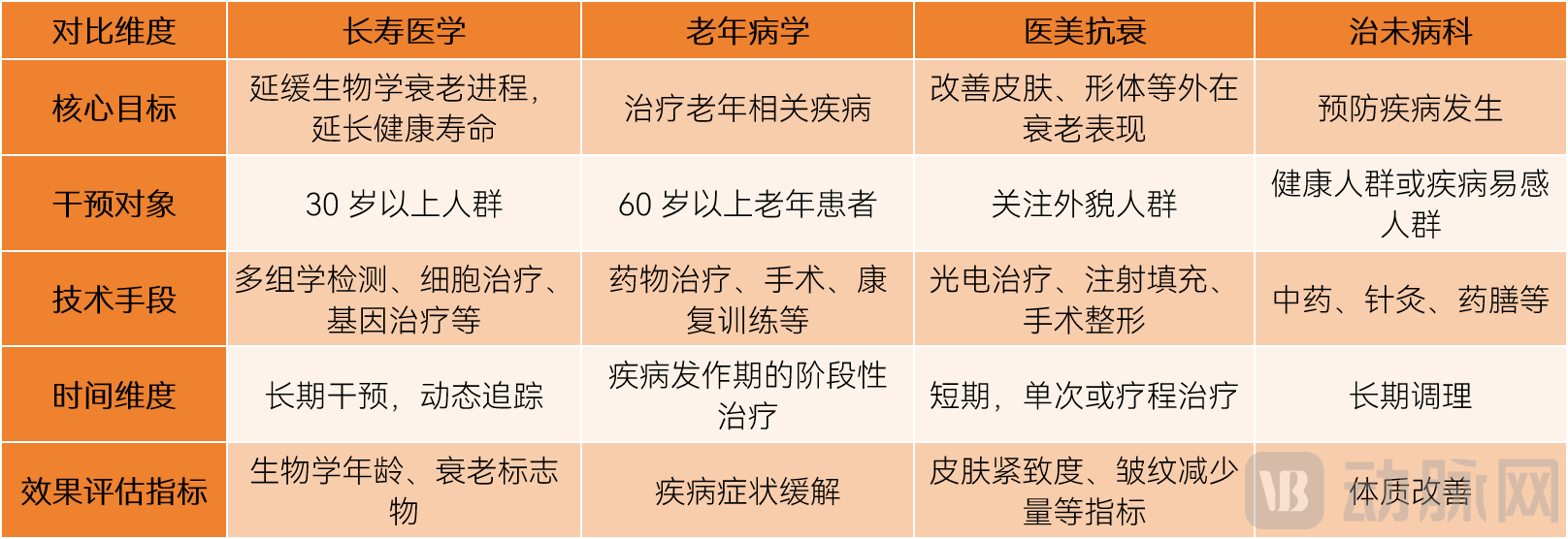
Comparison of Longevity Medicine with Related Disciplines
The distinction between longevity medicine and the diagnosis and treatment of geriatric diseases lies in their core logic and timing of intervention.Geriatric diagnosis and treatment emphasize comprehensive geriatric assessment and multimorbidity management, focusing on the elderly population aged 60 and above. Longevity medicine targets individuals aged 30 and older, with “health interventions” at its core, aiming to extend healthspan rather than merely addressing established age-related diseases. Confusing these two approaches may lead to delayed interventions, causing patients to miss the optimal window for modulating aging.
Longevity Medicine and Medical Aesthetics for Anti-Aging Differ Fundamentally in Their Depth of Understanding of Aging.Aesthetic anti-aging treatments aim to rejuvenate the skin, focusing on improving external signs such as skin laxity and wrinkles. Longevity medicine, by contrast, targets the regulation of intrinsic aging mechanisms; while it considers skin condition, it places greater emphasis on deeper physiological indicators, including visceral function and immune status.
There are differences in theoretical foundations and technical approaches between Longevity Medicine and the Department of Preventive Treatment of Disease."Preventive treatment of disease" is based on Traditional Chinese Medicine (TCM) theory, utilizing interventions such as herbal medicine and acupuncture to prevent diseases. Longevity medicine is grounded in molecular mechanisms including cellular senescence theory and the telomere hypothesis, integrating multi-omics testing, regenerative medicine, and senolytic therapies to assess and delay aging.
Overall, the defining characteristic of longevity medicine lies in treating “aging” as an independent target for intervention. Its capacity to conduct precise assessments and implement systematic interventions in the aging process is difficult for other disciplines to replicate.
The booming development of the longevity medicine industry is closely intertwined with factors such as policy, demographic shifts, health consumption awareness, and functional medicine. Demographic changes and heightened health consumption awareness belong to the demand side, providing a continuous stream of momentum for the growth of longevity medicine. Functional medicine falls on the supply side, offering methodological frameworks and technical service support for longevity medicine. Policies span both supply and demand sides, simultaneously stimulating demand and strengthening supply.
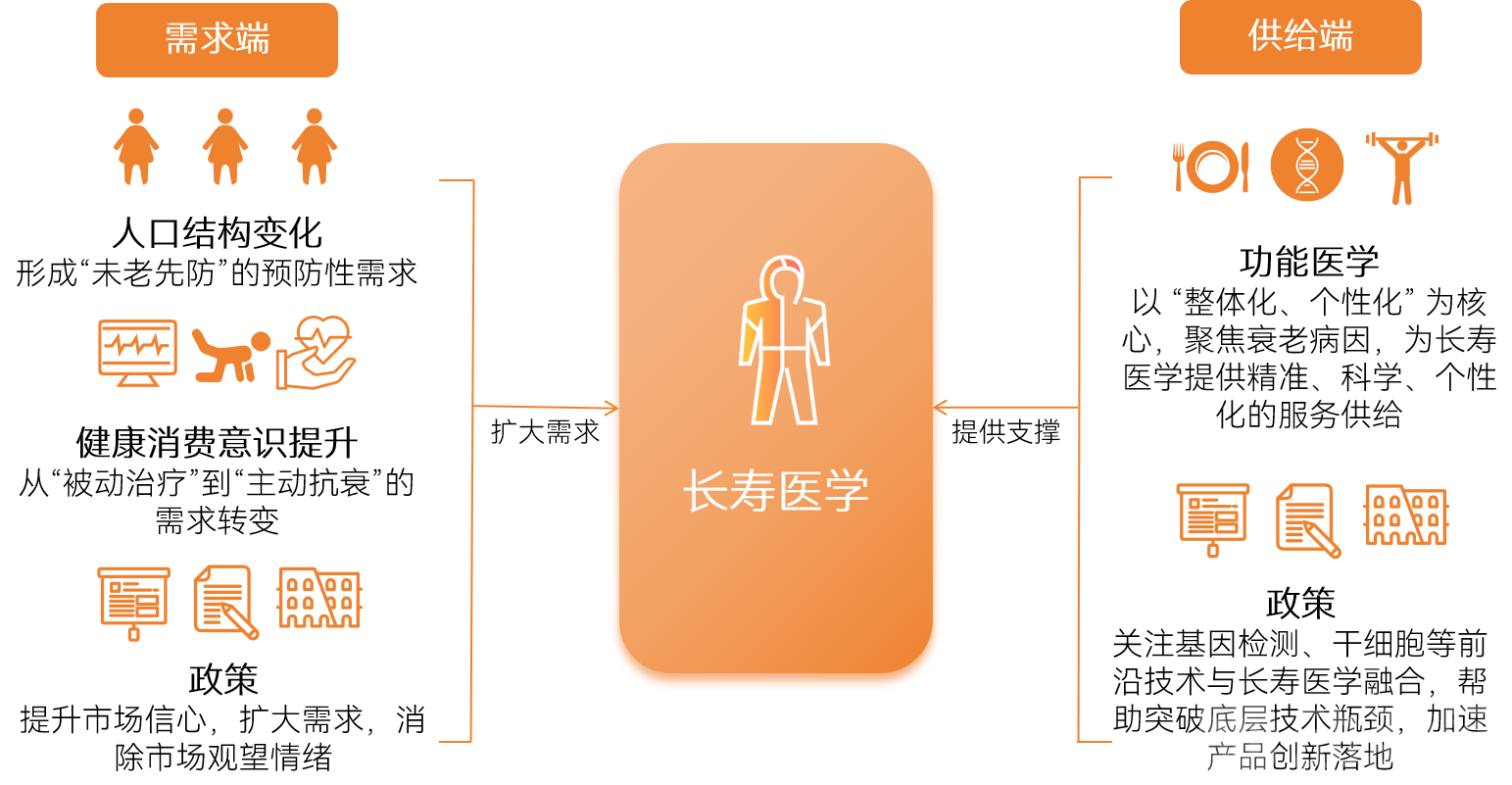
Four Key Factors Form a Supply-Demand Closed Loop, Driving the Rapid Development of Longevity Medicine
Among them,Functional Medicine Is Leading the Development of Longevity Medicine.The core philosophy of functional medicine lies in identifying the root causes of disease. By systematically analyzing the complex interplay among genetic, environmental, and lifestyle factors, it seeks to understand the entire continuum from functional imbalance to pathological changes. This cause-oriented approach aligns closely with the multifactorial nature of aging itself. Rather than serving as a standalone theory of aging, functional medicine provides a practical clinical application framework, offering a systematic methodology for the practice of longevity medicine.
When this framework is rigorously applied to aging management, it naturally evolves into a comprehensive logical chain encompassing mechanism mapping, stratified assessment, evidence-based interventions, and dynamic follow-up.
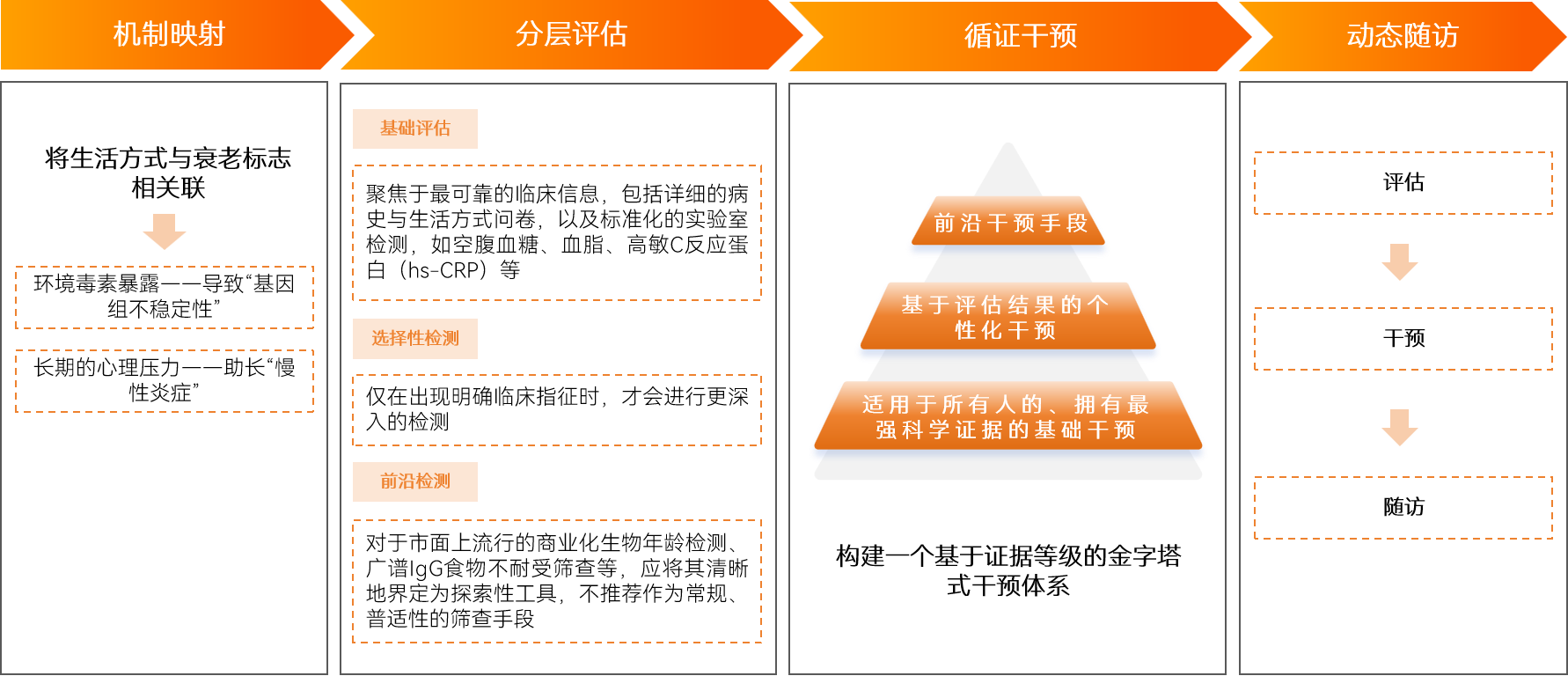
The Connection Between Functional Medicine and Longevity Medicine
In recent years, the concept of longevity medicine has gained increasing popularity in China. The industry chain is undergoing rapid development, forming a pattern of coordinated growth across upstream, midstream, and downstream sectors, with participating entities becoming increasingly diverse.
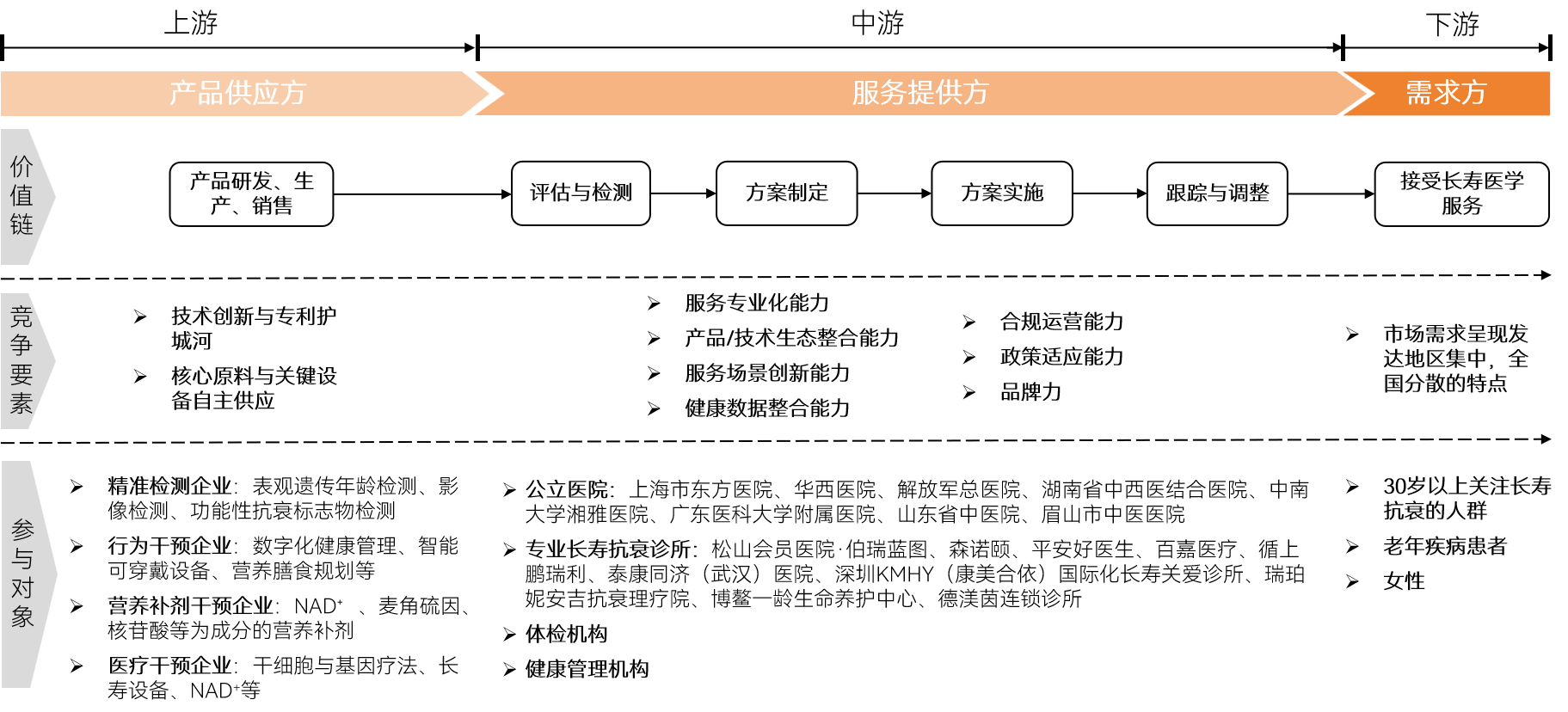
Longevity Medicine Industry Chain
Exploring Models and Redefining Boundaries: The Landscape of China’s Longevity Diagnosis and Treatment Industry Takes Shape
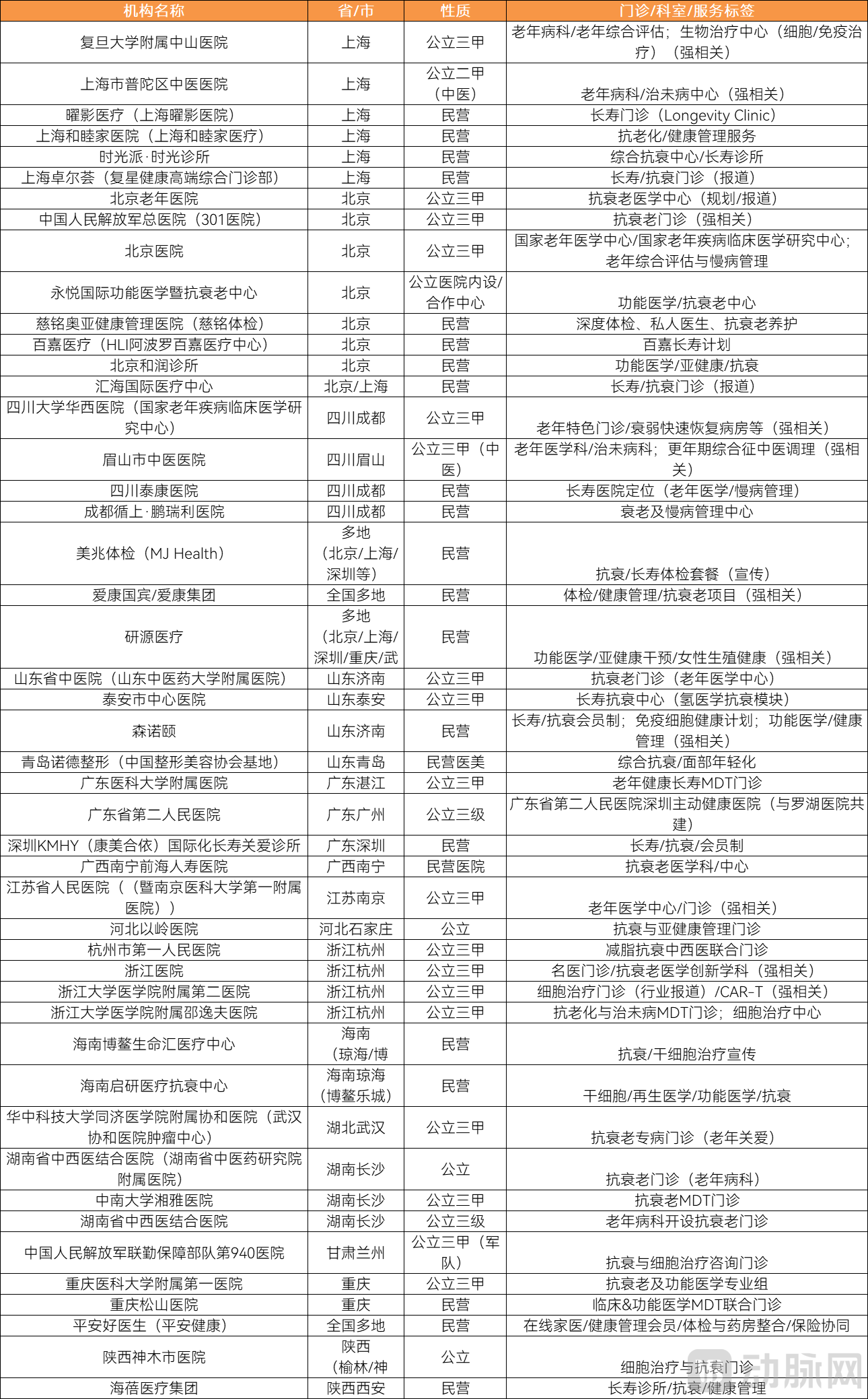
Panorama of Longevity Clinics in China
The above table covers public Grade-A tertiary hospitals and military hospitals, general/international medical centers, functional medicine/health management institutions, physical examination centers, and medical aesthetics and anti-aging institutions. The inclusion criteria are based on services publicly advertised by these institutions as “longevity/anti-aging/aging management/functional medicine,” etc. The data has been structurally organized and verified according to institutional nature, institution type, service tags, and levels of evidence sources. It is important to emphasize that this section aims to present a comprehensive market overview and does not constitute an endorsement of the regulatory compliance or therapeutic efficacy of all listed institutions.
Public and private sectors operate in parallel, but with different focuses:
The public healthcare system accounts for approximately 49% (23 out of 47 are public tertiary hospitals, etc.), entering the market through geriatrics, comprehensive geriatric assessment, multidisciplinary teams (MDT), and research platforms. The private and socially-run medical sector accounts for approximately 51% (24 out of 47) and is moving faster in functional medicine, bundled assessments, and continuous management.
“Longevity” Label Underutilized, with Fragmented Service Connotations:
Among the institutions listed in this section, only about one-third directly incorporate keywords such as “longevity” and “anti-aging” into the names of their outpatient clinics or centers. In fact, many institutions have already integrated longevity management practices into existing, more traditional departments. For example, aging assessment and intervention services may be offered within functional medicine centers, health management centers, geriatrics departments, or even cell therapy departments in hospitals.
This discrepancy between name and reality stems from the fact that longevity medicine remains an emerging interdisciplinary field. For most established medical institutions, a more feasible approach is not to establish a brand-new longevity/anti-aging center from scratch, but rather to integrate cutting-edge anti-aging concepts and technologies into their existing, mature disciplinary systems. Consequently, this inevitably raises an issue: patients and clients with relevant needs often find it difficult to determine whether an institution is involved in longevity medicine based solely on its name.
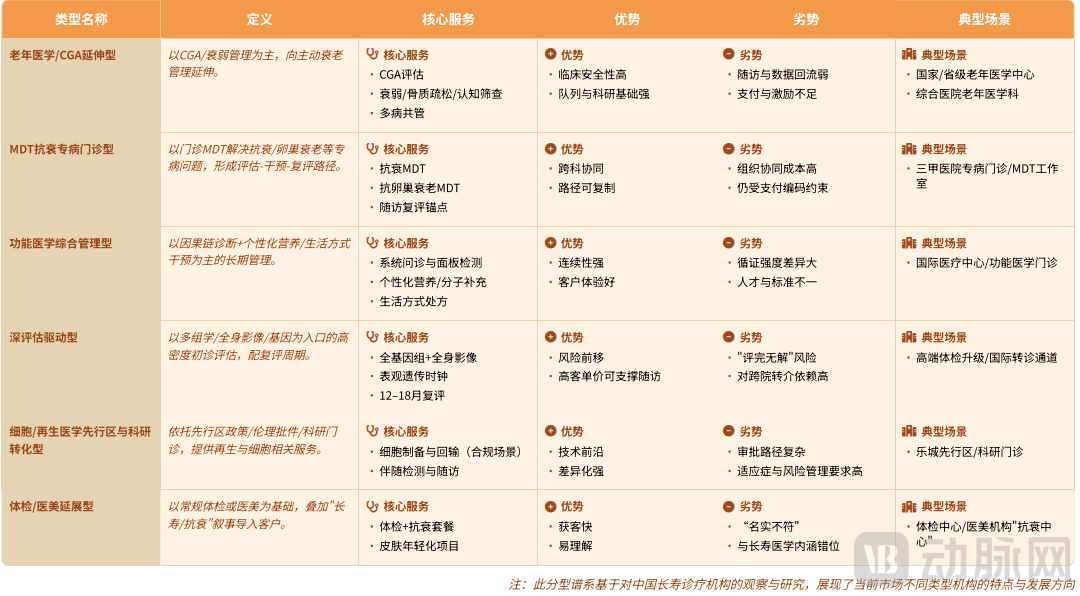
Six Types of Longevity Diagnosis and Treatment Institutions in China
Widespread Breakpoints in Service Closed-Loops:
Based on the service descriptions disclosed by more than 40 institutions, it is evident that many have invested substantial resources in conducting comprehensive and in-depth testing and assessments, positioning these as their core selling points. However, there is a widespread deficiency in their ability to deliver effective, sustained interventions based on assessment results and to track long-term outcomes. For most longevity clinics, the service chain is broken after the assessment or intervention phase, failing to establish a complete closed loop of “testing–intervention–feedback–adjustment.” Taking public hospitals as an example, patients can undergo professional assessments and receive initial interventions within the hospital setting, but continuous follow-up and data feedback become challenging after discharge. It is difficult for hospitals to systematically monitor whether patients’ lifestyles have improved or whether the interventions have been effective, thereby preventing the formation of a closed-loop service model.
Summary:
Based on an analysis of dozens of institutions, we have found that the current longevity clinic market in China lacks clear industry boundaries; rather, it is a complex ecosystem encompassing various types of institutions, characterized by two primary phenomena:
① The name is disconnected from the actual services provided,The names and promotional slogans of many institutions do not fully reflect the essence of the services they provide, with cases of “substance exceeding name” and “name exceeding substance” coexisting.
② Both the public and private pathways have their respective advantages and disadvantages,Public institutions are extending their focus from treatment to early intervention, operating with rigor but facing significant constraints; private institutions directly cater to market demands, offering flexibility but exhibiting uneven quality.
In summary, the industry’s watershed moment may hinge on the ability to transition from “project-based sales” to “full-cycle management.” In the future, successful longevity clinics, regardless of their name or nature, will be those capable of delivering a comprehensive service encompassing four key stages: “assessment–personalized intervention–continuous monitoring–outcome re-evaluation/dynamic adjustment.”
● Longevity Medicine Diagnosis and Treatment Models in Public Hospitals: Exploration and Boundaries by the “Regular Forces”
As the backbone of China’s healthcare system, large public hospitals play a foundational role in elderly health services. Guided by national policies, they are gradually expanding from traditional disease treatment to the broader field of aging management. Leveraging their robust research capabilities, clinical resources, and national-level credibility, these institutions have become an indispensable stabilizing force in the localized exploration of longevity medicine in China.
Fundamentals of the Public Healthcare System:
Discipline Positioning:The operational framework of public hospitals is jointly determined by their functional positioning in disease diagnosis and treatment and the regulatory system of health insurance payments. This structure dictates that the entry point for longevity medicine often needs to be integrated within the existing framework of geriatrics. Consequently, its clinical practice frequently serves as an extension of the “Comprehensive Geriatric Assessment (CGA) + Multidisciplinary Team (MDT)” model, focusing on early intervention for functional decline. Although the concept of “extending healthspan” has been introduced, it remains an incremental clinical practice within the current system and has not yet become the core objective driving disciplinary development.
Organization and Pathway:The typical pathway involves geriatrics leading the effort, with multidisciplinary outpatient clinics/wards and health management/examination centers facilitating referral collaboration. Some institutions have integrated examination data and follow-up data with outpatient Comprehensive Geriatric Assessment (CGA), establishing a closed loop of “assessment–intervention–reassessment.” However, most still focus primarily on research and single-disease management, resulting in an insufficient clinical closed loop.
Data & Research:National-level and provincial/ministerial-level platforms lead data collection, with their primary purpose still serving long-term scientific research projects. Therefore, data acquisition focuses on building large-scale cohorts and biobanks, emphasizing functional scores, imaging, and biochemical indicators. This research-oriented model has led to significant time lags in data analysis. As a result, although research data is abundant, it is difficult to translate into immediate clinical decision support for individual patients, causing a disconnect between research and clinical practice.
Payment and Operations:First, the prices set by the national service fee schedule for services such as Comprehensive Geriatric Assessment (CGA) and health management consultation are relatively low (typically only 10%–25% of those for imaging examinations, with variations across regions), failing to adequately reflect their core value in disease prevention and improvement of long-term health outcomes. This has directly led to an operational dilemma characterized by high time investment but low financial return. Under performance-based payment models such as Diagnosis-Related Groups (DRG) and Disease-Based Point Payment (DIP), departments that allocate core expert resources to conduct lengthy assessments and management receive significantly lower economic returns compared to other diagnostic and therapeutic services. This structural issue not only limits the incentive for departments to scale up such services but also weakens the attraction of this field to professional talent. Currently, commercial insurance has yet to establish a mature mechanism of paying for health outcomes, meaning that the bottleneck on the payer side is unlikely to be resolved externally in the short term.
Technology and Compliance:Cutting-edge tools such as stem cells and epigenetic clocks remain largely confined to scientific research or pilot programs in designated zones, with their routine clinical application within hospitals being highly cautious. Public messaging primarily focuses on geriatrics, chronic disease management, and functional enhancement to maintain medical rigor and distance itself from the commercialized concept of “anti-aging.”
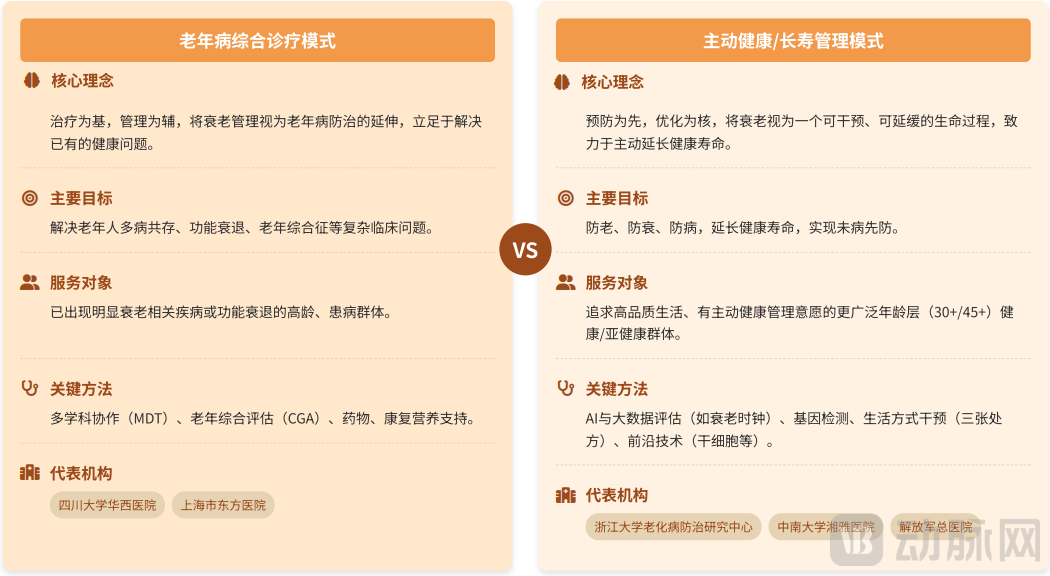
The Divergence of Two Core Models in Anti-Aging Diagnosis and Treatment at Public Hospitals
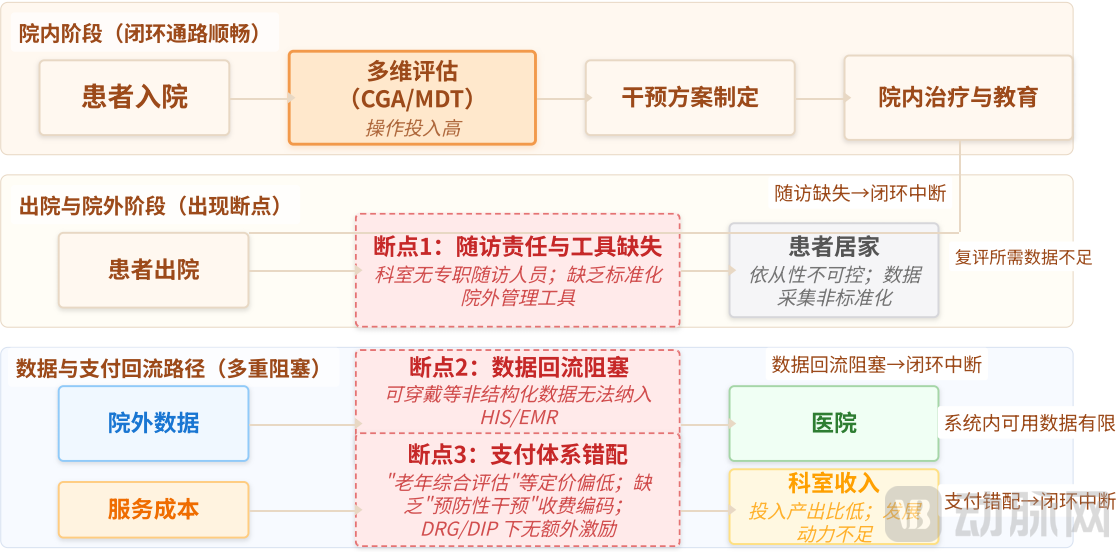
Bottleneck Mechanisms in the Closed-Loop Anti-Aging Services of Public Hospitals
Survey results from the “Initial Screening Appointment → Multidimensional Assessment → MDT → Intervention → Follow-up” workflow indicate that the most vulnerable links in public hospitals are follow-up care and data feedback. While assessment and multidisciplinary team (MDT) consultations are manageable within the hospital, post-discharge patient adherence tends to be weak. Even when patients diligently follow their care plans, data on their physical and lifestyle status—such as daily step counts, sleep quality, fluctuations in blood pressure and blood glucose, and self-reported symptoms—fails to be systematically and standardizedly returned to the hospital. Such data may be fragmented, non-standardized, or even entirely unrecorded, making it difficult to quantify re-assessments and optimize treatment protocols. The solution should not involve further expanding the breadth of testing; rather, it should focus on using a small set of highly sensitive indicators as anchors for re-evaluation, while formally integrating objective data recorded by wearable devices (e.g., smart bands) and subjective insights collected through standardized electronic questionnaires into the hospital’s electronic medical records (EMR) and quality control systems. This approach will transform fragmented out-of-hospital data into analyzable, valuable assets.
● Longevity Medicine Practice Models in Private Clinics/Institutions: Diversified Development Driven by Market Forces
Private longevity institutions in China have not adhered to a uniform development template. They have undertaken diversified explorations across supply (service offerings), payment (fee structures), and organization (team collaboration), with these efforts converging on a common ultimate goal: upgrading services from one-time problem identification to continuous health management.
Successful private longevity institutions have fundamentally shifted their business model from selling one-off services to managing and selling customers’ health timelines. Even in anti-aging clinics at public hospitals, patients tend to seek care only when problems arise. In contrast, private institutions establish a comprehensive health baseline for each client. Through in-depth assessments, they transform vague sensations of suboptimal health or aging into precise, quantifiable data metrics (such as biological age, inflammation levels, and cellular function). Based on this initial data, the institution designs personalized, long-term intervention plans. Services do not end after the intervention; instead, continuous data monitoring addresses the client’s core question: “Is my spending truly worth it?” This reframes expenditures from mere medical costs into quantifiable investments in future health, thereby enhancing clients’ willingness to pay. Consequently, without this data-centric timeline, institutions are trapped in low-dimensional competition based on selling individual services. Only by constructing and mastering this timeline can institutions achieve sustainable commercial success.
Diverse Technologies Forming a Comprehensive Longevity Medicine Product Portfolio
Upstream, the longevity medicine industry has established a super-track spanning multiple product domains, including pharmaceuticals, nutrition, medical devices, and AI.
Longevity Medicine Product Landscape
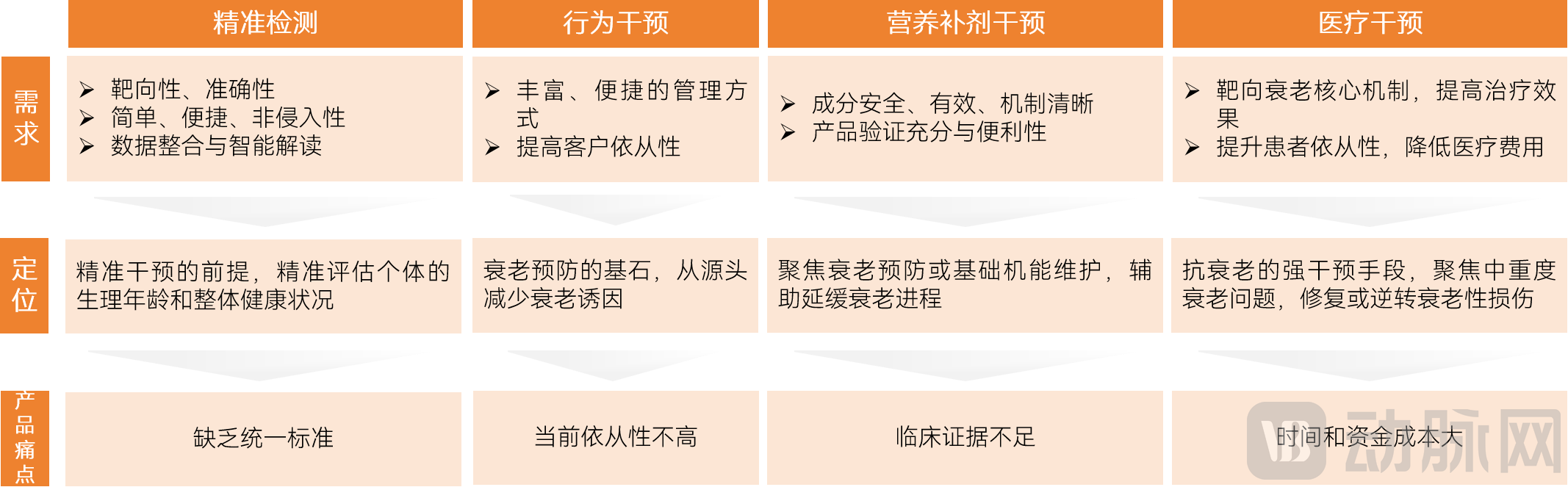
Upstream products in longevity medicine are categorized into four major segments: precision testing, medical interventions, nutritional supplement interventions, and behavioral interventions, forming a closed-loop system of “testing–intervention–re-testing–re-intervention.” Among these, precision testing serves as the prerequisite for precise interventions. Through multi-dimensional testing, data integration, and intelligent interpretation, it accurately assesses an individual’s physiological age and overall health status. Behavioral intervention constitutes the cornerstone of aging prevention, reducing aging triggers at their source. Nutritional supplement interventions focus on aging prevention and the maintenance of basic physiological functions, thereby helping to slow down the aging process. Medical interventions, including pharmaceuticals, surgical therapies, and therapeutic devices, target moderate-to-severe aging issues or age-related diseases, directly repairing and reversing established aging-related damage.
● Aging clocks are the foundation of precise detection
The core product constituting precision testing is biological age assessment, also known as the aging clock. By quantifying the discrepancy between biological age and chronological age, the aging clock systematically evaluates an individual’s aging status. It serves as the foundation for the scientific and refined approach to anti-aging interventions and represents a key distinction between conventional health screenings and precision anti-aging assessments.
Companies Worldwide Deploying Aging Clocks
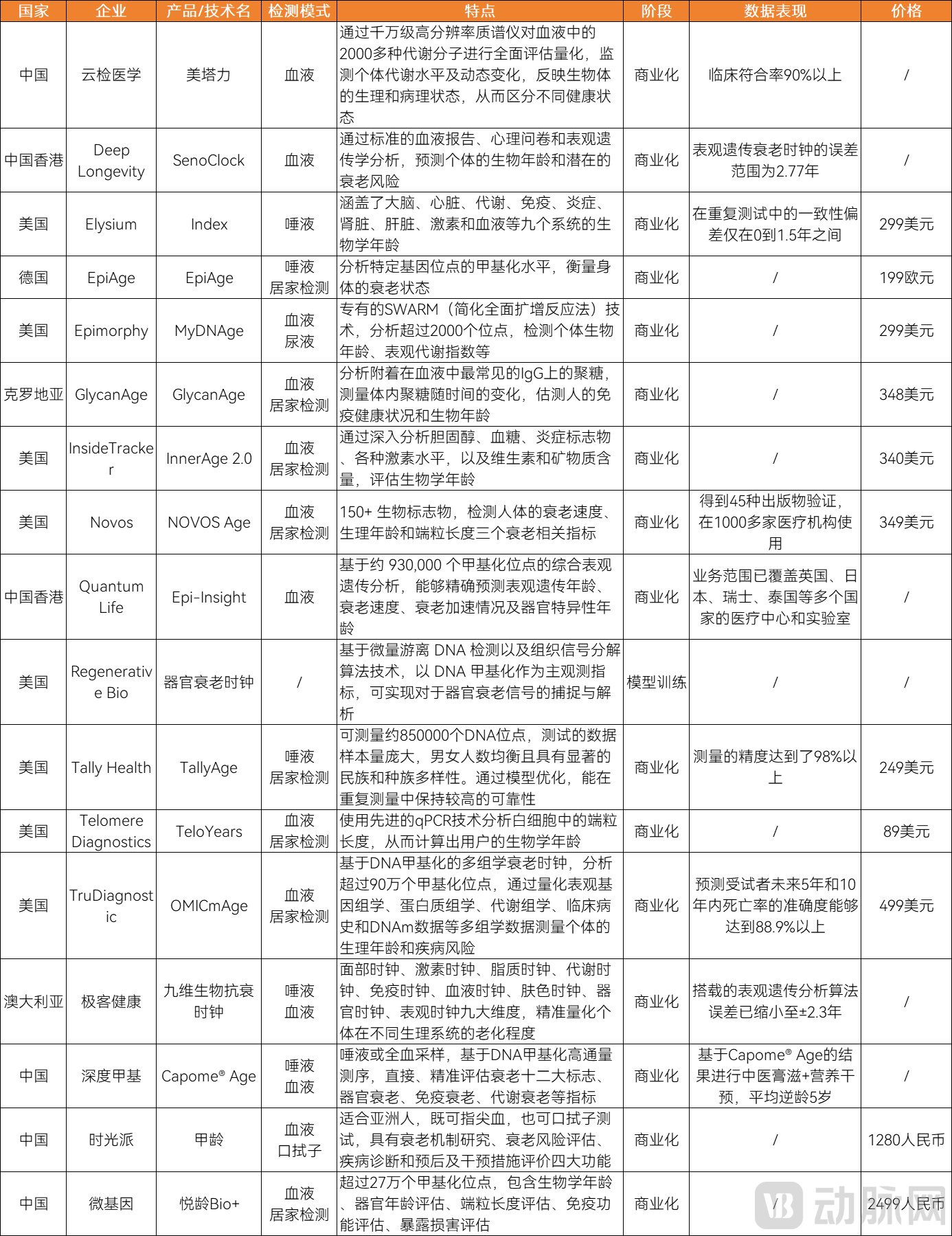
A review of representative aging clock products from both domestic and international markets by VBInsight reveals that epigenetic clocks are a key focus for corporate investment, with a growing trend toward multi-omics approaches. Ease of testing is a major consideration in product design for many companies. In terms of localization, Chinese enterprises are developing metabolomic clocks, while others are dedicated to creating products tailored specifically for Asian populations. Meanwhile, many companies provide behavioral and medical intervention plans following testing, often linking these to the sale of nutritional supplements, thereby establishing a comprehensive service loop from assessment to intervention.
● Nutritional supplement intervention: Ergothioneine, NAD+It is a focus category.
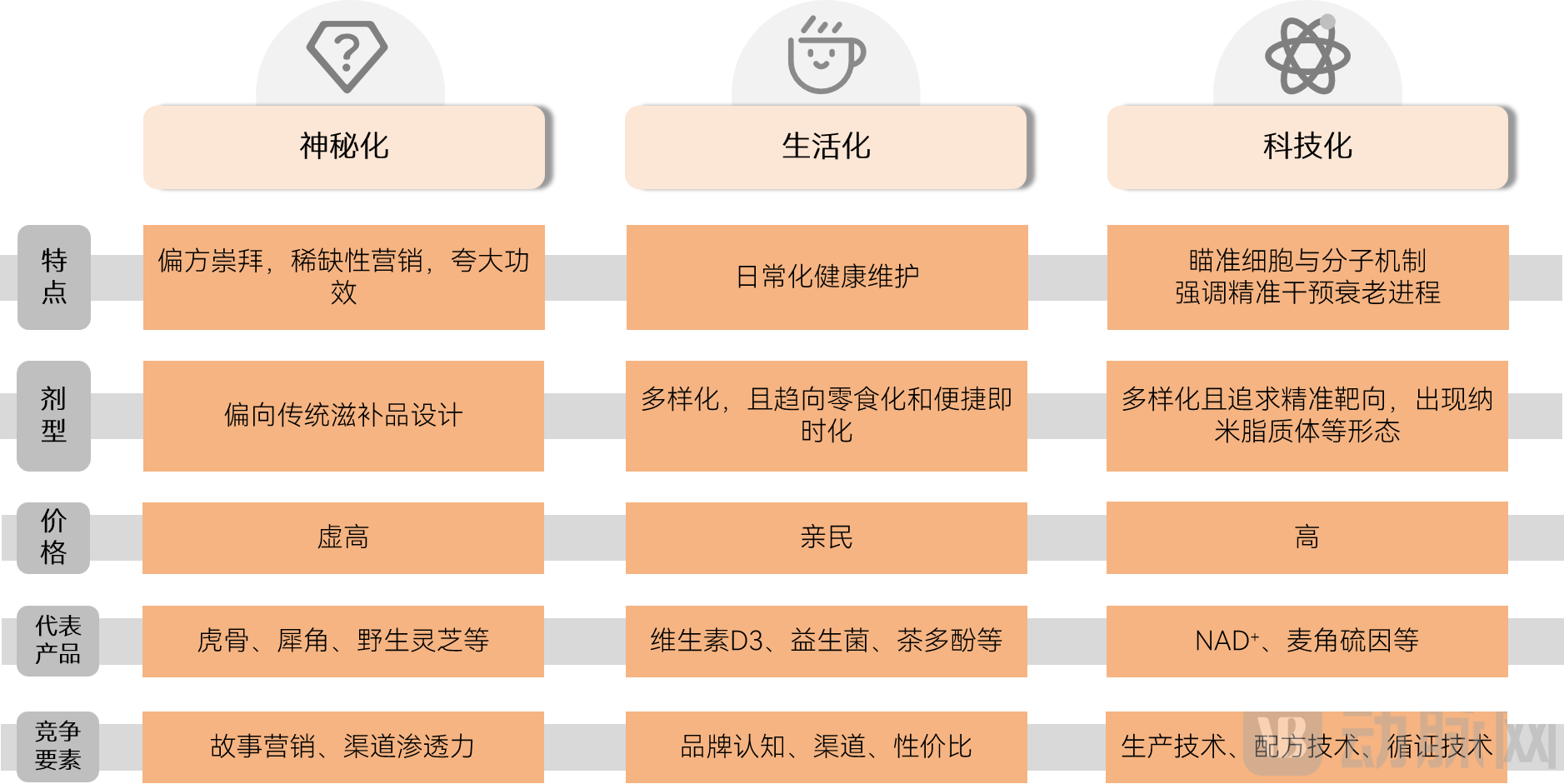
The development of anti-aging nutritional supplements in China has gone through three phases: mystification, mainstream adoption, and scientification. It has now initially entered the scientification phase, with consumers placing greater emphasis on the scientific validity of ingredients, and companies shifting their focus from channel competition to technological competition.
Characteristics of Anti-Aging Nutritional Supplements Across Different Developmental Stages
In the era of technological advancement, the focus of longevity medicine and anti-aging fields is on efficacy validation and clear evidence of anti-aging effects. Against this backdrop, ingredients that have been scientifically proven to possess distinct anti-aging benefits and act at the cellular level are gradually establishing unique competitiveness in the market, such as ergothioneine, nucleotides, and NAD.+etc.
● Behavioral Interventions: Digital Technologies Propel the Transition from Empirical Protocols to Precision Medicine
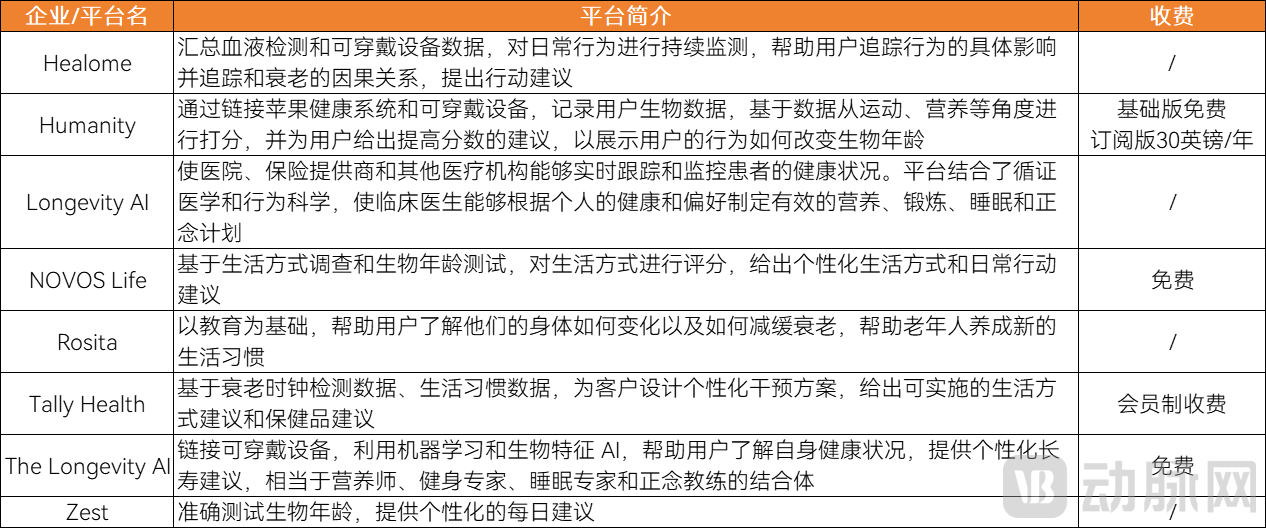
Despite robust scientific evidence, traditional behavioral interventions suffer from core pain points, including fragmented service loops and difficulties in out-of-hospital tracking. It remains challenging to quantify in real time the impact of various behaviors on aging rates, resulting in poor “visibility” of intervention outcomes. Consequently, clients struggle to perceive the link between short-term behavioral changes and long-term anti-aging effects, ultimately leading to reduced adherence. The integration of digital technologies aims to shift behavioral interventions from experience-driven to data-driven models, enabling a leap from “strong evidence but poor visibility” to “digitalization and precision.” The core logic involves high-frequency collection of multimodal data—such as physical activity, sleep, continuous glucose monitoring, and dietary timestamps—via wearable devices and mobile applications. Algorithmic models are then employed to correlate these behavioral data with individual aging biomarkers (e.g., changes in epigenetic clocks and inflammatory markers) for trend analysis and tracking, thereby enhancing personalization and visibility.
In the current market, software for dietary logging, exercise tracking, and weight management has become relatively widespread. However, these tools remain limited to basic data recording; the behavioral data they collect is dispersed and fragmented. Consequently, they neither reflect the aging process based on customer behavioral data nor provide personalized guidance grounded in the mechanisms of aging. Behavior management platforms capable of deeply integrating behavioral data with the aging process are exceedingly rare.
Overview of Anti-Aging Management Platforms at Home and Abroad
● Medical Intervention: Industrialization Is Still in Its Very Early Stages
Medical interventions, including anti-aging pharmaceuticals and anti-aging devices, constitute potent strategies for combating aging. By preventing, repairing, or reversing age-related damage, they hold an irreplaceable position in the field of delaying aging.
At the drug level,Although the FDA has not yet approved “aging” as a drug indication, exploratory clinical trials (such as TAME, which targets aging with metformin) have employed composite endpoints to assess whether interventions can delay the onset of multiple age-related diseases, and global R&D of anti-aging drugs is relatively active. According to data from PharmaCube, as of August 1, 2025, there were 159 anti-aging drug candidates in development globally, involving 169 companies, with preclinical candidates being the most numerous at 55. Small-molecule chemicals are the mainstay of R&D, accounting for 105 candidates, followed by biologics, reflecting a development landscape dominated by small-molecule drugs.
Two anti-aging drugs have been approved for market launch: tazarotene by Allergan, which was approved in the United States in 2002, and tretinoin by Ortho Pharmaceutical, which was approved in the United States in 2000 for aging indications. However, both drugs target skin aging-related indications, with their mechanisms primarily focused on RAR (retinoic acid receptors).
At the device level,There is a wide variety of anti-aging intervention devices, including hyperbaric oxygen chambers, red light therapy cabins, cryotherapy chambers, intermittent hypoxia-hyperoxia systems, and floatation tanks. The overseas market is relatively mature, with large-scale adoption of various devices; in particular, cryotherapy chambers, floatation tanks, and intermittent hypoxia-hyperoxia systems are widely used in wellness, sports, and physical and mental health settings. In China, hyperbaric oxygen chambers have rapidly gained popularity in the consumer health market in recent years, leveraging their long-standing application in hospital settings and high public awareness. For other types of devices, industrialization in China is still in its early stages, with limited corporate participation.
The above is an excerpt from the white paper. The overall framework of the white paper is as follows:
Chapter 1: The Connotation and Driving Factors of Longevity Medicine Diagnosis and Treatment
1.1 Targeting Aging Itself: Longevity Medicine Is an Irreplaceable Emerging Discipline
1.2 Four Key Factors Form a Supply-Demand Closed Loop, Driving the Development of Longevity Medicine
1.2.1 The Longevity Medicine Industry Has Received Explicit Policy Support
1.2.2 Aging Drives the Accelerated Rise of Longevity Medicine
1.2.3 Health Investment Is Becoming a Consumer Essential, Unlocking Demand for Longevity Medicine
1.2.4 Functional Medicine Leads the Development of Longevity Medicine
Chapter 2 Analysis of the Current Status of China's Longevity Medicine Industry
2.1 Model Exploration and Boundary Restructuring: The Initial Formation of China’s Longevity Diagnosis and Treatment Industry Landscape
2.1.1 Overview and Model Spectrum of Longevity Diagnosis and Treatment Institutions in China
2.1.2 Longevity Medicine Diagnosis and Treatment Models in Public Hospitals: Explorations and Boundaries of the “Regular Forces”
2.1.3 Longevity Medicine Practice Models in Private Clinics/Institutions: Diversified Development Driven by Market Forces
2.1.4 Comparative Analysis of Longevity Medicine Diagnosis and Treatment Models in Public Hospitals versus Private Clinics/Institutions
2.2 Diversified Technologies Forming a Comprehensive Longevity Medicine Product Portfolio
2.2.1 Aging Clocks Are the Foundation of Precision Testing
2.2.2 Nutritional Supplement Interventions: Ergothioneine and NAD⁺ Are Focus Categories
2.2.3 Behavioral Intervention: Digital Technologies Propel Behavioral Interventions from Empirical Approaches to Precision Medicine
2.2.4 Medical Intervention: Industrialization Is Still in Its Very Early Stages
2.2.5 Summary: Anti-aging is a systematic project; downstream medical institutions need to differentiate their product selection
Chapter 3 Benchmark Models and Implications of International Longevity Medicine Diagnosis and Treatment
3.1 Different International Operating Models Converge on Full-Cycle Health Management
3.2 Capital Enthusiasm Coexists with Challenges; Business Model Maturity Will Take Time
Chapter 4 Future Trends in Longevity Medicine Diagnosis and Treatment in China
4.1 Technological Innovation: Comprehensive Empowerment of Longevity Medicine by Digital-Intelligent Technologies
4.2 Service Model Upgrade: Personalized, Digital, and Full-Lifecycle Management
4.3 Market Structure Optimization: Younger Core Demographic and Growth in Lower-Tier Markets
4.4 Integration of Industrial Ecosystems: Collaboration with Health Checkup, Medical Aesthetics, Insurance, and Real Estate Sectors
4.5 Capital Landscape: Global Funds Accelerate the Reshaping of Industry Value
Chapter 5: Typical Cases
Please scan the QR code to add the assistant and obtain the full report. If you have already added the assistant, please proactively inquire: