

FDA Advances Cell and Gene Therapy Regulation with Release of Three New Draft Guidance Documents
On September 24, the U.S. Food and Drug Administration (FDA) consecutively issued three draft guidance documents, aiming to provide clear direction on the development of cell and gene therapy (CGT) products for small patient populations, the accelerated approval of regenerative medicine therapies, and the collection of post-marketing safety and efficacy data for pharmaceuticals.
In recent years, the cell and gene therapy (CGT) sector has witnessed rapid growth, demonstrating breakthrough potential particularly in oncology, genetic disorders, and rare diseases. The successive approvals of multiple CAR-T and gene-editing therapies are driving a paradigm shift in treatment models from traditional symptom management to curative interventions targeting the root causes of disease.
However, the clinical development and post-marketing regulation of cell and gene therapy (CGT) products still face numerous challenges due to issues such as small patient populations, high disease heterogeneity, and the difficulty of long-term follow-up.
The FDA’s recent update of three draft guidance documents not only addresses the industry’s urgent need for flexible review pathways, but also provides important reference for global regulatory agencies in evidence generation and lifecycle management of cell and gene therapies (CGT).
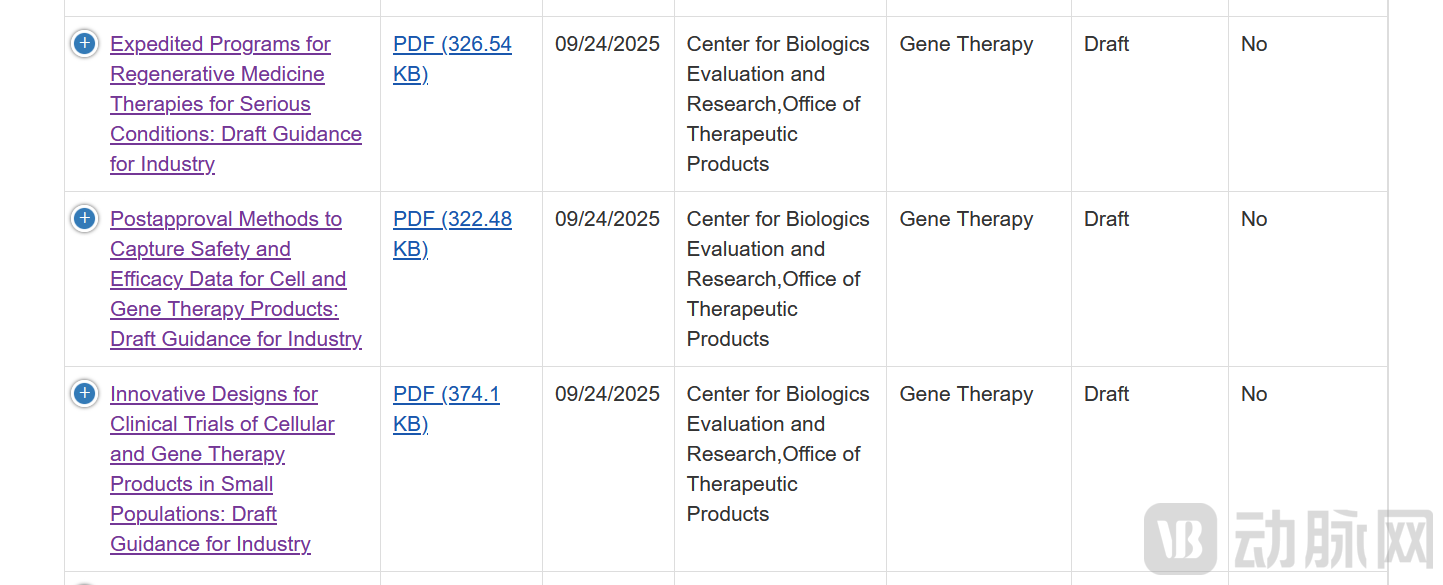 Source: FDA Official Website
Innovative Design of Clinical Trials for Cell and Gene Therapies in Small Populations
In the draft guidance “Innovative Designs for Clinical Trials of Cellular and Gene Therapy Products in Small Populations,” the FDA noted that the development of drugs and biologics for rare diseases is often constrained by small patient populations, limited data available to support regulatory decision-making, insufficient understanding of the natural history of the disease, incomplete comprehension of pathogenic mechanisms, and molecular and phenotypic heterogeneity.
The aforementioned challenges are particularly pronounced in the field of cell and gene therapy (CGT), as it also involves unique product manufacturing process requirements and the difficulty of generating nonclinical pharmacology and toxicology evidence.
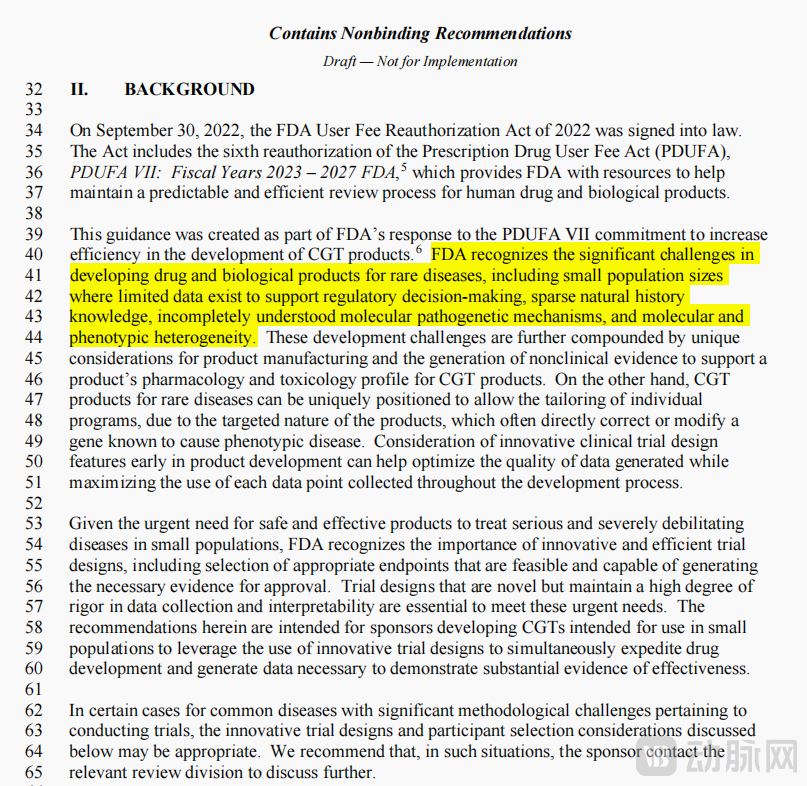
However, CGT products demonstrate unique advantages in the treatment of rare diseases by enabling precision therapy through gene correction or modification and supporting personalized treatment regimens.
The FDA emphasizes that introducing innovative clinical trial designs early in product development helps optimize data quality and fully exploit the scientific value of each data point.
Currently, there is an urgent need for effective therapies for severe and life-threatening diseases. The FDA encourages sponsors to adopt innovative and scientifically rigorous trial designs in studies involving small populations, particularly ensuring that endpoint selection balances feasibility with the strength of evidence.
To this end, the draft guideline systematically reviews six categories of innovative trial designs for consideration:
Single-Arm Trials: Efficacy is assessed by comparing changes in specific indicators before and after treatment, which is suitable for situations with complete and reliable baseline data. The FDA notes that such designs are more appropriate for degenerative diseases where the intervention is expected to yield improvement; however, in cases where disease progression fluctuates or the treatment goal is to delay progression, caution is warranted regarding bias risks such as “regression to the mean,” and the use of objective endpoint measures that do not rely on patients’ subjective effort is recommended.
Disease Progression Model: As a quantitative analytical method, this model integrates factors such as biomarker trajectories, clinical endpoints, and patient heterogeneity to simulate the natural history of disease, thereby supporting trial design. However, key challenges include high inter-patient variability, long observation periods, the impact of evolving standard-of-care treatments, and the difficulty of validating the model across different subpopulations.
External Control Study: Utilizing historical data or real-world data as controls requires ensuring that the trial group and the external control group are highly matched in terms of baseline characteristics, disease severity, and other factors, while also paying attention to consistency in data collection methods, endpoint definitions, and other aspects.
Adaptive Trial Design: Allows for pre-specified modifications to the trial protocol based on accumulating data, thereby improving resource utilization efficiency and research success rates. The FDA emphasizes that such designs require meticulous planning prior to the trial to ensure transparency in the modification process and statistical rigor, so as to maintain the integrity of the trial and the credibility of its results.
Bayesian Trial Design: Bayesian methods can integrate external clinical data to enhance concurrent controls or reduce sample size requirements, making them particularly suitable for evidence synthesis in the context of rare diseases.
Trials with a Master Protocol: Support for the inclusion of study cohorts with different disease manifestations within the same trial helps address disease settings with high clinical heterogeneity, improving research efficiency and data comparability.
Post-Approval Safety and Efficacy Data Collection
Another draft guidance, “Postapproval Methods to Capture Safety and Efficacy Data for Cell and Gene Therapy Products,” aims to guide sponsors in systematically collecting real-world data on CGT products after market approval, thereby addressing the limitations of limited sample sizes and insufficient observation periods in pre-approval clinical studies.
The draft points out that, due to the limited number of patients enrolled in pre-marketing clinical studies for most cell and gene therapy (CGT) products, long-term safety and efficacy data are often insufficient. Therefore, post-approval studies have become a critical component for comprehensively evaluating the risks and benefits of these products. Systematic collection of post-marketing data not only facilitates a deeper understanding of the durability of long-term efficacy and potential delayed adverse reactions associated with CGT products, but also provides a scientific basis for standardizing clinical use and informing subsequent regulatory decisions.
The FDA has previously recommended long-term follow-up studies for certain cell and gene therapy (CGT) products, emphasizing their importance in monitoring delayed adverse events. The draft further clarifies that key efficacy endpoints requiring post-approval attention include the durability of therapeutic effect, while safety monitoring should encompass long-term biological effects, unknown adverse events, and deaths related to the underlying disease or its treatment.
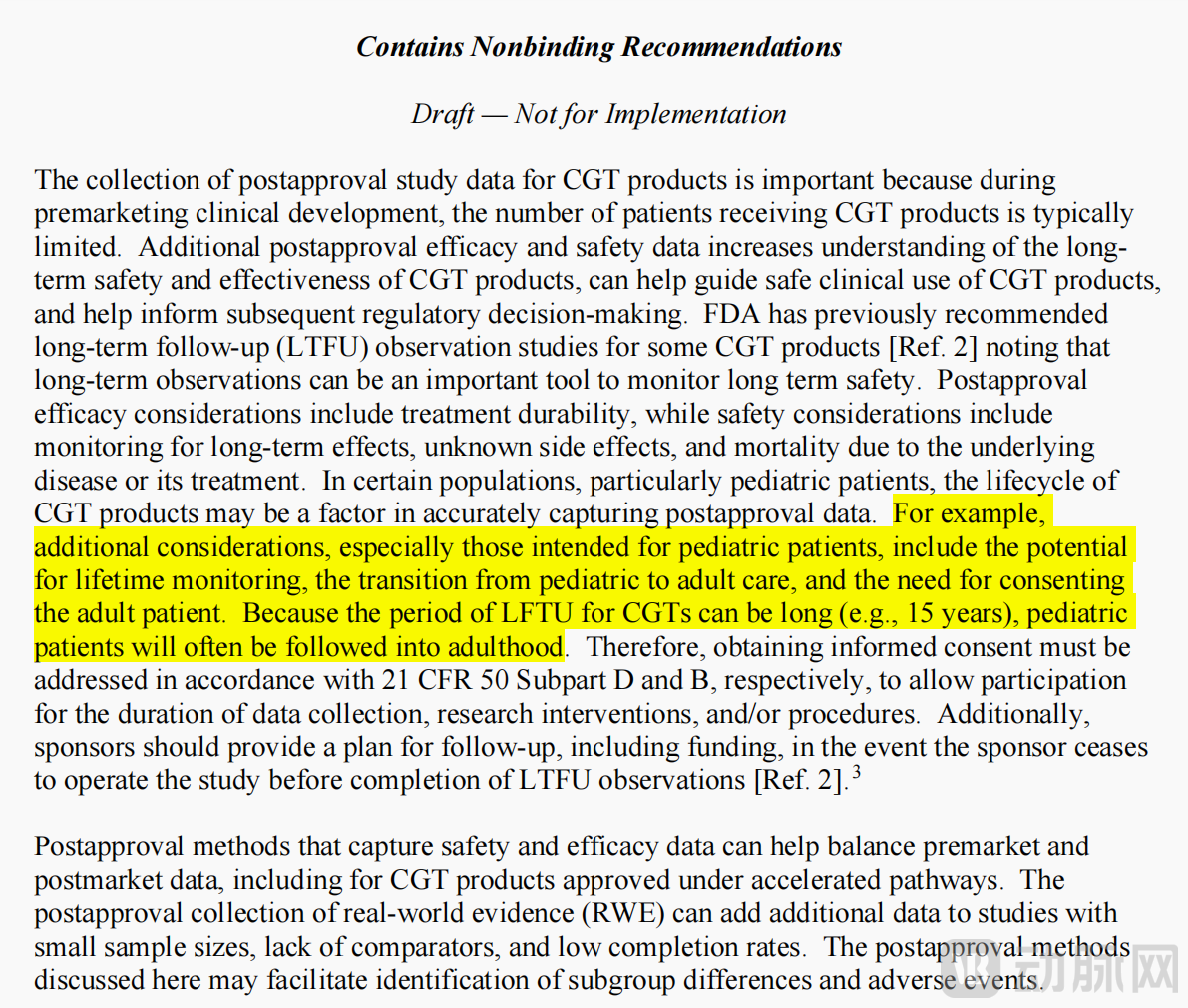
For special populations such as pediatric patients, the draft proposes that data tracking needs across their entire lifecycle must be considered. Due to the potentially durable effects of cell and gene therapy (CGT) products, pediatric patients may require continuous follow-up from childhood into adulthood, a process involving complex elements such as transitions in care models and updates to informed consent upon reaching adulthood. The long-term follow-up period may extend beyond 15 years, imposing higher requirements on study design and patient management.
The draft clarifies two primary pathways for data acquisition: one involves real-world data (RWD) and real-world evidence (RWE), which leverage data generated in clinical practice to supplement evidence from traditional clinical trials; the other encompasses electronic health records (EHRs), medical claims, and vital statistics, which integrate data from multiple health information systems to establish a framework for long-term follow-up.
The FDA also pointed out that data sources such as administrative healthcare claims, vital statistics, and electronic health records are not specifically designed for evaluating product efficacy and have significant limitations in rare disease applications. For instance, key patient variable information is often missing; diagnostic delays and phenotypic heterogeneity are common; incomplete or lagging medical terminology coding results in low data structuring and difficulties in validation; data fragmentation is prominent, with long-term follow-up affected by changes in insurance coverage and transitions in healthcare services; and statistical power is insufficient in small-sample contexts, making the analysis of rare outcomes challenging.
The draft emphasizes that ensuring data continuity and integrity is the foundation for long-term outcome assessment. Sponsors are required to carefully evaluate the suitability of data sources and establish a high-quality, sustainable data collection system.
Clarifying the Accelerated Review Pathway for Regenerative Medicine Therapies
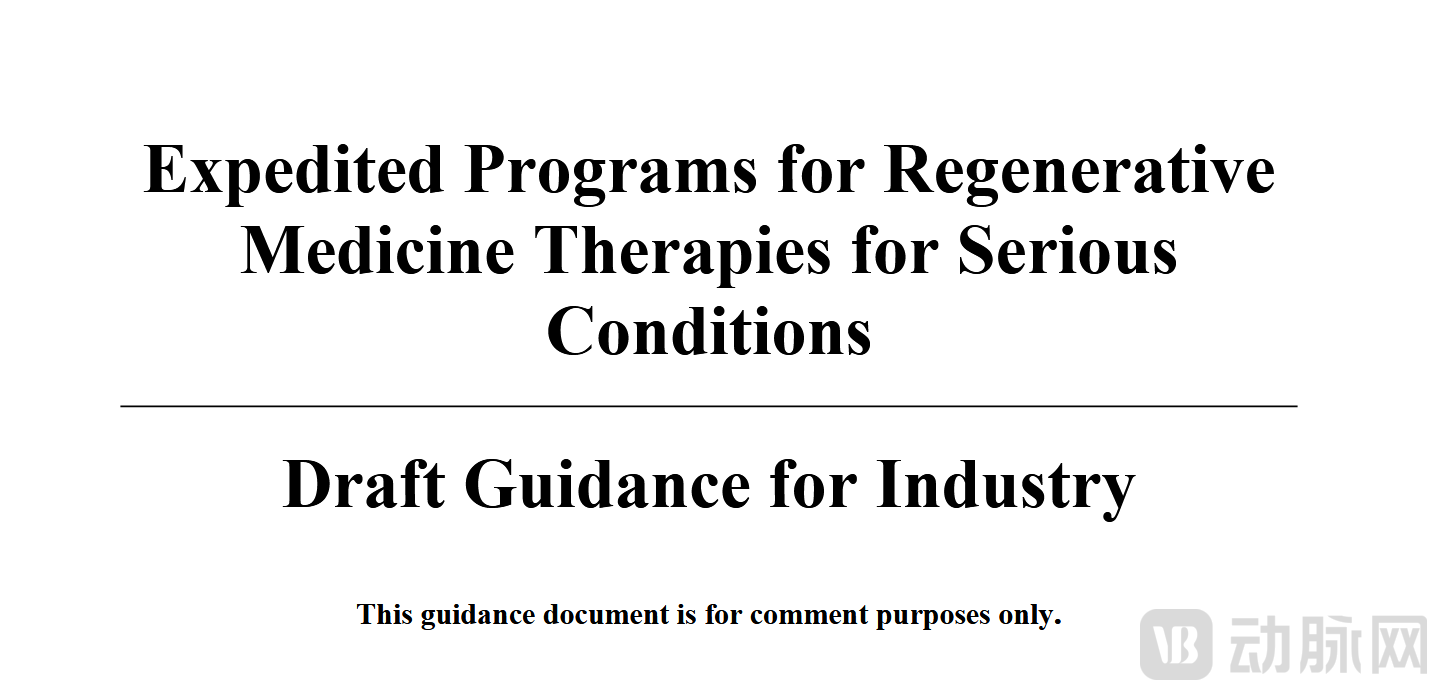
The draft guidance “Expedited Programs for Regenerative Medicine Therapies for Serious Conditions” provides sponsors developing regenerative medicine therapies for serious or life-threatening diseases with a detailed pathway for accelerated development and review.
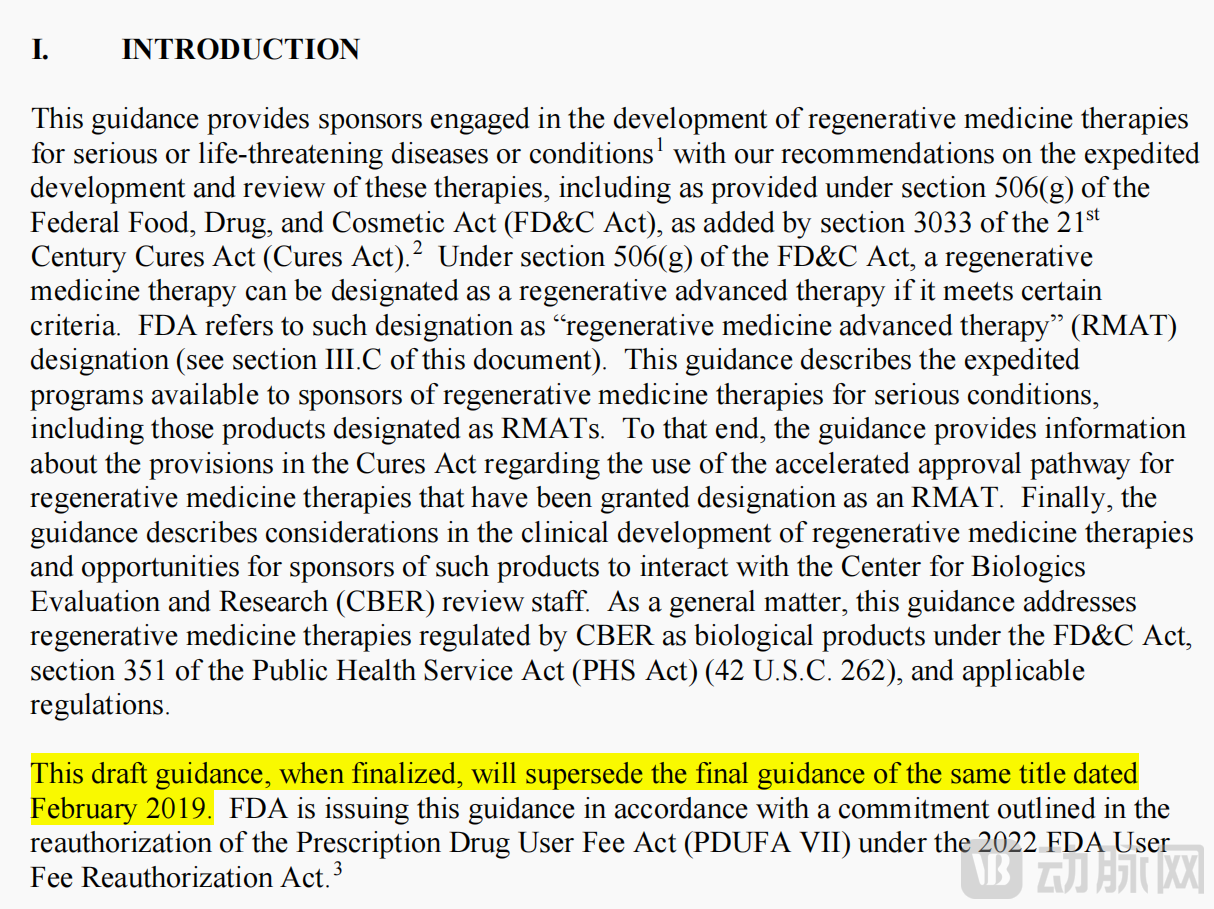
Upon its official implementation, this guideline will supersede the draft version of the same name issued in 2019.
In its draft guidance, the FDA’s Center for Biologics Evaluation and Research (CBER) notes that the field of regenerative medicine is rapidly evolving and demonstrates significant potential for treating serious conditions with unmet medical needs. CBER is committed to facilitating the timely approval and clinical availability of such therapies, while ensuring their safety and efficacy. The expedited programs outlined in this guidance are designed to promote the development and review of regenerative medicine therapies targeting serious diseases and offering substantial clinical value.
The draft clarifies that regenerative medicine therapies eligible for accelerated review include stem cell therapeutic products, cell therapies, therapeutic tissue-engineered products, human-derived cell and tissue products, and combination products thereof. However, unmodified microorganisms, genetically modified products that do not express exogenous transgenes (such as adenoviral vectors with deletion modifications), and peptide-based therapeutic vaccines are not classified as regenerative medicine therapies. Xenotransplantation products may meet the definition and will be evaluated on a case-by-case basis.
The new draft further enumerates examples of product types eligible for accelerated review designation and refines the requirements for developers to ensure consistency between manufacturing processes during the early R&D stage and those of the final marketed product.
The FDA notes that early-stage clinical studies in small populations, in addition to assessing safety, may also provide preliminary evidence of efficacy, such as significant efficacy signals observed in rare disease research. If a sponsor intends to use early-stage clinical studies to establish efficacy evidence supporting a marketing application, stringent quality control of clinical samples should be implemented during the early development phase.
Although the FDA acknowledges that changes in manufacturing processes are a complex aspect of product development and that such changes do not necessarily affect the acquisition or maintenance of RMAT designation, specific changes and product comparability assessments will be reviewed on a case-by-case basis and are outside the scope of this guidance.
The draft also lists examples of preliminary clinical evidence that CBER considers demonstrative of a product’s potential to address unmet medical needs, such as: in patients with refractory metastatic breast cancer, treatment with an allogeneic tumor cell line therapy expressing tumor-specific antigens resulted in complete response in the majority of subjects in the first-in-human study; and in patients with refractory unresectable or metastatic cancer, a single administration of autologous T-cell immunotherapy yielded an objective response rate higher than that historically observed in patients receiving chemotherapy alone.
Source:
https://www.fda.gov/regulatory-information/search-fda-guidance-documents/innovative-designs-clinical-trials-cellular-and-gene-therapy-products-small-populations
https://www.fda.gov/regulatory-information/search-fda-guidance-documents/postapproval-methods-capture-safety-and-efficacy-data-cell-and-gene-therapy-products
https://www.fda.gov/regulatory-information/search-fda-guidance-documents/expedited-programs-regenerative-medicine-therapies-serious-conditions-0