CAS MicroNeedle (Beijing) Technology Co., Ltd. Files for IPO: A Full-Service Polymer Microneedle Platform Enabling Pharma Innovation with Pain-Free, Scalable Transdermal Delivery
CASMN
Polymer Microneedle Technology and Transdermal Technology R&D, Manufacturer
In the noisy infusion room of a children’s hospital, Gao Yunhua’s heart clenched as she watched her two-year-old daughter wail at the prick of the needle. Looking around, she saw nearly every child struggling and shedding tears despite their parents’ attempts to comfort them, with waves of crying filling the entire space.
At that moment, she couldn’t help but ponder deeply: “Is there a drug delivery method that doesn’t require injections? If medication could be delivered into the body as easily as applying a band-aid, children would be spared this suffering.” This thought quietly took root in her heart like a seed. Driven by this concern, she immediately leveraged her extensive expertise in scientific research, committing herself to tackling the global challenge of “painless drug administration.” After repeated screening and validation, she ultimately focused her efforts on microneedle technology within the field of transdermal drug delivery.
In 2018, Beijing CAS Microneedle Technology, Ltd. was established and rapidly grew into a leading enterprise in the field of polymer microneedle technology in China.By leveraging a diversified service model encompassing CRO, CMO, CDMO, OEM, and ODM, the company is continuously driving the large-scale application of microneedle transdermal technology in the fields of healthcare and cosmetic skincare, thereby gradually transforming the vision of “patches replacing injections” into practical solutions that benefit a broader population.
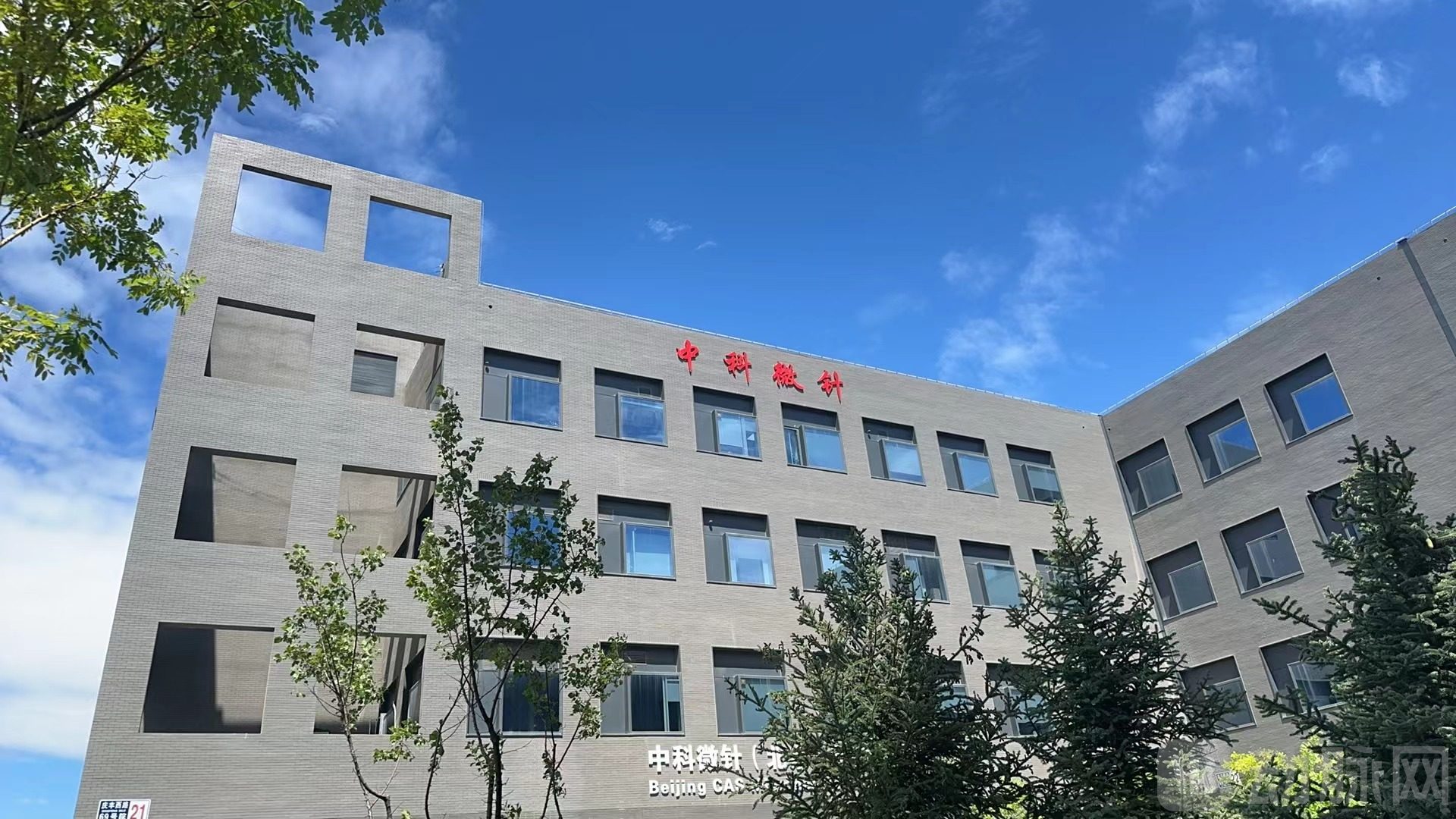
CASMN Beijing Integrated R&D Base
1Over 20 Years of Deep Expertise in Dissolving Polymer Microneedle Technology, Overcoming Challenges in Large-Scale Industrial Mass Production
In existing drug delivery systems, traditional administration methods generally suffer from numerous technical limitations:
● Injection AdministrationAlthough it enables direct drug delivery into the bloodstream, this approach is associated with significant pain and invasiveness. This not only substantially reduces patient adherence, particularly among children, the elderly, and individuals requiring long-term medication, but also necessitates operation by trained professionals, thereby imposing limitations on healthcare settings.
● Oral AdministrationAlthough convenient, it is susceptible to the complex environment of the gastrointestinal tract, leading to significant loss of active pharmaceutical ingredients and ultimately low bioavailability, making it difficult to achieve the expected therapeutic concentration;
● Transdermal PatchAlthough non-invasive drug delivery systems with sustained release properties have found applications in local therapy, the stratum corneum, as a natural protective barrier, limits the efficiency of transdermal drug penetration. This is particularly true for macromolecular drugs such as peptides and proteins, whose large molecular weight and strong hydrophilicity make it difficult for them to breach the skin barrier, thereby preventing effective delivery. Furthermore, while microneedle technology showed global potential at the time, its long industrial chain and numerous technical challenges hindered large-scale mass production.
As public expectations for medical experiences and drug efficacy rise, demand for novel, painless, and highly efficient drug delivery technologies is growing. Meanwhile, advances in materials science, microfabrication, and related fields have provided technical support for the research, development, and improvement of microneedle technology. National emphasis on technological innovation and the commercialization of research outcomes, along with supportive policies, has created a favorable environment for the industrialization of microneedle-based transdermal delivery. This has laid a solid foundation for the establishment of CASMN.
Dr. Gao Yunhua, Founder of CASMNAs a researcher and doctoral supervisor at the Technical Institute of Physics and Chemistry, Chinese Academy of Sciences, he has been dedicated to researching new principles and technologies of biological micro-electro-mechanical systems (BioMEMS) in the biomedical and pharmaceutical fields. In 2003, Gao Yunhua led his research team to undertake projects related to microneedle-based transdermal drug delivery under the National “863” Program, marking the beginning of his enduring commitment to microneedle technology.
Leveraging in-depth research into microneedle technology, Gao Yunhua has focused the R&D direction of CASMN onDirect Drug-Loading Dissolvable Polymer Microneedle Technology“Such microneedles can accommodate various active ingredients, including peptides and traditional Chinese medicine, offering a wide range of application scenarios. They represent a key direction for driving the large-scale commercialization of microneedle technology,” introduced Gao Yunhua.
However, at that time, the industry generally lacked specialized production equipment and process systems tailored for polymer microneedles, which not only failed to meet the mass production requirements for technology transfer but also struggled to support pharmaceutical companies’ practical expectations for industrialization. To break this core bottleneck and truly propel dissolvable polymer microneedle technology from the laboratory to the market, CASMN was officially established in May 2018 with support from various policy initiatives and the Chinese Academy of Sciences’ achievement commercialization funds.
The core team members of CASMN primarily hail from research institutions such as the Technical Institute of Physics and Chemistry, Chinese Academy of Sciences (TIPC, CAS), possessing extensive professional expertise and practical experience in microneedle technology R&D, materials science, and biomedicine. The company is deeply integrated with TIPC, CAS’s over 20 years of accumulation in microneedle technology. Through more than two decades of R&D, CASMN has established a profound foundation in the field of microneedle technology, overcoming key challenges related to material selection, manufacturing processes, equipment, and formulation development.Mastered a series of core technologies ranging from microneedle design to manufacturing processes, successfully achieved mass production of microneedle products, and increased the annual industrial production capacity for microneedle drug delivery.
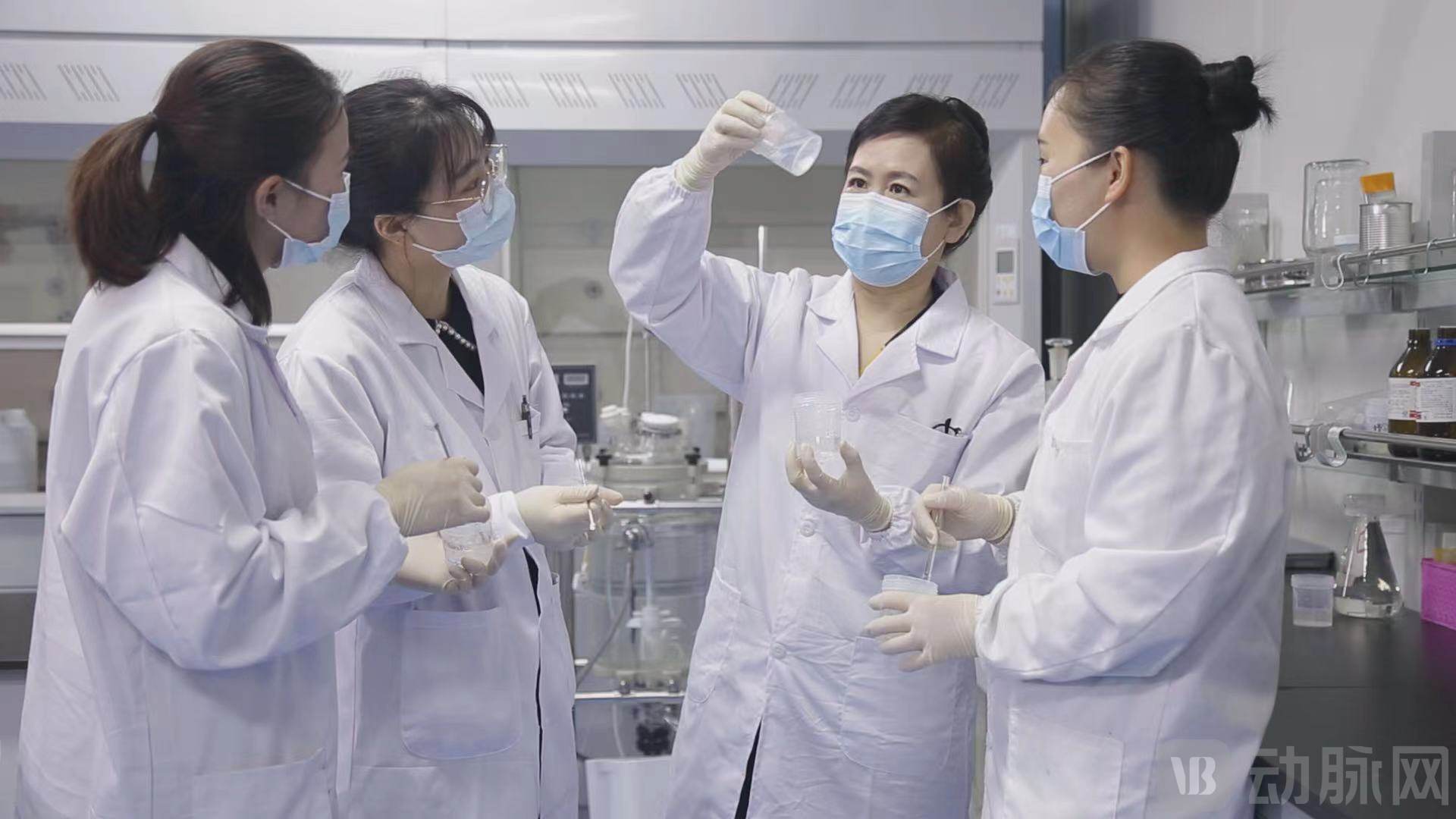
CASMN Team at Work
2Overcoming Technical Challenges in Flexible Polymer Microneedle Fabrication and Drug Delivery, Empowering Clients through Diversified CRO/CMO/CDMO Models
In the global drug delivery landscape, there remain numerous unmet needs from the perspectives of patients, enterprises, and clinical practice. CASMN’s polymeric microneedle transdermal patches precisely address these pain points through a “minimally invasive transdermal” mechanism.
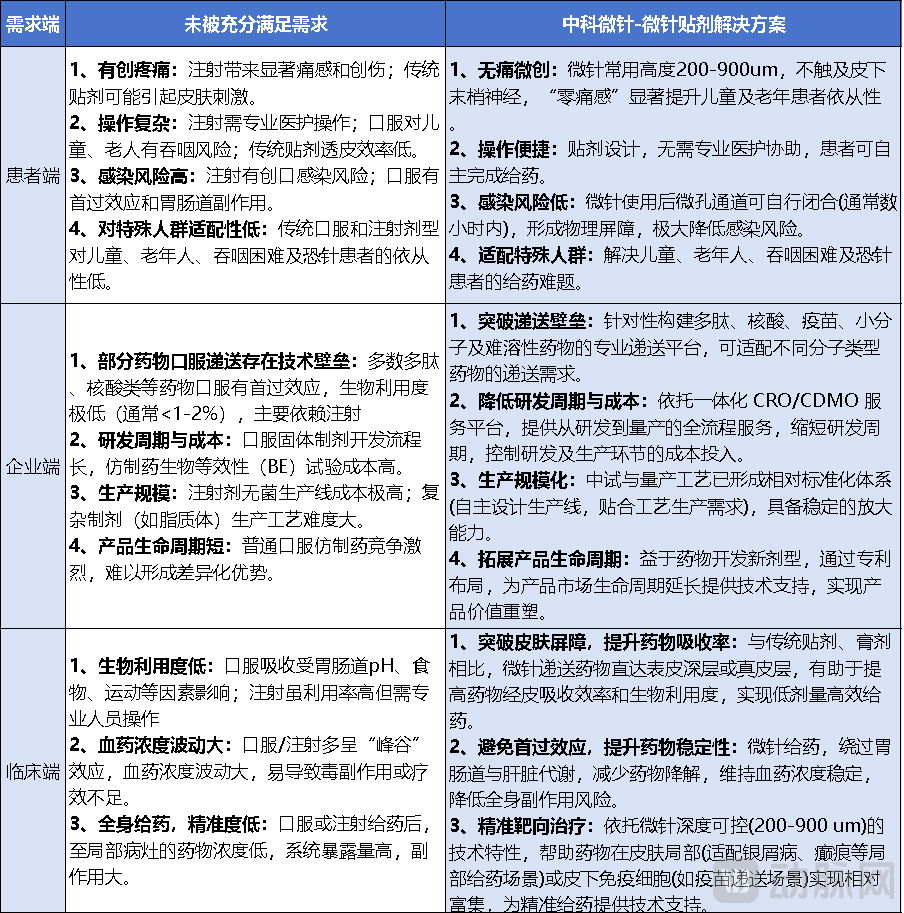 Limitations of Traditional Drug Delivery Methods vs. CASMN's Polymer Microneedle Transdermal Patch Solution
This is inseparable from the powerful core technology platform behind CASMN.The Company’s CASMN-P Microneedle Drug Delivery Technology Platform“Committed to Creating ‘Full-Scenario Microneedle Delivery Solutions’”, encompassing three major microneedle technologies—coated microneedles, dissolving microneedles, and swelling microneedles—and compatible with five key drug application areas: peptides, nucleic acids, vaccines, small-molecule drugs, and poorly soluble drugs. The technology offers strong adaptability to meet the needs of diverse drug types.
Meanwhile,The Company's Core Manufacturing Process—RT-SMP®Room-Temperature Printing Method Resolves All Key Challenges in Flexible Polymer Microneedle Fabrication Technology. Specifically, this technology offers the following core advantages:
First,Room-Temperature Active Preservation. Generally, traditional microneedle technology relies on high-temperature/low-temperature molding processes, leading to the degradation of heat-sensitive components and the inactivation of active ingredients. In contrast, RT-SMP®Room-temperature printing employs a one-step in situ fabrication process to produce microneedles under ambient conditions, thereby avoiding the degradation of active ingredients caused by high temperatures;
Second,Flexible and Adjustable Parameters. Traditional microneedle technology relies on high-temperature processing for curing, specific mold shapes, and stepwise production operations, while lacking a synergistic optimization mechanism between materials and processes. This ultimately results in a technological path dependency characterized by design rigidity, failing to meet the customized demands for microneedle parameters and morphologies across diverse scenarios. The CASMN team has achieved mass production of large-format hydrophilic surface molds through its proprietary microneedle mold production line. Meanwhile, its innovative stepwise liquid injection process enriches the drug solution at the needle tips, thereby establishing a complete RT-SMP system.®Ambient-temperature printing achieves precise control over the height, array density, and macroscopic shape of polymer microneedle patches; similar to conventional printing, different microneedle shapes can be produced simply by changing the molding components.
In addition, RT-SMP®Ambient temperature printing method featuresMulti-Domain Compatibility. CASMN has developed a series of flexible polymer microneedle formulations in accordance with production process requirements, includingSoluble Monolithic Microneedles, Soluble Layered Microneedles, Swelling Microneedlesetc. formulas.
To address the R&D and manufacturing needs in the field of pharmaceutical microneedles, the company relies on RT-SMP®Ambient-Temperature Printing Process and Beijing Flexible Pilot Plant (Operating under an R&D-stage GMP framework to meet regulatory compliance requirements in China, the United States, and Europe), capable of stably producing high-quality microneedle formulations for efficient drug delivery.
To date, CASMN has filed more than 70 patents domestically and internationally, holding intellectual property rights covering the entire industry chain—from upstream microneedle design to mold manufacturing, drug formulation R&D, mass production, and product packaging.
Profound Accumulation of Core Technology Platforms,Laid a solid foundation for CASMN’s diversified CRO/CMO/CDMO models and collaborative capabilities, the company not only possesses a complete technology transfer chain from laboratory R&D to industrial-scale production, enabling stable, large-scale manufacturing, but also leverages its professional technical team and mature process platform to help customers shorten R&D cycles and improve success rates.
Specifically, CASMN can provide the following services:
● Microneedle Patch Drug R&D Services: Provide preclinical pharmaceutical research solutions for microneedle patches to clients, offering R&D support for their innovative drug delivery routes;
● Microneedle Pilot-Scale Process Development Services: Provide clients with R&D services spanning from laboratory-scale processes to pilot-scale production processes;
● Microneedle Pilot-Scale Sample Preparation Service: Manufacture pilot-scale samples for clients (e.g., IND registration batches, clinical trial batches, etc.).
Currently, CASMN’s business covers the full spectrum of services, from drug development and process development to clinical sample production and commercial-scale manufacturing.
3Become a partner in microneedle formulations to co-create value with customers through “platform empowerment + ecosystem collaboration”
“CASMN is not merely a company that provides microneedle technology products, but also a ‘partner in microneedle formulations.’” emphasized Gao Yunhua, founder of CASMN.The company is committed to establishing deep collaborative partnerships with its clients, co-developing microneedle formulation-related products. Acting as a true partner, it engages throughout the entire product development process, sharing technology, resources, and expertise.
Unlike traditional product suppliers, CASMN does not simply offer standardized products; instead, it places greater emphasis on customizing products and services to meet clients’ specific needs. In contrast to pure R&D institutions, the company not only possesses robust research and development capabilities but also has large-scale production capacity and industrialization experience, enabling it to rapidly translate R&D achievements into market-ready products.
This positioning has enabled CASMN to establish a unique competitive advantage in the field of microneedle transdermal technology applications,Not only does it cater to customers' personalized needs, but it also efficiently delivers end-to-end services from R&D to production, thereby promoting the widespread application and innovative development of microneedle formulations across various fields.
Currently, CASMN has established a multi-faceted, dual-engine development model encompassing CRO and CDMO services across the cosmetics, medical device, and pharmaceutical sectors. It boasts an R&D technical service platform, a pilot-scale testing service platform, and an industrialization service platform with substantial production capacity.Provide clients with one-stop solutions from R&D to production, accelerating the translation of microneedle technology applications across various fields.
In terms of CRO services, CASMN is more forward-looking., it proactively incorporates considerations of “process scalability” and “commercial production costs,” thereby avoiding the predicament where customers later face the challenge that “laboratory samples are easy to produce, while pilot-scale mass production is difficult”; its R&D success rate exceeds the industry average;
CASMN Offers More Efficient CMO/CDMO Services, enabling “seamless integration.” Many clients frequently switch service providers when transitioning from clinical to commercial stages, leading to product quality fluctuations due to differences in processes and equipment. In contrast, CASMN’s end-to-end layout achieves seamless integration across “preclinical R&D → pilot-scale production → commercial manufacturing.” For instance, drug-loading parameters established during the CRO phase can be directly applied in the CMO phase. Within its CDMO services, the consistency of equipment and process logic from laboratory-scale trials to commercial production significantly shortens the lead time for initiating commercial manufacturing.
More importantly,CASMN Can Create a Full-Chain Data Closed Loop to Enhance Service Value-Added. Throughout the service process, the company accumulates end-to-end data on client drugs from R&D to manufacturing (such as transdermal efficiency, stability data, and production parameters), enabling it to provide value-added services such as “process optimization recommendations” and “cost control solutions.” For example, during the commercial manufacturing of a client’s peptide drug, CASMN analyzed early-stage R&D data to optimize microneedle geometry and substrate formulation, reducing drug-loading costs by 15%—an achievement unattainable for organizations offering only single-link services.
According to Gao Yunhua, ChinaCASMN is one of the few microneedle technology companies in China capable of covering the “full process + multi-technology” spectrum, with expertise in front-end R&D, pilot-scale and commercial manufacturing capacity, and the ability to accommodate various types of drugs through its CASMN-P platform.. The company not only has an annual production capacity of tens of millions of units, but its pilot-scale and manufacturing workshops also comply with GMP standards, enabling the production of pharmaceutical-grade samples such as IND registration batches and clinical trial batches.In 2023, China’s first Class II medical device featuring hydrogel polymer microneedles was also approved.It is one of the few companies capable of simultaneously meeting the large-scale production demands of both the cosmetics and pharmaceutical industries.
As of the first half of 2025, CASMN has served more than 60 enterprises and institutions. In terms of sector coverage, it exhibits a characteristic of “cosmetics as the core, with expansion into multiple fields.”
AtPharmaceutical Sector, CASMN’s services span metabolic diseases, dermatology, vaccines, and traditional Chinese medicine; its pharmaceutical clients include both biotech companies focused on innovative drugs and traditional pharmaceutical enterprises developing improved new drugs;CosmeticsField, primarily serving companies in the functional cosmetics sector, focusing on the three major demands of "skin whitening, anti-aging, and acne treatment," and providing R&D and manufacturing services for soluble microneedle patches. Most of the collaborative products have already been commercialized and have received positive market feedback; inResearch and Healthcare Sector, CASMN collaborates with numerous Grade A tertiary hospitals and research institutes in China, providing R&D support for microneedle formulations to facilitate the implementation of clinical studies and basic research projects. In addition, CASMN can also provideCross-Border Collaboration, providing R&D samples and microneedle formulation products to overseas clients through CMO/CDMO/OEM services.
Currently, CASMN has established a subsidiary in Chongqing—CASMN (Chongqing) Technology Co., Ltd. Covering an area of over 8,000 square meters, the subsidiary has built an internationally advanced automated production line for microneedle patches, with an annual capacity of 150 million patches, making it one of the largest microneedle patch production bases globally. Meanwhile, its comprehensive R&D base in Beijing supports customized services for needle height and shape, providing dual assurance for both the large-scale supply of microneedle products and customers’ personalized needs.
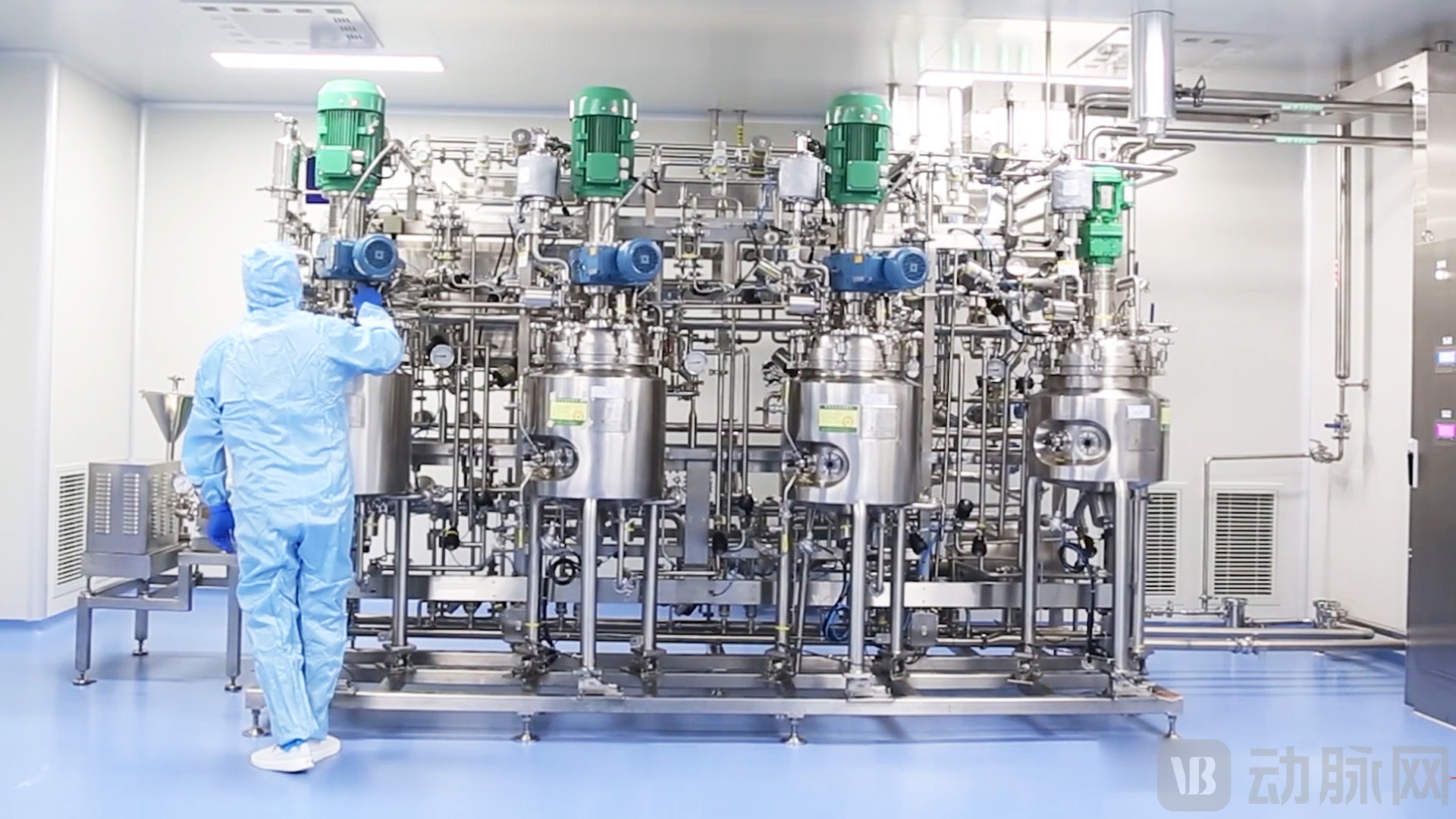
CASMN Microneedle Production Workshop
Moving forward, CASMN will continue to focus on clinical translation in the pharmaceutical sector while expanding into new areas such as cosmetics and general health, further solidifying its leading position. The company will remain committed to its mission of “improving human health with microneedle technology,” making microneedle-based transdermal drug delivery accessible to more patients worldwide. In the future, CASMN plans to collaborate with international public welfare organizations to promote microneedle vaccination technologies in regions with high prevalence of infectious diseases such as malaria and HIV/AIDS. Additionally, it aims to develop low-cost, high-adherence microneedle insulin patches for the global population of 500 million diabetes patients, leveraging innovative technology to address critical global health challenges.
Currently, CASMN has needs for collaboration in drug R&D services, sample production services, and large-scale manufacturing services. If you are interested in CASMN and its service solutions, please contact us: