

Second JinFeng Stem Cell Forum and Conference on Translational Research and Industrial Development Opens in Chongqing
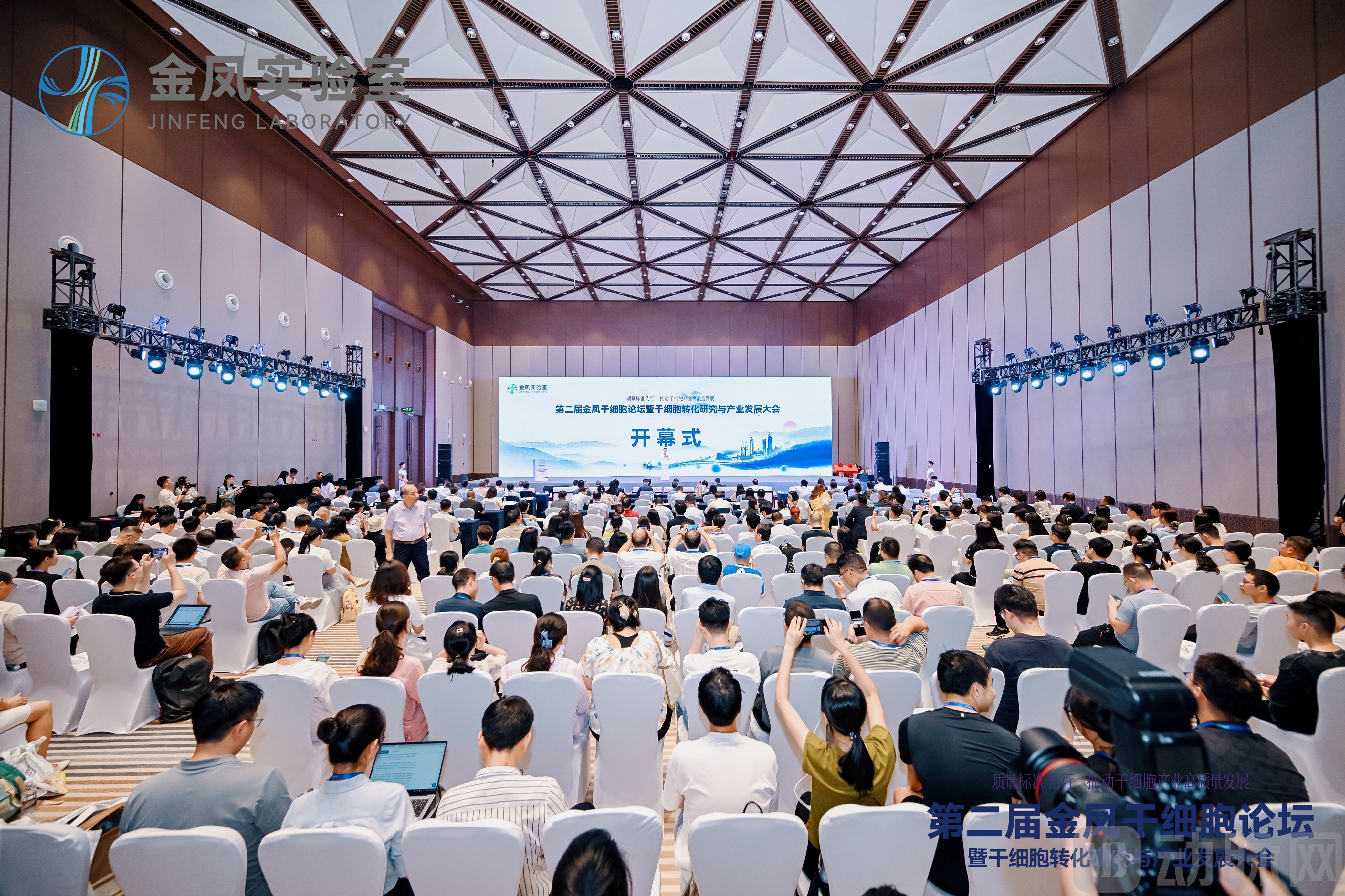
On October 9, the 2nd Jinfeng Stem Cell Forum and the Conference on Translational Research and Industrial Development of Stem Cells opened at the Chongqing Science Hall.
Themed “Quality Standards First, Driving High-Quality Development of the Stem Cell Industry,” the conference, hosted by Jinfeng Laboratory, comprised sessions including the opening ceremony, keynote addresses, parallel forums, and closed-door meetings. Guiding organizations included the Chongqing Municipal Science and Technology Bureau and the Administrative Committee of Chongqing High-Tech Zone in Western Science City. The co-organizer was Joinn Laboratories (China) Co., Ltd., and collaborating partners included Tianfu Jincheng Laboratory (Future Medical City), Industrial Bank Co., Ltd. Chongqing Branch, and VCBeat.
The opening ceremony of the conference brought together more than 500 distinguished guests from the fields of government, industry, academia, healthcare, finance, and law to jointly discuss pathways for quality standard development and promote high-quality industrial translation, achieving significant outcomes.
The stem cell industry is at a critical stage of accelerating its transition from scientific breakthroughs to clinical translation, making the establishment of quality standards for stem cells even more important and urgent.
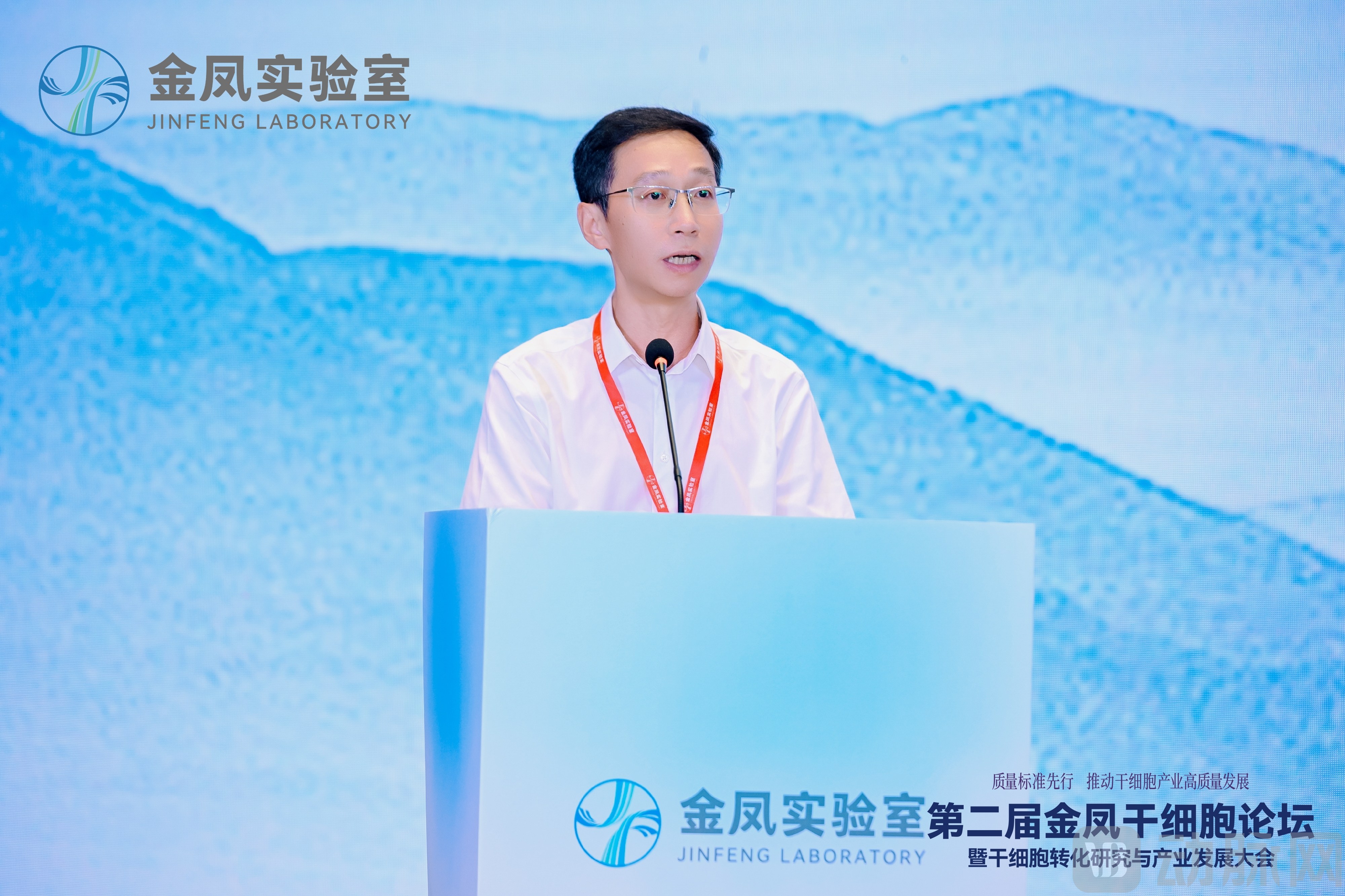
Wang Li, Deputy Director of the Chongqing Municipal Medical Products Administration, stated that Chongqing is accelerating the development of its “33618” modern manufacturing cluster system and the establishment of its “416” scientific and technological innovation layout. The stem cell industry serves as both a key strategic direction and a critical pillar of this framework. As an emerging therapeutic technology, the product quality of stem cells directly impacts patient safety and the sustainable development of the industry. The Municipal Medical Products Administration will actively promote the formulation of quality standards, advance the construction of a regional stem cell quality control and evaluation center, and strengthen a comprehensive, end-to-end regulatory system to ensure the steady and compliant development of the stem cell industry on a safe and controllable trajectory.
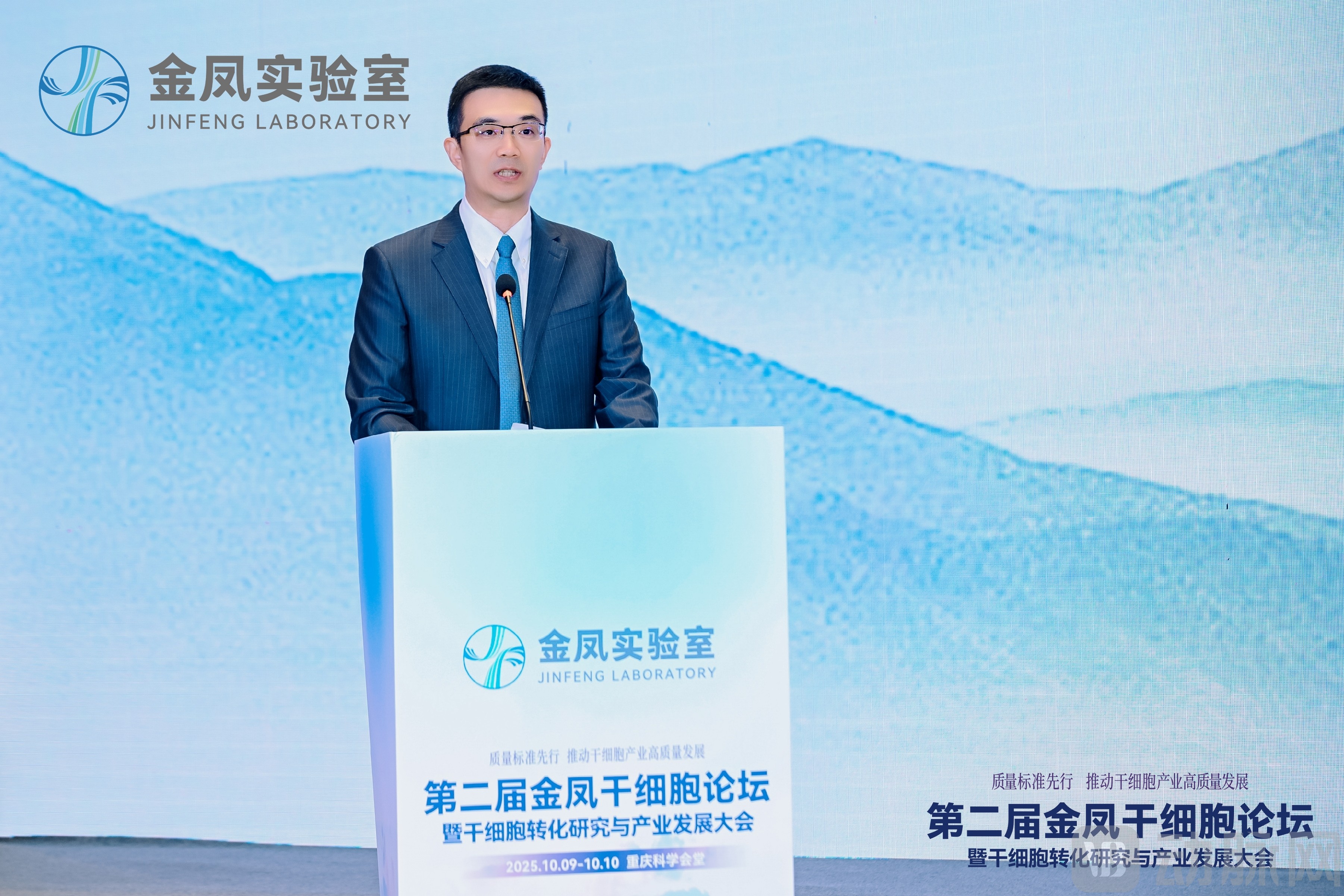
Jia Hui, Deputy Director of the Administrative Committee of Xiyong Comprehensive Bonded Zone and a member of the Party Working Committee of Chongqing High-tech Zone in the Western (Chongqing) Science City, stated that the Western (Chongqing) Science City has incorporated the stem cell industry into its 15th Five-Year Plan, formulated special support policies, and is building a pilot demonstration zone for stem cell industry development. Leveraging high-level platforms such as the Southwest Branch of the Center for Drug Evaluation and Inspection under the National Medical Products Administration and the Jinfeng Laboratory, the Science City will continue to exert efforts in setting quality standards, tackling key technologies, and constructing an industrial ecosystem, thereby promoting the clustered development of the stem cell industry.
Keynote Speech Session: A Multidimensional Elucidation of the Importance and Implementation Pathways for Quality Standard Development.
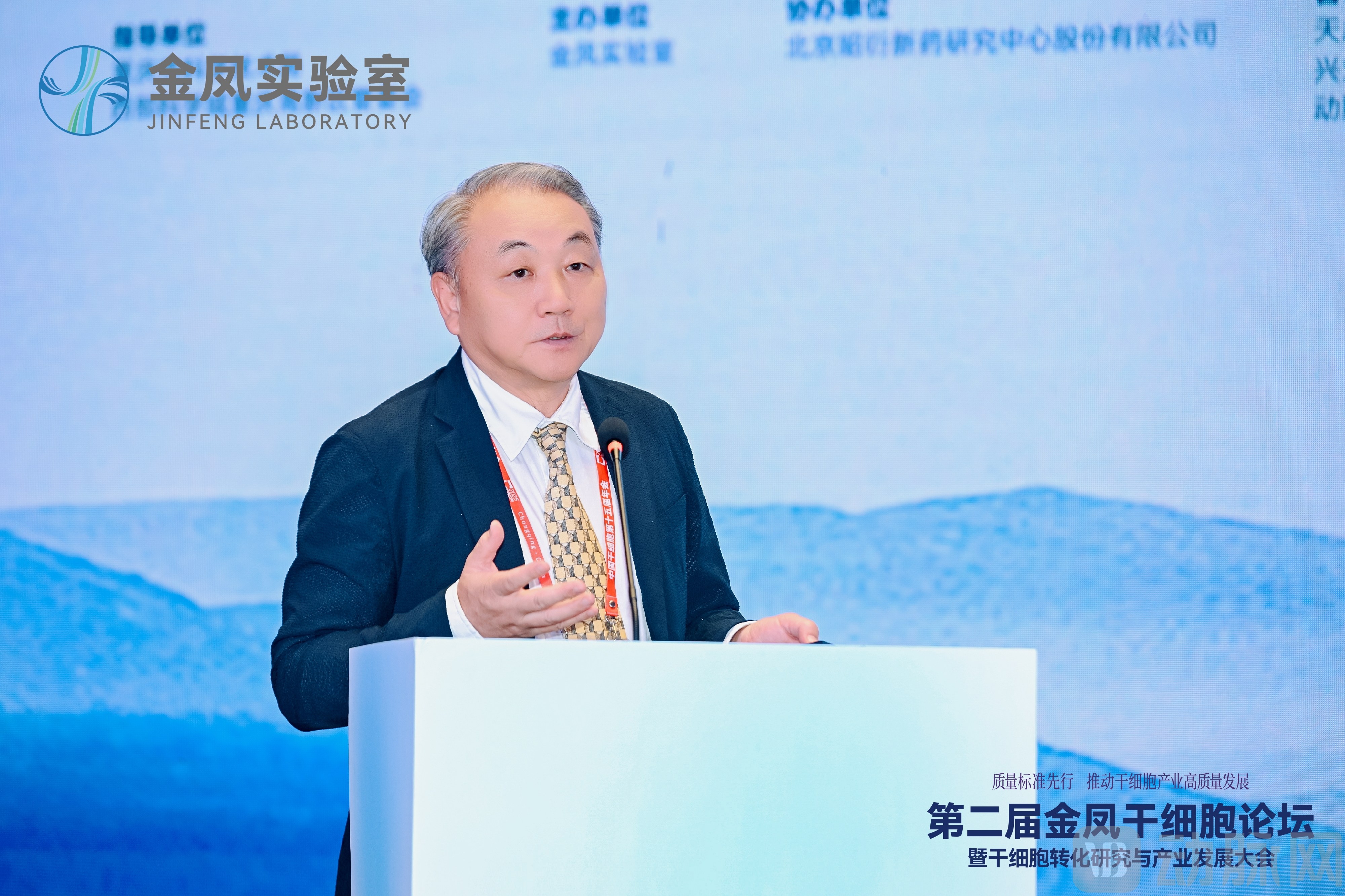
Academician Wang Songling of the Chinese Academy of Sciences systematically introduced the research progress of mesenchymal stem cells in the treatment of various diseases, emphasizing that standardized preparation and quality control are prerequisites for the clinical translation of stem cells. He highlighted the urgent need to establish a unified quality evaluation system and standard operating procedures to ensure the consistency and reproducibility of therapeutic efficacy.
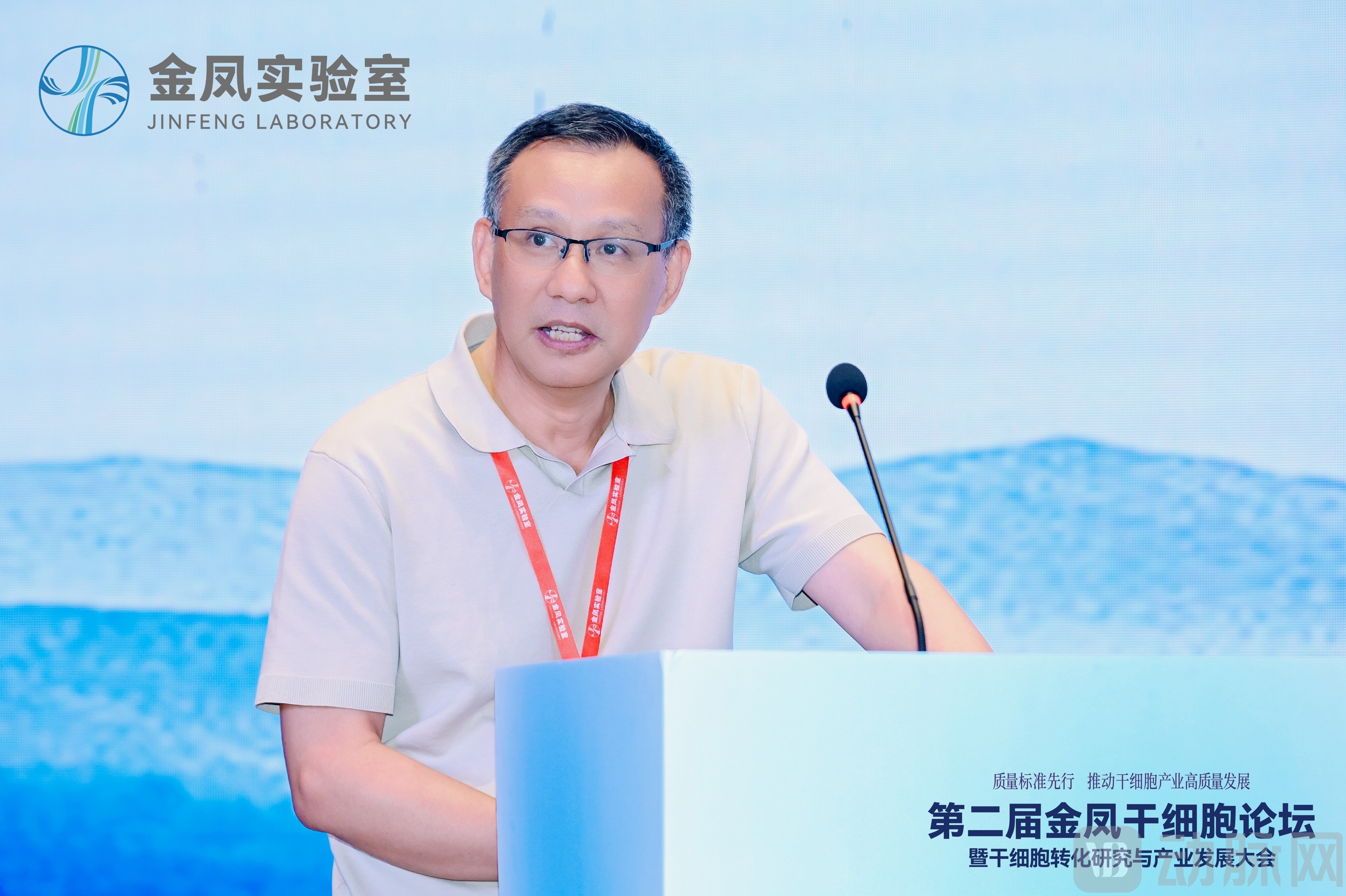
Wu Zhaohui, Vice Chairman of the Chinese Association for Medical Biotechnology, reviewed the ten-year development of China’s filing system for stem cell clinical research. He pointed out that the continuous improvement of policies and regulations has provided clear direction for industrial development, and emphasized the need to further strengthen the coordinated development of quality standards and regulatory systems to facilitate the transition of stem cell products from “filing” to “market approval.”
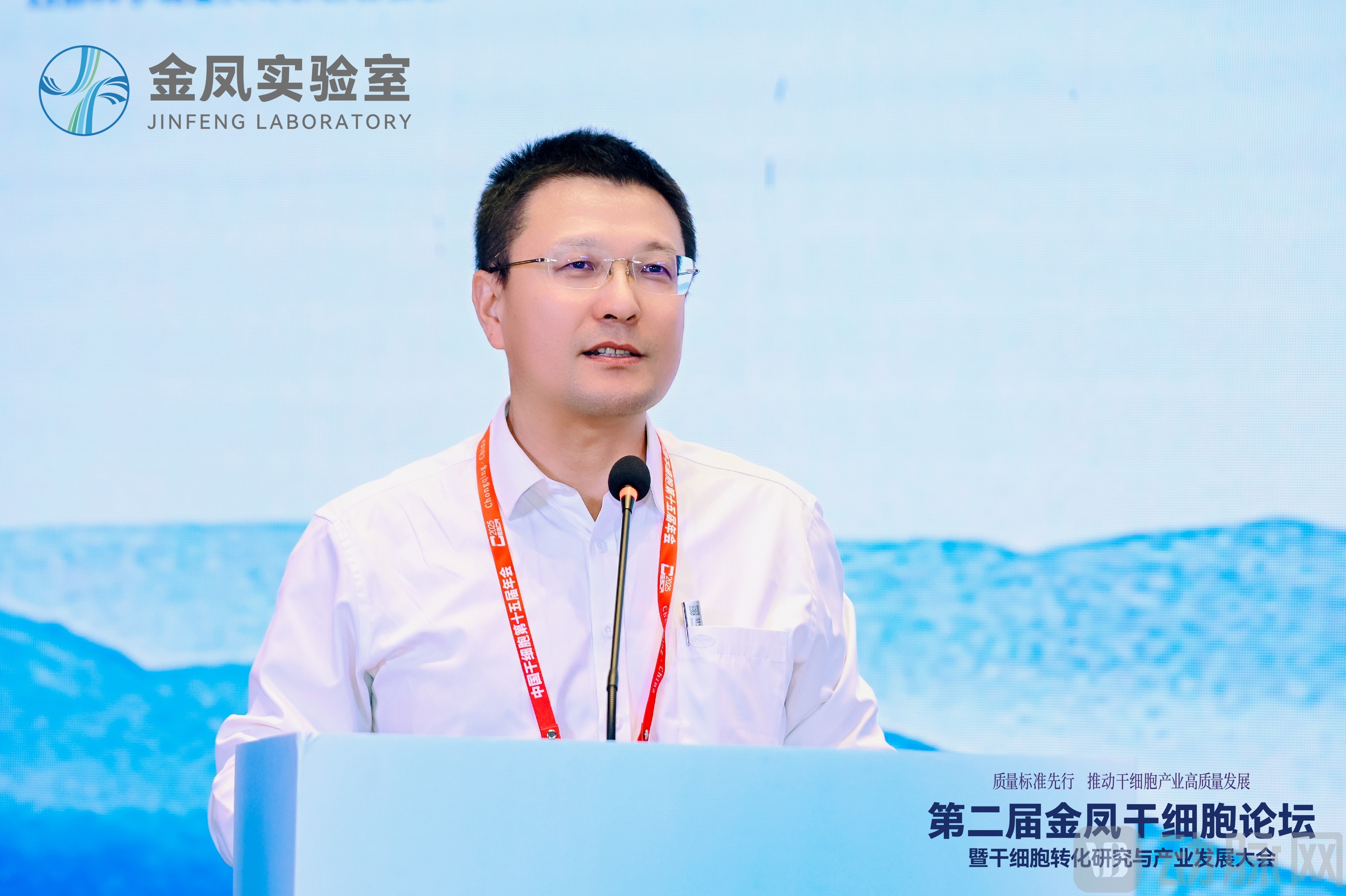
Hu Baoyang, Executive Dean of the Institute for Stem Cell and Regenerative Medicine Innovation at the Chinese Academy of Sciences, proposed from a strategic perspective that basic research and translational applications in the field of stem cells should proceed on dual tracks. The establishment of quality standards should permeate all stages, including scientific research, process development, and clinical validation, thereby constructing a full-chain quality assurance system from source to end product.
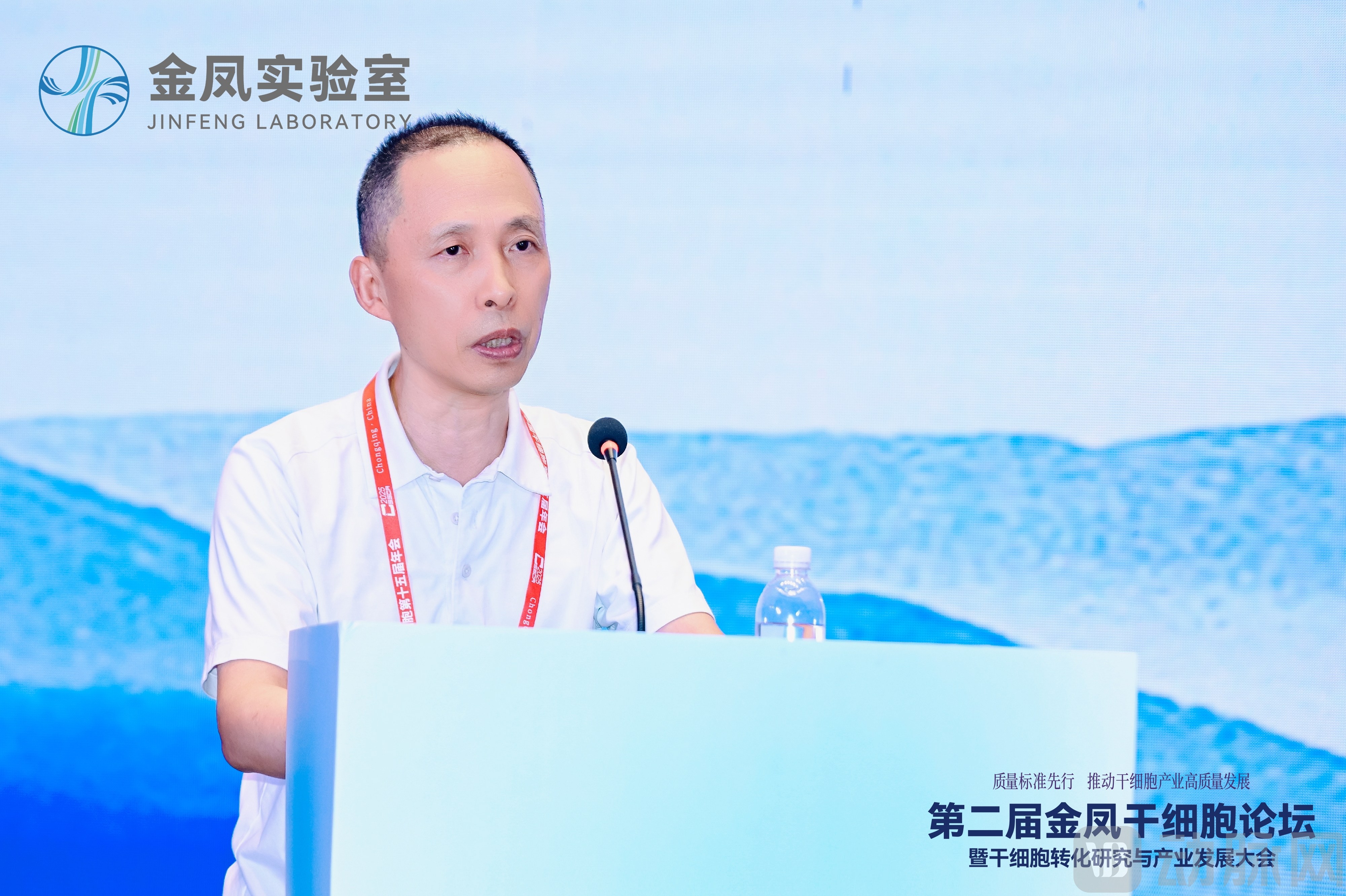
Dai Jianwu, Executive Director of the Institute of Biomedical Engineering at the Chinese Academy of Medical Sciences, delivered a presentation titled “Regenerative Medicine: Building a Human ‘4S Shop’,” vividly elucidating the core role of stem cell technology in future precision medicine and calling for the establishment of a unified, authoritative, and operable quality standard system to promote the industrialization of stem cell technology.
On the first day of the conference, multiple cooperation ceremonies were held to implement collaborative mechanisms for quality standard development.
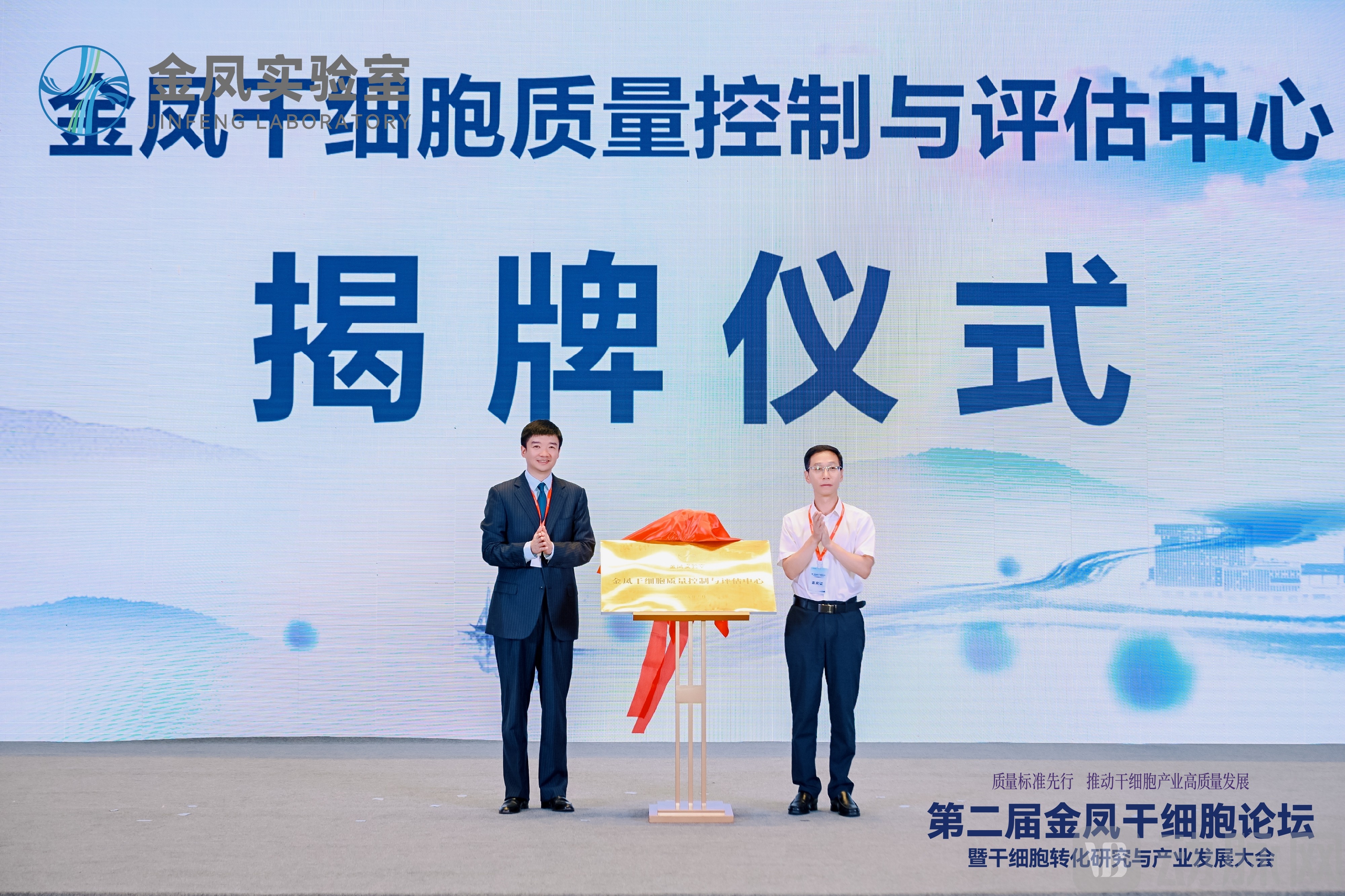
Wang Li, Deputy Director of the Chongqing Municipal Medical Products Administration, and Xu Hui, Deputy Director of Jinfeng Laboratory, jointly unveiled the plaque for the “Jinfeng Stem Cell Quality Control and Evaluation Center.” The center will focus on establishing quality standards for stem cell products, developing testing technologies, and enhancing service capabilities, with the aim of building an authoritative platform for stem cell quality assessment.
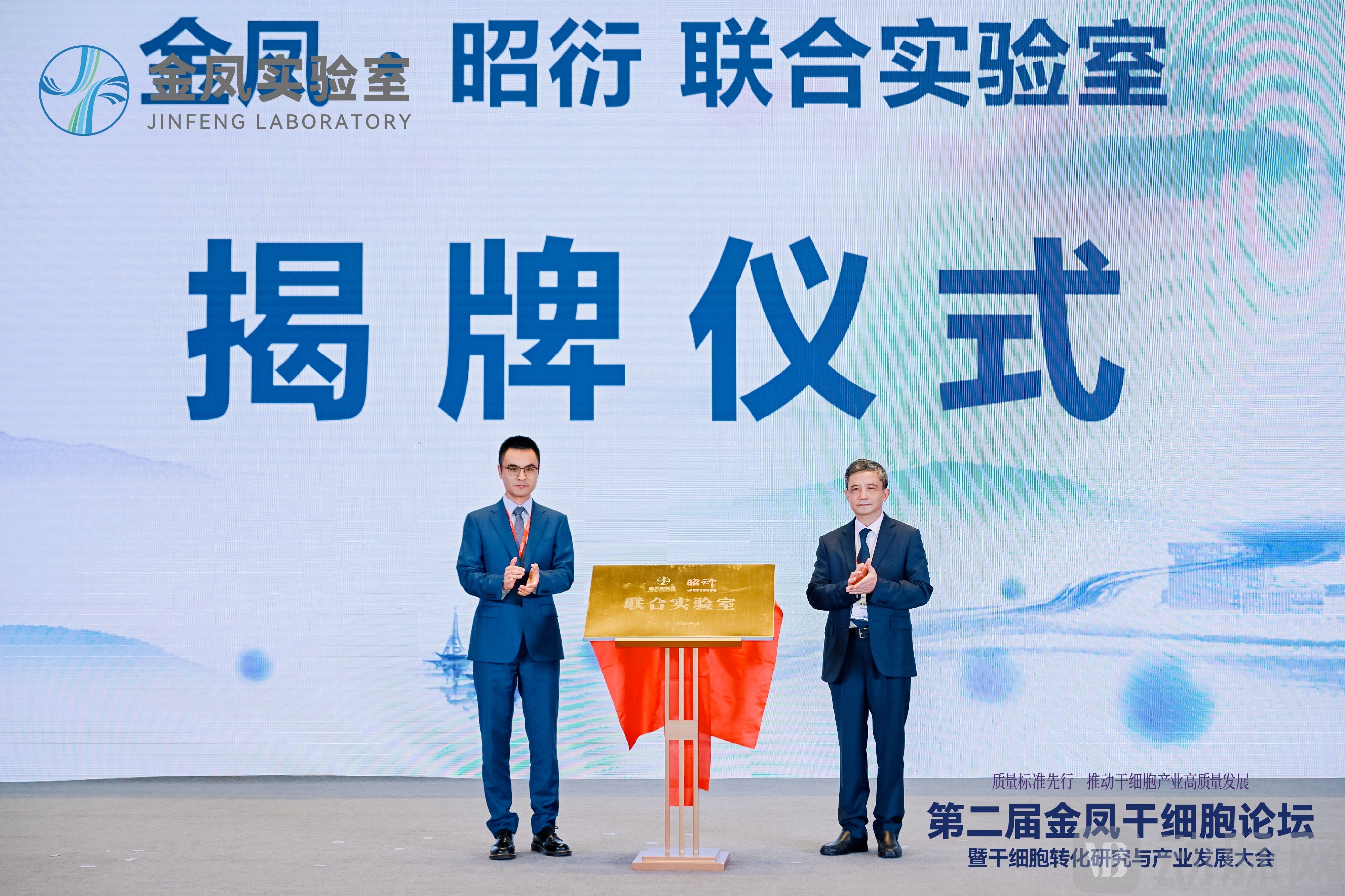
The “Jinfeng–Joinn Joint Laboratory” was also unveiled. Jinfeng Laboratory and Joinn Laboratories will engage in deep collaboration in areas such as non-clinical and clinical evaluation of stem cell products and quality standard research, thereby promoting the standardized and regulated development of stem cell drug R&D.
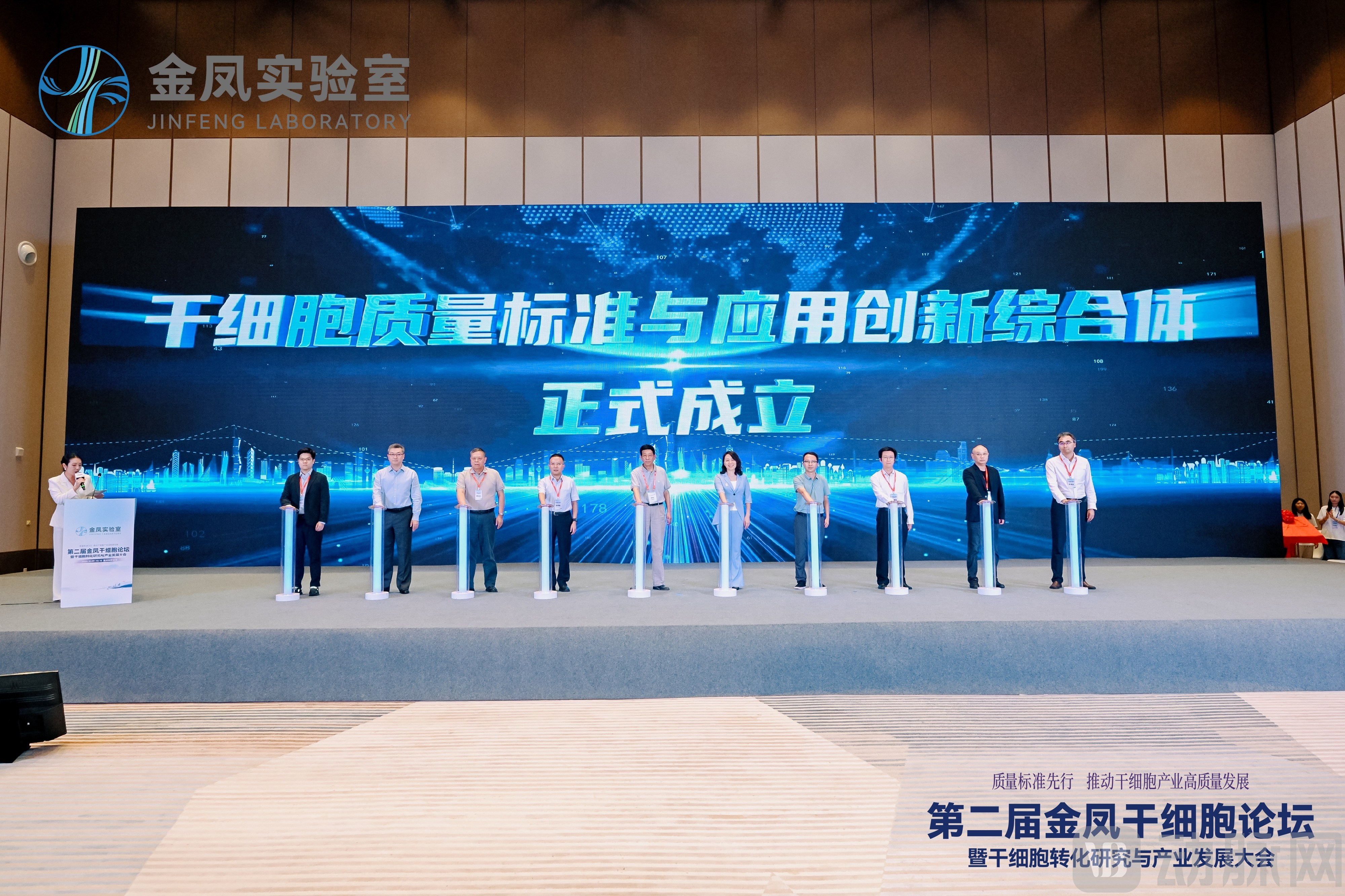
In addition, more than ten organizations, including the JinFeng Laboratory, the Institute of Zoology at the Chinese Academy of Sciences, the Beijing Institute for Stem Cell and Regenerative Medicine, the Second Affiliated Hospital of Chongqing Medical University, Joinn Laboratories, Jiacreate Biologics, Zehui Biologics, Saijun Biologics, Qianhui Technology, and Haijinge Pharmaceutical, jointly initiated the establishment of the “Stem Cell Quality Standards and Application Innovation Consortium.” This consortium serves as a national open collaborative innovation platform for stem cells, aiming to unite universities, research institutions, enterprises, and other stakeholders across China to jointly conduct research on stem cell quality standards and innovate technical methods. It seeks to promote the formation of consensus and standards, thereby building a robust safety foundation for China’s stem cell industry.
On October 10, the conference will host two sub-forums: “Advances in Clinical Research and Application of Stem Cells” and “The Translational Pathway and Ecosystem Building of Stem Cell Research.” Experts and scholars from Sun Yat-sen University, Southern Medical University, Changping National Laboratory, the Singapore Society for Stem Cell Study, and other institutions will engage in in-depth sharing and discussions on topics including stem cell-based new drug development, exosome therapy, neural regeneration, legal and regulatory frameworks, and investment trends.
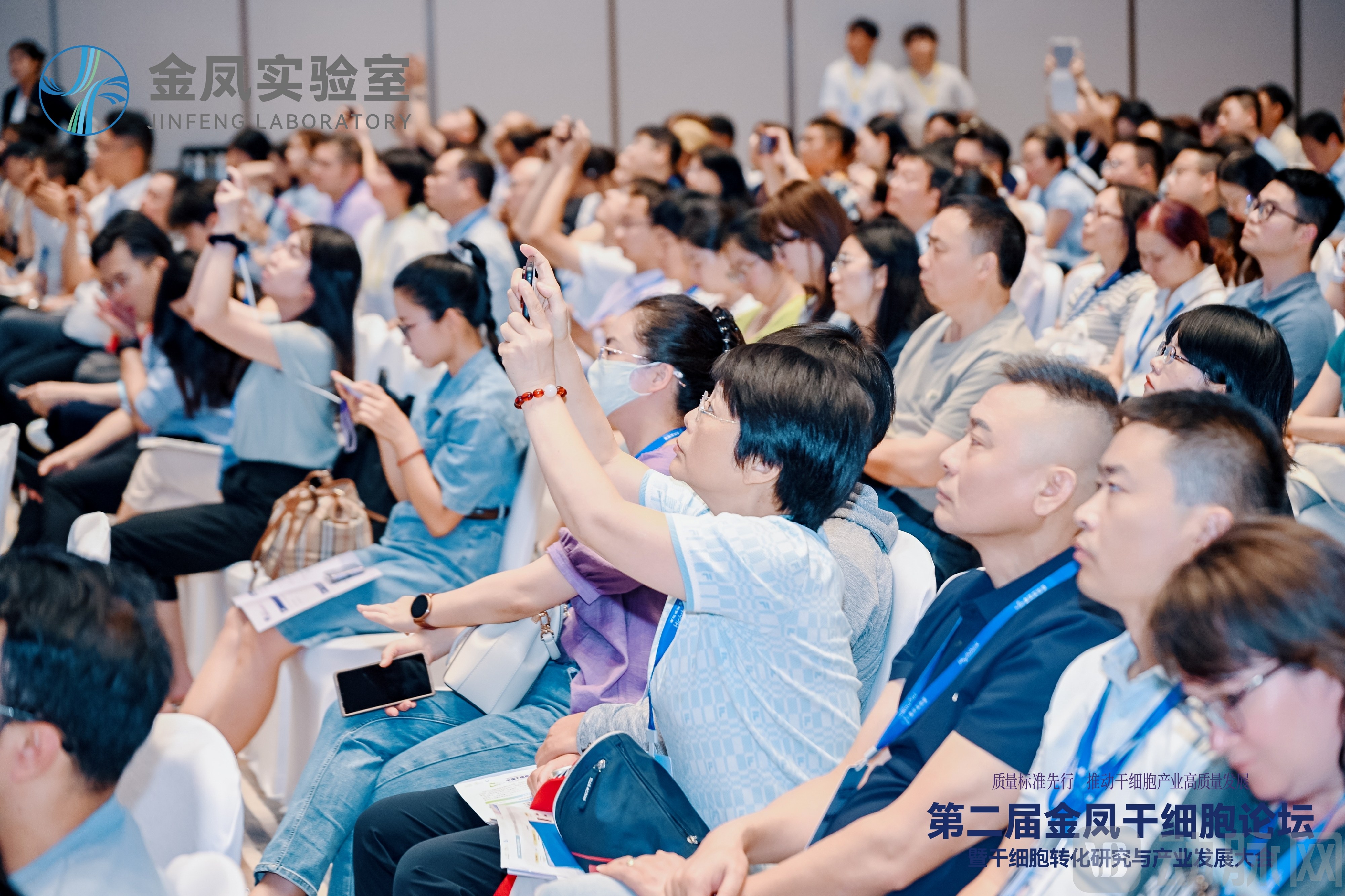
The convening of this conference will propel China’s stem cell industry to make solid strides in establishing quality standards, translating cutting-edge technologies, and fostering coordinated industrial development. In the current period and going forward, Jinfeng Laboratory will continue to exert sustained efforts, actively building a new ecosystem for the stem cell industry centered on quality standards, promoting the deep integration of technological innovation with industrial innovation in stem cells, cultivating new quality productive forces for Chongqing’s stem cell industry, and contributing “Jinfeng Strength” to the high-quality development of China’s stem cell endeavors.