

Yanxiaoyi Empowers Over 500 Medical Institutions with Digitalized Dry Eye Care Solutions
Dry eye disease has become the second most prevalent chronic ophthalmic condition after myopia. According to the "Chinese Expert Consensus on Dry Eye Disease (2020)," the prevalence of dry eye disease in China is approximately 21%–30%, meaning that, on average, one in four people is affected by this condition.
As a chronic ocular surface disease, dry eye has multiple etiologies. Overall, meibomian gland dysfunction (MGD), which leads to a reduction in the lipid layer and accelerated tear film evaporation, is the most common cause of dry eye. For instance, prolonged screen time and improper use of cosmetics can both trigger dry eye. With the widespread adoption of electronic devices in daily life, the incidence of dry eye continues to rise.
However, the supply side is severely constrained: there are fewer than 500 dry eye specialists nationwide in China; diagnostic equipment is expensive and complex to operate, hindering widespread adoption; and due to the chronic nature of dry eye disease, existing treatment models lack long-term monitoring, making it difficult for patients to receive continuous care, particularly in home-based and primary healthcare settings.
Centering on the diagnosis and treatment of digital and intelligent dry eye and ocular surface diseases, Eye Xiaoyi (Wenzhou) Biotechnology Co., Ltd. (hereinafter referred to as "Eye Xiaoyi") leverages its self-developed series of products—including portable ocular surface cameras, integrated ocular surface and fundus devices, non-contact corneal esthesiometers, and dry eye physical therapy instruments—along with AI technology to build a full-scenario digital ophthalmology service ecosystem spanning from hospitals to homes. To date, it has served and empowered over 500 medical institutions across China.
The Eye Xiaoyi team proposes that it is essential to establish a new paradigm for digital and intelligent dry eye diagnosis and treatment covering multiple scenarios, by leveraging innovative diagnostic and therapeutic devices as well as digital-intelligent equipment. This approach aims to address the challenges of efficiency and accessibility inherent in traditional chronic disease management models for dry eye. To this end, the company has developed the “Digital-Intelligent Dry Eye Station” model, deploying standardized and lightweight dry eye screening and physiotherapy services to terminals such as optometry centers, primary healthcare clinics, and optical retail stores. Centered on portable ocular surface cameras and integrated with therapeutic devices like dry eye physiotherapy instruments, this model incorporates digital-intelligent solutions—including a Digital Dry Eye Physician, AI-assisted diagnosis, and an information management platform—to achieve a closed-loop service encompassing the entire process of “screening, diagnosis, treatment, and management.”
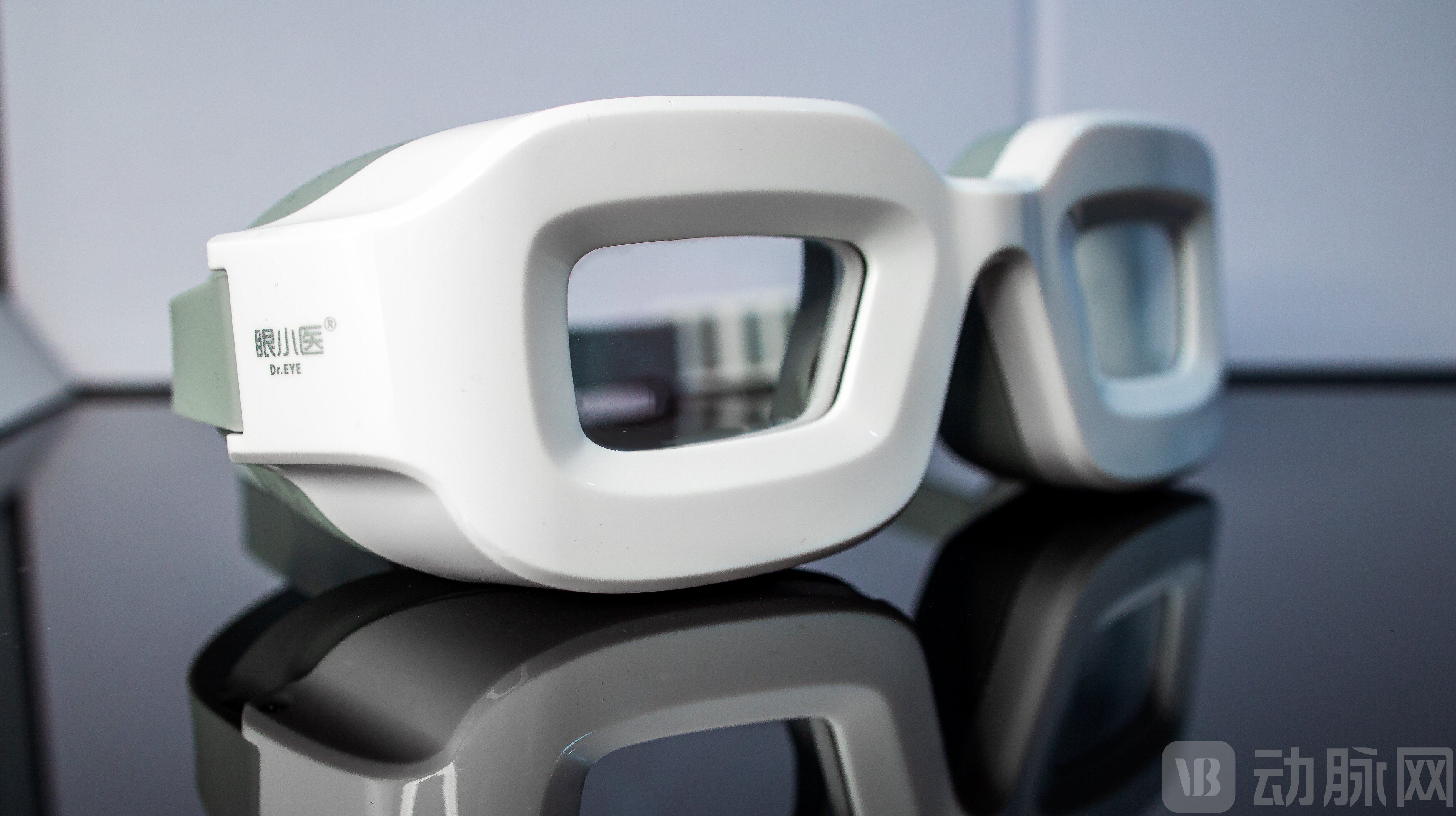
Dry Eye Therapy Device
Wang Pengfei, Board Secretary of Eye Xiaoyi, pointed out: “There are approximately 400 million dry eye patients in China, yet the actual consultation rate remains below 5%. To expand diagnostic and treatment coverage, it is essential to activate primary healthcare networks and optometry channel resources, particularly targeting individuals with mild symptoms and visual fatigue.” He stated that the service capacity of optical shops, optometry centers, and community health institutions is not yet saturated, creating a strong incentive to introduce dry eye services. By making equipment portable, operations intelligent, and services standardized, Eye Xiaoyi has effectively lowered the threshold for diagnosis and treatment, enabling dry eye care to truly reach communities and households.
The portable ocular surface camera is a key device in Eye Xiaoyi’s product matrix. This product integrates the functions of traditional slit lamps and comprehensive ocular surface analyzers, utilizing multispectral imaging with white light, blue light, and infrared to capture different layers of the ocular surface and provide comprehensive eye health data. Combined with AI technology, the device automatically generates diagnostic results to help identify dry eye disease. Compared to traditional equipment, the portable ocular surface camera is compact, measuring only one-quarter the size of a slit lamp, and supports rapid adoption by non-specialists, significantly enhancing the device’s operability and accessibility.
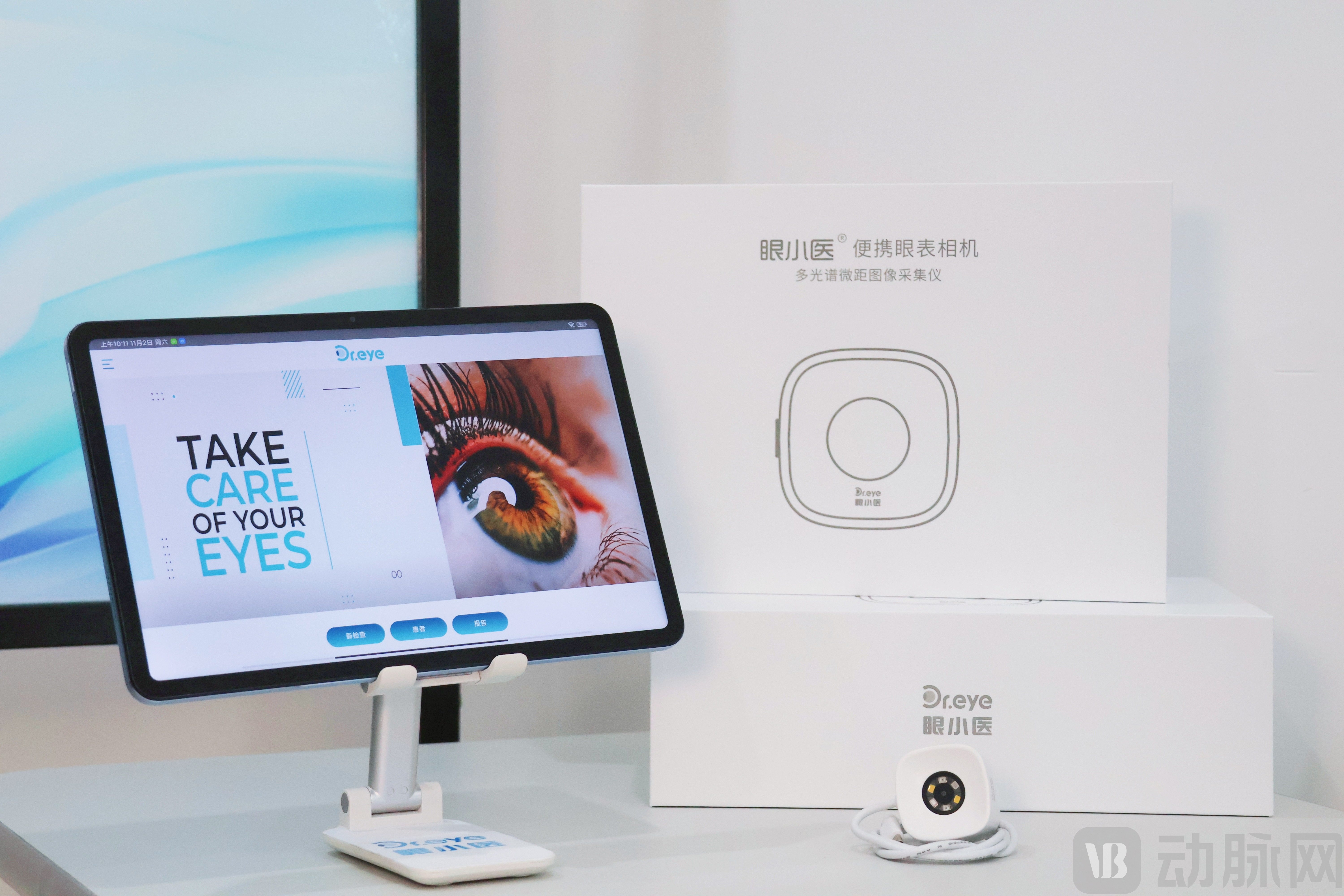
Portable Ocular Surface Camera
This device is not only suitable for medical institutions but can also be deployed in community health centers, optometry clinics, and even home settings. In medical institutions, it enables homogeneous and standardized disease-specific management workflows, enhancing the identification of dry eye patients and expanding service coverage through in-clinic patient education. In primary healthcare settings, portable and precise screening lays a solid foundation for early intervention and timely treatment. During the home management phase, patients can conduct daily health monitoring using portable ocular surface cameras, while remote follow-ups and chronic disease management facilitate precise tracking and real-time intervention, significantly improving convenience and cost-effectiveness. Through the gradual establishment of an information management platform, a complete ecosystem encompassing dry eye screening, diagnosis, treatment, and continuous monitoring is formed, truly achieving efficient chronic disease management and ensuring that patients receive continuous, personalized medical care throughout the entire course of their condition.
Eye Xiaoyi stated that the company’s product R&D is led by top-tier ophthalmic clinical experts, focusing on patient needs and clinical pain points. The company places great emphasis on independent innovation and intellectual property protection; nearly all its products have been patented, with core products further secured through international PCT patent applications.
For example, the non-contact corneal esthesiometer, as the first innovative device in China capable of quantitative assessment of corneal nerve function, precisely fills the clinical testing gap in the field of dry eye-related neurological sensory abnormalities, marking that intelligent manufacturing in China has entered the international forefront in the field of precise ophthalmic diagnosis and treatment. Jointly developed by Eye Xiaoyi (Wenzhou) Biotechnology Co., Ltd. and Professor Chen Wei’s team at the Eye Hospital of Wenzhou Medical University, the device was officially approved for market launch by the Zhejiang Provincial Medical Products Administration on August 19 (Zhejiang Medical Device Registration No. 20252161602). Centered on non-invasiveness, precision, and intelligence, it replaces traditional contact examinations with controlled air-puff stimulation, covering ten major clinical scenarios including dry eye diagnosis and grading, early screening for diabetic keratopathy, pre- and post-operative assessments for corneal refractive surgeries, and safety management of contact lens wear.
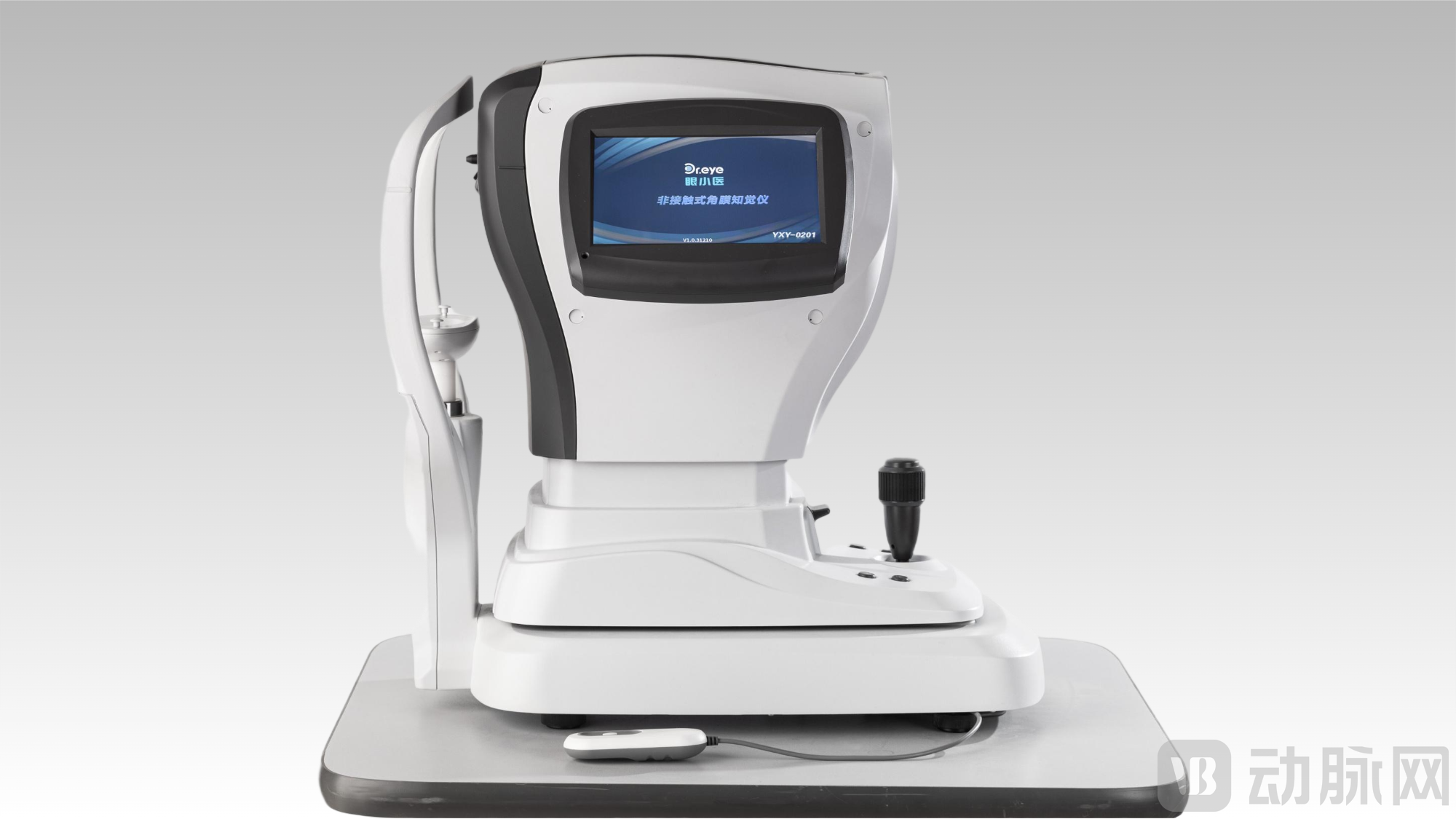
Non-Contact Corneal Esthesiometer
In the therapeutic product category, for instance, the Dry Eye Physical Therapy Device is a physical therapy product designed for individuals with mild to moderate dry eye disease associated with prolonged electronic device use and meibomian gland dysfunction (MGD). It features precise constant-temperature warm compresses, blink training, and nanoscale steam fumigation functions, and has obtained Class II medical device certification and relevant invention patents. This product breaks through scenario limitations, making it suitable for use in hospitals, healthcare institutions, as well as during work, study, entertainment, and leisure activities. It addresses the need for continuous, standardized treatment required for dry eye as a chronic condition. Clinical studies have shown that 95.45% of users experienced significant thickening of the lipid layer, with subjective comfort levels superior to those in the sodium hyaluronate group.
Furthermore, there is a severe shortage of specialized dry eye physicians, particularly in community health institutions and optometry/optical stores, which lack professional capabilities for dry eye management. To better empower primary care physicians in addressing complex cases and providing diagnostic and treatment plans, the company has developed “Eyewen,” a digital dry eye specialist, based on extensive clinical guidelines and research findings, thereby extending top-tier expert knowledge to the grassroots level. It can be deployed locally according to institutional needs as an auxiliary diagnostic and therapeutic tool, while also offering patients intelligent triage services and professional health education.
Eye Xiaoyi believes that the future diagnosis and treatment of dry eye disease will heavily rely on multi-scenario service capabilities built upon the integration of innovative products and digital-intelligent devices. Looking ahead, the company will continue to be patient-centric and technology-driven, deepening the integration of large AI models, remote diagnosis and treatment platforms, and professional training systems. It is committed to building a comprehensive digital-intelligent ecosystem for dry eye care across all scenarios, aiming to become an industry-leading solution provider.