

Nerivio Receives NMPA Approval in China: Wearable and Digital Solutions Redefine Migraine Management
TengAI Doc
Chronic Pain Management Service Provider
In August 2025, Tengai Health, in partnership with Nerivio, a Remote Electrical Neuromodulation (REN) device for migraine treatment, obtained the registration certificate for imported Class II medical devices from the National Medical Products Administration (NMPA). As the exclusive partner for this device in China, Tengai Health has formally introduced this innovative, drug-free, non-invasive, evidence-based treatment solution to the Chinese market, providing migraine patients with a new, convenient, and accessible home-use treatment option.
Guided by the principles of personalized treatment and comprehensive management for migraine, Nerivio can be used either as a monotherapy or in combination with pharmacological agents to enhance patient adherence and overall therapeutic efficacy. In appropriate patient populations, it helps reduce reliance on medications and lowers the risk of medication-overuse headache (MOH). Internationally, Nerivio has received approval from the U.S. Food and Drug Administration (FDA) and obtained CE marking in the European Union for both acute and preventive treatment of migraine.
Recently, VCBeat conducted an exclusive interview with Luo Xiaoai, Co-founder and CEO of TengAI Health, to analyze the application potential of this device in the field of migraine treatment in China and TengAI Health’s strategic layout in disease-specific management ecosystems from the following perspectives:
● Synergize with pharmacotherapy to deliver innovative migraine treatment solutions;
● Provides safe and long-lasting endogenous analgesia through the Remote Electrical Neuromodulation (REN) mechanism;
● Suitable for both acute and preventive treatment, covering a broader patient population;
● Received positive evaluations from clinical experts, with continued efforts in full-course management of migraine.
1Non-invasive Neuromodulation and Pharmacological Synergy: Constructing an Integrated Management Pathway for Migraine
Pharmacotherapy is a cornerstone of migraine management. Guided by clinical guidelines and approved labeling, acute and preventive medications provide benefits to a large number of patients. Meanwhile, clinical practice has shown that, due to factors such as individual variability, comorbidities, adherence, and accessibility, a significant proportion of patients cannot achieve optimal control with monotherapy alone. Furthermore, frequent use of acute medications necessitates careful attention to the risk and threshold for medication-overuse headache (MOH).
In this context, non-pharmacological, non-invasive neuromodulation therapies offer a complementary management pathway to pharmacotherapy: they can be used either as monotherapy or in combination with medications, thereby enhancing overall efficacy, improving daily adherence, and reducing reliance on acute medications. Specific choices should be individualized based on the patient’s clinical condition, prior treatment responses and preferences, as well as clinical guidelines.
In recent years, innovative drugs targeting the CGRP pathway have expanded treatment options for adult patients; high-quality evidence and indicated populations for special groups, including children, adolescents, and pregnant or postpartum women, are still being continuously refined. In parallel, the introduction of non-pharmacological interventions, such as digital therapeutics and neuromodulation, is expected to provide safer and more inclusive whole-course management solutions for patients at different stages and from diverse populations, underpinned by evidence-based medicine.
Nerivio, a remote electrical neuromodulation (REN) device utilizing low-frequency electrical stimulation, offers migraine patients an innovative, non-pharmacological, non-invasive, wearable treatment controlled via a smart application and suitable for home use. In November 2024, the U.S. FDA approved it for both acute and preventive treatment of migraine with or without aura in individuals aged 8 years and older. This breakthrough addresses the long-standing lack of safe, non-addictive, and sustainable treatment options for children and adolescents with migraine.Nerivio received medical device registration approval from China’s National Medical Products Administration (NMPA) in August 2025. The currently approved indication is for the acute treatment of migraine in adults. Indications and target populations will continue to be expanded to better serve the vast number of migraine patients in China.
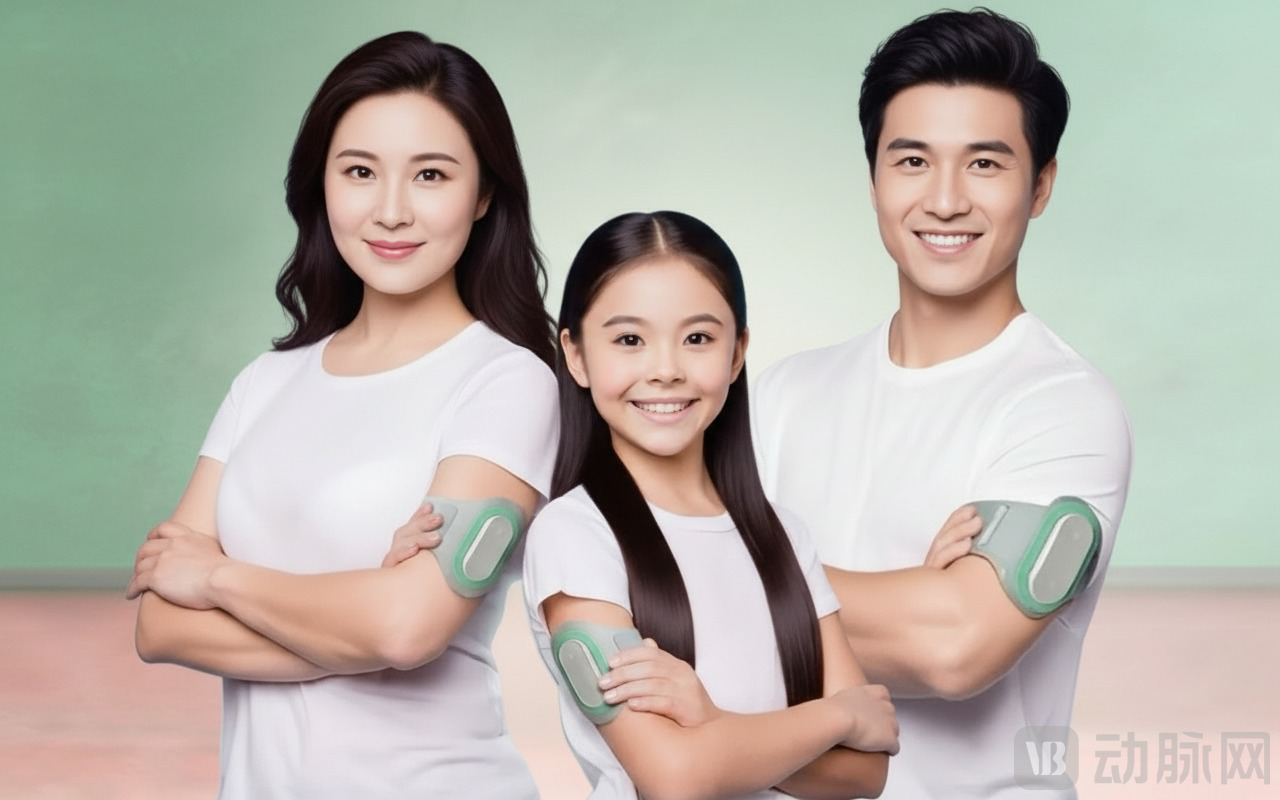
From an evidence-based perspective, Nerivio has accumulated data on the efficacy and safety of both acute and preventive treatments through multiple randomized controlled clinical trials and large-scale real-world studies. This has established a relatively systematic body of evidence, providing clinicians with referenceable clinical basis for individualized management, while also helping to improve patient adherence and confidence in its use.
2Mechanism of Remote Electrical Neuromodulation (REN): Activating the Endogenous Analgesic System to Improve Migraine Treatment Experience
Nerivio innovatively employs the Remote Electrical Neuromodulation (REN) mechanism, a technology that was selected as one of TIME magazine’s “100 Best Inventions” for its unique scientific principles and innovative value.
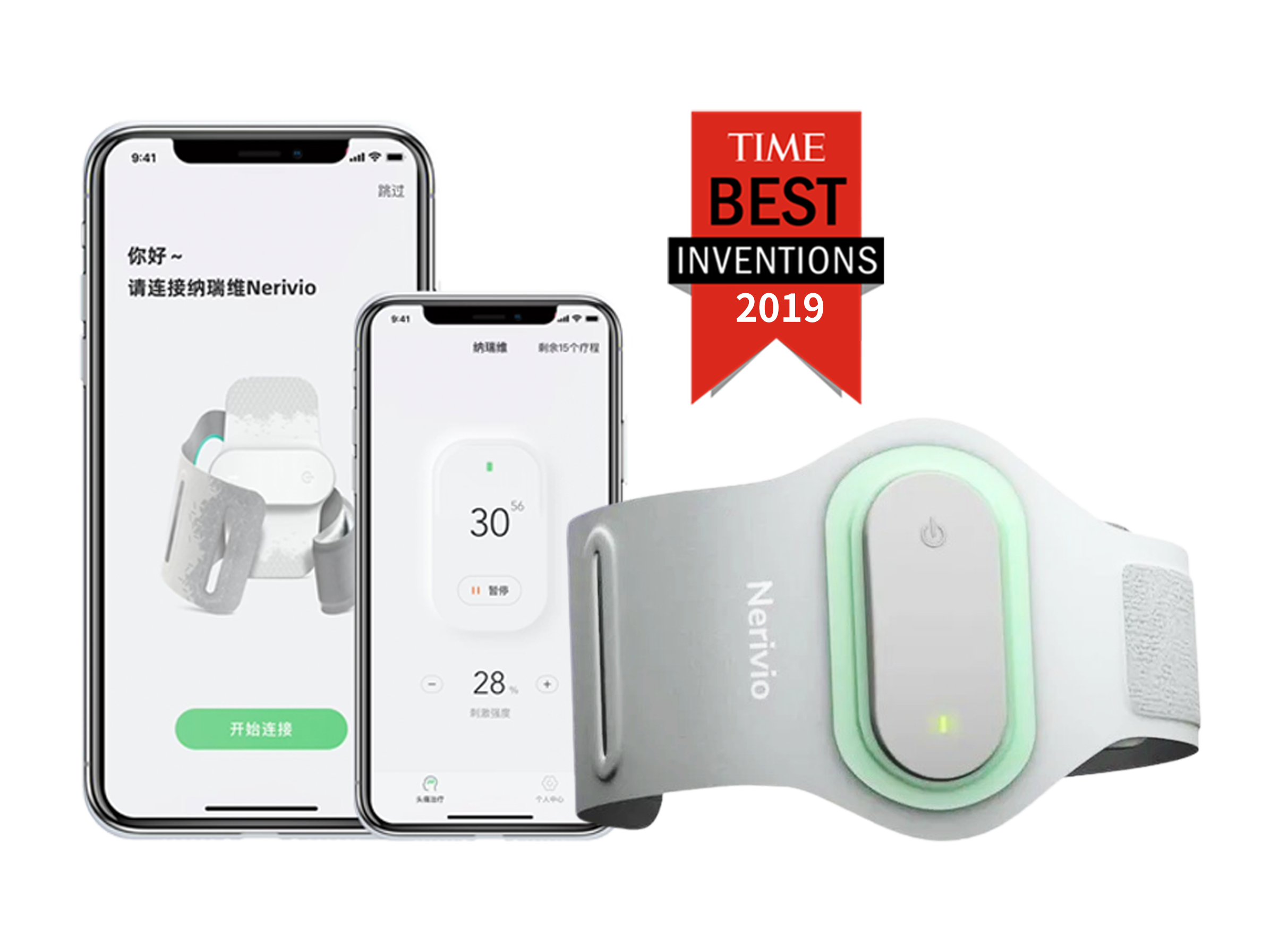
Specifically, Nerivio stimulates A-delta and C nerve fibers in the upper arm, transmitting signals to the pain modulation centers in the brainstem. This activates the body’s Conditioned Pain Modulation (CPM) system, thereby triggering descending pain inhibitory pathways. These pathways act on the trigeminocervical complex by releasing serotonin and norepinephrine, ultimately activating the body’s endogenous analgesic system to regulate and alleviate migraine pain signals.
“Studies have shown that many migraine patients exhibit congenital or functional deficiencies in their pain inhibition mechanisms, with regulatory capabilities weaker than those of healthy individuals. Nerivio alleviates pain by safely activating the patient’s own pain inhibition pathways through low-frequency electrical stimulation,” said Professor Qian Xiang, Director of the Head and Facial Pain Center at Stanford University Hospital. “This process physiologically engages the body’s natural pain modulation mechanisms, resulting in no clinical side effects. As it leverages the endogenous analgesic system, it demonstrates favorable efficacy and safety profiles with long-term use.”
Unlike localized neuromodulation approaches such as vagus nerve stimulation, trigeminal nerve stimulation, and frontal transcutaneous electrical stimulation,Nerivio’s Remote Electrical Neuromodulation (REN) mechanism achieves remote, global pain modulation through upper arm stimulation.This not only demonstrates unique advantages in the treatment of migraine but also offers potential value for future exploration of pain management in other conditions.Currently, clinical trials and real-world studies of Nerivio are primarily focused on the field of migraine, but its mechanism of action has demonstrated broader application prospects.
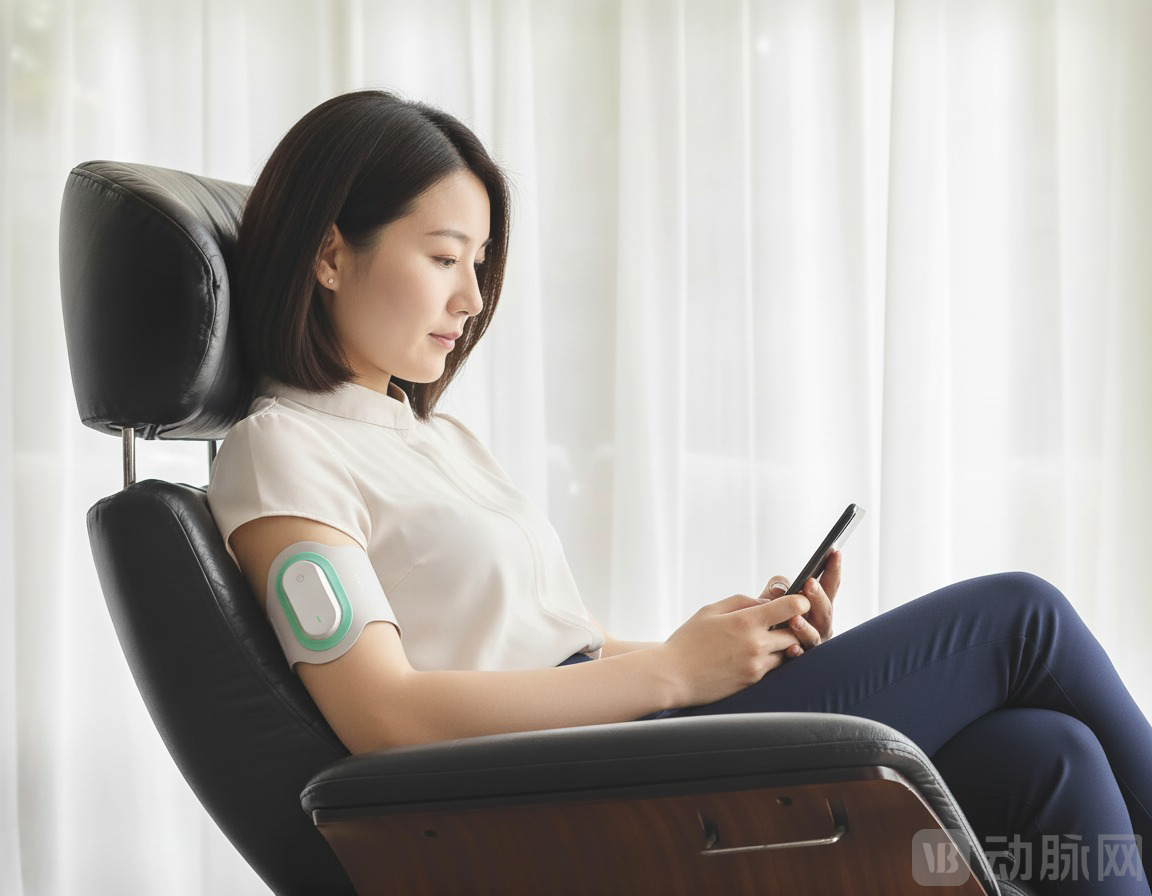
Furthermore, the Remote Electrical Neuromodulation (REN) mechanism employed by Nerivio has improved the patient treatment experience. Currently, most traditional neuromodulation devices require direct application to the head; however, during a migraine attack, the head becomes particularly sensitive to touch, often making such devices difficult for patients to tolerate. In contrast, Nerivio utilizes the REN mechanism to deliver peripheral electrical nerve stimulation via the upper arm, activating the brain’s endogenous pain modulation systems to achieve analgesia. This approach enables treatment without any contact with the head, better aligning with migraine patients’ need to avoid cranial stimulation during attacks. Consequently, it enhances comfort, discretion, and adherence in daily use, providing a more patient-friendly therapeutic experience. Its compact design and simple operation allow users to independently adjust stimulation intensity according to their individual tolerance. Patients can continue their daily work, exercise, and routine activities during treatment, significantly improving both user experience and compliance.
3Provides both acute and preventive treatment, offering a non-pharmacological, wearable, and portable migraine management solution for a broader population.
Specifically, Nerivio boasts the following highlights:
First,Achieving Dual Functions of Acute and Preventive TreatmentCurrently, most non-invasive neuromodulation devices approved for market launch can only address one aspect: either providing rapid pain relief during migraine attacks or serving as a preventive measure during interictal periods. In contrast, Nerivio by Theranica addresses both needs through a single treatment regimen.
Second,Nerivio has received approval from the U.S. FDA and CE certification in the European Union. It is currently approved in the United States for acute and preventive treatment of migraine in children, adolescents, and adults aged 8 years and older.; Approved in the European Union for acute and preventive treatment of migraine in individuals aged 12 years and older. The indication approved by China’s National Medical Products Administration (NMPA) is for the acute treatment of migraine in adults. “Migraine in children and adolescents is not uncommon, but it is often overlooked or misdiagnosed,” said Luo Xiao’ai, Co-founder and CEO of TengAI Health.
In the pediatric population, a prospective, real-world analysis of Nerivio evaluating the safety and efficacy of remote electrical neuromodulation (REN) technology in the treatment of acute migraine in children aged 6 to 11 years showed that 72.2% of patients experienced pain relief, and 36.0% achieved pain freedom.[9]
In the future, Naruiwei will continue to expand its regulatory approvals, gradually covering adolescent and pediatric populations in China and adding indications such as prophylactic treatment.
Furthermore, the treatment of migraine during preconception, pregnancy, and lactation requires particular caution, with priority given to non-pharmacological interventions supported by safety data. A retrospective controlled study on the efficacy and safety of Nerivio for migraine in pregnant patients compared 59 pregnant women with migraine who received at least three sessions of REN therapy during pregnancy (REN group) with 81 pregnant women with migraine who did not use REN during pregnancy (control group), yielding the following core results[10]. The results showed that the use of Nerivio for migraine treatment during pregnancy did not have adverse effects on fetal growth, pregnancy safety, or child development. All p-values in the data were >0.05 (no statistical significance),Preliminarily validated its safety during pregnancy, providing a reference for non-pharmacological interventions in pregnant individuals with migraine.
Third,Can be used in combination with existing treatments.Nerivio, based on Remote Electrical Neuromodulation (REN), can be used as a standalone therapy or in combination with other acute or preventive treatments. As a non-pharmacological, non-invasive treatment, Nerivio has no known drug interactions. In addition to providing REN electrical stimulation therapy, the accompanying TengAI Doc digital health platform records treatment and migraine-related data, supports personalized management and adherence tracking, and facilitates long-term follow-up and standardized care for migraine patients. For patients seeking to reduce medication dependence, incorporating this therapy into a comprehensive management plan enhances daily control and overall management experience.
Fourth,Real-World Data from Long-Term Follow-Up Suggests the Sustainability and Tolerability of Remote Electrical Neuromodulation (REN) in Long-Term Clinical Applications. At the 67th Annual Meeting of the American Headache Society (AHS) in June 2025, Nerivio presented three new real-world studies. One longitudinal analysis with up to three years of follow-up demonstrated that clinical outcomes—including pain relief, functional recovery, and alleviation of associated symptoms (photophobia, phonophobia, nausea/vomiting)—remained generally stable during the follow-up period when the Nerivio remote electrical neuromodulation (REN) wearable device was used for daily management. No signal of diminishing efficacy over time (“tolerance/treatment fatigue”) was observed. Meanwhile, reported adverse events were predominantly mild and device-related, indicating mild, localized side effects and a very low incidence of adverse events.[11]
4Recognized by International Experts and Included in Multiple Guidelines, Supporting Full-Course Management of Migraine
Nerivio, based on the Remote Electrical Neuromodulation (REN) mechanism, has conducted multiple clinical and real-world studies in the United States, Israel, various European countries, India, and other regions, accumulating systematic evidence of its safety and efficacy. The number of publicly available peer-reviewed studies continues to grow, with 23 published to date. These studies cover diverse populations, including adults, adolescents, and children, as well as various usage scenarios, providing an evidence-based foundation for clinical application.
From the perspective of evidence-based medicine and clinical guidelines, international and domestic authoritative bodies have successively incorporated remote electrical neuromodulation (REN), a class of non-invasive neuromodulation therapies, into relevant consensus statements and guidelines as a non-pharmacological treatment option for migraine management.
Current research suggests that REN activates descending pain inhibitory pathways through electrical stimulation of peripheral nerves in the upper arm, promoting the relief of pain and associated symptoms (such as photophobia, phonophobia, and nausea/vomiting) during acute attacks. As a non-pharmacological, non-invasive approach, it can also be used in combination with pharmacotherapy to help reduce the risk of medication-overuse headache (MOH). For individuals across different age groups and physiological stages (such as adolescents and women of childbearing age), REN provides non-pharmacological alternative and complementary options.
Meanwhile, multiple experts in the fields of headache medicine and neurology have publicly offered positive assessments of REN’s potential value in specific populations and clinical scenarios, for example:
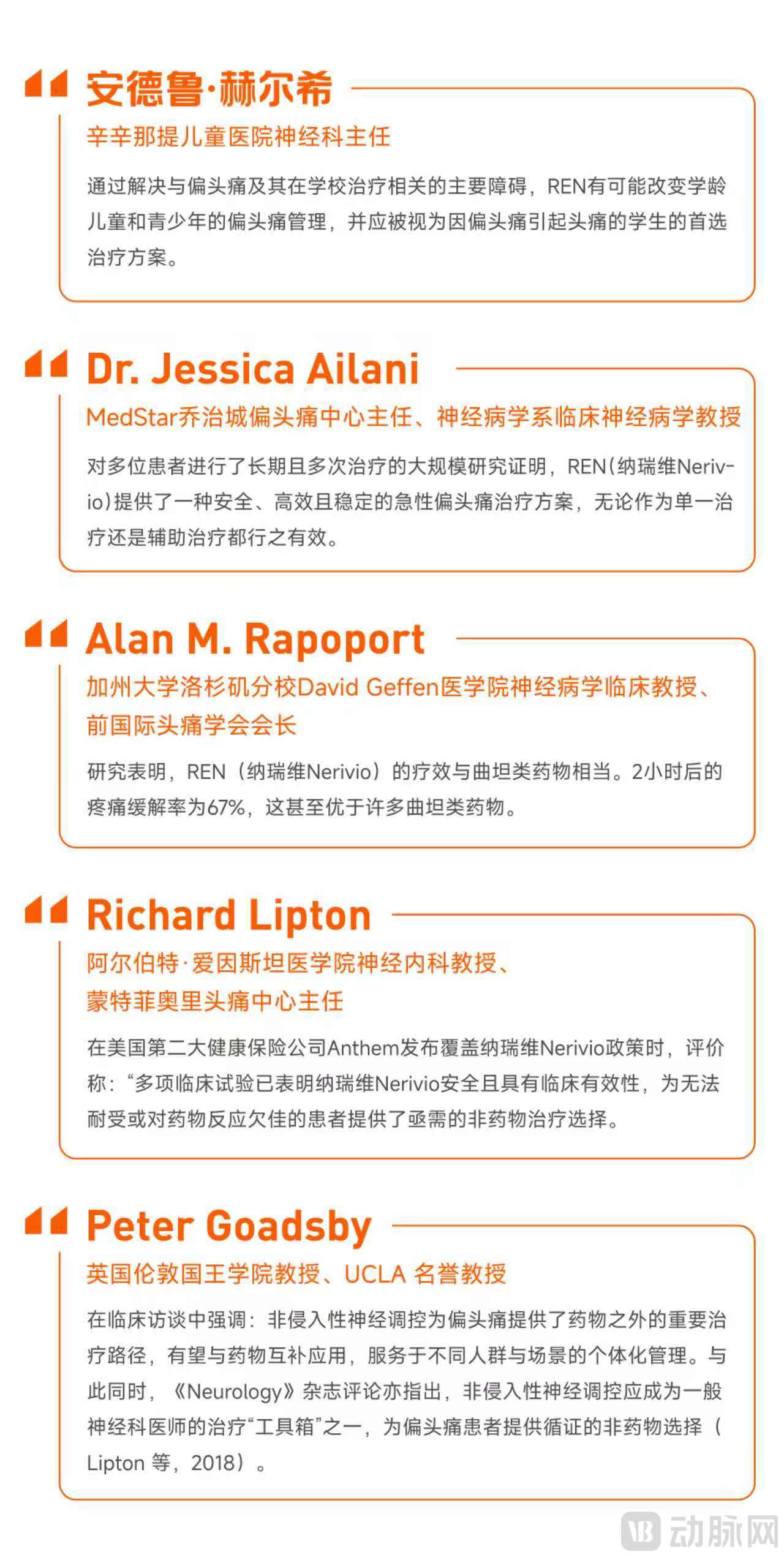
“The approval of Nerivio provides Chinese migraine patients with a safe, effective, and non-pharmacological treatment option suitable for long-term use,” said Luo Xiao’ai. “This not only brings professional, standardized therapy that can be used in daily life scenarios to patients, but also adds a critical component to the comprehensive migraine disease management system being built by TengAI Health.”
Near-term Plan: The Company Will Focus on Three Areas:
●Commercialization Implementation: Establish a coverage network centered on medical institutions, industry alliances, and e-commerce channels, improve professional education and patient follow-up, and ensure accessibility, standardization, and sustainable follow-up;
● Evidence-Based Medicine and Registration Expansion: Continuously conduct real-world follow-up studies and continuously expand indications and target populations;
● AI-Empowered Full-Course Disease Management: Using Nerivio as the entry point, it integrates functional modules such as electronic headache diaries, personalized feedback, mindfulness training, patient education, and adherence management to help patients and physicians objectively record symptoms and treatment efficacy, thereby optimizing therapeutic decisions; meanwhile, by incorporating behavioral and lifestyle interventions (such as elements of Cognitive Behavioral Therapy [CBT], sleep hygiene, and trigger management), it aims to reduce attack frequency and improve quality of life.
In the medium term, TengAI Doc will drive localization and iterative product optimization, continuously refining safety, efficacy, and user experience. It will also explore multiple technological pathways—including other non-pharmacological interventions and standardized combination with pharmacological therapies—to better address unmet clinical needs.
“Our original aspiration is to ensure that scientific, accessible, and sustainable management truly becomes part of patients’ daily lives,” stated Luo Xiaoai. “By deeply focusing on migraine as a specialized condition, we have established a closed-loop methodology encompassing AI-assisted assessment, personalized treatment, support through medications/devices/nutritional supplements, behavioral interventions, and long-term follow-up. Our long-term vision is to replicate this disease-specific management infrastructure across more chronic pain and related chronic disease fields. Guided by evidence-based medicine and driven by cutting-edge digital intelligence technologies, we will collaborate with healthcare institutions, research partners, payers, and industry alliances to promote clinical value and accessibility, thereby creating sustainable health value for patients, partners, and society.”
References:
[1]Ornello R, Caponnetto V, Ahmed F, et al. Evidence-based guidelines for the pharmacological treatment of migraine. Cephalalgia. 2025 Apr;45(4):3331024241305381.
[2]Nonsteroidal Anti-Inflammatory Drugs (NSAIDs). StatPearls [Internet].
https://www.ncbi.nlm.nih.gov/books/NBK547742/#:~:text=%5C%5B13,related%20hospitalization%20is%20very%20rare
[3] American Migraine Foundation:
https://americanmigrainefoundation.org/resource-library/medication-overuse/#:~:text=These%20medications%20cause%20MOH%20when%20used%2015%20or%20more%20days%20per%20month,Triptans%20and%20Ergotamines%20also%20have%20a%20moderate%20risk%20of%20causing%20medication%20overuse%20headache%20when%20used%20for%20ten%20or%20more%20days%20per%20month
[4] Chinese Guidelines for Migraine (2016 Edition)
[5]Propranolol. StatPearls [Internet].
https://www.ncbi.nlm.nih.gov/books/NBK557801/#:~:text=Propranolol%20blocks%20cardiac%20and%20neuronal%20voltage,Am%20J%20Cardiovasc%20Drugs
[6]Macfarlane A, Greenhalgh T. Sodium valproate in pregnancy: what are the risks and should we use a shared decision-making approach? BMC Pregnancy Childbirth. 2018 Jun 1;18(1):200.
[7]Amitriptyline. StatPearls [Internet].
https://www.ncbi.nlm.nih.gov/books/NBK537225/#:~:text=Amitriptyline%C2%A0can%20also%20cause%20heart%20rate%20variability,and%20delirium
[8] Guidelines for the Diagnosis and Treatment of Medication-Overuse Headache in China (First Edition)
[9]Werner Klaus, et al. Acute treatment of migraine in children aged 6−11: Real-world analysis of remote electrical neuromodulation (REN). Ann Child Neurol Soc. 2024, 2(2): 135-145
[10] Peretz A, et al. Safety of Remote Electrical Neuromodulation (REN) for Acute Migraine in Pregnant Women: A Retrospective Controlled Survey Study. Headache 2023
[11]Theranica. (2025, June 19). Theranica to Present Three Real-World Evidence Studies at AHS Scientific Meeting Highlighting the Impact of the Nerivio® REN Wearable on Migraine Treatment [Web page]. GlobeNewswire.https://www.globenewswire.com/news-release/2025/06/19/3102195/0/en/Theranica-to-Present-Three-Real-World-Evidence-Studies-at-AHS-Scientific-Meeting-Highlighting-the-Impact-of-the-Nerivio-REN-Wearable-on-Migraine-Treatment.html