

Decoding the 'Quality Code' for High-Quality Development of China's Stem Cell Industry Post-Jinfeng Forum
“Stem cells are cutting-edge, stem cells should be scientific, stem cells represent a new technology, and stem cells hold great promise; however, stem cells are not a panacea.” These resounding remarks were made by Academician Bian Xiuwu of the Chinese Academy of Sciences at the 2nd Jinfeng Stem Cell Forum and Conference on Translational Research and Industrial Development of Stem Cells, held from October 9 to 10, 2025.
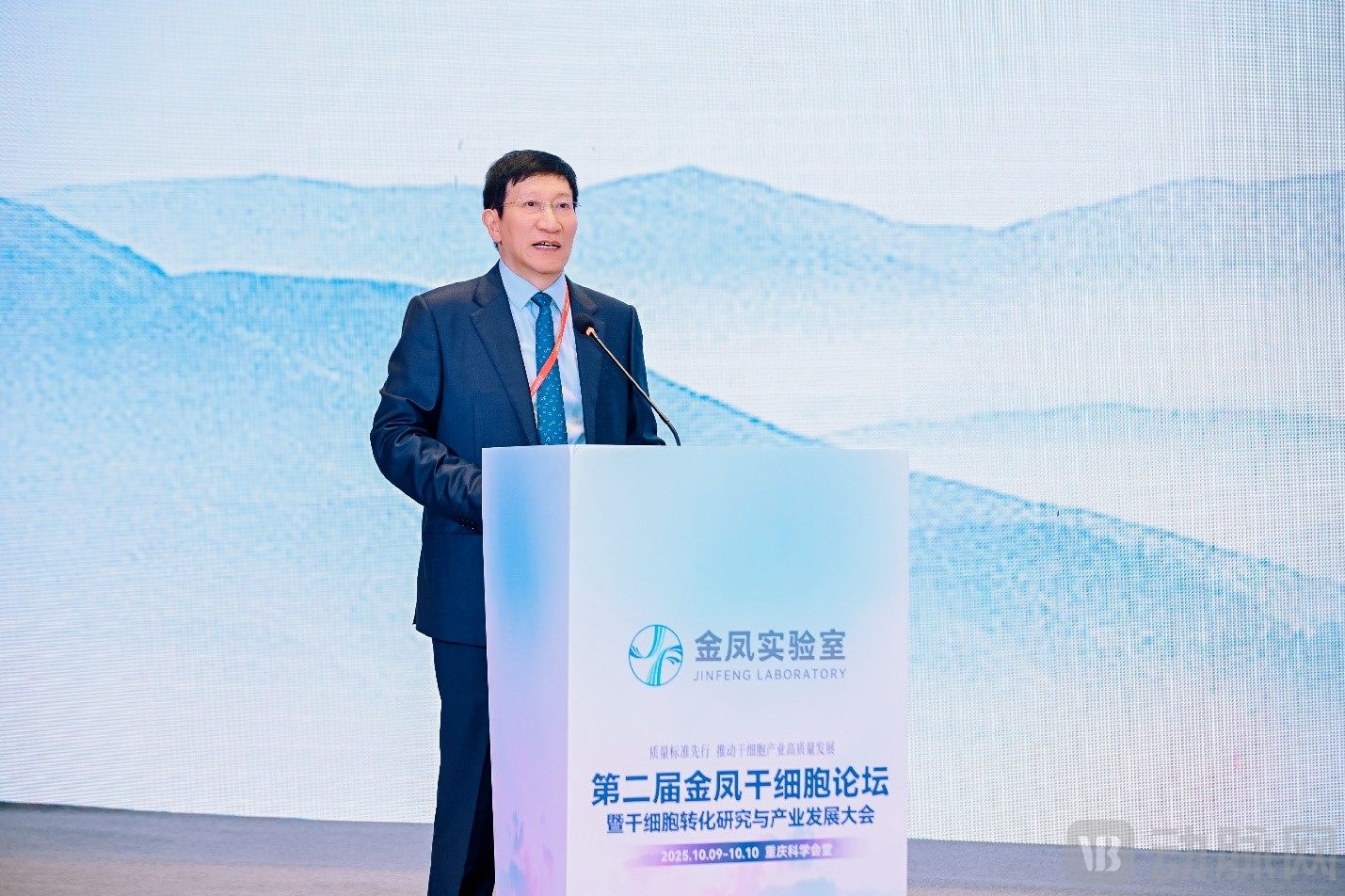
Academician Bian Xiuwu of the Chinese Academy of Sciences spoke at the conference
Under the guidance of the Chongqing Municipal Science and Technology Bureau and the Administrative Committee of Chongqing High-tech Zone for Western (Chengdu)-Chongqing Scientific City, the conference was hosted by Jinfeng Laboratory, co-organized by Beijing Joinn Laboratories Co., Ltd., and supported by Tianfu Jincheng Laboratory (Future Medical City), Industrial Bank Chongqing Branch, and VCBeat. More than 500 guests from government, industry, academia, healthcare, finance, and legal sectors gathered to discuss pathways for building quality standards and to promote high-quality development in industrial translation.
Representatives from all parties have reached a core consensus: China’s stem cell industry is at a critical turning point, transitioning from the laboratory to clinical practice and from research to industrialization. After decades of accumulation in basic research, China’s stem cell industry now stands on the verge of an industrial explosion.
In early 2025, China’s first stem cell therapeutic drug was approved for market launch, marking the industrialization leap of stem cell therapy from the laboratory to clinical practice. On January 2, 2025, the official website of the National Medical Products Administration (NMPA) announced that Pluristem Therapeutics’ stem cell therapy, Amemtotocel, had received marketing approval, representing a significant milestone for similar therapies in China. To date, approximately 10 mesenchymal stem cell therapeutic products have been approved for marketing worldwide.
Recently, another stem cell therapy has been approved for clinical trials. On October 10, 2025, VCBeat checked the official website of the Center for Drug Evaluation (CDE) under the National Medical Products Administration and found that Beijing Baolai Biotechnology Co., Ltd.'s "Human Umbilical Cord Mesenchymal Stem Cell Injection" has officially received implicit approval for clinical trials, with the indication being "spontaneous acute supratentorial intracerebral hemorrhage."
While clinical advancements continue to emerge, the quality bottleneck remains the most significant variable constraining the industry’s acceleration. The “quality code” that various stakeholders seek to decode is, in essence, about building a trustworthy new industrial ecosystem.
This means that R&D institutions must adopt the "Quality by Design" philosophy upfront; enterprises must regard quality as their core competitive advantage; and regulators must establish a more scientific evaluation system.
Pain Point Focus: Quality Bottlenecks Constrain Industry Acceleration
Wang Songling, an academician of the Chinese Academy of Sciences, revealed while sharing his team’s development of novel dental pulp stem cell therapies: “China’s stem cell industry chain is primarily concentrated in storage and drug R&D, whereas the upstream sector for equipment and instruments, as well as downstream clinical research, remain relatively underdeveloped. Furthermore, the lack of standardized systems, unclear clinical access pathways, and insufficient regulatory oversight constitute major challenges.”
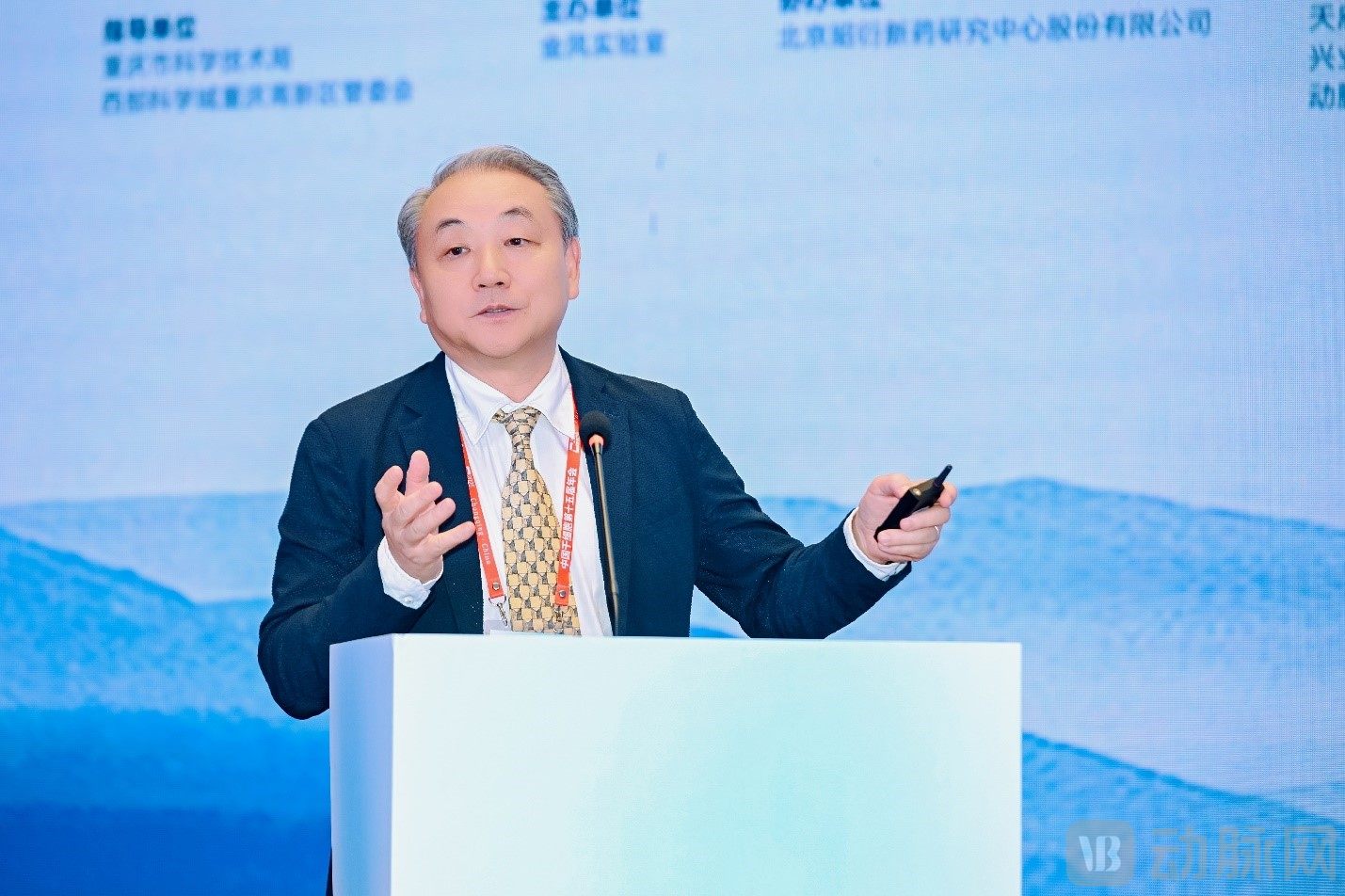
Academician of the Chinese Academy of Sciences Wang Songling spoke at the conference
This dilemma reflects the widespread challenges facing China’s stem cell industry.
Zhao Tongbiao, a researcher at the Institute of Zoology, Chinese Academy of Sciences, and Deputy Director of the Beijing Institute for Stem Cell and Regenerative Medicine, pointed out in his report: “As an emerging field, standard-setting for stem cells is quite challenging. There is a particular lack of testing standards for living products such as cells.”
The lack of unified industry standards has made it difficult to achieve mutual recognition of research data, directly impacting the review and approval process. Wu Zhaohui, Vice Chairman of the Chinese Society for Biotechnology of Medicines, added, “In the early stages of implementing the filing system for stem cell clinical research, there were indeed significant issues with the quality of many preparations.” Over the past decade, alongside improvements in the quality of clinical research, Chinese enterprises have achieved a qualitative leap in the quality and management standards of their stem cell preparations.
Traditional quality control methods struggle to assess key indicators such as cellular functional activity. Zheng Congyi, Chairman of Wuhan Jiachuang Biotechnology Co., Ltd., pointed out, “Although certain methods are being employed for functional testing of stem cells, such as immunological and functional assays, there is a lack of unified standards.”
In particular, due to the high heterogeneity of stem cell products, traditional quality control methods for chemical drugs are not fully applicable, making it more critical to establish evaluation systems that better reflect cellular functional activity.
During actual scale-up production, it is difficult to ensure batch-to-batch consistency in cell quality. Liang Zhirong, President of the Stem Cell Business Line at Shenzhen Saiqiao Biological Innovation Technology Co., Ltd., pointed out: “Cells are living entities; their heterogeneity, variability, fragility, and inability to be sterilized mean that product quality is highly dependent on the manufacturing process.”
Representatives from other companies also noted in the discussion that even minor process changes during the manufacturing of stem cell-based drugs can lead to significant variations in product quality, while the industry’s current understanding and control of process parameters remain inadequate. Quality is a systemic engineering endeavor, with standards, testing, and manufacturing processes closely interlinked; weaknesses in any single component constrain overall development.
As Professor Bian Xiuwu stated, “There are numerous issues and widespread irregularities; therefore, there is an urgent need to achieve self-reliance and self-strengthening from scientific, technological, and regulatory perspectives.”
Breaking the Deadlock: Building a Multidimensional “Quality Code” System
The conference also sent a clear signal: the ultimate goal of the Quality Code is to build a trustworthy new industrial ecosystem, and addressing quality challenges requires deep support from basic research and collaborative efforts within the innovation ecosystem.
In response to the industry’s critical pain points, this conference presented multidimensional solutions. Among them, a robust data foundation has emerged as the primary key to resolving quality challenges.
“We aim to establish a standardized dataset for pathological diagnosis of diseases, thereby providing a ‘gold standard’ for efficacy evaluation,” said Xu Hui, Executive Deputy Director of Jinfeng Laboratory. The laboratory has built the largest stem cell research and translational application platform in western China, laying a solid foundation for quality standards research.
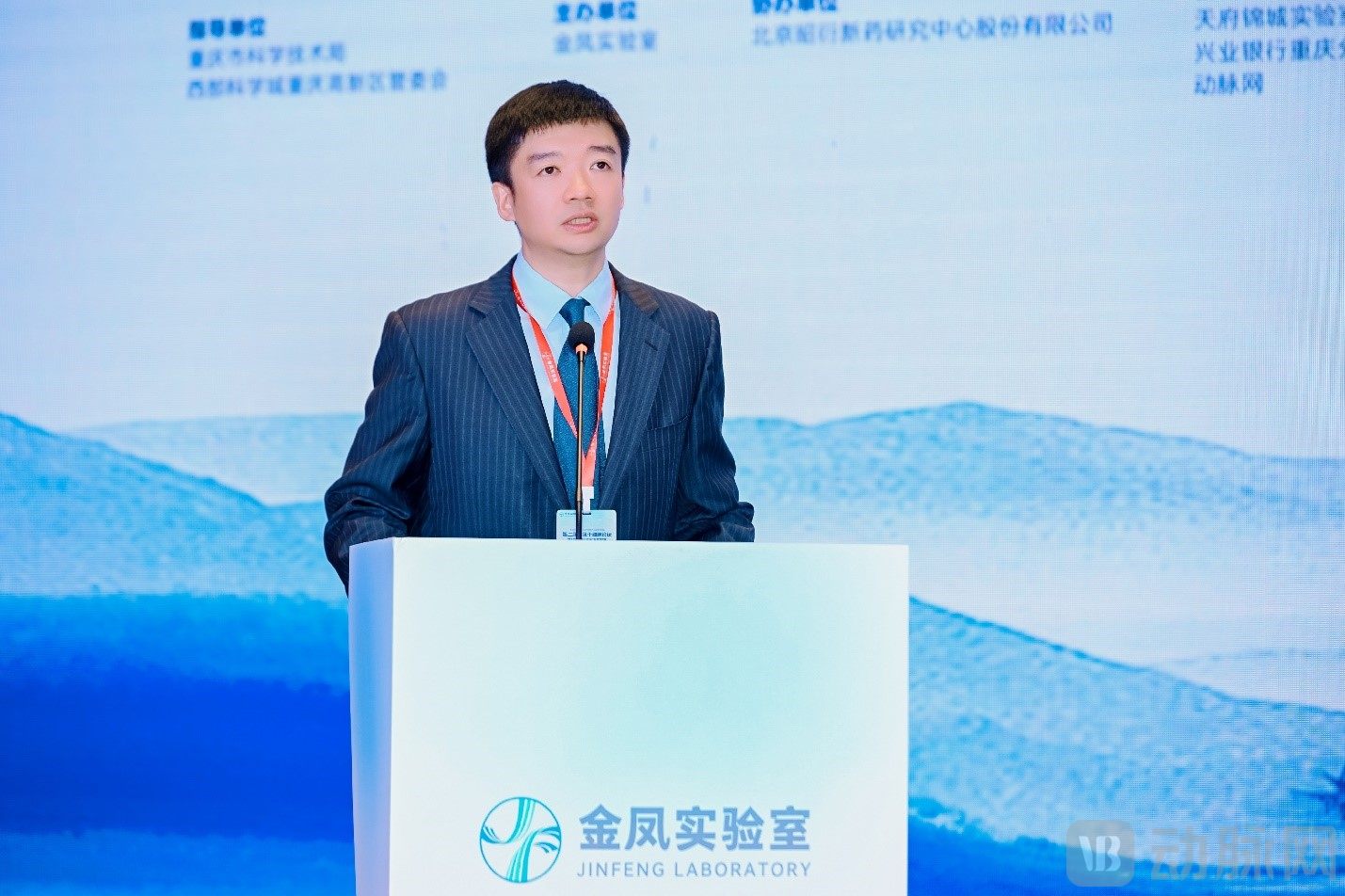
Xu Hui, Executive Deputy Director of Jinfeng Laboratory, spoke at the meeting.
“When formulating our development strategy, we targeted two of the most critical bottlenecks in the stem cell industry: first, resolving cell sourcing to ensure safety and high quality; second, while there are globally leading clinical trials for stem cells, only one stem cell drug has been approved for market launch in China, primarily due to the lack of corresponding quality systems and standards,” pointed out Xu Hui in an interview. He noted that Jin Feng Laboratory has focused on addressing these two key bottlenecks since its inception.
Xu Hui further elaborated that the specific construction content is divided into four platforms: a cell resource bank, which establishes repositories for pathological stem cells and novel stem cells to ensure the safety and high quality of cell sources; a basic research platform, providing an open and shared infrastructure for scientists and enterprises to support high-level fundamental research; a stem cell preparation platform designed to meet the requirements of Investigator-Initiated Trials (IIT) and Phase I Investigational New Drug (IND) clinical trials, thereby enhancing the effectiveness of early-stage clinical trials for research teams and enterprises; and a quality assessment and quality control platform, which also conducts basic research, innovative technology development, and the establishment of quality standard systems.
Meanwhile, researchers are striving to leverage cutting-edge technologies such as multi-omics and visualized tracing to unravel the “black box” of cellular fate and function in vivo.
The second key is ecological synergy. Hu Baoyang, Executive Dean of the CAS Institute for Stem Cell and Regenerative Medicine Innovation and the Beijing Institute for Stem Cell and Regenerative Medicine, emphasized that quality standard development should permeate all stages, including scientific research, process development, and clinical validation. “The internal loops must keep turning, and they must turn well.”
Quality originates from product design; the entire design and manufacturing process ultimately determines product quality. The development of innovative technologies and the establishment of quality standard systems cannot be accomplished by a single entity. Instead, it requires collaboration among laboratories engaged in basic research, universities, scientific research institutions, and enterprises across the upstream and downstream supply chains, ultimately forming an open and collaborative innovation ecosystem.
During the conference, the “Consortium for Stem Cell Quality Standards and Application Innovation” was officially launched, with more than 10 organizations serving as founding members, including JinFeng Laboratory, the Institute of Zoology of the Chinese Academy of Sciences, Beijing Institute for Stem Cell and Regenerative Medicine, the Second Affiliated Hospital of Chongqing Medical University, Joinn Laboratories, Jiachuang Biotechnology, Zehui Biologics, Saijun Biotech, Qianhui Technology, and Haijinge Pharma.
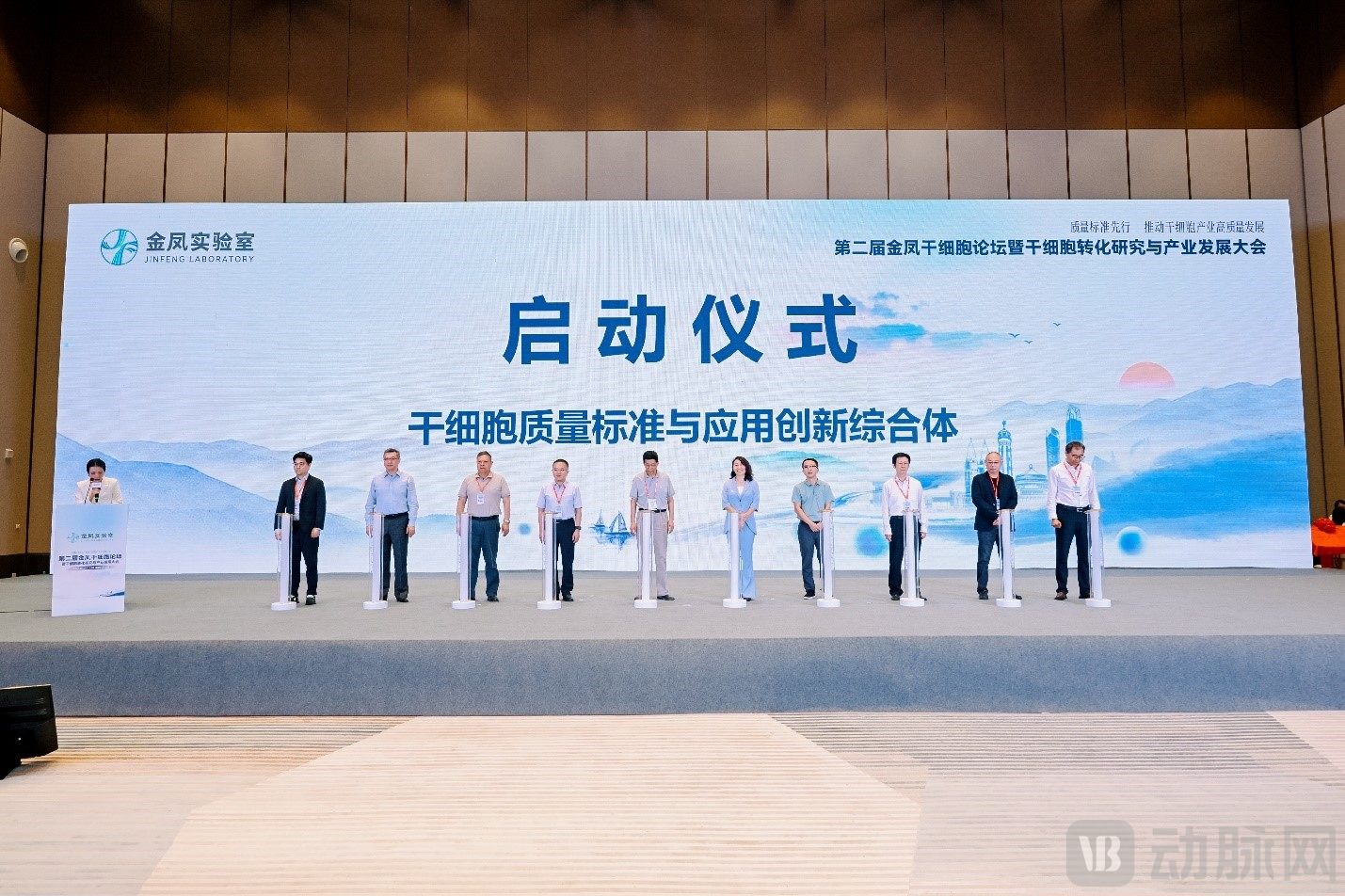
“Stem Cell Quality Standards and Application Innovation Complex” Launched at the Conference
Liang Lingmin, head of the Stem Cell Storage and Preparation Platform at Jinfeng Laboratory, stated, “This innovative consortium will collaborate with its member units to promote the establishment of a standardized system covering the entire chain of cell production, preparation, and collection.”
The “Jinfeng Stem Cell Quality Control and Assessment Center,” unveiled during the conference, will focus on establishing quality standards for stem cell products, developing testing technologies, and enhancing service capabilities, with the aim of building an authoritative platform for stem cell quality evaluation. Also unveiled was the “Jinfeng–Joinn Joint Laboratory,” representing a strategic partnership between Jinfeng Laboratory and Joinn Laboratories. The two parties will engage in deep collaboration in areas such as non-clinical and clinical evaluation of stem cell products and research on quality standards, thereby promoting the standardized and regulated development of stem cell drug R&D. Joinn Laboratories’ strengths in traditional drug quality evaluation are expected to be further extended into the stem cell field, helping to establish a quality standard system and methodologies tailored to stem cell therapeutics.
Rao Chunming, Chief Scientist at Beijing Joinn Laboratories Drug Testing and Research Co., Ltd. and former Director of the Recombinant Drug Division at the National Institutes for Food and Drug Control (NIFDC), stated that stem cells represent an emerging field requiring the industry to collaboratively establish new standards and methodologies. “Joinn Drug Testing will engage in data sharing with its partners to strengthen the quality research segment, thereby building a comprehensive testing and inspection service chain covering the entire biopharmaceutical industry lifecycle.”
Dual-Engine Drive: The Path to Breakthrough from Lab to Market
More experts from the fields of scientific research, clinical practice, industry, investment, and law gathered at the sub-forum, outlining the development path of China’s stem cell industry through in-depth dialogue—clinical validation and the construction of an industrial ecosystem are becoming the dual engines driving the high-quality development of the sector.
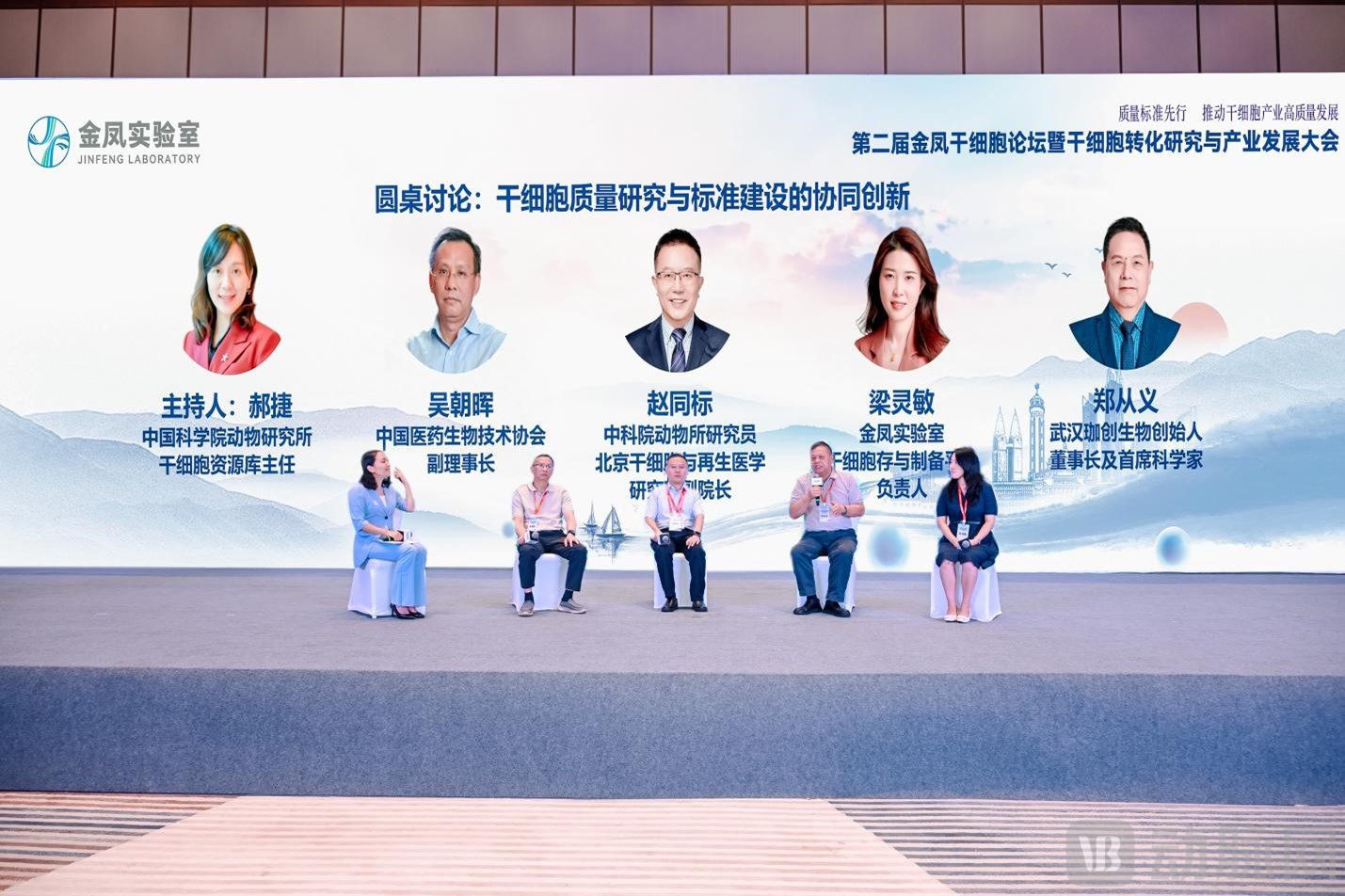
Attendees participated in the roundtable discussion on “Collaborative Innovation in Stem Cell Quality Research and Standard Development”
Xiang Peng, Professor at Sun Yat-sen University and Director of the National-Local Joint Engineering Research Center for Stem Cells and Regenerative Medicine, provided a systematic analysis of the three major challenges in stem cell drug development—safety, immunogenicity, and functional integration—while also sharing encouraging progress: his team has achieved breakthrough results in the use of mesenchymal stem cells to treat acute respiratory distress syndrome (ARDS), liver failure, and stroke.
Innovations in therapeutic technologies have been remarkable. Gao Yi, Executive Director of the Translational Medicine Center at Zhujiang Hospital of Southern Medical University, shared the latest data on stem cell-derived exosome therapy for liver failure, stating, “Compared with intact cells, exosomes are relatively safer and involve a simpler manufacturing process.” Professor Zeng Wen, Director of the Department of Cell Biology at the College of Basic Medical Sciences of Army Medical University and Head of the Stem Cell and Tissue Regeneration Team at Jinfeng Laboratory, presented exploratory work integrating stem cell-derived extracellular vesicles with CAR-macrophage therapy, highlighting the immense potential of combining cross-technological approaches. Lu Gang, Senior Research Fellow at The Chinese University of Hong Kong and Project Lead for Cell and Gene Therapy (CGT) at the Hong Kong Centre for Neuromusculoskeletal Regenerative Medicine, reviewed the 40-year history of neurological therapeutics, emphasizing that breakthroughs have been achieved in key technical areas such as precise delivery and biomaterial-assisted approaches for stem cell treatment of neurological disorders.
The integration of international experience has endowed the conference with a global perspective. Professor Jonathan Loh, President of the Singapore Stem Cell Society and Deputy Executive Director and Research Director of the Institute of Molecular and Cell Biology (IMCB) at the Agency for Science, Technology and Research (A*STAR), shared valuable insights from the standpoint of biomarker discovery. Meanwhile, Professor Dr. Chin Sze Piaw, Co-founder and Head of R&D at Shide Biotechnology, contributed his expertise on regulatory practices in Malaysia. Additionally, Dai Xiaolong, Minister of the Department of Biomedical New Technologies at the Lecheng Administrative Bureau, introduced the model adopted in the Boao Lecheng International Medical Tourism Pilot Zone in Hainan, which allows for pilot implementation and pricing of biomedical new technology translation and application based on technical pathways. “In the Lecheng Pilot Zone, the R&D process for innovative drugs has been shortened from a full marathon to a half marathon, or rather, aid stations have been added along the full marathon course.”
Gao Jianchao, an Associate Research Fellow at Changping National Laboratory and a former senior review expert at the Center for Drug Evaluation (CDE), also approached the issue from a regulatory perspective, pointing out that clinical stem cell research in China exhibits a structural characteristic of “many early-stage studies but few late-stage ones.” He particularly emphasized that while fully leveraging the advantages of China’s unique Investigator-Initiated Trial (IIT) mechanism, it is essential to prioritize data integrity and compliance to lay a solid foundation for subsequent drug applications.
If clinical breakthroughs are the engine driving industry development, then ecosystem building is the foundation that ensures steady and sustainable progress.
Representatives from various sectors jointly outlined the development blueprint for the stem cell industry over the next decade. Zhang Yu, Deputy General Manager and Chief Scientific Officer of Vcanbio, called on the industry to evolve from “a single flower blooming” to “a hundred flowers in full bloom,” working together to build a thriving industrial ecosystem.
To foster a diverse and vibrant ecosystem, the development of industrial infrastructure is paramount. Hao Jie, Director of the National Stem Cell Resource Bank at the Institute of Zoology, Chinese Academy of Sciences, emphasized the core value of standardized resource banks: “Compliant sourcing, independent property rights, and traceable processes—these three principles form the cornerstone for providing the industry with reliable ‘seed cells.’”
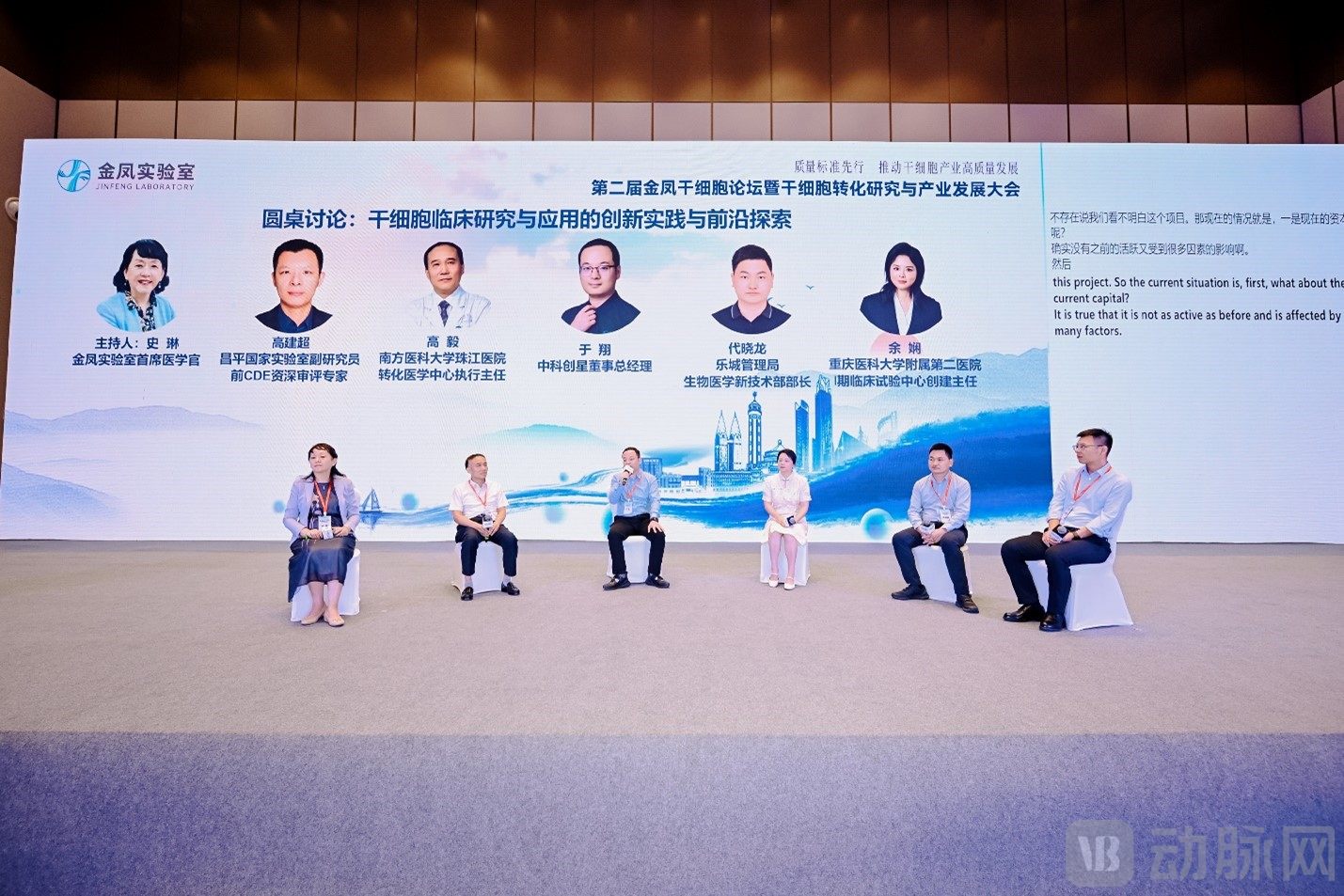
Attendees participated in the roundtable discussion on “Innovative Practices and Frontier Explorations in Clinical Research and Application of Stem Cells”
During the roundtable discussion moderated by Professor Shi Lin, Vice Chairman of the China-Europe Life Sciences Alliance and Chief Medical Officer at Jinfeng Laboratory, representatives from academia, industry, and research institutions engaged in vigorous discussions on how to close the loop among “scientific research, clinical practice, and industrialization.” Experts reached a consensus that only through multi-party collaboration involving basic research, clinical practice, regulatory review, and capital investment can translation bottlenecks be effectively overcome, accelerating the industrialization of stem cell technologies and ultimately benefiting patients. Capital markets have high expectations for translational projects with substantial foundations and clear pipelines. In this context, scientists need to shift their mindset, embracing both “product thinking” and “capital thinking,” while strengthening communication with regulatory agencies. Once products enter the translational phase, specialized teams should take charge of pharmaceutical development, clinical trials, and other related aspects.
From the perspectives of capital and law, Zhang Chong, Managing Director at Sinovation Capital, has observed that financing in the stem cell sector is recovering, yet investors are increasingly favoring companies with differentiated intellectual property (IP) and clear pathways for global expansion. Meanwhile, Zuo Yujie, Senior Partner at Beijing DeHeng Law Offices (Chongqing) and Director of the DeHeng Chengdu-Chongqing Biotech Industry Legal Center, cautions the industry to uphold both “scientific integrity” and legal compliance while pursuing innovation.
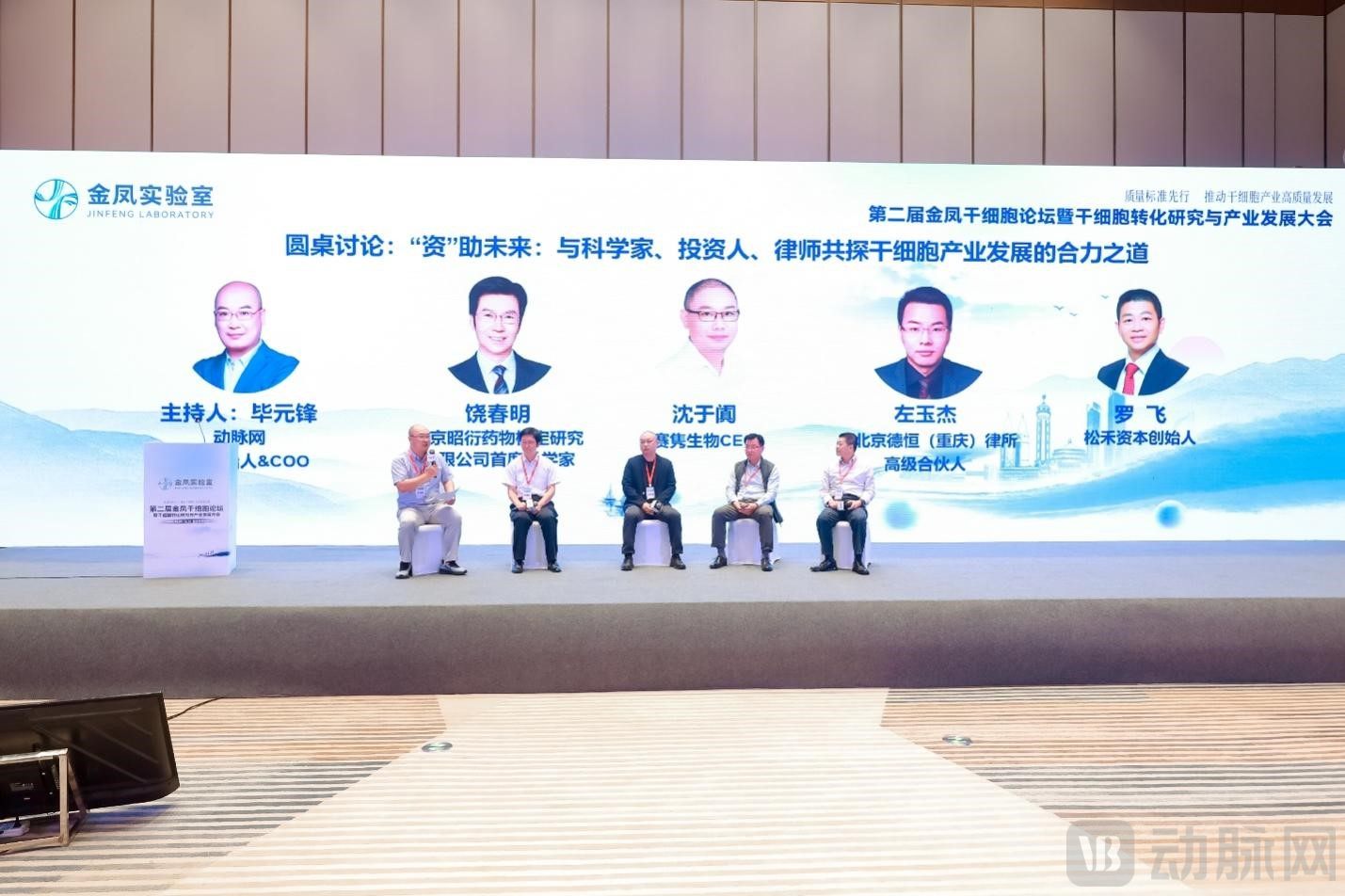
Guests participated in the roundtable discussion titled “‘Capital’izing on the Future: Exploring Synergies with Scientists, Investors, and Lawyers to Drive the Development of the Stem Cell Industry”
China’s stem cell industry has navigated the vast seas of basic research and is now breaking through the deep waters of industrialization. This collective effort to decode the “quality code” encompasses precise control over cell origin, stable reproducibility of manufacturing processes, and scientific traceability in functional evaluation. Undoubtedly, only through cross-disciplinary collaboration, empowerment by cutting-edge technologies, and innovation in standards can we overcome current quality bottlenecks and jointly drive China’s stem cell industry to achieve a high-quality leap from “promising” to “reliable.”