

What 7,400 Physicians Believe Japanese Healthcare Needs: New Opportunities in Japan's Medical Sector
International University of Health and Welfare, Japan is 1.2 kilometers away from the glittering Tokyo Tower.
Established in 1995, this university has been in operation for 30 years. With five campuses, it encompasses 11 colleges and 28 academic disciplines (including graduate programs). As Japan’s first comprehensive university dedicated to training professionals in healthcare and welfare, it currently enrolls approximately 10,000 students.
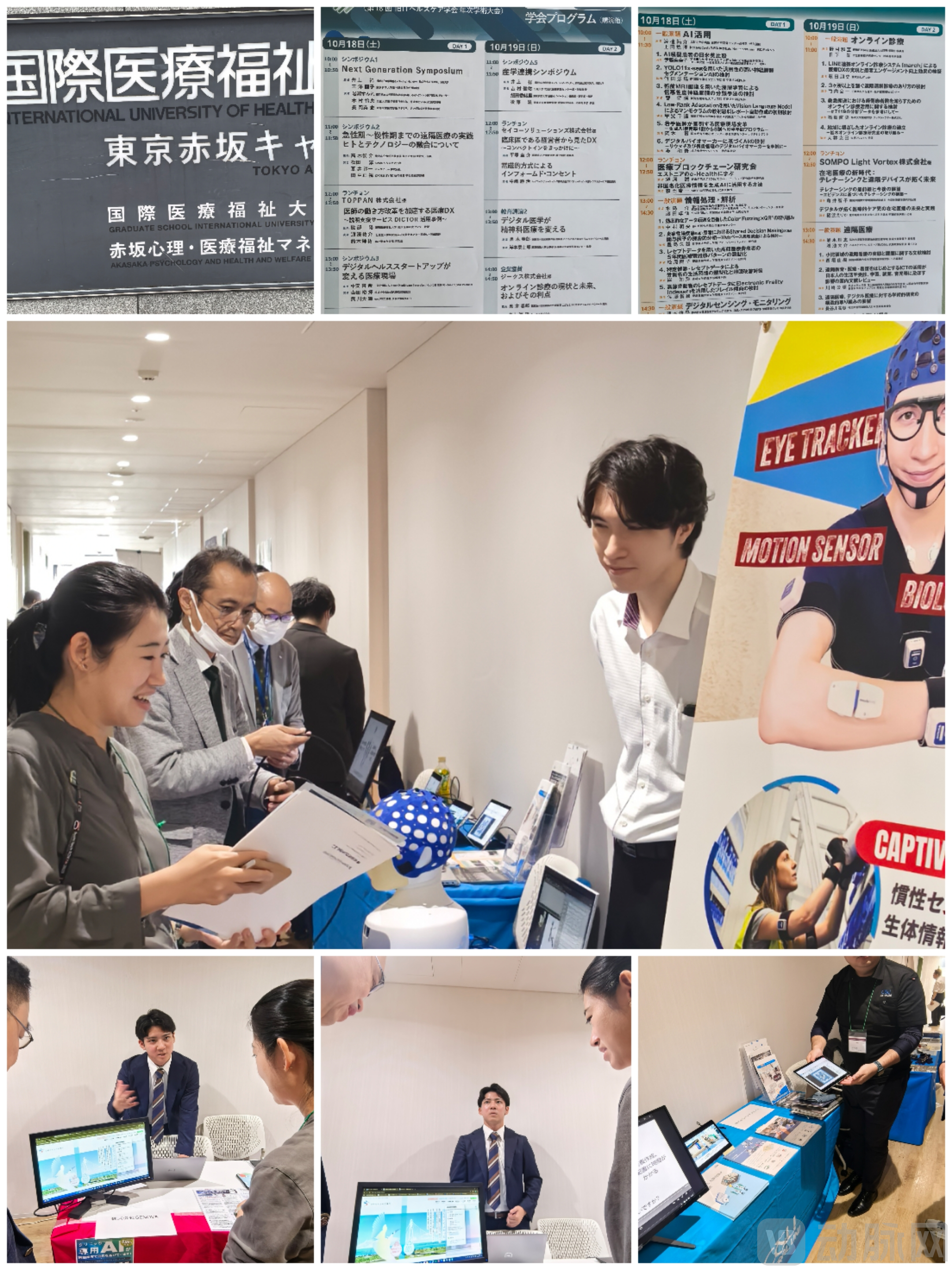
On October 18–19, the inaugural Annual Conference of the Japanese Society for Digital Medicine (the 18th Annual Conference of the former IT Healthcare Society) (hereinafter referred to as the Digital Medicine Annual Conference) was held here, occupying three classrooms. Approximately 400 physicians and 200 policymakers and industry professionals from across Japan participated in the conference, the majority of whom were administrators of healthcare service institutions and practitioners from health and medical enterprises.
This stands in stark contrast to the attendance at the 63rd Annual Meeting of the Japanese Society of Clinical Oncology (hereinafter referred to as the JSCO Annual Meeting), held from October 16 to 18. Although the venue was a one-hour subway ride from central Tokyo, the academic conference attracted 7,000 physicians (according to official figures, the JSCO has 17,000 registered physician members). The meeting took place at the expansive Pacifico Yokohama National Convention Complex and Exhibition Hall. In the vicinity of the venue, you can find five-star hotels and large shopping malls, and hear the cries of seagulls.
This may well represent the current state of affairs between digital health and traditional disciplines in this field in Japan.
But is this really the case?Where is Japan’s healthcare industry headed? What are the key focus areas in Japan’s healthcare sector? Can Chinese health-tech companies find new opportunities here?
At the invitation of Jin Zehui, Chairman of the China-Japan Health Industry Association, VCBeat dispatched representatives to attend two conferences, engaging in in-depth discussions with participating experts to seek answers.

01
Living With Cancer, Living Beyond Cancer
Novel Drugs, Digital Diagnosis and Management, and Multidisciplinary Collaboration Gain Prominence in Cancer Treatment
The three-day annual meeting of the Oncology Society featured nearly 300 related academic exchange sessions, bringing together Japan’s most renowned researchers and clinical experts in oncology. The Academic Committee comprised a total of 33 members, includingKyoto University Faculty of MedicineExperts from nearly all key specialties and departments, such as Hepatobiliary Transplant Surgery, Thoracic Surgery, Plastic Surgery, Hematology, Gastroenterology, Breast Surgery, Prostate Surgery, Diagnostic Radiology, Pathology, and the Department of Genetic Medicine. In terms of agenda, the 18 themes featured in the conference’s keynote speeches reflected the primary areas of focus for this event.
Upon entering the venue of the annual conference of the Oncology Society, the grand conference theme “Living With Cancer, Living Beyond Cancer“It appears on various display boards and backdrops. Notably, the theme of the oncology society’s annual meeting a decade ago was “Living With Cancer,” referred to in China as “living with tumors.” Ten years later, Japanese cancer treatment experts have advanced this perspective further, advocating that cancer should not be regarded as overly significant but rather viewed as one of the many ordinary challenges people encounter.
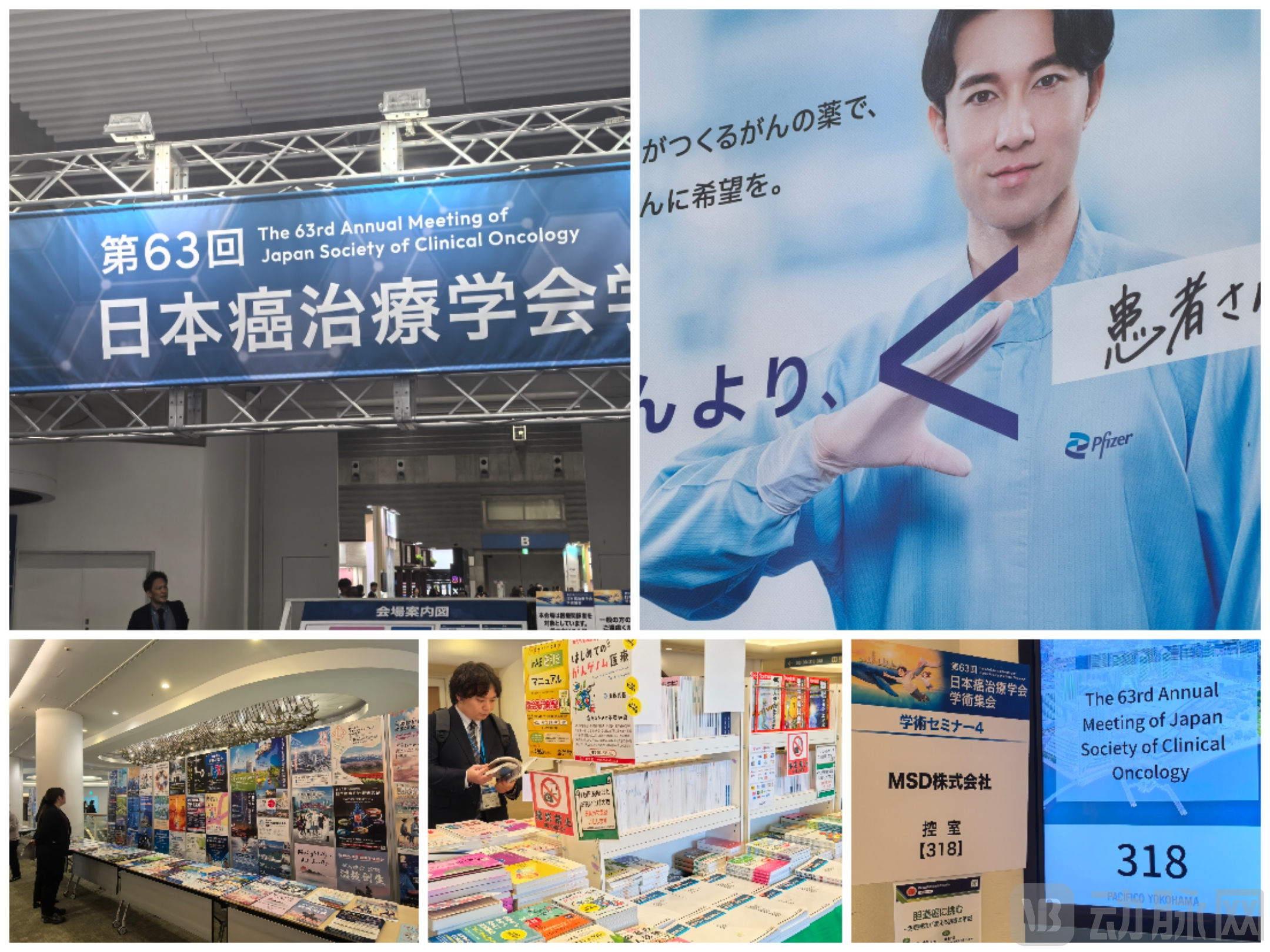
Jin Zehui, Chairman of the China-Japan Health Industry Association, introduced to VCBeat that a major feature of this year’s oncology society annual meeting is the shift in focus from surgery toDigitalization, Multi-Departmental Collaboration, and Novel Biologics and Radiopharmaceuticals。
At the plenary lecture of the Annual Meeting of the Oncology Society, Professor Hiroyoshi Nishikawa, from the Department of Biology and Immunology, Division of Multicellular System Control in Cancer Immunology, Center for Cancer Immunotherapy and Immunobiology, Graduate School of Medicine, Kyoto University, delivered a presentation titled “Frontiers in Cancer Immunology: Prospects for Next-Generation Immunotherapy” keynote speech, which provided a comprehensive overview of the development of immunotherapy. The conference also featured a dedicated workshop on disease defense mechanisms for the management of immune-related adverse events (irAEs) in cancer immunotherapy, aligned with the Sustainable Development Goals (SDGs).
For instance, at Venue 14, Dr. Shinji Ono, President of Hakuaikai Yoshida Hospital, and Professor Tomoyuki Ariga, Professor of Breast Surgery in the Division of Comprehensive Surgical Sciences at the Graduate School of Tokyo University of Science, delivered a keynote lecture titled “Shining Hope in the New Era of TNBC Treatment.” This refers to the breakthrough progress made in recent years in the treatment of triple-negative breast cancer (TNBC), bringing new hope for this difficult-to-treat cancer. Due to the negativity for estrogen receptor, progesterone receptor, and HER2, TNBC is highly malignant with a poor prognosis and previously lacked effective targeted therapies.Antibody-Drug Conjugates (ADCs) Combined with ImmunotherapyBecome a core breakthrough direction.
Nuclear Medicine and RadiotherapyDedicated sessions were also held for discussions. For instance, the Japanese Society of Medical Oncology (JSMO) will host its inaugural Educational Seminar on Nuclear Medicine Therapy on October 17. This session, held in Conference Room 18 of the Annual Meeting of the Japan Society of Clinical Oncology (JSCO), was also live-streamed online. Takayuki Yoshino, President of the Japanese Society of Medical Oncology, participated in the seminar. Expert keynote speakers included Kotaro Suzuki, Assistant Professor in the Division of Urology, Department of Surgery, Graduate School of Medicine, Kobe University. The topics covered the current status of nuclear medicine therapy, various issues encountered during its implementation, the efficacy and role of nuclear medicine therapy for advanced prostate cancer, and policy recommendations to advance the development of nuclear medicine therapy in Japan. For example, experts from the Department of Gastrointestinal Surgery at Sapporo Medical University and the Division of Hepato-Biliary-Pancreatic and Transplant Surgery at the Graduate School of Medicine, Kyoto University, jointly presented on the validation of the effectiveness of preoperative chemoradiotherapy using intensity-modulated radiation therapy (IMRT) for resectable pancreatic cancer. The discussions also included indications such as pancreatic ductal adenocarcinoma.
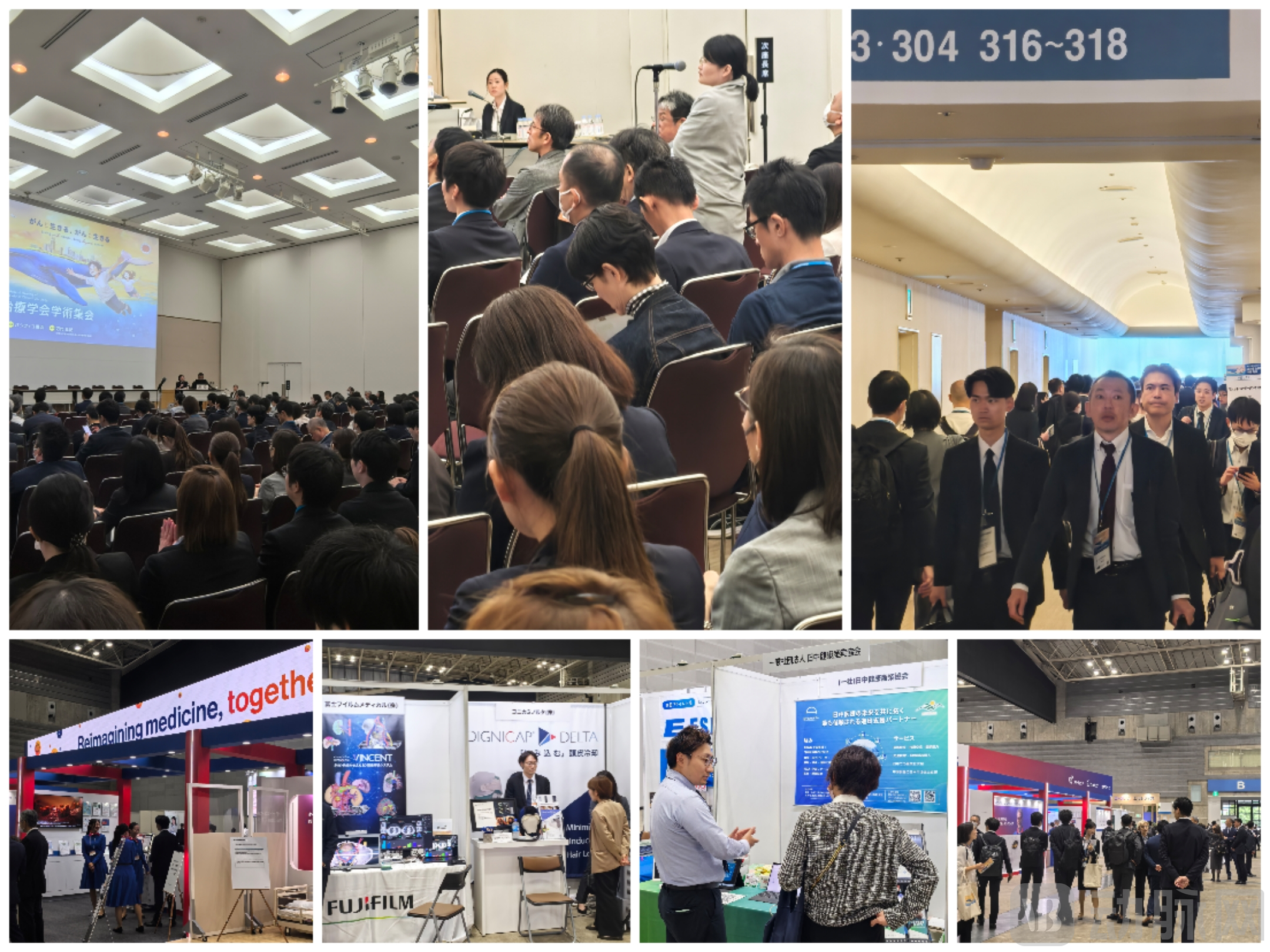
From the perspective of agenda topics, as long as efforts are made to center on cancer and connect patients, patient families, physicians, hospitals, regulatory authorities, payers, and other stakeholders, digitalization becomes an inevitable choice. The annual meeting of the Oncology Society features dedicated sessions forAI and DX Lead the Next Generation of Healthcarethemed seminars, covering topics such as mathematical models enabling cancer risk assessment and organ prediction, comparative studies on whether AI can outperform human breast specialists, automated multi-data generation for XR navigation in gynecologic cancers, and new clinical trial results utilizing AI.
On October 16, at Venue 6, Yukihiko Hiroshima from the Department of Cancer Genomics and Precision Medicine at Kanagawa Cancer Center focused on how to leverage digital tools in the process of enhancing efficiency.Ensuring the Quality of Genetic Testing. In Conference Room 9, Dr. Eiji Kikuchi from the Department of Urology and Nephrology, Faculty of Medicine, St. Mary’s University, presided over a seminar focusing onAdverse Event Management in Clinical TrialsHow to Apply Digital Tools to Solve Problems in China.
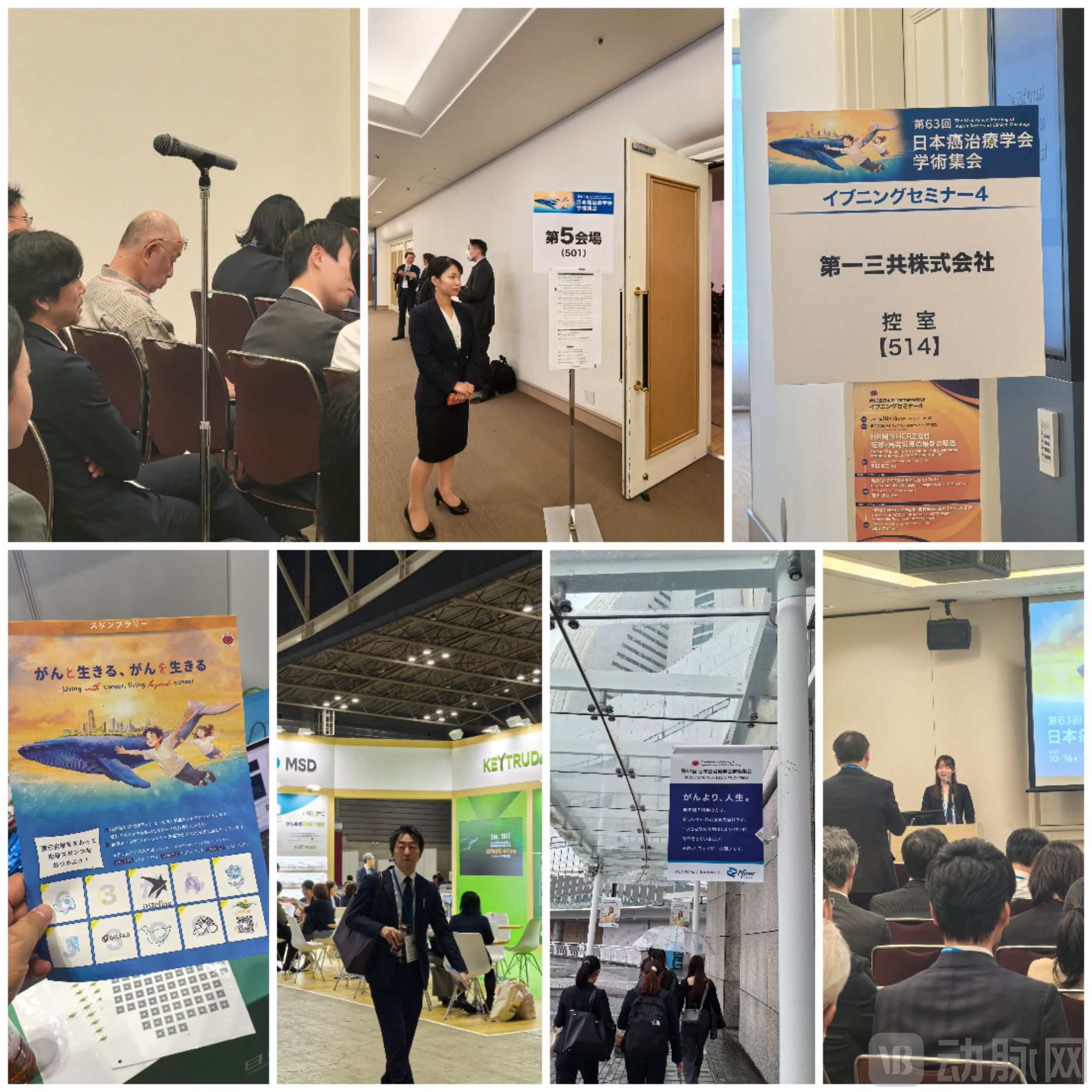
Within the exhibition halls, there were also a very small number of booths dedicated to Chinese digital health products. With the support of the Japan-China Health Industry Association, Sojitz Corporation, a Japanese Fortune Global 500 company, invested in the Chinese enterprise Xiaoji Doctor, which independently developed the “AI Ultrasound Robot for Early Breast Cancer Screening"It was also exhibited and attracted significant attention from numerous physicians and nursing professionals, with inquiries primarily focused on the clinical data validation, usage methods, and pricing structure of the product. Zhou Zhenzhong, founder of Xiaoji Doctor, stated that Japan is a key market worthy of close attention, and Xiaoji Doctor is highly committed to deepening its presence in the Japanese market."
Numerous internationally renowned pharmaceutical companies and virtually all major Japanese pharmaceutical firms, such as Pfizer, AstraZeneca, Eli Lilly, Merck & Co., and Daiichi Sankyo, participated in the exhibition at the Annual Meeting of the Oncology Society.
02
Japan’s Anxiety Over AI and Digitalization
System Reconstruction and New Opportunities for Scenario-Based Digitalization
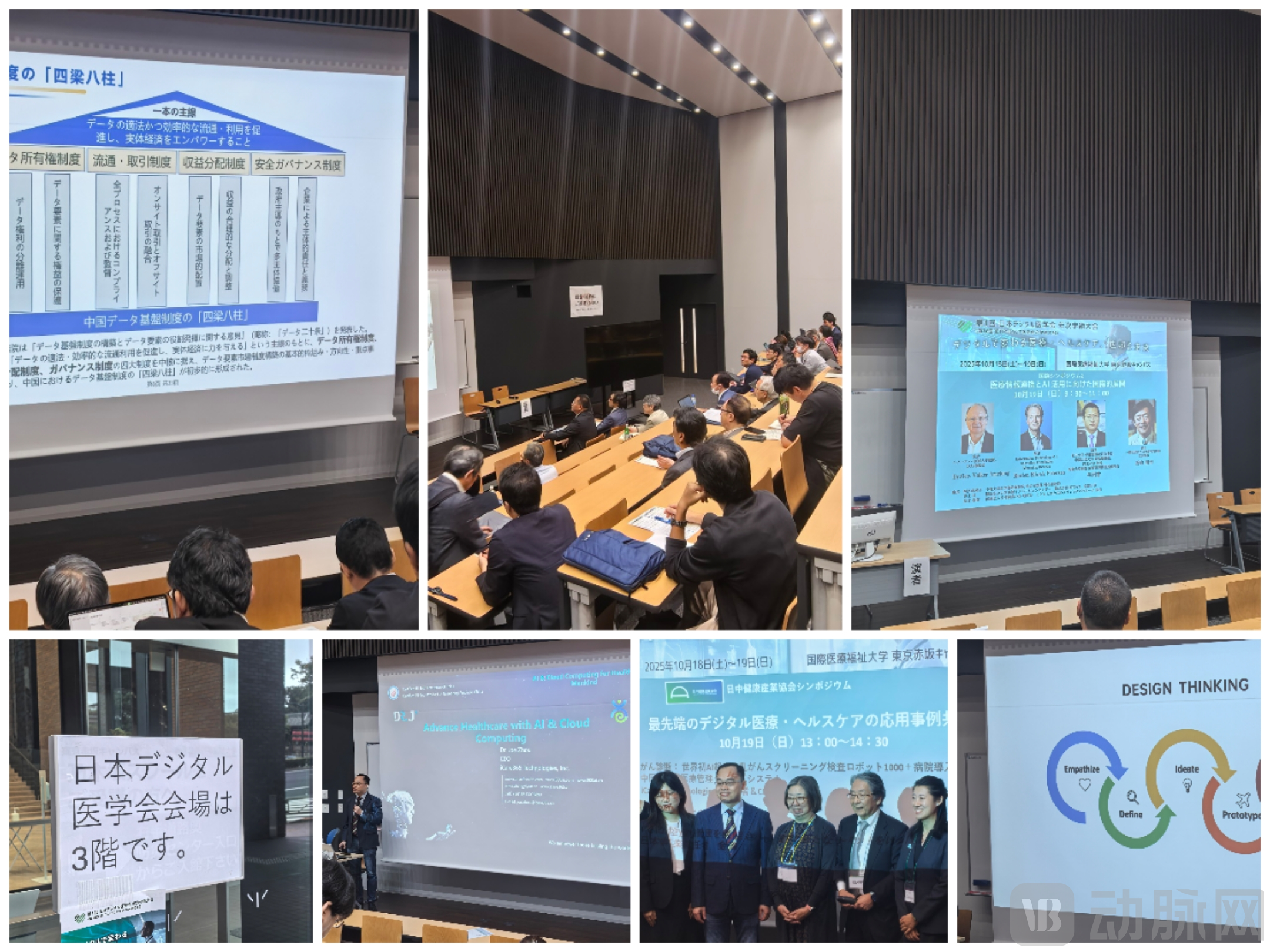
The Annual Conference on Digital Medicine was held in the third-floor classrooms of the International University of Health and Welfare. Simple booths were set up in the corridors outside the classrooms, requiring attendees to turn sideways to enter the venue, creating a crowded atmosphere.
In 2024, the predecessor of the Japanese Society for Digital Medicine, the IT Healthcare Society, celebrated its 30th anniversary. It was also last year that the IT Healthcare Society was renamed the Japanese Society for Digital Medicine. This change fundamentally reflects the response by Japan’s digital healthcare community to their full awareness of societal shifts.
This is the inaugural annual conference of the Japanese Society of Digital Medicine, themed “Digital Transformation in Medicine, Healthcare, and Expanding the Future” as its theme, aiming to expand the scope of development and practice in digital healthcare aligned with the new era. The inaugural President of the Japanese Society of Digital Medicine was Mr. Haruo Kuroki, Chairman of Shigyo-no-Kai, President of the Children and Adults Clinic, and Director of Paul Room.
The two-day conference agenda was packed, focusing primarily on drawing lessons from international digital health experiences, examining current case studies of digital healthcare in Japan, and exploring how digital solutions can address Japan’s present healthcare challenges.
Regarding international progress in digital health, presentations were delivered by Haruo Kuroki, President; Yasuko Akutsu, Specially Appointed Associate Professor at the Patient Support Division of Chiba University Hospital; Sho Inoue, Head of the Co-Creation Innovation Center at Yokohama City University and CEO of GENOVA; Morten Elbaek Petersen, Managing Director of the Danish Foundation for Information Technology and Innovation; Dr. oec. Volker Amelung, Professor at Harvard Medical School and Founder of INAV Germany; Kai Rui Ran, Member of the Academic Steering Committee at Fudan University, Adjunct Professor at Renmin University of China, Professor at Hebei University, and Deputy Director of the Institute of Healthcare Management at the Affiliated Hospital of Henan University; and Teruyuki Katori, Representative Director of the Japan Research Institute for the Future and Specially Appointed Professor in the Graduate School of Social Sciences (Management Program) at the University of Hyogo.Current Status of Digital Health in Denmark, Germany, China, and Japan, has become a focal point for numerous Japanese healthcare professionals.
Yusuke Ehara, Director at PwC Japan, delivered a keynote address on global cybersecurity trends and Japan’s countermeasures, advocating that relevant departments within Japanese healthcare institutions must assume responsibility.Addressing the Increasingly Rampant Theft of Medical Network Data。
According to Chairman Haruo Kuroki, as the integration of healthcare and digital technologies accelerates, the challenges facing Japan’s healthcare system and their solutions, such asAI-Based Diagnostic Support and Treatment Plan Optimization, Big Data-Driven Personalized Medicine, and Enhanced Community Healthcare Through the Development of Telemedicine, will become an opportunity to specifically explore the future direction of healthcare, such as the evolution of the latest digital medical devices and wearable technologies, as well as application examples of ICT in the medical field.
Mr. Sho Inoue stated that this conference will bring together not only researchers and healthcare professionals, but also a broad spectrum of stakeholders—including technology developers, companies, and policymakers—to collectively envision the future of digital health, with in-depth discussions centered on concrete products and solutions.How Digital Health and Medical DX Contribute to Society and Drive Transformation in Healthcare Services. He places greater emphasis on addressing real-world challenges by integrating practical knowledge with technology, enabling digital healthcare to deliver value in specific scenarios, such asCommunity Healthcare, Chronic Diseases, Home-Based Elderly Care, Public Healthetc.
Ms. Jin Zehui emphasized that Japan is a significant market worthy of attention, with substantial demand, while China offers many well-refined medical technology products and solutions.How to Align Japan’s Unique Needs with Appropriate Chinese Products, which is the issue she is currently focusing on. Ms. Jin Zehui also founded Zencare, a company dedicated to promoting industrial exchange between Japan and China. Zencare is an institution specializing in market research, strategic analysis, product introduction, and product display within the service industries of Japan and China, as well as facilitating international medical exchanges and cooperation, and fostering connections between hospitals and academic societies.
Fortunately, Chino Dynamics, an exoskeleton robotics company from Shenzhen, China, was also present to conduct a roadshow and showcase its products, demonstrating strong cost-control capabilities and a high standard of product quality.
03
Four Market Characteristics Observed as Two Products Enter Japan
A Story Revealing the Differences in Business Culture Between China and Japan
According to the latest statistical data from the Japanese government, Japan’s “estimated medical expenses” for healthcare institutions nationwide exceeded 47 trillion yen in fiscal year 2023 (1 yen ≈ RMB 0.049), with this expenditure continuing to rise. In response, Japan’s Ministry of Health, Labour and Welfare pointed out that this trend may be linked to the increasingly severe aging of Japanese society.
In light of this trend, Chinese companies should pay closer attention to Japan’s digital health market. Ms. Jin Zehui presented two typical case studies from the Japanese digital health market to VCBeat.
A Japanese company producedAn appointment and consultation information service system designed specifically for chain pharmacies and clinics, facilitating interactions between institutions and users.. From a functional perspective, the core role of this system is to establish a two-way communication bridge between chain pharmacies, clinics, and patient users; in essence, it is an AI-powered automated response assistant. Built on ChatGPT technology, it enables individual stores to provide streamlined services such as appointment scheduling and arrangement through online channels, thereby further optimizing store service efficiency.
Remarkably, the system’s one-time purchase price is 1.8 million yen (approximately RMB 90,000), with an additional monthly fee of 8,000 yen (approximately RMB 400) for each new member account added. Notably, the product only officially launched its promotion at the beginning of this year. To date, it has been successfully deployed in 2,000 offline stores, generating one-time system procurement revenue of 1.8 million yen, demonstrating significant promotional effectiveness.
Oral Ultrasound ScannerIt is an emerging field with relatively low competitive intensity in Japan. Ms. Jin Zehui introduced a branded product from China, integrating core technologies such as new projection chip modules and high-precision AI optimization algorithms. The product targets institutions including dental clinics, chain pharmacies, and university research institutes, addressing needs such as customer acquisition and R&D for scientific projects. Commercial revenue is generated through product sales, consumables, and software system account services. Currently, the product has just completed preliminary work in Japan, including market access approval and channel distribution, and has begun to receive orders, indicating promising prospects.
Ms. Jin Zehui believes that the Japanese market has its own unique characteristics,First, the product must have a clear and detailed understanding of the needs of Japanese users., avoid being overly complex and bulky;Second, brands must earn the trust of key KOLs., we must adhere to long-termism and put down deep roots in Japan; the core strategy is to build a team in Japan from the ground up.Third, it is essential to invest a modest amount in conducting thorough market research before making decisions., clarify your position, understand the business model, avoid being overly eager for quick success and immediate benefits, and refrain from aiming too high without a solid foundation;Fourth, the Japanese market offers high returns with low investment once positioning is accurately determined., with low-entry-barrier interventions and long profit cycles, it is well worth Chinese enterprises’ in-depth cultivation.
It is often said that China and Japan are separated only by a narrow strip of water, and their cultures appear to share significant similarities, butIn terms of business culture, the differences are in fact enormous.. In Japan, I was chatting with an investor friend I know, and he told me about a mix-up that occurred during negotiations between Chinese and Japanese companies.
Two companies are negotiating a cross-border healthcare collaboration, with the Chinese company planning to send clients to Japan for premium health checkups. The Chinese side requested quotes on a “per-person” basis; the Japanese company quoted ¥40,000 per person but emphasized that it can only accommodate two individuals at a time.
The Chinese company pondered, “This won’t do; I have four clients here.” It proactively proposed raising the individual price to 50,000 in exchange for four slots, but failed. Then, gritting its teeth, it increased the offer to 60,000, only to provoke an outright outburst from the Japanese company, which denounced the move as an insult.
It turns out that the issue with the Japanese side was never about money from the start; the health checkup institution genuinely lacked the capacity to accommodate four individuals simultaneously. Their quote of 40,000 was a sincere and firm offer. They perceived the repeated price increases from the Chinese side as an attempt to treat them like “merchants who can be swayed by higher bids,” and completely failed to grasp the core issue of “insufficient capacity.”
The collaboration ultimately fell through!
04
# Final Remarks
On the afternoon of October 6, the 2025 Nobel Prize in Physiology or Medicine was announced, awarded to Japanese scientist Shimon Sakaguchi for his and other scientists’ discovery of regulatory T cells, the “guardians” of the immune system, which has facilitated the development of potential therapies. This marks Japan’s 21st Nobel Prize in the 21st century.
From a graduate student who dropped out without pay to a 74-year-old scientist who still goes to the laboratory every day, with only experimental notes and research mice remaining in his office, he insisted on “continuing unfinished experiments” after receiving the award. His message that “the honor of a researcher is left by time” has reinforced the value of long-termism and basic research. This may be due to Shimon Sakaguchi’s characteristic of persistently delving deeper into narrow fields.
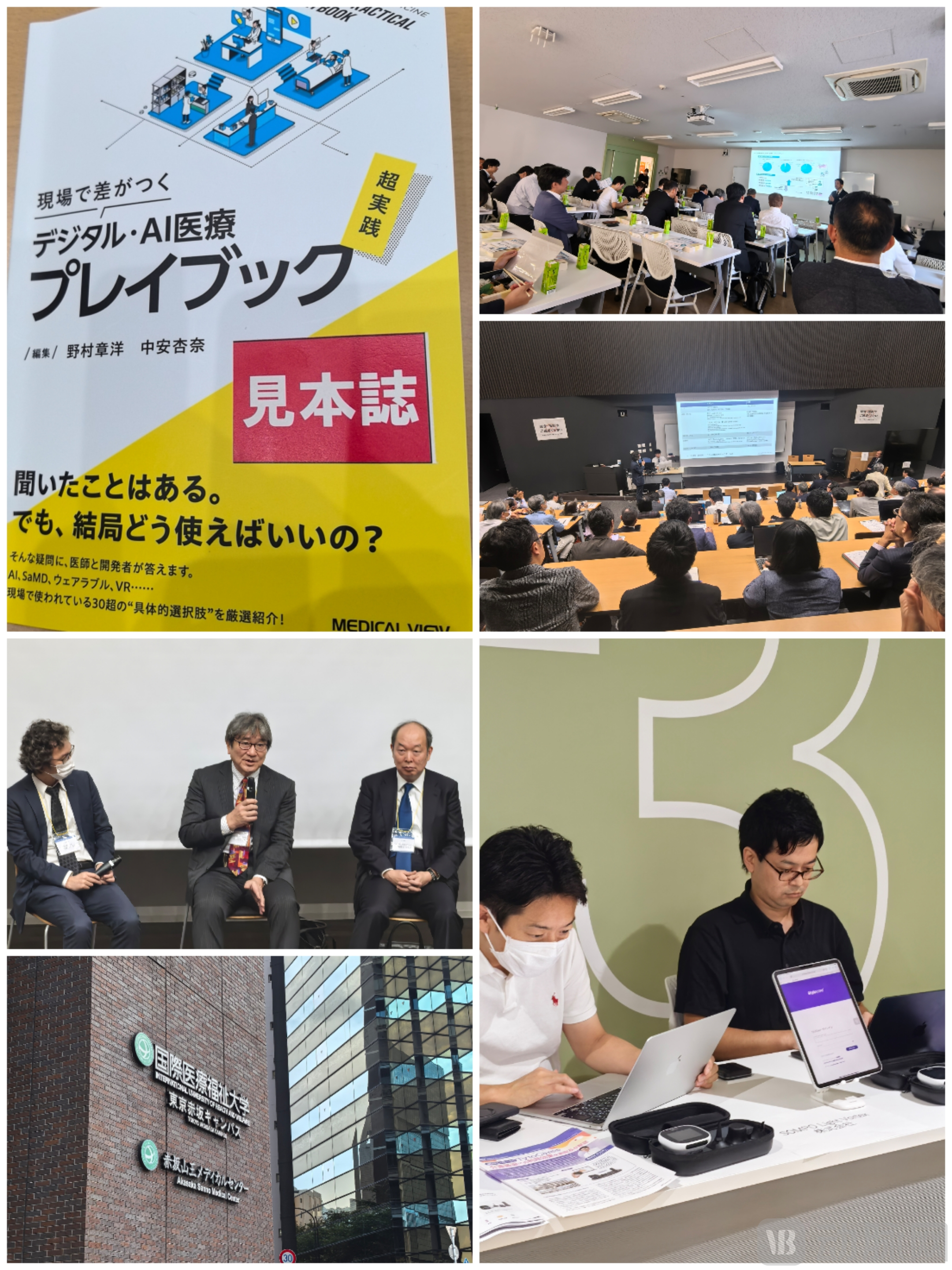
Attending two academic conferences, the scene that left the deepest impression on me was this: while a speaker was presenting in one of the session rooms, the entire audience fell into complete silence. Everyone listened attentively to the speaker’s presentation or diligently took notes, whether they were students, corporate employees, or white-haired professors. This atmosphere bore a striking resemblance to Shimon Sakaguchi’s research style.
If Chinese medical technology products enter the Japanese market, this may well be the first lesson to learn.
On the subway to Narita Airport, surrounded by quiet and polite Japanese passengers, the faint salty cries of seagulls and the Tokyo Tower, dazzling both day and night, gradually disappeared from view.
Acknowledgements: Ms. Jin Zehui, Chair of the Japan-China Health Industry Association and Co-founder of Zencare