Bairslong Files IPO Prospectus: Pioneering Medical-Grade Air Disinfection with Visible-Light Photocatalysis for Zero-Pollution, Human-Machine Coexistence, and 24/7 Long-Lasting Sterilization
Benchmark
Innovative Air Disinfection Solution Provider
Driven by the continued advancement of the “Healthy China” strategy and heightened public health awareness in the post-pandemic era, air disinfection is no longer a concern exclusive to healthcare institutions; it has gradually become an indispensable component of “health infrastructure” in civilian spaces. As traditional disinfection methods struggle to balance efficiency and safety, a disinfection revolution led by photocatalytic technology is quietly transforming our daily lives and medical environments.
Imagine a hospital where lighting not only illuminates patient rooms but also silently safeguards the well-being of every patient; during a drive, every breath of air inside the vehicle undergoes medical-grade purification; as commuters step into elevator cabins during the morning rush hour, disinfection modules installed at the ceiling have been operating continuously and efficiently; in nursing homes, influenza viruses and Klebsiella pneumoniae, which pose significant risks to the elderly, are quietly eliminated through photocatalytic technology... This is the world Benchmark is building—Let “safe disinfection” cease to be a “special measure” requiring deliberate cooperation, and instead become an imperceptible yet ever-present safeguard in our daily lives—much like lighting and air—making “human-machine coexistence” the new normal.
Suzhou Benchmark Smart Lighting Co., Ltd. (hereinafter referred to as “Benchmark”) is a high-tech enterprise dedicated to the research, development, and application of intelligent lighting and photocatalytic nanomaterial technologies.The company has innovatively developed air disinfectors and germicidal lamps that integrate disinfection, purification, and lighting functions. In collaboration with several well-known enterprises, it has jointly launched disinfection modules, and its products have been granted multiple invention patents.
1Breaking Through the Limitations of Traditional Disinfection Methods: Driving the Upgrade of Medical and Civilian Disinfection Scenarios with Innovative Photocatalytic Technology
Mr. Xu Wei, Founder and Chairman of Benchmark, previously held positions at leading global medical device companies and brings over a decade of experience in the healthcare industry. In 2015, Mr. Xu embarked on his entrepreneurial journey, culminating in the establishment of Benchmark in 2018. Since its inception, the company has been centered on the core mission of “empowering comprehensive health through intelligent technology,” with a focus on the research and development of photocatalytic nanomaterials and their scenario-based applications in related products.
At the end of 2019, the outbreak of the COVID-19 pandemic led to a sharp increase in pressure on hospital-acquired infection prevention and control. As a critical measure to interrupt viral transmission routes, space disinfection became one of the core control strategies for ensuring the safety of both medical staff and patients. During this period, although traditional space disinfection methods each had their advantages, their limitations became increasingly apparent:
Ozone DisinfectionAlthough it has applications, high-concentration ozone directly irritates the human respiratory tract and poses clear health risks. Its use is therefore confined to unoccupied, specially enclosed environments, resulting in a narrow scope of application.
Ultraviolet Disinfection, high-energy photons can damage the biomolecules of human cells, interfere with normal cellular functions, and even cause irreversible damage. Therefore, personnel must be evacuated before operation, and equipment wear remains a concern;
Plasma Sterilization TechnologyOzone is generated during prolonged equipment operation, making 24/7 disinfection unfeasible. Furthermore, strict and continuous indoor ventilation is required during use; however, such ventilation conditions are often difficult to meet in specialized hospital settings, such as sealed wards and negative-pressure laboratories.
Overall, the aforementioned conventional technologies all require strict adherence to operational protocols during use, particularly in core scenarios involving human presence, such as diagnosis, treatment, and nursing care.Its usage duration and operating modes are significantly restricted, making it difficult to meet the needs of healthcare institutions for balancing "continuous disinfection" with "personnel safety."
This prompted the Benchmark team to engage in deep reflection: how to elevate disinfection practices to the highest standard—enhancing infection prevention and control efficacy while avoiding any adverse impact on patients and clinical environments. Driven by the mission to provide innovative solutions for this critical challenge, and leveraging profound insights into the potential of photocatalytic materials for safe, long-lasting air disinfection, Benchmark began its strategic transformation into the medical disinfection sector.
Leveraging over a decade of technological accumulation in the field of photocatalytic materials, along with profound knowledge reserves and practical experience in material performance optimization, process control, and product formulation applications, the team has developed“Anbeixin” Solutions for Air Disinfection in Medical Institutions and Laboratories, and “Baileshi” Solutions for Full-Scenario Civilian Use, while precisely meeting diverse market demands, it has also cultivated distinct brand images: professional and reliable in the medical sector, and versatile, convenient, and efficient in consumer applications, thereby enhancing market competitiveness through a dual-brand matrix.
2Develop novel photocatalytic nanomaterials to achieve long-lasting, broad-spectrum disinfection with zero UV radiation, zero pollution, and zero degradation.
Compared with traditional spatial disinfection methods,Benchmark’s core technological foundation—the new photocatalytic nanomaterial “Tongxintai”—demonstrates significant advantages in both technical principles and application value. Mr. Xu Wei, the company’s founder and chairman, summarizes its core strengths into four keywords: innovation, safety, energy efficiency, and convenience.
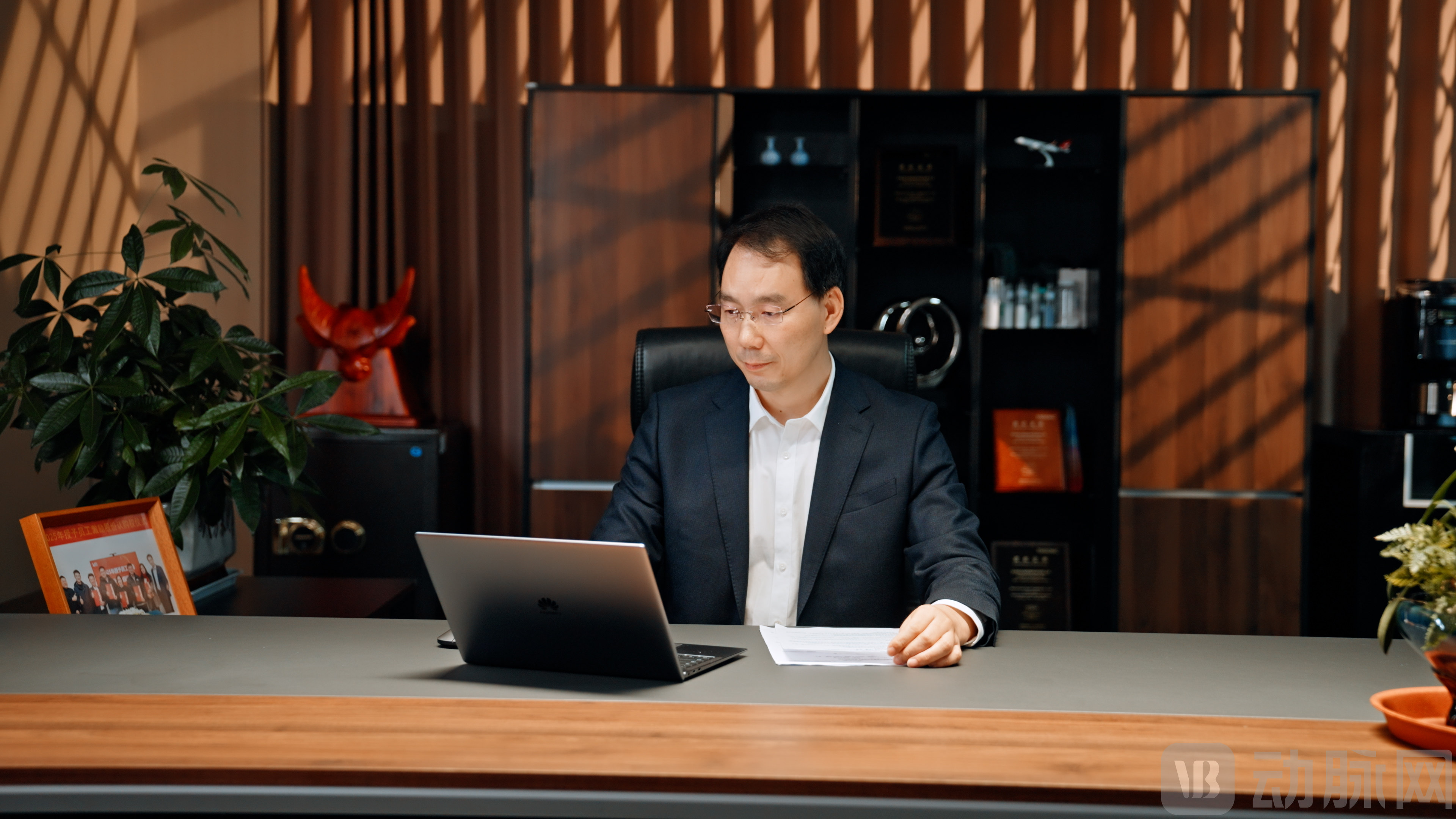
Mr. Xu Wei, Founder of Benchmark
First,Addressing the Limitations of Traditional Photocatalyst Materials to Achieve Material Innovation. Leveraging over a decade of research accumulation in photocatalytic technology, Benchmark has not only specifically addressed the two traditional challenges of “carrier corrosion” and “drying-induced agglomeration,” but also optimized light absorption efficiency and minimized energy loss, thereby enhancing photocatalytic efficiency.
Second,No UV excitation required, ensuring greater safetyTraditional photocatalytic materials require ultraviolet (UV) light for activation. In contrast, “Tongxintai” photocatalytic material, through core technological innovations, does not rely on high-energy UV light sources. It can stably generate hydroxyl radicals under visible light irradiation, thoroughly decomposing bacteria and viruses into water molecules and carbon dioxide. The entire process releases no harmful substances, and “Tongxintai” itself is biologically safe. This provides a comprehensive safety guarantee throughout the entire cycle—from material composition to disinfection—while meeting environmental protection requirements. It enables continuous, long-lasting sterilization 24 hours a day and simultaneously purifies odors and harmful gases in the air.
Third,Possesses application potential integrating "lighting + purification + disinfection" functions, offering greater energy efficiency.The technical characteristics of the “Tongxintai” photocatalytic nanomaterials provide a natural technological foundation for the synergistic integration of “lighting” and “disinfection” functions. Building on this, Benchmark has developed a product form that deeply integrates lighting and disinfection capabilities, representing a significant innovation in related fields within China. According to Mr. Xu Wei, Benchmark’s spatial disinfection equipment achieves the triple effect of “lighting + purification + disinfection” using only the energy consumption required for lighting. Compared with the separate use of lighting and disinfection devices, this approach substantially reduces subsequent operational costs.
Fourth,Lay the foundation for simplifying equipment installation and O&M processes, making them more convenient.“Tongxintai” acts solely as a catalyst during the disinfection process and does not participate in specific chemical reactions; therefore, the material itself experiences no wear and requires no regular replacement. Only the external filter element of the equipment needs periodic replacement every 2,000 hours. The replacement procedure is straightforward and intuitive, allowing users to perform it independently without the need for professional technical personnel.
Furthermore, "Tongxintai" possessesBroad-Spectrum Antimicrobial Properties, achieving highly efficient disinfection and sterilization against various common bacteria and viruses, while adapting to evolving disinfection needs. Currently, the disinfection and sterilization efficacy of this material has passed specialized testing conducted by CMA-accredited laboratories recognized by the National Health Commission, with its effectiveness against different types of microorganisms professionally verified.Provides an innovative solution for air disinfection featuring “zero UV,” “zero pollution,” “zero wear,” long-lasting sterilization, and suitability for multiple scenarios.
3High-efficiency disinfection, safe and non-toxic, quiet and energy-saving: Launching China’s first air disinfection device utilizing photocatalytic materials as the disinfecting agent
Benchmark’s independently developed “Anbeixin” series of air disinfectors was officially launched in 2022.As the first air disinfection device in China to utilize photocatalytic materials as the sole disinfecting agent, it has successfully obtained filing and recognition from the National Health Commission, filling a gap in the industry’s application of related technologies.
Specifically, the Abe Shin Photocatalyst Air Disinfector features the following product highlights:
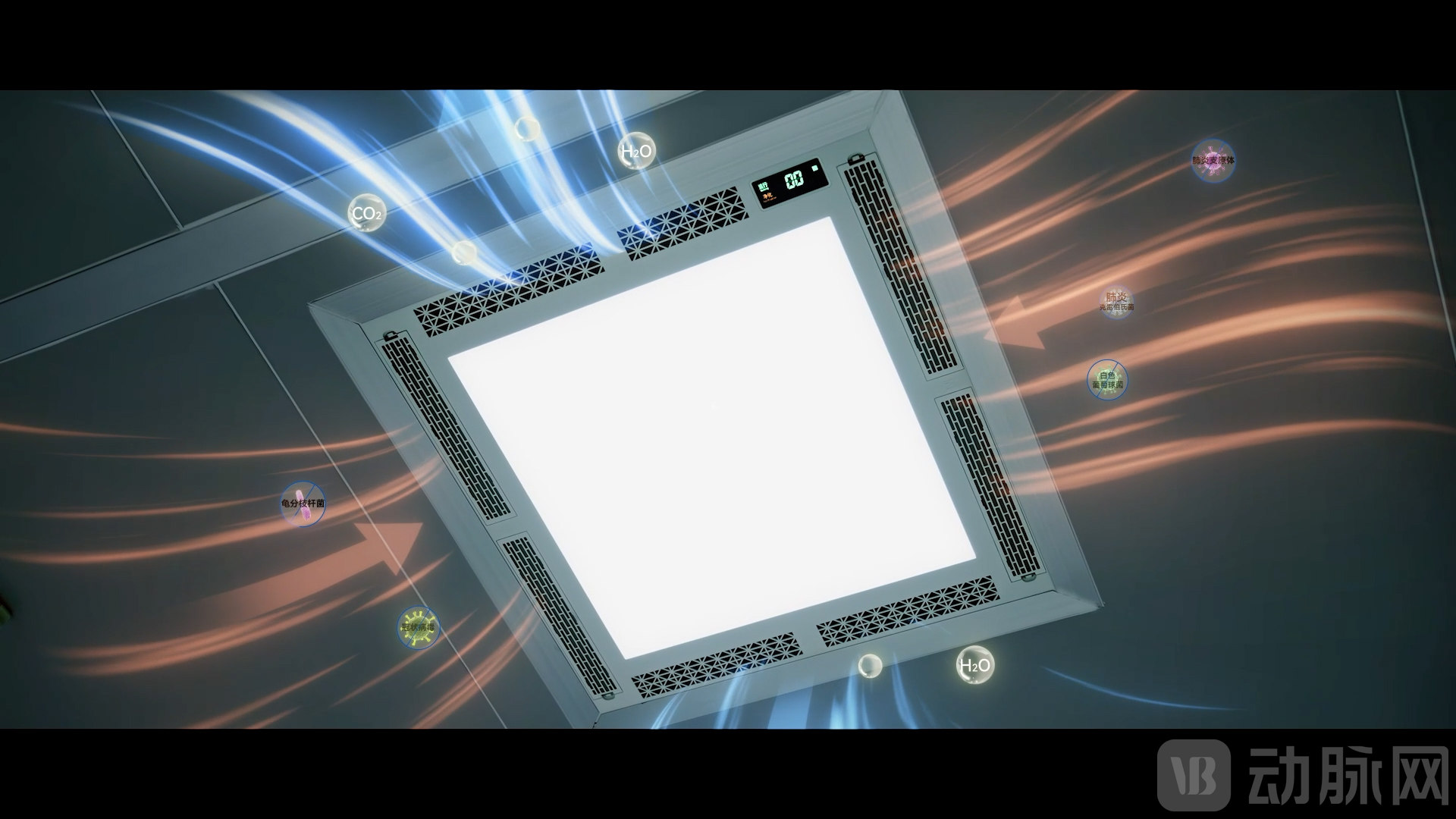
Abe New QPL6060 Series Air Disinfection Machine
● Efficient Sterilization and Disinfection: Achieves an extremely high kill rate against a wide range of pathogenic microorganisms, fully complying with the "Hygienic Standard for Disinfection in Hospitals." In PCR laboratories, the clearance rate of DNA fragments exceeds 99.9999%, effectively eliminating aerosol-borne contamination;
● Safe and Harmless: The raw materials and disinfection byproducts are safe and non-toxic, allowing for continuous use in occupied environments; they are harmless to mothers, infants, animals, and plants, making them suitable for long-term use in medical settings;
●Silent & Energy-Saving: Minimum disinfection power is approximately 40W, with noise levels around 40dB, ensuring no interference in medical environments and meeting hospital energy-saving requirements;
● Design Adaptation: Combining disinfection, air purification, and illumination in one unit, it meets the disinfection requirements of various medical environments. The device can seamlessly replace traditional lighting fixtures during installation, offering adaptable mounting solutions for different ceiling types without modifying the existing spatial structure, thereby enabling rapid deployment;
Notably, the team has implemented multi-dimensional optimizations for the product’s lighting module: first, by selecting specific wavelength bands from the visible spectrum that are compatible with photocatalytic reactions; second, by adopting an anti-glare, eye-care design to reduce visual strain during prolonged illumination; and third, by incorporating dimming and color-tuning functionalities to meet diverse lighting experience requirements across different scenarios.
In terms of product disinfection efficacy, testing and verification conducted by professional CMA-accredited laboratories recognized by the National Health Commission have demonstrated that the new Abei device achieves a 99.99% kill rate against Klebsiella pneumoniae, a 99.98% kill rate against Mycobacterium chelonae, a 96.93% removal rate against coronaviruses, and a 96.77% purification efficiency against Mycoplasma pneumoniae.
In response to the construction demands of smart and data-driven hospitals, Benchmark is actively integrating IoT and AI technologies to advance its products toward adaptation for hospital transformation and upgrading, precisely aligning with the core requirements of data-driven hospitals.
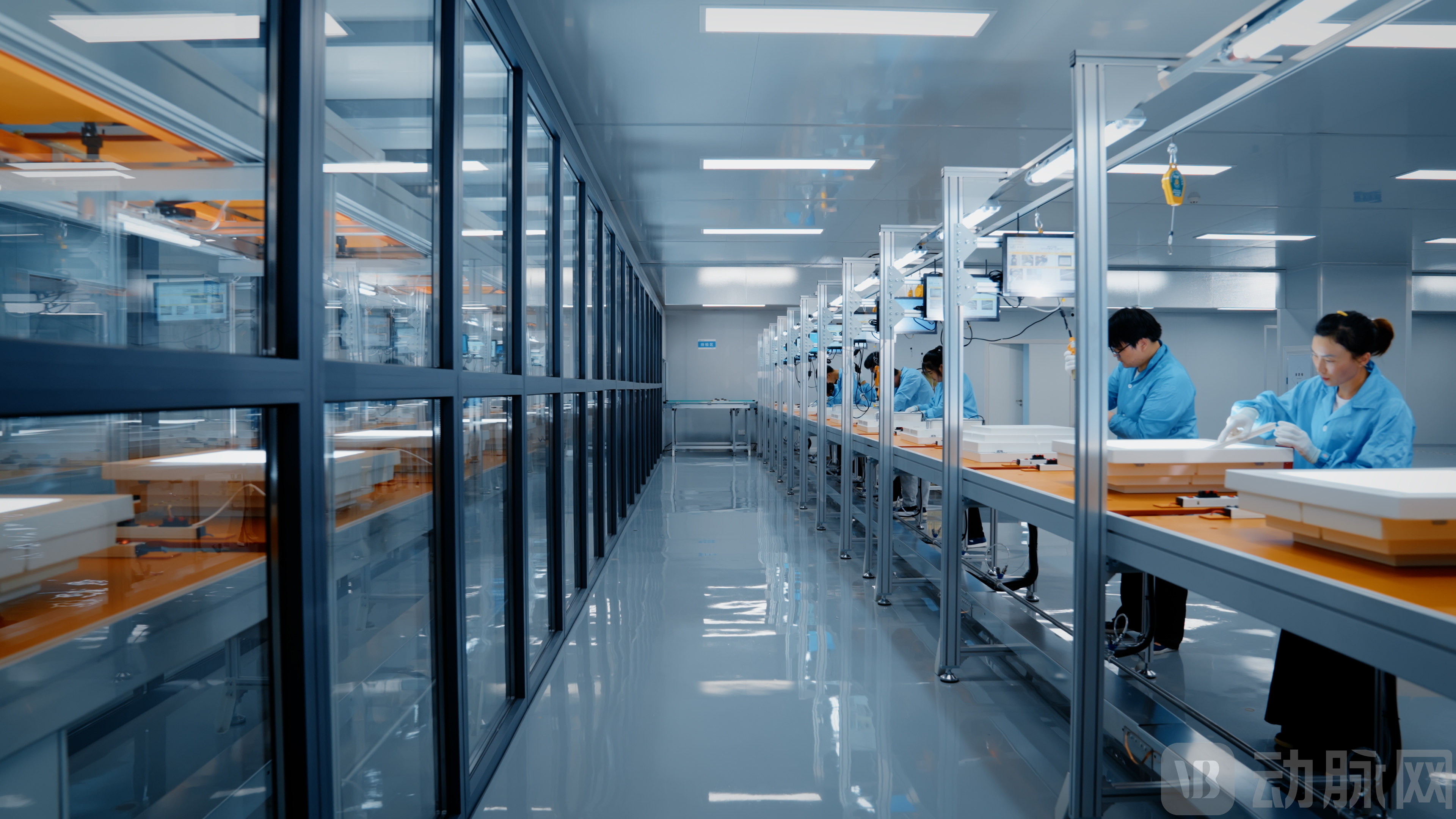
Automated Production Line for Disinfection Products
According to Mr. Xu Wei,In the field of medical air disinfection, Benchmark possesses two first-of-their-kind advantages in China.First, the company’s air disinfection unit is the first product in China to integrate lighting, purification, and disinfection into a single system and has completed registration with the National Health Commission (including “Xiao Zi Hao” disinfection product registration). Second, in terms of germicidal factor technology application, Benchmark is the first enterprise in China to use a single photocatalyst as its core germicidal agent.
4In-Vehicle Sterilization and Purification Module Delivers “Medical-Grade Air Management Solutions,” Creating a New Model of “Human-Machine Coexistence”
The three-year pandemic has elevated societal health awareness, driving a sustained rise in demand for “safe, sustainable, and non-harmful” disinfection solutions, thereby creating broad opportunities for scenario-based applications of disinfection technologies.““Baileshi” solutions focus on civilian scenarios, providing one-stop air disinfection solutions for elevators, automobiles, education, elderly care, and other settings.Its core technology is derived from medical-grade disinfection solutions, with sterilization efficacy aligned with professional medical setting standards.
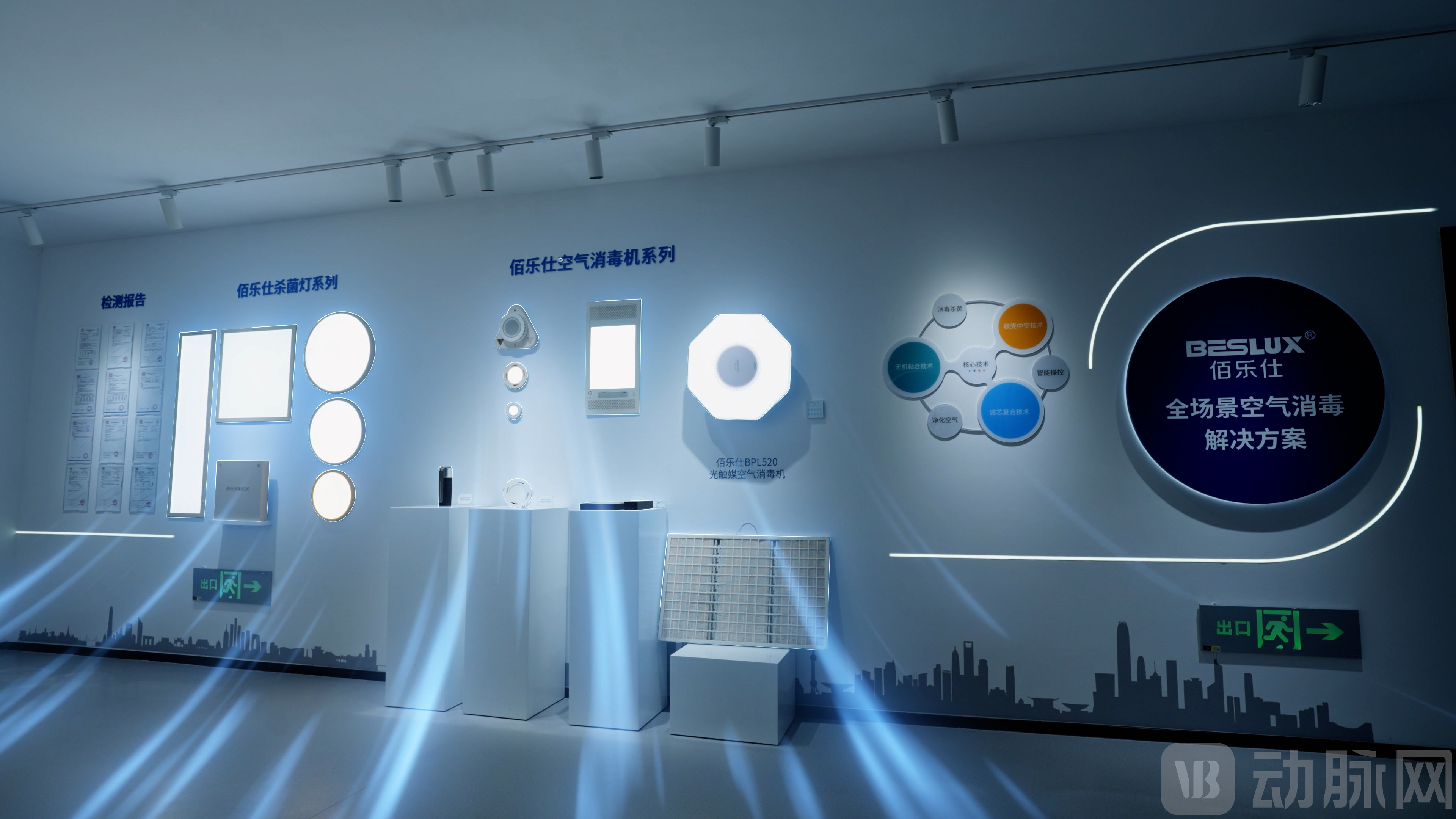
Baileshi Full-Scenario Spatial Disinfection Solution
Recently, Benchmark launched an in-vehicle sterilization and purification module, further enriching its product portfolio.
The core highlight of the in-vehicle disinfection and purification module lies in its genuine realization of a "human-machine coexistence" mode. In terms of disinfection efficiency, safety, and scenario adaptability, it comprehensively meets or even exceeds the five-star healthy cabin standards, providing the automotive industry with a quantifiable and verifiable "medical-grade air management solution."
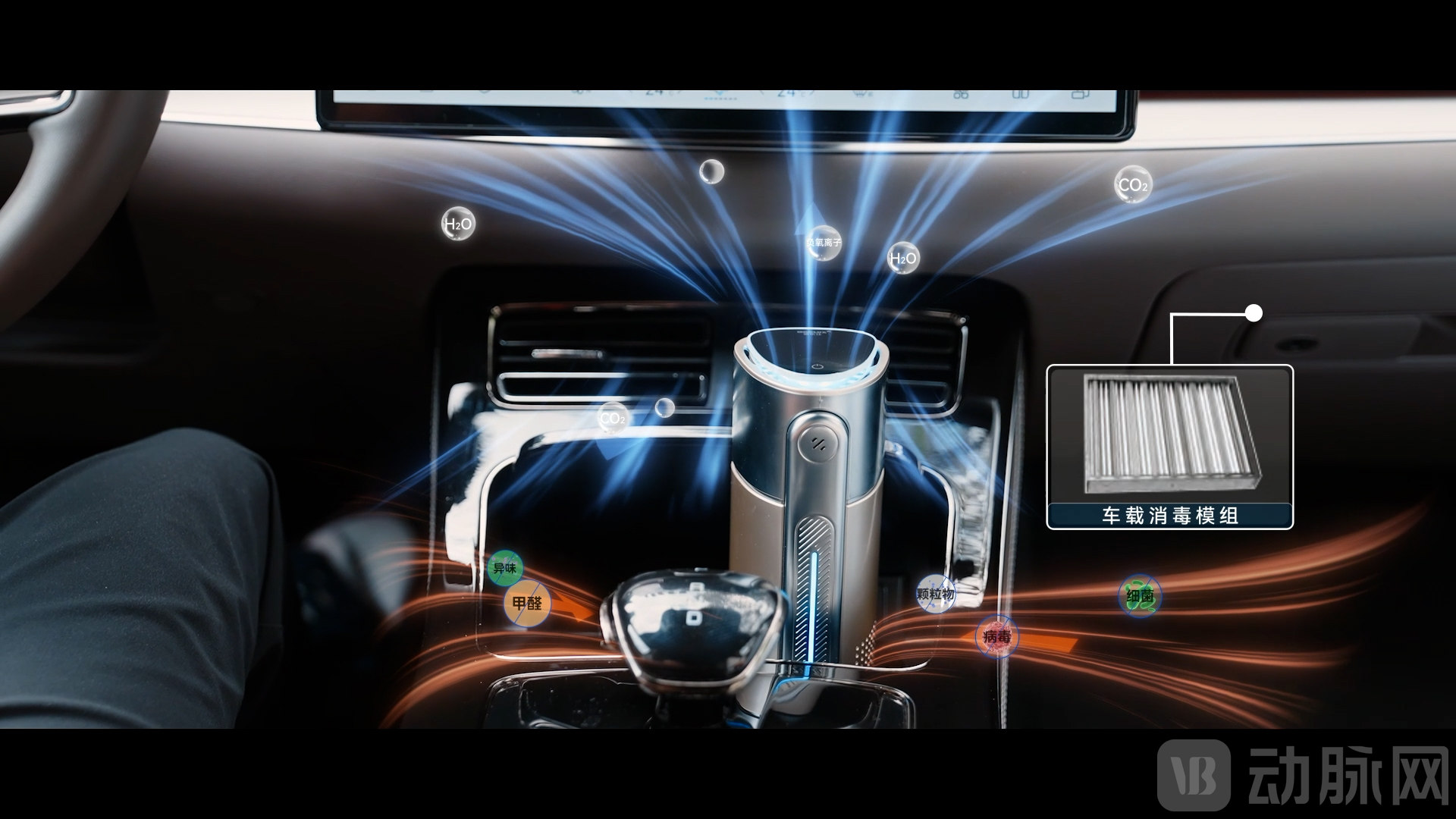
Vehicle-Mounted Disinfection Solution
This module operates without UV radiation or ozone release throughout the entire disinfection process, allowing occupants to safely activate sterilization while inside the vehicle. It eliminates concerns about skin or respiratory irritation and thoroughly mitigates the risk of secondary pollution.Furthermore, this module can simultaneously decompose harmful gases such as formaldehyde and benzene inside the vehicle, effectively reducing the concentration of volatile organic compounds (VOCs). It also filters particulate matter like dust and PM2.5, providing comprehensive protection from sterilization to purification, thereby improving indoor air quality in all aspects.
In terms of installation, the in-vehicle disinfection and purification module is identical in size to the original vehicle air filter, allowing for direct replacement and precise fit within the existing spatial structure. For factory-installed models, the module is pre-installed before leaving the plant; for aftermarket installations, power can be drawn directly from the reserved electrical port inside the vehicle, eliminating the need for complex modifications to the car’s air conditioning system. Furthermore, Benchmark customizes exclusive in-vehicle purification modules based on the air conditioning filter dimensions of different vehicle models, enabling users to simply select the corresponding module for their specific vehicle.
To address the potential for severe vibrations in vehicular environments, “Tongxintai” has undergone technological innovation and optimization, resulting in enhanced material adhesion.Verified by authoritative SGS testing, the adhesion of this nano-disinfection and sterilization material meets the industry’s highest “Grade 0” standard, ensuring its stability during application.Meanwhile, the in-vehicle module incorporates a shock-absorbing structure during the design phase to effectively mitigate the impact of severe vibrations during vehicle operation. Additionally, each unit undergoes rigorous internal vibration testing prior to factory release, further ensuring its vibration resistance performance.
Furthermore, the onboard sterilization and purification module maintains stable performance even under sudden temperature fluctuations. "Tongxintai" itself possesses excellent high-temperature resistance, with no attenuation of catalytic activity in high-temperature environments. In addition, all Benchmark products undergo systematic lifespan and stability validation, including thermal shock testing with high and low temperature cycling from -40°C to 80°C. This fully ensures the stability of product performance and functionality under extreme temperatures, meeting automotive-grade usage requirements.
To thoroughly validate the purification efficacy against core in-vehicle pollutants, Benchmark recently jointly released a real-vehicle test report with Wuhu Dexin Automotive Air Conditioning Co., Ltd. This collaboration not only verified the leadership of Benchmark’s in-vehicle disinfection and purification module in the field of existing automotive air conditioning and cabin air purification and disinfection technologies, but also, through practical validation,Formed a complete practical case of the implementation of disinfection standards in the automotive industry.
“Currently, the five-star cockpit rating system does not yet incorporate microbial indicators, and China has not yet issued authoritative standards for in-vehicle microorganisms,” introduced Mr. Xu Wei. In this collaboration, Benchmark has, for the first time, clearly proposed microbial standards for in-vehicle air, which holds significant benchmarking value for the industry. It will provide feasible technical solutions and data support for the industry and relevant authorities in formulating specifications for in-vehicle air disinfection.
It is reported that Benchmark has joined forces with the China Health Supervision Association to jointly initiate the formulation of the group standard “Hygienic Requirements for Photocatalytic Disinfectors.” It also took the lead in drafting two other group standards: “Hygienic Requirements for Air Disinfection Devices in Small Spaces” and “Technical Specifications for Age-Friendly Full-Scenario Applications.” All three standards were officially released and implemented in 2024. As a next step, the company plans to collaborate with relevant enterprises in the automotive industry to jointly lead the drafting of the “Hygienic Requirements for In-Vehicle Air Disinfection” standard, aiming to fill regulatory gaps in the field of in-vehicle air disinfection and promote more precise and compliant air safety management in the automotive industry.
Currently, in the Chinese market, Benchmark’s products have reached nearly 200 leading regional hospitals, and the company has established partnerships with over one hundred distributors and joint R&D collaborators across China. In the international market, Benchmark has established a foothold in Europe and continues to expand into the Middle East, Brazil, and North America.
In the future, Benchmark will adhere to a "small yet exquisite" development strategy, deeply cultivating the niche sector of indoor air disinfection and treatment. By embracing AI technology and the IoT ecosystem, it aims to provide customers with an integrated, intelligent, visualized, data-driven, comprehensive, and long-term spatial disinfection service system that combines monitoring and prevention.
Currently, Benchmark has needs for engagement in areas such as investment and financing, as well as distributor partnerships. If you are interested in Benchmark and its product solutions, please contact us: