

"China's Top Health Screening Provider" Commits to 'All in AI,' Accelerating Industry-Wide Digital Transformation with DingTalk

Dian Diagnostics Group
Third-Party Medical Diagnostic Service Providers

Yunnan Baiyao
Pharmaceutical Manufacturers and Distributors
health 100
Health Examination Center Operation Group
Innovent
High-end Biologics Developer
Recently,Yu Rong, Chairman of Meinian Onehealth Healthcare Group, Issues Internal Memo Advocating for Further Implementation of the “All In AI” Strategy, and stated its intention to achieve three management efficiency goals through AI: “management penetration,” “enhancing operational efficiency,” and “accelerating the implementation of AI applications.”
The industry has responded with intense fervor. On one hand, Meinian Onehealth Healthcare Group, a representative enterprise in the broader health sector with over 50,000 employees, has chosen to fully embrace AI across its entire workforce, demonstrating its substantial commitment to AI strategic investment. On the other hand, from an industry perspective, the proactive adoption of AI by leading companies represented by Meinian Onehealth Healthcare Group has effectively sent a positive signal to the market—Health and wellness enterprises are shifting from passive acceptance to proactively leveraging AI to drive their digital-intelligent transformation and business upgrades.。
Amid this historic transformation, DingTalk—as a pioneer in driving AI product and ecosystem development, serving over 60% of the top 100 biopharmaceutical companies and more than half of public hospitals—has been deeply involved and delivered substantial practical outcomes. In July 2025, the “Doukou Gynecology Large Model,” developed by Yisheng Jiankang, successfully passed the national written examination for senior professional titles in obstetrics and gynecology. It became the first vertical medical model in China trained by a startup on DingTalk’s enterprise-exclusive AI platform to meet this professional standard.
Additionally, Dian Diagnostics Group, a pioneer in third-party diagnostic services, stated in its monthly report that after introducing DingTalk AI Tables and AI automation processes, the time required to generate VOC (Voice of Customer) reports was significantly reduced from two weeks to three days, resulting in a cost saving of over RMB 200,000 for BI (Business Intelligence).
In addition, leading health and wellness enterprises such as Yunnan Baiyao, Innovent Bio, and Sirio Pharma are also leveraging DingTalk AI to explore intelligent work methods, thereby shaping their organizational competitiveness in the AI era. The traditionally stable health and wellness industry is accelerating into its own “AI moment.”
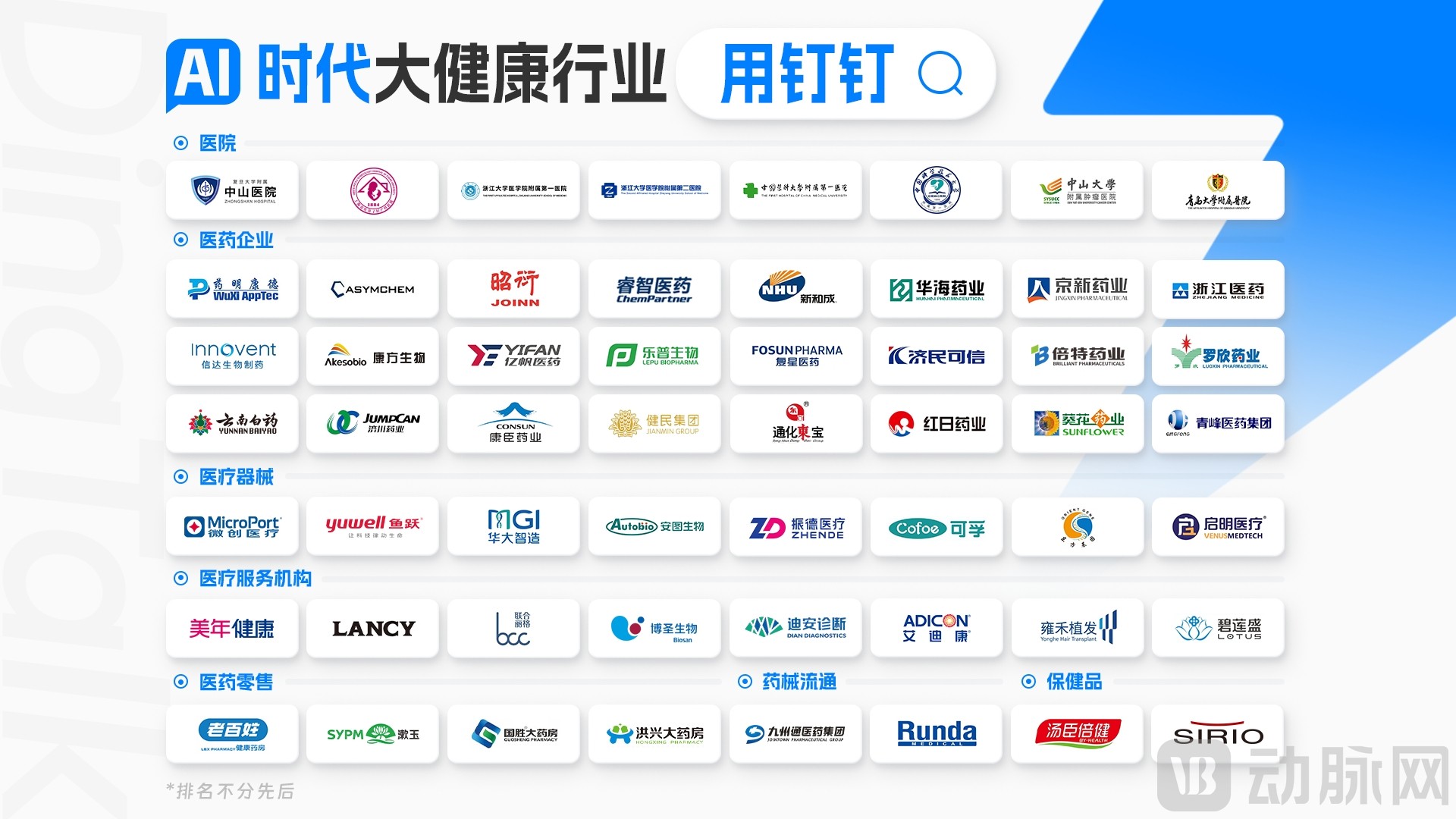
Figure 1. Selected healthcare enterprises using DingTalk services
500 Nurse Manager Work Handbooks Condensed into a Single AI Spreadsheet
Meinian Health Group is among the first batch of big health enterprises to adopt digital office platforms, having collaborated with DingTalk for many years. In March 2025, the partnership was further upgraded, with DingTalk’s AI capabilities fully integrated into various business segments of Meinian Health Group, rapidly driving the intelligent upgrade of collaborative management and an exponential increase in operational efficiency.
Taking the Medical Management Center of Meinian Onehealth Healthcare Group as an example, its core mission is to safeguard the group’s medical service quality—a vital lifeline. However, as China’s largest chain of health checkup providers, Meinian Onehealth operates nearly 600 branches, posing significant challenges to standardized management. This is particularly evident in meeting management: due to the lack of real-time oversight, some branch hospitals hold monthly quality control meetings at uncertain times with uncertain attendees, and their meeting procedures lack standardization, hindering effective issue identification and rectification. Meanwhile, meeting minutes rely entirely on manual recording, resulting in fragmented critical information that is difficult to consolidate into traceable and analyzable knowledge assets, thereby further complicating collaborative management.
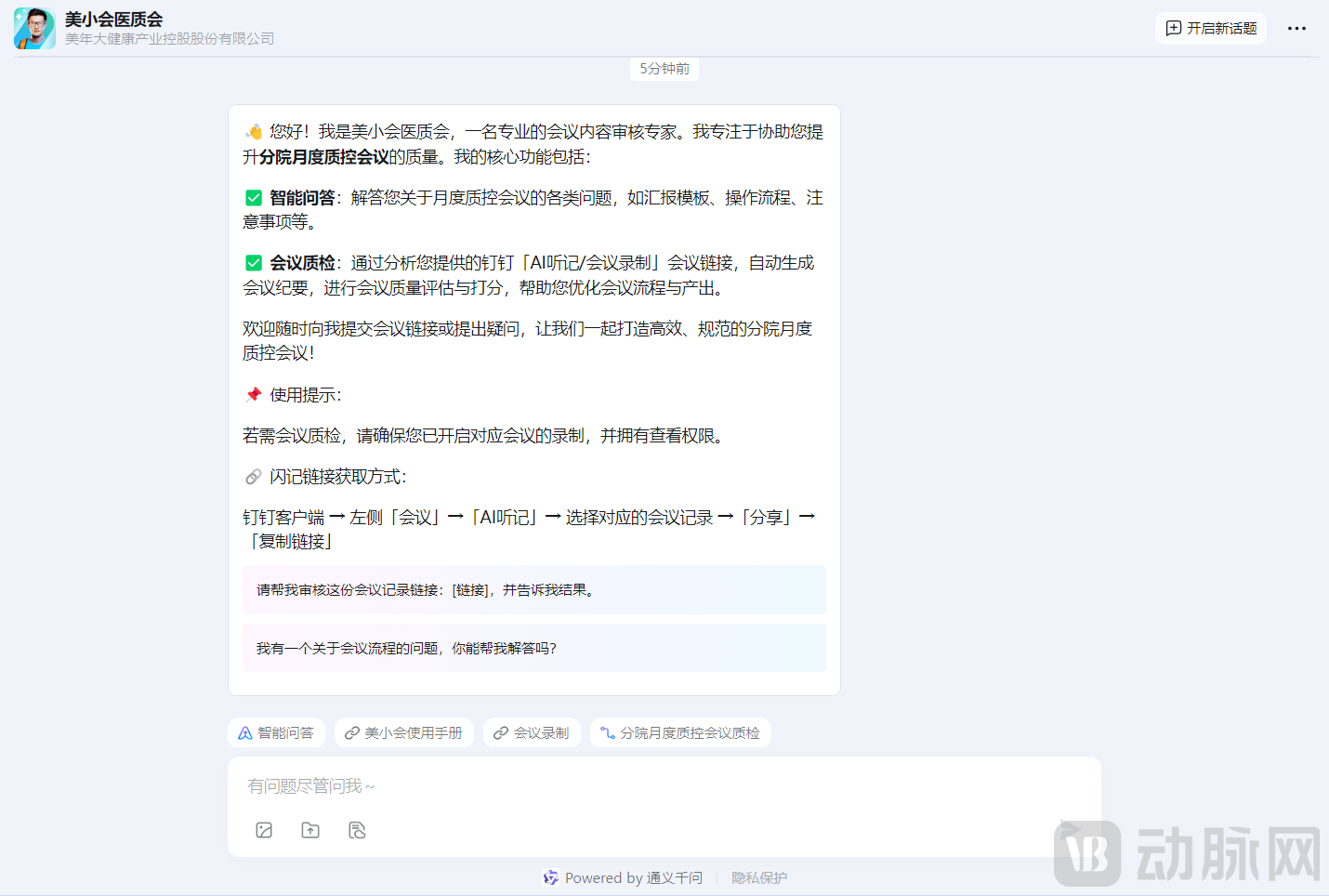
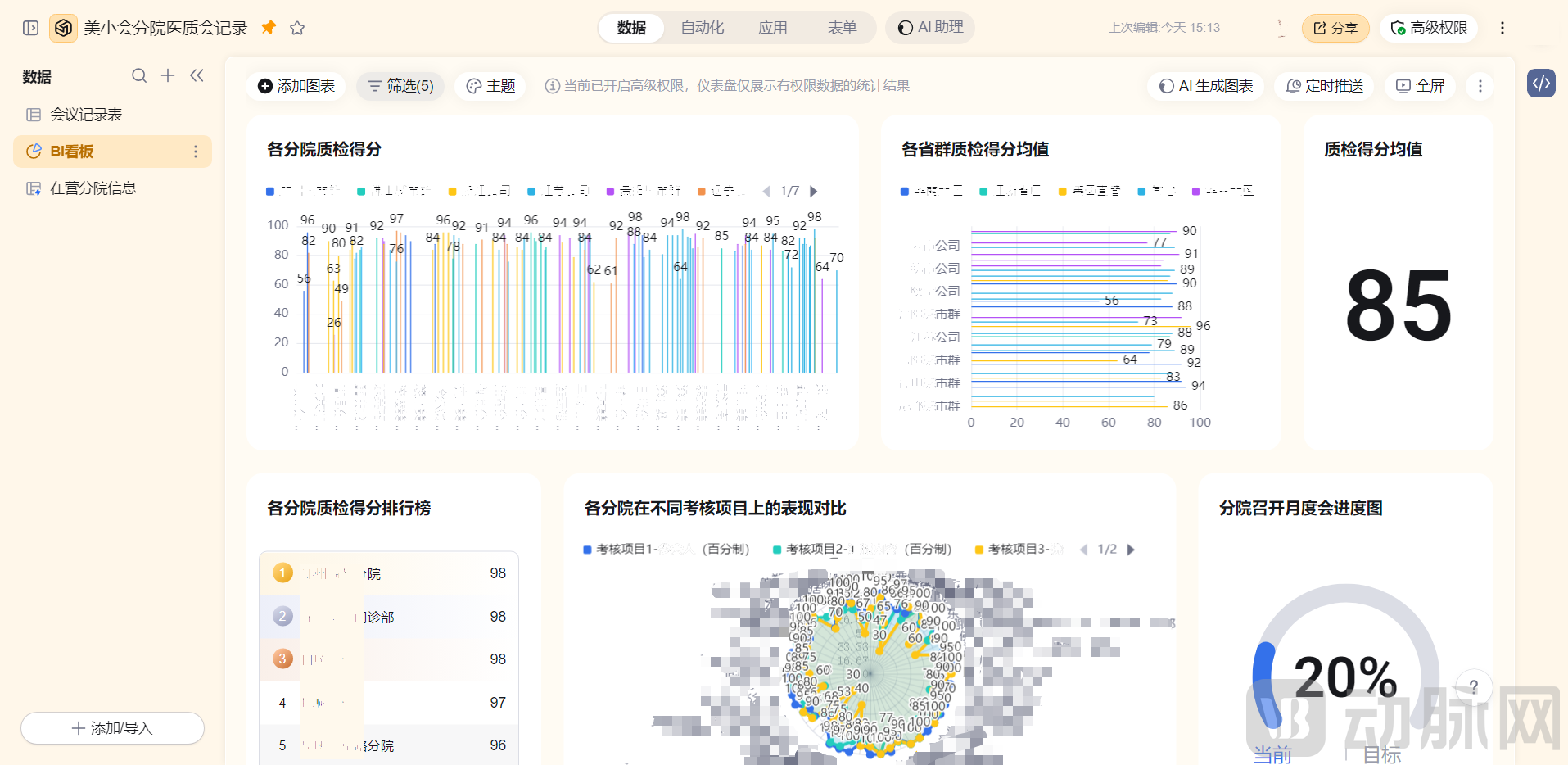
Figure 2. Application Scenarios of “Mei Xiao Hui” and AI Forms in Meinian Health Group
To this end, Meinian Onehealth Healthcare Group has tailored an AI assistant for meeting quality inspection—“Mei Xiao Hui,” combined with DingTalk’s AI meeting notes and AI spreadsheets, helps nearly 600 branch clinics truly “hold meetings effectively and efficiently.”Specifically, “AI Meeting Notes” is responsible for recording the meeting proceedings and organizing the content into standardized meeting minutes; “AI Assistant” conducts multi-dimensional analysis of meeting documents and scores them based on headquarters’ meeting standards, including whether relevant personnel were present and whether the discussion followed the PDCA framework. The analyzed data is ultimately imported into “AI Sheets” to form a traceable data ledger, facilitating timely identification of issues and follow-up resolution. With the support of this AI system, the Medical Management Center has established a sustainable management loop for continuous improvement, while also laying the foundation for identifying best practices and replicating them across branch hospitals in the future.
Next, let us examine the Nursing Department, which is responsible for supervising the quality of medical nursing services. A key task involves the collection, organization, and review of the “Head Nurse Work Manual.” According to staff from the Nursing Department of Meinian Onehealth Healthcare Group, “The group has nearly 500 head nurses across China, each maintaining a manual primarily used to record personnel dynamics at branch clinics, nursing quality control measures, and other related content. Due to manual entry and the quarterly submission requirement, this imposes a significant workload on the Chief Head Nurse. Furthermore, delays in information reporting make it difficult to comply with time-sensitive submission requirements. The quarterly evaluation of these manuals by the Group’s Nursing Department is a cumbersome task, resulting in a process that is both time-consuming and labor-intensive, with suboptimal outcomes.”
However, after using DingTalk AI Tables, these issues were quickly resolved. She mentioned that,With DingTalk AI Sheets, over 500 paper-based head nurse work manuals have now been condensed into a single AI sheet.. Head nurses can update their work logs in real time via AI-powered spreadsheets, covering planned activities, execution status, and ad hoc tasks, thereby enabling true dynamic monitoring and rapid response while significantly enhancing internal management compliance and the quality of medical care.Nowadays, the volume of nursing statistical work at Meinian Onehealth Healthcare Group has significantly decreased, leading to a substantial improvement in the work efficiency of the Chief Nursing Officer and the Group’s Nursing Department.。
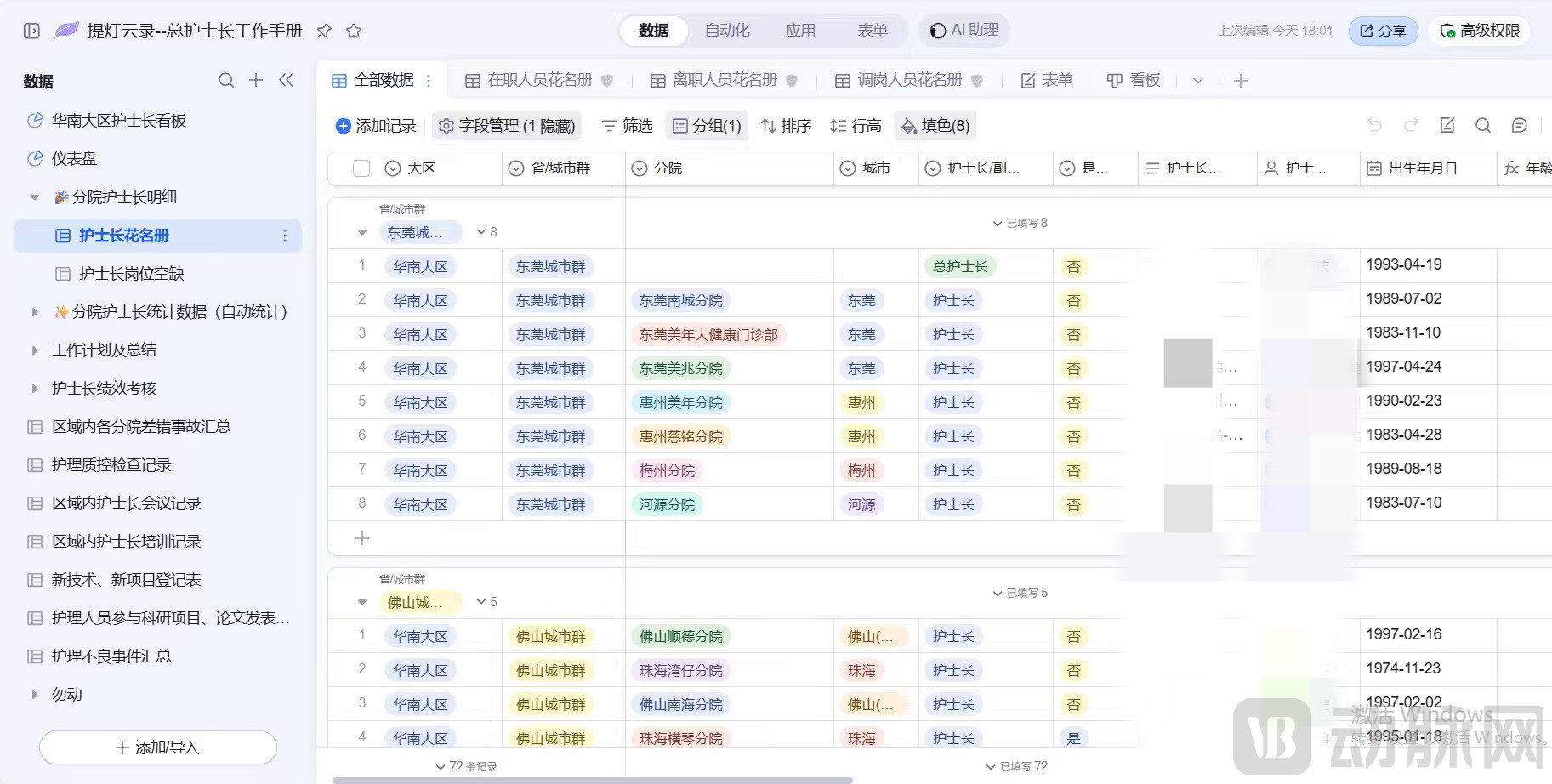
Figure 3. Scenario Diagram of the DingTalk AI-Empowered Handbook for Head Nurses
From scheduling meetings across 600 branch clinics to maintaining head nurses’ work logs, these tedious administrative tasks that once plagued healthcare professionals are now handled by AI.This reflects a silent yet profound shift in the healthcare industry during the AI era: from handling tedious administrative tasks to returning to the core creation of professional value.Doctors, nurses, and administrators are freed from mountains of paperwork and repetitive tasks, allowing them to devote more energy to core responsibilities that require professional judgment and compassionate care—enabling a greater focus on the very essence of healthcare and service, which cannot be measured by algorithms.
Yet these examples merely scratch the surface. Xiong Jin’an, General Manager of Human Resources at Meinian Onehealth Healthcare Group, shared a typical scenario: “During a routine approval process, a physician’s request was escalated directly to the hospital director level. The ‘AI Assistant’ promptly identified this anomaly and provided timely alerts and recommendations for correction, thereby mitigating potential risks. In fact, mid- and senior-level executives within the group often handle a substantial volume of approval tasks in their daily work. The ‘AI Assistant’ not only filters these tasks based on urgency but also offers reasonable opinions and suggestions regarding the content under review. This capability is crucial for ensuring the Group’s standardized and efficient operations.”
The deep integration of DingTalk AI has enabled Meinian Onehealth Healthcare Group to achieve genuine intelligent management, with significant improvements in quality and efficiency across all business segments. This success has likely reinforced the group’s resolve to go “ALL IN ON AI.” Looking ahead, Meinian Onehealth will continue to deepen its AI collaboration with DingTalk, gradually extending from internal group management to external business operations, truly empowering the entire health management process with AI to deliver more precise, efficient, and personalized health service experiences for customers.
From “King of Health Checkups” to “Centennial Pharmaceutical Giant”
In fact, it is not just the health checkup sector; the entire big health industry is currently on the cusp of a digital and intelligent revolution. Within this context,As the digital foundation jointly chosen by over 60% of pharmaceutical companies and more than half of public hospitals, DingTalk AI has long been regarded as a key enabler for healthcare enterprises to enter the AI era.。
In the pharmaceutical sector, AI has been integrated into key R&D processes, significantly shortening new drug development cycles and reducing costs through intelligent algorithms. In the medical device field, AI is primarily applied to real-time data analysis and intelligent diagnostic assistance, substantially improving equipment utilization efficiency and the precision of clinical decision-making. For traditional manufacturing-oriented health enterprises, AI penetrates the entire production chain, accelerating a triple leap in cost efficiency, quality control, and regulatory compliance.
Focusing on specific cases,Dian Diagnostics GroupAs a pioneer in third-party diagnostic services in China, the company has built an end-to-end intelligent closed-loop system for Voice of the Customer (VOC) by integrating tools such as DingTalk AI Tables, RPA, and Teambition. This system covers the entire process of data collection, analysis, task assignment, and closed-loop management, driving rapid service iteration. Currently, AI has replaced 80% of manual operations, increasing efficiency by 92% and reducing cross-departmental collaboration time by 83%. At a time when the IVD industry is urgently seeking transformation and upgrading, this undoubtedly provides it with a new digital-intelligence solution, giving it more leverage in fierce market competition.
Another typical representative isSirio Pharma, founded in 1993, it primarily focuses on the research and development, production, and sales of nutritional health supplements. As a leading CDMO in the nutritional health food sector, Sirio Pharma encountered production pain points such as efficiency bottlenecks, inefficient follow-up mechanisms, and the need for standardized management during its transition from a local to a global enterprise, which hindered further business expansion. However, DingTalk’s “AI Tables + Automated Push” feature enabled Sirio Pharma to achieve “second-level” improvements in production status data management, rapidly establishing a production closed loop characterized by “zero manual intervention, one-click generation, and real-time synchronization,” thereby increasing overall collaboration efficiency by 100%.
Furthermore,Many well-known biopharmaceutical companies, including Yunnan Baiyao, Innovent Bio, Readily, and Yahong Pharma, have leveraged DingTalk’s AI capabilities to drive intelligent upgrades across their entire value chains, from R&D and production to marketing.。
Yunnan Baiyao, the “century-old pharmaceutical king,” has launched AI applications such as the “Production Knowledge AI Assistant” for employees and the “Toothpaste AI Expert” for consumers on its “Baiyao Ding” platform built on DingTalk. The business systems constructed using DingTalk AI Tables have also significantly improved administrative efficiency. Innovent Bio, meanwhile, has transformed DeepSeek into a “service-oriented information repository” through the DingTalk AI Assistant, enabling employees to access functions such as literature translation, process inquiries, and information retrieval directly within DingTalk, thereby substantially enhancing collaborative efficiency in R&D and office operations.
What is particularly commendable is that, at a time when innovative drug companies are collectively racing to accelerate R&D speed and expand pipeline depth, DingTalk’s AI capabilities have even been deeply integrated into critical R&D processes within pharmaceutical enterprises. Across the industry, DingTalk, as a digital foundation, is becoming the core engine for AI development and digital-intelligent transformation for an increasing number of large health companies in the AI era.
“Embrace AI or be left behind”
In the interview, Xiong Jin'an, General Manager of Human Resources at Meinian Onehealth Healthcare Group, stated frankly, ""We have consistently emphasized internally that AI is no longer an option but a necessity; we must embrace AI, or risk being rendered obsolete by it."”
These remarks are not alarmist. On one hand, from the perspective of AI technology’s own development, continuous iteration and deeper integration with diverse medical scenarios have enabled AI to create new development opportunities for the entire healthcare industry. Missing this window could mean forfeiting voice and competitiveness within the future trillion-dollar healthcare ecosystem. On the other hand, considering market dynamics, amid a capital winter and intensifying industry competition, AI undoubtedly serves as a critical enabling tool for healthcare enterprises to break through competitive barriers and even identify new growth curves.
Therefore,The entire healthcare industry is showing a clear trend: shifting from the past “passive digital-intelligent transformation” to the current proactive embrace of AI-driven digital-intelligent transformation. The underlying industry logic reflects a profound evolution in which healthcare enterprises are moving AI from “tool-based empowerment” to “value reconstruction.”。
However, this is not an overnight achievement; it remains a lengthy process. Currently, the integration of AI within the broader healthcare industry is still in its early stages, with enterprises primarily focusing on helping employees gain a comprehensive understanding of AI and utilize it more effectively. Nevertheless, a consensus has been reached, and developments are trending positively. Taking Meinian Onehealth Healthcare Group as an example, while promoting company-wide adoption of DingTalk and migrating all documentation to the cloud, the group also holds regular AI training sessions. These initiatives aim to facilitate a rapid transition for employees from being “unfamiliar and unaccustomed” to using AI to becoming “proficient and effective” in its application.
In this process, as a new generation of enterprise infrastructure, DingTalk has been continuously strengthening its underlying AI capabilities and expanding its AI ecosystem. At the recently concluded “DingTalk 10th Anniversary Launch Event,” DingTalk CEO Wuzhao candidly stated, “DingTalk 8.0 is also AI DingTalk 1.0. We are determined to build a brand-new DingTalk for the AI era with a mindset of starting from scratch.”. This underscores DingTalk’s determination in AI development and simultaneously marks the opportunity for the broader healthcare industry to fully enter the AI era.
In an industry known for its “slow” pace, a growing number of health and wellness enterprises have already taken the lead with DingTalk to accelerate their growth.