

Marketing Spend Doubles as Competition Heats Up in China's Pediatric Early Orthodontic Market

ANGELAIGN
Dental Medical Consumables Supplier and Service Provider
Smartee
Oral Medical Device R&D and Manufacturer
The Pediatric Early Orthodontic Treatment Market Is Undergoing Profound Changes.
As the macroeconomic environment weakens and the centralized procurement policy for orthodontic brackets takes effect, the growth model of China’s clear aligner industry, which previously relied on high average transaction values in the adult market, is facing challenges. ANGELAIGN explicitly highlighted this in its financial report. In the first half of 2025, ANGELAIGN completed approximately 108,600 clear aligner treatment cases in the Chinese mainland market, a year-on-year increase of 14%. However, its revenue stood at USD 89.7 million, essentially flat compared to USD 89.1 million in the same period last year. ANGELAIGN directly attributed this to strategic price adjustments.
Against this backdrop, the pediatric early orthodontic sector, characterized by “low penetration and high growth,” has become a strategic battleground for industry participants such as ANGELAIGN and Invisalign. Since launching its pediatric product line in China in June 2019, ANGELAIGN has continuously expanded its presence in pediatric early orthodontics and currently holds a leading position in this field. From an industry perspective, brands including Invisalign, MyLike, Vincialign Da Vinci, Hibeauty Yinxiu, and Smartee have all entered the pediatric early orthodontic market, with major players collectively shifting their strategic focus toward this segment.
As industry competition intensifies, the nature of rivalry is evolving. Competition in the pediatric early orthodontic correction market has progressed from an initial focus on products to a comprehensive level encompassing concept cultivation, product promotion, and ecosystem empowerment. This sector has entered a higher dimension of competition.
Due to a combination of genetic, developmental, and lifestyle factors, dental issues among Chinese children are more complex than those observed in Western populations, potentially affecting speech, swallowing, and masticatory functions. Furthermore, with the widespread dissemination of orthodontic knowledge, parents’ perceptions and attitudes toward teeth straightening have evolved, shifting from a primary focus on dental alignment to a greater emphasis on the impact of dentition on facial aesthetics.
Currently, manufacturers are vigorously promoting the concept of early orthodontic treatment for children aged 6–12 (e.g., addressing malocclusions caused by jaw development deficiencies or harmful oral habits). This essentially advances the therapeutic window, shifting from “treating established diseases” to “preventive intervention.” It significantly expands both the target user base and the treatment window. In terms of market cultivation efforts, ANGELAIGN is more familiar with the Chinese market and operates with greater flexibility than Invisalign.
In June this year, ANGELAIGN partnered with Xiaohongshu to launch “Angel KiD Star Program”, co-building a content ecosystem for early childhood orthodontic correction to help parents master scientific knowledge in this area. Data from Xiaohongshu (Little Red Book) indicates that since the beginning of this year, search volume for pediatric dental correction has increased by 50%, and page views have risen by 85%. Topics such as underbite, protruding teeth, and receding chin rank highest in search volume, reflecting parents’ growing concern for facial aesthetics and a significant rise in awareness of early intervention. By age group, parents of 8-year-olds exhibit both the highest search volume and the fastest growth rate in information searches.
Through the “Angel KiD Star Program,” users of ANGELAIGN’s KiD products can post notes on Xiaohongshu and participate in the “Angel KiD Star” selection. The ten selected participants will receive benefits including featured smile displays on Xiaohongshu’s splash screen and participation in brand campaign photo shoots, with the opportunity to become signed brand ambassadors for ANGELAIGN.
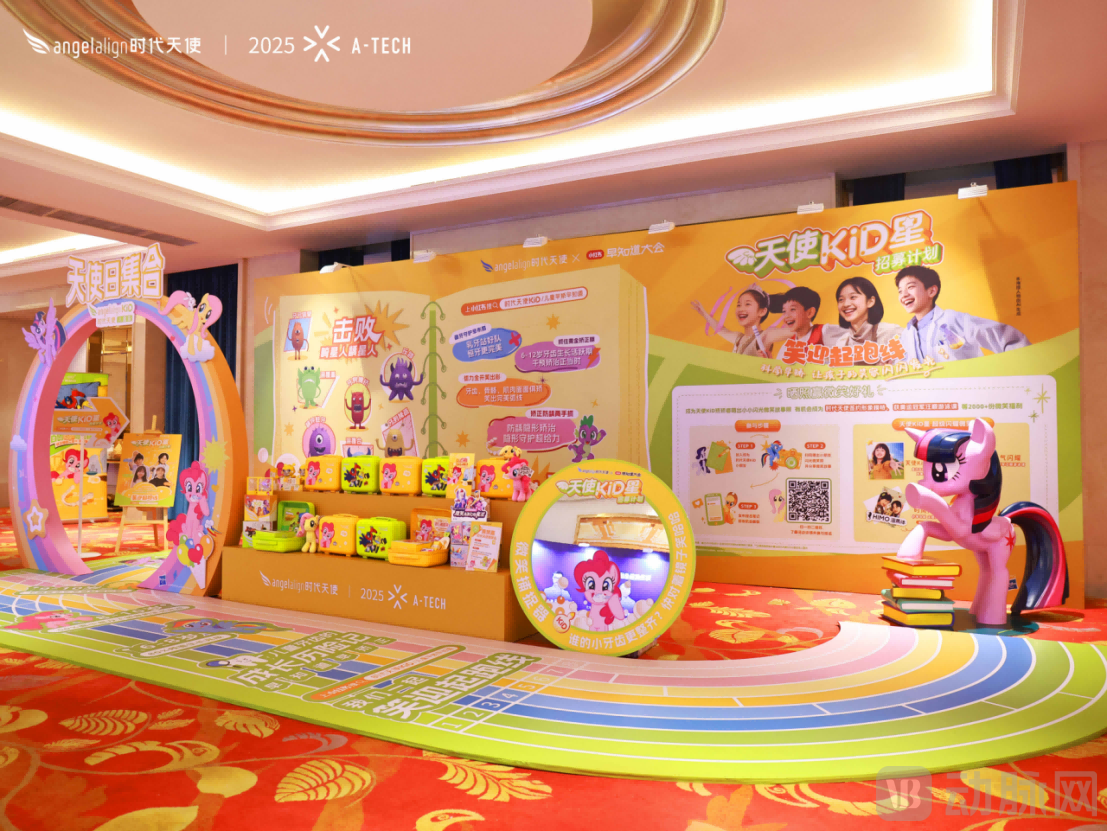
Figure 1. ANGELAIGN’s Angel KiD Star Program (Source: Official Website of ANGELAIGN)
Invisalign, through its official website, social media platforms, and oral health educational articles, repeatedly conveys to parents the message of “Do not miss the golden period for orthodontic treatment.”
Data from Frost & Sullivan indicates that the Chinese pediatric invisible orthodontics market is experiencing rapid growth. From 2020 to 2023, the compound annual growth rate (CAGR) for both the number of cases and the market size calculated based on end-user prices exceeded 60%. Compared with the Chinese market, the United States has a higher penetration rate of orthodontic treatment among children and adolescents. According to data from the U.S. Medical Expenditure Panel Survey (MEPS), 10.9% of Americans under the age of 18 were undergoing various types of orthodontic treatment in 2019, whereas the corresponding figure in China during the same period was approximately 1%–2%. This disparity highlights the substantial growth potential of the Chinese market in the future.
In response to malocclusions of varying complexity across different stages of pediatric development, major manufacturers have launched dedicated product lines.
ANGELAIGN’s pediatric version (KID) has established a full-lifecycle early orthodontic treatment solution for dental development issues that may arise during the mixed dentition stage in children aged 6–12. The product portfolio includes K1, K1 Pro, and KiD Max.
ANGELAIGN K1 is primarily designed for early-stage, relatively simple dental malocclusions in children, addressing mild cases such as slight crowding, individual tooth misalignment, and minor occlusal irregularities. These patients typically exhibit normal jaw development and have basic orthodontic needs. In contrast, K1 Pro is indicated for more complex malocclusions, including moderate to severe crowding, anterior crossbite, open bite, and mandibular deviation. Such cases may involve jaw growth discrepancies or require concurrent improvement of facial aesthetics, thereby demanding higher technical proficiency in orthodontic treatment.
Furthermore, in 2024, ANGELAIGN launched KiD Max, a new full-cycle orthodontic treatment solution for children, in select regions. This product provides clinicians with professional tools and clinical support for up to six years. Through the K1 product and services, clinicians can help children achieve proper molar occlusion and incisor alignment. If further intervention is subsequently required, it can alsoSeamlessly Upgrade to the Full-Cycle Treatment Plan KiD Max。
Invisalign’s core product for the pediatric market is Invisalign First, which is suitable for children aged 6 to 10. This phase aims to address a wide range of dental issues in growing children, from simple to complex, including crowding, spacing, and narrow dental arches. Through early intervention, it lays the foundation for proper jaw and dental arch development, creating space for both existing teeth and emerging permanent teeth.
To complement the use of Invisalign First, Align Technology also launched 3D-printed custom expanders and the iTero Lumina™ Pro intraoral digital scanner this September, enablingPalatal expansion and orthodontic treatment can be seamlessly integrated, offering more customized and specialized treatment plans.。
Beyond clear aligner orthodontics, the market also offers occlusal guidance systems as an early orthodontic treatment modality for children. A dentist at a chain dental hospital vividly explained the differences between the two.
Clear aligner therapy can be understood as an “invisible upgrade” to traditional metal bracket appliances. Leveraging digital technology, it provides patients with a customized series of transparent, removable aligners. By replacing each aligner every 1–2 weeks, the teeth gradually shift into their final target positions.
Occlusal guidance places greater emphasis on "prevention" and "guidance." It posits that many malocclusions in childhood result from poor oral habits (such as mouth breathing, tongue thrusting, and improper swallowing) and insufficient jaw development. IfIntervention During the Golden Period of Growth and Development, it is possible to guide the teeth, jaws, and face toward a harmonious and healthy development at minimal cost, potentially even avoiding the need for complex orthodontic treatment later on.
This dentist told VCBeat that MRC, Romu, and ETA are currently the mainstream occlusal guidance systems on the market. The MRC appliance is a well-known myofunctional orthodontic brand developed in Australia, offering a range of prefabricated appliances for different ages and types of malocclusion, such as the J series, K series, and T series. MRC appliances require配合 myofunctional training exercises and are representative products in the field of occlusal guidance. Romu's latest occlusal guidance device integrates the functional characteristics of occlusal guidance, functional correction, removable orthodontics, and myofunctional training, achieving a 4-in-1 corrective function. Romu can guide normal jaw development, improve dental arch shape, induce erupting teeth to grow naturally in the correct position, align teeth neatly, and ensure facial symmetry. The personalized early orthodontic technology ETA, developed by Aipulisi, utilizes the growth force of teeth during the mixed dentition stage to guide the proper growth of newly erupted permanent teeth and effectively correct permanent teeth that have already grown misaligned.
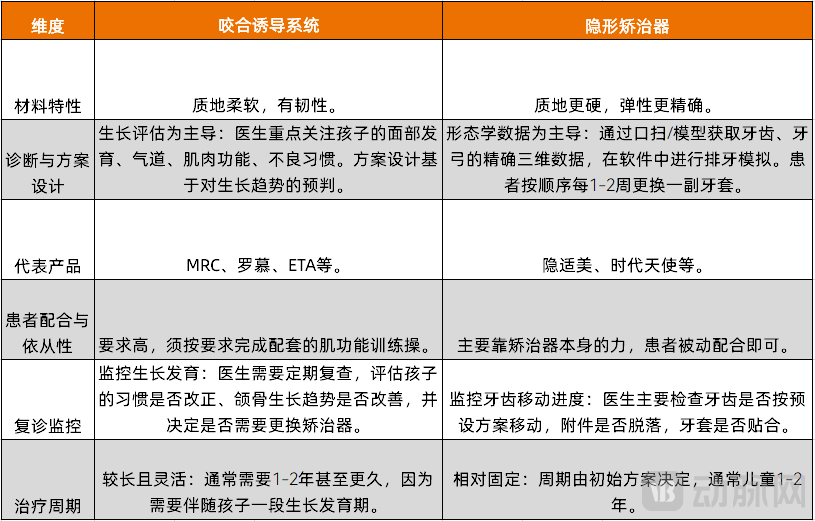
Figure 2. Differences between occlusal guidance systems and clear aligners (Source: VCBeat)
An increasing number of manufacturers are entering the market for early orthodontic treatment in children. Companies such as Meilike, Vincialign Da Vinci, Hibeauty Yinxiu, and Smartee (with its Early Treatment and Occlusal Guidance versions) have successively launched their own products. Dr. Clear has also introduced the C3 Full-Cycle Orthodontic System, which encompasses early maxillofacial development management and permanent dentition correction after the mixed dentition stage. Through intervention with various mixed-type orthodontic methods and tools, the system aims to successfully establish a healthy and normal permanent dentition. Competition in the pediatric early orthodontic industry is becoming increasingly intense.
To more aggressively develop the pediatric early orthodontic correction market, competition among major manufacturers has shifted from a singular product focus to an all-encompassing ecosystem rivalry encompassing “products + physician training + digital platforms + marketing support.”
Given the abundance of adult dentists, many pediatric dentists have transitioned from adult dentistry. However, there are significant differences between adult and pediatric orthodontics: 1)Bone Plasticity: Children are in a period of growth and development, with high malleability of the jawbones; orthodontic treatment can leverage their growth potential to guide jaw development. In adults, whose skeletal structure has already matured, correction relies on tooth movement or surgical intervention. 2)Rate of Tooth Movement: Children exhibit active periodontal tissue metabolism, resulting in rapid tooth movement and a shorter average treatment duration; in contrast, adults experience slower alveolar bone remodeling, requiring a longer period for tooth movement. 3)Oral Condition: Adults often present with concomitant issues such as periodontitis, tooth loss, and prosthetic restorations, which require prior management of underlying conditions; the oral environment in children is relatively simple, but the mixed dentition stage involving the transition from primary to permanent teeth is complex, potentially necessitating collaborative intervention by orthodontists and general dentists. 4)Treatment Goals: Pediatric orthodontics balances function with coordinated maxillofacial development, whereas adult treatment focuses more on restoring occlusal function and improving aesthetics.
Given the significant differences between adult and pediatric orthodontics, manufacturers are required to provide more extensive training support. In terms of empowering clinicians, Invisalign and ANGELAIGN have adopted different approaches.
Leveraging its global brand, academic leadership, and standardized technology, Invisalign has built aAuthoritative Global Standard SystemInvisalign’s officially certified curriculum offers a systematic range of online courses and offline workshops, from introductory to master levels, with topics specifically covering Invisalign First. Furthermore, Invisalign has established a case difficulty rating system, under which doctors are only permitted to treat cases that match their certification level, thereby ensuring medical quality and patient safety. Doctors who complete a specified number of cases and training requirements are awarded official titles, which serve as market credentials attesting to their professional competence. Additionally, Invisalign hosts high-end academic conferences annually around the world, inviting top global experts to share cutting-edge techniques and complex case studies related to Invisalign First.
ANGELAIGN, leveraging its localization, in-depth services, and flexible digital ecosystem, has built aA Comprehensive Support Platform Aligned with the Clinical Practice of Chinese PhysiciansANGELAIGN has also launched an online learning platform for clear aligner therapy, offering a vast library of Chinese-language video courses. The content spans from foundational theories to clinical techniques for early childhood orthodontic treatment (ANGELAIGN Kids Edition), with learning pathways tailored to the preferences of Chinese clinicians. Since its inception, the ANGELAIGN training system has served over 200,000 participants, conducting an average of 10 training sessions per day.
This year, ANGELAIGN released the new-generation intelligent orthodontic platform iOrtho 2025, empowering clinicians with AI technology. ANGELAIGN launched the AI Oral Intelligence Analysis Report 2.0, making doctor-patient communication more intelligent and visual; the upgraded Live Now real-time modification tool enables doctors to rapidly generate new treatment plans in an average of 40 seconds; the AI assistant within the iOrtho system assists doctors with medical record retrieval and batch task management, significantly saving clinical work time. With AI assistance, clinicians’ decision-making becomes more efficient and controllable, while patients’ diagnosis and treatment experiences are also enhanced.
While there are distinctions between the adult and pediatric markets in terms of products, physician training, and digital platforms, these differences are not pronounced. However, in the realm of marketing, major brands have adopted increasingly innovative strategies in the field of early orthodontic correction for children.
In July 2022, ANGELAIGN announced a strategic partnership with Hasbro, the globally renowned toy and entertainment company. The two parties secured licensing agreements for the Transformers and My Little Pony intellectual properties, aiming to alleviate children’s fear of dental visits and orthodontic treatment by leveraging familiar and beloved cartoon characters, thereby making the correction process more engaging.
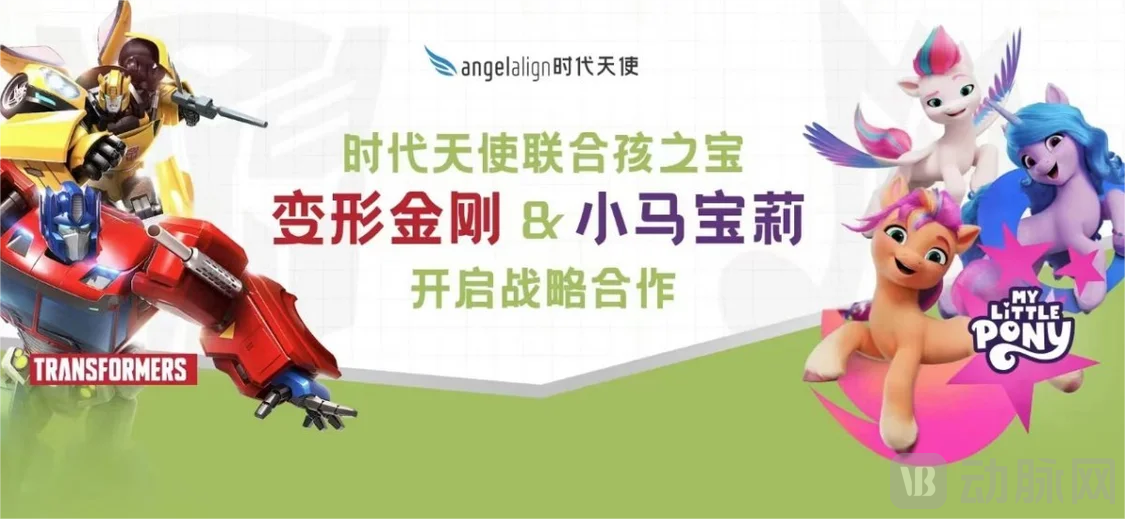
Figure 3. ANGELAIGN IP Licensing (Source: ANGELAIGN Official Website)
The theme design of My Little Pony has been applied to orthodontic aligner storage cases and related merchandise, proving highly popular among young girls. ANGELAIGN’s promotional campaigns emphasize “making smiles as radiant as a rainbow,” which aligns seamlessly with the dreamy and friendship-centered themes of My Little Pony. Meanwhile, the cool designs featuring classic Transformers characters such as Optimus Prime and Bumblebee are primarily aimed at attracting young boys who are interested in mechanics, science fiction, and superhero themes, encouraging them to actively cooperate with their orthodontic treatment. Under this theme, ANGELAIGN highlights “guarding smiles and transforming into little heroes,” portraying the wearing of aligners as a cool and appealing experience.
Centering on the two major IPs, My Little Pony and ANGELAIGN, ANGELAIGN has launched a series of brand promotion activities: 1)Advertisement Video: ANGELAIGN produced a co-branded animated commercial and integrated it into the movie My Little Pony: A New Generation, which was screened in major cinemas across China. 2)Poster Promotion: The key visual posters for the co-branded collaboration were promoted across multiple cities via elevators, subways, bus stops, and outdoor digital screens. 3)Light Show: Since 2022, ANGELAIGN has simultaneously launched co-branded light shows featuring ANGELAIGN × Transformers and ANGELAIGN × My Little Pony at landmark locations in multiple cities across China to enhance brand exposure. 4)Themed Activities: ANGELAIGN has hosted or co-hosted a series of themed events with dental institutions across various regions. For instance, in July 2025, ANGELAIGN partnered with My Little Pony to launch at TX Huaihai, a trendy landmark in Shanghai, kicking off a month-long summer-themed event and creating a popular check-in destination for families. This themed event has been successively held in cities such as Suzhou, Chengdu, Wuhan, Kunming, Taiyuan, and Zhengzhou since August this year.
With the implementation of this series of brand promotion campaigns, ANGELAIGN’s selling expenses have been growing rapidly. From 2021 to 2024, ANGELAIGN’s selling expenses increased from RMB 237 million to RMB 755 million, more than doubling, while the selling expense ratio rose from 18.57% to 39.07%, representing an increase of over 100%. Amid stable gross profit margins, ANGELAIGN’s net profit margin declined from 22.42% in 2021 to 3.73% in 2024. The continually rising selling expenses have weighed on the company’s profitability, indirectly demonstrating that competition in the early orthodontic treatment sector for children has become increasingly intense.
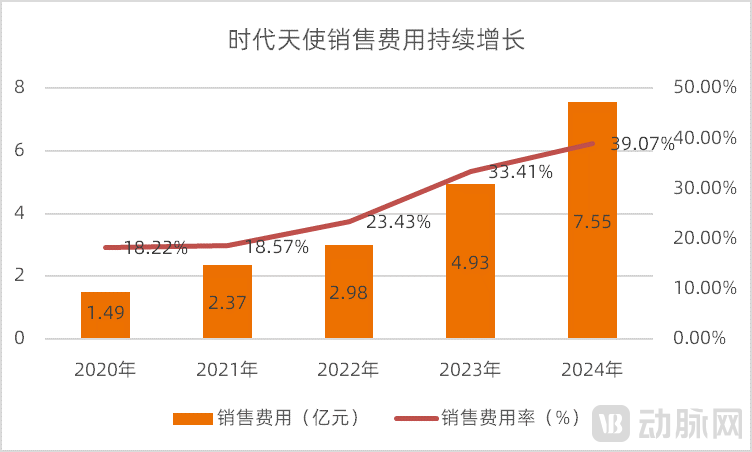
Figure 4. Changes in ANGELAIGN’s sales expenses (Source: Wind; compiled by VCBeat)
Invisalign’s promotional activities in the field of early orthodontic treatment for children differ significantly from ANGELAIGN’s strategy. Invisalign has directed its marketing resources toward educating and persuading parents. Its promotional materials (videos, articles, and images) typically adopt a rigorous, scientific style, featuring explanations by authoritative doctors and real user stories (Before & After), with the aim of building parental trust in the brand.
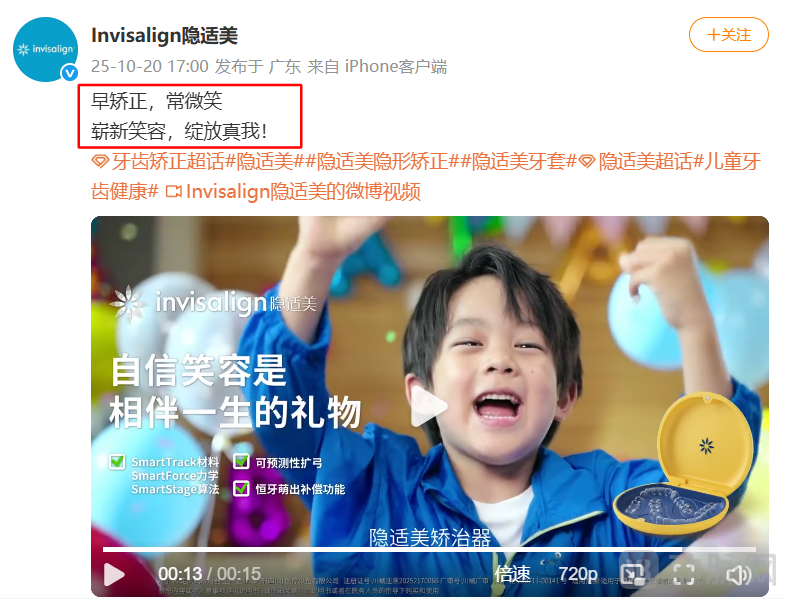
Figure 5. Invisalign promotional video (Source: Invisalign Weibo)
Although it does not utilize external IPs like ANGELAIGN, Invisalign has incorporated child-friendly features into the product itself, such as providing brightly colored and ergonomically designed aligner storage cases to encourage children to properly store their aligners.
In summary, Invisalign’s promotion in the field of early orthodontic treatment for children resembles a top-down campaign, aiming to capture the market by establishing professional industry barriers and persuading parents. In contrast, ANGELAIGN directly appeals to the end users—children—thereby influencing consumption decisions.
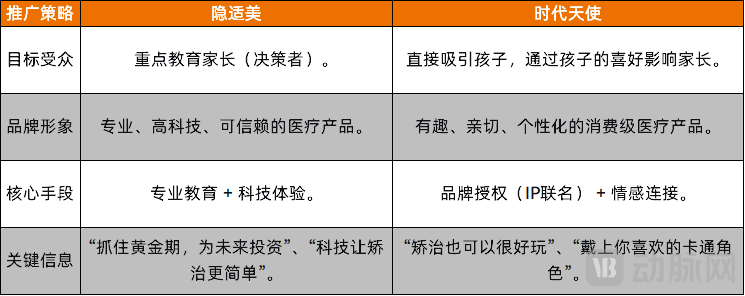
Figure 6. Differences in Promotional Strategies Between Invisalign and ANGELAIGN (Source: Compiled by VCBeat)
Beyond ANGELAIGN and Invisalign, other brands specializing in early orthodontic correction for children are also intensifying their marketing efforts. The most typical example is Smartee, whose marketing strategy resembles that of ANGELAIGN. Targeting its product line for early childhood orthodontics, Smartee partnered with Disney and Marvel in 2021, becoming an officially licensed Disney partner. Well-known intellectual properties (IPs) such as Princess Elsa, Mickey Mouse, and Spider-Man have been featured on Smartee’s early correction and occlusal guidance aligners, packaging, accessories, and marketing materials.
By leveraging the bravery, strength, and cool image of superheroes like Spider-Man, as well as the dreamy and friendly qualities of Disney characters, children’s resistance to braces can be alleviated, even transforming the experience of wearing braces into a source of pride and anticipation.
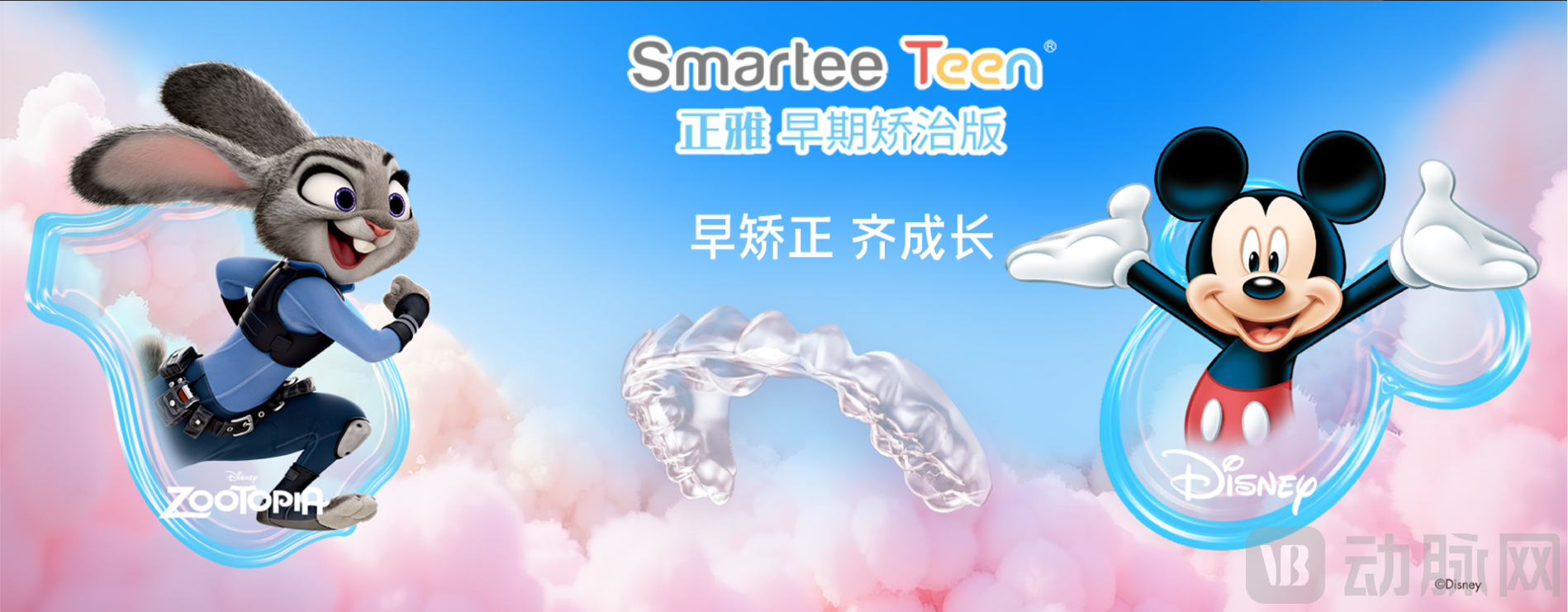
Figure 7. Smartee’s Brand Authorization (Source: Smartee Official Website)
Smartee’s promotional slogans are closely aligned with its IP spirit, linking orthodontic treatment with concepts such as “becoming a little hero” and “protecting smiles.” The aligner storage cases and related merchandise feature cartoon characters like Spider-Man, sparking children’s interest in carrying and using them.
Currently, competition among major manufacturers in the field of early orthodontic products for children has become increasingly intense. The competitive landscape has shifted from mere product rivalry to a full-ecosystem competition encompassing “products + physician training + digital platforms + marketing support.” Therefore, companies that offer products better suited for children, accumulate more data on the maxillofacial growth and development of Chinese children, and leverage AI algorithms to optimize treatment plans, predict growth trends, and enhance treatment efficiency will hold a competitive advantage in the next round of market competition.
The pediatric early orthodontic correction industry will also transition from its earlier phase of blue-ocean exploration to a stage of refined operations grounded in technological depth and ecosystem breadth. In this context, domestic companies that are more closely aligned with the Chinese market and employ more flexible strategies undoubtedly possess greater advantages.