

AI-Driven Nobel Prize-Winning 'Click Chemistry' Ushers in a New Era for Pharmaceutical Innovation
When Nobel Prize-winning “Click Chemistry” technology is deeply integrated with the currently surging field of artificial intelligence (AI), what intellectual sparks will emerge from the convergence of these two cutting-edge technologies? At the “2025 Click Future Science Ecosystem Conference” held on October 28, technological elites from China and around the world demonstrated the development trajectory of “AI + Click Chemistry” through their R&D achievements and engaging interactions. Supported by large-scale intelligent computing power, the highly efficient synthesis techniques of click chemistry are poised to overcome the bottlenecks of lengthy cycles and low efficiency in new drug development, paving a path toward the international forefront of the biopharmaceutical industry.
The conference boasts a strong lineup and cutting-edge topics. InTwiceNobel Prize in ChemistryRecipient, Member of the U.S. National Academy of SciencesProfessor K. Barry SharplessUnder the guidance of , multiple interdisciplinary scholars and industry representatives gathered together to discuss “Click into the Future“Under this theme, the session delved into the opportunities and challenges presented by the intersection of AI and ‘click chemistry’ in frontier interdisciplinary research and industrial translation. Attendees engaged in multi-dimensional discussions spanning from laboratory research to industrial applications, collectively outlining the future trajectory of next-generation drug development and materials science, thereby facilitating industrial upgrading.”
This conference is organized byShanghai Future Qidian Community, Shanghai Jiao Tong University Click Chemistry Laboratory, and Deep Synthesis Pharmaceutical R&D (Shanghai) Co., Ltd.(hereinafter referred to as “DeepInsight”) as co-organizers, under the guidance of the Minhang District People’s Government of Shanghai and Shanghai Jiao Tong University, and with joint support from multiple institutions, including the School of Artificial Intelligence at Shanghai Jiao Tong University, the Shanghai Future Industry Fund, the Shanghai Artificial Intelligence Research Institute, Beijing DeepModel Technology Co., Ltd., the Suzhou Innovation Institute of Shanghai Jiao Tong University, and the Shanghai Dianji Source Creation Incubator.
Agenda Highlights: From Authoritative Addresses and Pioneering Insights to Intellectual Exchange
This conference is a must-attend intellectual feast, featuring a robust agenda and numerous highlights. It deeply focuses on core industry issues, aiming to dissect future trends layer by layer. The event mainly includes sessions such as “President’s Address,” “Pioneer Dialogue,” “Keynote Speeches,” and “Expert Roundtable.” FromPresident of Shanghai Jiao Tong University、Academician of the Chinese Academy of SciencesProfessor Ding KuilingHe delivered the opening remarks, extending his welcome and gratitude to all conference participants. He emphasized that the conference is dedicated to pooling collective wisdom to explore innovative pathways for “AI for Science,” with the aim of building a collaborative and mutually beneficial research ecosystem and jointly advancing toward a new future in scientific development.
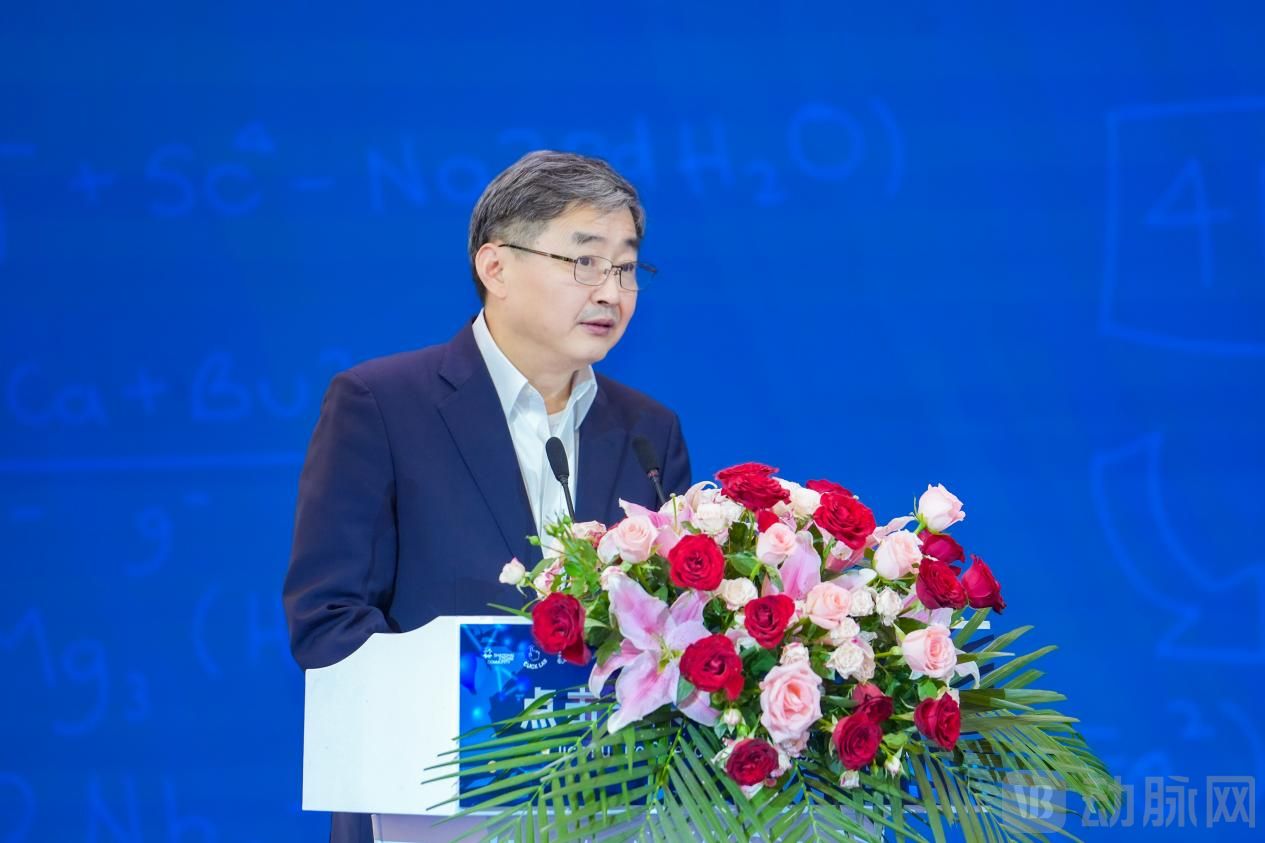
Professor Ding Kuiling, President of Shanghai Jiao Tong University and Academician of the Chinese Academy of Sciences, Delivers Opening Remarks
(I) New Pathways in Drug R&D: Integrating AI with “Click Chemistry” for Faster and More Precise Drug Discovery
In the “Pioneer Dialogue” session,Prof. K. Barry Sharplesswith Professor Ding KuilingThe discussion began with an in-depth exchange on the cutting-edge theme of “From Simple Rules to Complex Biological Systems: Reshaping Molecular Discovery and Creation.” Click chemistry serves as a compelling validation and successful practical application of this overarching theme at the molecular level. Proposed by Professor K. Barry Sharpless in 2001, for which he was awarded the Nobel Prize in Chemistry again in 2022, click chemistry is fundamentally grounded in the principles of “simplicity, reliability, and efficiency.” The appeal of this novel synthetic paradigm lies in its elegant demonstration of how concise, fundamental chemical rules can be harnessed to navigate the boundless complexity of higher-order biological systems.
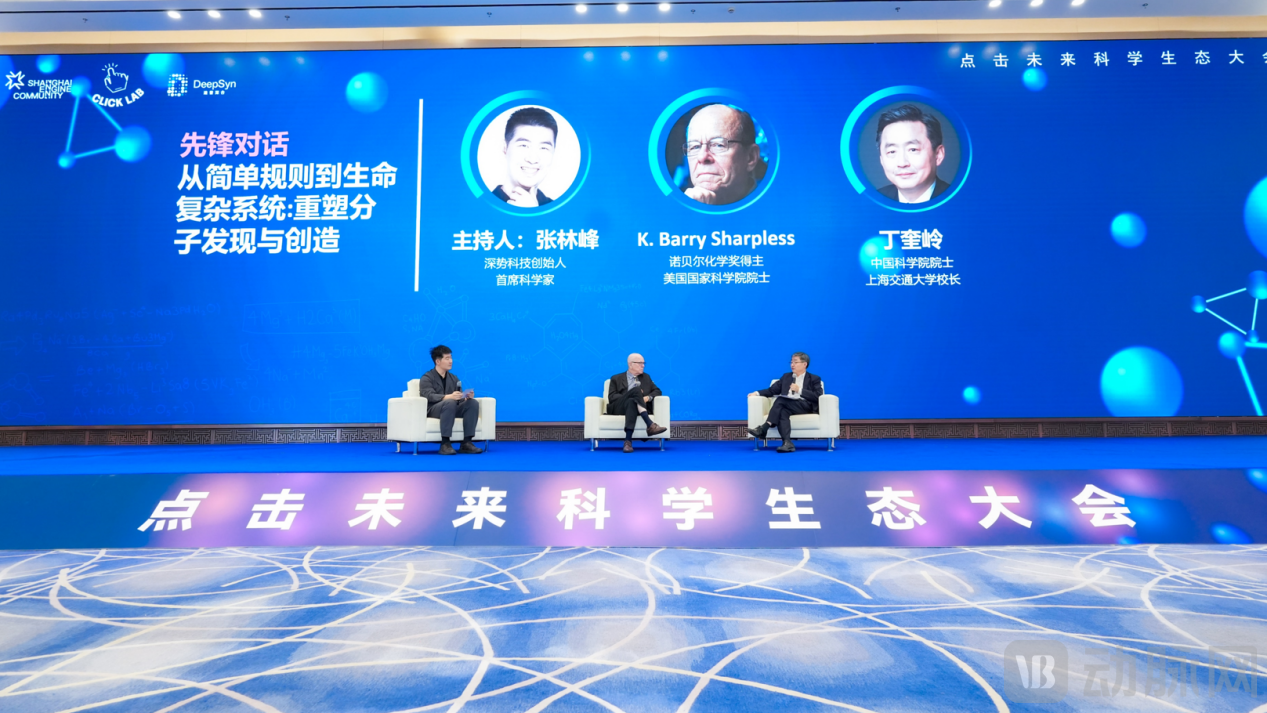
Frontier Dialogue—From Simple Rules to Complex Living Systems: Reshaping Molecular Discovery and Creation
From left to right: Dr. Linfeng Zhang, Professor K. Barry Sharpless, and Professor Kuiling Ding
Furthermore,Professor Wang Yanfeng, Executive Dean of the School of Artificial Intelligence, Shanghai Jiao Tong UniversityandDirector of the Click Chemistry Laboratory at Shanghai Jiao Tong University, Discoverer of Second-Generation Click Chemistry SuFEx, and Founder of DeepSynthProf. Dong JiajiaDiscussions were also held on the theme of “AI for Science: From Algorithms to Industrial Applications.” In recent years, AI applications in healthcare have garnered increasing attention, with “AI-driven drug discovery” emerging as a key technological direction that is gradually “reshaping” the traditional drug development process. Notably, the deep integration of AI with “click chemistry” seamlessly connects the “virtual screening” capabilities of intelligent algorithms with the “modular implementation” of chemical synthesis, clearly outlining a future roadmap from digital blueprints to molecular entities.
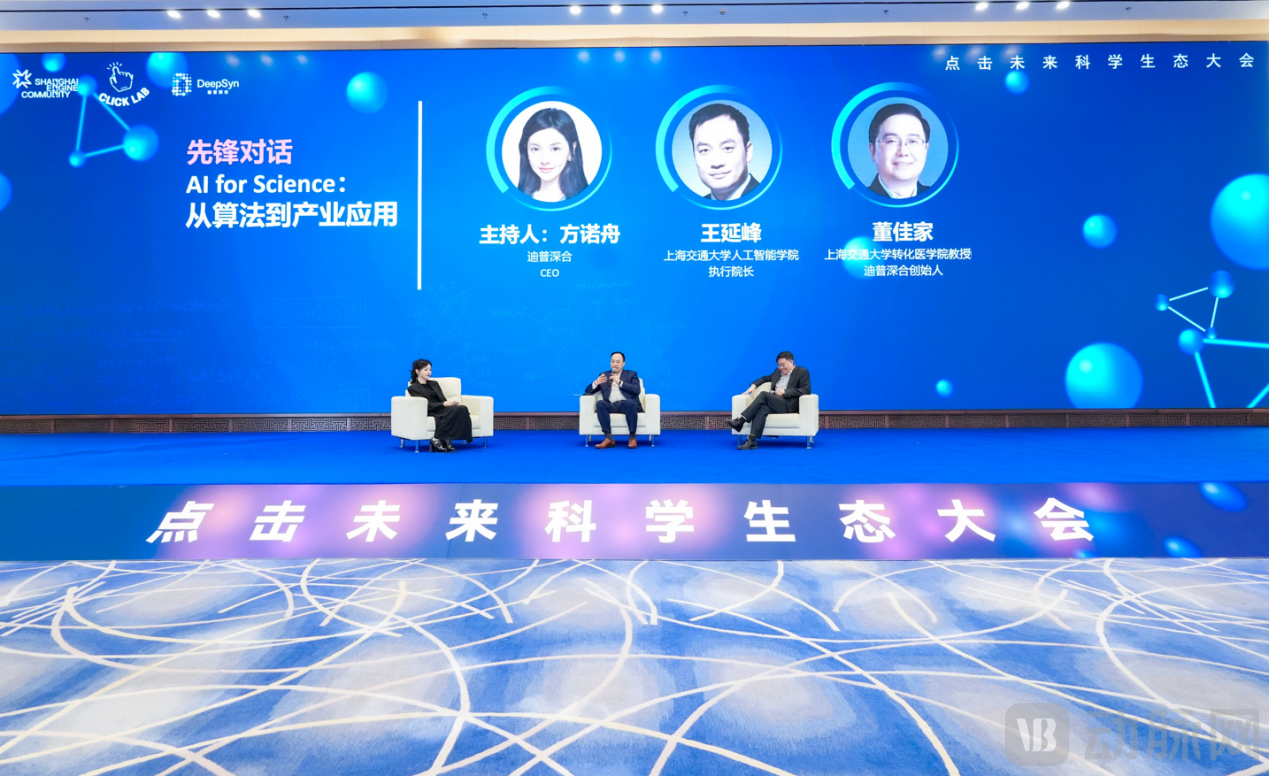
Pioneer Dialogue — AI for Science: From Algorithms to Industrial Applications
From left to right: Ms. Fang Nuozhou, Professor Wang Yanfeng, Professor Dong Jiajia
(II) From Technological Frontiers to Industrial Transformation: Converging Ideas Jointly Chart a New Blueprint for Development
During the “Keynote Speech” session,Mr. Wei Fanjie, General Manager of the Shanghai Future Industry Fund; Dr. Zhang Linfeng, Founder and Chief Scientist of DeepModeling Technology; and Ms. Fang Nuozhou, CEO of DPDeep, respectively deliveredContent sharing sessions included “The Emergence of Innovation: Building an Entrepreneurial Ecosystem to Drive ‘China Innovation’,” “AI for Molecular Design with a Few Good Reactions,” and “An Ultra-High-Throughput Synthesis Platform Based on ‘Modular Click Chemistry Compound Libraries’.” The three speakers systematically elaborated on “AI for Science” from trends and methodologies to practical applications, aiming to break through research bottlenecks and pioneer a new paradigm in scientific research by cultivating talent, developing AI agents, and building an ultra-high-throughput synthesis platform based on modular click chemistry compound library technology.
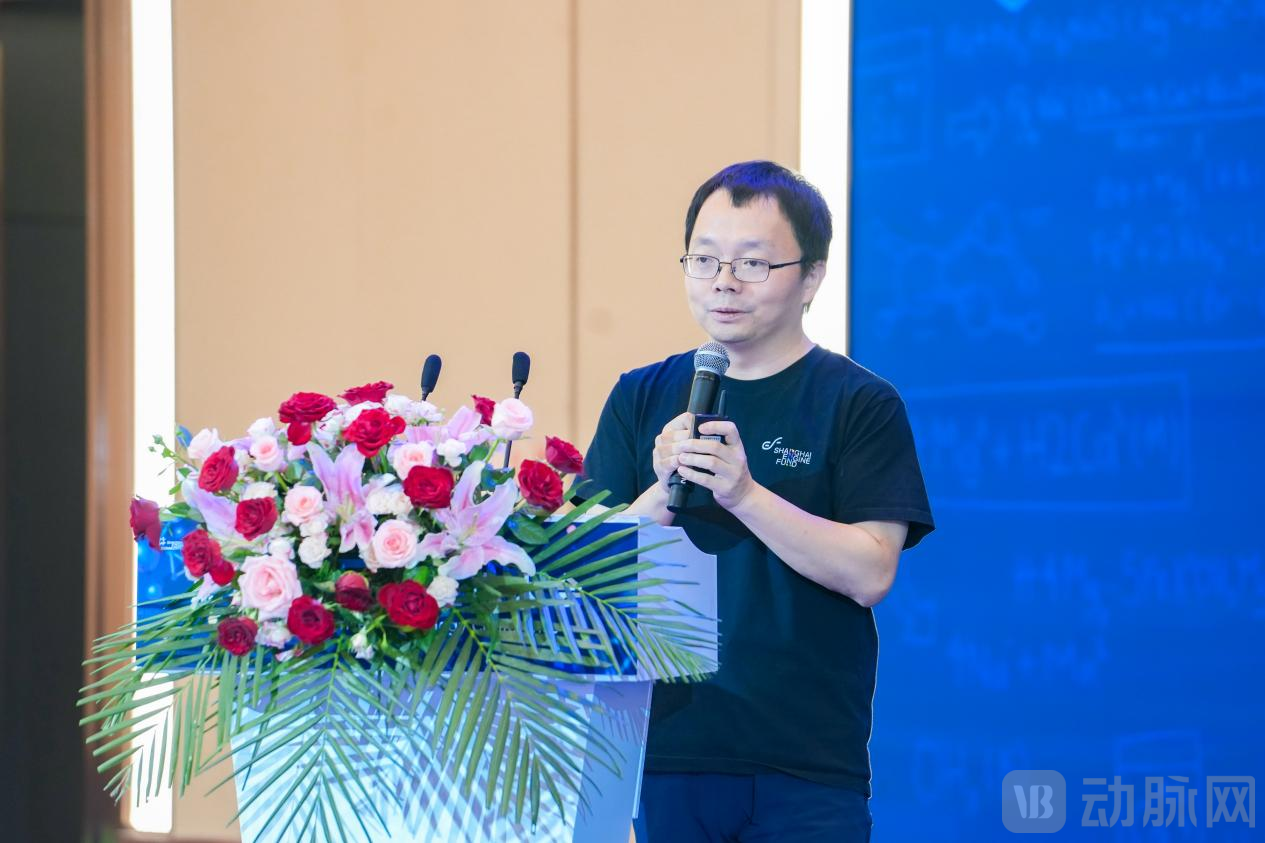
Keynote Speech — The Emergence of Innovation: Building an Entrepreneurial Ecosystem to Drive “Innovation in China”
Speaker: Mr. Wei Fanjie, General Manager of Shanghai Future Industry Fund
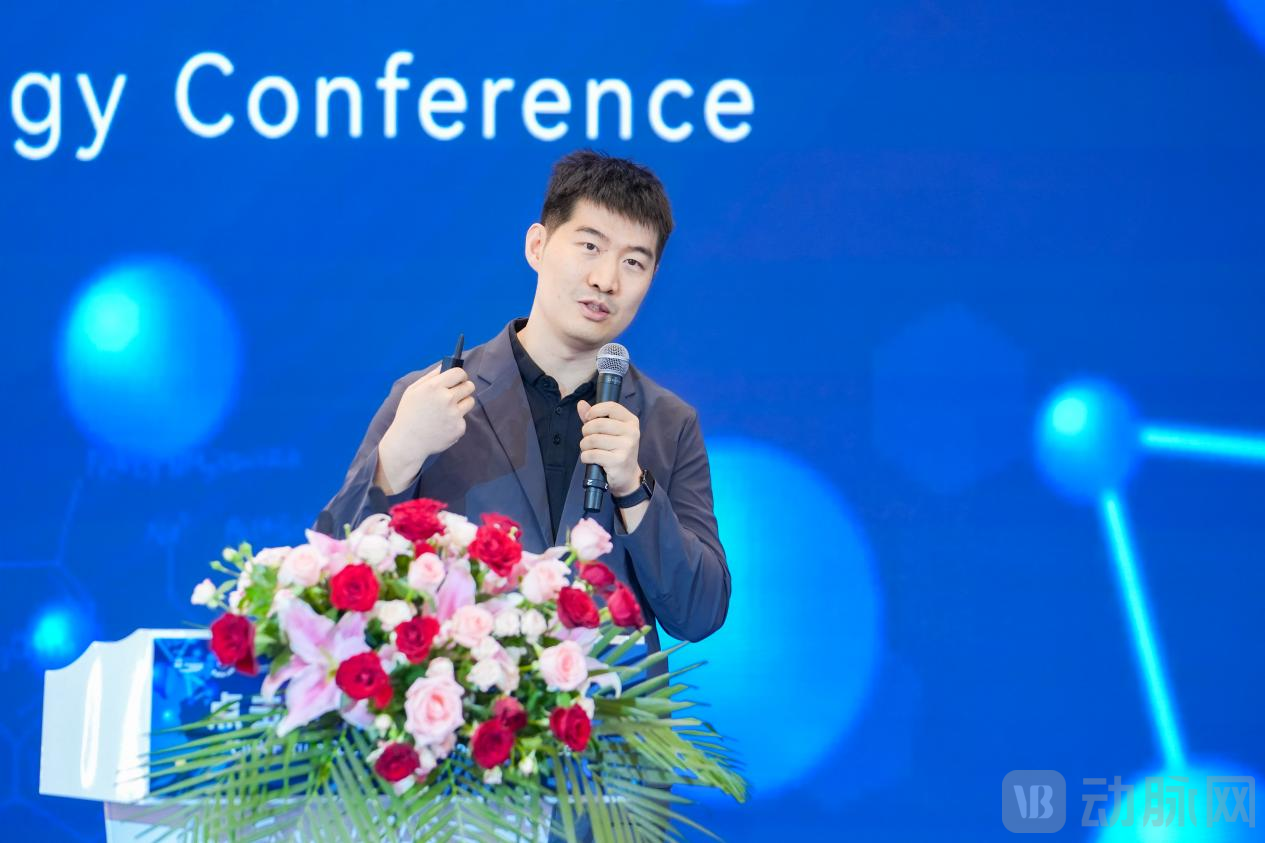
Keynote Speech—AI for Molecular Design with a Few Good Reactions
Speaker: Dr. Linfeng Zhang, Founder and Chief Scientist of DP Technology
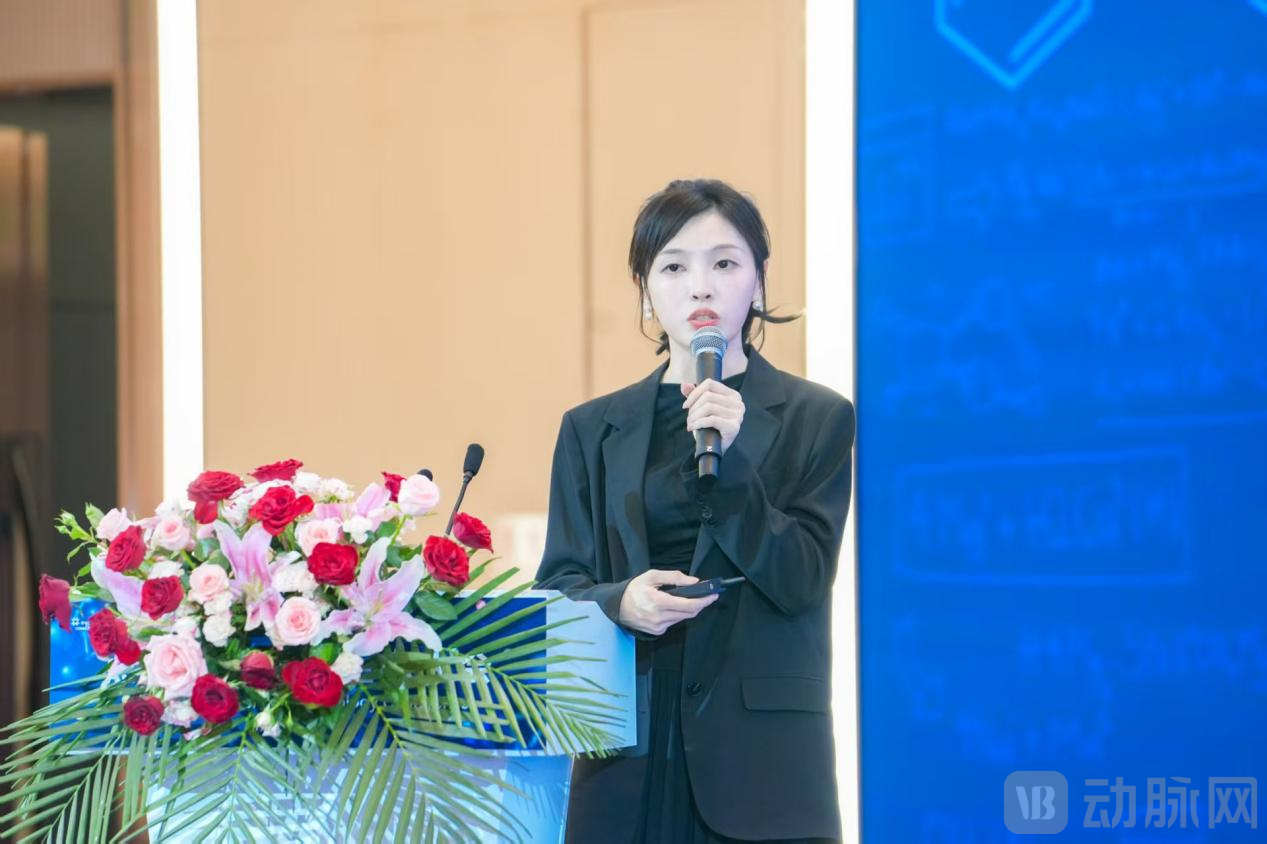
Keynote Speech—An Ultra-High-Throughput Synthesis Platform Based on “Modular Click Chemistry Library” Technology
Speaker: Ms. Fang Nuozhou, CEO of DeepShenHe
The final “Key Opinion Leader Roundtable” session,Moderated by Mr. Jing Xutian, Partner at Wuyuan Capital,Meanwhile,Professor Qian Dahong, Tenured Full Professor at the School of Biomedical Engineering, Shanghai Jiao Tong University, and Director of the Institute of Advanced Medical Chips; Mr. Cao Fenglei, AI Scientist at the Shanghai Academy of Artificial Intelligence for Science; Dr. Fang Zhuo, Chief Scientific Officer of Danaher China; Mr. Shan Bo, Chief Technology Officer for the Healthcare and Pharmaceutical Industry at MathWorks China; and Dr. Wei Hai, CTO of Bose Quantum TechnologyThey engaged in a panel discussion centered on the theme “Technological Innovation and Industrial Implementation: Pathways, Challenges, and Opportunities.” This roundtable brought together diverse perspectives to jointly explore how technological breakthroughs can be translated into practical applications, directly address the challenges encountered in this process, and map out collaborative pathways to unlock greater potential within the innovation ecosystem.
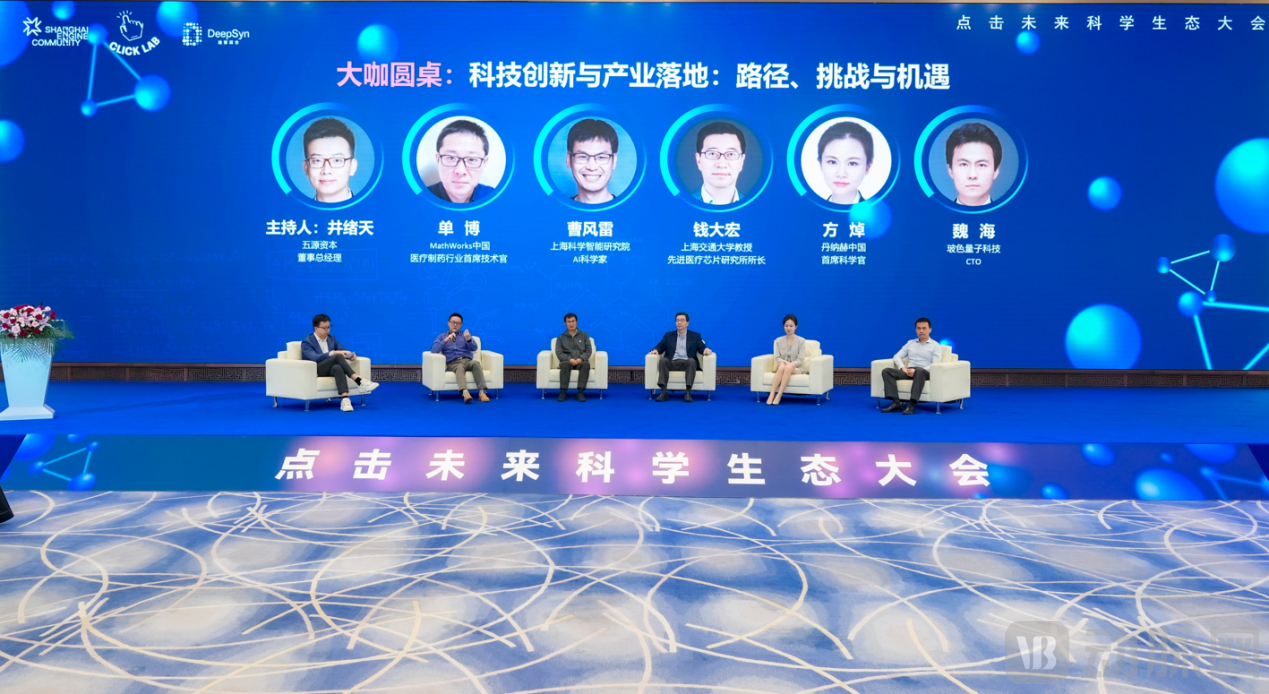
Expert Roundtable: Technological Innovation and Industrial Implementation — Pathways, Challenges, and Opportunities
From left to right: Mr. Jing Xutian, Mr. Shan Bo, Mr. Cao Fenglei, Professor Qian Dahong, Dr. Fang Zhuo, Dr. Wei Hai
Challenges and Breakthroughs: AI and “Click Chemistry” Chart a New Path for Drug Discovery
Currently, China’s pharmaceutical industry is in a critical phase of transitioning from high-speed growth to source innovation. However, new drug development continues to face common challenges, such as prolonged cycles and low efficiency in candidate molecule discovery. Meanwhile, molecular construction processes that have historically relied on traditional chemical methods are generally cumbersome and time-consuming, making it difficult to efficiently explore a broader chemical space. Today, modular synthesis technologies, represented by “click chemistry,” are being increasingly applied to key stages such as building block construction, compound library expansion, and lead compound optimization. By leveraging their high efficiency and precision, and through deep integration with artificial intelligence (AI), these technologies are providing an innovative technical pathway to systematically accelerate drug discovery. How to translate this pathway into powerful momentum for industrial development has become a core topic of discussion at this conference.
Embarking on a New Milestone: Conference Builds Consensus as AI and “Click Chemistry” Drive the Future of the Pharmaceutical Industry
Amidst lively discussions, the conference drew to a successful close. Reflecting on the entire agenda, participating experts generally agreed that a technological framework driven by AI-enabled intelligent design and leveraging “click chemistry” for efficient synthesis is emerging as a new engine leading the transformation of drug research and development. This technological convergence will not only significantly enhance R&D efficiency but also holds the promise of systematically accelerating the global discovery of innovative drugs, ushering in a new chapter of development for the biopharmaceutical industry.