

National Pilot Program on Integrated Innovation for Major Chronic Disease Prevention — Shanghai Launch Seminar on High-Quality Workplace Health Management Successfully Concluded
On October 29, 2025, the promotional meeting for the “Pilot Initiative on High-Quality Workplace Health Management (Shanghai),” a sub-project of the National Pilot Project on Innovative Integration for the Prevention and Control of Major Chronic Diseases, concluded successfully in Shanghai. Co-hosted by the Management Committee of the National Pilot Project on Innovative Integration for the Prevention and Control of Major Chronic Diseases and the Working Committee of the Pilot Initiative on High-Quality Workplace Health Management, the event aimed to actively respond to and promote the implementation of the “Pilot Initiative on High-Quality Workplace Health Management” in Shanghai. The meeting focused on enhancing high-quality workplace health management services to help enterprises and public institutions build a culture of health and improve employees’ health literacy, thereby creating replicable demonstration models and providing a “Shanghai Practice Model” for the precise implementation of the Healthy China Strategy.
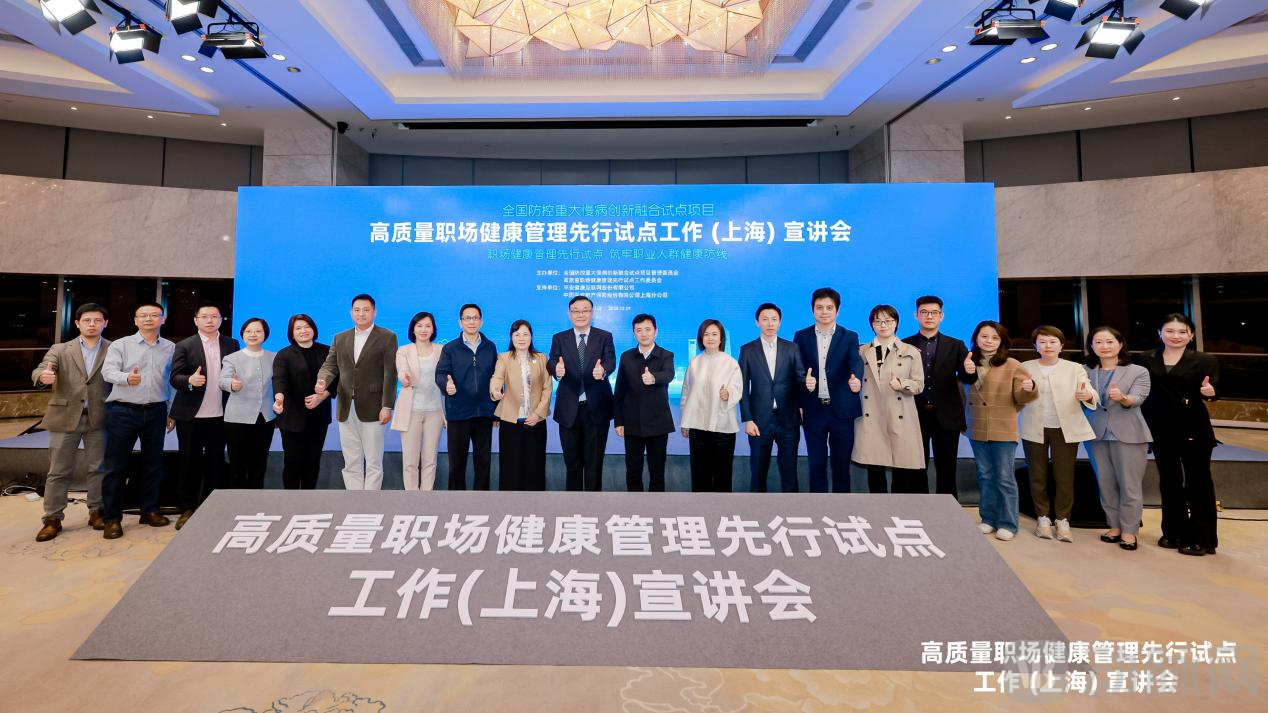
Group Photo of the Promotion Meeting for the Pilot Program on High-Quality Workplace Health Management (Shanghai)
Professor Wang Zhanshan, Secretary-General of the Management Committee for the National Pilot Project on Innovative Integration in the Prevention and Control of Major Chronic Diseases, and Secretary-General of the Pilot Working Committee on High-Quality Workplace Health Management; Professor Luo Li, Standing Committee Member of the Health Management Branch of the Chinese Medical Association, Professor and Doctoral Supervisor at the School of Public Health, Fudan University, Party Secretary of the School of Public Health, and Deputy Director of the Hospital Management Institute of Fudan University; Professor Bai Yonghai, Standing Committee Member of the Health Management Branch of the Chinese Medical Association, and Founding Director of the Department of Medical Psychology/Department of Preventive Healthcare at Changzheng Hospital Affiliated to Naval Medical University; Director Xu Ye, Head of the Executive Group of the National Pilot Project on Innovative Integration in the Prevention and Control of Major Chronic Diseases, and Leader of the Executive Group of the Pilot Working Committee on High-Quality Workplace Health Management; Professor Zheng Jiaoyang, Director of the Health Management Center, Director of the Special Needs Ward, and Director of the Weight Management Center at Shanghai Changzheng Hospital; Professor Ding Keke, Deputy Director of the Medical Center for Physical Examination and Health Management at Tongji Hospital Affiliated to Tongji University; Professor Cao Qin, Deputy Director of the Health Management Center at Renji Hospital Affiliated to Shanghai Jiao Tong University School of Medicine; Professor Liu Ming, Deputy Director of the Health Management Center at Zhongshan Hospital Affiliated to Fudan University; Mr. Su Dong, Vice General Manager of Ping An Good Doctor (Ping An Health Internet Co., Ltd.), and Ms. Yang Xiaoyan, General Manager of the B2B Business Center; Ms. Dai Xin’e, General Manager of the Channel Management Department, Health Insurance Division, Group Business Cluster of Ping An Property & Casualty Insurance Company of China, Ltd., and Ms. He Ying, General Manager of the Shanghai Branch; along with industry representatives from nearly one hundred enterprises and public institutions, attended this conference.
Leader's Address
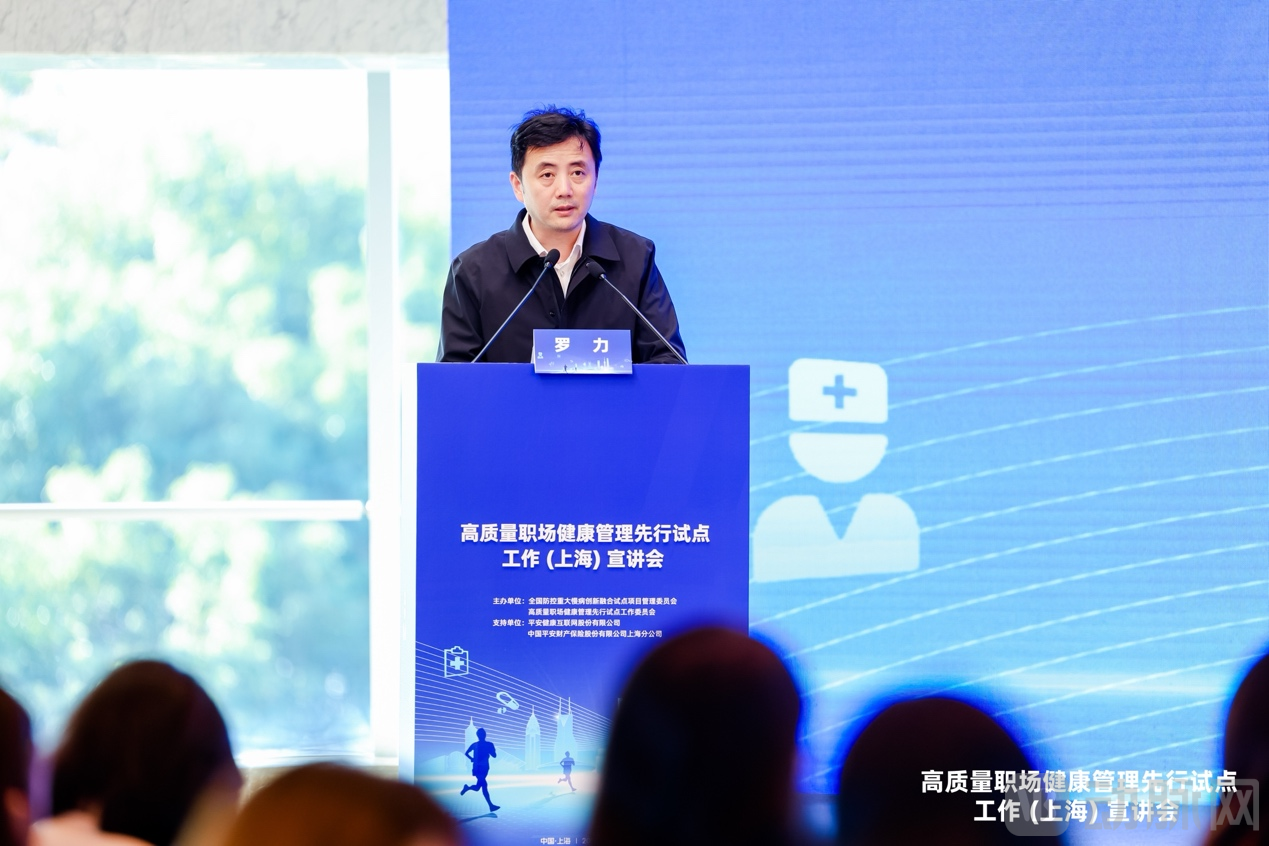
Professor Luo Li, Standing Committee Member of the Health Management Branch of the Chinese Medical Association, Professor at the School of Public Health, Fudan University, Doctoral Supervisor, Party Secretary of the School of Public Health, and Deputy Director of the Hospital Management Research Institute of Fudan University, delivered an address.
In his address, Professor Luo Li stated that China is at a critical juncture characterized by the convergence of a high incidence of chronic diseases and occupational health risks. The National Pilot Project for Innovative Integration in the Prevention and Control of Major Chronic Diseases, along with its pioneering initiatives in high-quality workplace health management, represents a significant practice in implementing the “Healthy China 2030” strategy. This marks a new phase in China’s chronic disease prevention and control efforts, extending from medical institutions to workplace settings and advancing toward systematic management. Centered on the principles of “integration of medical care and health, data-driven approaches, and standards-first,” the project expands from hospitals to enterprise environments, promoting a shift in workplace health from “check-up-based management” to “full-cycle proactive health,” and from “disease detection” to “risk prevention.” Through digital management, intelligent assessment, and personalized interventions, the project fosters deep integration between occupational health and chronic disease prevention and control. As a national demonstration city, Shanghai will seize this opportunity to create a replicable and scalable new model for healthy workplaces, strengthening the health defense line for the working population and contributing to nationwide health and high-quality development.
Interpretation of the Pilot Work Plan for High-Quality Workplace Health Management
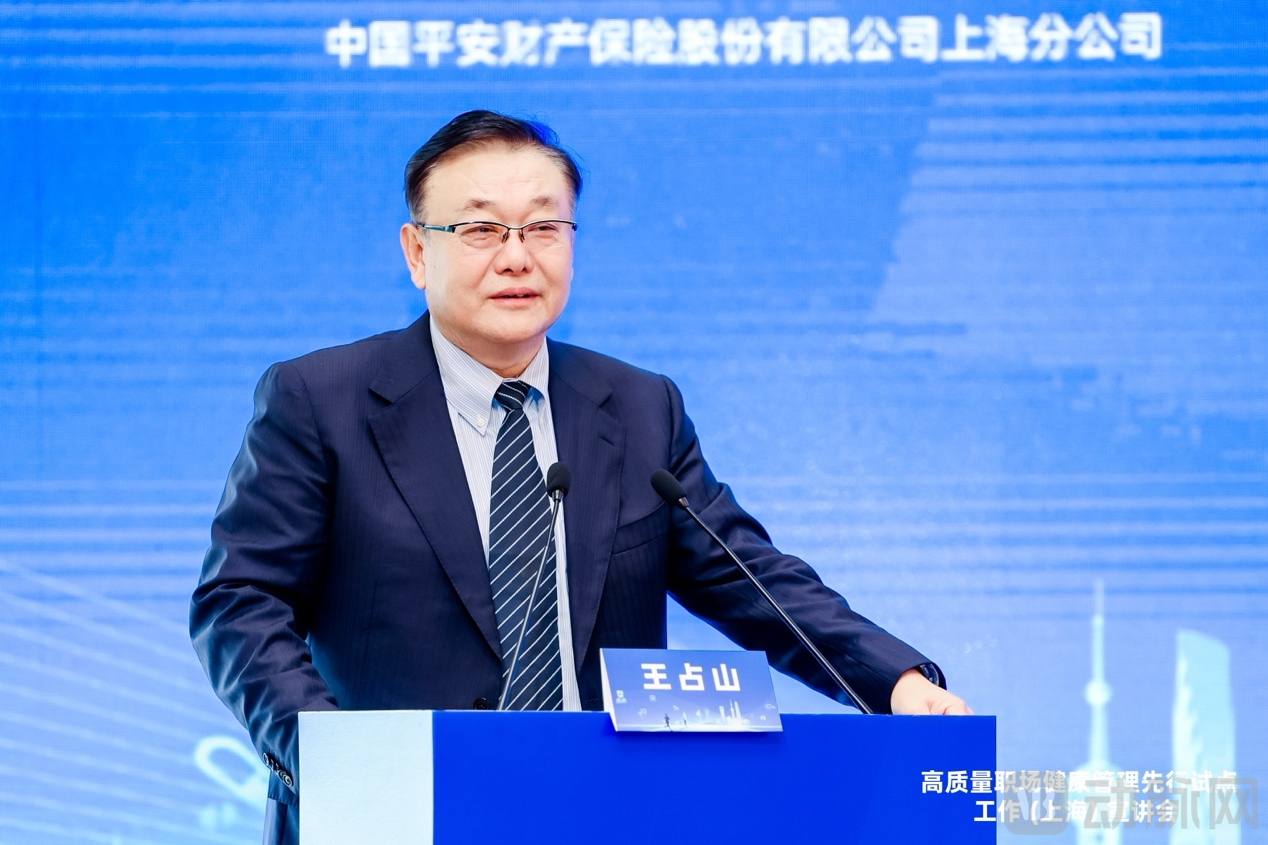
Professor Wang Zhanshan, Secretary-General of the Management Committee for the National Pilot Project on Innovative Integration in the Prevention and Control of Major Chronic Diseases, and Secretary-General of the Working Committee for the Pilot Program on High-Quality Workplace Health Management, delivered a report titled “Work Plan for the Pilot Program on High-Quality Workplace Health Management.”
Professor Wang Zhanshan provided a detailed elaboration on the “Work Plan for Pilot Initiatives in High-Quality Workplace Health Management.” He emphasized that the core of health strategy lies in “prevention,” and only by integrating health management into corporate development strategies can an organization truly enhance its core competitiveness. Promoting workplace health management is not merely a responsibility concerning employee well-being, but also a new driver for high-quality corporate development. Professor Wang called on enterprises and public institutions in Shanghai to take proactive action, prioritize employee health at the strategic level of corporate management, strengthen the concept of proactive health and scientific management capabilities, and effectively enhance employees’ sense of gain, happiness, and security. He further urged guiding more enterprises to participate in the construction of workplace health management and services, jointly building healthy and sustainable enterprises.
Introduction to the Implementation Plan for the Pilot Launch of High-Quality Workplace Health Management
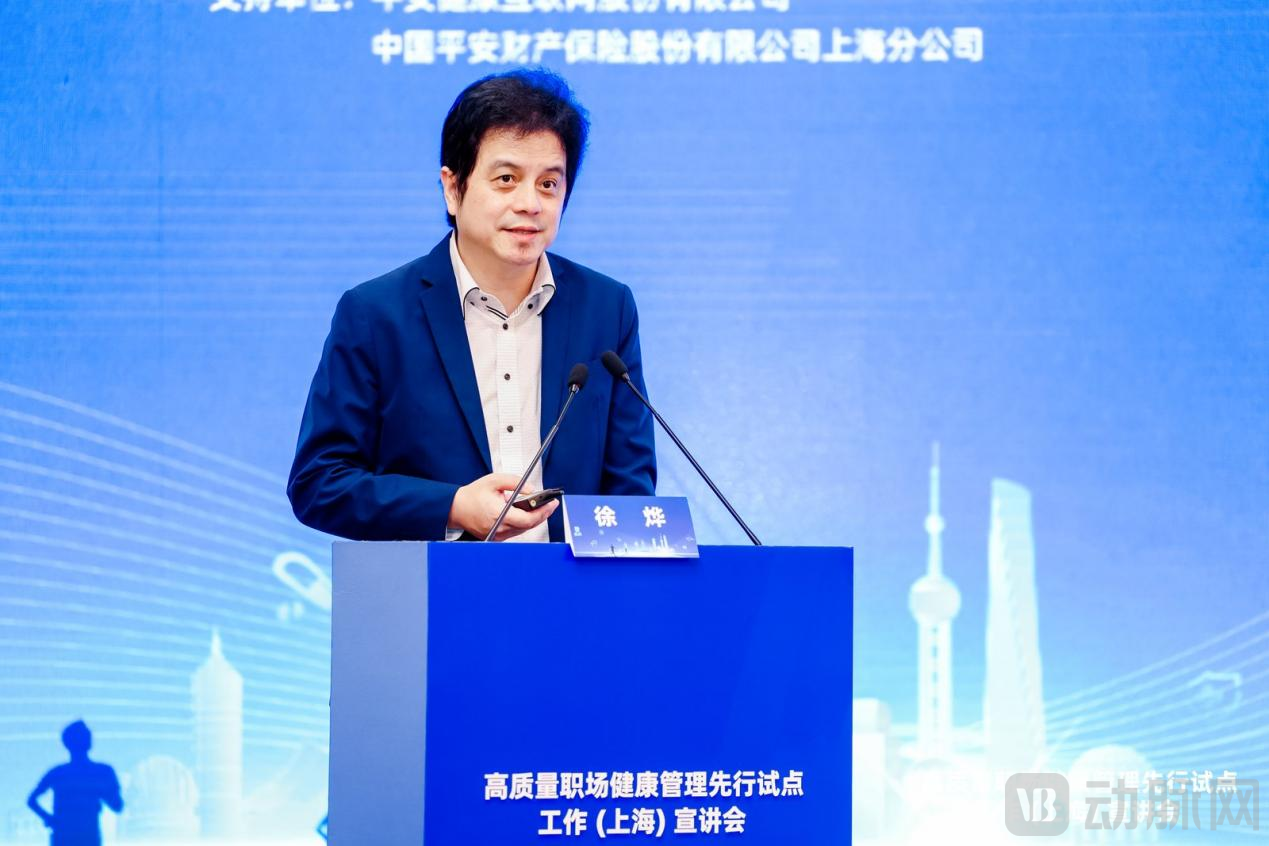
Xu Ye, Director and Head of the Executive Group of the National Pilot Project Management Committee for Innovative Integration in Major Chronic Disease Prevention and Control, as well as Head of the Executive Group of the Pilot Working Committee on High-Quality Workplace Health Management, delivered a report titled “Implementation Plan for the Pilot Launch of High-Quality Workplace Health Management.”
Director Xu Ye provided an in-depth interpretation of the “Implementation Plan for the Pilot Launch of High-Quality Workplace Health Management.” He introduced that the plan covers implementation procedures, a four-tier architectural framework, service standards at each level, detailed operational guidelines, and a digital service platform. He emphasized, “The core of the plan is to provide personalized health management services for employees through integrated online and offline measures.” He further pointed out that it is essential to build a smart health management system covering enterprises and public institutions, with data-driven decision-making, standard-led practices, and multi-party collaboration as its core elements. By establishing health service stations, improving digital health records, and promoting intelligent risk assessment and personalized intervention mechanisms, the project aims to advance the systematic, standardized, and sustainable development of workplace health management, setting a successful benchmark for high-quality workplace health management across China.
Sharing Practical Cases of Workplace Health Management
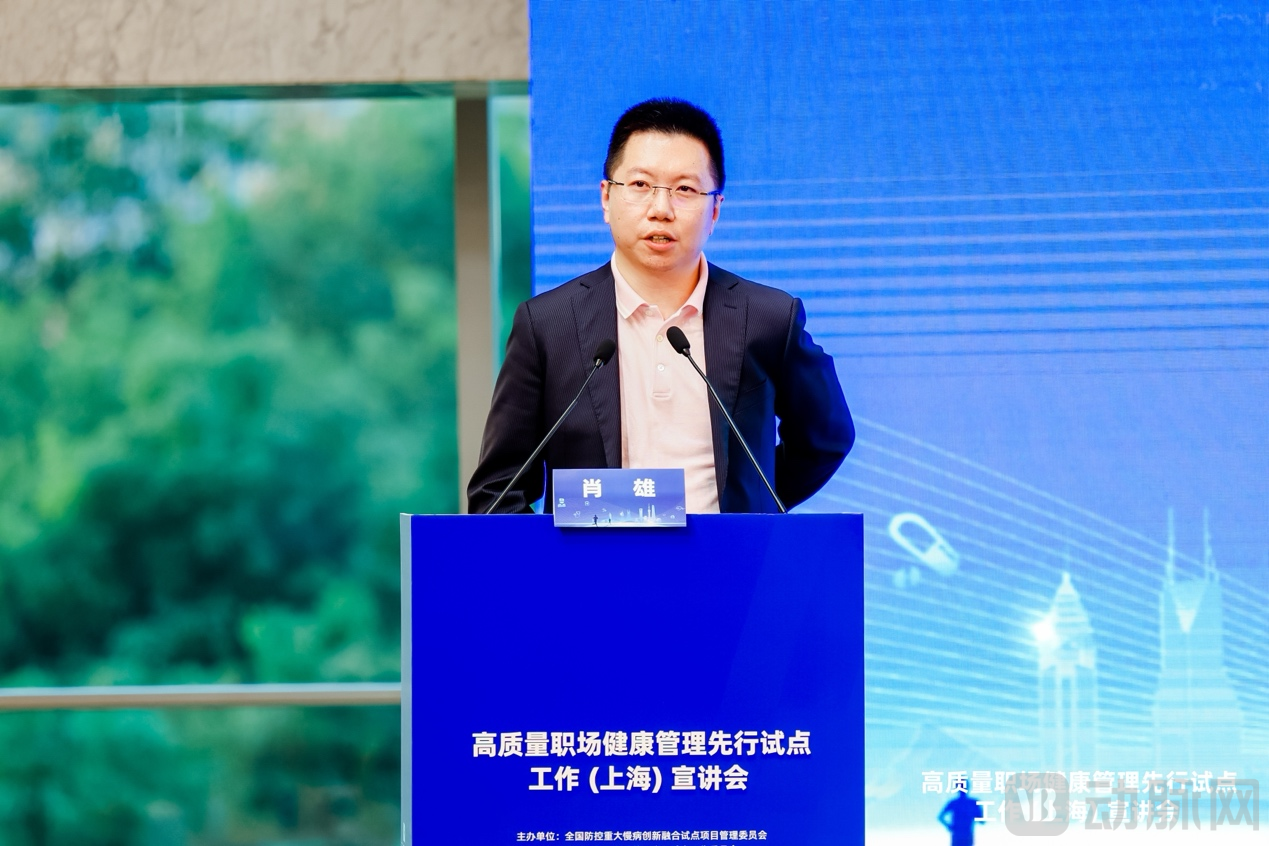
Mr. Xiao Xiong from the Labor and Personnel Department (Party Committee Organization Department) of the Nanjing East Locomotive and Rolling Stock Depot, China Railway Shanghai Group Co., Ltd., delivered a presentation titled “Devoting Wholehearted Efforts and Passion to Safeguard Health and Stimulate Vitality: Practices in Workplace Health Management at the Nanjing East Locomotive and Rolling Stock Depot.”
In his report, Mr. Xiao Xiong pointed out that the Nanjing East Locomotive and Rolling Stock Depot of China Railway Shanghai Group Co., Ltd., adhering to the principles of “prevention first, precise measures, and full participation,” has successfully established a new health management paradigm integrating “systems, services, and activities,” setting a practical benchmark for high-intensity transportation industries. In response to the specific characteristics of railway operations, the depot has fortified the health defense line for safe production through comprehensive measures, including dynamic health monitoring, upgraded precision medical examinations, intelligent testing in dispatch offices, and comprehensive emergency first-aid coverage. Meanwhile, by fostering a health-oriented culture and extending multi-dimensional services to the grassroots level, it has achieved “full-cycle, comprehensive, and zero-distance” health protection for all employees. The pilot program has yielded remarkable results: not only has the employee medical examination rate reached 100% for five consecutive years, but the detection rate of the “three highs” (hypertension, hyperglycemia, and hyperlipidemia) among employees has also decreased by 3.4 percentage points compared to 2021. Additionally, the health compliance rate has increased by 18 percentage points, the proportion of employees engaging in regular exercise has risen to 68%, and sick leave days have decreased by 15%, thereby creating a virtuous cycle where “health promotes safety, and safety fosters development.” Looking ahead, the Nanjing East Locomotive and Rolling Stock Depot will continue to upgrade towards “intelligence and precision,” deepen data empowerment and personalized services, and contribute robust railway strength to the construction of a “Healthy China” and a “Transportation Powerhouse.”
Ping An of China: Insights and Practices for High-Quality Healthy Workplaces
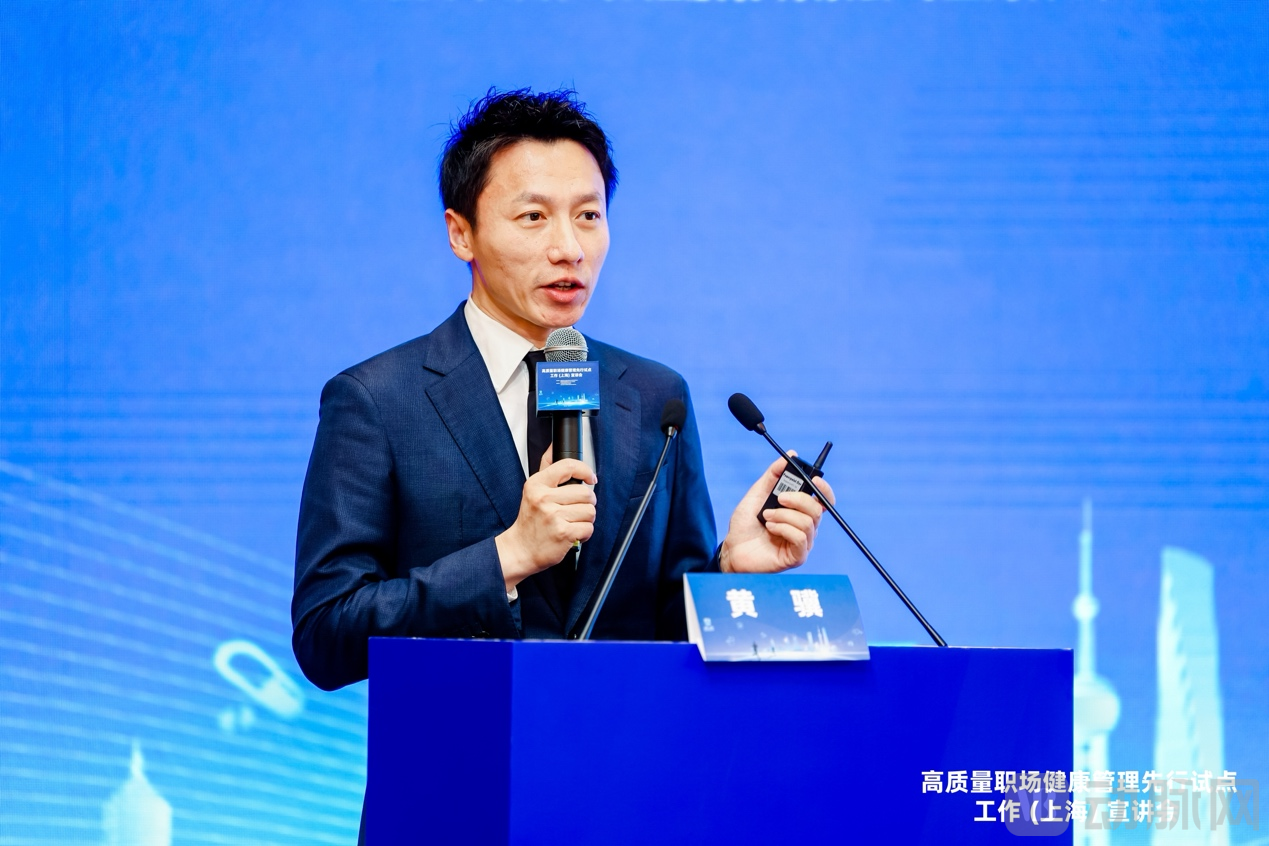
Mr. Huang Ji, Deputy General Manager of Ping An Good Doctor Investment Management Co., Ltd., Delivered a Presentation on “Insights and Practices for High-Quality Healthy Workplaces at Ping An”
Mr. Huang Ji shared Ping An’s insights and practices in building high-quality healthy workplaces. He analyzed multiple pain points in employee health management from a corporate perspective, noting, “In terms of implementation, enterprises have faced numerous challenges in their previous efforts to build healthy workplaces, including difficulties in coordinating medical resources, diverse employee needs, and slow returns on self-built initiatives. Currently, building a healthy workplace is no longer simply a combination of ‘employee physical examinations + medical insurance.’ Unifying standards across multiple parties, integrating advantages, and collaborating on joint construction are expected to create benchmarks for high-quality healthy workplaces with Chinese characteristics. In recent years, Ping An has thoroughly implemented the National Health Commission’s Guidelines for Healthy Enterprise Construction and the four-tier evaluation system standards of the Chinese Medical Association’s Health Management Branch. Leveraging its industry-leading capabilities in needs assessment, service operations, and compliance assurance, Ping An has explored and launched the ‘Ping An Corporate Health Protection Plan,’ helping more corporate employers establish a ‘professional and convenient’ medical and health service system, thereby continuously enhancing employees’ sense of benefit and promoting sustainable health.” It is reported that, to date, Ping An is working with over 4,500 enterprises in China to jointly advance the construction of high-quality healthy workplaces.
Mr. Su Dong, Deputy General Manager of Ping An Good Doctor, stated that healthy workplaces are a crucial component of the Healthy China 2030 strategy and a vital guarantee for promoting sustainable socioeconomic development. Currently, employee health has evolved from a “soft benefit” offered by enterprises into a “core competitive advantage.” Ping An is committed to collaborating with all stakeholders to address healthcare management challenges through scientific, precise, and intelligent solutions, thereby achieving a win-win outcome for both enterprises and their employees.
On-site Q&A
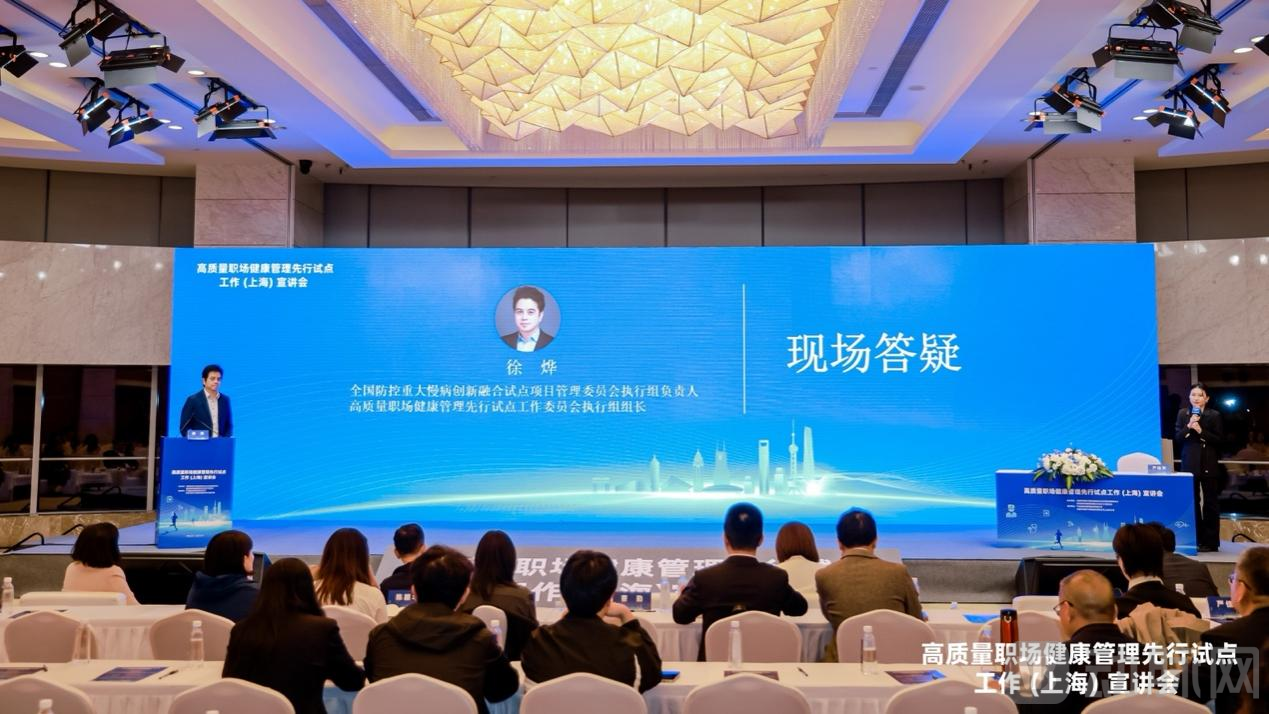
Q&A Session
An interactive Q&A session was held at the conference. Director Xu Ye, Head of the Working Group of the Pilot Work Committee for High-Quality Workplace Health Management, provided detailed responses to questions raised by corporate representatives, such as “how to integrate health management into corporate culture development and business expansion.” He recommended that companies incorporate health management into their overall development plans, stimulate employee engagement through scientific, interactive, and positively competitive health management activities and personalized health management services, and establish long-term incentive mechanisms to achieve deep integration of health concepts with corporate development. The on-site exchanges were lively, and attending representatives expressed that they had gained valuable insights.
Meeting Summary
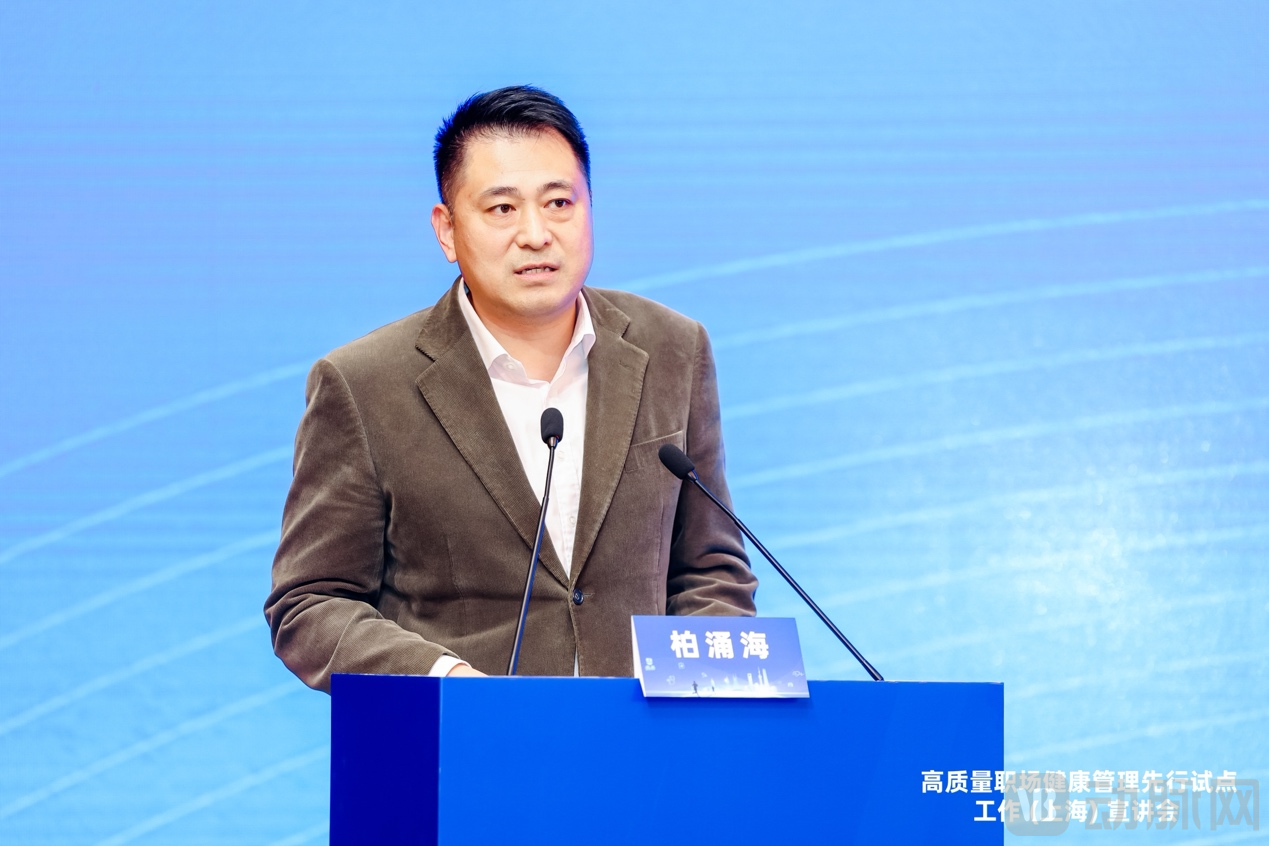
Professor Bai Yonghai, Standing Committee Member of the Health Management Branch of the Chinese Medical Association and Founding Director of the Department of Medical Psychology/Department of Preventive Healthcare at Changzheng Hospital Affiliated to Naval Medical University, delivered the concluding remarks.
In his concluding remarks at the conference, Professor Bai Yonghai, Standing Committee Member of the Health Management Branch of the Chinese Medical Association and affiliated with Changzheng Hospital of Naval Medical University, stated that the promotional meeting systematically outlined the framework for building high-quality workplace health management, covering strategic planning, implementation pathways, and corporate practices. He described it as a significant mobilization event that fostered consensus and clarified direction. He pointed out that the pilot initiatives focused on two core elements: “shifting the focus of prevention and control systems upstream” and “integrating holistic health services.” By moving health management efforts into the workplace to implement the “prevention-first” principle, and by promoting organizational vitality through a mind-body integrated approach, these initiatives have provided a new paradigm for constructing a scientific and systematic healthy workplace ecosystem. Professor Bai emphasized the significant importance of launching pilot projects in Shanghai first. To further promote the outcomes of these pilots, he encouraged all relevant entities to actively participate in the “National Innovative Integrated Pilot Project for Major Chronic Disease Prevention and Control & Experience Exchange Conference on High-Quality Workplace Health Management Pilot Initiatives,” scheduled to be held in Beijing from December 11 to 12, 2025, so as to jointly advance the high-quality development of workplace health management.
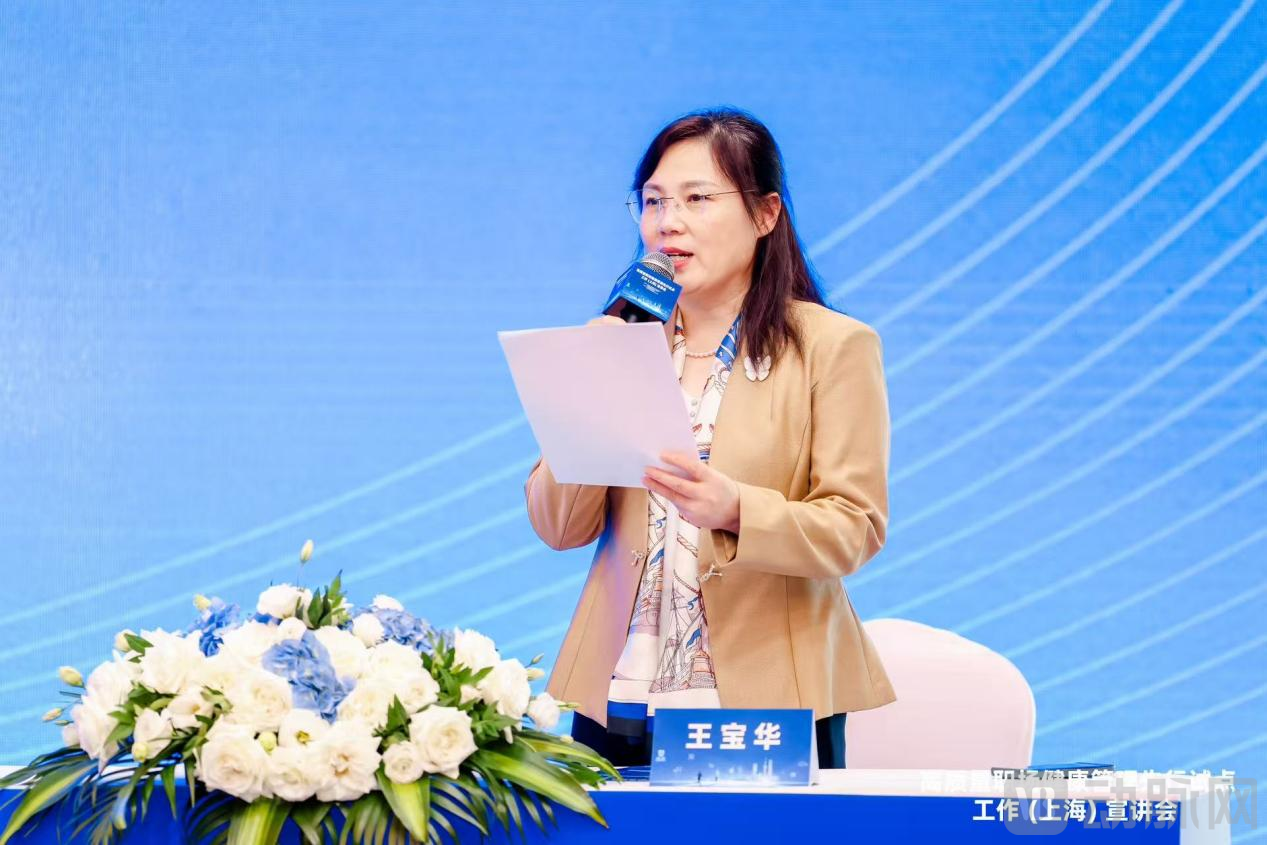
Moderator
Professor Wang Baohua, Director of the National Center for Chronic and Noncommunicable Disease Control and Prevention, Chinese Center for Disease Control and Prevention, and Director of the Key Laboratory for the Prevention and Control of Major Chronic Diseases
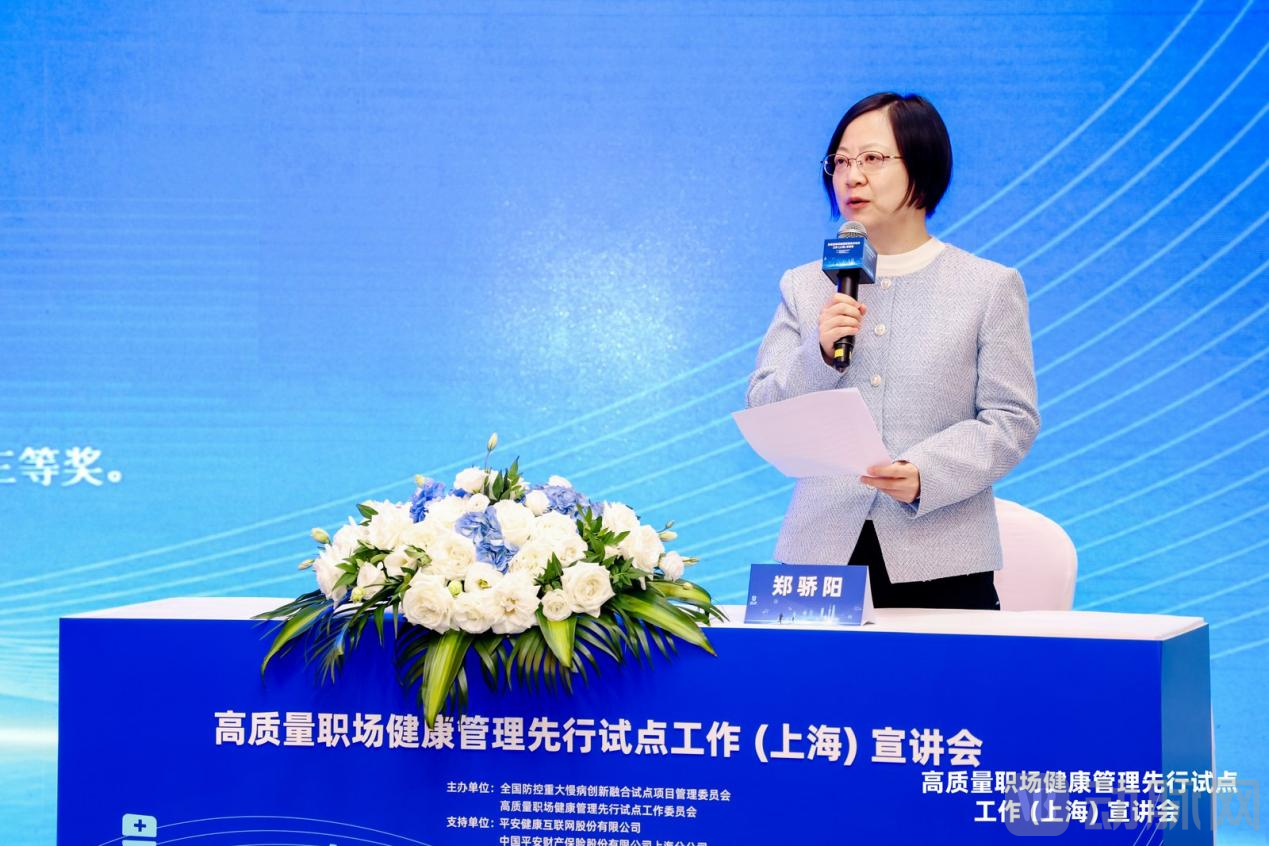
Professor Zheng Jiaoyang, Director of the Health Management Center, Director of the Special Needs Ward, and Director of the Weight Management Center at Shanghai Changzheng Hospital
 Professor Ding Keke, Deputy Director of the Medical Center for Physical Examination and Health Management, Tongji Hospital Affiliated to Tongji University
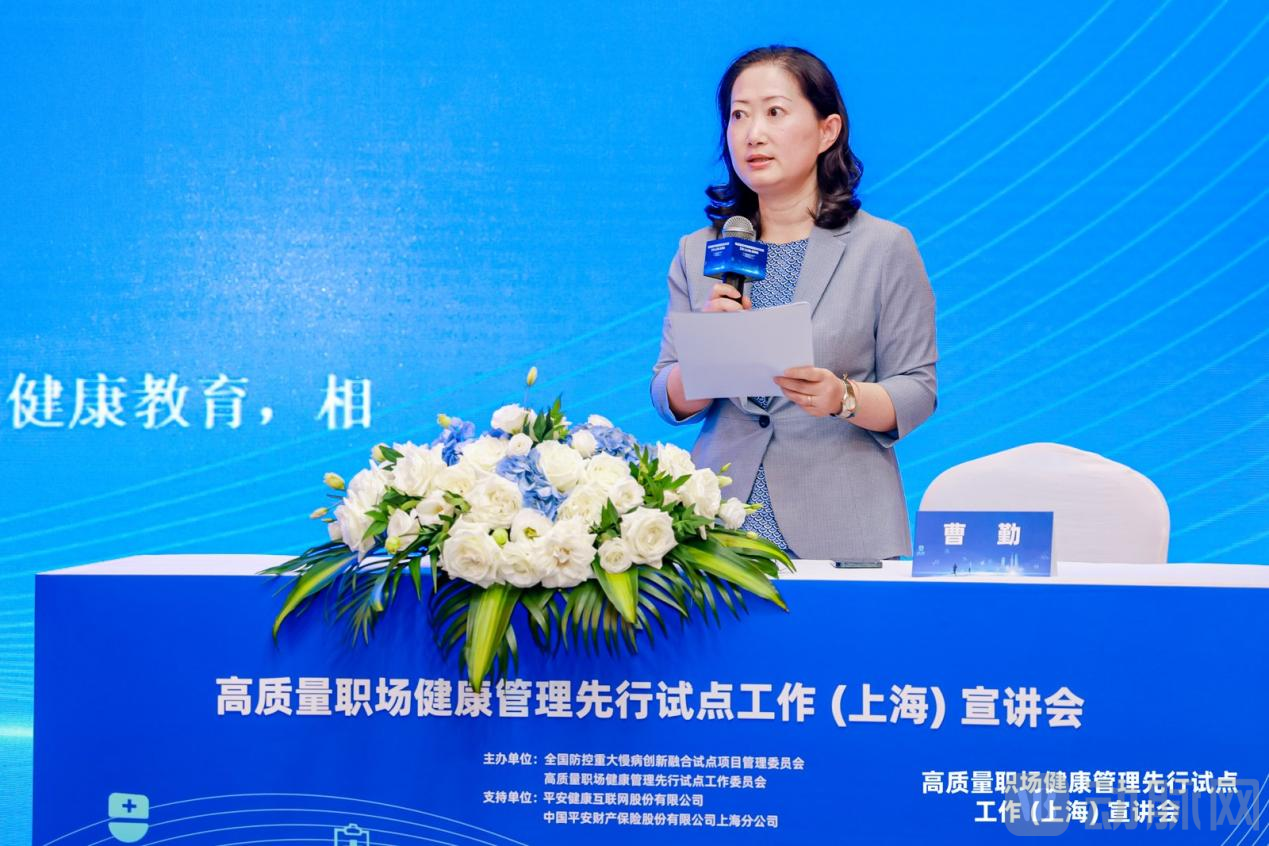 Professor Cao Qin, Deputy Director of the Health Management Center, Renji Hospital Affiliated to Shanghai Jiao Tong University School of Medicine
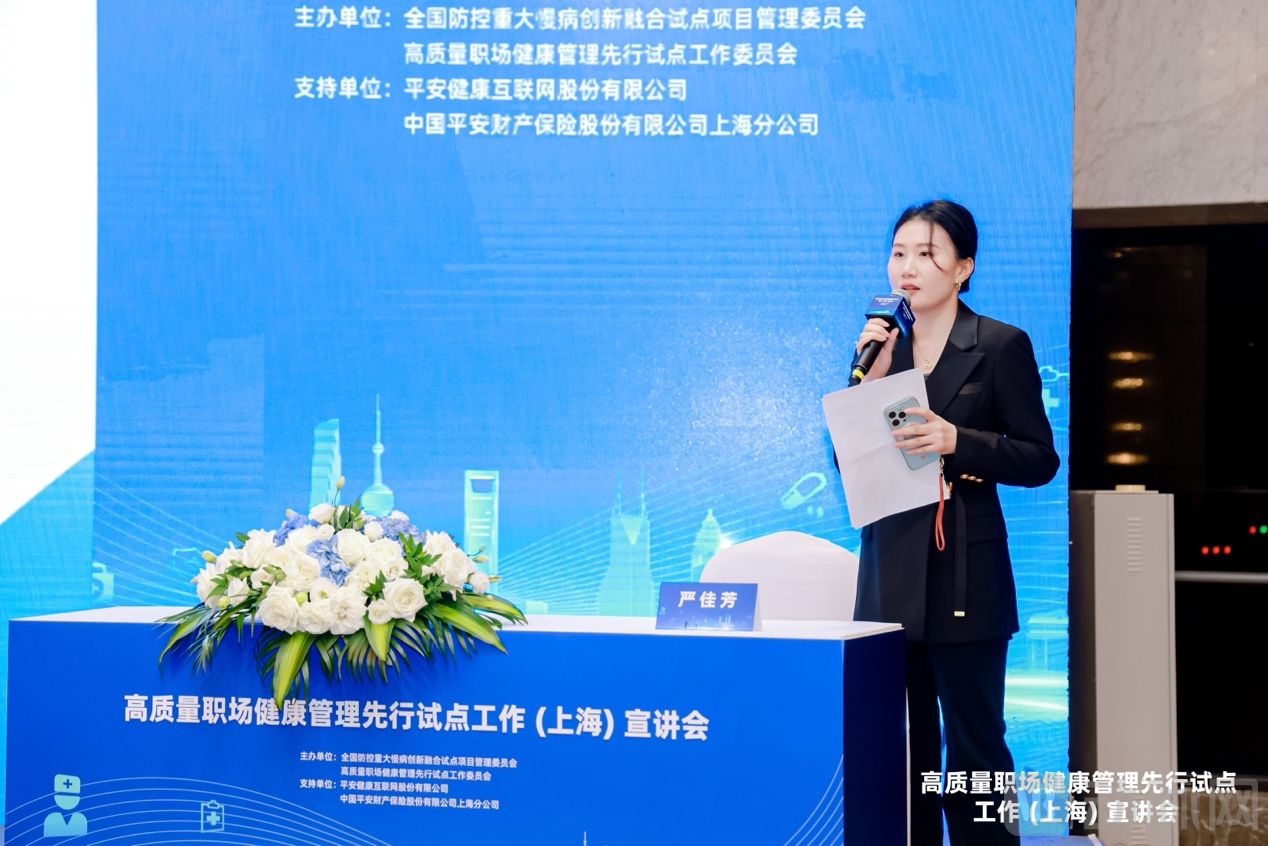 Ms. Yan Jiafang, Member of the Executive Group of the Management Committee for the National Pilot Project on Innovative Integration in the Prevention and Control of Major Chronic Diseases, and Member of the Executive Group of the Pilot Work Committee for High-Quality Workplace Health Management