

Digital Intelligence Drives Innovation: The Digital-Intelligent Healthcare Forum of the 2025 China Biotechnology Innovation Conference Successfully Held!
On October 30, the 2025 China Biotechnology Innovation Conference, hosted by the China National Center for Biotechnology Development and organized by the Administrative Committee of Chengdu High-Tech Zone, opened in Chengdu High-Tech Zone. On the day of the opening ceremony, the “Digital Intelligence Healthcare Innovation Sub-forum,” an important component of the 2025 China Biotechnology Innovation Conference, was successfully held in the Qingyang Hall of the Chengdu Century City International Convention Center.
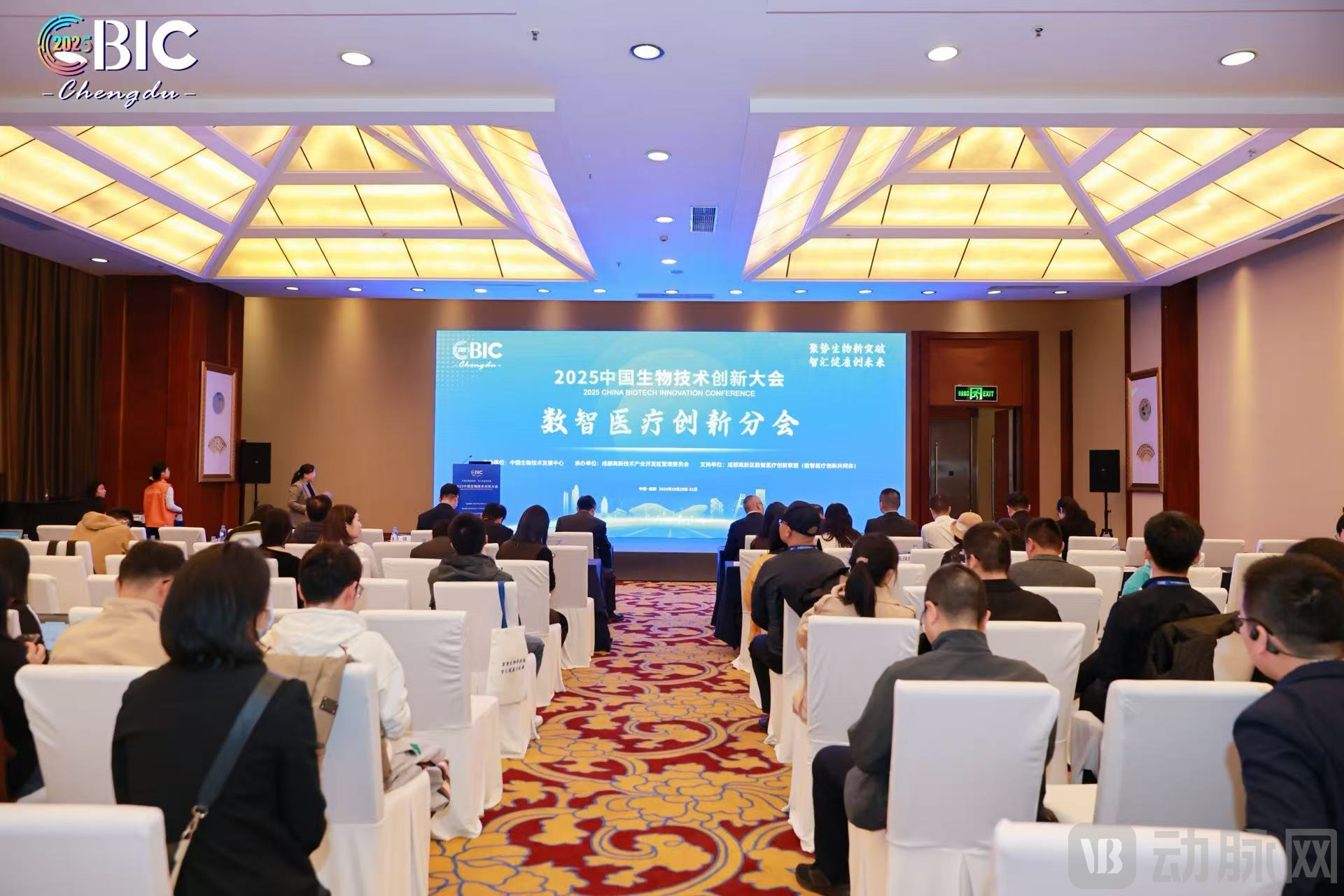
This sub-conference focused on the deep integration and innovative applications of cutting-edge technologies—including artificial intelligence, big data, medical imaging, and large medical models—in the healthcare sector. It brought together experts, scholars, industry leaders, and clinicians from medical institutions, universities, research institutes, and enterprises across China to jointly explore new pathways and paradigms for the development of digital and intelligent healthcare.
The meeting was moderated by Lu Shan, Director of the Modern Medicine and Platform Base Division at the China National Center for Biotechnology Development. Shen Jianzhong, Deputy Director of the China National Center for Biotechnology Development, attended and delivered remarks, emphasizing the pivotal role of digital intelligence technologies in driving high-quality development in healthcare.
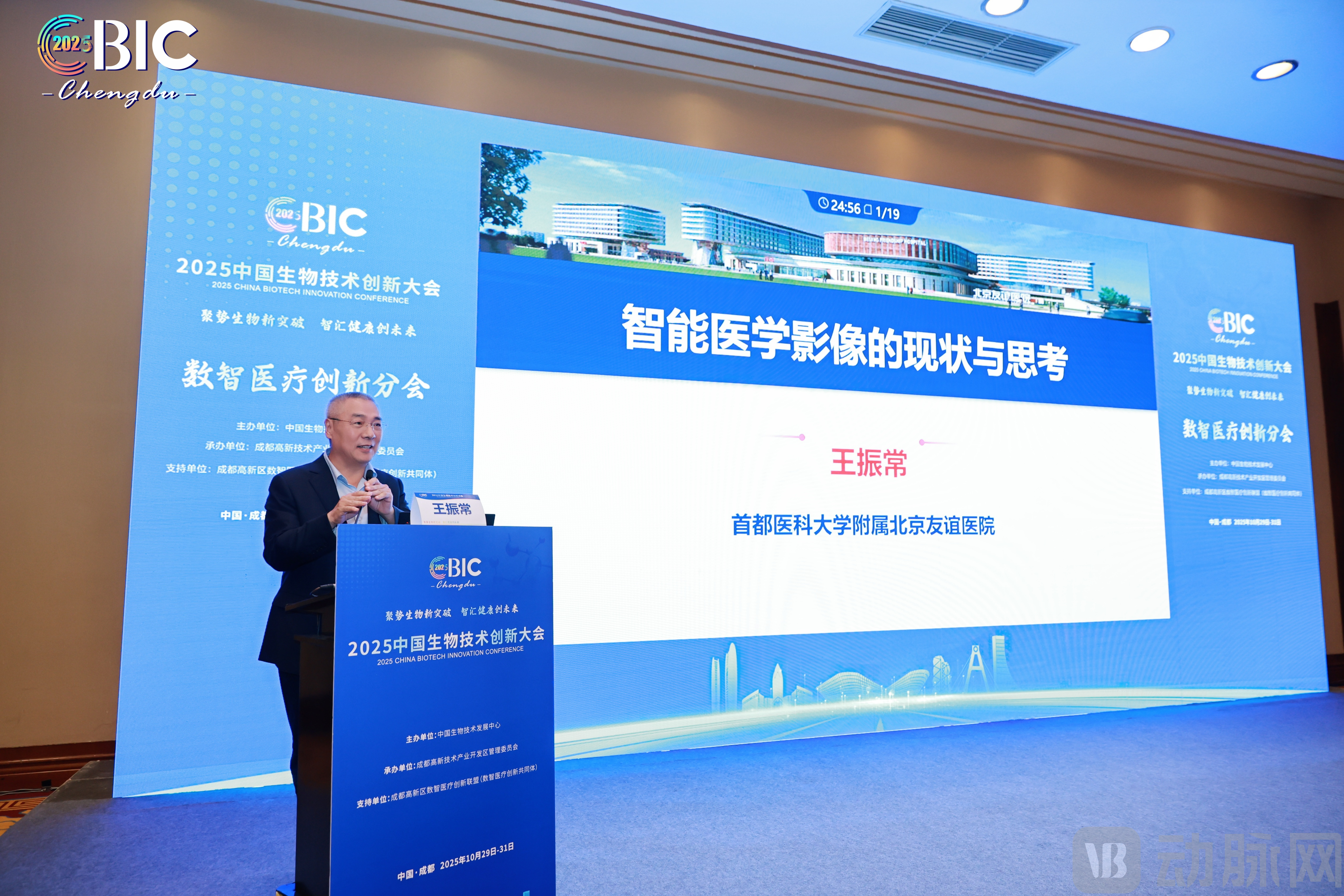
During the keynote session, Wang Zhenchang, an Academician of the Chinese Academy of Engineering and Professor at Beijing Friendship Hospital, Capital Medical University/School of Medical Imaging, delivered an in-depth presentation on “Current Status and Reflections on Intelligent Medical Imaging,” systematically reviewing technological advancements and future challenges in the intelligentization of medical imaging.
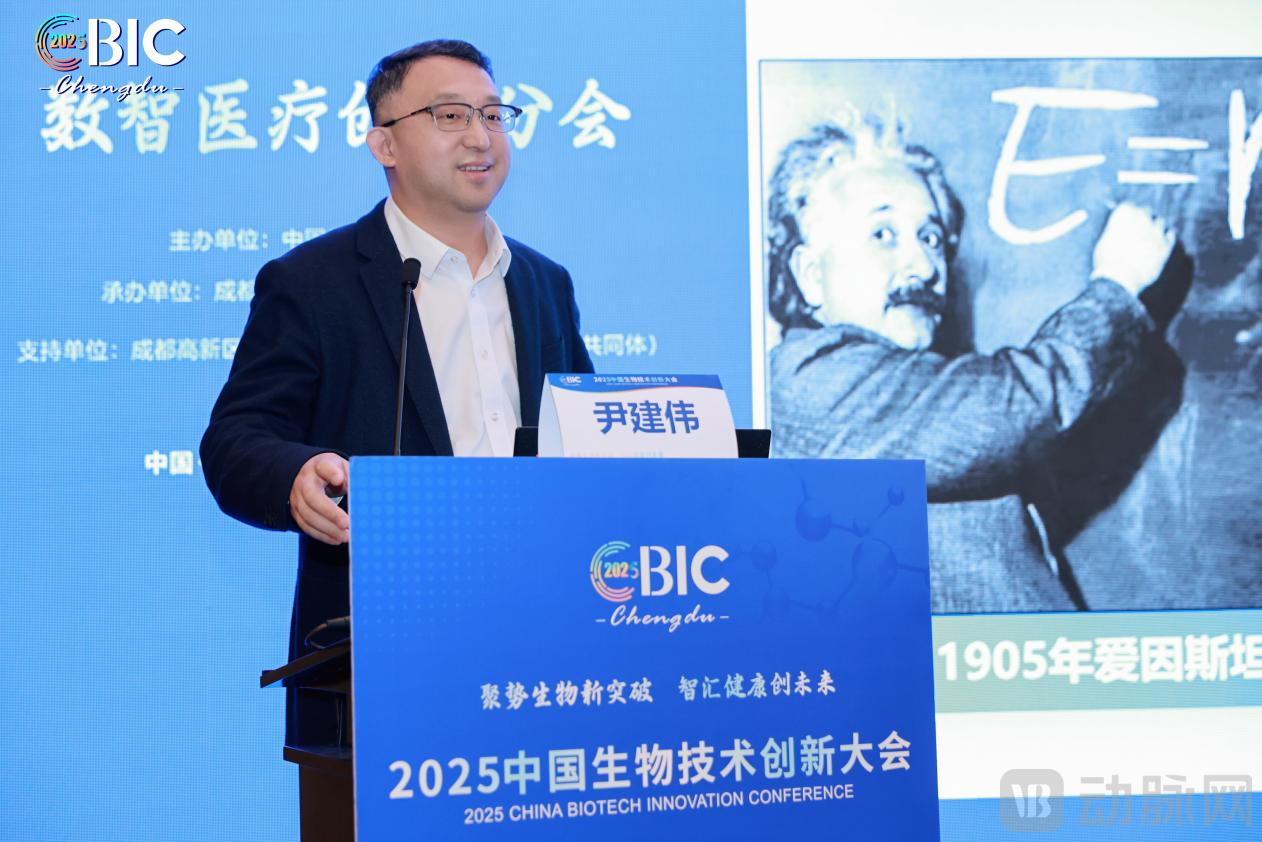
Professor Yin Jianwei of Zhejiang University delivered a presentation titled “Artificial Intelligence Empowering Medical Innovation,” sharing cutting-edge explorations of AI in disease prediction, diagnosis and treatment optimization, and other areas.
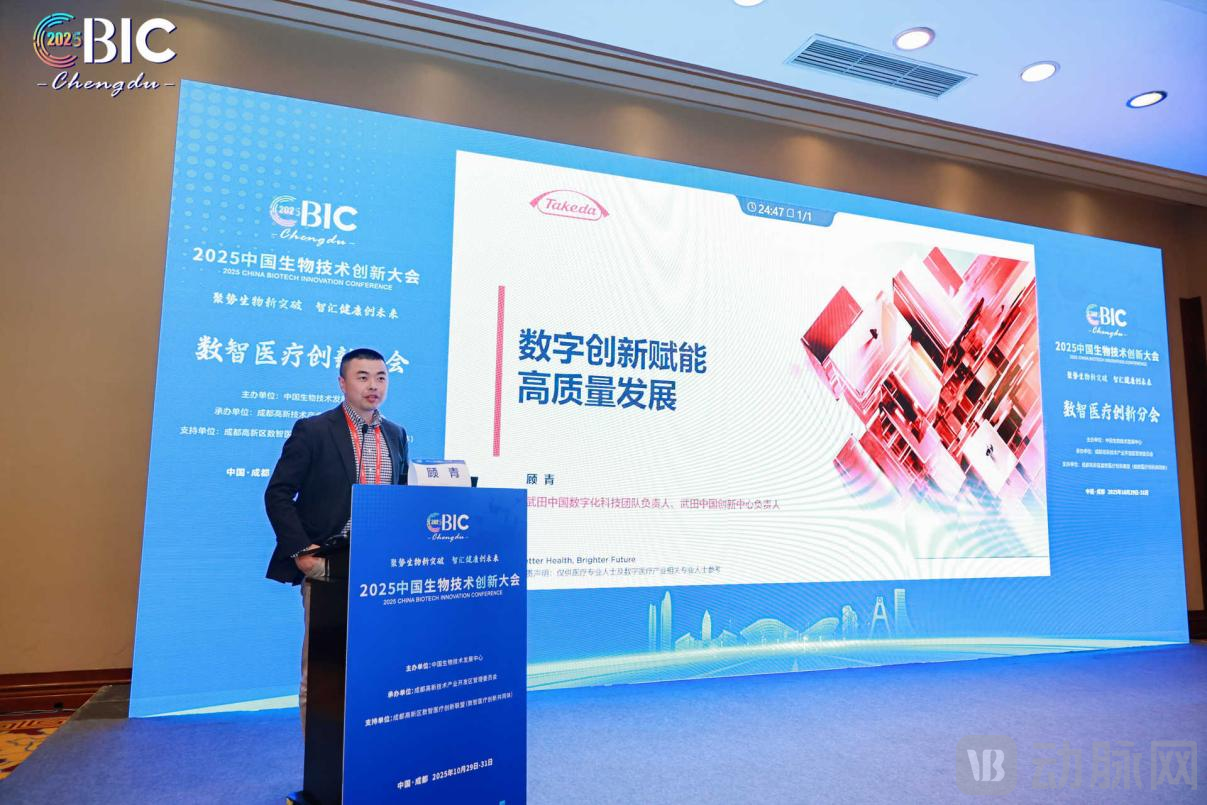
Gu Qing, Head of the Digital Technology Department at Takeda China, explored the practical pathways for “Digital Innovation Empowering High-Quality Development” from an industry perspective.
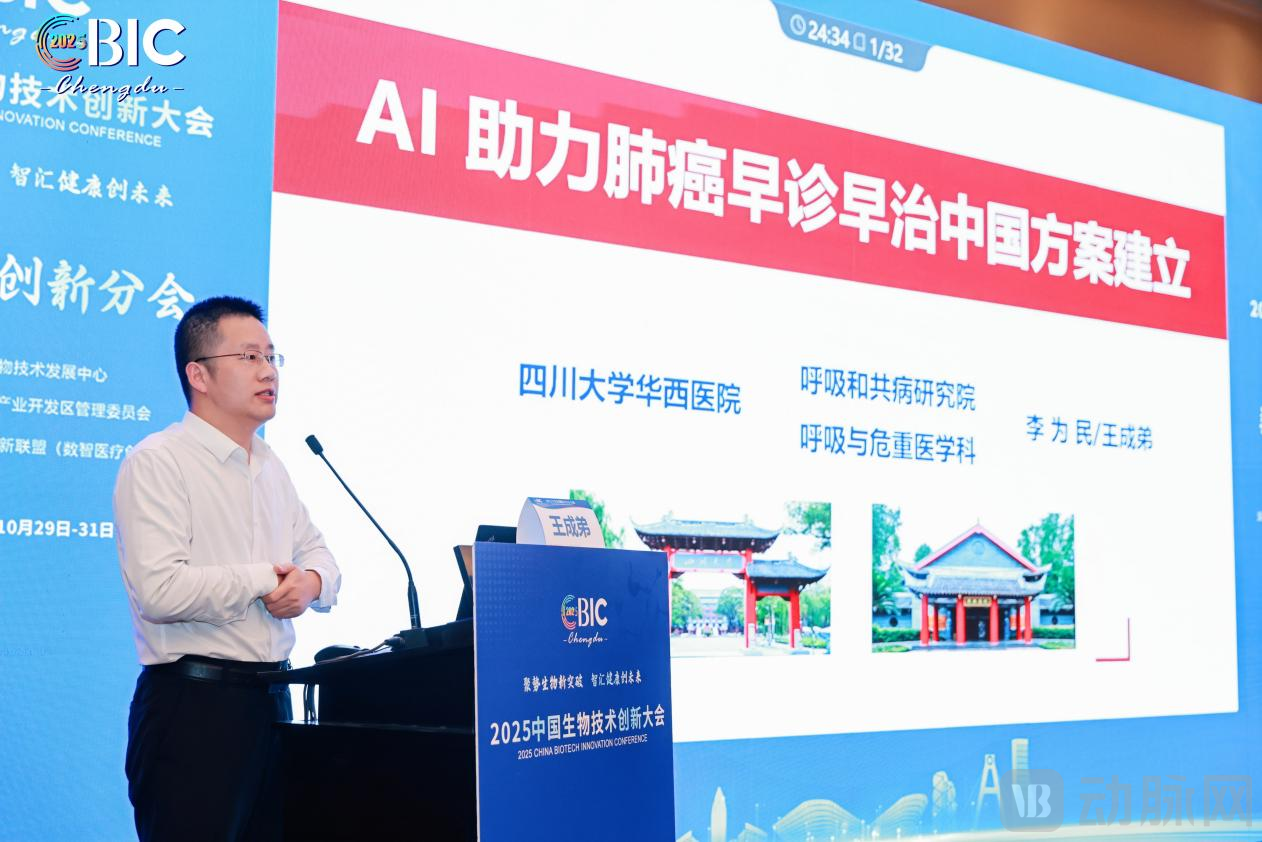
Professor Wang Chengdi from West China Hospital of Sichuan University delivered an insightful report titled “Establishing a Chinese Solution for AI-Assisted Early Diagnosis and Treatment of Lung Cancer,” highlighting significant breakthroughs in leveraging artificial intelligence to enhance the early diagnosis and treatment of lung cancer.
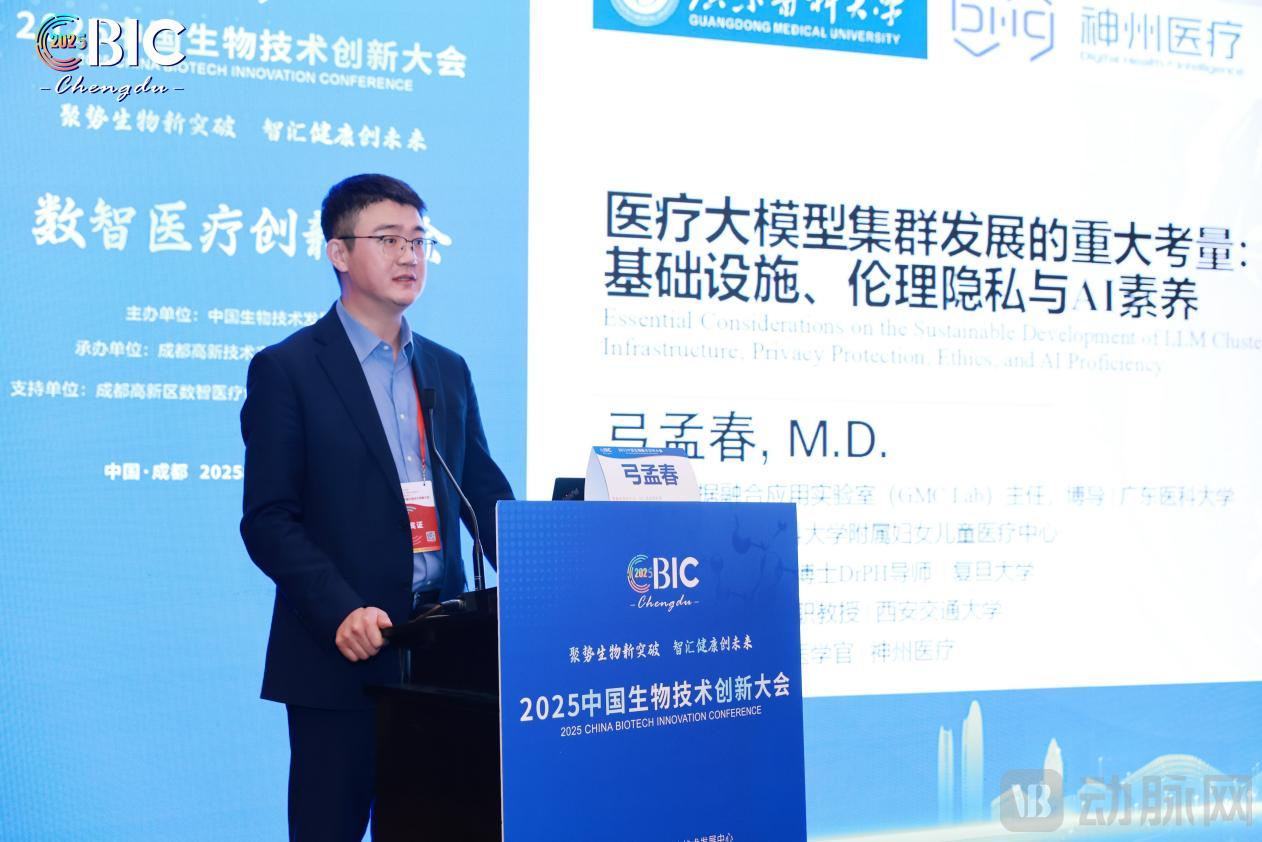
Gong Mengchun, Senior Vice President and Chief Medical Information Officer at Shenzhou Medical, focused on “Key Considerations for the Cluster Application of Large Medical Models: Privacy Protection, Ethical Deliberation, and AI Literacy,” prompting attendees to engage in deep reflection on safety and ethical issues in technology application.
Cao Qiang, General Manager of Chengdu Harit Medical Technology Co., Ltd., presented “Practical Applications of AI in Cardiovascular Disease Rehabilitation” using real-world case studies, highlighting the broad prospects of intelligent technologies in chronic disease management.
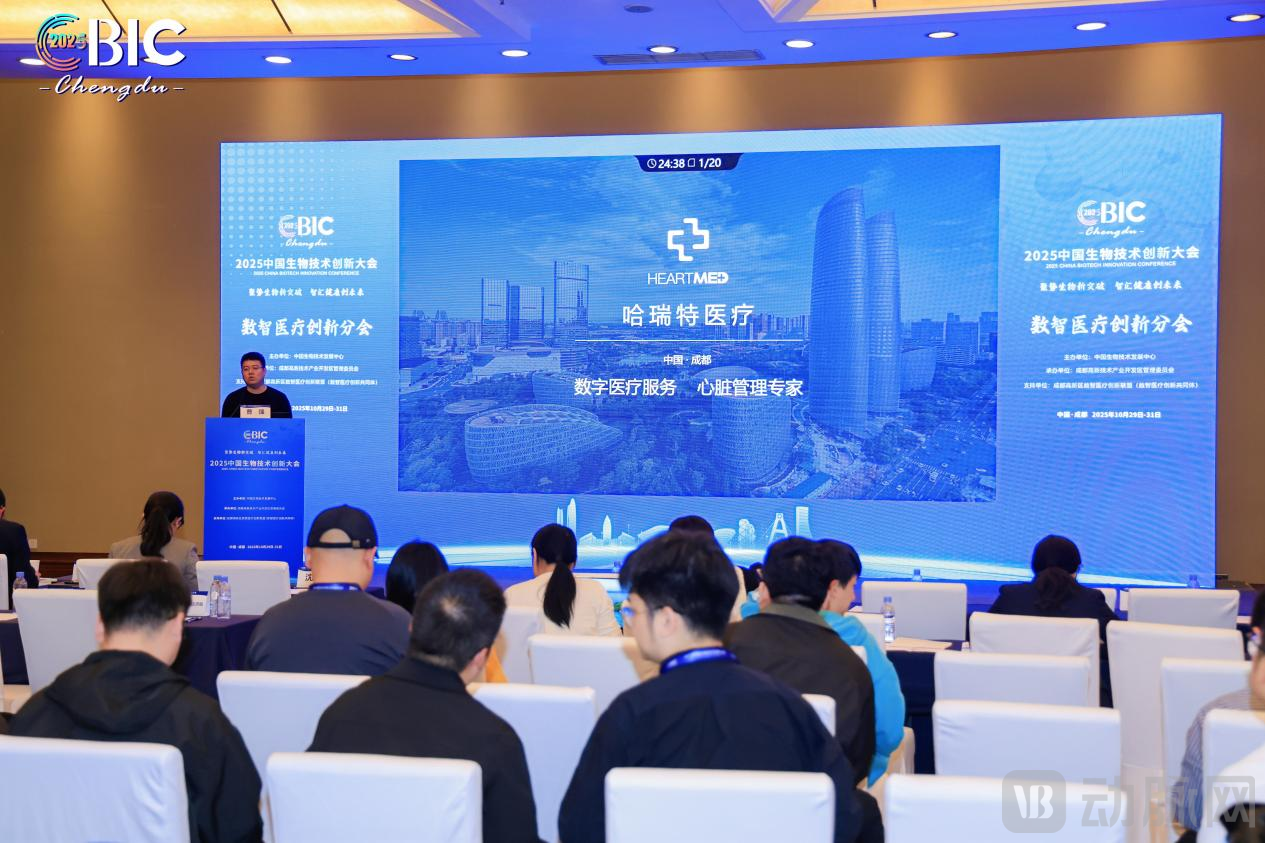
In the final session of the conference, attendees engaged in lively discussions and summarized key insights on technological integration, clinical translation, and industrial synergy in digital intelligence healthcare. They reached a consensus that digital intelligence healthcare is ushering in unprecedented development opportunities, and only by strengthening “medical-engineering collaboration, industry-academia coordination, and cross-sector integration” can China’s healthcare sector advance to higher levels.
This sub-conference not only established a high-quality platform for exchange among attendees but also showcased the complete innovation chain in China’s digital and intelligent healthcare sector, spanning from technological R&D to clinical application, thereby providing critical insights and pathways for the future intelligent, precise, and human-centric development of healthcare.