

Bridging the Last Mile: How Digital Intelligence Empowers Medical Innovation Transformation in the Yangtze River Delta
On the landscape of medical innovation in China, a perplexing fault line persists: breakthroughs in laboratories are emerging endlessly, with paper publications and patent applications consistently leading the world, yet truly few technologies make it into clinical practice to benefit patients. The “last mile” from the lab bench to the bedside has become the key bottleneck constraining Chinese medical innovation from achieving a qualitative leap rather than merely quantitative growth.
The rise of digital-intelligence technologies offers new possibilities for resolving this dilemma. In the realm of clinical diagnosis and treatment, AI technologies have not only enhanced diagnostic efficiency but also transformed traditional medical decision-making models. At the level of data governance, big data technologies are breaking down information silos among healthcare institutions. In the stage of innovation validation, intelligent platforms provide more precise feasibility assessments for early-stage projects. These transformations are reshaping the entire ecosystem of medical achievement translation.
However, the process of technological empowerment has not been smooth. On the clinical front, the integration of algorithmic models with real-world clinical scenarios still faces numerous challenges, and the processes of data standardization and interoperability remain incomplete. On the capital front, investment institutions are weighing rationality against risk. In terms of building an innovation ecosystem, there are divergent value judgment criteria among various stakeholders. Underlying these issues are deep-seated contradictions within the healthcare innovation system across multiple dimensions, including institutional mechanisms, resource allocation, and value assessment. Breaking through these bottlenecks requires the establishment of more effective collaborative mechanisms.
Against this backdrop, the “Digital Intelligence-Driven, Collaborative Growth—Yangtze River Delta Pioneer Forum on Medical Achievement Transformation” was held at the Zhengli Campus of Fudan University School of Management on October 30, 2025. The forum was academically guided by Fudan University School of Management, jointly organized by the Shanghai Yangtze River Delta Business Innovation Research Institute and the Organizing Committee of the Yangtze River Delta Jujin Sci-Tech Innovation Competition, and undertaken by the Shanghai Yangtze River Delta Business Innovation Technology Foundation and the Special Committee on Medical-Engineering Translation and Health Industry Integration of the Chinese Association of Research Hospitals.
Building on the three-year accumulation of the Yangtze River Delta JuJin Sci-Tech Innovation Competition, this forum brings together experts from government, industry, academia, research, and healthcare sectors. It aims to systematically explore innovative pathways for the translation of medical achievements from the three dimensions of clinical practice, capital, and ecosystem.
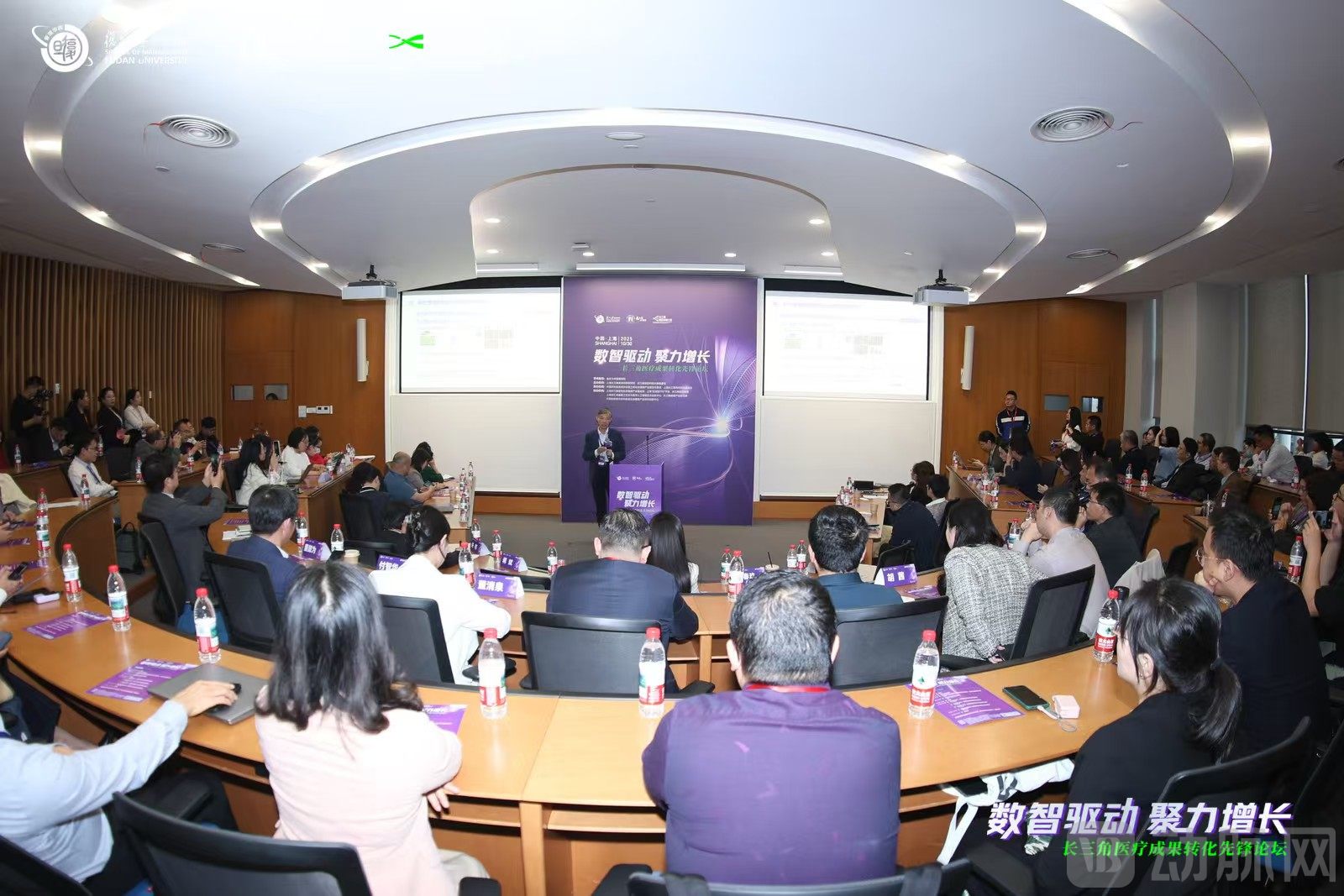 Forum Site
Three Years of Accumulation: From Competitions to Forums, an Innovation Community Matures
This forum is not an isolated event, but a strategic extension following the successful hosting of three editions of the “JuJin Sci-Tech Innovation Competition” by the Shanghai Yangtze River Delta Business Innovation Institute and the School of Management at Fudan University, with strategic support from AstraZeneca.
Over the course of three editions, the competition has delivered impressive results: a total of 35 events were held, serving more than 2,000 innovators and entrepreneurs. More importantly, the competition has established a unique mechanism of “training through competition and nurturing through competition,” and has strengthened targeted support for deep-tech projects through initiatives such as business plan boot camps and in-depth review exchanges.
The forum’s convening signifies that the regional innovation ecosystem has entered a critical phase, transitioning from “project screening” to “deep empowerment” and “value co-creation.” If the core value of the competition lies in identifying high-quality projects and teams, the forum is dedicated to addressing more profound challenges—namely, how to ensure these innovative seeds truly take root, sprout, blossom, and bear fruit. In other words, this forum no longer settles for merely showcasing outstanding achievements in frontier sectors such as innovative drugs, AI and digital diagnostics, and intelligent medical devices; instead, it shifts its focus to the pivotal questions that determine the survival or failure of projects: “why translate, how to translate, and how to commercialize.”
Cen Ling, Director of the Sci-Tech Innovation Acceleration Center at Fudan University’s School of Management and Executive Director of the Yangtze River Delta JuJin Sci-Tech Innovation Competition, emphasized in his opening remarks that, as a key component of the competition’s empowerment ecosystem, the forum will promote the deep integration of the innovation chain with the industry chain, injecting sustained momentum into medical technology innovation in the Yangtze River Delta region.
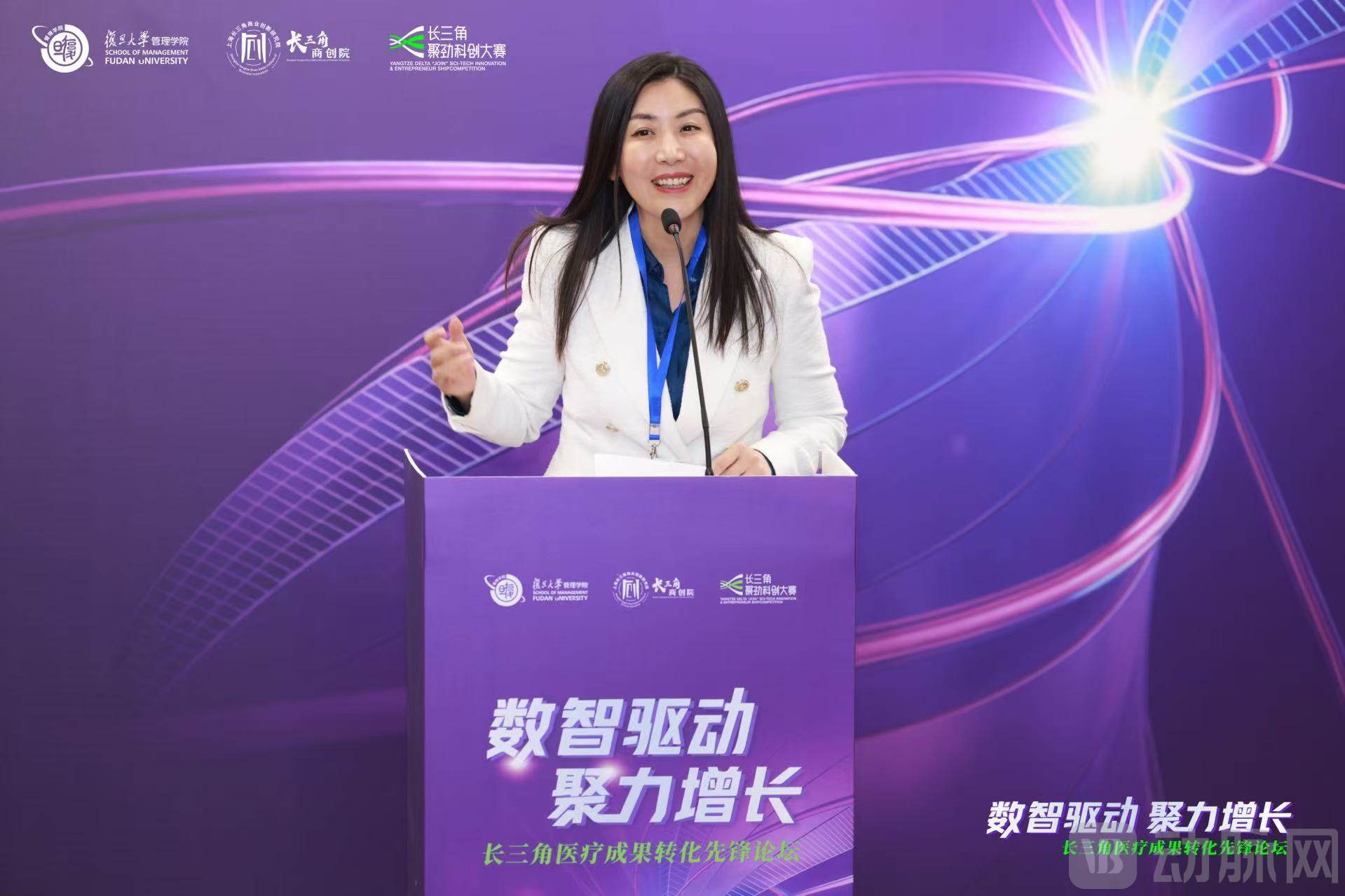 Address by Director Cen Ling of the Sci-Tech Innovation Acceleration Center, School of Management, Fudan University
Notably, the forum coincided with a critical policy window. In July 2025, Shanghai officially released the "Detailed Implementation Rules for Promoting the Transformation of Scientific and Technological Achievements in Medical and Health Institutions in Shanghai," aiming to address the reluctance, hesitation, and lack of expertise often hindering such transformations within medical and health institutions. The rules clearly define benefit distribution mechanisms and due diligence exemption clauses. This initiative, together with supporting policies from Jiangsu and Zhejiang provinces that promote the high-quality development of the biopharmaceutical industry, forms a synergistic effort, providing robust institutional support for medical innovation in the Yangtze River Delta region.
From Clinical Practice to Capital and Ecosystem: Reshaping the Core Pathway for Medical Achievement Translation
In the lengthy chain of medical achievement translation, digital intelligence technology is evolving from an auxiliary tool into a core driving force that reconstructs the logic of translation. The agenda setting of this forum is a precise response to this trend.
The forum centered on in-depth discussions across three key dimensions: “Digital and Intelligent Drivers of Clinical Diagnosis, Treatment, and Applications,” “Financing and Commercialization Across Different Stages of Translation,” and “Collaborative Development of an Ecosystem for Medical Research and Achievement Translation.” Complementing keynote addresses by academicians and insights from industry experts, the event directly addressed the core bottlenecks in the process of translating medical research achievements.
During the keynote session, Professor Zhong Chunjiu, Chief Physician of the Department of Neurology at Zhongshan Hospital, delivered a presentation titled “Value Assessment and Key Considerations for Biomedical Translation Projects: A Case Study of Alzheimer’s Disease.” He proposed a five-dimensional value evaluation model centered on scientific rigor, while integrating intellectual property, scarcity, market demand, and feasibility, emphasizing that “scientific validity is the foundation of a project’s value.”
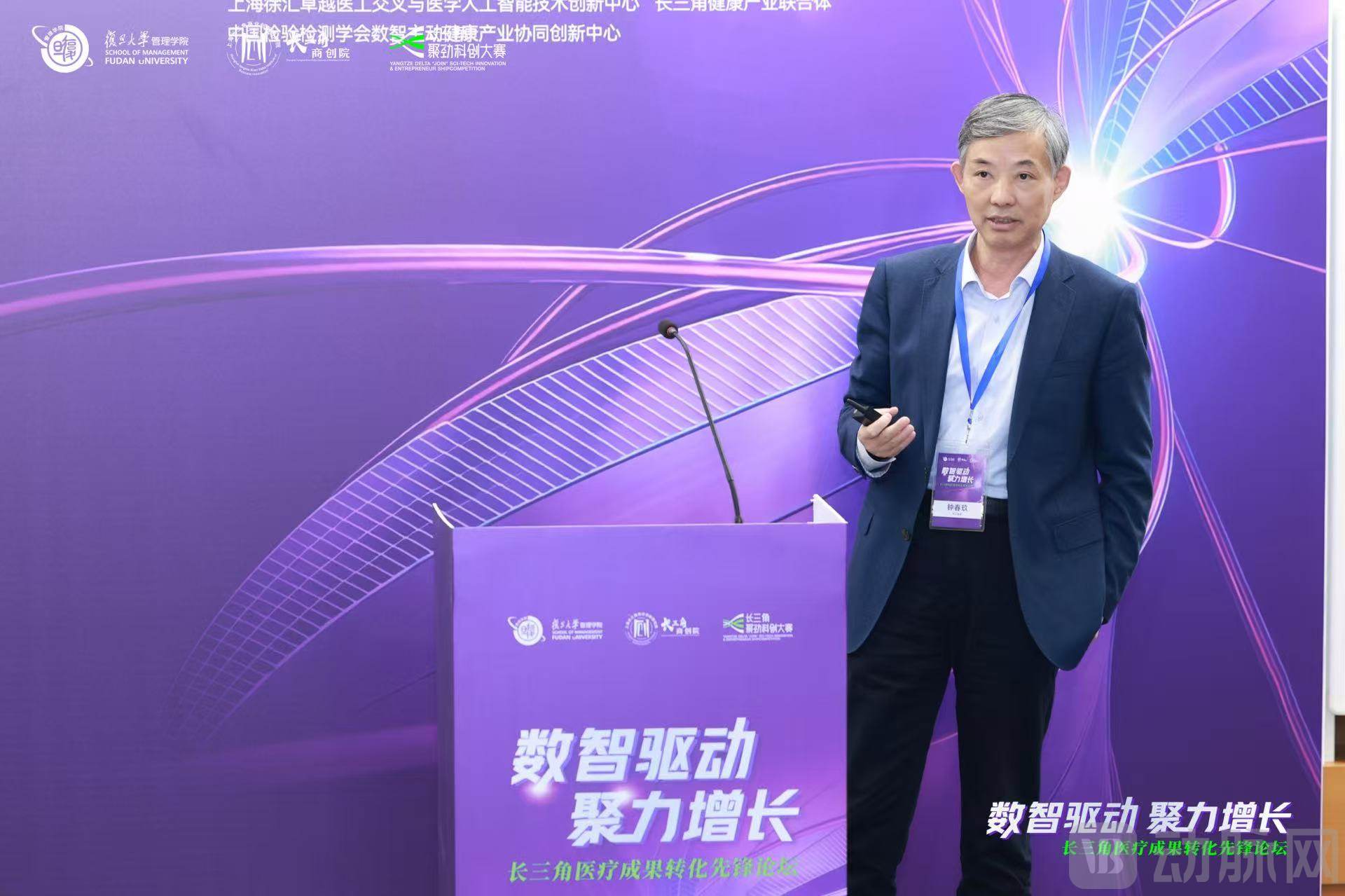 Thematic Sharing by Professor Zhong Chunjiu, Chief Physician of the Department of Neurology at Zhongshan Hospital
Song Gaoguang, Partner at Northern Light Venture Capital, shared insights on “Investment Selection for Early-Stage Translation Projects” from an investor’s perspective. He emphasized that healthcare entrepreneurship requires long-term accumulation and alignment with clinical needs, and advised entrepreneurs to evaluate technologies through a business lens to build differentiated advantages in niche markets.
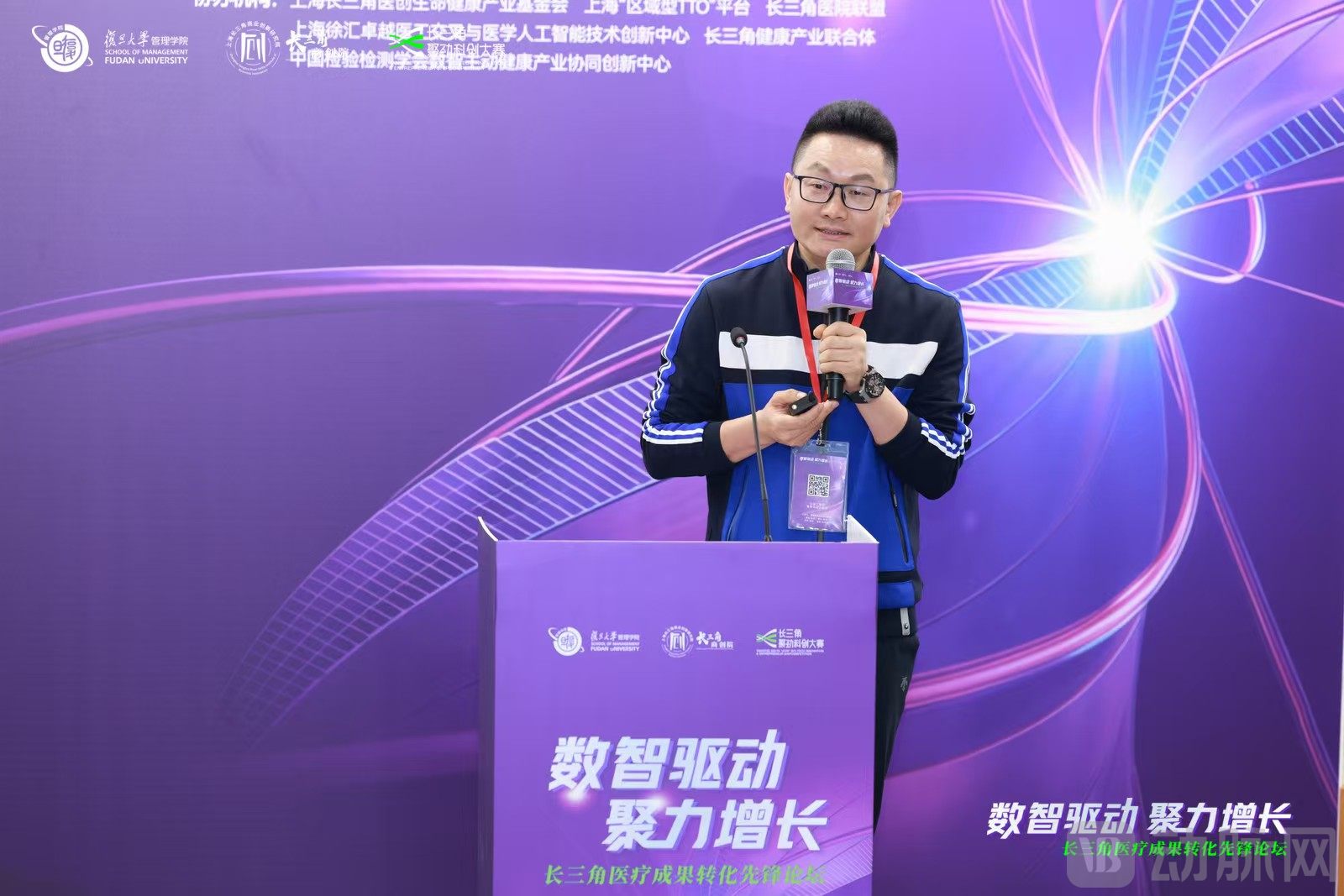 Keynote Speech by Song Gaoguang, Partner at Northern Light Venture Capital
In the keynote session of the forum, Academician Li Jinsong shared breakthrough progress made by the Genome Tagging Project (GTP) in building life science infrastructure. By constructing high-throughput protein-tagged mouse models, the project provides core tools for precision medicine research and has currently supported more than 130 research teams both in China and abroad.
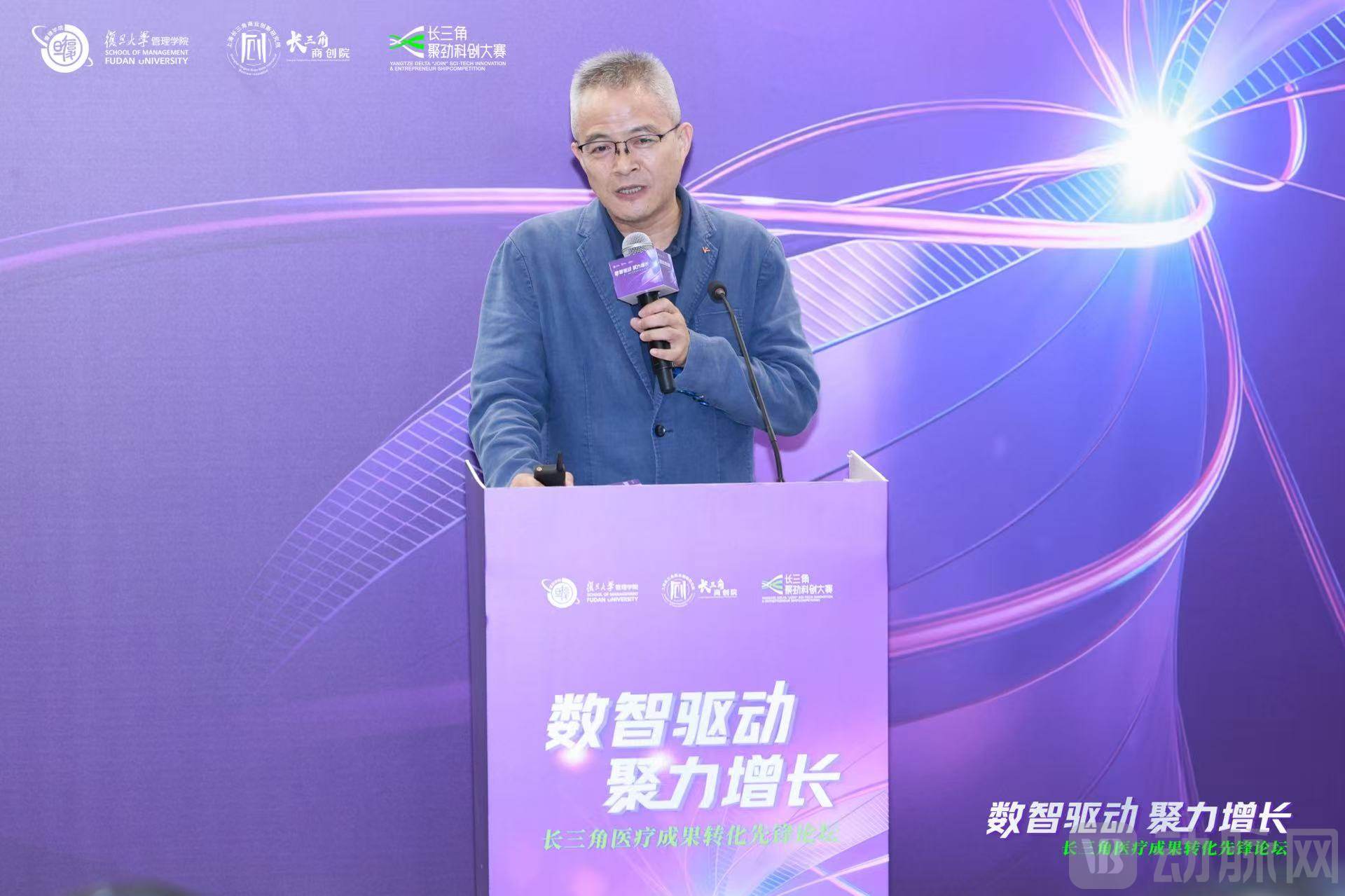 Keynote Speech by Academician Li Jinsong
Closed-door discussions proceeded in parallel, providing an in-depth analysis of practical challenges and innovations across various fields. At the session on “Digital Intelligence-Driven Clinical Diagnosis, Treatment, and Applications,” corporate representatives shared their experiences in leveraging innovative technological solutions to achieve dynamic, personalized adjustments in testing workflows. Meanwhile, hospitals are exploring the application of wearable ultrasound devices in vascular health management, seeking technological breakthroughs to enable home-based monitoring of carotid artery plaques.
However, the clinical application of digital-intelligence technologies also faces systemic barriers. Experts at the conference pointed out that data silos are prevalent within hospitals, while ownership and pricing mechanisms for data remain undefined. Physicians desire the effective utilization of data but are concerned about compliance risks; this contradiction severely constrains the realization of data value.
At the capital level, investment logic is undergoing a profound shift. During the session on “Financing and Commercialization Across Different Stages of Translation,” investors noted that while scientists hope capital will fund their visions, investors require clear commercial pathways. Mere technical superiority is no longer sufficient; the combination of “scientist + entrepreneur” is the key to success.
This shift in investment logic has been validated in practice. Corporate representatives emphasize that revenue models must be considered at the early stages of a project, rather than allocating all resources to long-term aspirations. Meanwhile, the value of “patient capital” is becoming increasingly prominent, with multiple investors stating that early-stage projects in the pharmaceutical sector require greater patience and more sustained, long-term support.
Faced with systemic challenges in translating research findings into practical applications, platform-based collaboration has become the key to breaking through. At the session titled “Collaboratively Building an Ecosystem for Medical Research and Translation of Achievements,” participating experts stated that individual institutions or teams are ill-equipped to handle the full-spectrum challenges ranging from patent evaluation and proof-of-concept to industry matchmaking, making a systematic, coordinated approach an inevitable choice.
Among them, hospitals and universities, as sources of innovation, are actively exploring new approaches. Hospitals are launching initiatives such as “roadshows into departments,” introducing professional services like technology transfer and market analysis at the project initiation stage. This encourages physicians to consider market demands from the outset, rather than contemplating commercialization only after publishing their papers. Meanwhile, universities are identifying students with commercial potential through programs like the “$100 Startup Challenge,” providing incubation funds to support viable proposals, thereby cultivating innovative talent capable of creating market value.
Furthermore, attendees proposed that building an open innovation platform linking global R&D resources with local clinical needs is a key pathway to introducing international standards, enhancing translation efficiency, and establishing a sustainable ecosystem.
Building Consensus to Forge a Sustainable Future for the Yangtze River Delta’s Translational Ecosystem
The outcomes of this forum’s discussions not only represent an exploration of specific translational pathways but also serve as a hallmark of the maturing healthcare innovation ecosystem in the Yangtze River Delta.
At the policy level, since 2025, regions such as Shanghai, Jiangsu, and Zhejiang have intensively rolled out supporting policies focusing on the transformation of scientific and technological achievements in medical and health institutions, data governance, and medical-engineering collaboration. This has gradually established a comprehensive institutional framework covering the entire chain from “R&D to translation, industrialization, and market access.” In particular, the implementation of the “Detailed Rules for Promoting the Transformation of Scientific and Technological Achievements in Medical and Health Institutions in Shanghai” marks a shift in policy focus from merely encouraging innovation to building sustainable translation mechanisms, achieving key breakthroughs in areas such as rights distribution, risk exemption, and incentive mechanisms.
In terms of innovative models, practices mentioned at the forum, such as “roadshows entering clinical departments” and “bidirectional interaction with the industry sector,” reflect that healthcare institutions are shifting from passively awaiting outcome transformation to proactively building deep connections with industrial demands. This transition not only enhances the precision of transformation but also fosters more source innovations grounded in genuine clinical needs, thereby promoting a virtuous cycle of “demand-driven R&D and R&D-enabled transformation.”
In the face of the information gap between basic research and clinical needs, as well as the systemic lack of evaluation models and financial support across various stages of translation, the consensus reached by the forum points to a clear direction: it is essential to establish a more open, collaborative, and professional empowerment system. This requires medical institutions to establish more flexible mechanisms for outcome translation, investment firms to develop phased, long-term financial support strategies, enterprises to engage more deeply in early-stage R&D, and universities to strengthen the cultivation of interdisciplinary talents who possess both scientific literacy and business acumen.
As a key driver of regional innovation and the organizer of this competition and forum, the Shanghai Yangtze River Delta Business Innovation Institute continues to collaborate with leading enterprises and institutions. It has established a multi-tiered platform ecosystem, including the Yangtze River Delta Biopharmaceutical Innovation Alliance, the Yangtze River Delta Pharmaceutical Innovation Research Center, the Yangtze River Delta Health Sci-Tech Innovation Center, and the Shanghai Yangtze River Delta Medical Innovation Life and Health Industry Foundation, actively promoting the deep integration of clinical translation and industrial innovation.
As the inaugural practice of the empowerment system for the Yangtze River Delta JuJin Sci-Tech Innovation Competition, this forum not only provides a platform for intellectual exchange but also serves as the starting point for collaborative practices in the new phase. Through the sustained operational model of “Competition–Forum–Ecosystem,” the Yangtze River Delta region is exploring the establishment of a long-term mechanism for the translation of medical achievements.
As the experts at the conference stated, “Future competition will no longer be about individual technologies or products, but rather about ecosystems.” Driven by digital intelligence technology, guided by clinical value, supported by ecosystem collaboration, and underpinned by institutional innovation, the Yangtze River Delta model not only provides a systematic solution to overcome bottlenecks in the translation of medical achievements but also contributes a practically significant “Yangtze River Delta sample” to the improvement of China’s medical innovation ecosystem.