

Oral Ergothioneine: Biomanufacturing, Market Applications, and Future Prospects
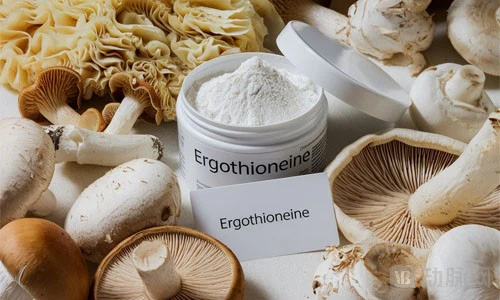
Ergothioneine
Image Source: Botanical
In late October and early November, as the curtain rose on another year’s Double 11 shopping festival, the raw materials market was once again ignited by the soaring sales figures displayed in live-streaming rooms. Among these, anti-aging ingredients emerged as one of the hottest categories. According to Tmall data, eight brands specializing in anti-aging products surpassed RMB 100 million in sales within just 10 minutes of the sale’s launch, with the fastest achieving this milestone in merely six minutes. Amid all the ingredients claimed to possess anti-aging benefits, we have observed that one ingredient consistently remains at the forefront: ergothioneine.
Although there has been no shortage of research, debates, and popular science articles on this raw material, we have found that most analytical studies primarily focus on demonstrating its efficacy. Furthermore, due to the current pace of domestic raw material approval in China, most applications are limited to cosmetics and topical use. Therefore, ID Capital, as an institution continuously monitoring technological innovation opportunities in the global food ingredient system, believes it is necessary to conduct a comprehensive review of oral ergothioneine. By examining this ingredient from three dimensions—scientific foundation, technological pathways, and market applications—we aim to help practitioners in the food and oral health industries quickly gain a deep understanding of its unique characteristics and prepare for the emerging oral ergothioneine market. For instance, scientific research on oral ergothioneine extends far beyond the “antioxidant” label. Chinese scientists have played a significant role in driving progress in this area. Notably, in 2015, Professor Liu Wen’s team at the Shanghai Institute of Organic Chemistry, Chinese Academy of Sciences, published a breakthrough study in Nature on the biosynthetic mechanism of lincomycin. This work revealed for the first time the critical roles of two small-molecule thiols—ergothioneine and actinithiol—in antibiotic synthesis. This discovery not only reshaped our understanding of the “constructive” functions of ergothioneine in biochemical reactions but also spurred a surge in its development and application, laying an important foundation for the future development of novel thio-antibiotics using synthetic biology. This implies that the potential of ergothioneine extends far beyond anti-aging; it may well be a key molecule linking the fields of “antioxidant” and “anti-infective” therapies.
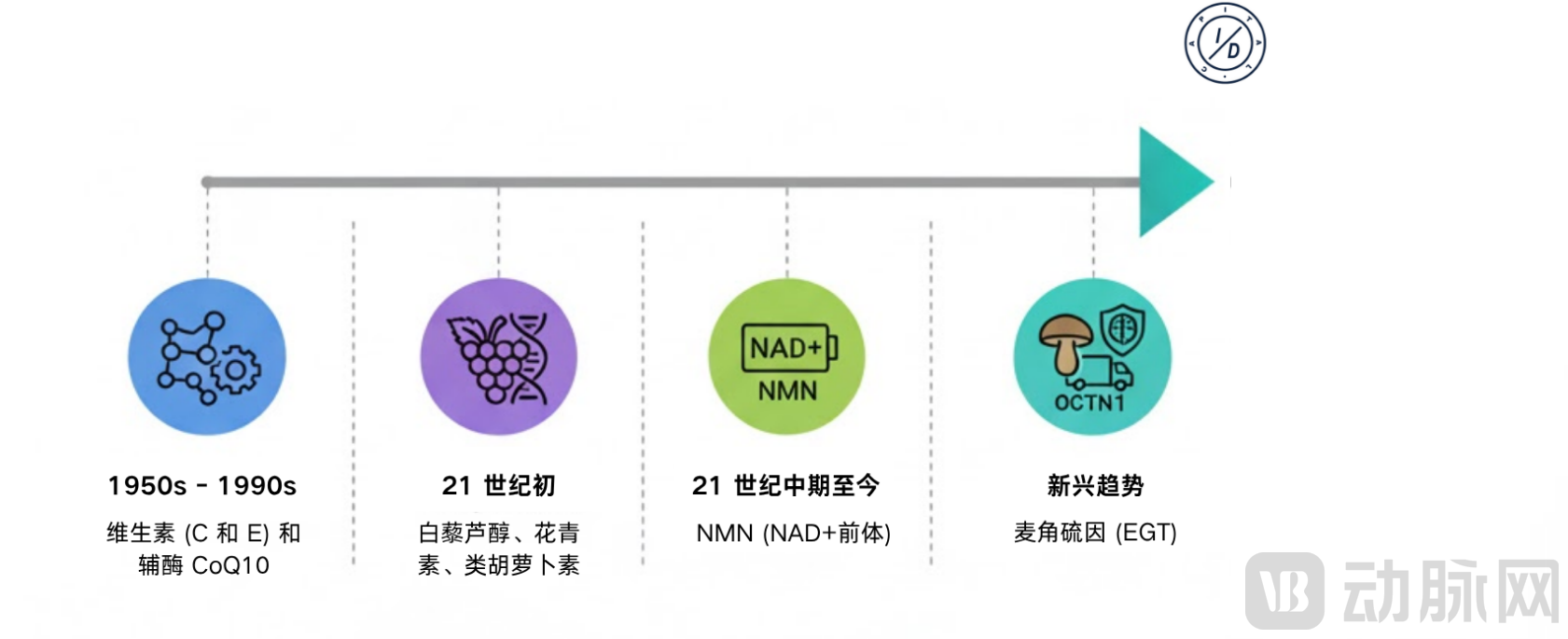 The Evolution of Antioxidant Raw Materials
Compiled/Graphic Design: ID Capital
Phase I: Early Detection and Natural Sources (1909 Age 20 Mid-20th Century)
In 1909, French pharmacologist Charles Tanret first isolated a unique sulfur-containing crystalline compound while studying the ergot fungus (Claviceps purpurea) in rye grains, and named it Ergothioneine after the fungus. This marked the beginning of a century-long journey of research into ergothioneine.
By the mid-20th century, scientists discovered that only certain bacteria and fungi are capable of truly synthesizing ergothioneine, with mushrooms being the most important natural dietary source for humans. Soon thereafter, mushrooms were recognized as the richest source of ergothioneine in the human diet. During this period, researchers also gradually came to understand that this compound is a potent antioxidant that helps protect cells by mitigating oxidative stress.
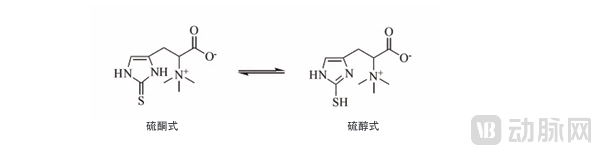
Chemical Formula of Ergothioneine
Image source: Journal of Bioengineering
Phase II: Unveiling Its Physiological Functions and Potential Value (2005 Age 2010 After the Spring Festival)
In 2005, the scientific community witnessed a pivotal discovery. Professor Dirk Gründemann’s team at the Institute of Pharmacology, University of Cologne, Germany, first identified OCTN-1 (SLC22A4) as the specific transporter for ergothioneine through in vitro cell experiments. The study revealed that this protein transports ergothioneine at a rate significantly higher than that of other cationic molecules, thereby earning recognition as the key mechanism enabling the “precise delivery” of ergothioneine. This discovery highlighted that ergothioneine is not merely an ordinary nutrient, but a crucial molecule closely linked to human health.
In 2015, the research team led by Liu Wen at the Shanghai Institute of Organic Chemistry, Chinese Academy of Sciences, systematically elucidated the biosynthetic mechanism of lincomycin. This study was the first to reveal the mechanism of lincomycin scaffold formation mediated by two small-molecule thiols—ergothioneine and actinorhodin thiol—and identified a novel sulfur source and sulfur incorporation pathway in natural product biosynthesis. The findings were published in Nature, marking the first time that a single Chinese research group independently completed and published research on natural product biosynthesis in a top-tier CNS journal. This breakthrough not only expanded the traditional biological understanding of ergothioneine but also provided theoretical guidance for the genetic engineering of industrial strains used in lincomycin production.
In 2018, the renowned American biochemist Professor Bruce Ames formally proposed the concept of “Longevity Vitamins,” listing ergothioneine as one of the candidate substances. He pointed out that ergothioneine is widely distributed across various human tissues, enters cells via a specific transporter protein, and plays a role in preventing cardiovascular disease, protecting mitochondria, and maintaining cellular activity.
Meanwhile, the food industry has also begun to recognize the application value of this natural substance. In the early 2010s, ergothioneine was employed as an anti-melanosis agent in seafood (such as shrimp and crab) to prevent darkening during storage, thereby extending freshness and shelf life.
Phase III: Global Recognition and Industrialized Production (2016 -to date)
Starting in 2016, ergothioneine entered a period of genuine “global recognition.”
In 2016, the European Food Safety Authority (EFSA) officially approved synthetic ergothioneine (trade name Ergoneine®) as a novel food ingredient and recommended that the daily intake for adults should not exceed 30 mg.
Subsequently, ergothioneine rapidly achieved breakthroughs in the international food regulatory system:
In July 2017, the European Union approved ergothioneine for use in dietary supplements for the first time;
In 2018, the European Union further expanded the scope of use for L-ergothioneine, permitting its addition to general food products such as beverages and cereal bars;
In 2019, the U.S. Food and Drug Administration (FDA) classified it as a “Generally Recognized as Safe” (GRAS) substance, confirming its safe use in food.
These regulatory milestones have laid the foundation for the commercial application of ergothioneine. To our knowledge, the global ergothioneine market has also witnessed unprecedented rapid growth in recent years. In 2023, the market size was approximately USD 39.59 million, and it is projected to surge to USD 806 million by 2033, with the potential to exceed USD 1.09 billion by 2035. This explosive growth corresponds to a high compound annual growth rate (CAGR) of 36.2%. This not only signifies strong consumer demand for antioxidant and anti-aging ingredients but also reflects the industry’s confidence in breakthroughs in ergothioneine production technologies.
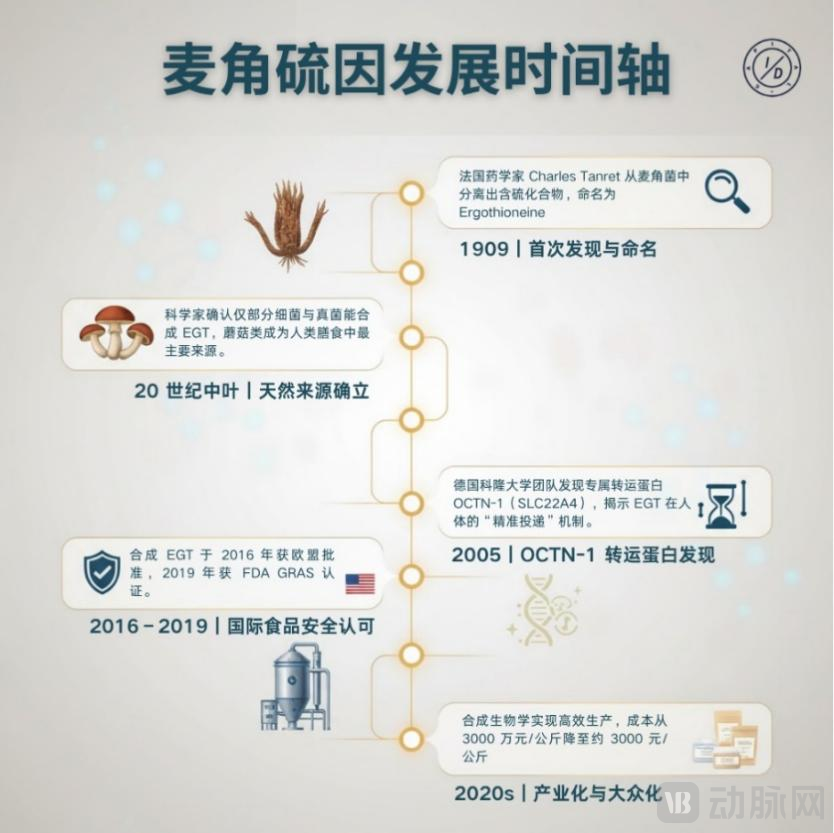 Ergothioneine Development Timeline
Compiled and charted by: ID Capital
Ergothioneine was initially extracted from mushrooms, resulting in prohibitively high costs. Advances in synthesis technologies have since reduced its manufacturing expenses, making it an affordable health supplement for the general public. Currently, there are three primary methods for synthesizing ergothioneine: chemical synthesis, chemo-enzymatic synthesis (chemical synthesis combined with enzymatic catalysis), and precision fermentation.
(1)Chemical Synthesis
Chemical synthesis methods typically involve numerous synthetic steps and require precise chiral control, resulting in low overall yields and increased manufacturing costs, thereby hindering scalable production. A representative company employing chemical synthesis is Tetrahedron from France. The company became the first applicant in the European Union to obtain novel food authorization, serving as one of the pioneering enterprises in the EU’s early regulatory and supply pathways.
(II) Chemical Synthesis + Enzymatic Catalysis
The enzymatic synthesis route integrates the respective advantages of chemical synthesis and enzymatic catalysis. In this approach, L-histidine is methylated via chemical synthesis to produce the precursor trimethylhistidine, which is subsequently converted into ergothioneine through an enzymatic cascade involving Egt1 and Egt2. This pathway offers high conversion efficiency and fewer reaction steps, significantly reducing production costs. Patents disclosed by Shanghai Ergothioneine Biotechnology and Ruikang Bio, a subsidiary of Chuanning Bio (Application Nos. CN117083377B and CN115976129A, respectively), both employ this route for ergothioneine synthesis. Furthermore, a patent disclosed by Yikelai Bio (CN119432939A) describes the construction of a glutathione (GSH) recycling system to drive ergothioneine synthesis. This system requires only catalytic amounts of GSH to operate efficiently, achieving cost reduction and enhanced productivity. Additionally, as GSH is a naturally occurring thiol involved in human antioxidant and detoxification processes, the entire enzymatic reaction system is more environmentally friendly and safer, facilitating scalable production.
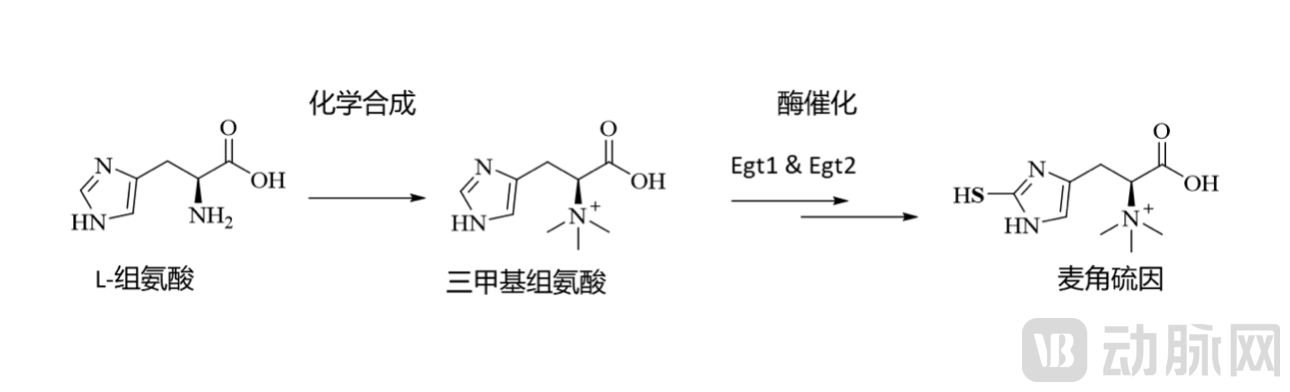
Chemical Synthesis + Enzymatic Catalysis Pathway
Image source: Current Opinion in Structural Biology 2020, 65:1–8
(3)Precision Fermentation
Precision fermentation utilizes microorganisms that naturally possess the ergothioneine biosynthetic gene cluster, or introduces the corresponding synthetic genes into model strains, leveraging the host as a biofactory to autonomously complete ergothioneine synthesis in a top-down manner. This method eliminates the need for exogenous chemical reagents, making the entire production process more environmentally friendly and sustainable. As fermentation yields increase in the future, production costs will also be significantly reduced.It is currently regarded by most industry practitioners as the production method with the greatest development potential.。
Therefore, the development of high-efficiency engineered strains has become a focal point of competition among enterprises both domestically and internationally; to date, no strain with a significant advantage in fermentation yield has emerged. An analysis of currently published articles and public patents reveals differences in the hosts and fermentation pathways employed. The hosts used can be broadly categorized into two types: strains naturally possessing the ergothioneine biosynthetic gene cluster, and model prokaryotic or fungal strains. The following section provides a brief summary of the starting strains and fermentation pathways selected by representative companies.
1) Strains that inherently possess the ergothioneine biosynthetic gene cluster.Although the chemical structure of ergothioneine is not complex, its biosynthetic gene cluster (involving EgtA–E) was not identified in mycobacteria until 2010. Selecting strains that naturally possess this biosynthetic gene cluster eliminates the need for gene synthesis and construction of the biosynthetic pathway. The research team led by Professor Liu Wen at the Shanghai Institute of Organic Chemistry, Chinese Academy of Sciences, discovered that ergothioneine participates in the biosynthesis of lincomycin while engineering a lincomycin-producing strain. This marked the first reported case of ergothioneine acting as a small-molecule thiol involved in the biosynthesis of natural products, and the findings were published in Nature (Nature 2015, 518, 115−119). Subsequently, Professor Liu’s team collaborated with Yikelai Bio to develop a method for preparing ergothioneine based on this research (CN105566411B).
2) Select prokaryotic model organisms as chassis strains.Escherichia coli and Bacillus species are two commonly used model strains, offering advantages such as rapid growth, abundant plasmid expression elements, and straightforward genetic manipulation. Blue California, a US-based company, used E. coli K-12 as the host strain and introduced the mycobacterial biosynthetic pathway (EgtA–E) to construct an ergothioneine-producing strain (as described in CN106661585B and GRAS application materials). The EgtA–E catalytic pathway has also been employed in patents disclosed by domestic Chinese companies, including Zhejiang Xizhenglin Biotechnology and Beijing Bloomage Rongxi Biotechnology. Furthermore, fungal-derived biosynthetic pathways (Egt1 and Egt2) are frequently chosen by Chinese enterprises for strain construction, as evidenced by patents such as CN118325932A disclosed by Zhuhai Redlin Biotechnology and CN118703410A disclosed by Shanghai Weilizhicheng Biotechnology.
3) Using the model fungus as the chassis strain.*Saccharomyces cerevisiae*, *Pichia pastoris*, and *Yarrowia lipolytica* are currently the most commonly used model strains for genetic engineering. There have been relevant literature reports on engineering these three model strains into ergothioneine-producing strains, but few companies have chosen fungi as the fermentation production system.
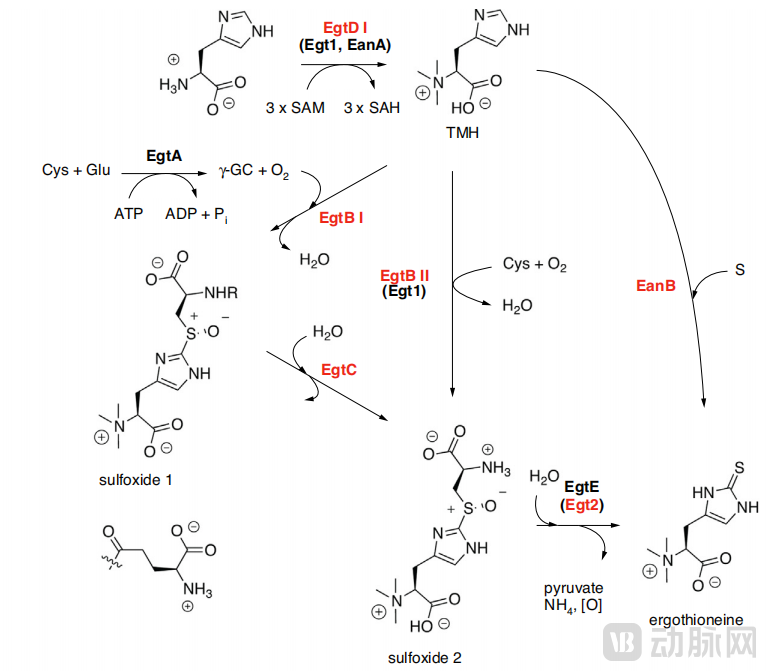
Precision Fermentation Technology Pathway
Image source: Current Opinion in Structural Biology 2020, 65:1–8
III. Market Applications of Oral Ergothioneine
Currently, the application potential of oral ergothioneine is mainly divided into three directions: (1) nutritional supplements and health products; (2) nutrient fortification in general foods; and (3) natural preservatives and food antioxidants.
1) Nutritional Supplements and Health Products
Globally, ergothioneine first gained prominence in the health supplement and nutritional supplement markets. Since the human body cannot synthesize ergothioneine endogenously, it must be obtained through dietary intake. Trace amounts of this amino acid are found in foods such as mushrooms, black beans, red beans, oat bran, garlic, and certain meats. However, achieving therapeutically effective levels through ordinary diet alone can be challenging, making nutritional supplements and health products an inevitable choice for commercialization.
The French company Tetrahedron is one of the earliest enterprises to drive the industrialization of ergothioneine. Its chemically synthesized L-ergothioneine product, Ergoneine®, received European Union Novel Food approval in 2017 and has demonstrated efficacy in improving sleep quality in human clinical studies. Tetrahedron claims that this product is a high-purity, more cost-effective “nature-identical” ingredient, with purity levels reaching up to 99.5%.
Next, in the United States, a major hub for dietary supplements, the biotechnology company Blue California and Lonza Group are mass-producing high-purity ergothioneine ingredients via precision fermentation. In terms of end-user products, the U.S. brand Life Extension has launched oral capsules containing ergothioneine, with each capsule providing 5 mg, primarily marketed for their antioxidant properties and role in regulating energy metabolism.
With the U.S. FDA and the European Union successively granting ergothioneine “GRAS (Generally Recognized as Safe)” and “Novel Food” status, respectively, ergothioneine has seen rapidly growing momentum in the international nutrition market. Extensive and systematic information on other applications of ergothioneine as a nutritional fortifier and dietary supplement is already widely available online; therefore, we will not elaborate further here.
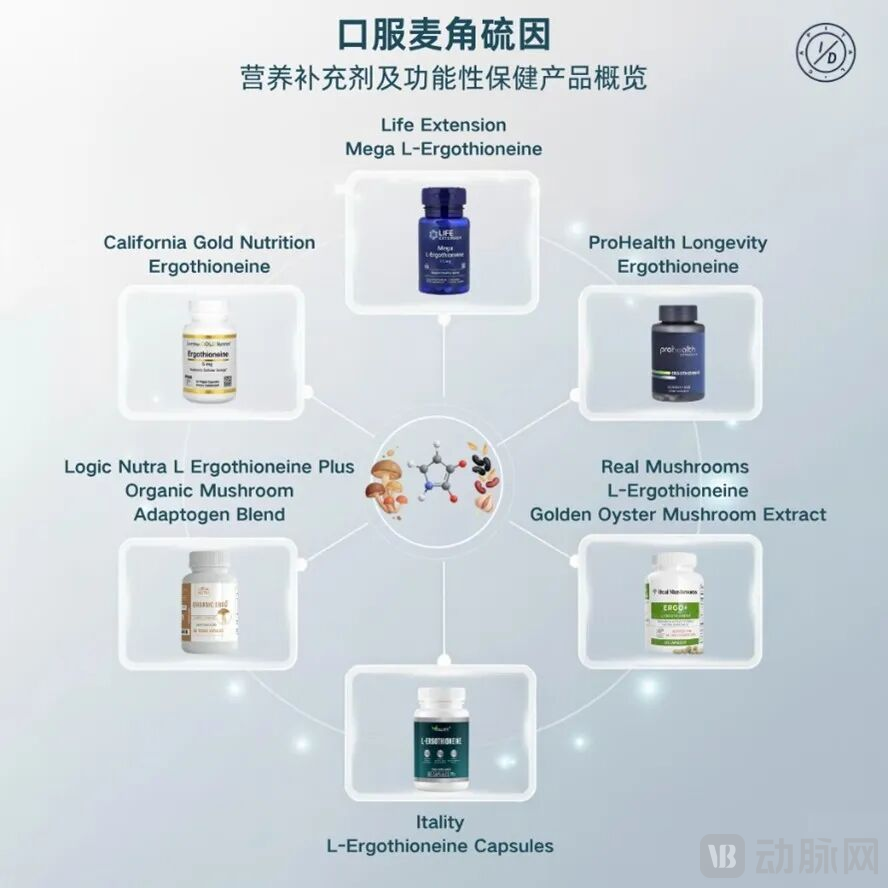 Overview of Oral Ergothioneine Nutritional Supplements and Health Products
Compiled and charted by: ID Capital
2) Nutritional Fortification in General Foods
Compared with dietary supplements, as the cost of ergothioneine continues to decline and its supply becomes increasingly stable, we believe that its properties—including cytoprotection, antioxidant activity, and anti-aging effects—have the potential to make it a new favorite in future functional foods and fortified nutritional products. Currently, ergothioneine has been approved as a food ingredient in Europe and the United States, where it can be legally used in categories such as beverages, dairy products, cereal bars, and chocolate. Thanks to its excellent stability and heat tolerance, ergothioneine retains its activity in baking and cocoa-based environments, offering chocolate products a new nutritional selling point. For example, Joyful Humans, a U.S. brand, explicitly includes L-ergothioneine in its “TeloNOURISH™” ingredient system within its REVIVAL™ Superfood Chocolate, emphasizing concepts of antioxidant protection and cellular repair.
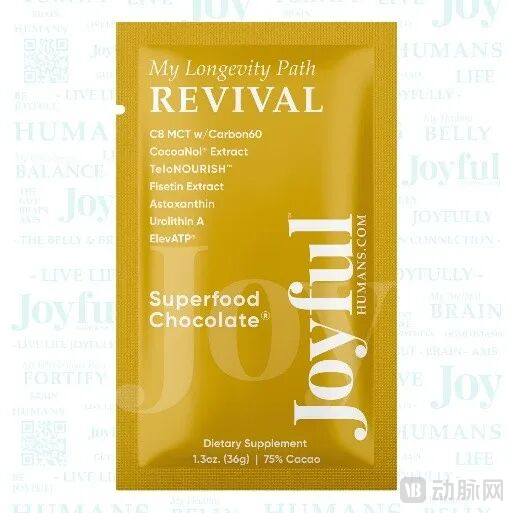
Joyful Chocolate with Ergothioneine
Image source: Joyful official website
3) Natural Preservatives and Food Antioxidants
It is worth noting that the commercialization of ergothioneine does not rely solely on its anti-aging properties. As early as the 2010s, food companies began using mushroom extracts rich in ergothioneine as natural preservatives to prevent blackening in seafood such as shrimp and crab during storage. Later, these extracts were also applied to fish, beef, and sausages to help inhibit oxidation and maintain color and flavor. Enoki mushroom extract serves as a typical example of such applications. We believe that with the stable supply, mass production, and reduced costs of ergothioneine in the future, its various natural functions will be increasingly leveraged and expanded.
The key to ergothioneine’s smooth transition from laboratory research to commercialization lies in the regulatory openness and safety recognition it has received in major global markets. In just a few years, this molecule, once confined to scientific papers, has been formally included on approved lists for legal use in the United States, the European Union, and many other regions worldwide, granting it a “pass” for entry into foods and dietary supplements.
Based on the European Food Safety Authority’s (EFSA) 2016 “Scientific Opinion on the safety of ergothioneine as a novel food ingredient,” the European Union officially adopted Regulation (EU) 2017/1281 in July 2017, approving Tetrahedron’s application to market ergothioneine as a novel food ingredient. Under this regulation, ergothioneine may be used in food products such as non-alcoholic beverages, cereal bars, dairy products, and chocolate, with a maximum content of 5 mg per serving. As a dietary supplement, the recommended maximum daily intake is 30 mg for adults and 20 mg for children aged three years and older. Notably, in 2017, EFSA conducted a supplementary assessment specifically for infants, young children, pregnant women, and lactating women, confirming that ergothioneine is safe for these special populations when consumed within the specified limits.
In May 2018, the U.S. Food and Drug Administration (FDA) determined that ergothioneine is Generally Recognized As Safe (GRAS) under its intended conditions of use. In January 2025, the FDA further tacitly approved biosynthetic ergothioneine produced via fermentation using Escherichia coli as a host organism as a GRAS food ingredient. This means that companies can incorporate ergothioneine into various food and nutritional products—including baked goods, beverages, and dietary supplements—without needing to obtain additional regulatory approvals. This approval has also positioned the United States as the world’s largest market for ergothioneine, with many biotechnology companies, such as Blue California based in California, already engaged in large-scale production and sales of related products, thereby providing a stable supply of raw materials for the entire industry.
In March 2021, Japan’s Ministry of Health, Labour and Welfare included ergothioneine in the “List of Ingredients Not Deemed Drugs Unless Therapeutic Claims Are Made,” thereby permitting its compliant use in food products.
China has not yet approved any applications for ergothioneine as a novel food ingredient. From 2024 through October 2025, the Center for Food Evaluation of the National Health Commission received seven applications for ergothioneine as a novel food ingredient in total. Apart from one application that was rejected, three companies’ applications have undergone three rounds of deferred re-examination.
Raw Material Name | Application No. | Approval Status |
Ergothioneine | Wei Shi Xin Shen Zi (2024) No. 0009 | Deferral |
Ergothioneine | Wei Shi Xin Shen Zi (2025) No. 0005 | Postponement |
L-Ergothioneine | Wei Shi Xin Shen Zi (2025) No. 0012 | Deferral |
L-Ergothioneine | Wei Shi Xin Shen Zi (2025) No. 0028 | Postponement |
L-Ergothioneine | Wei Shi Xin Shen Zi (2025) No. 0029 | Recommendation: Not Approved |
L-Ergothioneine | Wei Shi Xin Shen Zi (2025) No. 0032 | Postponement |
L-Ergothioneine | Wei Shi Xin Shen Zi (2025) No. 0033 | Postponement |
Across all dimensions—whether technical pathways, market applications, or regulatory approval progress—we are delighted to observe the prominent presence of numerous emerging Chinese technology companies. For instance, Yikelai has adopted a dual-drive approach in preparation technologies, translating cutting-edge research published in Nature into efficient and viable industrialization solutions; Sanbio has directly conducted human clinical trials, spearheading the integration of global clinical research data into comprehensive compendiums; and various domestic brand companies have developed diversified, multi-dimensional application strategies. All these factors lead us to believe that the groundwork for the growth of oral ergothioneine in China is fully mature.
We believe that as China approves the policy for oral ergothioneine in the near future, ergothioneine will undoubtedly become another benchmark showcasing the global competitive advantage of China’s biomanufacturing sector. This development will not only create significant business opportunities for biomanufacturing enterprises based in China but also allow more consumers to benefit from this new generation of anti-aging products.
Qunfei Zhao & Min Wang & Dongxiao Xu & Qinglin Zhang & Wen Liu. Metabolic coupling of two small-molecule thiols programs the biosynthesis of lincomycin A. Nature. 2015 Feb;518(7537):115-119. DOI: http://doi.org/10.1038/nature14137. PMID: 25607359.
Beelman, R. B., Kalaras, M. D., Phillips, A. T., & Richie, J. P. (2022). Health consequences of improving the content of ergothioneine in the food supply. FEBS Letters, 596(10), 1231–1240. https://doi.org/10.1002/1873-3468.14268
Halliwell, B., Cheah, I. K., & Tang, R. M. Y. (2018). Ergothioneine: A diet-derived antioxidant with therapeutic potential. FEBS Letters, 592(20), 3357–3366. https://doi.org/10.1002/1873-3468.13123
Katsube, M., Watanabe, H., Suzuki, K., Ishimoto, T., Tatebayashi, Y., Kato, Y., & Murayama, N. (2022). Food-derived antioxidant ergothioneine improves sleep difficulties in humans. Journal of Functional Foods, 95, 105165. https://doi.org/10.1016/j.jff.2022.105165
Liang, L., Shan-Shan, X., & Yan-Jun, J. (2025). Ergothioneine biosynthesis: The present state and future prospect. Synthetic and Systems Biotechnology, 10, 314–325. https://doi.org/10.1016/j.synbio.2024.10.008
Petrovic, D., Slade, L., Paikopoulos, Y., D’Andrea, D., Savic, N., Stancic, A., ... Filipovic, M. R. (2025). Ergothioneine improves healthspan of aged animals by enhancing cGPDH activity through CSE-dependent persulfidation. Cell Metabolism. Advance online publication. https://doi.org/10.1016/j.cmet.2024.12.008
Tian, X., Thorne, J. L., & Moore, J. B. (2023). Ergothioneine: An underrecognised dietary micronutrient required for healthy ageing. British Journal of Nutrition, 129(1), 104–114. https://doi.org/10.1017/S0007114522003592
Zhang, H., Liu, Z., Wang, Z., Lei, Z., Jia, Y., Chen, W., Shi, R., & Wang, C. (2025). A review of novel antioxidant ergothioneine: Biosynthesis pathways, production, function and food applications. Foods, 14(9), 1588. https://doi.org/10.3390/foods14091588
https://www.joyfulhumans.com/products/revival-superfood-chocolate-bar