

SanYouLiKang Secures IND Approval for China's First Precision CD146+ MSC Therapy Targeting Ischemic Stroke

Sanly cell
--
Mesenchymal Stem Cells (MSCs)Mesenchymal stem cells (MSCs) are a class of multipotent stem cells derived from tissues such as bone marrow, umbilical cord, adipose tissue, and placenta. They possess regenerative properties, including self-renewal and multidirectional differentiation capabilities. Additionally, MSCs exhibit characteristics such as immune system modulation, influence on the microenvironment surrounding damaged tissues, and enhancement of homing and trophic support for tissue repair, making them one of the primary seed cell sources for stem cell therapy. In the global clinical pipeline of stem cell drugs, MSC-based candidates account for nearly 70%. Among the 19 stem cell drugs currently marketed worldwide, 16 are MSC-based products, representing over 80%. Furthermore, according to a report by Research Nester, the global market size for MSCs reached $3.93 billion in 2024 and is projected to reach $23.37 billion by 2037, with a compound annual growth rate (CAGR) exceeding 14.7%.
It is evident that mesenchymal stem cells (MSCs) have become the most prominent “mainstay” in the field of stem cell therapy. However, traditional MSCs constitute a heterogeneous cell population comprising various functional subtypes, including those with immunosuppressive, pro-angiogenic, homing, and chemotactic properties. Significant variations in the proportional expression of these subpopulations lead to considerable heterogeneity among MSC batches, thereby preventing precise alignment with specific disease requirements. Currently, MSC-based therapies are grappling with a discrepancy between laboratory findings and clinical efficacy. The development of precisely defined MSC subtypes—isolated from heterogeneous MSC populations based on specific markers—offers a fundamental solution to MSC heterogeneity, thereby addressing the challenge of inconsistent clinical effectiveness. Consequently, the transition from heterogeneous MSC mixtures to the development of precise MSC subtypes represents an inevitable pathway for the MSC field to evolve from basic research into a mature pharmaceutical industry.
Recently, the human umbilical cord CD146+ mesenchymal stem cell injection independently developed by Beijing Sanly Cell Technology Co., Ltd. (hereinafter referred to as “Sanly Cell”) has officially received implicit approval for clinical trials from the Center for Drug Evaluation (CDE) (Acceptance Number: CXSL2500548). As the first precision subpopulation MSC (mesenchymal stem cell) pipeline in China to obtain Investigational New Drug (IND) approval, this injection is expected to overcome the clinical challenge of inconsistent efficacy in the MSC field, bringing new hope for precise treatment to patients with major diseases such as stroke.
The founding team hails from the Academy of Military Medical Sciences,
Focusing on "Precision Subtype" MSCs
In May 2021, Sanly Cell was officially established, relying on the Beijing Wu Zuze Science and Technology Development Foundation and the Zhongguancun Sanly Regenerative Medicine Research Center, with a focus on cell therapy technology and product development. The founding members of the company all have scientific research backgrounds from the Academy of Military Medical Sciences and have been deeply engaged in the field of cell and gene therapy for decades.
Professor Wang Lisheng, Founder and Chief Scientist,Mentored by Academician Wu Zuzhe, an academician of the Chinese Academy of Sciences and regarded as the “Father of Stem Cells” in China, he is a senior expert in the research and development of stem cell and gene therapy drugs. In the field of scientific research, Professor Wang Lisheng has undertaken more than 20 R&D projects, including those under the “National Key R&D Program” and the “National Major Science and Technology Project for New Drug Innovation.” He has published over 120 research papers and filed for or been granted more than 20 invention patents. In the realm of clinical translation, Professor Wang Lisheng has obtained three clinical trial approvals for new drugs, one Second Prize of the National Science and Technology Progress Award, two First Prizes of Provincial/Ministerial-Level Science and Technology Progress Awards, and one First Prize of the Military Science and Technology Progress Award.
Dr. Sun Huiyan, Co-Founder, Executive General Manager, and Chief Technology Officer,Dr. Sun Huiyan has conducted in-depth research into the pathogenesis of hematologic malignancies and the basic and translational aspects of cell therapy. She has served as principal investigator or co-investigator on more than 20 projects, including the China Postdoctoral Science Foundation, the National High-Tech Research and Development Program (“863” Program), the National Basic Research Program (“973” Program), the National Major Special Project for “Significant New Drug Development,” and the National Natural Science Foundation of China. She has contributed to the translation and compilation of one book, authored two monographs, published more than 30 peer-reviewed articles in her field, been granted seven patents, and received a Second-Class Award for Scientific and Technological Progress from the military.
Reflecting on her past experiences, Dr. Sun Huiyan recalled, “When I first joined the research project group at the Academy of Military Medical Sciences in 2001, senior colleagues were already conducting basic and translational applied research on cutting-edge therapies such as mesenchymal stem cells, embryonic stem cells, plasmids, and adenoviral vector-based drugs. Currently, some of these therapies have completed Phase III clinical trials and entered the stage of applying for market approval. In 2016, our team led and participated in the establishment of a cell therapy pilot-scale production workshop covering more than 4,000 square meters at the Protein Engineering Center of the Academy of Military Medical Sciences (located in the Changping Life Science Park). This facility was dedicated to the development and pilot-scale manufacturing of products such as plasmids, lentiviral vectors, immune cells, and mesenchymal stem cells. The construction of this platform laid a solid foundation for our team’s subsequent development of cell and gene therapies.”
From Dr. Sun Huiyan’s professional background, we can see that research and translational efforts in the field of cell and gene therapy were already underway in China more than two decades ago. However, this sector has yet to achieve large-scale commercial adoption due to numerous unresolved pain points. Taking mesenchymal stem cells (MSCs) as an example, key challenges hindering their development into stable pharmaceutical products include inconsistent efficacy, unpredictable therapeutic outcomes, difficulties in achieving stable large-scale manufacturing, and high commercialization costs.
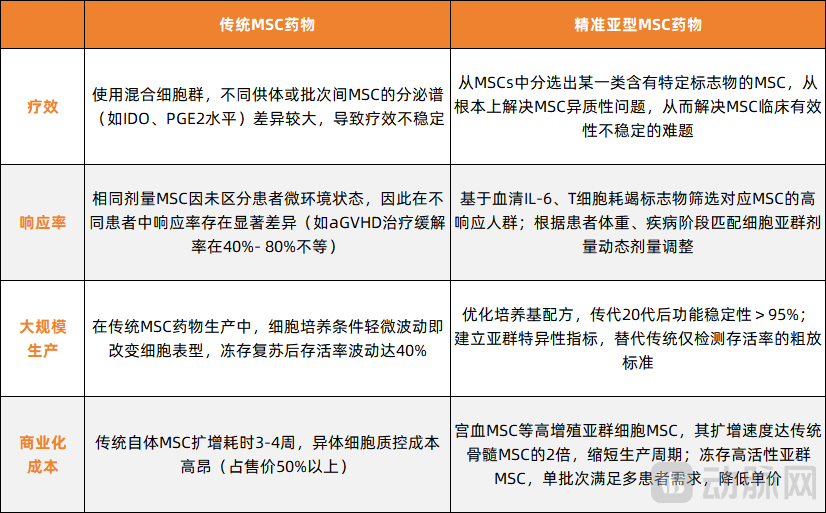
Dr. Sun Huiyan explained, “Over the past two decades, extensive basic research and clinical trials on mesenchymal stem cells (MSCs) have been conducted within the industry, accumulating a wealth of data. Based on these data, there is now a clearer consensus regarding the functional mechanisms, ethical considerations, safety profiles, and drug development pathways of MSC-based therapeutics. However, the therapeutic efficacy of MSC drugs has consistently lacked uniformity. This is because even primary cells derived from the same tissue can exhibit variations in cellular function due to differences in passage numbers and production batches, leading to fluctuations in therapeutic outcomes.”
The cellular heterogeneity of MSC-based therapeutics, which leads to fluctuating efficacy, is a persistent challenge within the industry that has never been fundamentally resolved. This issue represents the core strategic entry point that has enabled Sanly Cell to achieve rapid advancement and leadership in the MSC field. To address these pain points, the Sanly Cell team has developed precision subtype MSC therapeutics. Precision subtype MSCs are isolated from mesenchymal stem cells (MSCs) based on specific markers. By defining the active ingredients of "cellular drugs" with greater clarity and standardization, this approach fundamentally resolves the issue of MSC heterogeneity, ultimately ensuring that MSC-based therapeutics are highly efficacious, safe, stable, and predictable.
“CD146+MSC”
Propelling the Industry into the Era of “Subtype Competition”
Sanly Cell stated, “The transition from traditional mixed MSCs to the development of precise subtypes is an inevitable path for the MSC field to evolve from basic research into a mature pharmaceutical industry.” Among dozens of MSC-specific markers, researching and exploring the functional advantages of a defined MSC subset can largely ensure the stability and reliability of cellular functions.
Sanly Cell’s team analyzed extensive literature and completed relevant proof-of-concept studies, ultimately choosing to enter the MSC arena by targeting CD146.CD146 is a functional marker for a mesenchymal stem cell (MSC) subset. Over the past three decades, this marker has been validated to be deeply involved in physiological processes such as early human development, immune responses, and metabolism, while also playing significant roles in tumors, inflammation, and autoimmune diseases, with its mechanisms of action being well elucidated. CD146+ MSCs constitute an "elite force" within the mesenchymal stem cell population, characterized by high proliferative capacity, potent immunomodulatory effects, and pro-angiogenic properties. Studies using animal models of ischemic stroke and cellular functional assays have demonstrated that this subtype achieves precise therapeutic effects through the following mechanisms:
① Immunomodulation: CD146+ MSCs can regulate the expression of inflammation-related factors such as TNF-α, iNOS, and IL-6 in subjects with ischemic stroke after blood flow reperfusion; differentially regulate the proliferation and function of T cell subsets to reshape immune balance; improve inflammatory damage after cerebral ischemia-reperfusion, significantly reducing the area of cerebral infarction; ② Regenerative activation: CD146+ MSCs promote angiogenesis, improve circulation, achieve neurovascular unit protection, and enhance neurological function.
Sanly Cell leverages the superior immunomodulatory and angiogenic capabilities of CD146+ mesenchymal stem cells (MSCs) for the precise treatment of ischemic stroke. As the predominant subtype of stroke, ischemic stroke management aims to restore cerebral perfusion, improve circulation, and provide neuroprotection, ultimately achieving neural repair and functional recovery to enhance long-term prognosis. Currently, clinical post-thrombolysis or thrombectomy care for ischemic stroke patients primarily involves pharmacological interventions, such as free radical scavenging and neurotrophic support, to protect neurological function during the acute ischemic phase and lay the foundation for subsequent improvement in cognitive and motor functions during the recovery period. At present, clinical trials of mesenchymal stem cell therapy for ischemic stroke account for less than 5% of all indications. On one hand, there is a clinical need for more efficient innovative therapeutic products; on the other hand, there is an urgent need to explore relevant efficacy endpoints.
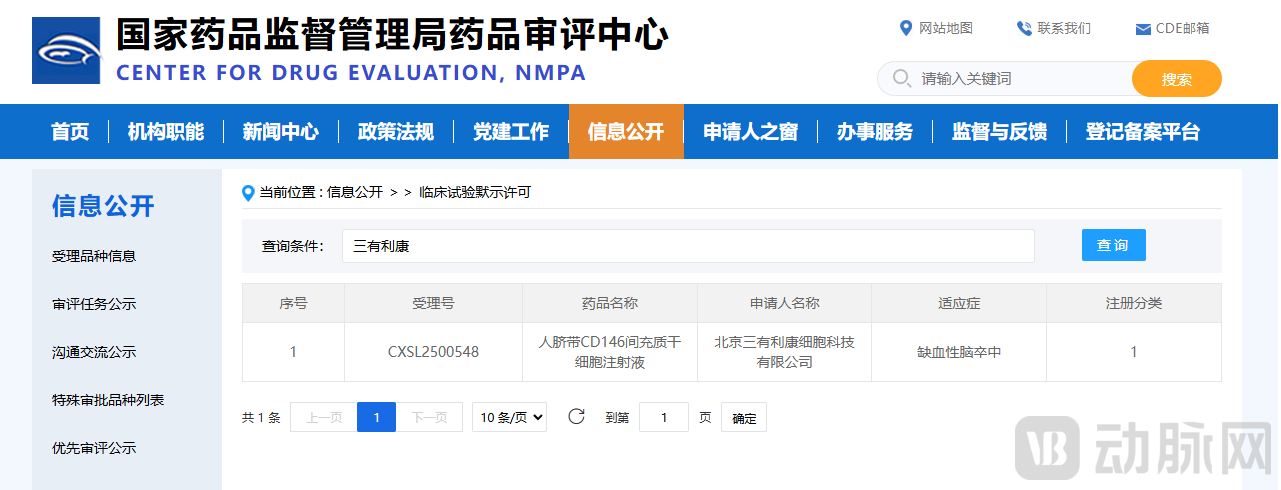
Sanly Cell’s recently approved human umbilical cord CD146+ mesenchymal stem cell injection is designed to protect the neurovascular unit. Through multiple infusions during the subacute phase, it alleviates tissue damage, modulates the secretion of inflammation-related factors and T-cell activity, and promotes angiogenesis via homing and paracrine effects. This therapy improves neurological symptoms, activities of daily living, and functional impairments caused by ischemic stroke, reduces recurrence rates, and demonstrates promising clinical application prospects.
In addition to the indication of ischemic stroke, Sanly Cell has laid out four other pipeline candidates based on CD146+ MSCs, covering multiple indications such as immune thrombocytopenia, premature ovarian insufficiency, liver failure, and sepsis. Dr. Sun Huiyan told VCBeat, “The clearer mechanism of action and more uniform subpopulation of the CD146+ MSC pipeline can effectively resolve the conflict between the ‘multi-target’ mechanism of MSCs and the traditional single-target drug review system, thereby increasing the success rate of regulatory approval. The more stable efficacy resulting from low heterogeneity also positions Sanly Cell to potentially accelerate its clinical progress and overtake competitors in large-scale Phase II and Phase III trials.”
Based on clinical experience with whole-cell therapies,
Steadily advancing multiple pipelines across three major segments
In addition to being based onStem Cell Therapy Technology Platform,In addition to prioritizing the development of five CD146+ MSC pipelines, Sanly Cell has also establishedTargeted Immune Cell Therapy Technology Platform, Cell Derivatives Platform,and has separately established pipelines for related products.
Leveraging its immune cell therapy technology platform, Sanly Cell has developed several targeted immune cell therapies. By employing ex vivo antibody modification techniques, the team engineers autologous or allogeneic NK cells into “biological missiles” that precisely target CD123. This approach achieves billion-fold expansion within two weeks while maintaining >90% cell viability, significantly enhancing the clearance efficacy against AML cells.More importantly, after ex vivo antibody modification, the drug can achieve effective therapeutic outcomes in a "gentler" manner, making this therapy an option for elderly patients as well.
Leveraging its cell derivative-based therapeutic technology platform, Sanly Cell has conducted parallel research on exosome manufacturing processes, stem cell functional evaluation kits, and stem cell culture media—life science application materials—during the development of novel cell therapies, filing joint regulatory submissions for these related products.
Dr. Sun Huiyan told VCBeat, “These three technology platforms are independent yet interconnected; for instance, they share quality control methods, testing methodologies, and technical backgrounds, while their product portfolios differ.” Furthermore, the development of these platforms facilitates the industrialization of in-house R&D pipelines internally and empowers industry chain partners in the field of precision cell therapy externally by providing them with relevant services.
This is also one of the key reasons why Sanly Cell can rapidly advance its pipeline. While empowering the industry, the company has also strengthened its expertise across the industrial chain through project accumulation. Prior to the company’s establishment, the Sanly Cell team was deeply involved in the development of multiple cell and gene therapy products, completed relevant clinical research projects, and accumulated clinical data from over 100 cases, laying a solid foundation for the development of next-generation cell therapies. Currently, following regulatory approval for clinical trials, the CD146+ mesenchymal stem cell subpopulation drug is preparing to initiate exploratory clinical trials at institutions such as Peking University First Hospital; meanwhile, the targeted NK cell therapy has commenced filed research studies at PLA General Hospital (301 Hospital).
As its pipeline advances and key milestones are continuously achieved, Sanly Cell is simultaneously pursuing market-oriented financing and business development (BD) collaborations. Looking ahead, Dr. Sun Huiyan stated, “In the near term, Sanly Cell will prioritize advancing clinical trials of CD146+ mesenchymal stem cells (MSCs) for ischemic stroke, demonstrating the clinical value of precision-subtyped MSCs to the industry through real-world clinical data. In the future, leveraging decades of accumulated expertise in cell-based drug development and insights into cutting-edge technologies, Sanly Cell will progressively advance its pipeline into clinical practice and the marketplace, ultimately building a sustainable portfolio of cell-based therapeutic products. This will provide evidence-based, accessible, and affordable precision treatment solutions for patients across a broad range of indications.”