

Capital Infusion Illuminates Ophthalmic CGT: When Will the 'Starlight' Shine in Reality?
On November 1, during the Ophthalmology Conference of the 2025 International Congress of Genomics (ICG EYE) and the CGT Innovation and Industrial Translation Summit, an industry-finance forum themed “Capital Empowering the Ophthalmic CGT Industry Ecosystem” was held in Shenyang. Leading experts and corporate representatives from the global ophthalmology, pharmaceutical, and investment and financing sectors gathered to decode the capital mechanisms facilitating the translation of cell and gene therapy (CGT) from the laboratory to clinical practice through in-depth dialogues, keynote speeches, and project roadshows, thereby injecting new momentum into the industrial ecosystem for precision ophthalmic therapies.
Participating investment institutions generally agree that ophthalmic cell and gene therapy (CGT) has become a high-quality sector prioritized for capital allocation. This field not only possesses intrinsic advantages such as well-defined disease mechanisms, high safety profiles of local delivery systems, durable effects from single-dose treatments, and controllable production costs, but also demonstrates significant “China advantages” in technological iteration, supply chain support, and clinical translation efficiency.
From the perspective of industry development trends, the R&D focus of ophthalmic cell and gene therapy (CGT) is strategically shifting from monogenic inherited rare diseases to common complex eye disorders. Diseases with large patient populations and urgent clinical needs, such as wet age-related macular degeneration (wAMD) and diabetic macular edema (DME), have become the current key targets for breakthroughs.
Currently, ophthalmic cell and gene therapy (CGT) has fully entered a period of triple resonance driven by technological breakthroughs, capital empowerment, and policy support. How can we accelerate the final mile in the implementation and translation of specific innovative achievements?
Capital-Industry Dialogue: Jointly Building an Innovation Ecosystem
The forum has timely established a platform for dialogue between industry and capital.
The forum was jointly hosted by He Eye Specialist Group, Liaoning He University of Medicine, He Eye Industry Group, and the Eye Gene Bank, with VCBeat as a co-organizer and support from the CSGCT Alliance. The event was moderated by Shen He, Investment Director of He Eye Industry Group.
Currently, the ophthalmic cell and gene therapy (CGT) industry is ushering in unprecedented development opportunities. With improvements in the precision of gene editing technologies, breakthroughs in the standardization of stem cell therapies, and continuous innovations in novel delivery systems, the industry has rapidly advanced from the basic research stage to the clinical translation stage. However, bridging the “last mile” from laboratory breakthroughs to commercial implementation urgently requires capital as a core link to effectively integrate the innovation chain, industrial chain, and funding chain, thereby building a comprehensive industrial ecosystem.
During the core dialogue session, Zhou Jinfeng, Board Secretary of He Eye Specialist Hospital Group, and Zhang Chong, Partner at Pinehe Capital, engaged in an in-depth discussion on “Building an Innovative Ecosystem for Ophthalmic Cell and Gene Therapy (CGT) Through Industry-Capital Collaboration.”
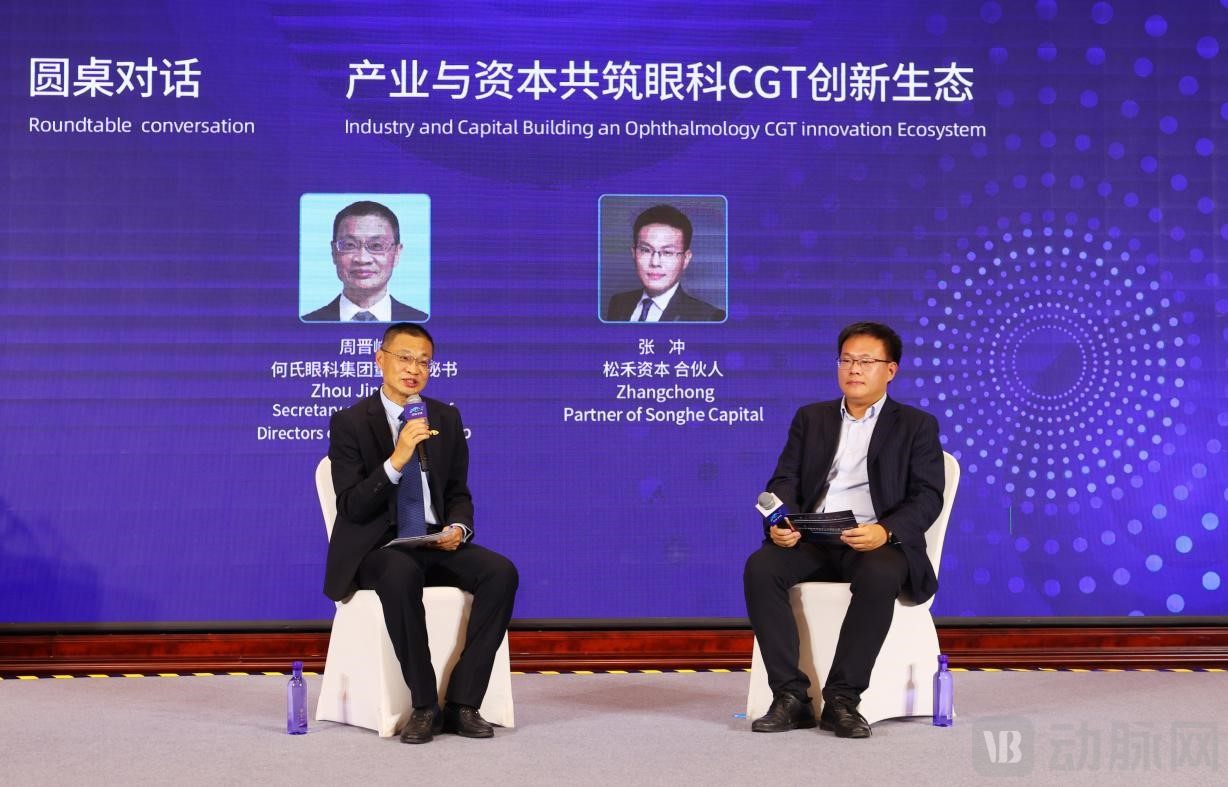
“Industry and Capital Jointly Build an Innovative Ecosystem for Ophthalmic CGT” Roundtable Discussion
Starting from He Eye Care’s industrial layout, Zhou Jinfeng introduced the group’s overall strategy in basic research, product development, clinical application, and internationalization. He stated that He Eye Care boasts National Key Clinical Specialties and a Clinical Medical Research Center for Ophthalmic Diseases, providing high-quality clinical data, patient resources, and a platform for conducting clinical trials. The group has made long-term and in-depth investments and conducted extensive research in areas such as gene editing for hereditary eye diseases, stem cell therapy for retinal diseases, and ocular tissue regeneration. In recent years, leveraging the advantages of its “He Smart Vision City” full-industry-chain ecosystem platform for eye health, He Eye Care has focused on three major fields: gene therapy, stem cell regenerative medicine, and data applications for intelligent ophthalmic equipment. It is carrying out cutting-edge technological research in ophthalmology, promoting the deep integration and intelligent application of advanced ophthalmic technologies with medical and health data, thereby offering patients a new model of digital, comprehensive, all-scenario, and full-lifecycle eye health management services. He Eye Care’s layout in Cell and Gene Therapy (CGT) constitutes an open ecosystem that will strengthen cooperation with enterprises in this field in terms of technology and capital. Zhang Chong, from a capital perspective, emphasized that with the maturation of the CDMO industry chain, domestic companies possess global competitiveness in technology, cost, and efficiency.
Ophthalmic CGT is a highly promising niche sector. First, the disease indications are well-defined, such as dry age-related macular degeneration, for which effective treatments are currently lacking. Second, the eye is an enclosed environment, allowing for high safety with local drug administration. Third, the required doses are small and production costs are low, making it suitable for industrialization.
With the accelerating pace of population aging and changes in eye-use habits, the incidence of ophthalmic diseases continues to rise, and the ophthalmic cell and gene therapy (CGT) sector is poised for explosive growth.
Cutting-Edge Technologies Unveiled: The Leap from Laboratory to Clinical Practice
Driven by capital support, technological innovation is advancing at an unprecedented pace.
During the keynote session, companies shared their experiences in transitioning from scientific exploration to commercial practice. In his presentation titled “Progress in the R&D and Commercialization Strategies of Gene Therapy Products in China,” Li Zhengbin, CEO and Director of Nuofus Biotechnology, revealed that ophthalmic gene therapy is at a critical juncture, moving from “scientific breakthroughs” to “commercial realization.”
He emphasized that the industry is shifting its focus toward developing treatments for more prevalent eye diseases with broader impact, such as wet age-related macular degeneration (wAMD), diabetic macular edema (DME), and diabetic retinopathy (DR). “Future breakthroughs will center on gene therapies targeting common conditions, large patient populations, and broad-spectrum targets.”
Thanks to the innovative mechanism of the Chapter 18A listing channel in Hong Kong, CGT companies have gained an efficient path to capitalization. Li Zhengbin stated that in 2024, 40 CGT companies were queued for IPOs on the Hong Kong Stock Exchange, hitting a record high, with their IPO valuations generally increasing by more than 30% compared to their previous financing rounds, reflecting strong recognition from the capital market for the ophthalmic CGT sector.
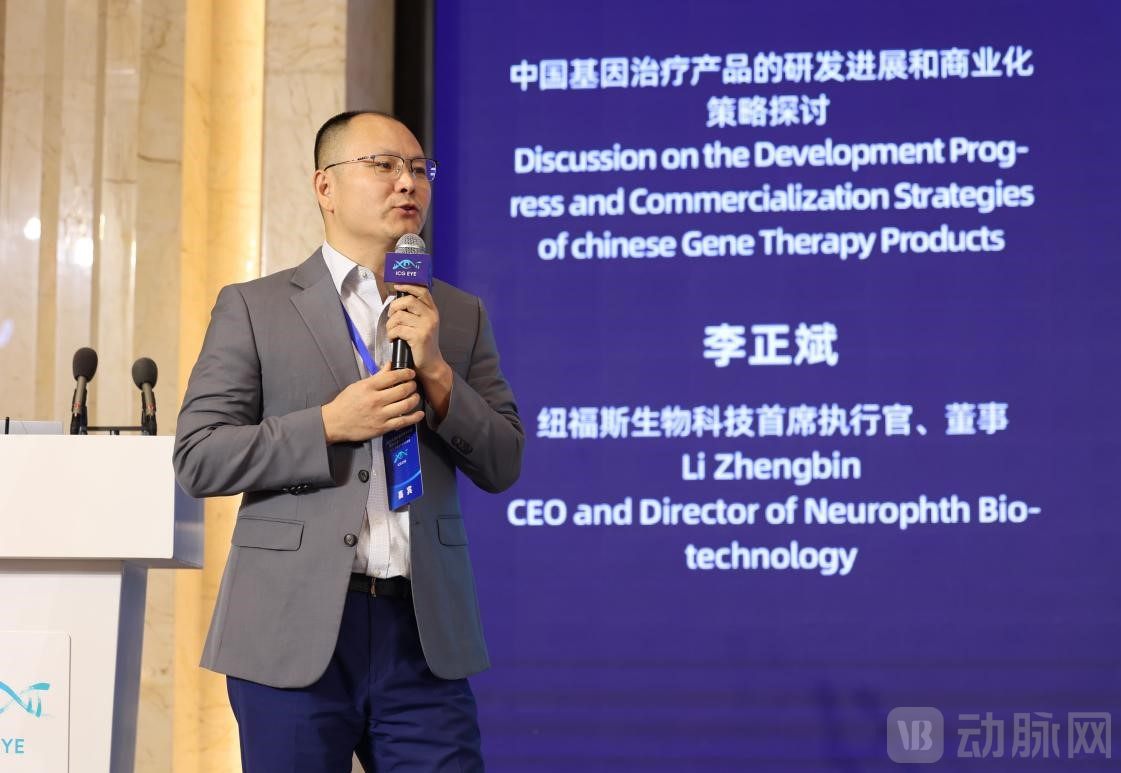
Li Zhengbin, CEO and Director of New Frontier Biotech, Delivers Keynote Address
Wang Caiyun, Business Director at Zhongsheng Suyuan, stated in her presentation titled “Latest R&D Advances in Stem Cell Therapeutics and Their Potential Applications in Ophthalmic Diseases” that the applications of induced pluripotent stem cells (iPSCs) in ophthalmology primarily include conditions such as limbal stem cell deficiency, retinitis pigmentosa, and macular degeneration. Compared with primary cells, iPSCs offer advantages such as unlimited expansion capacity, ease of genetic editing, and standardized manufacturing, making them suitable for developing “off-the-shelf” universal cell therapies and reducing costs to half those associated with primary cells.
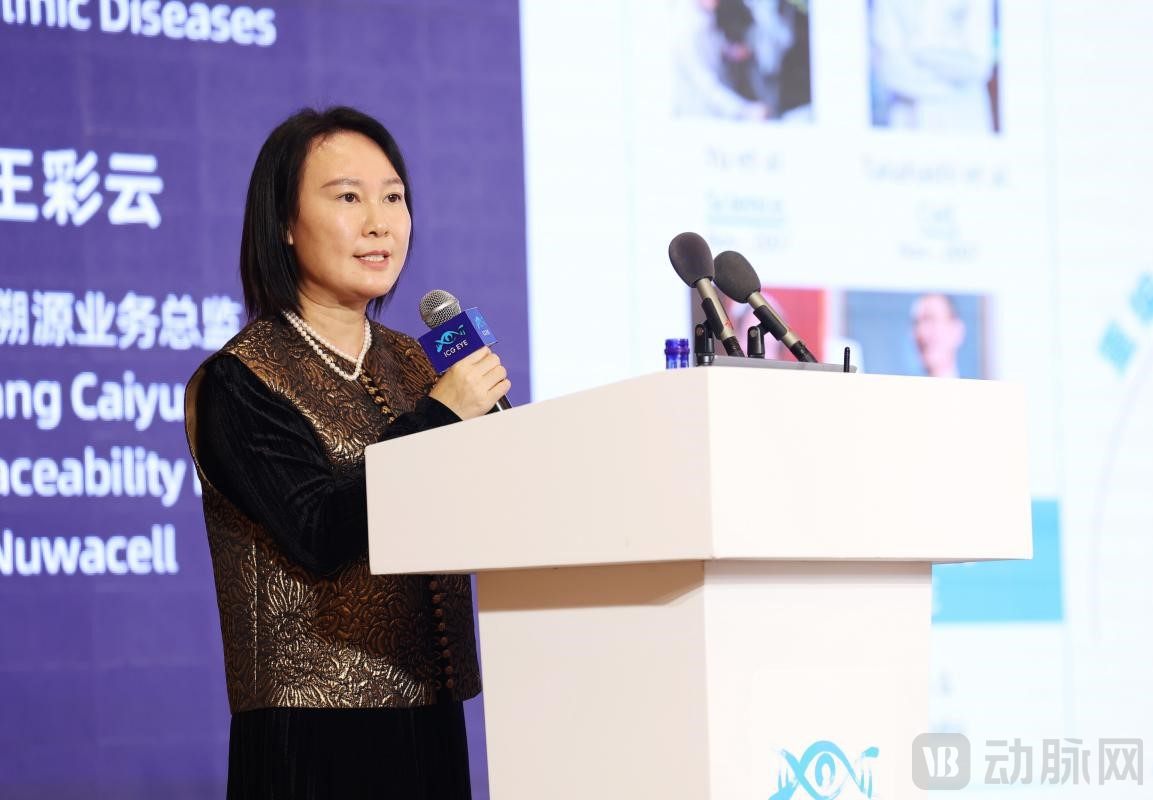
Wang Caiyun, Business Director of Zhongsheng Suyuan, Delivers Keynote Address
The standardization and automated production of iPSC technology have become a trend in industry development. With the improvement of quality control systems and the clarification of regulatory pathways, iPSC therapies are expected to achieve commercial breakthroughs first in areas such as corneal diseases.
This indicates that the synergistic effect between technological advancements and capital markets is reshaping the global competitive landscape of cell and gene therapy (CGT). The Chapter 18A listing channel of the Hong Kong Stock Exchange provides innovative enterprises with a sustainable financing platform, while China’s vast patient population and robust clinical research system are positioning the country as a key hub for global CGT technology validation and product development.
Star Project Roadshow: Capital Empowers the Commercialization of Innovative Achievements
After the Technological Icebreaker, How Does Capital Ignite the Industrial Engine?
The forum’s culminating project roadshow session served as a core platform for connecting capital with innovative ventures. Seven rigorously selected companies—Xingming Youjian, Biyang Pharmaceutical Technology, Nuojiebei, Bendao Gene, Huashi Nuowei, Meisaina Biotechnology, and Hengnuokang—took the stage in succession to showcase their technological breakthroughs and financing needs in fields such as gene editing, stem cell therapy, and targeted delivery.
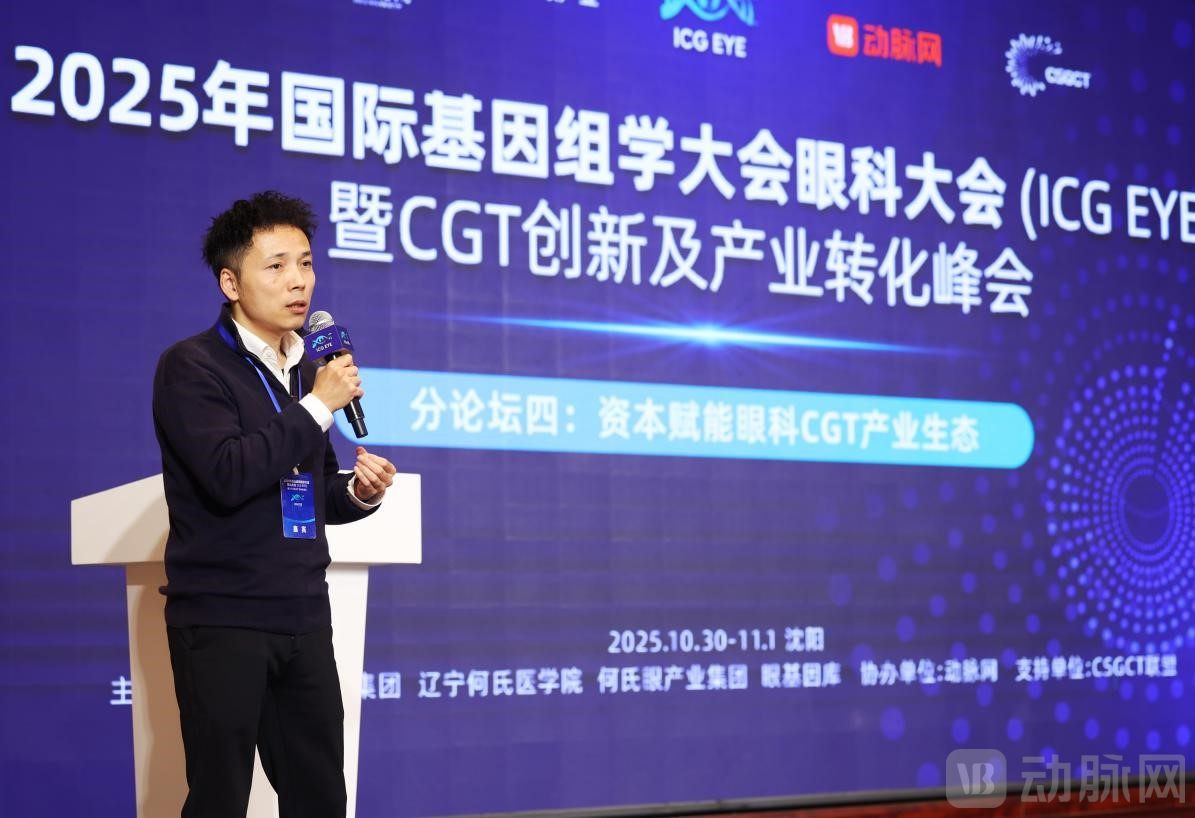
Xingming Youjian President Wu Kai Participates in Roadshow
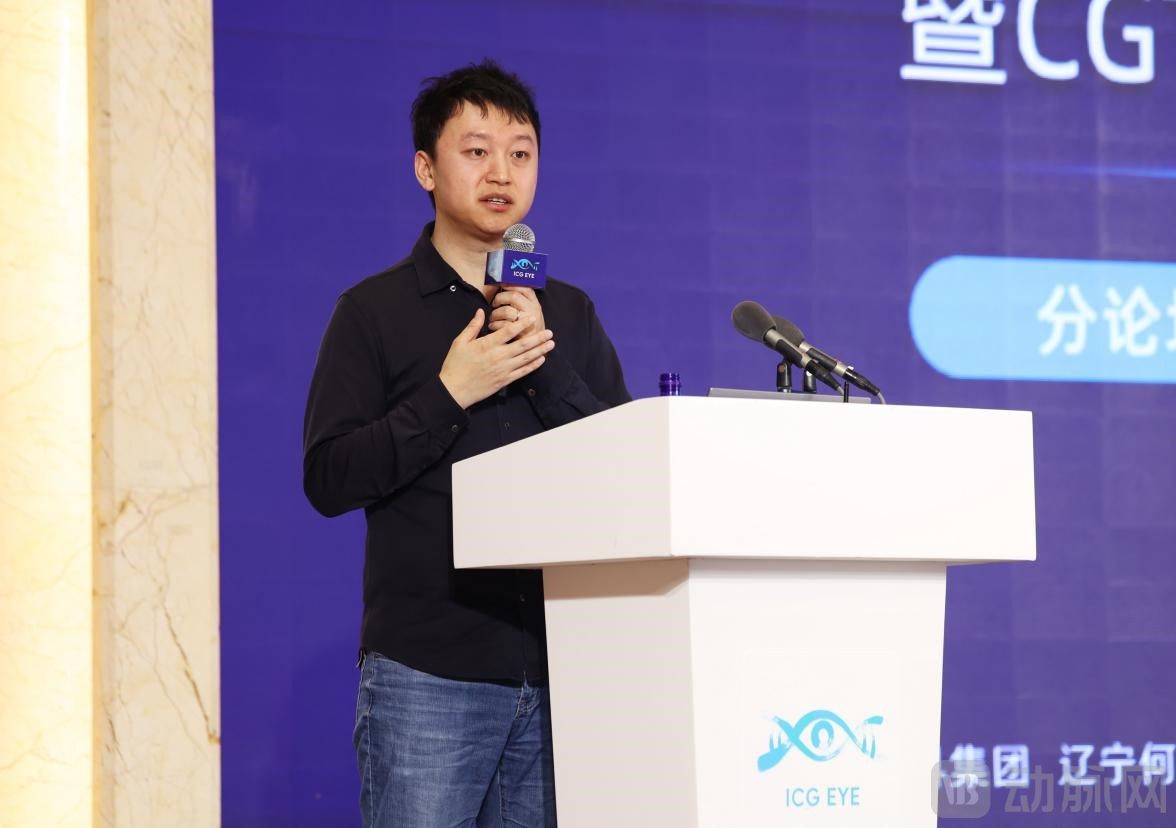
Tong Minghui, COO of Biyang Pharmaceutical Technology, Participates in Roadshow
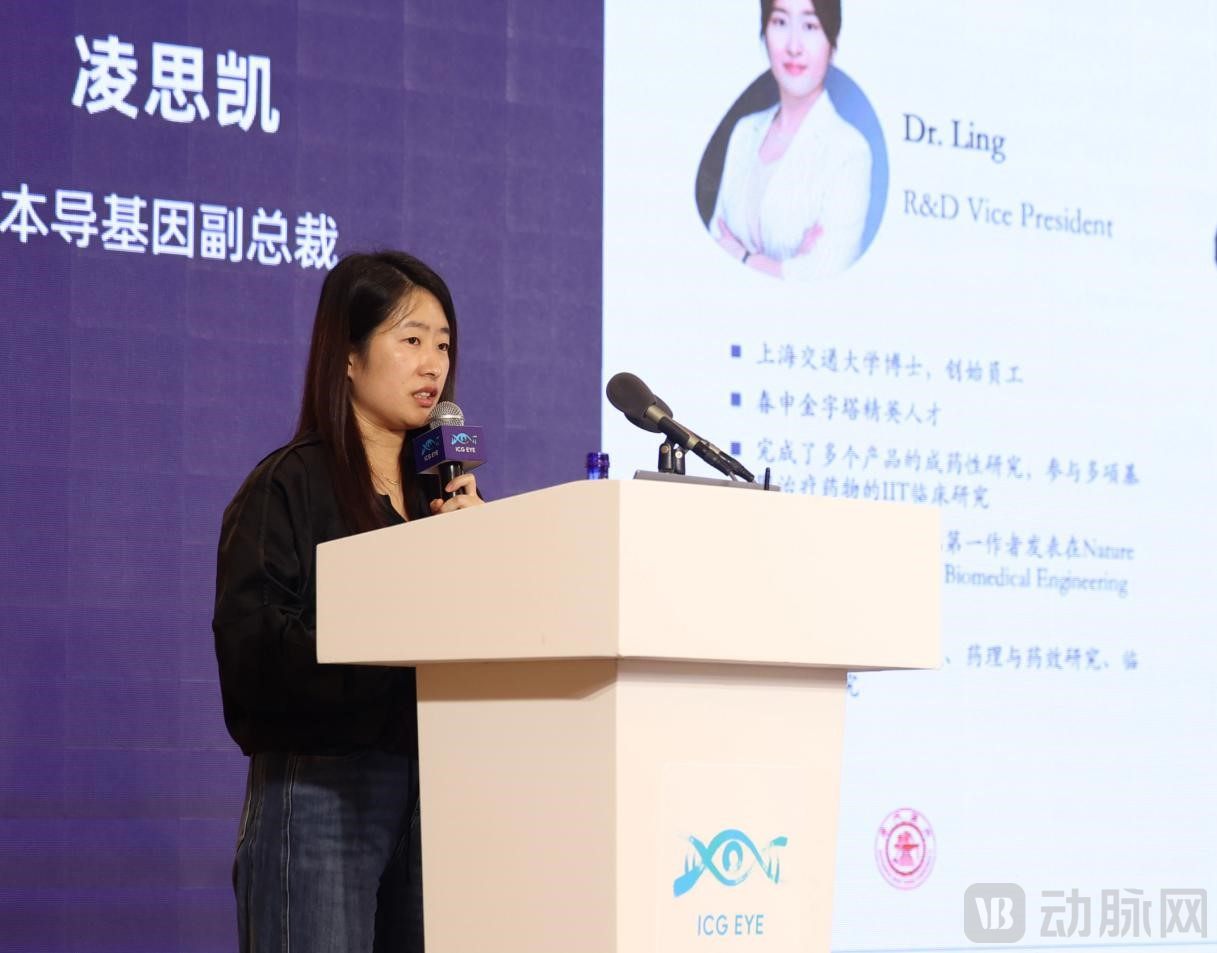
Ben Dao Gene Vice President Ling Sikai Participates in Roadshow
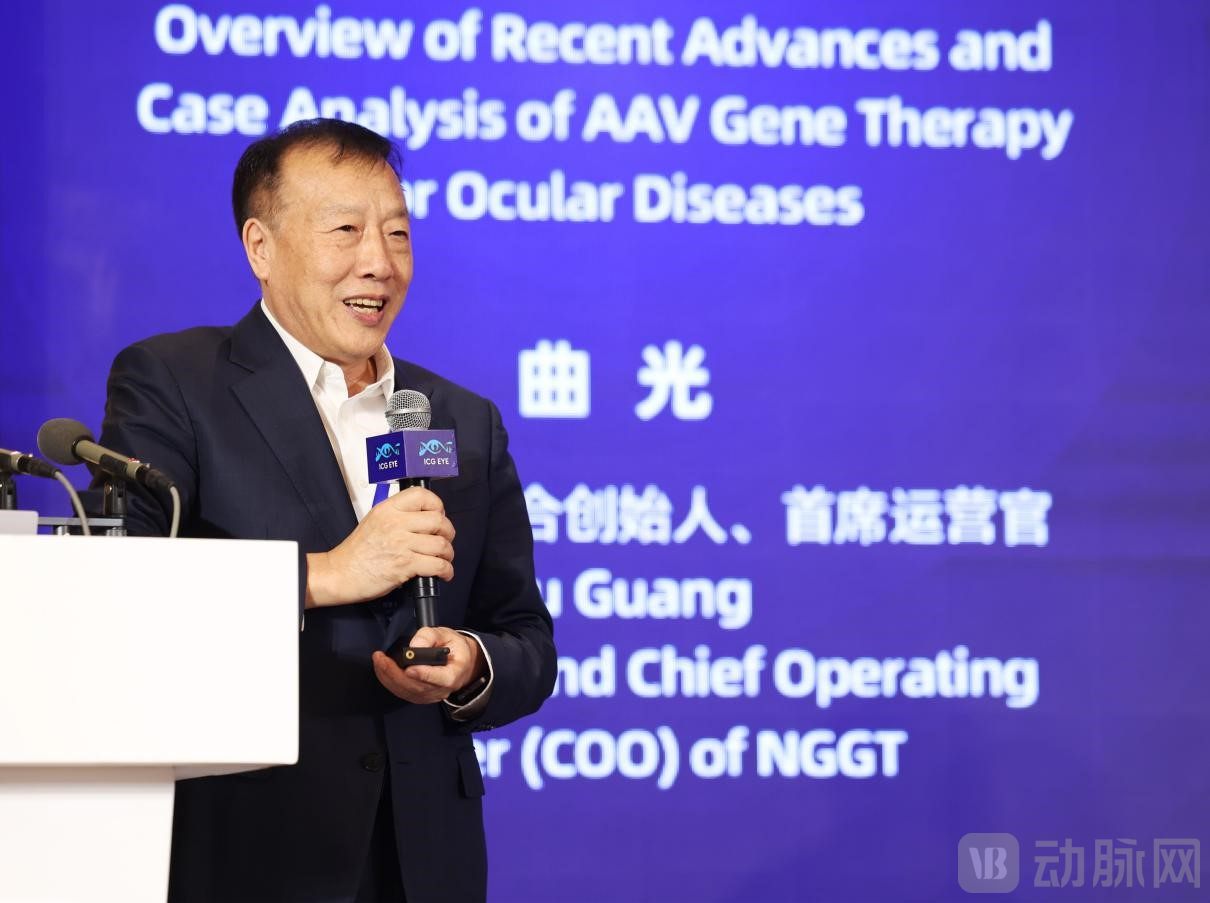
Qu Guang, Co-founder and Chief Operating Officer of Nuojiebei, Participates in Roadshow
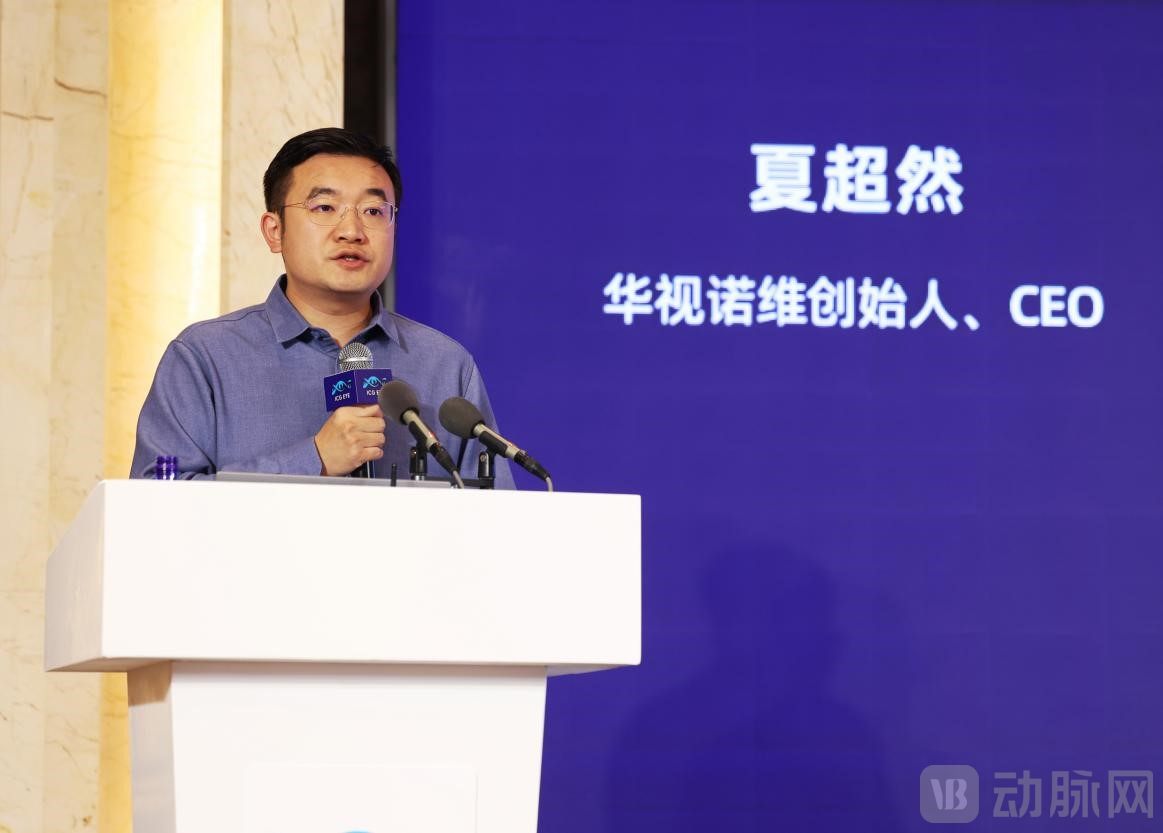
Xia Chaoran, Founder and CEO of Huashinuowei, Participates in Roadshow
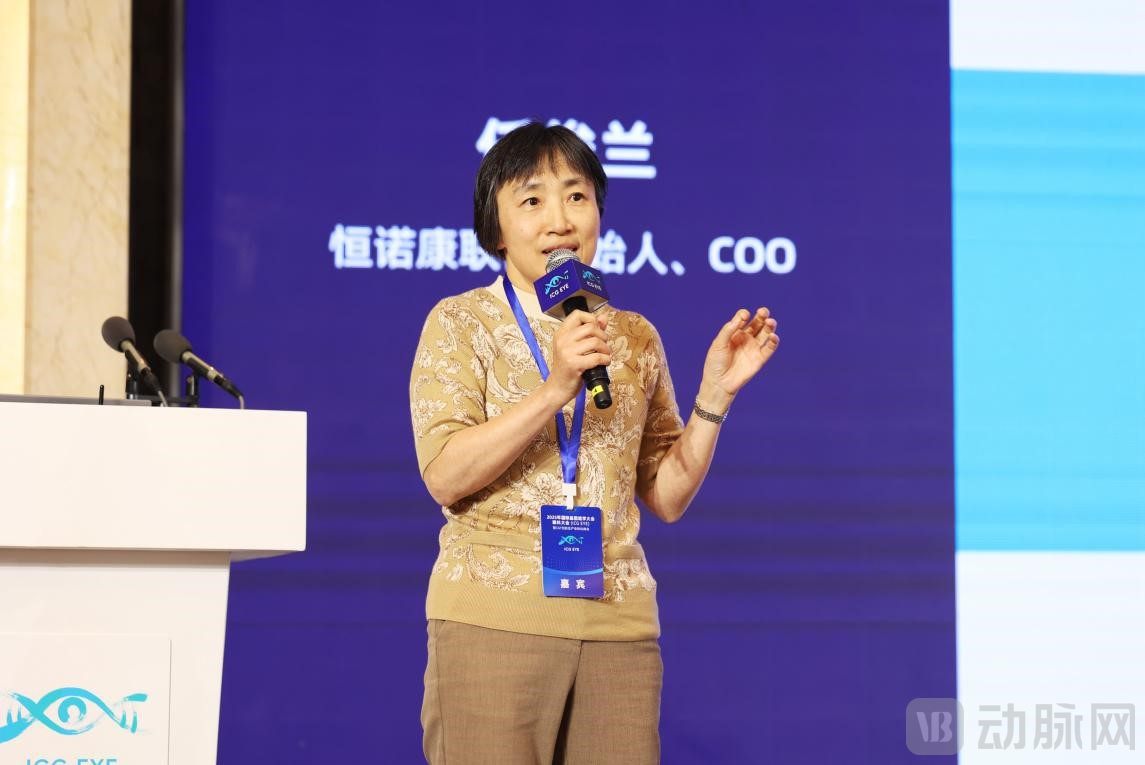
Ren Junlan, Co-Founder and COO of Hengnuokang, Participates in Roadshow
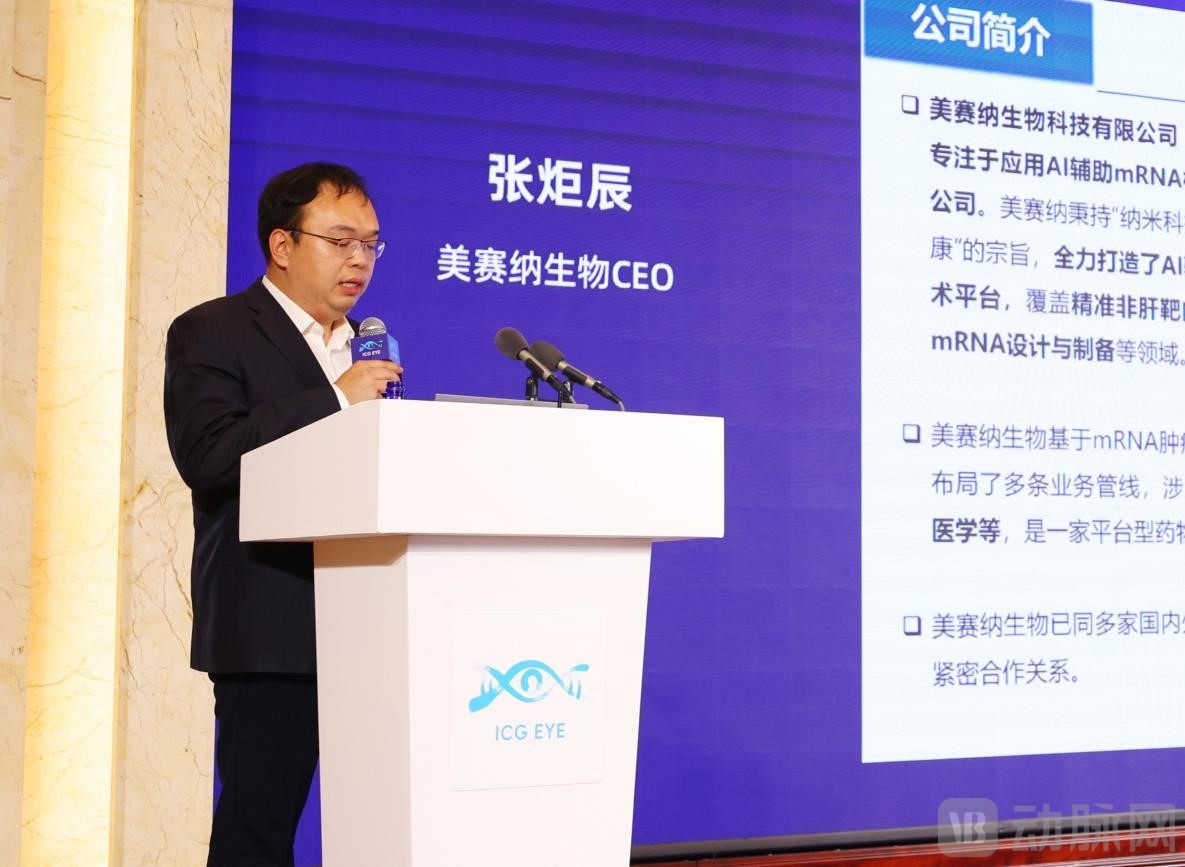
Meisena Bio CEO Zhang Juchen Participates in Roadshow
A panel of six top-tier investors, including Zhang Zheng, Head of Investment at He’s Eye Industry Group; Li Junhong, Partner at Longpan Investment; and Li Shuai, Vice President at Northern Light Venture Capital, provided precise evaluations across dimensions such as technological innovation, clinical value, and commercialization potential, with some projects reaching preliminary cooperation intentions on site.
At the forum, investors paid close attention to whether each project had established robust and differentiated technological barriers. For instance, regarding the VLP platform and the AI-driven LNP platform, investors specifically inquired about their targeting mechanisms and the principles underlying AI-based design. The practical pathway for projects transitioning from the laboratory to the market hinges on clinical translation risks and commercialization potential. Therefore, investors placed particular emphasis on how companies ensure the successful replication of preclinical data in human subjects and how they effectively reduce uncertainties during the translation process.
From a commercialization perspective, investors favor solutions that address significant clinical pain points, ultimately evaluating the project’s capital efficiency and its future potential for capitalization.
Multiple investors have stated that ophthalmic cell and gene therapy (CGT), as a core track in precision medicine, is seeing its market growth potential continuously expand amid an aging population and the trend of diseases affecting younger demographics.
The conference concluded amidst enthusiastic discussions among attendees, sowing the seeds for the next reunion of CGT industry elites.