

2025 Life Health Conference Successfully Held in Shanghai
On November 9, the 2025 Life and Health Conference grandly opened in Hongqiao, Shanghai, as a key event of the Shanghai Conference series at the 2025 China International Import Expo (CIIE). Co-organized by the Shanghai Yangtze River Delta Business Innovation Institute and multiple other institutions, the conference focused on the international development and collaborative innovation of the life and health industry. It attracted government representatives, academicians, experts, industry leaders, and corporate delegates from China, Indonesia, Singapore, and many other countries and regions, who gathered to discuss cooperation and chart a course for mutual development.
Focusing on International Collaboration, Discussing the New Future of the Industry
Themed “Two-Way Opening-Up: New Pathways for Industry Win-Win Global Expansion,” the conference featured in-depth discussions on core topics including frontier biomedical technologies, genomic medicine, cross-border industrial ecosystems, and the commercialization of scientific and technological achievements. At the opening ceremony, Yang Xubo, Member of the Party Leadership Group and Deputy Director of the Shanghai Hongqiao International Central Business District Administrative Committee; Taruna Ikrar, Head of the Indonesian National Agency of Drug and Food Control (BPOM); and Jiang Bin, Executive Deputy Dean of the Shanghai Yangtze River Delta Business Innovation Research Institute, delivered remarks, unanimously underscoring the importance and urgency of strengthening collaborative innovation in the life and health sector from a global perspective.
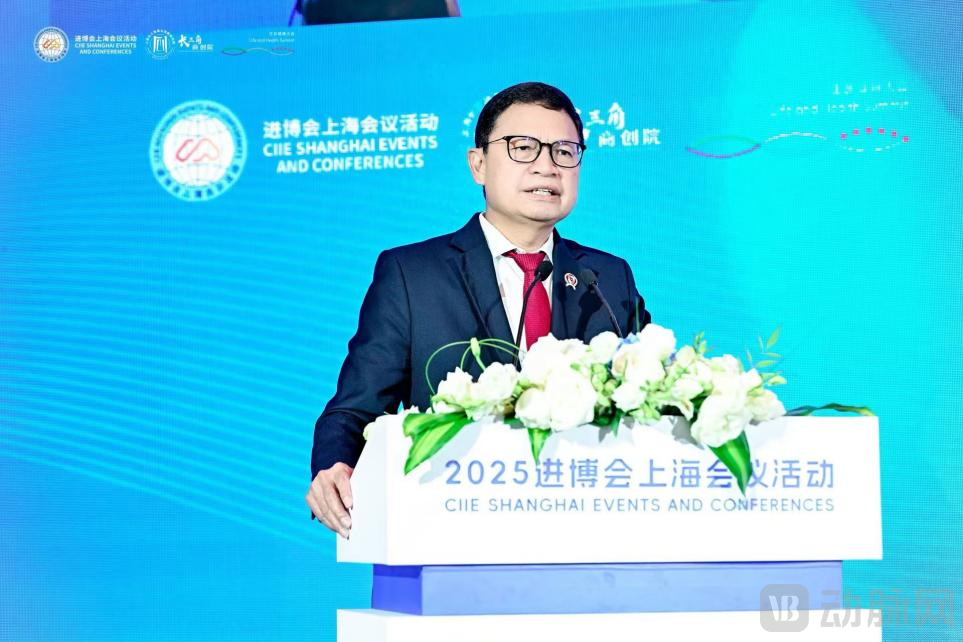 Taruna Ikrar
In his address, Director Taruna Ikrar emphasized the core spirit of prioritizing collaboration over competition in the era of globalization. He pointed out that no country, whether China, Indonesia, or any other nation, can tackle global health challenges alone; instead, common development and win-win outcomes must be achieved through cooperation. He further shared trends in the global pharmaceutical market, noting that biologics now account for 65% of the $1.3 trillion global drug market and that the industry is evolving from chemically synthesized drugs to biologics, and further toward advanced therapy medicinal products (ATMPs) such as cell and gene therapies. He specifically highlighted the significant development opportunities for Asia in the field of advanced therapies and invited global investors to collaborate with Indonesia. To this end, the Indonesian Food and Drug Authority (BPOM) is continuously optimizing regulatory processes and improving review efficiency, striving to provide more efficient support for international cooperation and product registration, thereby jointly forging new pathways to global markets.
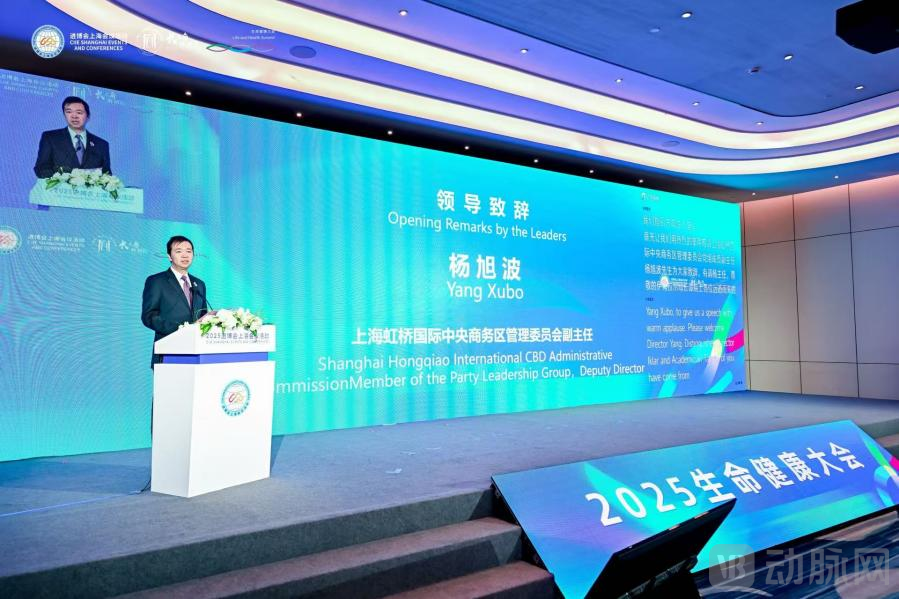
Yang Xubo
In his address, Yang Xubo stated that Hongqiao, as the permanent host venue of the China International Import Expo (CIIE) and the core area of the international open hub, is making every effort to build an integrated overseas expansion service system featuring “streamlined government services, a smart ecosystem, and global resources,” thereby helping Chinese enterprises transition from “product exports” to “ecosystem co-creation.” Jiang Bin pointed out that the Yangtze River Delta region, as a key cluster for China’s life and health industry, will promote deep integration of industry, academia, and research with a more open attitude, working hand in hand with international partners to create a healthier future.
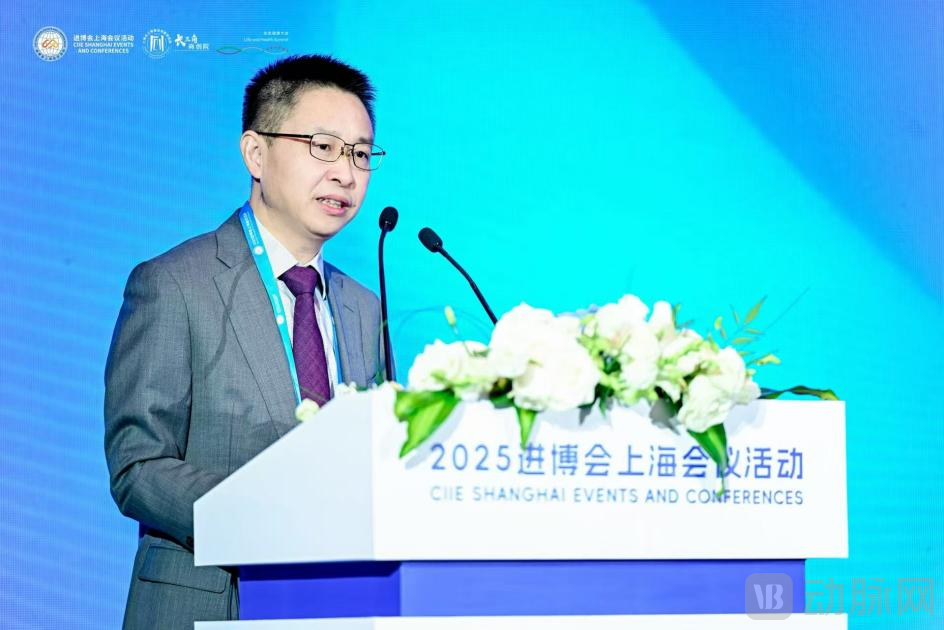 Jiang Bin
Led by Academicians, Exploring the Frontiers of Science and Technology
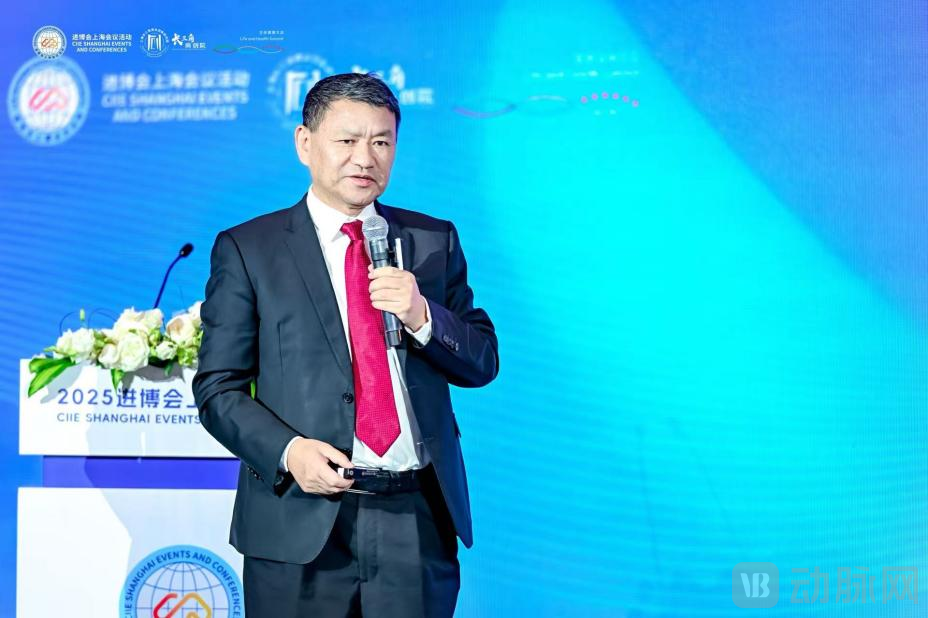
Tan Weihong
The conference specially invited Tan Weihong, an academician of the Chinese Academy of Sciences and Director of the Hangzhou Institute of Medicine, to deliver a keynote address titled “International Collaborative Innovation and Application Prospects for Frontier Biomedical Technologies.” Academician Tan pointed out that China’s life and health industry must rely on innovative technologies to expand globally, noting that we have now entered the era of “molecular medicine.” He emphasized that the understanding, diagnosis, and treatment of diseases must be based on the molecular level. He shared his team’s practices in frontier fields such as nucleic acid aptamers and antibody-drug conjugates (ADCs), which have successfully achieved differentiation between inflammation and cancer in bladder cancer, as well as precise subtyping of triple-negative breast cancer. He called for building “academic peaks” to support “industrial highlands,” promoting innovative drug development through basic science-driven clinical research to serve public health, thereby seizing the boundless opportunities of the Healthy China era.
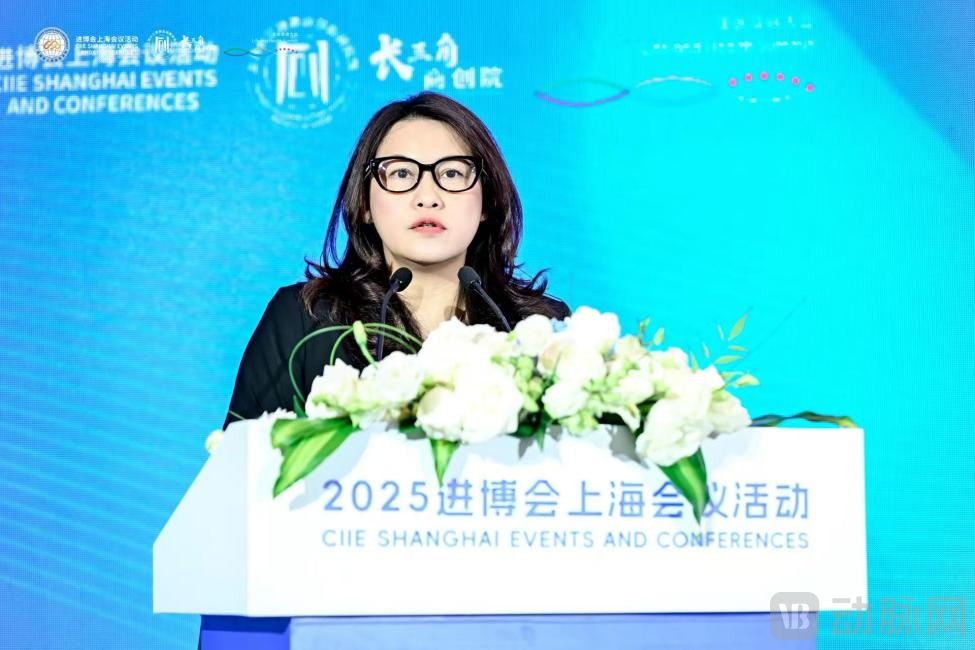 Indri Rooslamiati
Indri Rooslamiati, Director of the Center for Biomedical and Genomic Health at the Indonesian Ministry of Health, shared key progress on the country’s National Genomics Program. The initiative aims to establish a local genomic database to address the underrepresentation of Asian populations in global drug development. She highlighted experiences in applying genomic technologies to the prevention and control of priority diseases such as tuberculosis and cancer, and in integrating these technologies into clinical practice and national policy. Furthermore, she emphasized that Indonesia has optimized its clinical trial approval processes to foster innovation and extended a sincere invitation to global partners for collaboration in research and development, advanced therapies, and related fields.
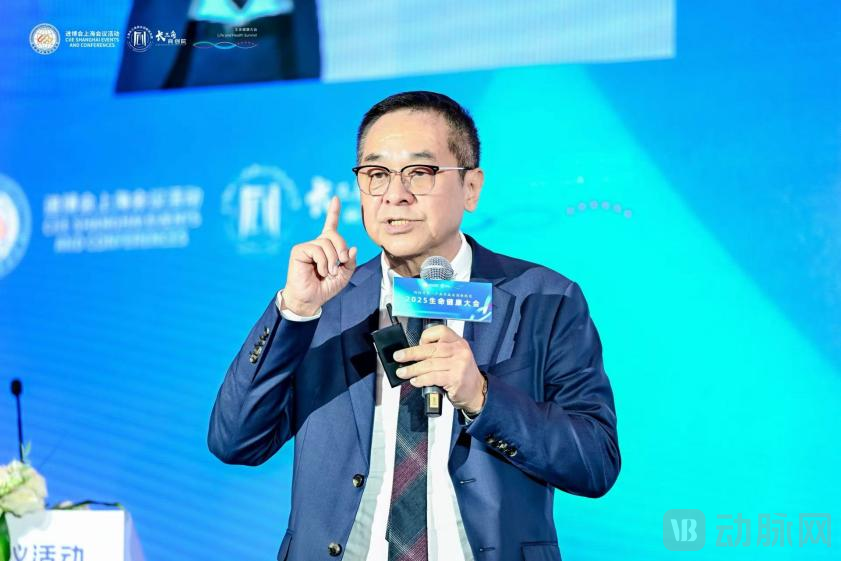
Yu Changhai
Yu Changhai, Chairman of the Hong Kong Biotechnology Association, highlighted the specific services and advantages Hong Kong offers to foster innovation and global expansion in the life and health industry. He noted that, leveraging the unique framework of “One Country, Two Systems,” Hong Kong is actively building itself into an international innovation and technology hub. Through concrete measures such as establishing a dedicated task force to support mainland enterprises in going global, streamlining drug certification processes (e.g., the “1+” mechanism), and developing the Hetao Science and Technology Park, Hong Kong has created a one-stop service platform covering financing, legal affairs, and intellectual property. Meanwhile, the Hong Kong Biotechnology Association effectively connects global resources by hosting platforms such as the BIOHK International Summit, fully supporting life and health enterprises in both “going global” and “bringing in” international expertise and investment.
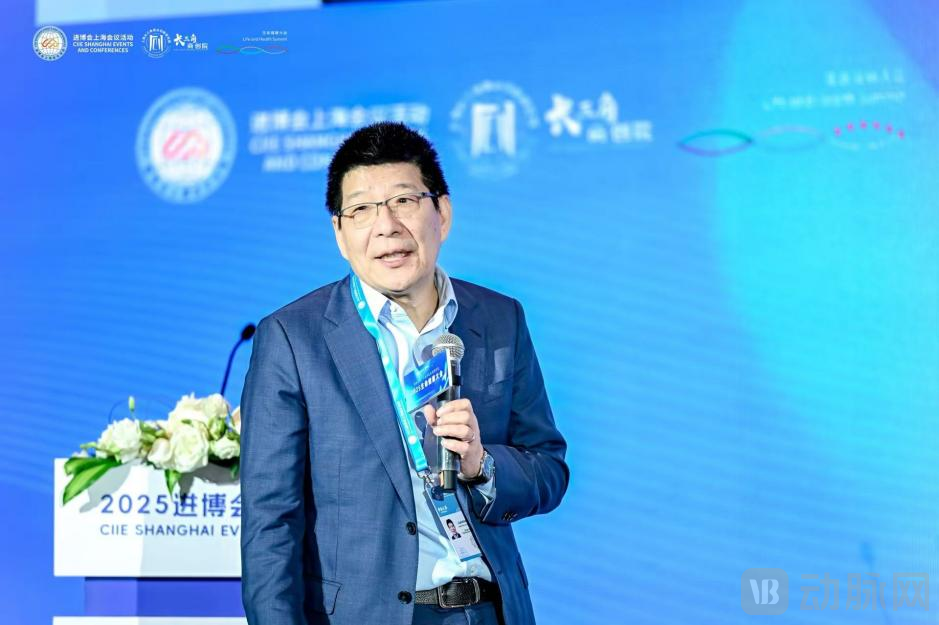
Zhang Lianshan
Zhang Lianshan, Executive Vice President of Hengrui Medicine, shared the company’s strategic experience in driving internationalization through out-licensing. Through multiple collaborations with global pharmaceutical giants such as GSK and Merck & Co., Hengrui has upgraded its approach from single-product licensing to platform-based authorizations. He emphasized that selecting the right partners, maintaining a differentiated product pipeline, and retaining rights in the Chinese market are key factors. Currently, Hengrui has established a comprehensive presence across multiple therapeutic areas, including oncology, chronic diseases, and small nucleic acid drugs, continuously promoting the global expansion of Chinese pharmaceuticals through innovative R&D and international cooperation.
Roundtable Discussion: Co-building a Cross-Border Ecosystem to Unlock Innovation Momentum
In the two subsequent roundtable discussions, participants engaged in in-depth dialogue on topics such as global expansion of the industry and the translation of innovations into practical applications.
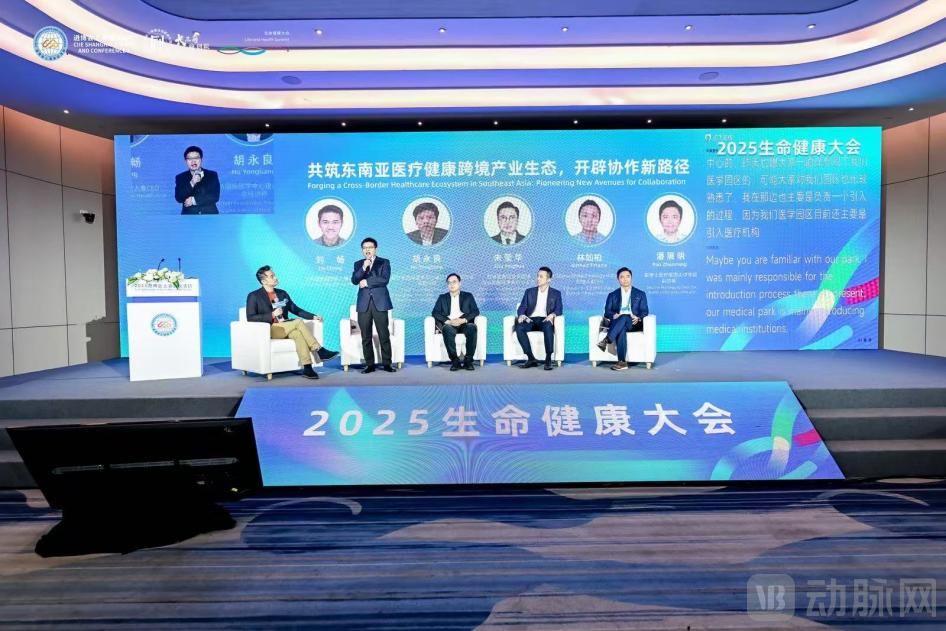
The inaugural forum, themed “Jointly Building a Cross-Border Industrial Ecosystem for Healthcare in Southeast Asia and Pioneering New Paths for Collaboration,” was moderated by Liu Chang, Founder and CEO of iShoukang Asia. Distinguished participants included Zhu Yinghua, Director of the Investment Promotion and Public Services Center of the Hongqiao Administrative Committee; Hu Yongliang, Chief Economist of Shanghai New Hongqiao International Medical Center Construction & Development Co., Ltd.; Nathan Tirtana (Lin Rubai), President Director of Etana Indonesia; and Pan Zhanming, Vice President of Greater China at Raffles Medical Group. The panelists concurred that while the Southeast Asian market holds immense potential, it still faces significant localization challenges. There is an urgent need to address key barriers such as regulatory market access, health insurance reimbursement, and clinical guidelines. Through bidirectional cooperation, resource integration, and joint capacity building, enterprises can be empowered to achieve leapfrog development, transitioning from merely “going global” to deeply “integrating locally.”
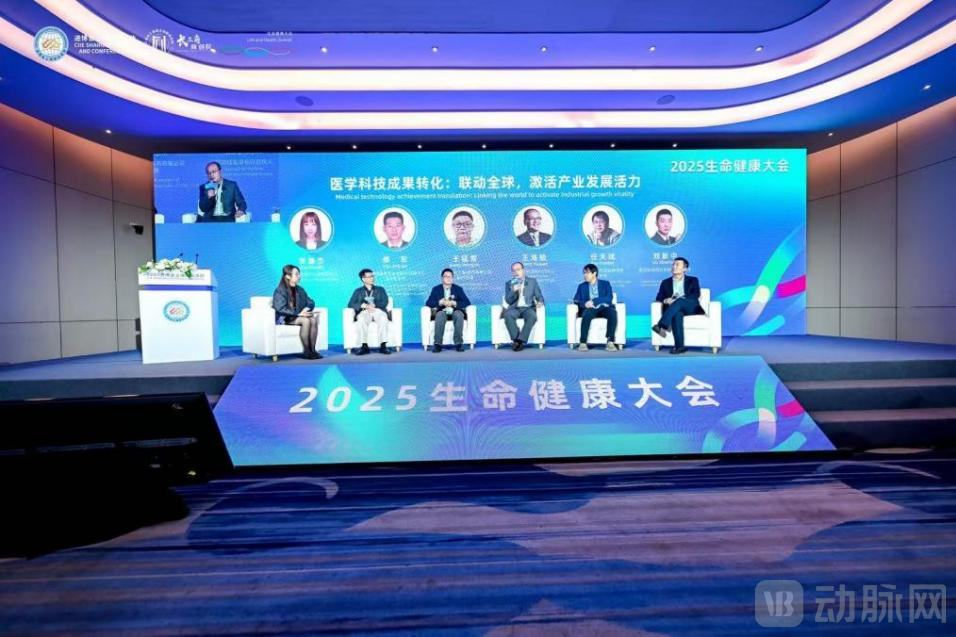
The second forum focused on “Translation of Medical Scientific and Technological Achievements: Linking Globally to Energize Industrial Development,” moderated by Zou Zhenjie, Partner in Healthcare at Yicai (First Financial). Panelists included Fu Jun, Executive Deputy Director of the Shanghai International Center for Translation of Medical Technologies; Wang Mengzhi, Deputy General Manager of China Resources Guobang (Shanghai) Pharmaceutical Co., Ltd.; Wang Haijiao, Executive Partner at GTJA Investment; Ren Tianbin, Director of the Yangtze River Delta Institute of Functional Materials; and Liu Xinzhong, Deputy Director of the Fudan Science Park Development Research Institute. The experts emphasized the need to strengthen product definition capabilities along the “clinic-to-market” pathway, build a collaborative ecosystem among scientists, capital, and industry, leverage innovative tools such as artificial intelligence to enhance translation efficiency, and establish evaluation and global market-entry mechanisms aligned with international standards.
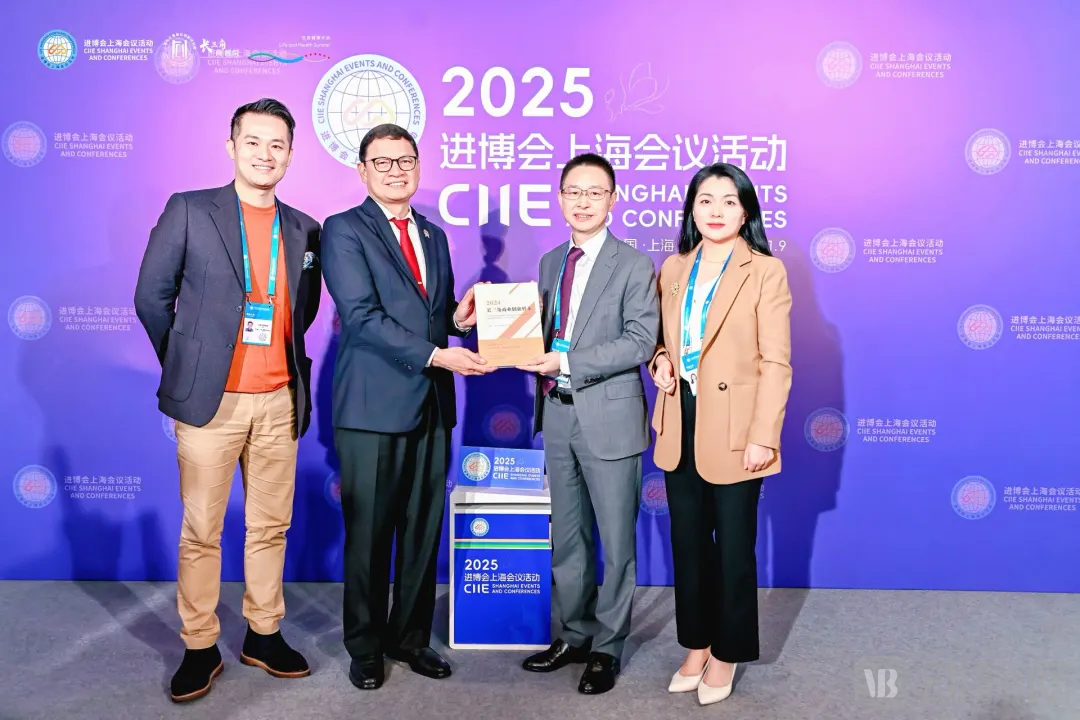
During the conference, Jiang Bin, Executive Deputy Dean of the Shanghai Yangtze River Delta Business Innovation Institute, presented a commemorative gift symbolizing friendship and cooperation to Taruna Ikrar, Head of the Indonesian Food and Drug Authority (BPOM), reflecting the shared vision of both parties to deepen collaboration in the field of life and health.
This Life and Health Conference fully demonstrates China’s determination and actions to promote the high-quality development of the life and health industry against the backdrop of high-level opening-up. The conference not only established a high-end platform for dialogue and resource matching between Chinese and foreign enterprises, but also provided strategic guidance and practical pathways for Chinese life and health companies to “go global” and “integrate locally.”