

Ping An Launches 'Three Strengthening Foundations, Four Supports' Model to Empower Primary Healthcare

PINGAN GOOD DOCTOR
Internet Medical Health Platform
Recently, the 8th Shenzhen General Practice Medical Conference was held in Shenzhen. Leaders from the China Community Health Association and primary healthcare associations across 21 provinces and municipalities, together with more than 1,200 representatives from the national primary healthcare sector, gathered to discuss the implementation of the National Healthcare Foundation-Strengthening Project and to promote new developments in primary medical services. At the event, Academician Gu Dongfeng of the Chinese Academy of Sciences, Jiang Hong, Party Secretary of Southern University of Science and Technology, Nie Chunlei, former Director of the Department of Primary Healthcare under the National Health Commission, Liang Wannian, former Director of the Department of System Reform, along with presidents of primary healthcare associations from major cities across China, jointly launched the “Healthcare Foundation-Strengthening Project Action and National Certification Program for Family Doctor Quality” (hereinafter referred to as the “Program”). Relevant executives from PINGAN GOOD DOCTOR (Ping An Health Internet Company Limited) and Ping An Life Insurance Company of China, Ltd. (hereinafter referred to as “Ping An Life”) shared the practical achievements of the Program on-site, receiving widespread recognition and affirmation from national primary healthcare associations and attending guests.
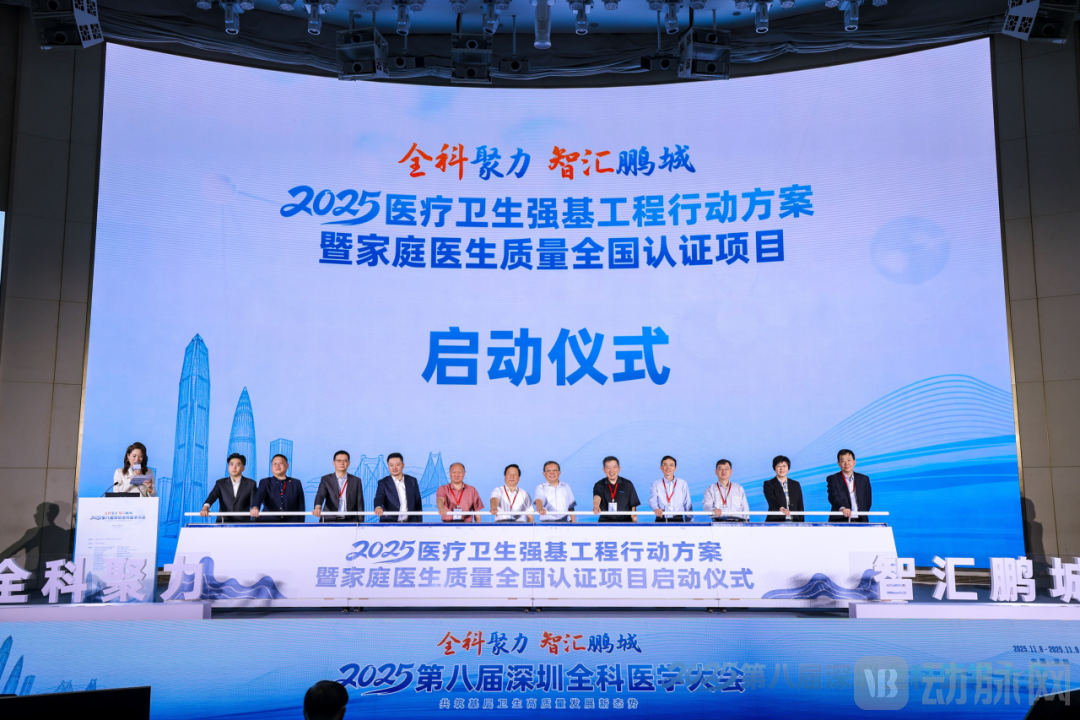 Launch Ceremony of the Healthcare Foundation Strengthening Initiative and the National Certification Program for Family Doctor Quality
At the conference, Mr. Nie Chunlei, Vice President of the Chinese Community Health Association and former Director of the Department of Primary Healthcare under the National Health Commission, provided a policy interpretation of the “Implementation Plan for the Healthcare Foundation-Strengthening Project” (hereinafter referred to as the “Foundation-Strengthening Plan”). He stated that the State Council’s launch of the “Foundation-Strengthening Project” is timely, reflecting a prompt national-level response to the advent of the artificial intelligence era and an aging society. Primary healthcare institutions and general practitioners must implement the 12 tasks outlined in the national Foundation-Strengthening Project, uphold the requirements for high-quality development of the “Quality Primary Healthcare Services Initiative,” and steadily advance the deployment of technology-enabled primary care. They should be adept at integrating resources from all sectors to enhance the capacity for providing basic medical services and essential public health services, thereby strengthening the “dual safety nets.”
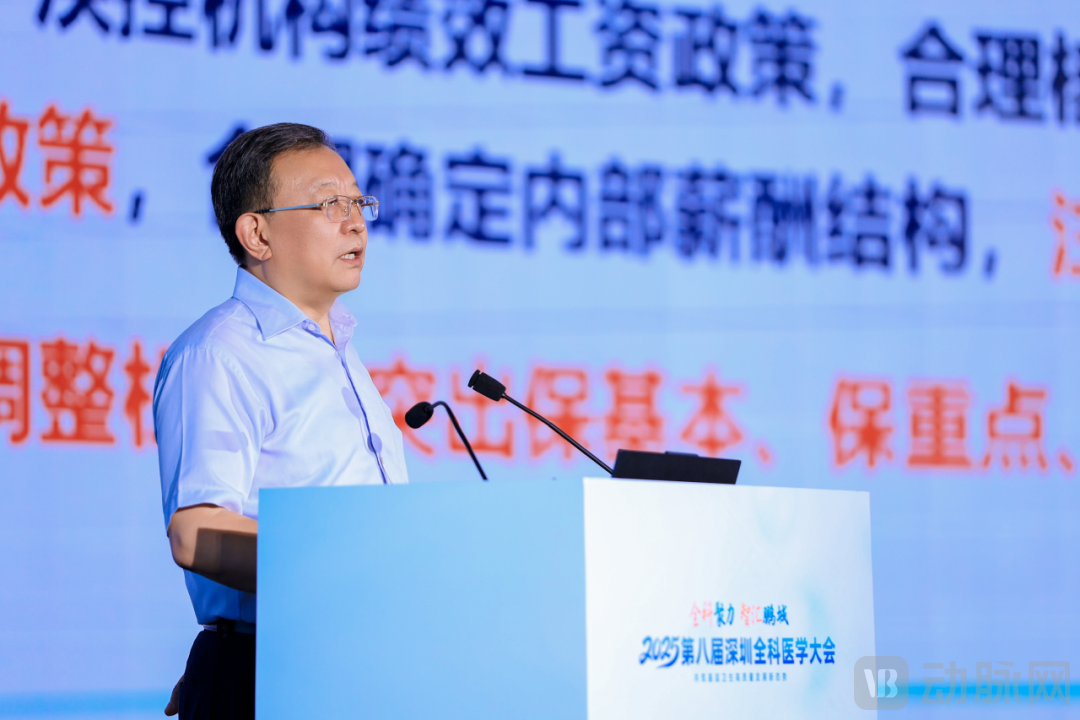 Mr. Nie Chunlei, Vice President of the Chinese Community Health Association and Former Director of the Department of Primary Healthcare, National Health Commission
It is reported that Ping An is actively participating in the National Healthcare Infrastructure Strengthening Project through concrete actions. A relevant executive from PINGAN GOOD DOCTOR systematically elaborated on a new model for empowering primary healthcare (hereinafter referred to as the “Three Foundations and Four Supports Model”). This model is guided by the philosophy of “strengthening foundations through quality, technology, and resources,” and implements strategies centered on “professional talent support, user incentive support, diversified payment support, and AI tool support.” By integrating artificial intelligence with commercial health insurance payments, the model seeks to achieve “synchronous settlement of basic medical insurance and commercial health insurance,” thereby injecting new vitality into primary healthcare. The core underpinning of this initiative is the Group Standard for Remote and Internet-Based Health Services Provided by Family Doctors (hereinafter referred to as the “Family Doctor Group Standard”). Currently, this standard has been progressively implemented across 1,000 community health service centers in 100 cities.
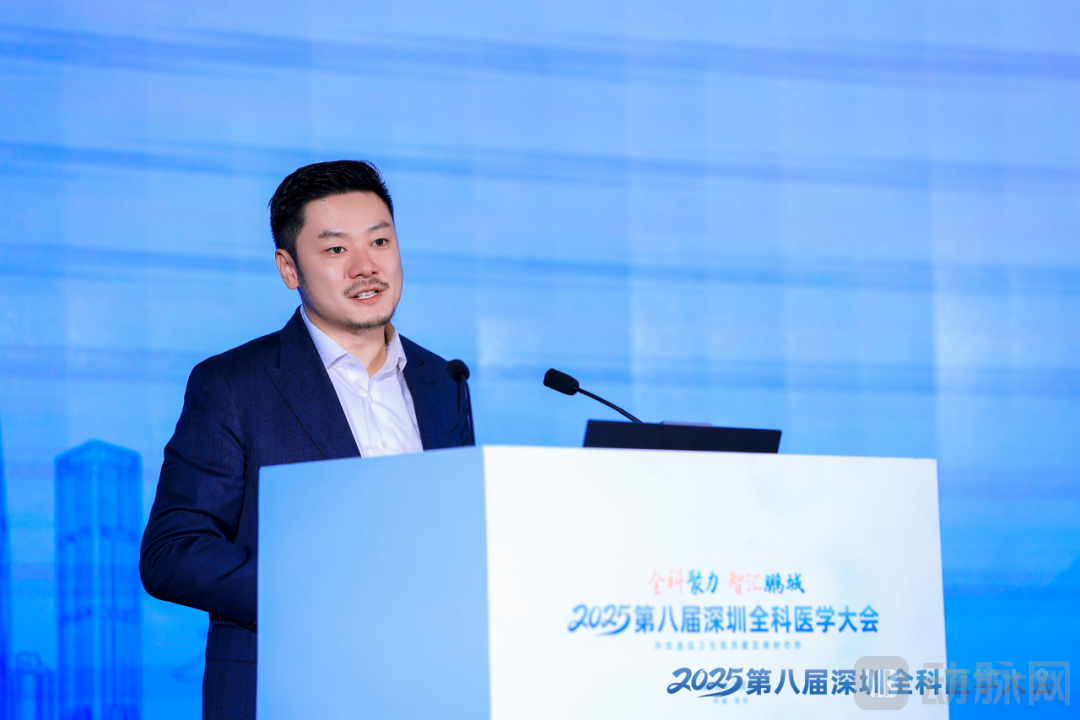 Jack Hou, Senior Vice President of PINGAN GOOD DOCTOR
In terms of technological application, another relevant executive from PINGAN GOOD DOCTOR stated that, under the comprehensive empowerment of medical AI in scenario-based applications, the company has continuously strengthened the depth and breadth of its implementation. As of the end of September 2025, the accuracy rate of its self-developed AI health checkup interpretation reached 98%, while the accuracy of AI-assisted diagnosis exceeded 95%. Additionally, the AI chronic disease management platform has been piloted in 22 community health service centers across seven provinces and municipalities nationwide, effectively improving service efficiency and quality. Experts present noted that PINGAN GOOD DOCTOR’s technological capabilities empower primary healthcare, effectively alleviating the workload of family doctor services at primary medical institutions and fulfilling the task of “exploring grassroots applications of AI-driven medical diagnosis and treatment,” one of the 12 initiatives outlined in the National Primary Healthcare Strengthening Program.
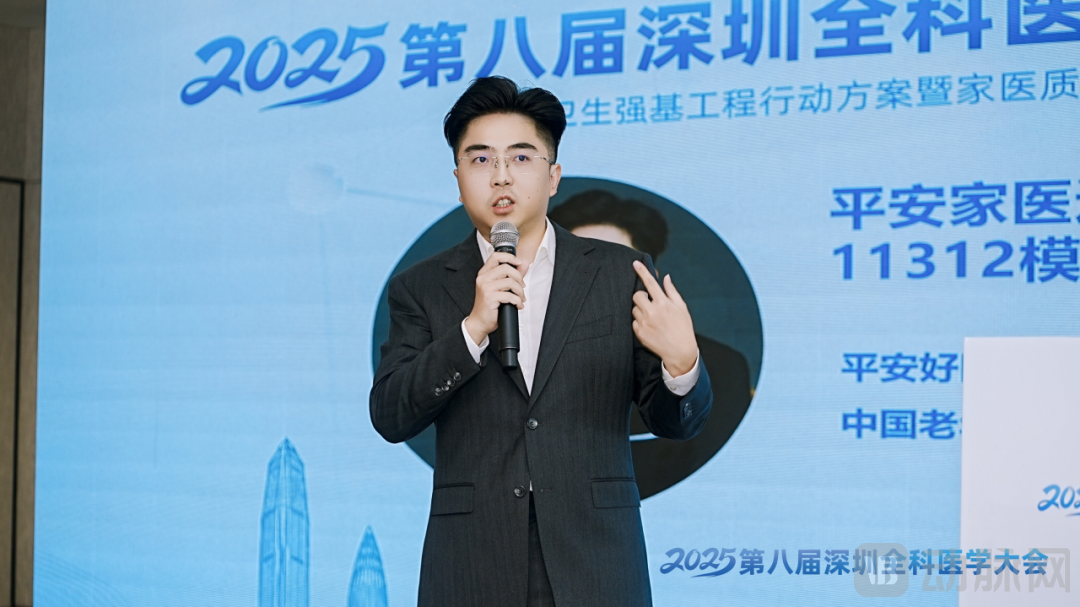 Relevant Person in Charge at PINGAN GOOD DOCTOR
In terms of practical experience, relevant executives from Ping An Life Insurance shared application cases of this model in Jinan, Shanghai, and Guangzhou: Many outstanding community financial grid specialists from Ping An Life Insurance have become professional Healthy Lifestyle Planners (hereinafter referred to as “HLPs”) through specialized coursework and unified examinations. They provide clients with chronic disease management, guidance on healthy lifestyles, and health education. Currently, they offer support for contracted services and facilitate client resource matching for primary healthcare institutions and family doctors, truly achieving meaningful and effective online-to-offline family doctor contracts. “We are highly optimistic about the mutual reinforcement between community human resources and medical technical resources. In the near future, online AI family doctors and offline inclusive primary healthcare are expected to achieve more synergistic alignment,” they stated.
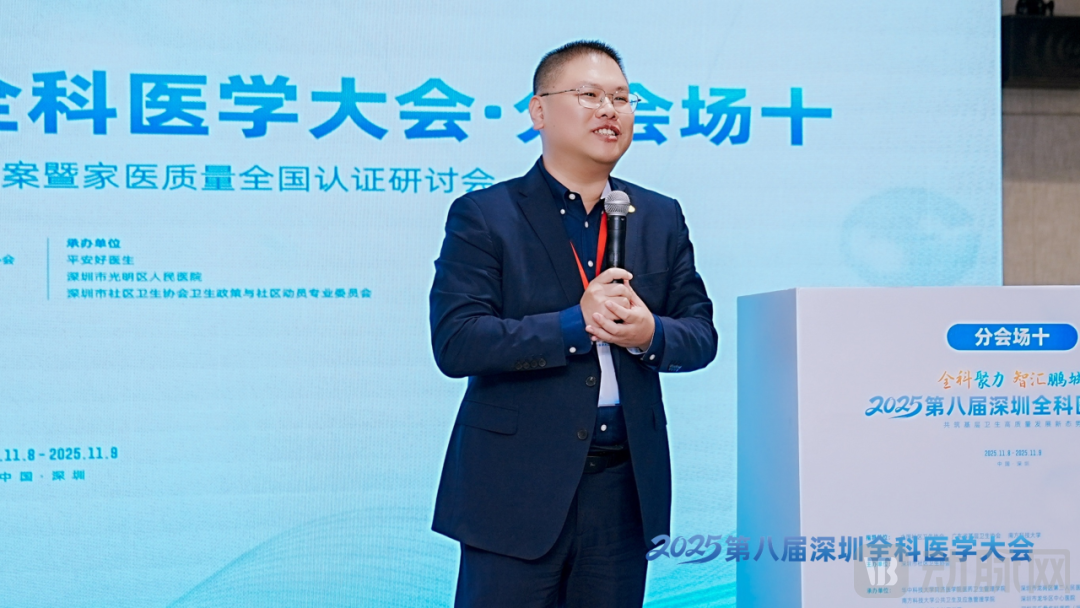 Relevant Person in Charge of Ping An Life Insurance
It is understood that, to date, the “Three Strengthenings and Four Supports” model has been piloted in 22 community health service centers across seven cities, including Shanghai, Guangzhou, and Jinan, achieving resource integration that benefits multiple stakeholders:
● At the Shanghai Pengpu Xincun Community Health Service Center, HLP joined forces with the center to host a “21-Day Health Training Camp,” leveraging a chronic disease AI agent to provide AI-based meal and exercise assessments, thereby delivering immediate and efficient health guidance to residents;
● At the Shanghai Kangjian Community Health Service Center, HLP staff stationed at the community health center guided residents to sign up for family doctor contracts and invited commercial insurance clients to experience the 5G Health Pod;
● At the Shunyu Road Community Health Service Center in Jinan, HLP assists community residents in wearing wearable devices—the Sibionics CGM (Continuous Glucose Monitor)—to remotely manage fellow diabetes patients;
● At the Baiyun Street Community Health Service Center in Guangzhou, HLP participated in organizing community free clinic services and face-to-face consultations with family doctors.
The release of the “Implementation Plan for the Healthcare Foundation-Strengthening Project” marks new progress in China’s advancement of healthcare system reform, particularly in the realm of primary healthcare services. As the plan is implemented in greater depth, primary healthcare institutions will serve not only as the “front line” of medical service delivery but also as a key pillar of residents’ health management. In the future, through multifaceted support, coordination, and development, the primary healthcare service system is certain to become more robust. PINGAN GOOD DOCTOR and Ping An Life Insurance will continue to join hands to promote the nationwide adoption and standardized application of the family doctor team standards and the “Three Foundations, Four Supports” model. By leveraging mature artificial intelligence–enabled medical technologies, they will help communities enhance the capacity and quality of primary healthcare services, thereby taking concrete actions to accelerate the realization of the “Healthy China” strategy.