Shanghai Jiao Tong University's Novel Hydrogel for Intraoperative Sealing: Instant, Strong, Controllably Degradable, and Ready-to-Use
In recent years, medical hydrogels have demonstrated unique value in healthcare applications such as wound care, tissue repair, and drug delivery, owing to their excellent biocompatibility and functional adaptability, thereby emerging as a highly regarded novel class of medical materials. According to data released by Zhiyan Industry Research Institute, the global market size for medical hydrogels reached approximately USD 2.292 billion in 2024, representing a year-on-year growth of 2.79%, while the Chinese market size amounted to around RMB 650 million, with a year-on-year increase of 4.84%.
Despite rapid market growth and widespread recognition of their application value, traditional biomedical hydrogels still suffer from critical technical limitations that urgently need to be overcome in the context of postoperative wound closure and repair:
First,Insufficient Mechanical Properties and Wound Conformability, materials generally exhibit low strength, poor toughness, and weak adhesion, making them prone to damage during surgical procedures or postoperative physiological activities; furthermore, their inability to accommodate the dynamic changes of wound surfaces exacerbates the risk of displacement and slippage; second,Poor controllability of degradation rate, materials represented by fibrin glue often undergo uncontrollable and generally too-rapid degradation, failing to provide sustained support throughout the entire wound-healing process.
These deficiencies directly impact clinical procedures, necessitating frequent adjustments and reapplications of the material by physicians to prevent breakage or displacement. Furthermore, they require precise control over the application area and thickness, which not only increases procedural complexity but also prolongs surgical duration and reduces operational efficiency. When these product shortcomings extend to the patient recovery phase, they can compromise wound sealing, leading to complications such as hemorrhage and leakage, potentially increasing the likelihood of revision surgery and exacerbating patients’ physical and psychological distress as well as their financial burden.
In this context,Shanghai Jiao Tong University Center for Interdisciplinary Research and Translation of Novel Biomaterials in Medical Engineering(hereinafter referred to as the “Shanghai Jiao Tong University Interdisciplinary Research Team on Novel Biomaterials”), grounded in an innovative perspective of medical-engineering integration, leverages Shanghai Jiao Tong University’s profound multidisciplinary expertise in materials science, biomedical engineering, and clinical medicine to establish a cross-disciplinary R&D team and collaborate with renowned Grade A tertiary hospitals to build a clinical collaboration network.Successfully developed a novel biomedical hydrogel, providing an innovative solution for technological breakthroughs and clinical applications in postoperative sealing and repair.Currently, this project is a signed initiative under SPARK China, which empowers it with resources such as industry advisors, project management, structured curricula, and financial support.
1Built on the Foundation of Shanghai Jiao Tong University, Collaborating with Grade A Tertiary Hospitals, and Supported by Industrial Resources: Establishing a Full-Chain Advantage in the “R&D–Translation–Application” of Medical Hydrogels
In the field of biomedical hydrogels, the Interdisciplinary Research Team on New Biomaterials at Shanghai Jiao Tong University possesses solid developmental advantages and diverse resource support.
As a research team affiliated with a university, it has long been deeply engaged in fundamental scientific research in the field of biomedical hydrogels.Possess profound insight and precise grasp of the frontiers of scientific research and technological development trends both domestically and internationally, laying a solid theoretical foundation for technological R&D. Meanwhile, the team established a Biological New Materials R&D Center by leveraging relevant resources, and is able to fully utilize the regional resource advantages of Shanghai Jiao Tong University and Shanghai Municipality to build a comprehensive technology development system,Possesses core capabilities for translating basic research into technological applications.
Dr. Hou Guodong, the project leader, explained that in the translational process of biomedical hydrogels from “basic research to clinical application,” the core logic has shifted from “whether basic functions can be achieved” to “whether stable, safe, and controllable application requirements in clinical scenarios can be met.” The team believes that the key challenge in breaking down the translational barrier from laboratory to clinical products lies in accurately identifying clinical pain points and actual needs, rather than passively seeking application scenarios based on existing laboratory achievements. Through in-depth exchanges with experts and scholars in the field, the team has further reached a consensus:Successful translation teams must proactively establish deep partnerships with frontline clinical experts at top-tier hospitals, using the core pain points in disease treatment as a starting point to reverse-engineer the full range of technical parameters and performance metrics for their products, ensuring that R&D efforts remain firmly anchored to actual clinical needs.
Therefore, in the practice of bridging the “industry-academia-research-medicine” chain, the team has undertaken multi-dimensional, targeted initiatives: on one hand, it has continuously deepened its collaborations with top-tier Grade A tertiary hospitals in Shanghai, such as Ruijin Hospital, Renji Hospital, and Huashan Hospital,Establish a Regular Communication Mechanism for Clinical Needs, by observing frontline procedures and conducting case discussions, we capture in real time the actual clinical needs in scenarios such as postoperative wound closure and repair, while simultaneously understanding patients’ core concerns regarding postoperative recovery, thereby ensuring that technological development precisely addresses critical clinical pain points;
On the other hand,Maintain Close Engagement with Industry Experts, regularly organize cross-disciplinary thematic meetings, inviting clinicians, industry experts, and researchers to conduct specialized sharing sessions and technical discussions. During this process, the team has received multi-dimensional empowerment from SPARK China. This is reflected not only in financial support but also in providing the team with opportunities for face-to-face exchanges with senior industry experts and leading clinical specialists. These interactions have helped the team systematically master key knowledge essential for industrial implementation, such as mass production, regulatory compliance certification, and market demand, thereby offering direct support for calibrating technical research directions and facilitating product commercialization.
According to Dr. Hou Guodong, the team has not only published a series of research papers in high-impact journals both domestically and internationally, but also filed multiple patents for novel biomedical hydrogel technologies, thereby achieving significant academic and technical advancements.
2Multidimensional Technological Breakthroughs in Curing Mechanism, Mechanical Strength, Adhesion Performance, and Controllable Degradation Provide Innovative Wound Closure Solutions
Specifically, compared with traditional medical hydrogels, the novel biomedical hydrogel developed by the Interdisciplinary Research Team on New Biomaterials at Shanghai Jiao Tong University has achieved systematic breakthroughs in dimensions such as clinical practicality, repair efficacy, and long-term safety.
First,Improved Curing Method to Enhance Surgical Efficiency and Operational Convenience. Traditional fibrin glues rely on thrombin-catalyzed curing; their solutions have low viscosity and prolonged curing times, typically requiring several minutes to form a gel. Moreover, in high-humidity, dynamic wound environments, their gelation time is often extended due to limited thrombin activity, thereby impeding surgical progress. WhereasNovel biomedical hydrogels employ light-curing technology (triggered by visible/blue light) to achieve second-level curing via photo-initiated crosslinking, with a curing time of less than 30 seconds., which not only meets the "instant sealing" requirements of emergency surgeries but also reduces surgeons' intraoperative waiting time, thereby indirectly lowering patients' anesthesia risks and surgical costs.
Second,Enhance mechanical strength and improve postoperative repair stability. Traditional fibrin glues have low mechanical strength, with a modulus typically less than 10 kPa; slight physiological activity by patients postoperatively can lead to material damage or displacement, resulting in high rates of reintervention and reoperation.Novel biomedical hydrogels achieve a modulus of 50–100 kPa through a multi-crosslinking strategy, significantly enhancing their resistance to fracture and deformation., providing sustained and stable mechanical support to the wound. According to Dr. Hou Guodong, the product currently demonstrates significant improvements over traditional biomedical hydrogels in core mechanical indicators, such as tensile strain at break and tensile strength at break.
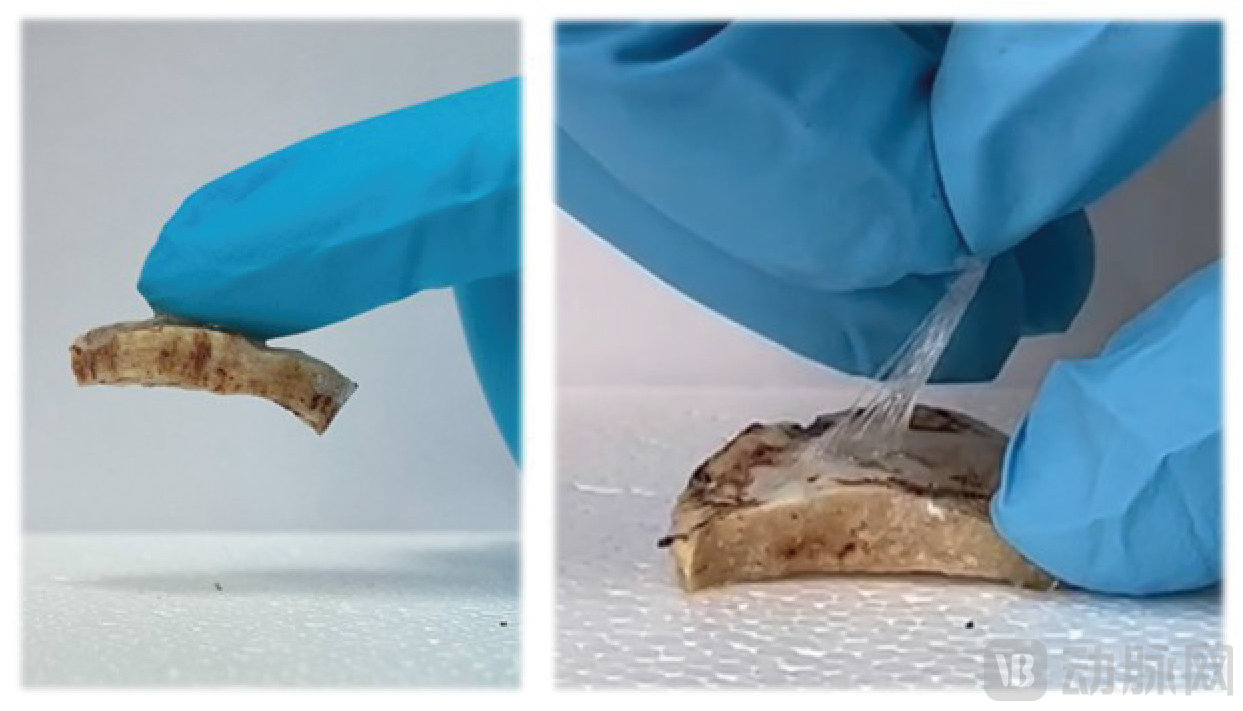
Strong Adhesion of Novel Biomedical Hydrogels to Skull Formation
Third,Enhanced Adhesion Performance for Improved Closure of Complex WoundsTraditional fibrin glues exhibit low adhesive strength, with a shear strength of only 5–10 kPa, making it difficult to maintain an effective seal on complex wound surfaces. Novel biomedical hydrogels leverage a synergistic adhesion mechanism involving “covalent anchoring + hydrogen bonding + dynamic chemical bonds,”Achieve a shear strength of 200 kPa,Capable of firmly adhering to various tissues, including skin and bone., addressing the core pain points of traditional materials—"inadequate sealing and easy detachment"—and enabling continuous, dense sealing of wounds with complex morphologies.
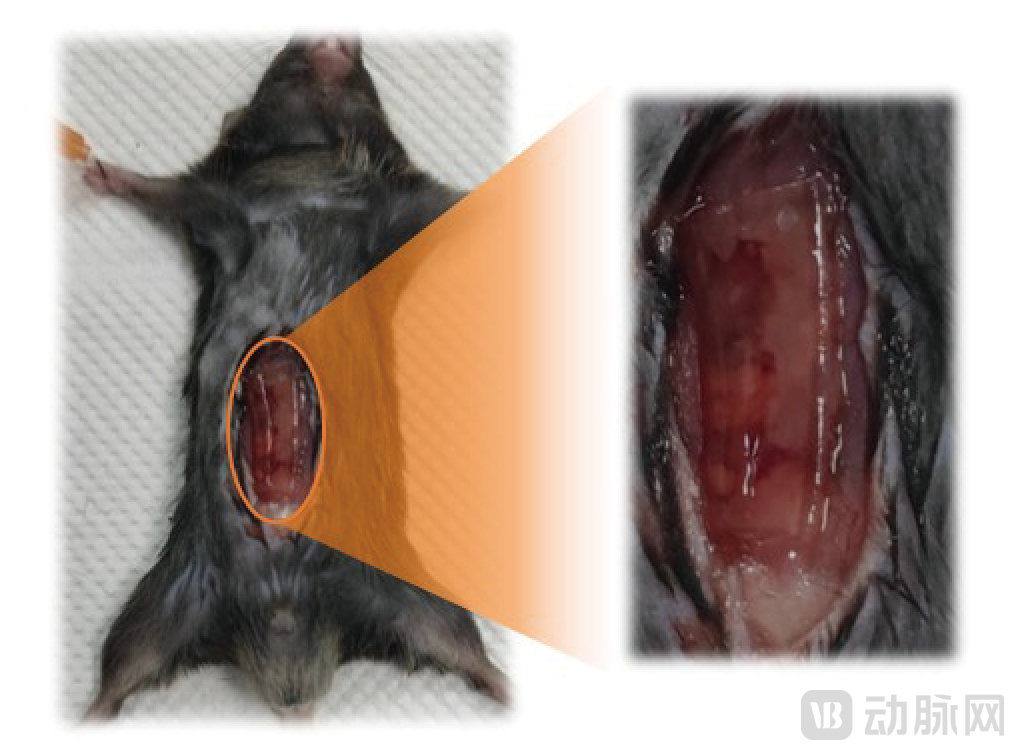
Novel Biomedical Hydrogels Form Strong Adhesion with Animal Wet Tissues
Fourth,Precise Adaptation of Biocompatibility to the Repair Cycle. Although traditional fibrin glues exhibit good biocompatibility, they degrade too rapidly, often losing efficacy before initial wound tissue repair is completed. Novel biomedical hydrogels, derived from natural polysaccharides as bio-based materials, possess excellent biocompatibility and can fundamentally reduce the risk of immune responses. Meanwhile, by incorporating dynamically controllable chemical bonds, these hydrogels achieve “on-demand degradation,” thereby avoiding premature failure or residual irritation.
Furthermore, the team has initiated efforts to incorporate antimicrobial and anti-inflammatory functionalities, enabling the hydrogel to serve as a carrier for integrating these therapeutic effects. This approach provides technical avenues for postoperative infection control and multimodal tissue repair.
Overall, novel biomedical hydrogels have established a closed-loop clinical value chain spanning “surgical efficiency–repair stability–long-term safety,” thereby better meeting modern medical demands for “efficient, stable, and precise” postoperative repair compared to traditional medical hydrogels.
Currently, the novel biomedical hydrogels developed by the interdisciplinary research team on new biomaterials at Shanghai Jiao Tong University have demonstrated significant clinical advantages in skull base surgery, holding promise for providing superior options for clinical treatment.
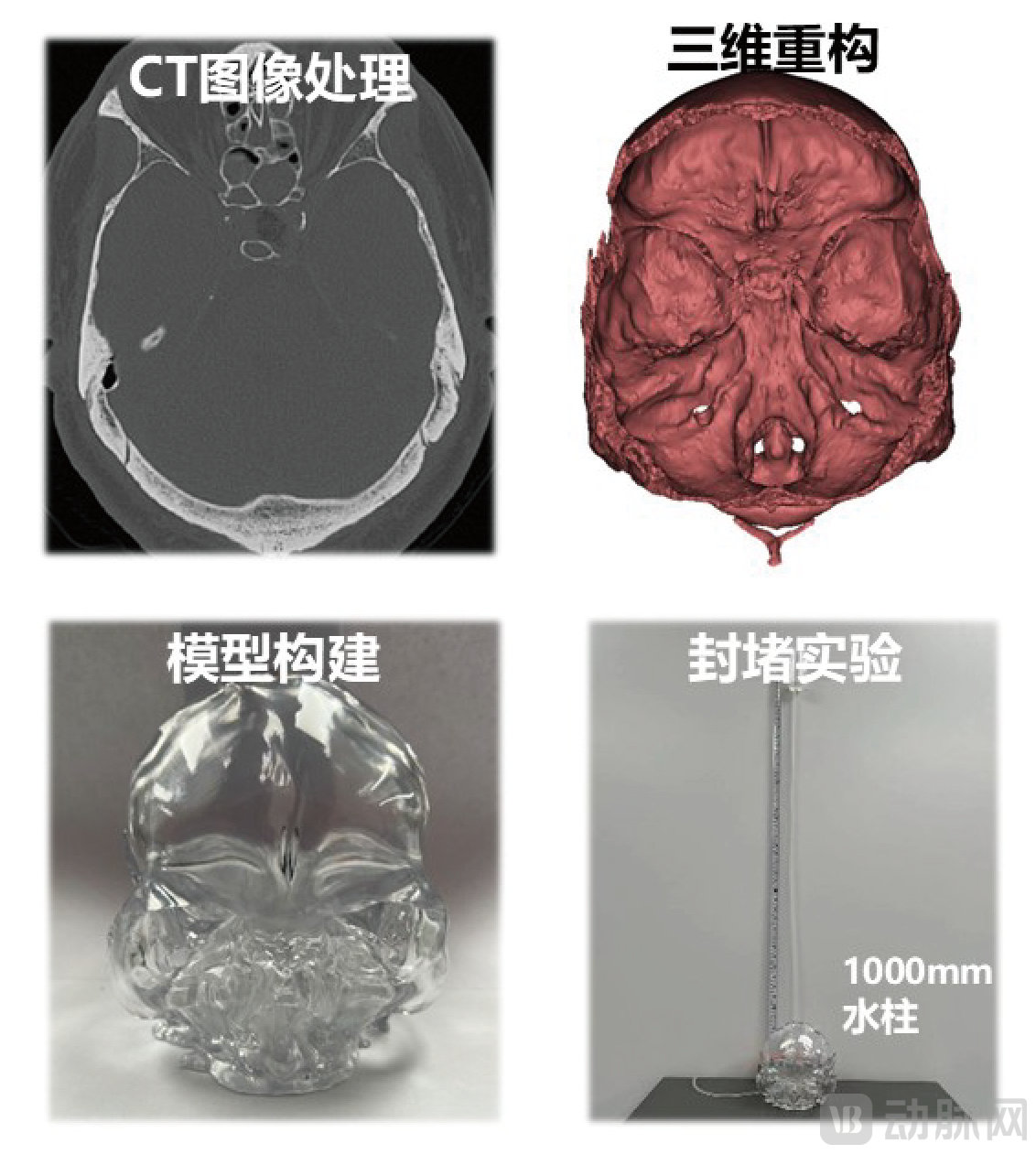
3D Reconstruction of Patient’s Head; Novel Biomedical Hydrogel Achieves Excellent In Vitro Sealing Performance
Due to the insufficient mechanical strength of traditional biomedical hydrogels, they cannot withstand cerebrospinal fluid pressure when used alone, making effective sealing difficult. Previously, clinicians had to immediately pack materials such as gelatin sponges and medical sponges after applying traditional hydrogels to completely occlude the patient’s nasal passage. Postoperatively, patients were required to remain on bed rest in a supine position for 5–7 days, which not only consumed medical resources but also exacerbated patient suffering.
By achieving technological breakthroughs in key dimensions such as mechanical strength, tissue adhesiveness, and controllable degradability, the interdisciplinary research team on novel biomaterials at Shanghai Jiao Tong University has developedNovel biomedical hydrogels comprehensively meet the requirements for postoperative sealing in transsphenoidal surgery, eliminating the need for additional sealing materials such as sponges., thereby achieving effective occlusion, with the potential to reduce the consumption of medical resources and significantly enhance postoperative patient comfort.
In addition, novel biomedical hydrogels have also demonstrated significant potential for clinical application in the repair of cerebrospinal fluid leaks.
Endoscopic repair of cerebrospinal fluid leaks is a commonly employed technique in endoscopic skull base surgery, holding significant value for preventing postoperative complications, enhancing patient care experiences, reducing hospitalization costs, and shortening hospital stays. As a critical step in cerebrospinal fluid leak repair, the use of biomedical hydrogels marks another important convergence and collaboration among materials science, biology, and clinical medicine.
Clinical experts involved in the collaboration on the novel biomedical hydrogel project stated,With excellent adhesion and sealing properties, the product can rapidly seal minute cerebrospinal fluid (CSF) leaks that are difficult to detect with the naked eye, effectively preventing further CSF leakage.Due to its superior biocompatibility compared with traditional medical adhesives, it can mitigate immune rejection responses and reduce the risk of impaired wound healing caused by local inflammation. Meanwhile, the material is gradually degraded and absorbed in vivo, providing a foundational platform for wound tissue healing, which significantly enhances the safety and convenience of treatment. Furthermore, biomedical hydrogels are relatively simple to prepare and inject, have short gelation times, and exhibit high adaptability to wound surfaces, enabling them to take effect rapidly during surgical procedures and offering physicians more efficient surgical solutions.
These advantages enable novel biomedical hydrogels to play a pivotal role in endoscopic endonasal skull base surgery, offering broad application prospects.
3Dedicated to overcoming the high costs and mass production challenges of medical hydrogels, while building a dual product line system featuring “cost-effective” and “high-end intelligent” solutions
The biomedical hydrogel industry is generally confronted with two core pain points: constraints on scalable production and cost, as well as limitations in processing and application. On one hand, traditional products largely rely on expensive imported synthetic polymer raw materials, which entail high costs and insufficient supply stability. Meanwhile, complex manufacturing processes and high energy consumption hinder efficient mass production, resulting in persistently high unit product costs that impede large-scale commercialization.
To address the aforementioned pain points, the interdisciplinary research team on new biomaterials at Shanghai Jiao Tong University has placed particular emphasis on the core challenge of “translating high-quality products into practical commercial goods” during the R&D process. By focusing on raw material selection and optimization of manufacturing processes, the team is laying the foundation for cost advantages and clinical accessibility once the products are launched in the market.
First,The team has abandoned the expensive imported synthetic polymers commonly used in traditional medical hydrogels, opting instead for natural or modified natural polymer materials, which offer more stable sourcing channels., and the cost is significantly lower than that of imported synthetic materials; meanwhile, by continuously optimizing and improving production processes, the team is committed to achieving efficient material forming and low-energy-consumption manufacturing, reducing resource waste and cost losses in the production process, thereby providing technical support for large-scale mass production.
“Medical hydrogels are mostly high-end, niche medical consumables. Through improvements in raw materials and manufacturing processes,”The product price is expected to gradually break into the mid-range segment,“Significantly reducing the financial burden on patients and the procurement costs for medical institutions,” explained Dr. Hou Guodong. In terms of clinical accessibility, current applications of biomedical hydrogels are largely concentrated in top-tier (Grade A tertiary) hospitals. In the future, as costs decrease and supply capacity improves, these products are expected to gradually extend to primary-care hospitals, benefiting a broader patient population.
Furthermore, novel biomedical hydrogels have demonstrated improved storage stability and clinical convenience. Traditional biomedical hydrogels are predominantly formulated as two-component (A/B) systems that require mixing prior to use and necessitate strict low-temperature storage conditions. These requirements not only increase storage costs for healthcare institutions but also, to a certain extent, limit their widespread adoption in primary care and emergency settings.
Meanwhile, the interdisciplinary research team on novel biomaterials at Shanghai Jiao Tong University has achieved an innovative breakthrough: on one hand,Material viscosity can be adjusted as needed., capable of meeting the operational requirements of various surgical wound surfaces; more importantly, this product eliminates the need for a two-component (A/B) design and the powder dissolution process,No preoperative pretreatment of raw materials, such as dissolution or mixing, is required.By simply applying the hydrogel precursor directly to the lesion or the site requiring gelation, the material can undergo in situ gelation autonomously, thereby fundamentally simplifying the application process. This significantly reduces preoperative preparation time for medical staff; particularly in time-sensitive scenarios such as emergency surgeries, the product can be used “off-the-shelf,” helping to enhance surgical efficiency. According to Dr. Hou Guodong, the ease of intraoperative handling of the team’s product has been widely recognized by numerous clinicians.
Over the next 3–5 years, the Interdisciplinary Research Team on Novel Biomaterials at Shanghai Jiao Tong University believes that medical hydrogel products will continue to expand and upgrade. The variety and technological achievements in this field will become increasingly diverse, more precisely addressing the differentiated needs of various clinical scenarios. Furthermore, these products will break through the limitations of traditional basic clinical applications (such as simple sealing and repair) and extend toward full-cycle medical services characterized by “integrated diagnosis and therapy.”
Building on this foundation, the team will continue to deepen product performance exploration and iterative upgrades, focusing on optimizing the core functionalities of hydrogels. It will prioritize expanding into smart responsive application scenarios involving pH, temperature, and mechanical stimuli, thereby overcoming the limitations of traditional hydrogels with single functionalities and driving the technological application from isolated therapeutic settings toward an innovative upgrade to precision medicine systems.
Currently, large-animal trials for the novel biomedical hydrogel have been initiated. Upon completion of these animal studies, the product will rapidly transition to the clinical promotion phase. Dr. Hou Guodong stated that, leveraging the close collaborative relationships previously established with clinical experts, the team can significantly reduce communication costs and enhance promotion efficiency. In the long term, the team aims to build a dual-product-line system comprising “cost-effective” and “high-end intelligent” offerings. The former will focus on achieving rapid market revenue, which will in turn fund the research and development of high-end intelligent products, thereby driving biomedical materials into a new era characterized by intelligence, personalization, and multifunctionality.
About SPARK China
The SPARK Medical Innovation Translation Platform originated at Stanford University in 2006. Adopting a design-thinking-based approach, it emphasizes starting from user needs and integrating clinical requirements, regulatory considerations, and financial assessments at an early stage to ensure close alignment between academic research and industry realities, thereby enhancing the success rate of translation. The program focuses on proof-of-concept development for drug, device, and diagnostic projects, providing funding support and expert guidance. Currently, the SPARK platform spans more than 30 countries worldwide, with over 50 branches established. As of 2025, the cumulative global translation success rate across all branches reached 57%.
In November 2024, SPARK China was officially launched in Shanghai, established through a collaboration between the Institute of Advanced Medical Chips at the School of Biomedical Engineering, Shanghai Jiao Tong University, and Stanford University. As a member of SPARK GLOBAL—a non-profit organization founded in 2015 based on the Stanford SPARK platform, with a network spanning over 50 academic institutions worldwide—SPARK China brings together top-tier domestic research expertise. Adopting the classic SPARK model, it identifies innovative projects from universities and hospitals, provides support such as funding and advisory services, integrates the Stanford SPARK methodology, and leverages the global SPARK GLOBAL network. Its mission is to accelerate local medical innovation in China and facilitate the translation of academic achievements into clinical solutions.
Currently, the interdisciplinary research team on novel biomaterials at Shanghai Jiao Tong University is seeking financing opportunities for their newly developed biomedical hydrogel. If you are interested in this product, please contact us: