

Restoring Wholeness to Life: Dai Jianwu's Journey in Regenerative Medicine
On January 16, 2015, the first patient with spinal cord injury was enrolled.Dai Jianwu Teamclinical study. This is a 22-year-old young woman who suffered a complete spinal cord injury due to an accident. The physicians’ assessment was remarkably calm and realistic—the best possible outcome might merely be the ability to sit up.
On that day, CCTV cameras recorded the entire surgical procedure. The girl had a spinal cord defect exceeding 1 centimeter, and the doctors placed a1-cm-long NeuroRegen® scaffoldThe damaged segment of her spinal cord was implanted. No one could predict whether this tiny scaffold, used for “bridging,” would truly alter the trajectory of her fate.
In the two to three months following surgery, a miracle seemed to unfold quietly: she first regained partial sensation, then gradually recovered voluntary movement, until one day she was able to stand up again and eventually walk normally. Thereafter, the girl who had once been told she would spend the rest of her life in a wheelchair not only achieved independent ambulation but also entered into marriage, had her own children, and reclaimed all the facets of a normal life.
Over the past decade, Dai Jianwu’s team has completed128 Cases of Spinal Cord Injury Patientssimilar clinical studies. Among them,30% of patients with complete acute injuriesRegaining Mobility,40%patients regained sensation of urination and defecation.
“Sensation of urination and defecation is actually the most urgent need for patients,” Dai Jianwu admitted. “This directly affects quality of life; otherwise, nursing care and daily living become extremely difficult.” The restoration of motor function means that these patients, who were once considered to have a hopeless prognosis, can truly reintegrate into society and their families.
He has repeatedly emphasized, “Regenerative medicine is not about granting immortality, but about enabling people to live with a higher quality of life. Our goal is to help individuals maintain their optimal state of well-being within the maximum human lifespan of 120 years.”
Behind these breakthroughs lies Dai Jianwu’s extraordinary journey from rural Anhui to Duke University, his unwavering dedication to scientific research for over two decades, and his use of23 itemsIntegrated with Original Clinical Techniques“The Human Body’s 4S Shop”This concept is a true reflection of the integration of countless scientific advancements and real-world medical interventions.
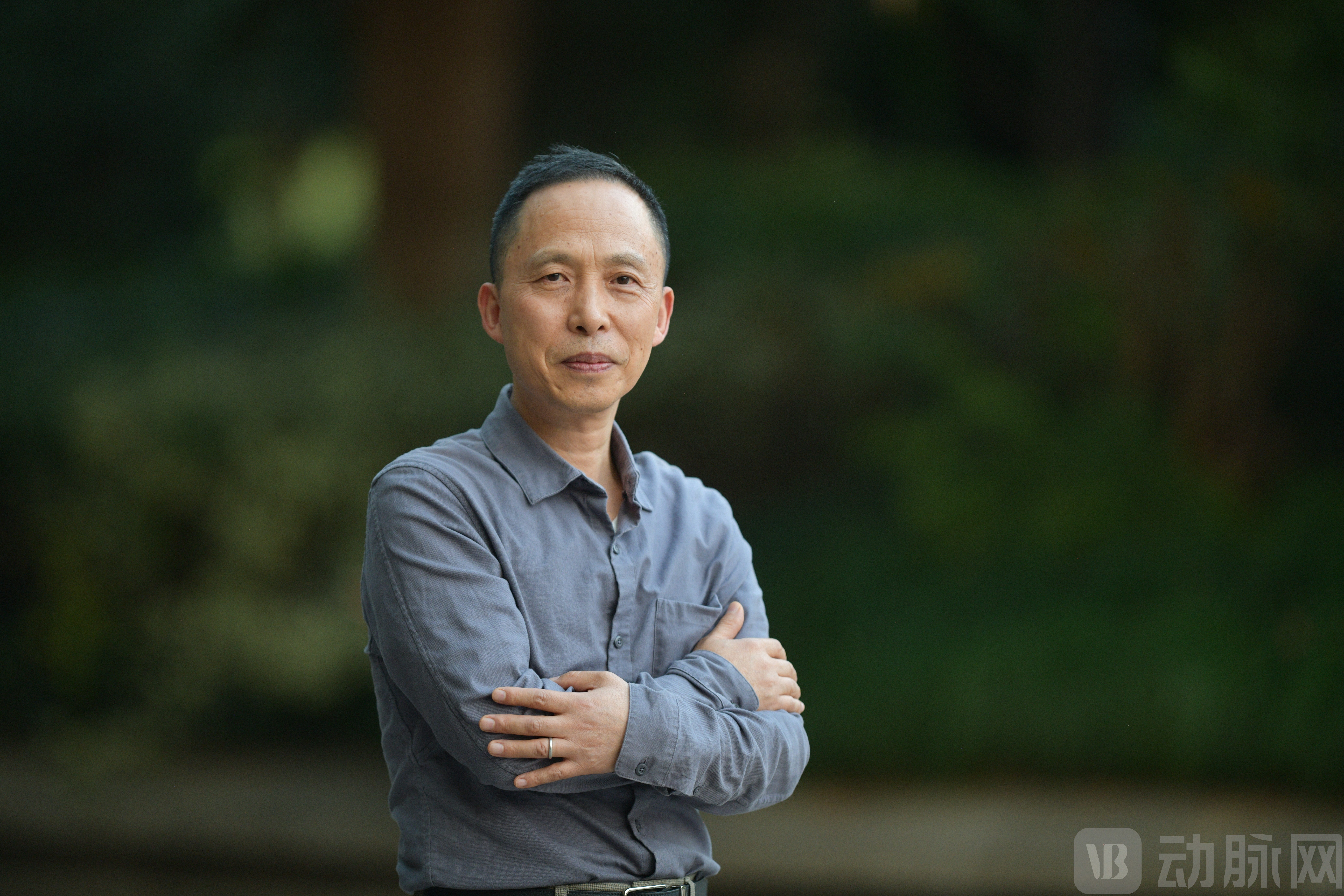
Figure: Dai Jianwu, Researcher at the Institute of Genetics and Developmental Biology, Chinese Academy of Sciences; Director of the Center for Regenerative Medicine; and Executive Director of the Institute of Biomedical Engineering, Chinese Academy of Medical Sciences (Source: Photo provided by the interviewee)
These real-life cases, ranging from individuals with disabilities to able-bodied persons, and from wheelchairs to wedding ceremonies, trace their origins back more than 50 years.
In the rural areas of Anhui Province in the early 1970s, mosquitoes were so abundant that their buzzing could be heard even during the daytime. When Dai Jianwu was seven or eight years old, Japanese encephalitis quietly spread through his village. Within just a few days, three children fell ill one after another: one passed away before reaching the hospital, another was left with lifelong disabilities, and the third was Dai Jianwu himself.
“During those days when my high fever persisted unabated, my family was thrown into panic. Life was arduous in that era; my parents borrowed money from the production team, dismantled a door to serve as a stretcher, and enlisted several of the strongest men in the village to carry me to the riverside amidst torrential rain.”
Dai Jianwu’s hometown is in Anhui Province, on the opposite bank of the Jiujiang River. The only way to reach the hospital was by taking a ferry across the river, with tickets costing just a few jiao each.
And so, a group of people rushed Dai Jianwu, who was running a fever, to Jiujiang Hospital. In those special times, experienced doctors were all sweeping floors as part of their labor reform, while the young doctors actually on duty were unable to make any sense of the patients rushing in.
At a critical moment, an elderly woman sweeping the floor quietly approached. She glanced at Dai Jianwu and said to the young doctor beside her:“This child needs a lumbar puncture immediately.”
It was a single remark from the elderly janitor that saved Dai Jianwu’s life. Thanks to timely cerebrospinal fluid drainage and treatment, his fever gradually subsided after a few days. Later, the doctor said, “Fortunately, treatment was administered promptly; had it been delayed by another week, this child’s brain damage would have been irreversible.”
This narrow escape left an indelible mark on Dai Jianwu’s heart. He clearly remembers that, at the time, various infectious diseases posed a constant threat to life, and for children in rural areas, simply growing up safely was a luxurious hope.
This was Dai Jianwu’s earliest memory of medicine, and the source of his initial reverence. He deeply appreciated the fragility and preciousness of life, felt profound gratitude for the compassion of healthcare professionals, and came to understand the critical importance of timely and precise medical care in preserving life.
This experience was merely a microcosm of his 14 years of life in the countryside.
“Those 14 years in the countryside essentially shaped my fundamental approach to life and work,” said Dai Jianwu.
Material conditions were exceptionally harsh at that time. In rural Anhui during winter, food supplies were always insufficient, and the family relied on sweet potatoes to stave off hunger for half of each year. Recalling those years, Dai Jianwu wore a smile of relief: “Back then, I couldn’t even bear the sight of sweet potatoes, but now, for the sake of health, I’ve started eating them again.”
But the person who truly shaped his later character and qualities was his father.
Dai Jianwu’s father, the most important role model in his life, was a graduate of the Whampoa Military Academy and later participated in the uprising under Fu Zuoyi, leading a remarkable and eventful life. Having weathered countless storms and hardships, he always upheld an upright and unyielding character until his passing in 2012 at the age of 95, leaving Dai Jianwu with enduring memories and a profound influence.
“My lifestyle habits are actually closely related to my father’s.”When speaking of his father, Dai Jianwu’s words were filled with reverence. “He always went to bed early and rose early. The first thing he did upon waking was to fold his quilt into perfect squares, just like blocks of tofu.” This self-discipline, rooted in military life, was instilled in him from a young age through constant exposure and remains a habit Dai Jianwu maintains to this day.
“Father rarely spoke harshly or sternly to his children. He always communicated with them in an equal and gentle manner, never resorting to physical punishment or verbal abuse, nor did he engage in excessive preaching. More often, he led by example through military-style discipline and action—although household chores were clearly the children’s responsibility, Father would always quietly take the initiative to do them first. At such times, his sons and daughters would feel a sense of embarrassment, gradually cultivating a habit of proactively taking on tasks.”
Dai Jianwu had an uncle who also graduated from the Whampoa Military Academy and later moved to Taiwan. “But my uncle loved drinking, which damaged his liver, and he lived into his seventies. My father, on the other hand, was too poor to afford alcohol and lived to be 95.”
“Everyone’s life trajectory is forged step by step through one’s own journey.”Dai Jianwu spoke on the matter, his tone calm yet imbued with profound meaning.“At those inconspicuous minor forks, they gradually diverged into different fates.”
Looking back on those difficult times—marked by cold stares and discrimination due to family background, extreme material scarcity and insecurity, and the struggle to secure even basic food and clothing—one might expect such experiences to drive a child into cynicism and inferiority. Instead, they became the most precious foundation of Dai Jianwu’s life.
In such an environment, he not only learned to endure and understand suffering but also, through his father’s words and deeds, grasped the importance of leading by example and exercising strict self-discipline.
“I know how to get along with others, refrain from bullying, and consider issues from others’ perspectives when problems arise. One should not act solely in self-interest, but rather think from the standpoint of the group and take others’ feelings into account.”
It is precisely because of his empathy and non-competitive mindset that he has been elected class monitor since junior high school, enabling him to build harmonious relationships with peers from campus through university. Later, while studying in the United States, he adeptly navigated cross-cultural conflicts and communications with advisors and colleagues, handling even the most challenging thesis defense committee members in his department with poise and professionalism.
“Sometimes I wonder if, without the trials and tribulations of that phase, my subsequent development would not have been so smooth.” He distilled this into a guiding principle, which he has consistently put into practice to this day:“The most important thing in life is to take joy in seeing things come to fruition.”
In 1984, Dai Jianwu was admitted to the Department of Biology at Wuhan University, majoring in Cell Biology, and obtained his bachelor’s degree in 1988. Subsequently, he pursued advanced studies at Beijing Medical University, earning a master’s degree in Biophysics. In 1993, driven by his dedication to science and the resilience cultivated since childhood, he embarked on his academic journey at Duke University in the United States.
Compared to the arduous and protracted journeys many endure while pursuing doctoral degrees abroad, Dai Jianwu’s experience was nothing short of extraordinary—in less than two and a half years, he successfully completed his Ph.D. and consecutively published4 high-impact papers, with one article even published inTop academic journal Cell。
“I work with laser tweezers. Because laser experiments require an extremely low-noise environment, I conduct my experiments at night and process data and write manuscripts during the day.” This quiet diligence has been the foundation of his efficiency and achievements.
His mentor at Duke University once remarked with emotion, “You have exceptional scientific talent; why do you plan to study veterinary medicine?” It turned out that Dai Jianwu had considered switching to veterinary medicine, believing it to be a lucrative profession in the United States. Upon learning of his intention, the mentor proactively contacted the graduate school on his behalf, securing his direct admission without an entrance examination, thereby paving the way for Dai Jianwu’s successful career in scientific research.
Before graduation, his advisor even gave him full autonomy to assemble his own thesis defense committee. Dai Jianwu invited several professors widely regarded as the most “demanding” to serve on the committee. During the final defense, these professors unanimously endorsed his thesis after reviewing it and approved his graduation without any objections.
Completing a Ph.D. in less than two and a half years, publishing four high-impact papers, and receiving high praise from his supervisor... In summarizing these achievements, Dai Jianwu stated,“I adapted quickly, got along well with everyone, and have always been diligent and hardworking.”
Dai Jianwu’s decision to return to China is, in fact, a microcosm of the history of China’s efforts to attract high-end talent.
Around 2001, China’s national science and technology sector stood at a critical juncture of transition between old and new paradigms and rapid development, as the Chinese Academy of Sciences launched comprehensive initiatives.“Hundred Talents Program”, aiming to recruit the most innovative and dynamic top scholars from around the world to inject strong momentum into China's scientific and technological development.
As one of the earliest young scholars selected for the “Hundred Talents Program,” Dai Jianwu was in the prime of his scientific research career. At that time, he had already earned his Ph.D. from Duke University and furthered his studies at Harvard Medical School, boasting an impressive international background and a forward-looking perspective. His experiences studying and working in the United States placed him at a crossroads in life: should he return to China? If so, should he choose Shanghai or Beijing? Initially, Dai Jianwu was more inclined to develop his career in Shanghai. At that time, Shanghai’s strong economic vitality, high level of internationalization, and superior hard and soft infrastructure for scientific research made it highly attractive to overseas-returning scholars like Dai.
At this critical juncture, Chen Zhu, then Vice President of the Chinese Academy of Sciences, personally advised Dai Jianwu: “Beijing is currently at a pivotal point in the transformation of its scientific research system, and it is precisely in need of individuals like you who possess an international perspective and expertise in translational medicine.”"You need to come and take the lead here."”
During that period, Chen Zhu’s passion and vision thoroughly won over Dai Jianwu, who had been hesitating.“President Chen Zhu not only introduced policy planning to me but also thoughtfully outlined the ecosystem for future innovation in China. I could sense his ideals and expectations as a designer of national strategy.”Dai Jianwu recalled.
In 2003, Dai Jianwu resolutely returned to China and officially became a principal investigator at the Institute of Genetics and Developmental Biology, Chinese Academy of Sciences. He has since remarked on numerous occasions: “Had it not been for the guidance and expectations expressed by President Chen Zhu, I might not have firmly chosen Beijing. It was precisely his analysis and trust that truly convinced me—The story of regenerative medicine in China begins here, and the future will undoubtedly be very different.”
Thus, Dai Jianwu’s life trajectory quietly shifted, and the story of regenerative medicine in China truly began to unfold.
Upon returning to China, Dai Jianwu conducted in-depth research into the domestic biomaterials field and quickly observed that most experts favored polymer materials such as PLGA. While these materials demonstrated excellent performance in animal studies, they are not natural components of human tissue. Dai boldly asserted and maintained that materials truly suitable for human tissue repair should return to fundamentals—by selecting collagen, a major component of the extracellular matrix.
In 2005, he withstood skepticism and decisively shifted his research focus to decellularized matrix collagen biomaterials. Dai Jianwu believed that although polymeric materials such as PLGA are easy to process and yield impressive data, their degradation may produce acidic byproducts that could be detrimental to human tissue repair. In contrast, collagen more closely resembles the body’s native structure, thereby helping to truly address clinical challenges. This choice was initially viewed unfavorably by the mainstream scientific community, but its correctness has been repeatedly validated through subsequent clinical practice and the test of time.
Among the most widely acclaimed and milestone breakthroughs in Dai Jianwu’s scientific research career is“Water in the Desert” of Myocardial RegenerationStory. This experiment was not only the culmination of his years of foundational work but also the defining highlight that ran through his entire academic career.
In academic circles both domestically and internationally, it has long been circulated that"Cardiomyocytes are non-regenerative"conclusion. Thus, the fibrotic area left behind after a myocardial infarction resembles a desolate desert, leaving clinicians at a loss. However, Dai Jianwu shifted his perspective and proposed a highly poetic scientific hypothesis:Where there is water in the desert, there is life.。
“Fibrotic areas are like deserts; as long as blood vessels—akin to water—are introduced, they are highly likely to regain vitality and achieve regeneration. If the heart can guide blood vessels to necrotic regions, new life will also emerge in these areas.”
To bring “water” into the “desert,” Dai Jianwu’s team creativelyUsing genetic engineering techniques, enabling the angiogenic factor VEGF to bind precisely with collagen. When these "guided" factors are injected site-specifically into the myocardial infarction zone, they act like introducing a steady stream of fresh water into a desert, precisely restoring the local microenvironment and reinvigorating vitality.
In a porcine model of chronic myocardial infarction, the previously irreparable infarcted area underwent extensive regeneration into healthy myocardial tissue. In 2009, Dai Jianwu and his team published this breakthrough finding inTop-tier Journal *Circulation*Upon review, the editor-in-chief commented:“This work is highly significant.” This also marks the first time that original Chinese achievements have received such high-level recognition on the international stage in this field.
However, in response to the editor-in-chief’s probing question, “Where do the regenerated cardiomyocytes come from?”, Dai Jianwu demonstrated a high degree of scientific prudence. Unlike the academic community’s enthusiasm at the time for “universal stem cells,” he did not exaggerate the role of stem cells themselves, but instead provided a scientifically grounded answer:“The process of vascular regeneration is highly likely to activate endogenous stem cells within the heart and may also recruit reparative cells from other parts of the body.”The subsequent international “cardiac stem cell fraud scandal” further corroborated the rigor of his hypotheses regarding the origin of regenerating cardiomyocytes.
The story of “water in the desert” not only completely overturned the entrenched perceptions in the field of cardiac regeneration, but also served as the starting point for his microenvironment theory.
“The key to regenerative medicine lies not in the stem cells themselves, but in the soil in which they reside—the microenvironment.” He offered an analogy: “If you place a good child in prison with bad influences for three years, will they still be the same good child upon release?”
The microenvironment determines cell fate, and the construction of an optimal microenvironment relies on three key elements:Specific cells, soluble signaling molecules, and extracellular matrix scaffolds.Based on this, the team achieved two breakthroughs:Precise Immobilization of Growth Factors and Targeted Capture of Target Cells.
Furthermore, the scaffold material implanted in the body can actively attract surrounding stem cells to participate in repair, a process that Dai Jianwu vividly refers to as "cell capture":“This material is no longer merely a passive scaffold, but rather an intelligent guide that can effectively mobilize the body’s innate repair capabilities.”
From the inspiration of “water in the desert” to today’s “microenvironment engineering,” Dai Jianwu and his team have steadily transformed theory into practical solutions that genuinely address real-world problems.
Of course, the journey of exploration has been fraught with skepticism and challenges. Nevertheless, Dai Jianwu has consistently stood by his judgment, believing that every small step forward signifies theory beginning to translate into reality.“Many people actually have the opportunity but choose not to act; I simply dedicated myself fully to the task. My efforts over the past two decades have not been in vain, as I have already seen genuine hope.”
In Dai Jianwu’s view, scientific research and translation are two different tracks.
“Scientific research complicates simple problems, while translation simplifies complex ones.”He has always adhered to a problem-oriented approach—ensuring that research questions originate from clinical practice and that research findings serve clinical needs. “The proper approach should be to first identify clinical demands, and then determine which materials to develop.” Research papers are merely by-products of the problem-solving process.
Let’s turn back the clock to December 2014. That evening, Dai Jianwu, together with top scientists such as Yuan Longping, Qiao Jie, and Li Lanjuan, took the stage at the CCTV Annual Science and Technology Innovation Awards ceremony as honorees for Scientific and Technological Innovation of the Year. Recalling his moment at the podium, Dai Jianwu used his three-minute slot to tell a story to audiences across China"4S Shop for the Human Body"A Brand-New Concept.
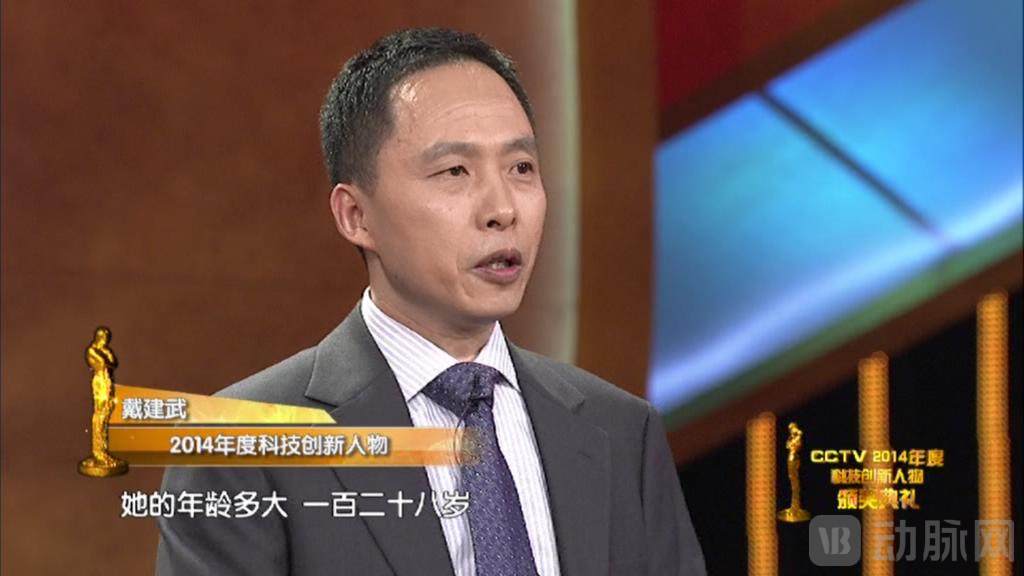
Figure: Dai Jianwu was named one of CCTV’s 2014 Figures in Technological Innovation (Source: CCTV report)
“In some longevity villages, there are many centenarians. So why do most people fail to reach this age? The primary issue is actually the wear and aging of certain body parts; the ‘machine’ still functions, but its ‘components’ have failed.”
“I just thought, how can I make it instantly clear to everyone?” He simply used car repair as an analogy: “After a car has been driven for a long time, bumps and scrapes occur, and it’s perfectly normal for parts to wear out or malfunction. When problems arise, you take it toRepair at a 4S Dealership, some parts can simply be replaced with new ones. In fact, the human body is similar; various diseases and accidents can damage the body’s “parts.” However, unlike vehicles, human parts are not so easily replaced—organ transplantation is akin to temporarily making do with spare parts from another car, unfortunatelyInsufficient Donor Supply, and also worry aboutImmune Rejection。”
He recalled his remarks at the event: “If one day we can use biomaterials as scaffolds, combined with our own cells, to repair or even regenerate damaged tissues and organs, would we then truly have ‘original equipment manufacturer (OEM) parts’ that belong to us?”
Dai Jianwu believes that his speech on the CCTV stage may help more people understand the significance of regenerative medicine and his own aspirations.
In fact, the concept of the “4S Shop” for the human body was first inspired by Zhenjiang.
Around 2017, Dai Jianwu arrived in Zhenjiang. As a city in Jiangsu Province, Zhenjiang is renowned for Jinshan Temple and Beigu Mountain, and it has another distinctive feature—Dense concentration of 4S car dealerships.
“When your car is being repaired, you can take it to a 4S dealership for maintenance. Why can’t there be a similar institution for the human body? At the time, everyone thought this idea was quite bold, almost like science fiction,” recalled Dai Jianwu.
Dai Jianwu emphasized that the concept of the “human body 4S shop” is not merely a simple metaphor, but rather an effort to drive a shift in societal perceptions. He pointed out that modern medicine should not focus solely on diseases themselves, but should place greater emphasis on the full-cycle management of individual health. “We hope that in the future, everyone will be able toProactively care for your health just as you would maintain a car—don’t wait until it breaks down to fix it; instead, prioritize daily upkeep.Only in this way can human healthspan be truly extended.”
The concept of the “Human Body 4S Shop” emphasizes far more than just the future ability to replace original-equipment parts; its true core lies inAdvocate a scientific approach to health management, treating prevention, maintenance, timely repair, and regenerative medicine as an integrated closed loop.
“Previously, we passively accepted tissue and organ damage and aging. Today, regenerative medicine brings unprecedented hope for repairing and reconstructing damaged tissues and organs. The focus of the future healthcare system should shift from being ‘disease-centered’ to ‘health-centered,’ comprehensively strengthening personal health management and the maintenance and regeneration of tissues and organs, enabling more people to enjoy high-quality, longer lives.”
This concept is particularly important for China, where population aging is intensifying.
“Therefore, this is not merely a concept for popularizing science, nor is it just a witty remark,” summarized Dai Jianwu. “It represents a profound transformation in the model of life and health management, requiring each of us to re-evaluate ourselves and place greater emphasis on health management. Everyone will benefit from this shift, spanning from specialized medicine to public health, and ultimately into our daily lives.”
More importantly, after nearly two decades of basic research and clinical exploration, many regenerative repair technologies that once seemed out of reach are now being practically applied to patients and are continuously maturing and improving.
To date, the team led by Dai Jianwu has independently achieved breakthroughs and mastered23 ItemsCore clinical key technologies in regenerative medicine, with independent intellectual property rights, in the fields of oral soft and hard tissue repair, bone regeneration, endometrial and ovarian function reconstruction, skin and dura mater repair, etc.Successively Obtained Six National Class III Medical Device Registration Certificates, achieving high-standard, end-to-end product research and development.“Each registration certificate represents the culmination of clinical validation and technological breakthroughs, underpinned by real-world therapeutic outcomes from hundreds of patients.”
In 2024, the team independently developed a regenerative repair product for spinal cord injuryNeuroRegen® Scaffold (Based on the Principle of Nerve Regeneration Guidance)Successfully entered the Special Review Channel for Innovative Medical Devices in China—becoming the world’s first officially recognized product for regenerative repair of spinal cord injury, filling an international gap. The project has also received support from China’s National Key Programs and is hailed as“Human Regenerative Engineering with the Greatest Promise of Breaking the Irreversible Curse of Spinal Cord Injury.”
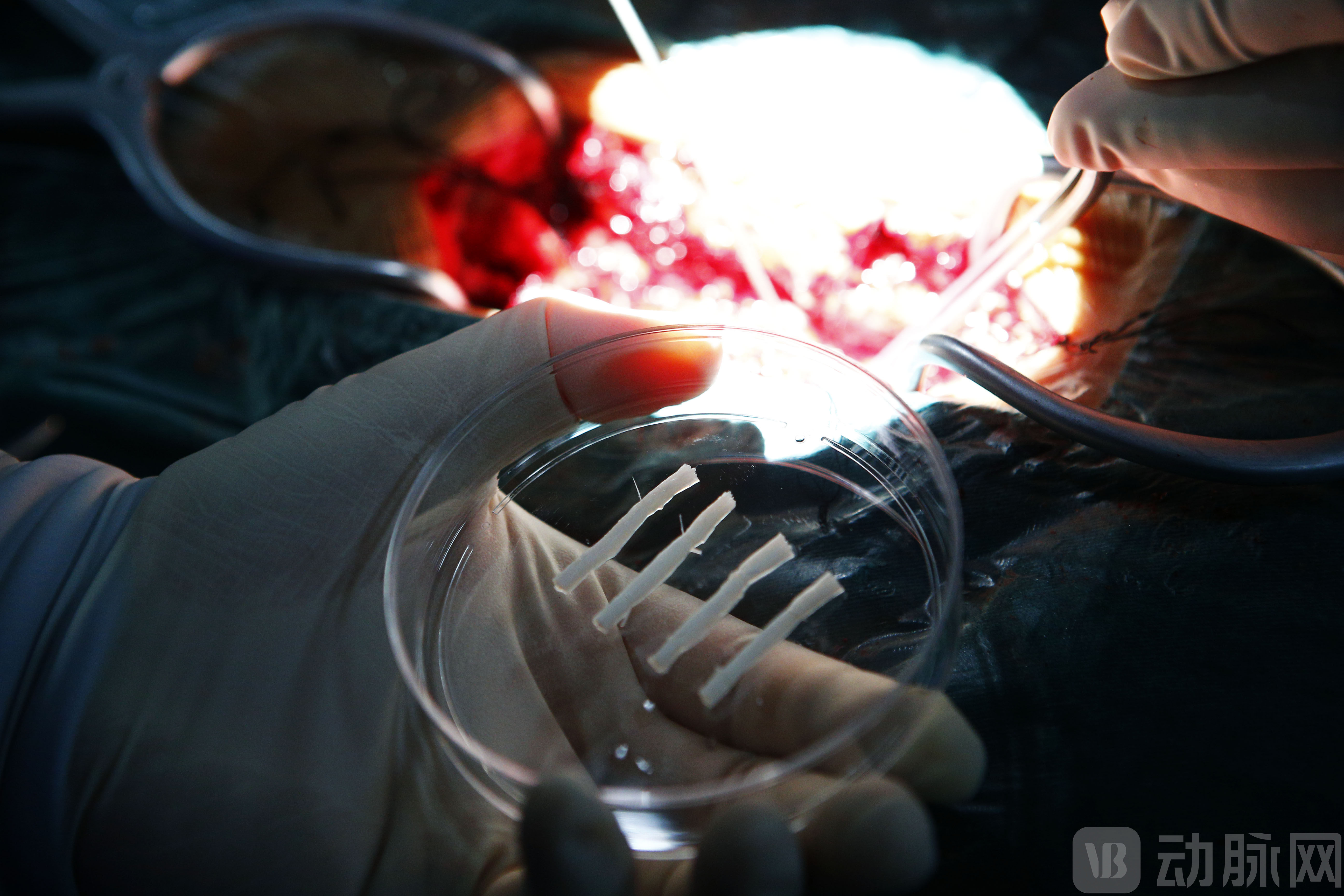
Figure: Medical personnel preparing to implant a collagen scaffold for nerve regeneration into a patient with spinal cord injury (Source: Photo provided by the interviewee)
At this stage, the team has begun18 itemsClinical Translation of Original Regenerative Medicine Technologies, Comprehensively Covering the Eight Major Systems of the Human Body, with Cumulative IndicationsOver 20 types, including: corneal repair, septal reconstruction, vocal cord regeneration, autologous cranial repair, peripheral nerve/brain injury and spinal cord injury, tendon healing, vaginal/uterine/ovarian functional reconstruction, bladder and urethral neogenesis, neonatal diaphragmatic hernia repair, duodenal/biliary tract repair, as well as a series of high-difficulty regenerative treatments or organ replacements for the lungs, myocardium, and liver. This truly achieves full-cycle protection from newborns to the elderly, from minimally invasive devices to major organ transplantation, and from head to toe.
These achievements include not only high-difficulty cases from international multicenter clinical trials, but alsoMultiple “First in China” and “Only One Worldwide”technological breakthrough.The team-led original technologies have secured over 60 authorized patents and published more than 300 SCI-indexed papers., and has repeatedly achieved the translation of scientific achievements into practical applications and industrial implementation, driving high-end innovation in domestically produced medical devices to lead globally.
Behind these densely packed technological milestones lies the first major leap by China’s indigenous innovators to the global forefront of regenerative medicine. Each regulatory approval, clinical case breakthrough, and patented innovation stands as powerful testament to the team’s more than two decades of accumulated expertise and relentless perseverance.
“Currently, multiple regenerative medicine technologies have matured and are widely being implemented in clinical practice. The next decade will be the most critical period for the application of these regenerative medicine technologies.”Dai Jianwu stated.
Like the 22-year-old girl with spinal cord injury mentioned at the beginning of the article, many patients have benefited from the technological achievements of Dai Jianwu’s team, witnessing hope that transforms despair into new life.
Endometrial Repair: Another Case of a Transformed Destiny.
Around 2008, Dai Jianwu visited Nanjing Drum Tower Hospital to evaluate a collaborative project on myocardial infarction repair. During their discussions, Dr. Hu Yali, Director of the Department of Obstetrics and Gynecology at Nanjing Drum Tower Hospital, approached him with the hope of identifying promising therapeutic options for patients suffering from infertility due to endometrial injury.
Annual Number of Induced Abortions in ChinaUp to 8 million to 20 million cases, while painless abortion offers convenience, it also causes significant damage to the endometrium, leading to issues such as endometrial loss, adhesions, and scarring.
“The endometrium is like a saline-alkali field,” Dai Jianwu vividly analogized, “making it difficult to nurture crops.” The damaged endometrium fails to provide the necessary conditions for embryo implantation and development, leaving many families trapped in the plight of infertility.“Restoring the possibility of childbearing to women who have lost their fertility is not merely a restoration of organ function, but also a respect for the integrity of female identity.”Dai Jianwu said.
In terms of technical solution design, Dai Jianwu believes that it is only necessary to develop a decellularized biomembrane to cover the area of intimal defect, thereby guiding tissue regeneration. This biomembrane can be designed with a dual-sided structure: the rough side adheres to the wound bed to facilitate rapid angiogenesis, while the smooth side guides the orderly repair of intimal tissue.
But there was another problem—how to deliver this membrane precisely into the uterus without causing trauma to the patient? In animal experiments, direct surgical incision is feasible, but the same approach cannot be applied in humans. “I said I couldn’t come up with a solution,” recalled Dai Jianwu with a smile. “Clinicians are better suited for tasks involving direct patient contact.”
Ultimately, the team of clinicians led by Professor Hu Yali devised an ingenious solution: using a Foley catheter, similar to a urinary catheter, to roll up the biomembrane and deliver it into the uterine cavity. An appropriate amount of fluid was then injected to inflate the balloon, allowing the membrane to fully expand at the target site and adhere closely to the uterine wall. Capillary ingrowth occurs within 24 hours; thereafter, the fluid is drained and the catheter removed, leaving the biomembrane firmly adhered to the repair area and laying the foundation for endometrial regeneration.
This project was officially introduced into clinical practice in 2013,On July 17, 2014, the world’s first baby born through endometrial regeneration technology was successfully delivered.became a landmark breakthrough. To date, more than 200 patients have received treatment, with a success rate ofReaching 60%-70%, ushering inOver 100 New Livesthe advent of which, in some patients, the endometrial thickness can increase from< 2.5 mm to > 7.3 mm。
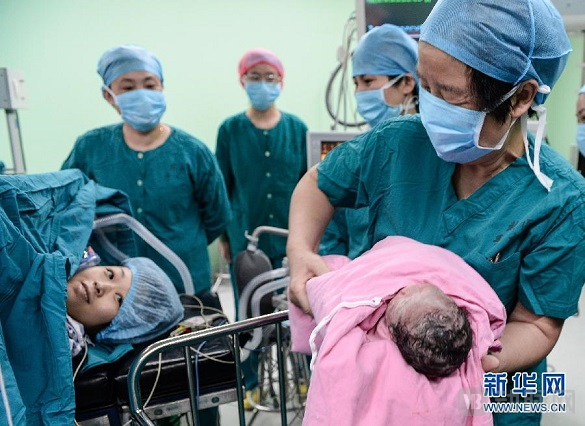
Figure: On July 17, 2014, the world’s first baby conceived through endometrial regeneration technology was successfully born (Source: Xinhua News Agency)
In 2018, the project was awarded the First Prize of Jiangsu Province for Scientific and Technological Progress. This July, the related products obtained the National Class III Medical Device Registration Certificate. Yin Hejun, then Vice President of the Chinese Academy of Sciences and currently Minister of Science and Technology, has often cited this project as an example to elaborate“Clear objectives, measurable outcomes, practical applicability, and significant impact”project management philosophy, this project has also become a benchmark case for the translation of scientific research.
“Many clinical matters require genuine, aligned communication with clinicians, rather than shouting into the void or adopting a condescending tone,” said Dai Jianwu. “Our collaborations with clinicians have spanned ten to twenty years, reflecting a sense of mutual trust and shared accomplishment.”
Just as the challenge of endometrial repair was resolved, new challenges emerged—letters from patients with premature ovarian insufficiency poured in like snowflakes. According to statistics, among women of childbearing age in China, premature ovarian insufficiencyThe incidence rate is as high as 1%-3%, with approximately 3 million patients.
“When I was working on this project, I received numerous emails almost every day, with my inbox accumulating over a thousand messages at its peak. Most of the senders were young women in their twenties and thirties—experiencing amenorrhea at an early age. What caused them even greater anxiety was the hormonal imbalance within their bodies; it felt as though aging had arrived prematurely, casting a shadow over the course of their lives.”
Ovarian regeneration technology began with these emails.
Dai Jianwu and Professor Sun Haixiang, Director of the Reproductive Medicine Center at Nanjing Drum Tower Hospital, joined forces to address the clinical challenges of premature ovarian insufficiency. During their research, they observed that these patients exhibited severely compromised ovarian blood flow. This led them to hypothesize: “If we could promote vascular ingrowth, might the ovaries regain their vitality?” Guided by this premise, the team embarked on efforts to overcome the associated technical hurdles.
In 2016, this project ranked among theNational First-Batch Registered Institutions for Clinical Stem Cell Research (Only 8 Quotas Nationwide). The clinical technique of using injectable decellularized matrix as a scaffold combined with mesenchymal stem cells has brought new hope to 20 patients, ultimately resulting in successful pregnancies for two patients.
January 12, 2018,First “Ovarian Regeneration Baby” Born Healthy—marking another miracle of life following the world’s first baby born from regenerated endometrium on July 17, 2014.
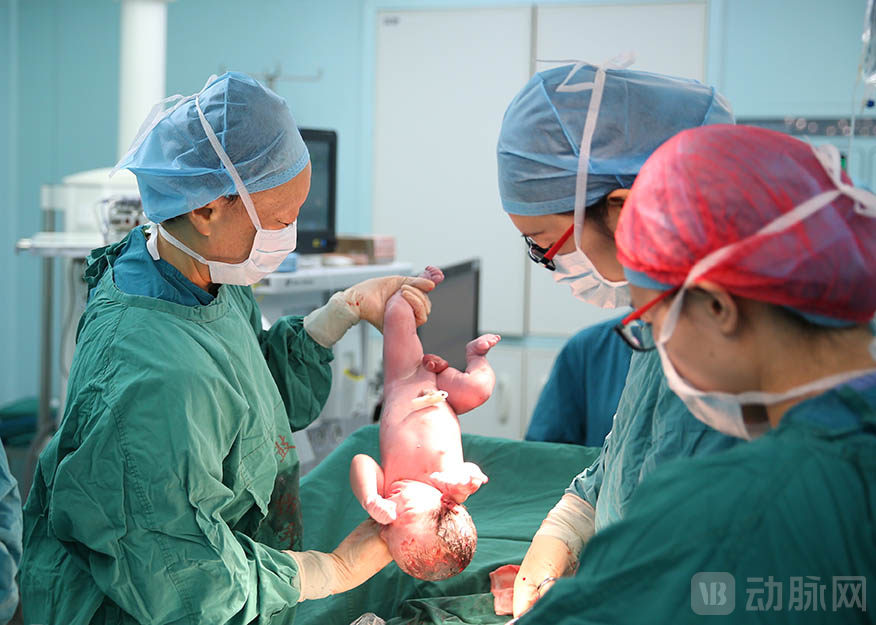
Figure: On January 12, 2018, a 34-year-old patient with premature ovarian insufficiency gave birth to a healthy baby (weighing 2.95 kg and measuring 49 cm in length) (Photo provided by the interviewee)
Following the breakthrough in the ovarian regeneration project,Dai Jianwu then turned his attention to another dark corner of early life—congenital diaphragmatic hernia.
Congenital Diaphragmatic Hernia: This major malformation, caused by incomplete closure of the diaphragm during embryonic development, acts like a crack in fate, ruthlessly claiming the lives of thousands of newborns. Each year, countless families are forced to make the painful decision to terminate their pregnancies following a prenatal diagnosis of “diaphragmatic defect.”
“In fact, such birth defects are essentially limited to localized tissue deficiencies. As with cleft lip and palate, many fetuses have completely normal other organs. Pregnancy is already challenging enough; it is truly regrettable that a medical challenge terminates an otherwise healthy new life.”
In response to this condition, often considered a “death sentence,” Dai Jianwu and his team have conducted multiple studies. Preliminary animal experimental data showed significant regeneration of diaphragmatic muscle tissue 12 months after reparative surgery. Professor Ma Lishuang from the Pediatric Research Institute of Capital Medical University in Beijing has been performing neonatal surgical procedures for many years and holds considerable influence in the field. The Dai Jianwu team has collaborated closely with Professor Ma’s team to conduct clinical trials on neonatal diaphragmatic hernia repair. Currently, the first-in-human clinical trial has been completed, with the infant patient showing favorable recovery six months postoperatively.
Every child who recovers their health is a powerful rebuttal to the notion that “life is irreversible.”If this technology is widely adopted, it is expected to annually3,000 to 5,000 fetuses with diaphragmatic herniaBringing the Dawn of Life.
Although the patient population for this single disease is far smaller than that of common conditions and it is difficult to generate short-term commercial returns, in Dai Jianwu’s philosophy of life, every new life should be given the opportunity for a “complete birth.” “The repair and intervention of birth defects represent the medical innovations most worth striving for. With timely treatment, these children could otherwise grow up healthy and just like any other child.”Each year, it is not only thousands of children who benefit from technological breakthroughs, but also the tens of thousands of families behind them.”
Currently, Dai Jianwu’s team is actively preparing industry reports to call for greater societal attention to cases in which fetal defects could be medically corrected, thereby preventing hasty terminations of pregnancy upon detection of such anomalies.
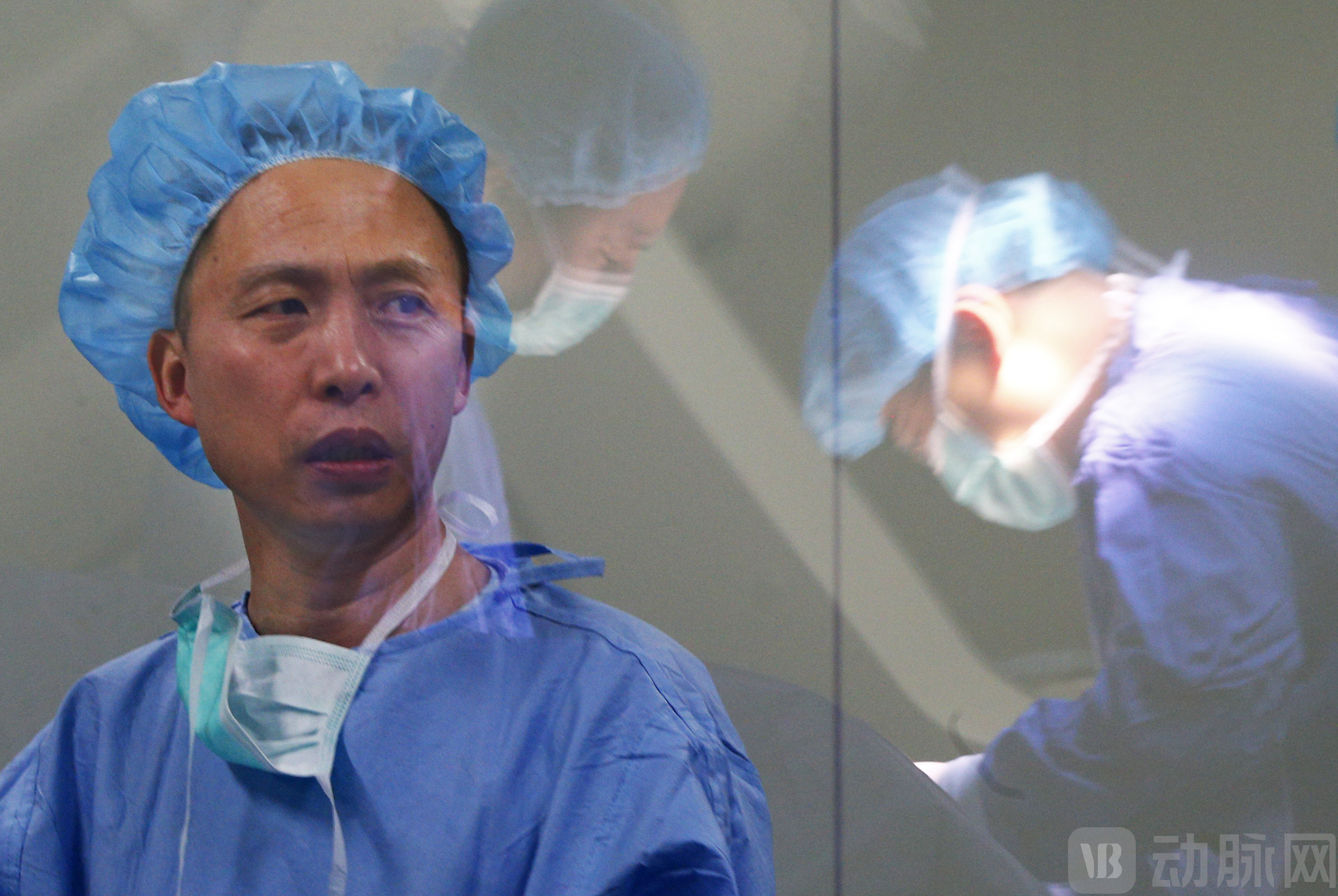
Figure: Professor Dai Jianwu in the operating room (photo provided by the interviewee)
Changed Lives, and More.
The Voiceless Regain Their Song—The World’s First Vocal Cord Regeneration and Repair Procedures Have Restored Patients’ Ability to Speak and Sing;
Cranioplasty—Leveraging autologous bone flap reimplantation to achieve complete skeletal restoration within months, significantly reducing the economic burden;
Complete vaginal reconstruction, 8 cm of neo-tissue generation, corneal repair...
Bladder, intestine, biliary tract, liver, nerves, lungs...
These once “intractable” human tissue defects are now gradually showing promise for repair; behind each breakthrough lies a transformation in the life trajectories of many individuals.
“As long as there is a suitable biological scaffold and endogenous stem cells can be activated,As long as life has not ceased, the organs of the human body hold the promise of structural and functional regeneration.“Dai Jianwu said firmly.”
The frontiers of regenerative medicine are continually being expanded. The boundaries of “lives transformed” are also constantly extending.
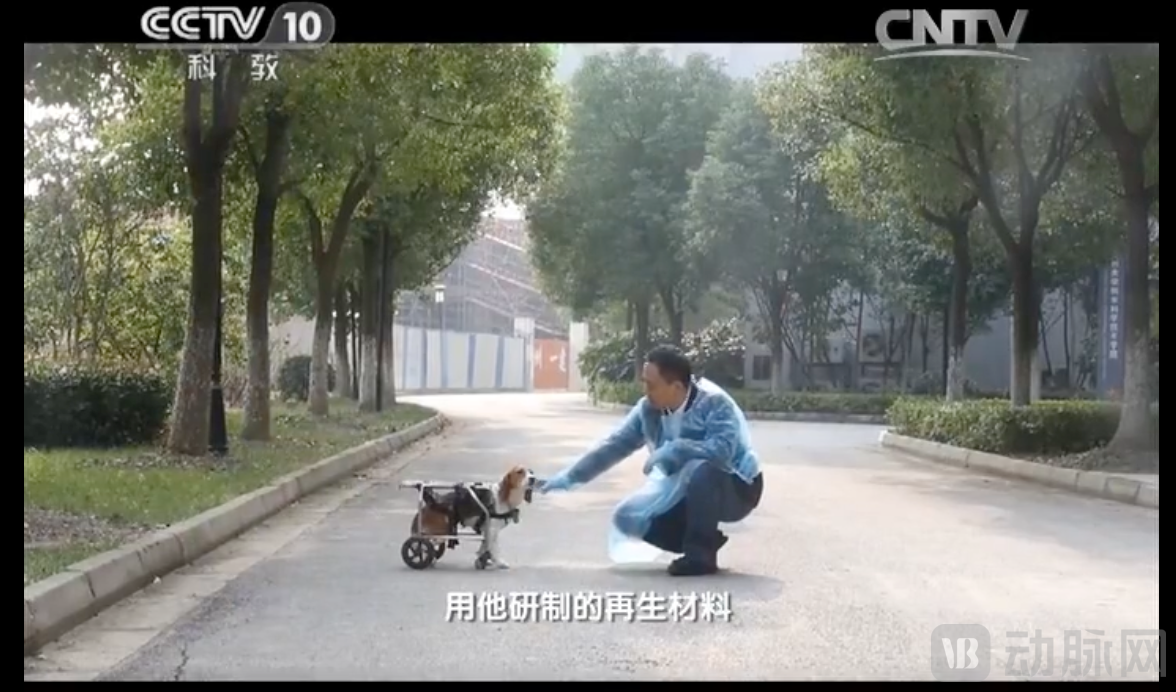
Figure: A heartwarming video featured in a 2014 CCTV report showed Dai Jianwu expressing his hope to use his developed regenerative materials to restore a puppy’s ability to stand. More than a decade later, this vision has become a reality.
Our first conversation with Dai Jianwu took place on an autumn afternoon in Chongqing in early October.
That day, shortly after delivering his keynote address at the 2nd Jinfeng Stem Cell Forum, he accepted an invitation from Li Datao, founder of VCBeat, to give an internal sharing session at their Chongqing office. Over lunch, Dai Jianwu recounted the tortuous journey of exploring life restoration and the moving moments when patients regained new life. His calm narration stirred deep ripples within our hearts.
This conversation was clearly insufficient for us to fully understand this scientist.
By late October, the autumn atmosphere in Beijing had deepened. We met Dai Jianwu again in his office at the Institute of Genetics and Developmental Biology, Chinese Academy of Sciences. Nestled adjacent to the Olympic Forest Park, the institute’s courtyard was immersed in the tranquility of late autumn. Golden ginkgo leaves drifted down one by one in the cool breeze, like footnotes to the passage of time.
Dai Jianwu shared with us the unseen perseverance and reflections, as well as the loneliness and joys encountered on the path of scientific research. At the height of his enthusiasm, he picked up a sample of biomaterial from the table and held it out before us.
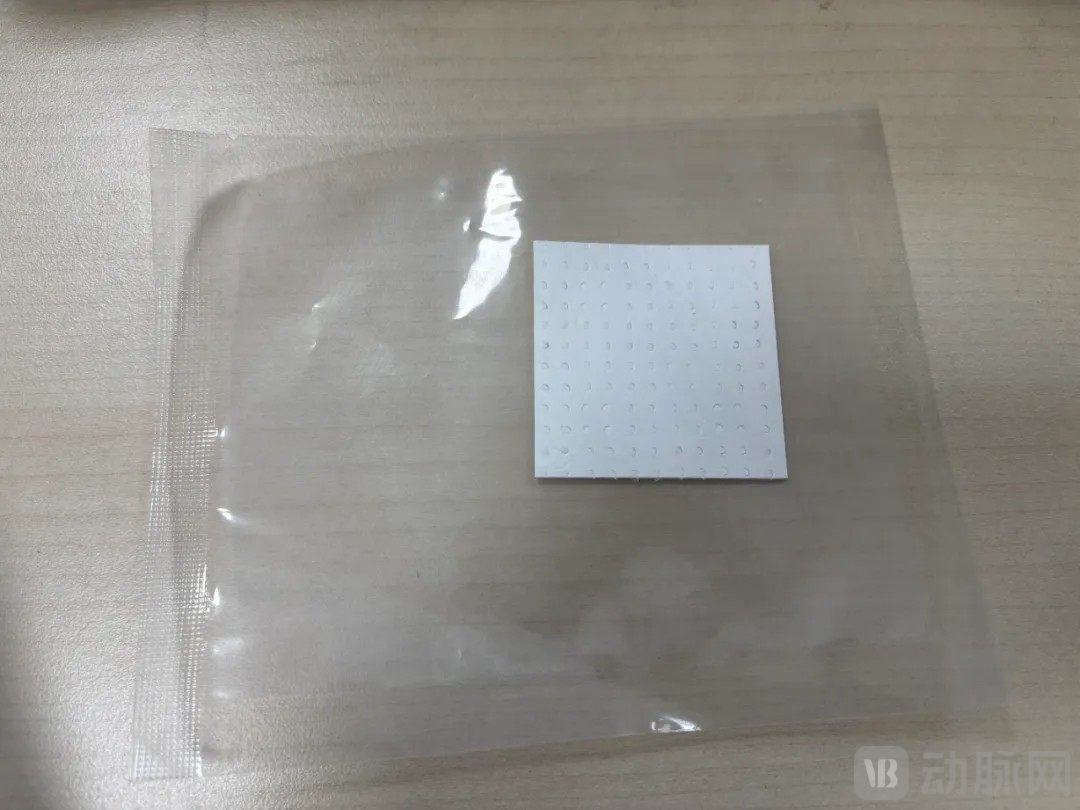
Figure: Dai Jianwu displays the bio-regenerative “patch” (Source: Photo by VCBeat Orange Fruit Bureau)
At that moment, we were amazed that such a thin, Band-Aid-like patch could repair damaged human tissues, saving both a life and a family. We also marveled at the concept of the “human body 4S shop,” once perceived as science fiction and distant, now becoming a reality before our eyes.
“The Human Body 4S Shop is a vast undertaking, but it is gradually becoming a reality from concept to implementation. I believe it may only be a matter of the next three to five years.”Dai Jianwu has his own judgment on the timeline.
He revealed that the first hospital has already signed an agreement. The next step is to select approximately five additional technologies for filing with the Provincial Health Commission, followed by another five distinct technologies at a second hospital, expanding to 10, 20, and beyond, thereby building a comprehensive technology toolkit.
“Ophthalmic hospitals will focus on technologies related to the cornea, fundus, and optic nerve; obstetrics and gynecology hospitals will concentrate on technologies involving the endometrium and ovaries; while general hospitals can adopt a broader range of technologies,” said Dai Jianwu, outlining this increasingly clear blueprint.
This is not blind optimism. From individual cases to scalable solutions, from serving a few patients to reaching millions; more than a decade has passed since the birth of the first baby conceived using endometrial regeneration technology in 2014, and it has also been ten years since the launch of spinal cord injury research. In fact, each technology has undergone sufficiently lengthy clinical validation before reaching maturity.
“The issue now is not whether the technology works, but how to make it accessible to more people. Every city has automotive 4S dealerships; why can’t we have ‘human body 4S shops’?” Dai Jianwu countered.“People are far more important than cars.”
In fact, we discussed many past events and topics that day, each of which deserved a detailed elaboration, to the extent that I burned the midnight oil for several nights while organizing this article.
On Aging and Death, Dai Jianwu spoke bluntly, “I have always felt that anti-aging itself is unscientific, because aging is a process, and everyone will inevitably age.”
In his view, many current anti-aging concepts fundamentally defy natural laws. “Everyone wants to remain youthful and reverse aging, and sellers of anti-aging products claim they can make your body ten years younger, but this is scientifically unfeasible.”
“Aging is a natural law; humans are inevitably mortal. If we didn’t die, the world would descend into chaos. There must be successive generations.” His logic was straightforward: “If no one ever died, what would this world even be called?”
But this does not mean a passive acceptance of aging. Dai Jianwu has a very clear positioning for regenerative medicine: “Regenerative medicine is not intended for anti-aging; rather, it should be used to maintain and improve quality of life, enhancing the overall well-being of individuals within their finite lifespan.”
This is a more pragmatic and human-centered perspective—not pursuing the illusion of immortality or age reversal, but ensuring that every individual can maintain their due dignity and quality of life throughout the natural course of aging.
He could not help but weigh in on the currently popular aesthetic medicine procedures. “Many young women nowadays undergo aesthetic treatments, starting with injections in their twenties in an effort to look younger.” Dai Jianwu shook his head. “I believe that people should embrace the appearance natural to each stage of life.”
“Beauty at 20 is unique to that age, just as beauty at 30 and 50 is distinct to each respective decade. Why must a 50-year-old be expected to look like a 30-year-old?” he countered. “That itself goes against the laws of nature.”
In his view, true beauty should be natural and age-appropriate. “Every stage of life has its unique charm and value; we should accept and appreciate this natural evolution rather than blindly pursuing the so-called ‘ageless’ ideal.”
# Speaking of Health, Dai Jianwu himself is the best example. At 60 years old, he is full of energy, which is backed by decades of self-disciplined living.
“After 10 p.m., my brain basically shuts down, and I start to fall asleep. I wake up around 6 a.m. and never linger in bed. This sleep schedule has been ingrained in me since childhood, possibly influenced by my father. When people ask how I can be so energetic, I tell them it’s because I sleep well,” said Dai Jianwu with a smile.
The health advice he offered is quite simple: get sufficient sleep, maintain a balanced diet, and engage in moderate exercise. “Many anti-aging products are marketed with exaggerated claims; true health stems from a scientific lifestyle, not from reliance on external products.”
On Expectations and Advice for Young People, Dai Jianwu changed the subject. As a mentor, his expectations for students are simple yet stringent.
“You must have an interest in what you do; if you’re not interested, don’t do it,” said Dai Jianwu, with a slightly serious tone. “Since you are interested, you must be willing to endure hardship. Every effort yields its corresponding reward.”
“No pain, no gain” is not only an accurate reflection of his own decades-long scientific research career but also a simple truth he wishes to impart to the younger generation. In addition to diligence, the values passed down from his father—avoiding self-centeredness, practicing empathy by considering others’ perspectives, and taking genuine pleasure in others’ success—are also what he aims to instill in his students: “In both character and conduct, maintain a broader perspective; do not always focus on yourself.”
Finally, we discussed “What Can Regenerative Medicine Actually Do?”
Dai Jianwu’s response was equally simple and direct—"Let people of all ages live with dignity; quality of life is more important than its length."
He gave an example, “For instance, I am 60 years old now. In another 60 years, I will be 120, and that may well be the limit of my lifespan. However, I hope that throughout this process, I can do what I should do and what I want to do as much as possible, suffer fewer age-related diseases, and retain the ability to walk, see, and hear. I believe this is what regenerative medicine should deliver to humanity.”
In his vision, people can still live independently at the ages of 80 or 90, and even at 100, rather than being bedridden or connected to various tubes in their seventies or eighties. “Such life-sustaining measures are of little significance and result in a very low quality of life.”
“Quality of life is more important than its length,”He emphasized, “This quality of life is more prominently reflected in middle and old age, the latter half of life.”
Certainly, he divides the improvement of quality of life into two directions.First, by harnessing the power of technology, such as brain-computer interface technology to enhance bodily functions;Second, timely repair of tissue and organ damage through regenerative medicine.
“After entering an aging society, regenerative medicine may become a crucial means of improving the quality of life for the elderly,” said Dai Jianwu. “At the ages of 70 or 80, various tissues and organs sustain damage; if repaired in time, these organs can continue to function. In the long term, if organ manufacturing is successfully achieved, individuals could even receive organ transplants at the age of 100.”
This is Dai Jianwu’s understanding of the warmth and dignity of life: enabling individuals to maintain wholeness within their finite lifespan—wholeness of the body, wholeness of dignity, and wholeness of quality of life. This may well be the ultimate question he has sought to answer through a lifetime of scientific research.
From a child carried from rural Anhui to the hospital for emergency care, to a scientist whose 23 original regenerative medicine technologies may enable countless individuals to regain complete lives, Dai Jianwu has drawn a circle of “wholeness” through more than half a century of his life journey.
Now, this circle is continuously expanding. VCBeat has led the acquisition of six Class III medical device registration certificates, mastered 23 core technologies in regenerative medicine, treated 128 patients with spinal cord injury, facilitated the birth of over 100 new lives, enabled the annual salvation of 3,000–5,000 fetuses, offered hope to 3 million patients with premature ovarian insufficiency, and provided better options for 200,000 patients undergoing skull repair…
Now, the entire world is focusing on the progress of Dai Jianwu’s team.In the big data analysis conducted by the international journal *Neural Regeneration Research*, his team has consistently ranked among the top five globally in the field of neural regeneration, securing the number one position in 2022.
His proposed “Human Body 4S Shop” was merely a science-fiction concept ten years ago. Today, the transition from concept to reality may take only three to five years.
It will be a future where we no longer fear aging due to tissue degeneration, one in which the body’s “parts” can be scientifically maintained like car components. Dai Jianwu’s dream represents the most robust technological response to our ultimate concern: “How do we age?”
“During this process, media-led science popularization and dissemination are certainly essential,” said Dai Jianwu. “The public perceives the medical aesthetics market as chaotic, with many even receiving unregulated stem cell injections, largely because there are no proper channels for authoritative information dissemination.”Therefore, I believe it is essential to establish proper communication channels to foster accurate public understanding.”
“The value of regenerative medicine lies not in the number of patients it can treat, but in its ability to restore the dignity of life for those who have been abandoned.”This is not about combating aging or pursuing immortality, but rather ensuring that every individual can maintain their inherent integrity and optimal well-being throughout the natural course of life.
Just as that 22-year-old girl rose to her feet again, it was not merely a miracle, but the inevitable outcome of Dai Jianwu’s journey from theory to practice and from his return to China to his steadfast commitment, embodying a scientist’s profound and primordial reverence for life.
And the story of “wholeness” has only just begun.