

PangCe Medical Files IPO Prospectus: Standardizing High-Quality Hair Transplantation with Hairo Robotic System Validated in 40+ Hospitals and Nearly 1,000 High-Standard Surgeries

Puncture Robotic
Medical Robot Developer
In recent years, behind the rapid expansion of the hair restoration industry, a series of structural contradictions have become increasingly prominent: many private hair transplant institutions suffer from insufficient standardization, severe homogenization, and are deeply entrenched in involutionary practices of “trading low prices for traffic”; meanwhile, public hospitals face challenges such as the long training cycle for hair restoration specialists and significant pressure on departments to achieve financial self-sufficiency. Furthermore, hair transplant surgery is labor-intensive and highly repetitive, with a heavy reliance on individual physicians’ experience, making it difficult to consistently replicate efficiency and quality.
Amid mounting pressures from costs, efficiency, and surgical quality, the entire hair transplantation industry is urgently seeking a new pathway that can tangibly enhance efficiency and achieve standardized, scalable replication of procedures. In this context, hair transplantation robots, with their micron-level operational precision, end-to-end standardized output, and cross-institutional collaborative capabilities, have emerged as the core solution to empower hair transplant surgeons and address the industry’s critical pain points.
At this critical juncture of industry transformation, the 8th China Hair Transplantation Conference was held in Xi’an. As the most authoritative academic event in the field of hair medicine in China, it serves not only as a platform for technical exchange but also as an important window for observing the intelligent transformation of the industry. At the conference, Puncture Robotic unveiled its self-developed first-generation Hairo Hair Transplant Surgical Robot and second-generation FaZhixing Hair Transplant Surgical Robot.
Validated through nearly a thousand high-standard clinical procedures, Puncture Robotic’s hair transplant robot has significantly enhanced surgeons’ operational efficiency and procedural quality, driving hair restoration services toward standardization and premium quality. This transformation is turning high-end hair transplantation from an exclusive “top-tier configuration” available at only a few institutions into a scalable “standard service.” This also signals to the industry that China’s intelligent hair transplantation sector has entered a new development phase centered on high-standard surgical protocols, large-scale application, and ecosystem building.
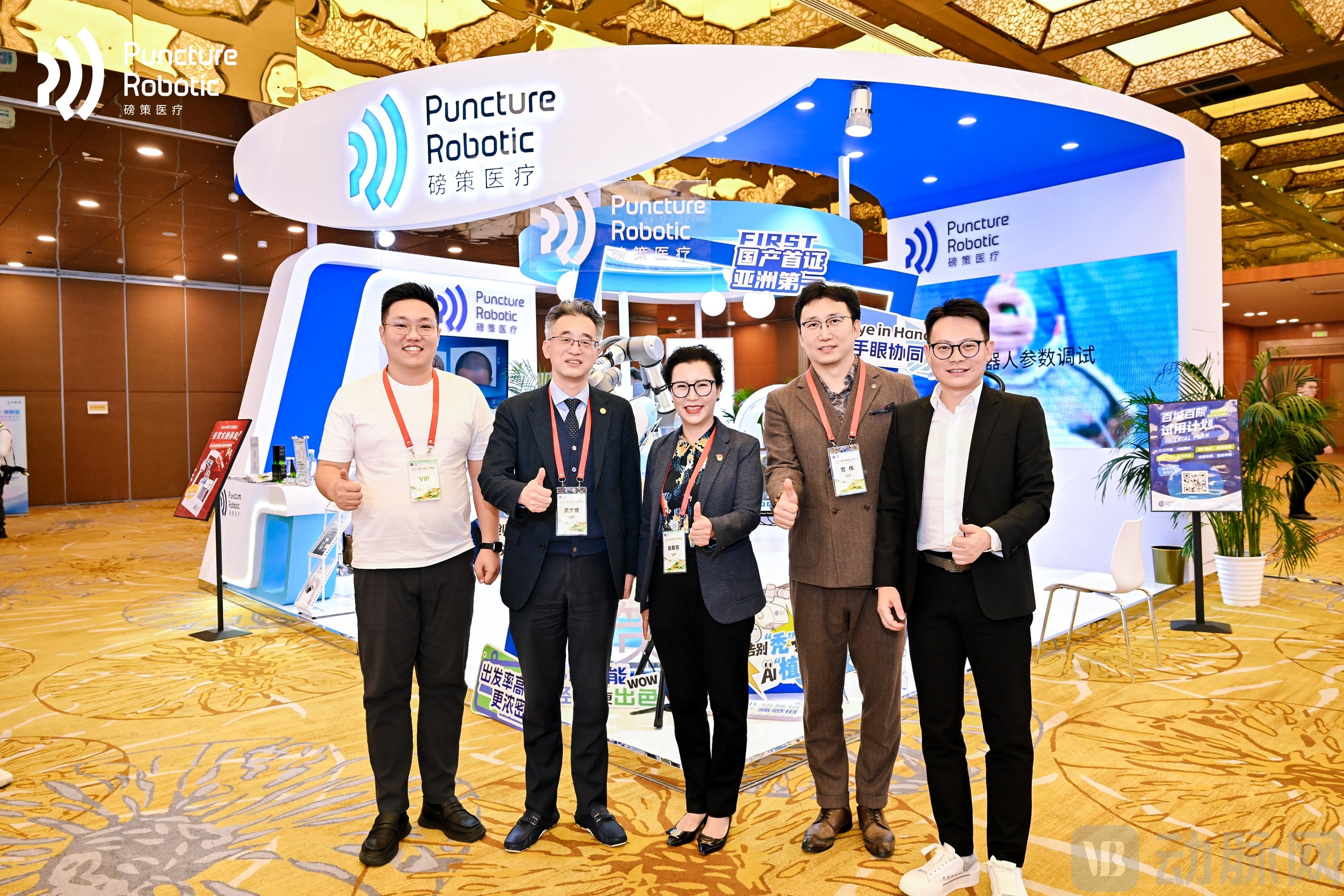 From left to right: Zhang Zhaodong, CEO of Puncture Robotic; Professor Wu Wenyu, Director of the Department of Dermatology at Huashan Hospital Affiliated to Fudan University; Professor Zhang Jufang, Director of the Department of Medical Aesthetics at Hangzhou First People’s Hospital Affiliated to Westlake University School of Medicine; Dean Guan Wei of Shaanxi Fuda Hospital under Bayu Medical; and Chen Yuxin, CMO of Puncture Robotic.
As the first intelligent hair transplantation device independently developed by Puncture Robotic, the Hairo Hair Transplantation Surgical Robot obtained the NMPA Class III medical device registration certificate in January 2025, becoming the first hair transplantation robot in Asia and the first domestically produced one to receive such certification. However, its significance extends far beyond this—Hair transplant surgical robots, represented by Hairo, have led the industry in achieving a generational leap from manual hair transplantation to automated operations. They have resolved the fundamental contradictions inherent in manual procedures—namely, their labor-intensive nature, reliance on individual experience for precision, and difficulty in standardizing workflows—thereby upgrading this “craftsmanship-based” practice into a standardized process characterized by both high stability and high precision.
Furthermore, unlike surgical robots currently on the market that still require physicians to lead and operate throughout the entire procedure, Hairo has achieved an automated closed-loop process of “follicle identification–path planning–precise extraction” through three core foundational technologies: a self-developed stereoscopic vision recognition system, an intelligent cloud-based central processing unit, and high-precision force-controlled robotic arms. Physicians only need to set key parameters on the screen, allowing the robot to fully take over the repetitive and time-consuming task of follicle extraction, while maintaining consistent precision and stability throughout prolonged surgeries.
As a highly intelligent hair transplant assistant, Hairo leverages human-machine collaboration to help general practitioners rapidly achieve expert-level proficiency and amplify the surgical capabilities of senior specialists. By liberating physicians from repetitive tasks, it enables them to focus on high-value activities such as complex case planning and post-operative aesthetic optimization.
For a vast number of hair restoration patients, Hairo’s standardized and precise procedures reduce the difficulty and risks associated with selecting doctors and institutions; its automated and minimally invasive approach not only improves follicular unit survival rates but also shortens the recovery period and alleviates postoperative discomfort.Especially for individuals with scarce donor-area follicular resources, Hairo can minimize follicle damage and waste to the greatest extent, improve the utilization rate of viable follicles in a single procedure, and provide more ideal hair transplantation outcomes for those with limited follicular reserves.
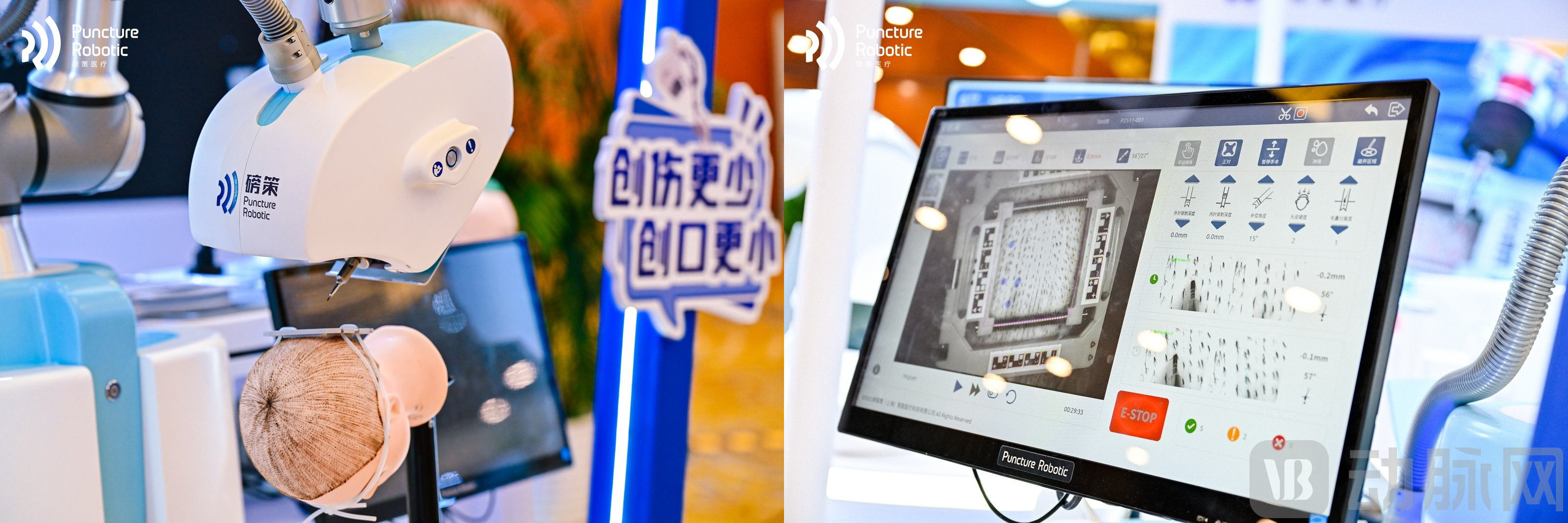 Hairo Hair Transplant Surgical Robot
It is precisely based on the significant improvements in clinical value and patient experience that Hairo has also gained widespread market recognition during its implementation and promotion. Since its approval,Hairo has completed commercial deployment and scientific research collaborations with over 40 hospitals and institutions across China, and has been implemented in chain organizations such as Zhongzhi Medical Group and Damai Micro-needle Hair Transplantation, cumulatively completing nearly 1,000 real surgeries.. Among them, Zhongzhi Medical Group has performed over 200 robotic hair transplantation surgeries. The stability and reliability of Hairo have been fully validated, making it a smart hair transplantation device that has truly entered the stage of routine commercial application.
If Hairo provided a compelling answer to the question, “Can intelligent hair transplantation be performed?”, then Puncture Robotic’s second-generation FaZhixing Hair Transplantation Robot illustrates “where intelligent hair transplantation is headed.”
AsThe only hair transplant robot in China currently included in the National Innovative Medical Device Green Channel,FaZhixing atMulti-purpose(Automated extraction coordinated in parallel with punching and implantation),Flow Recognition(Intelligently tracks hair growth direction, dynamically adjusts punching angle and implantation plan),Intelligent Planning(Supports customized planning and synchronized execution of multi-region density),Dual Improvement in Efficiency and Precision(Achieving a punching speed of up to 4,000 punches/hour and precisely avoiding native hair follicles based on proprietary AI image algorithms), the system has achieved breakthroughs in multiple key capabilities, enhancing surgical quality and efficiency while meeting the personalized hair transplant needs of patients.
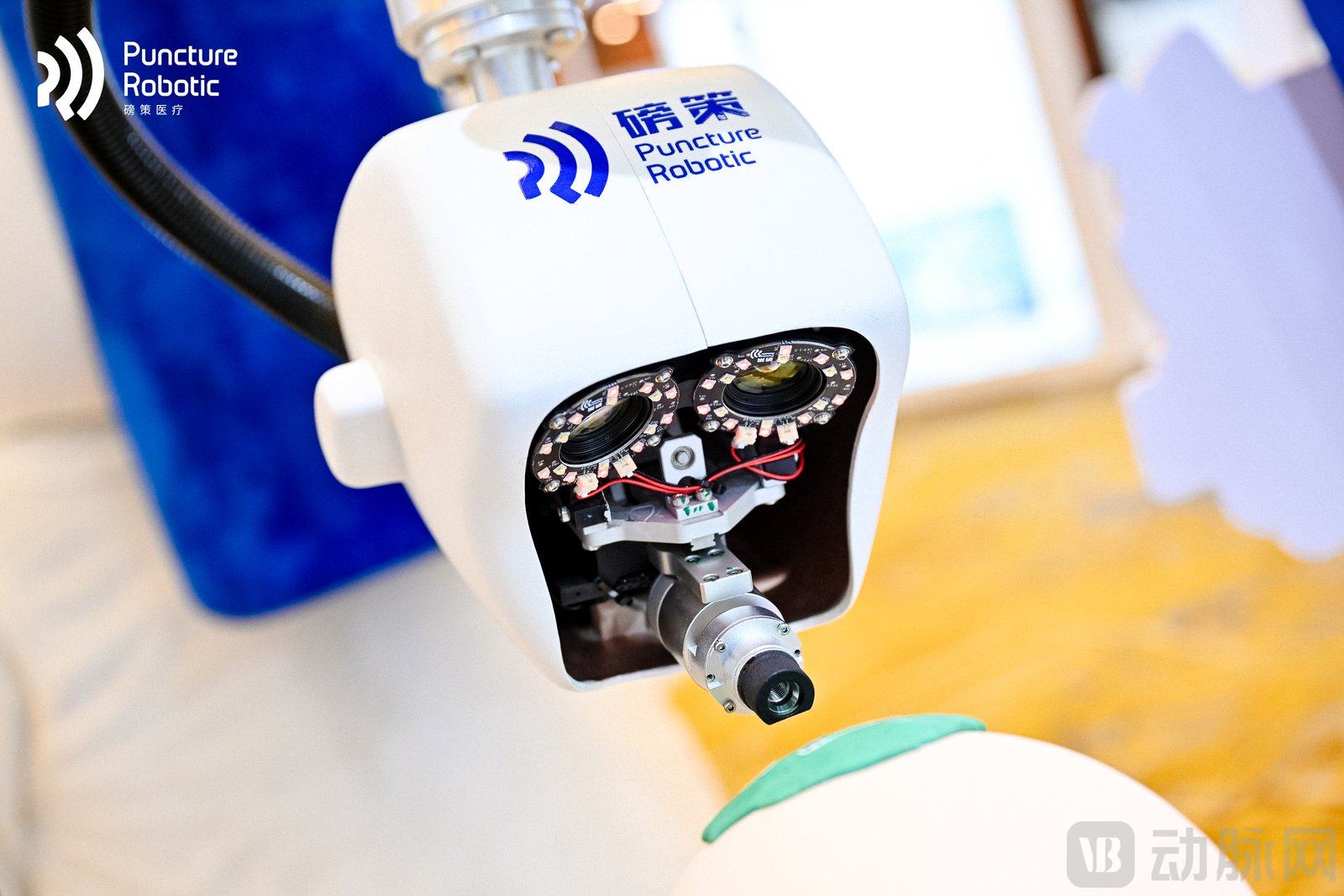 Fazhixing Hair Transplant Robot
It is worth emphasizing that, whereas most overseas hair transplant robots currently serve a “localized assistance” role (such as focusing on follicle identification or automating limited steps), the emergence of Fazhixing marks a further evolution in hair transplantation from “partial automated execution” to “automated execution plus intelligent decision-making.” It not only performs and enables procedures but also conducts real-time judgment and dynamic adjustments in complex scenarios—a key watershed moment for the maturation of intelligent hair transplantation.
The simultaneous debut of two generations of devices at the Hair Transplant Conference in China represents more than just product iteration; it signifies a systematic breakthrough by Chinese enterprises in core areas such as the underlying architecture, proprietary algorithms, and intelligent planning of hair transplant robots. This milestone marks the establishment of an independent technological pathway and international competitiveness for China in the field of robotic hair transplantation. Puncture Robotic is defining the “present” and “future” of intelligent hair transplantation through its continuous and systematic technological layout.
During the conference, byShanghai Hair Medicine Engineering Technology Research Center(The only engineering technology center in China dedicated to hair research) andHair Medicine Branch of the Chinese Association of Plastics and AestheticsThe “China Hair Transplant Robot Application Alliance,” jointly led by authoritative industry organizations in the domestic field of hair medicine, was officially established. Director of the Department of Dermatology, Huashan Hospital Affiliated to Fudan UniversityProfessor Wu Wenyuwith the Director of the Department of Medical Aesthetics, Hangzhou First People's Hospital Affiliated to the School of Medicine, Westlake UniversityProfessor Zhang JufangAs a co-initiator, Puncture Robotic, serving as the Secretariat unit, undertakes the specific implementation and advancement of the alliance.
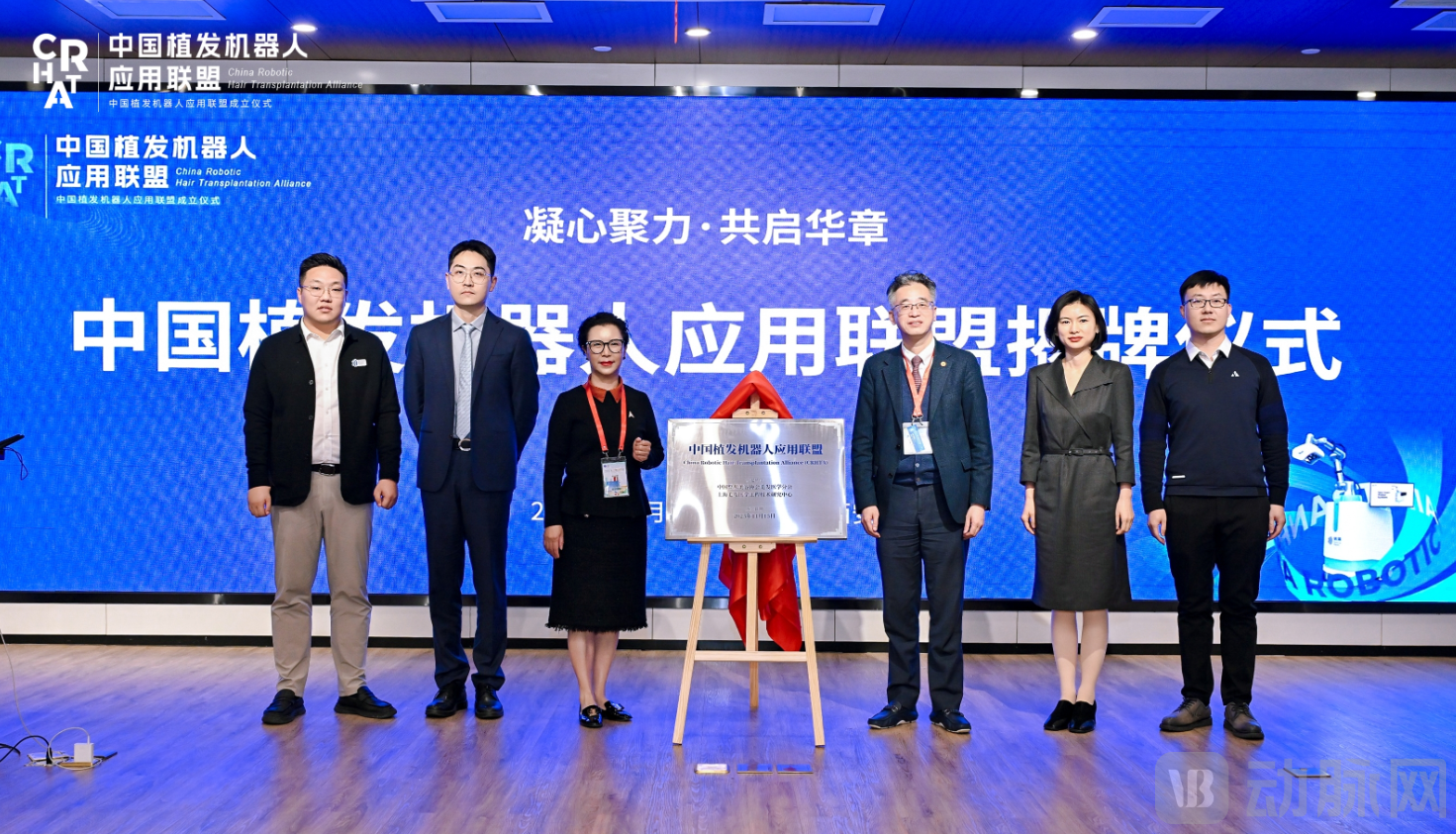
Professor Zhang Jufang, Director of the Department of Medical Aesthetics at Hangzhou First People's Hospital, Affiliated to the School of Medicine, Westlake University ((third from left) and Professor Wu Wenyu, Director of the Department of Dermatology at Huashan Hospital Affiliated to Fudan University (fourth from left)
As the first interdisciplinary collaboration platform in China’s hair transplant robotics sector, the Alliance will integrate resources from public hospitals, industry experts, research institutions, and technology enterprises. Centered on AI-driven products such as hair transplant surgical robots, it aims to build a full-cycle intelligent medical service system covering “screening, diagnosis, treatment, rehabilitation, and long-term health management” for hair disorders, thereby promoting the intelligent development of hair departments, talent cultivation, robotic applications, and innovation in clinical surgical techniques.
At the inauguration ceremony of the alliance, Professor Wu Wenyu pointed out that the Hairo hair transplant robot provides a novel intelligent treatment solution for patients with hair loss and offers new perspectives for industry development. As more hospitals and institutions actively introduce hair transplant robots and accelerate the construction of intelligent hair departments centered on these robots, the China Hair Transplant Robot Application Alliance was established. The alliance will promote the intelligent upgrading of the industry, establish application standards, popularize advanced technological equipment, and cultivate professional talent. By adopting an approach of “open cooperation and co-construction for shared benefits,” it aims to create a collaborative ecosystem where “patients benefit, physicians are relieved of burdens, and the industry improves in quality.”
Professor Zhang Jufang, Director of the Department of Medical Aesthetics at Hangzhou First People’s Hospital Affiliated to Westlake University School of Medicine, emphasized that hair transplant robots can track and precisely extract hair follicles in real time, reducing manual errors. These systems have demonstrated significant advantages in improving efficiency and surgical consistency, far surpassing foreign products. The China Hair Transplant Robot Application Alliance will integrate multi-party resources to promote the widespread adoption of hair transplant robots, facilitate their application across various institutions, establish a platform for physician training and interactive exchange, cultivate more physicians proficient in AI technologies, and provide patients with a safer, more transparent, intelligent, and trustworthy medical experience.
The establishment of the China Hair Transplant Robot Application Alliance not only marks that intelligent hair transplantation in China has moved from breakthroughs in isolated technologies to a new stage of coordinated development in clinical application and industry standardization, but also positions Puncture Robotic to assume a more significant role in promoting collaborative innovation within the industry and driving the large-scale adoption of high-quality intelligent hair transplantation.
To address the challenge of uneven distribution of high-end medical resources, Puncture Robotic joined forces with Bayu Medical and Shaanxi Fuda Hospital at this conference to co-establish the first hair transplant robot training base in Northwest China, promoting the penetration of intelligent hair transplant technology from first-tier cities to regional medical centers.
Bayu Medical Shaanxi Fuda HospitalAs a benchmark institution for dermatologic surgery in Northwest China, it boasts a solid clinical foundation and significant academic influence. Leveraging its disciplinary strengths alongside Puncture Robotic’s mature robotic platform and standardized training system, the base will undertake tasks such as cultivating talent in intelligent hair transplantation, providing equipment operation training, and disseminating standardized surgical techniques within the region, thereby filling the long-standing gap in professional training for hair transplant robotics in Northwest China.
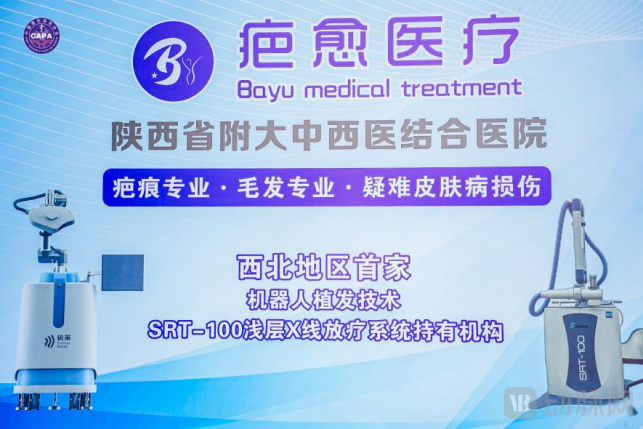
Notably, the establishment of the Northwest training base marks Puncture Robotic's continued expansion in regions where it has alreadyHuashan Hospital Affiliated to Fudan University, Peking University Shougang Hospital, West China Hospital of Sichuan University, General Hospital of Ningxia Medical University, Nanfang Hospital of Southern Medical University, Union Hospital Affiliated to Tongji Medical College of Huazhong University of Science and Technology, Hangzhou Plastic Surgery HospitalThis further expansion, built upon training collaborations with multiple hospitals, marks Puncture Robotic’s strategic upgrade from “equipment provision” to “capability empowerment + co-construction of systems.”
The true value of intelligent hair transplantation lies in its stable, large-scale application across medical institutions of varying types and scenarios, delivering superior outcomes and experiences for patients. At the 8th China Hair Transplantation Conference, Puncture Robotic centered its exhibition on clinical usability, conducting multiple live surgical demonstrations over two consecutive days. Simultaneously, it broadcast live the precise performance of the Hairo Hair Transplantation Robot under diverse scalp conditions and follicular characteristics, attracting numerous physicians for on-site observation and exchange.
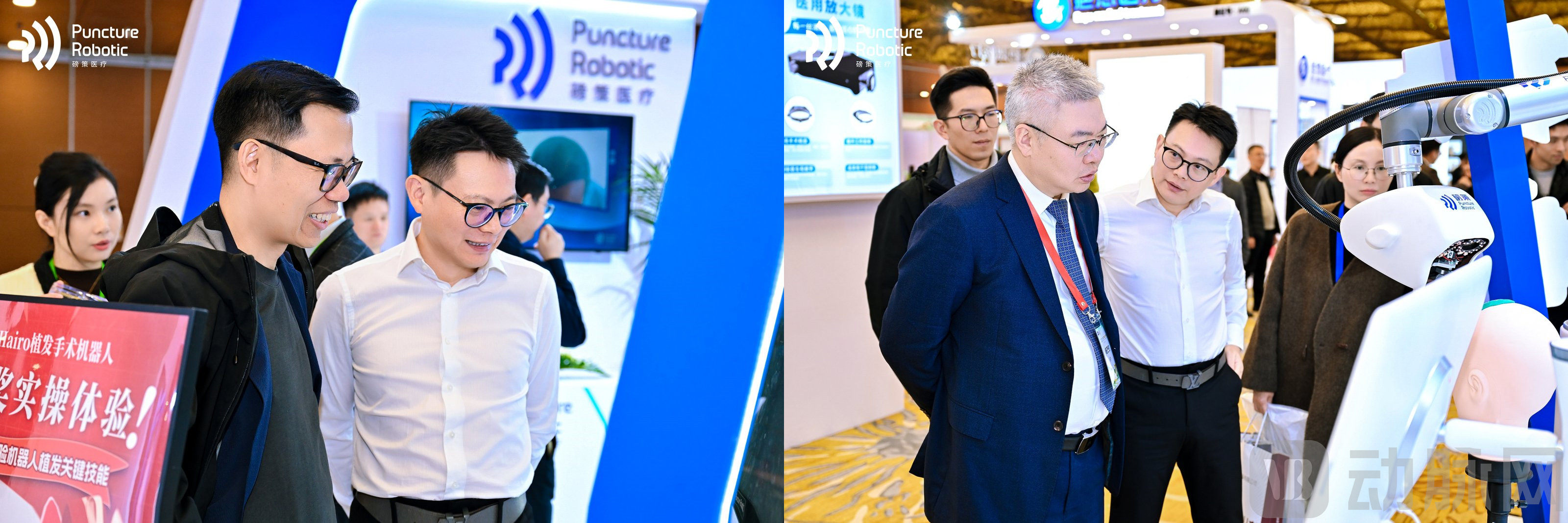
To further lower the threshold for clinical adoption, Puncture Robotic has also launched“Hairo Hair Transplant Surgical Robot: 100 Cities, 100 Hospitals Trial Program” and “Exclusive Award-Winning Hands-On Experience for Physicians”. Numerous hospitals and medical institutions submitted trial applications directly after experiencing the product, fully underscoring the market’s urgent demand for intelligent solutions.
From participating in the industry’s first application alliance, to establishing regional training bases, and then to nationwide clinical trials, Puncture Robotic has brought to the industry not only standalone devices,but rather a comprehensive implementation solution that integrates technology, standards, training, and collaborative practices.
Powered by highly automated and intelligent hair transplant robots, the surgical procedure has achieved stability, controllability, and reproducibility. This enables hospitals and institutions to consistently provide high-quality, high-standard hair transplant services with uniform outcomes, making the experience safer and more reliable, while ensuring more predictable results.
The core value of the Puncture Robotic hair transplant robot is not only reflected in its technological sophistication, but more importantly, in establishing aReplicable, Scalable, and Sustainable Clinical Application Pathways, driving the industry from technological breakthroughs to high-quality widespread adoption, and providing a sustainable and scalable industry paradigm for the large-scale implementation of intelligent hair transplantation.