

LabOS Files IPO Prospectus: The World’s First AI-XR Co-Scientist Platform Bridging Wet and Dry Lab Research
In a seemingly routine biology laboratory, a scientist prepares solutions under the guidance of XR smart glasses, with prompts appearing in real time on the lenses: “Stem cell culture completed; please collect samples.” At this point, a robot automatically takes over the test tube from his hand and activates a vortex mixer for blending. When the scientist retrieves the cells, the next steps of the CRISPR gene-editing process are already synchronized in his field of view.
The mastermind behind all this is LabOS, an AI co-research scientist equipped with a “world model” for laboratory scenarios. Like a conductor overseeing the entire performance, it uses multimodal data as its score to precisely orchestrate multi-agent systems, human scientists, and experimental robots. In this deeply integrated experimental ecosystem, these three entities no longer operate in isolation; instead, they jointly perform a symphony of scientific discovery that is efficient, reproducible, and continuously evolving.
This disruptive scenario of human-machine collaboration in the laboratory stems from breakthrough research personally demonstrated by NVIDIA CEO Jensen Huang at the GTC conference in Washington on October 29. Professor Le Cong from Stanford University and Professor Mengdi Wang from Princeton University, together with their teams and in collaboration with NVIDIA, officially launched an intelligent platform system named LabOS.GlobalThe First to Integrate AI and XR (Extended Reality)Co-Scientist(Co-researchScientist)。
The breakthrough of LabOS lies in its unprecedented integration of multimodal sensing, self-evolving agents, and extended reality (XR) technology, seamlessly bridging AI-driven computational reasoning in dry labs with real-time human-machine collaborative operations in wet labs, thereby establishing an end-to-end closed loop from hypothesis generation to experimental validation.This not only creates a dynamically evolving “world model” for scientific research, but also formally ushers in a new era of scientific discovery driven by the co-evolution of human and machine intelligence.
Professor Cong Le from Stanford University stated, “Through this breakthrough achieved in collaboration with NVIDIA, we can reduce work that previously took years to complete down to just weeks, lower the cost of research that originally required millions of dollars to just a few thousand, and shorten the training cycle for top-tier scientific talent from months to days. We are thrilled to collaborate closely with NVIDIA to showcase these results. Even more exciting is that this is only the beginning; with the rise of autonomous research laboratories, this innovation will not only transform lives but also save them at a faster pace and lower cost!”
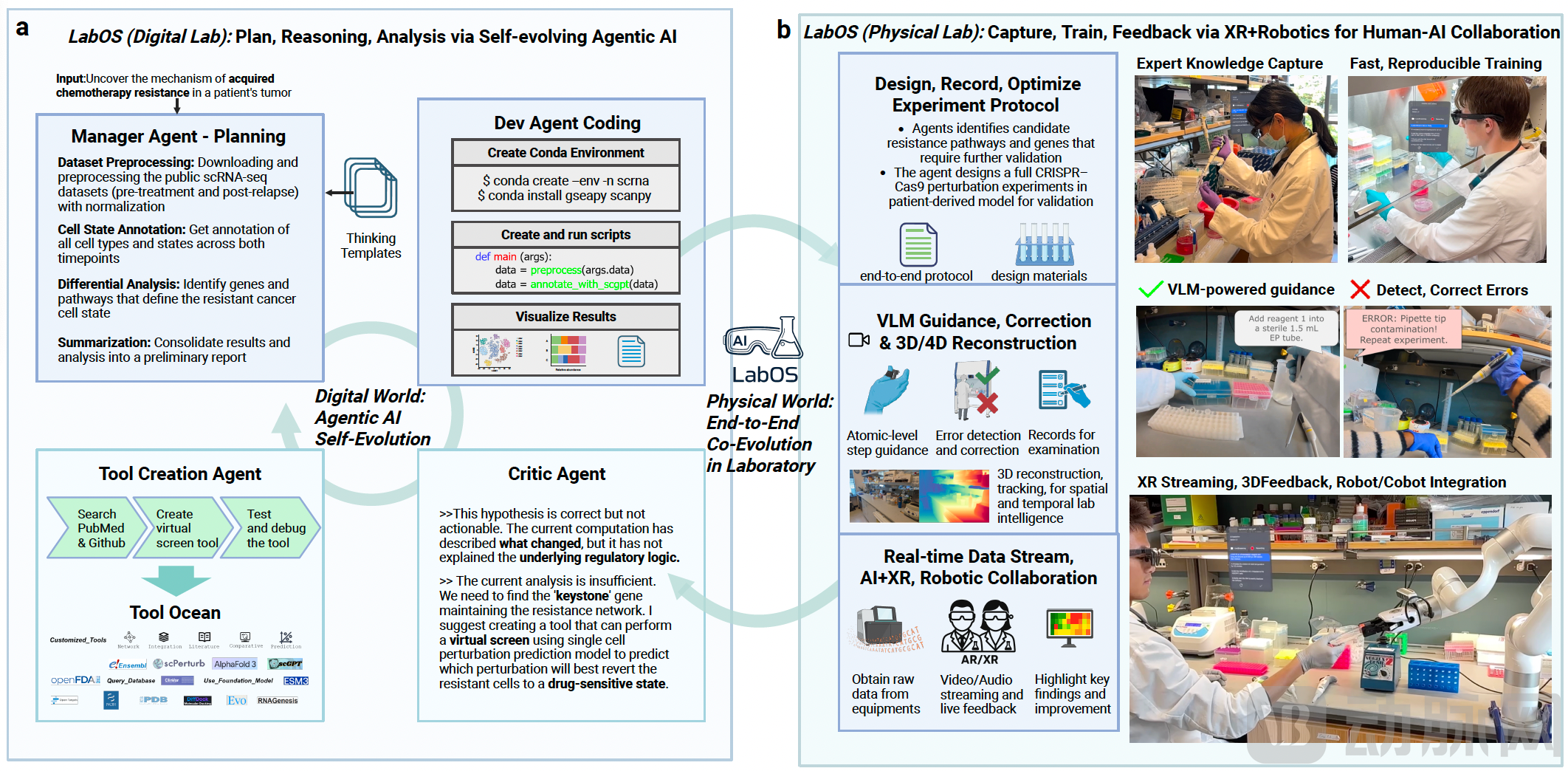
Figure 1: LabOS system architecture, integrating dry-lab self-evolving AI agents with wet-lab XR- and robot-enabled human-machine interaction to achieve end-to-end scientific discovery
From Computational Reasoning to Physical Collaboration: The Embodied Evolution of AI Laboratories
Previous scientific AI systems, whether AlphaFold or Deep Research, have largely operated within purely digital realms. They are innate “theorists,” yet remain unable to engage with real-world physical experiments. The “final step” in the laboratory still heavily relies on scientists’ manual operations and tacit expertise, creating a bottleneck for research efficiency and reproducibility.
The breakthrough of LabOS lies in building an embodied system that enables AI to enter real laboratories. It integrates abstract intelligence with physical operations, creating an AI co-research scientist with coordinated “brain-eye-hand” capabilities:
● Thinking “Brain”: Self-Evolving AI Agents. Building on the previously established STELLA framework, LabOS comprises four core agents: Planning, Development, Review, and Tool Creation. These agents not only decompose research tasks and write analytical code but also autonomously create new tools from vast repositories of literature and data through the “Ocean of Tools” module, thereby enabling continuous evolution of reasoning capabilities. This inherent self-evolutionary capability allows LabOS to address novel research tasks through “test-time scaling.”
●The “Eye” That Understands: A Vision-Language Model Built for the LaboratoryThe team collected over 200 first-person experimental videos to construct the LabSuperVision (LSV) benchmark. They found that even the most powerful general-purpose large models performed poorly in understanding fine-grained experimental operations. To address this, they trained a specialized LabOS-VLM, which achieved significantly higher accuracy than general-purpose models in tasks such as error detection.
● Collaborative “Hand”: Real-timeHuman- MachineHuman-Integrated Experimental Execution System. Researchers wore lightweight AR glasses during the experiment. LabOS analyzed the video stream every 5–10 seconds, providing real-time step-by-step guidance, error alerts, and operational recommendations, while coordinating with the LabOS Robot to participate in experimental procedures. All interactions were completed via the XR interface using gestures and voice commands, ensuring smooth human-machine collaboration in a sterile environment.
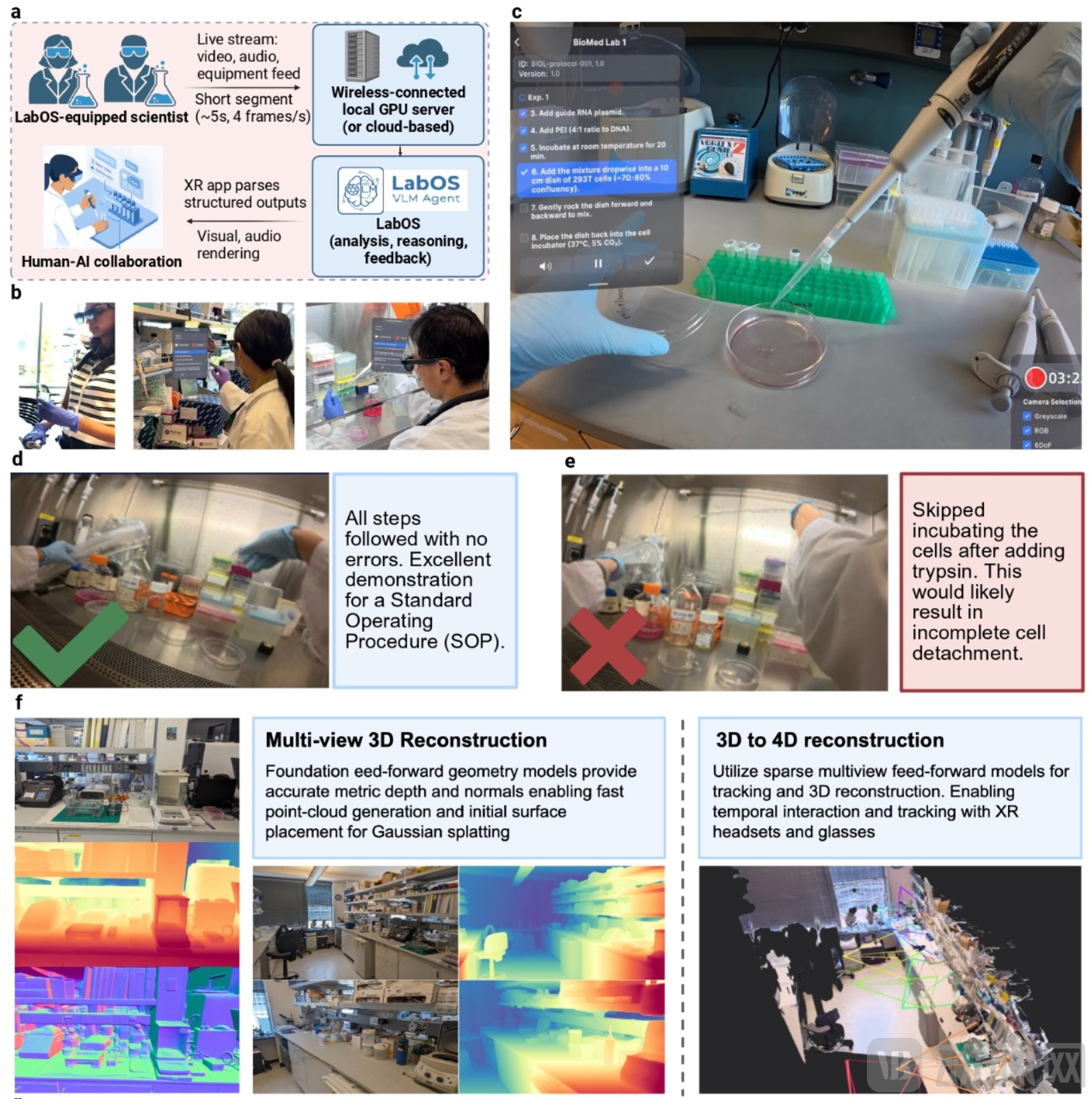
Figure 2: 4D Reconstruction of a Physics Laboratory Scenario; LabOS Enables Real-Time Human-Robot Collaborative Integration via XR Glasses
How Do World Models Understand Laboratories?
The complexity of laboratory environments places extremely high demands on AI’s visual understanding. To evaluate the laboratory perception and reasoning capabilities of AI models, the team developed the LabSuperVision (LSV) benchmark, which comprises over 200 first-person experimental video sessions recorded via cameras worn by researchers, with expert annotations detailing operational steps, error types, and key parameters. The results were surprising: current leading AI models performed poorly on this benchmark. Models such as Gemini and GPT-4o scored only 2–3 out of 5 points in protocol alignment and error identification tasks, falling far short of the standards required for laboratory applications.
To address this bottleneck, the team conducted post-training on a vision-language model (VLM) specialized for laboratory scenarios by integrating publicly available experimental videos, internally recorded data, and expert annotations. The resulting LabOS-VLM can decode visual inputs from XR glasses and align visual embeddings with the language model, enabling interpretation and reasoning within laboratory settings. Following optimization through supervised fine-tuning and reinforcement learning, the model demonstrates significantly enhanced visual reasoning capabilities in scientific environments. For instance, during cell transfection experiments, it can identify in real time deviations from standard operating procedures (SOPs) by laboratory personnel and generate step-by-step guidance. Its 235-billion-parameter version achieves an error detection accuracy exceeding 90%, substantially outperforming other general-purpose models.
Meanwhile, to further enhance the system’s understanding of the laboratory’s physical space, LabOS has constructed a three-dimensional laboratory environment for AI that incorporates temporal awareness and semantic comprehension. Within this environment, AI can not only identify every piece of glassware, equipment, and sample in the laboratory but also understand their semantic relationships and temporal evolution within the laboratory context. It knows which step of the experiment is currently underway, which operations have been completed, which reactions are still ongoing, and where any issues may have arisen. This high-precision world model also serves as the spatial cognition foundation for the LabOS Robot to autonomously execute various experimental tasks in the laboratory.
This complete technical pathway, spanning data construction, model training, and real-time interaction, endows the LabOS system with scientific visual reasoning capabilities, successfully establishing an efficient collaborative closed loop among AI, humans, and robots in real-world experimental scenarios.
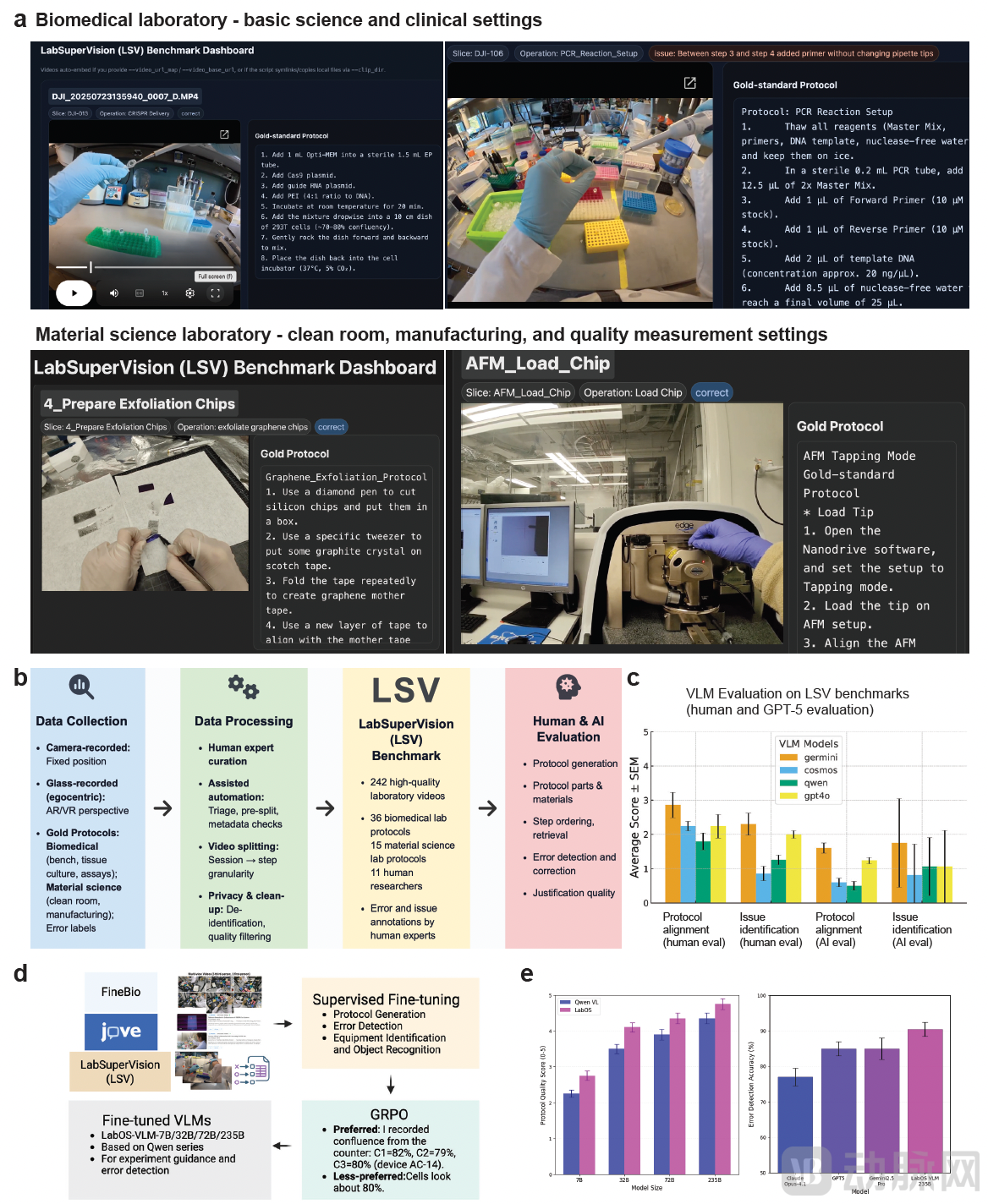
Figure 3: From LSV Benchmark Data Construction to LabOS-VLM Model Training, Enabling Real-Time Human-Computer Interaction in Laboratory Scenarios
Three Empirical Demonstrations of Human-Machine Collaboration: From Target Discovery to Skill Inheritance
The LabOS paper demonstrates the powerful capabilities of LabOS as a collaborative scientist through three cutting-edge biomedical research case studies:
● Independently Discovered Novel Targets for Cancer Immunotherapy
A key challenge in cancer immunology lies in identifying the critical genes that mediate tumor immune escape. Traditional screening methods are limited by throughput and rely on expert-driven analysis. LabOS demonstrates its end-to-end research capability spanning “in silico experimentation–clinical analysis–wet-lab validation”: The system first employed CRISPR activation screening to autonomously identify and iteratively optimize CEACAM6, a candidate gene conferring resistance to NK cell-mediated cytotoxicity in melanoma cells; it then leveraged data from The Cancer Genome Atlas (TCGA) for survival analysis to establish the clinical correlation between CEACAM6 expression and patient prognosis; finally, wet-lab experiments confirmed that CEACAM6 activation significantly enhances tumor resistance to NK cells. This end-to-end closed loop, from computational inference to experimental validation, highlights LabOS’s systematic research capabilities in target discovery.
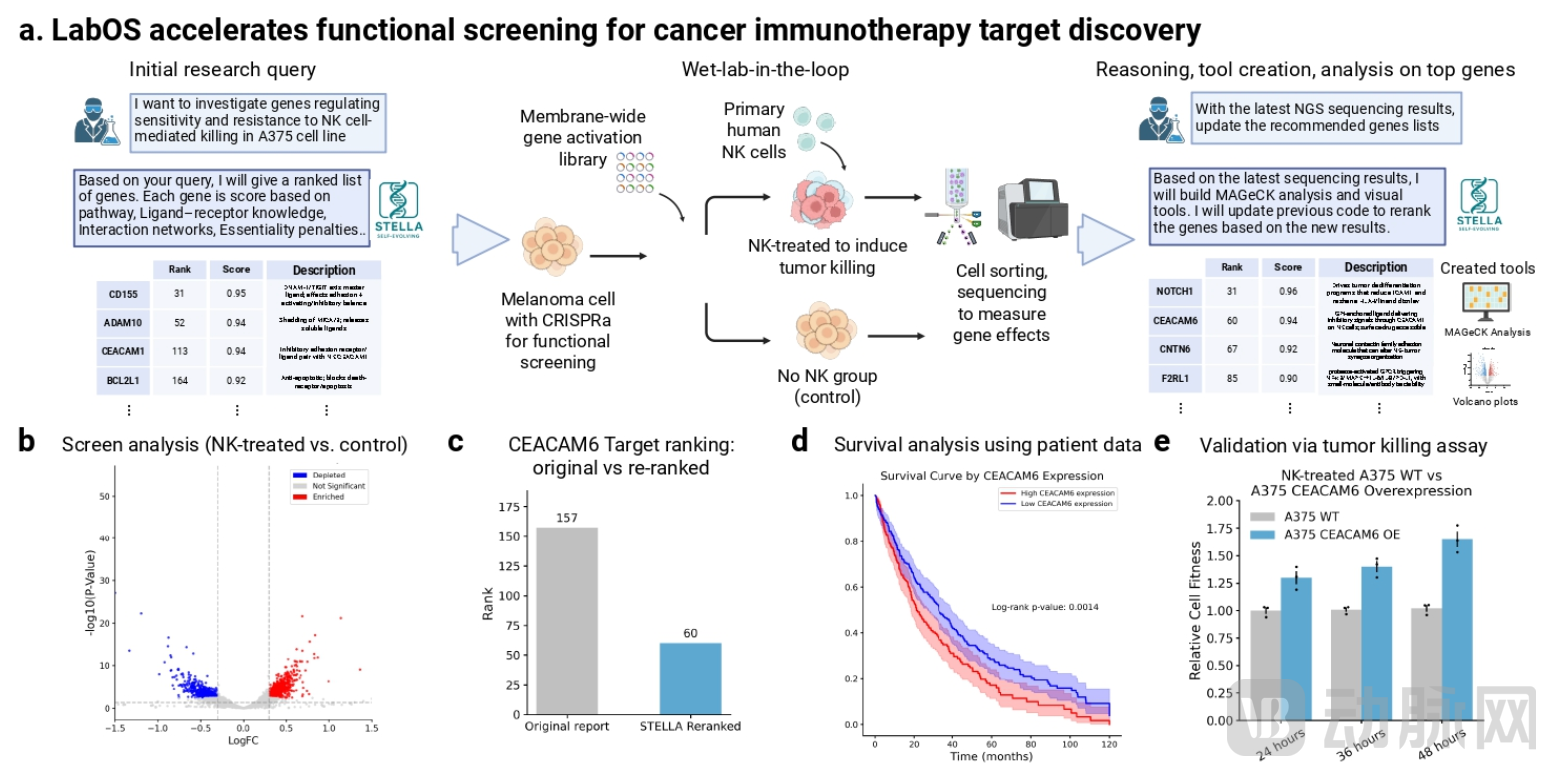
Figure 4: Application of LabOS in Target Discovery
● In Mechanism StudiesScientific HypothesisGeneration and Validation
In the study of the mechanisms underlying cell fusion, a fundamental biological process, LabOS demonstrates robust capabilities in generating and validating scientific hypotheses. By integrating pathway enrichment analysis, interaction priors, and functional evidence, LabOS autonomously nominated ITSN1 as a core regulatory gene. Subsequently, the research team conducted functional validation of cell fusion using CRISPR interference technology in U2OS cell models. Quantitative imaging and cellular assays revealed that knockdown of ITSN1 significantly inhibited the cell fusion process. This complete closed loop, from AI-generated scientific hypotheses to wet-lab experimental validation, fully underscores the unique value of LabOS as a co-scientist in advancing mechanistic discovery.
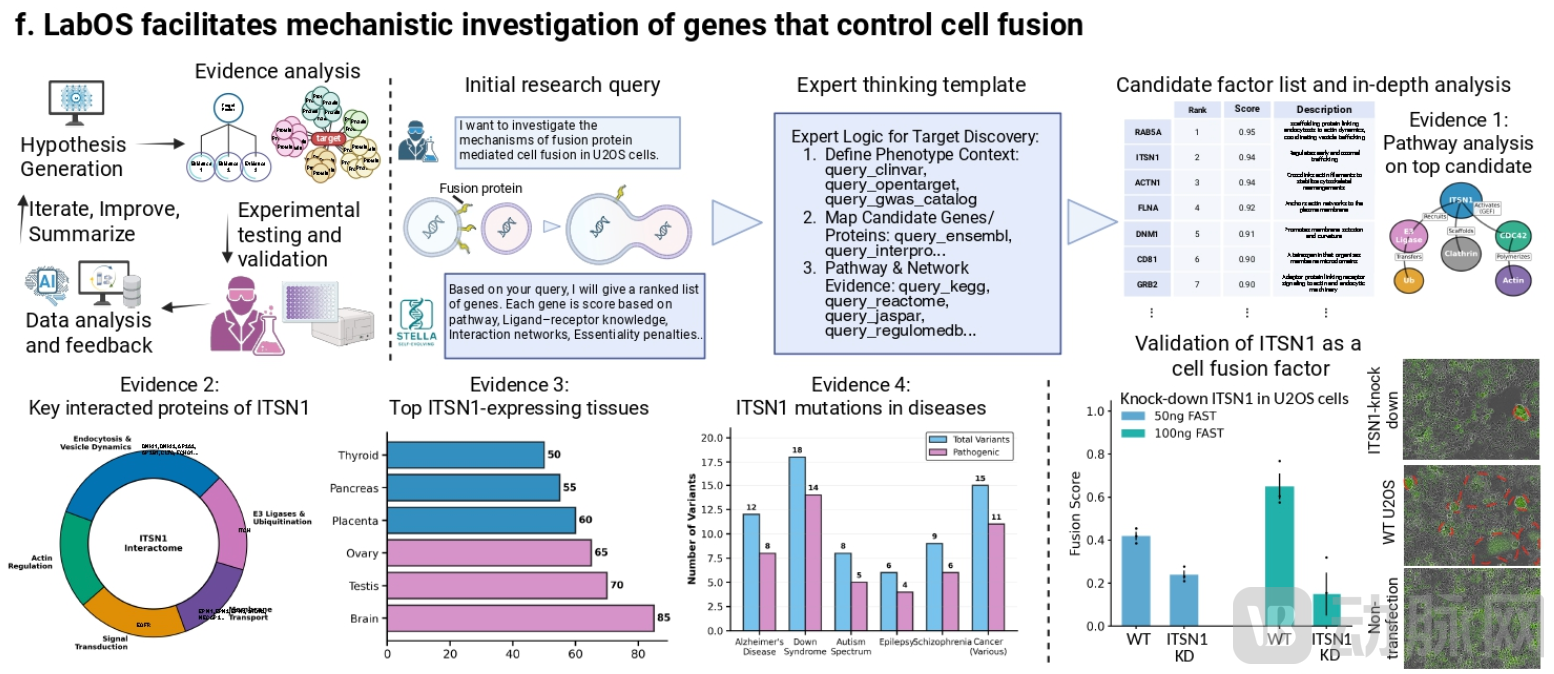
Figure 5: Application of LabOS in Mechanistic Research
● Stem Cell EngineeringSkillsInheritance
The reproducibility of complex wet-lab experiments has long been hindered by inarticulable tacit knowledge and operational deviations. LabOS leverages XR smart glasses and visual reasoning to provide real-time guidance and capture operational procedures in complex experiments, such as CRISPR gene editing in stem cells. It automatically records expert experiments to form standardized digital workflows, ultimately serving as an AI mentor to help novices rapidly master key techniques, significantly enhancing experimental reproducibility and the efficiency of skill transfer.
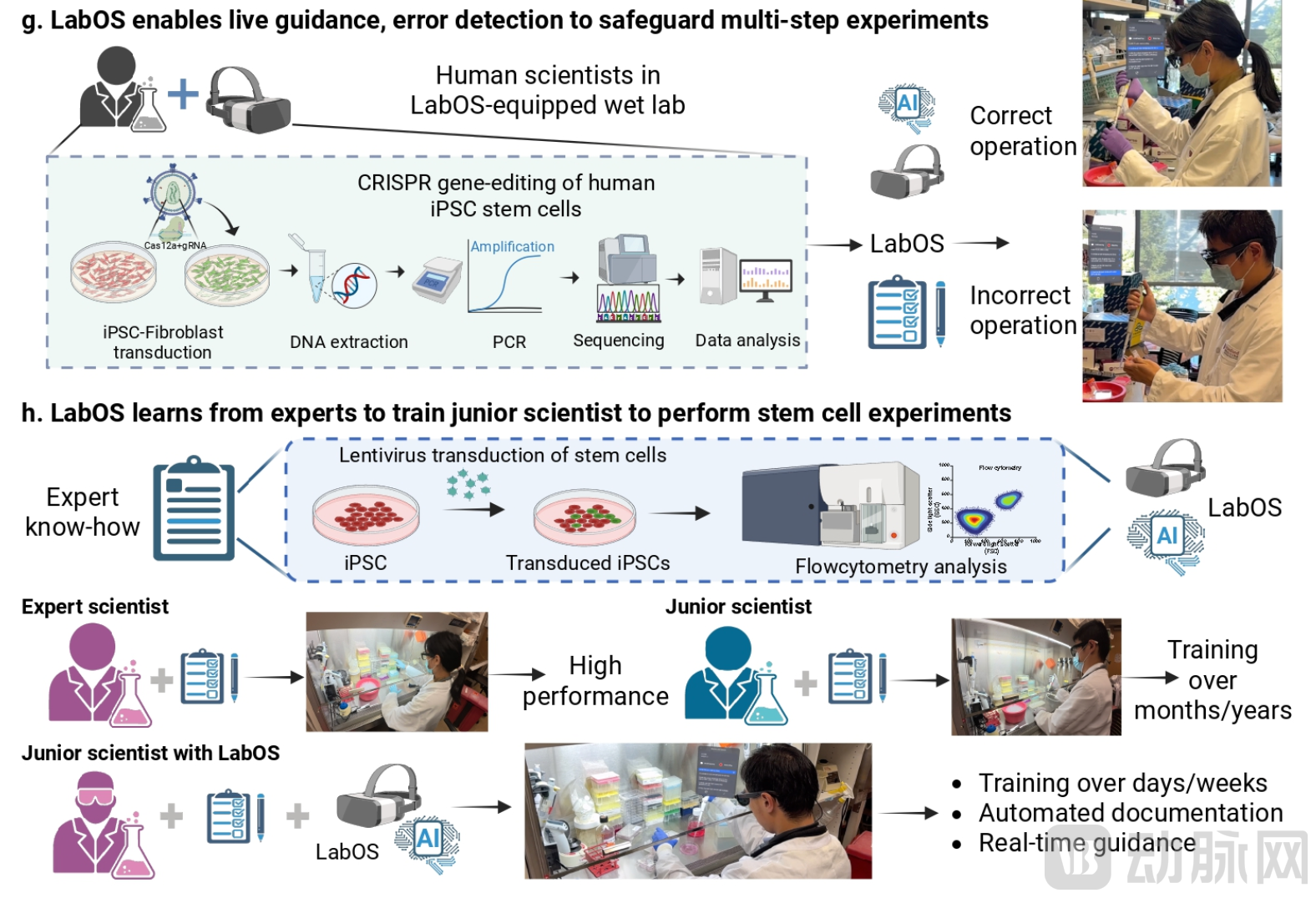
Figure 6: Applications of LabOS in Stem Cell Research
The Future: The “North Star” Toward Autonomous Scientific Discovery
The advent of LabOS marks a fundamental paradigm shift in scientific discovery. In articulating their vision, Professor Cong Le and Professor Wang Mengdi emphasized thatLabOS aims to “Scale Science with AI Together”—expanding the frontiers of science in collaboration with AI.
Scientific exploration has long been constrained by the speed of human cognition and the precision of experimental operations. Traditional laboratories function like isolated islands, relying on hard-to-reproduce “craftsmanship” and personal experience that cannot be scaled. LabOS is breaking this shackle: it enables AI and future robots to truly “step into” the laboratory, understand and participate in every stage of experimentation, becoming collaborators who work side-by-side with human scientists. Whether successful or not, each experiment serves as nourishment for the growth of this AI Scientist, driving its continuous evolution.This type ofA Research Ecosystem for the Co-evolution of Human and Machine Intelligence,will be fromFundamentalUpperAccelerating the pace of scientific discovery.
Le Cong, Professor in the Departments of Pathology and Genetics at Stanford University School of Medicine, is widely recognized as one of the pioneers of CRISPR gene editing. During his doctoral studies at Harvard University, under the supervision of Feng Zhang and George Church, he served as the first author on several landmark papers published in Science, Cell, and Nature. These works provided the first demonstration that the CRISPR/Cas9 system could achieve gene editing in mammalian and human cells, laying the foundation for the subsequent applications of this revolutionary technology. Later, under the guidance of Professor Aviv Regev, he shifted his focus to single-cell genomics. After establishing an independent laboratory at Stanford, he released a series of novel technologies integrating machine learning, AI, and biomedicine, spanning diverse fields such as gene editing, cell tracking, and immune target discovery. In recent years, he has been dedicated to accelerating biomedical research by developing “AI Scientists,” releasing foundational models and tools such as RNAGenesis, the CRISPR-GPT agent, and LabOS—work that integrates AI agents, XR glasses, and robotic automation.
Professor Mengdi Wang, Director of the Center for Artificial Intelligence Innovation at Princeton University and Professor in the Department of Electrical and Computer Engineering at Princeton University. Previously, she was admitted to the Department of Automation at Tsinghua University at the age of 14, and entered the Massachusetts Institute of Technology (MIT) at the age of 18 to pursue a Ph.D. in Computer Science, studying under Dimitri P. Bertsekas, a member of the U.S. National Academy of Engineering. One year after completing her doctorate, she joined the faculty at Princeton University as a doctoral supervisor, becoming the youngest tenured professor in Princeton’s history.
This work was led by Professor Le Cong of Stanford University and Professor Mengdi Wang of Princeton University, with Dr. Zaixi Zhang of Princeton University, David Smerkous of Stanford University, Dr. Xiaotong Wang of Stanford University, and Dr. Di Yin serving as co-first authors.
LabOSWebsite:https://ai4labos.com
Paper Link:https://arxiv.org/abs/2510.14861