

Innovators100 | Betting on AI to Break Through the Antibiotic R&D 'No-Man's-Land'
A biologist and a medicinal chemist were featured in today’s “Top 100 Innovators” interview, focusing on two professors who leverage AI for antibiotic discovery. One is an idealist determined to prevent humanity from slipping back into the dark age without antibiotics; the other is a realist convinced that AI will inevitably accelerate antibiotic development. During the hour-long conversation, we discussed the golden age of antibiotic research and its subsequent precipitous decline. We also recalled their awe when AI first generated dozens of seemingly plausible chemical structures in a Sydney homestay, and talked about their return from Australia to Hong Kong, aiming to establish their R&D efforts in China while maintaining a global perspective. Their story begins in Australia.
One afternoon in the early 21st century, in a microbiology research laboratory in Australia, Professor Yang Xiao truly experienced for the first time what it meant to“Destined Moment”
At that time, she was deeply engaged in research on bacterial transcription processes. Together with Professor Ma Cong, who had just joined the team, she was advancing a key experiment targeting drug-resistant bacteria—a pioneering effort in their exploration of new directions for antibiotic development, which involved the highly challenging validation of bacterial protein activity. Before commencing the experiment, although both were confident in their approach, they were also prepared for iterative troubleshooting, given that in scientific research,“Success on the First Attempt”It has always been a low-probability event.
However, when Professor Yang Xiao observed the reaction results of the experimental samples under a microscope, all concerns vanished: the activity of the target bacteria was precisely inhibited, and key indicators fully met expectations, even surpassing the preset efficacy. More encouragingly, subsequent replicate validation experiments yielded equally ideal results, whether involving drug testing at different concentrations or confrontation assays with drug-resistant strains.
Recalling that scene, Professor Yang Xiao remained deeply moved. At that moment, she suddenly felt as if she had been chosen.“Destined One”—— Not a matter of chance, but the inevitable outcome of sustained focus and correct direction:“This is exactly what you should be doing!”
This was not the first time fate had intervened. Before their “destined” encounter in the Australian laboratory, Professor Yang Xiao and Professor Ma Cong had already had intermittent intersections with the field of antibiotic research in their respective career paths—like two parallel lines that, although not yet converged, were always extending toward the goal of “solving human health challenges.”
Professor Yang Xiao’s research origins were separated from the field of microbiology by an “agronomic distance.” She completed both her undergraduate and doctoral studies in Australia, where she initially specialized in botany, working daily with crop growth patterns and plant gene sequences.
“I suppose I’m someone who enjoys a challenge.” Smiling, Professor Yang Xiao reflected on what prompted her shift from botany to molecular biology. At the time, the initial applications of genomics and microbiomics in agriculture allowed her to witness firsthand how the technological power of the microscopic world was overturning traditional research paradigms. Captivated by the appeal of “applying precise science to solve practical problems,” she resolutely pivoted toward molecular and structural biology during her graduate studies, immersing herself in research on bacterial transcription processes.
It has proven that this choice was highly compatible with her scientific research talent. After entering the field of microbiology, her research achievements continued to break through: during her doctoral studies, she discovered a key subunit of bacterial RNA polymerase, and this genetic locus was named after the initial letter of her surname, "Yang." rpoY,This achievement stands as a hallmark recognition of her academic prowess within the field. Even more remarkably, amidst fierce competition for research fellowships in Australia, where acceptance rates are merely in the single digits, she secured a position immediately upon completing her Ph.D., thereby laying a solid foundation for her subsequent scientific career.
Professor Ma Cong’s journey into antibiotic R&D began with his industry experience and his decision to pursue studies abroad. From the late 1990s to the early 2000s, China’s pharmaceutical industry was dominated by generic drugs, yet it also harbored the nascent seeds of an innovative transformation.
As a pharmacy graduate, Professor Ma Cong benefited from the industry’s “significant pharmacist shortage,” and, like many of his peers, leveraged his professional background to readily join Livzon Pharmaceutical Group. At that time, so-called “new drugs” in China were mostly generics of medications already marketed abroad. Although his work enabled him to gain a thorough understanding of the industry’s dynamics, it also sharpened his awareness of the sector’s critical weakness: a lack of independent research and development capabilities.
“At that time, China was in greater need of early-stage development capabilities for ‘zero-to-one’ innovation—prioritizing the initial design and synthesis of new drug candidates over subsequent formulation innovations,” recalled Professor Ma Cong. Sensing the imminent arrival of the innovative drug era and recognizing that his existing knowledge base would be insufficient to meet future demands, he made the decisive choice to return to academia for further study after two years in the industry.
“As an undergraduate pharmacy student applying to U.S. pharmacy schools, I noticed that many programs emphasize pharmaceutics or clinical pharmacology. However, I wanted to make breakthroughs at the source of drug synthesis, so I chose France.” Two years of industry experience helped him clarify his direction, ultimately leading him to pursue a Ph.D. in Chemistry in France. After completing his doctorate, he continued his in-depth research in chemistry at the Massachusetts Institute of Technology (MIT) in the United States, building a solid foundation in both theory and practice for drug research and development.
Thus, while Professor Yang Xiao delved into bacterial mechanisms through basic scientific research, Professor Ma Cong, a “chemist with a pharmacist’s background,” tackled drug synthesis driven by industrial needs. The two met in a Boston café. At the time, they may not have fully anticipated that their seemingly divergent paths of scientific inquiry and professional growth would ultimately converge on the shared goal of “developing novel antibiotics to combat drug-resistant bacteria,” jointly embarking on a career destined for distinction.
Throughout the long history of humanity’s struggle against disease, antibiotics have rightfully served as a “line of defense for life”—not only ending the dark era in which microscopic pathogens indiscriminately claimed lives, but also becoming the cornerstone supporting the modern medical system.
In the era before the invention of the microscope, when humanity had yet to glimpse the true nature of microorganisms, people could only attribute severe infectious diseases such as tuberculosis and plague to “divine punishment” or “miasma.” Even after the 17th-century Dutch scientist Antonie van Leeuwenhoek first observed bacteria under a microscope and proposed the hypothesis that “microscopic organisms might be related to disease,” these invisible “killers” continued to run rampant due to the lack of effective countermeasures.
In Europe from the 17th to the 19th century, surgical procedures were reduced to“A Life-and-Death Gamble”: Surgeons operated with unsterilized scalpels, and postoperative wounds were exposed to bacteria-laden air, resulting in infection rates exceeding 80%. This led people in the 21st century to often joke, or even remark: In the 17th century, if a finger was cut by scissors, doctors would recommend amputation; yet eight or nine out of ten patients would die from infection after the procedure.
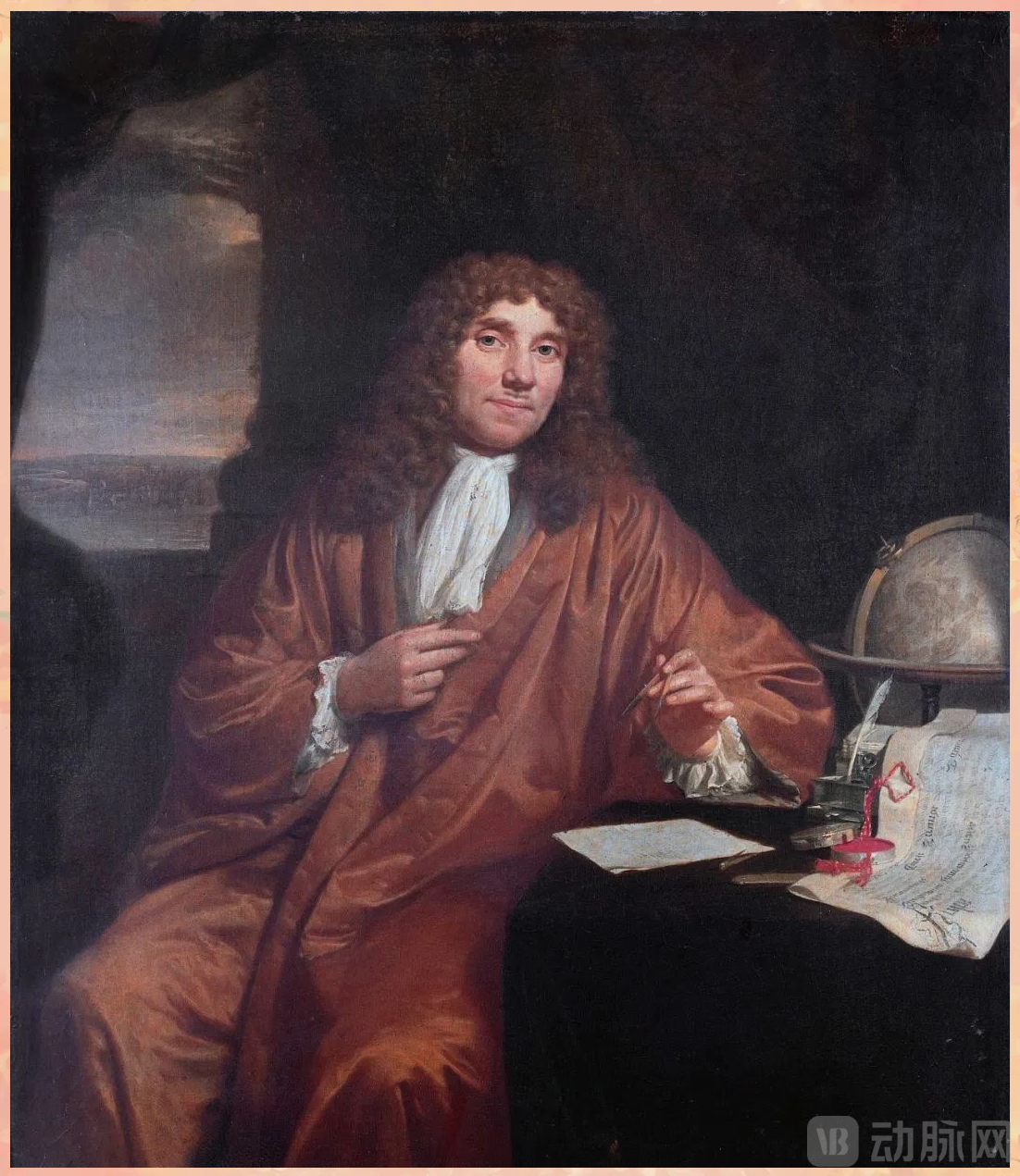
The Father of the Microscope: Leeuwenhoek
Historical records indicate that during the Napoleonic Wars, the number of soldiers who died from surgical infections far exceeded those killed directly in combat. In the mid-19th century, the maternity ward at Vienna General Hospital saw maternal mortality rates due to puerperal fever exceed 20%. The root cause of these tragedies was humanity’s helplessness against bacterial infections.
It was not until the 20th century that the discovery of antibiotics completely rewrote this fate. In 1928, British scientist Alexander Fleming accidentally discovered that penicillin could inhibit the growth of Staphylococcus, ushering in the antibiotic era. In 1941, penicillin was truly introduced into clinical practice, saving the lives of millions of soldiers during World War II; the United States even elevated its development to a strategic priority on par with the Manhattan Project. Subsequently, the advent of streptomycin conquered tuberculosis, once known as the “white plague,” while tetracyclines, cephalosporins, and other antibiotics emerged in succession, gradually transforming once-fatal infectious diseases such as pneumonia, meningitis, and sepsis into treatable common conditions.
The data more intuitively corroborates the value of antibiotics: in the 1950s, when streptomycin was not yet widely used, patients with tuberculosis5-Year Survival RateDeficiencies20%, with standardized antimicrobial therapy, the cure rate can now reach>95%. A more profound impact is that the discovery of antibiotics has extended the average human lifespan by at least 10 years, and it is widely recognized as“The Greatest Medical Discovery of the 20th Century.”
These advancements have enabled the practical implementation of modern medicine—from preoperative infection prevention in surgical procedures, to immune support for patients undergoing cancer chemotherapy, and infection protection for premature infants. Nearly all medical scenarios rely on the “safeguarding” role of antibiotics. Antibiotics not only cure diseases but also empower humanity to explore more complex medical technologies. They are the “cornerstone” of modern medicine and constitute the first, as well as the most critical, line of defense against microorganisms.
If the mid-20th century was the “golden boom period” for antibiotics, the subsequent decades—particularly since the turn of the 21st century—have seen this field fall into a troubling “deep freeze.” On one hand, the global concept of “antibiotic restriction” has gained traction to curb drug-resistant bacteria; on the other, the discovery of new antibiotics has plummeted precipitously, even nearing a state of “zero.”
A harsh reality is that since the 1980s, no new classes of antibiotics with novel mechanisms of action or entirely new chemical structures have been introduced globally. In the mid-1990s,GlaxoSmithKline, RocheInternational pharmaceutical companies once confidently bet on antibiotic R&D, attempting to replicate the successful trajectory of anticancer drugs. At that time, advances in manufacturing and biotechnology gave rise to two key technologies: first, “combinatorial chemistry,” which enables the rapid generation of vast compound libraries through automated synthesis; and second, “high-throughput screening,” which uses instrumental equipment to conduct batch activity assays on thousands of compounds. These two technologies have already achieved remarkable success in the field of anticancer drugs—many kinase inhibitors commonly used in clinical practice today were identified through this “broad-net” screening approach.
However, when these mature technologies were applied to antibiotic development, they met with a “Waterloo.” A research report published by GlaxoSmithKline in Nature Reviews Drug Discovery in 2007 revealed the dismal outcome of this endeavor: over a decade, the company conducted approximately 70 high-throughput screening campaigns (at 1990s costs, each screening cost about $1 million, for a total investment of nearly $70 million), ultimately identifying only five lead compounds with potential activity. None of these candidates successfully advanced through subsequent preclinical studies and clinical trials to become marketable antibiotics.
This result clearly demonstrates that,The R&D Logic for Anti-Cancer Drugs Is Completely “Misaligned” in the Antibiotic Field。
Profit-driven industry choices have further exacerbated the challenges in antibiotic R&D. Unlike anticancer drugs, which involve long-term treatment cycles of “three, six, or even nine months,” antibiotics typically require only one to two weeks of treatment. This results in low medication costs for patients and short payment collection cycles for pharmaceutical companies, yielding profit margins far inferior to those of anticancer and chronic disease medications. For pharmaceutical companies whose core objective is profitability, investing resources in antibiotic R&D—characterized by “low returns and high risks”—clearly defies commercial logic. Consequently, since the early 21st century, major international pharmaceutical companies have progressively scaled back or even shut down their antibiotic R&D pipelines. Today, the primary drivers of novel antibiotic development worldwide have shifted from multinational pharmaceutical corporations to resource-constrained startups.
To make matters worse,The traditional R&D path has also reached its end.Since the discovery of penicillin, nearly 90% of antibiotics have been derived from natural products of soil microorganisms—scientists have isolated actinomycetes and fungi from soil to extract molecules with antibacterial activity. However, after nearly a century of “carpet-style” screening, microbial strains and molecules that are easy to isolate and exhibit clear activity have long been exhausted. The remaining potential resources are not only extremely difficult to isolate but also pose challenges such as “low potency and high toxicity,” leading to a significant decline in R&D efficiency using traditional methods.
With new approaches “failing” and old pathways “exhausted,” antibiotic R&D has fallen into a double dilemmaA nearly 40-year "window period."Professor Yang Xiao and Professor Ma Cong chose to immerse themselves in this endeavor, driven by both impulse and rationality. “We do not want to return to the pre-antibiotic era.” This was Professor Yang Xiao’s initial motivation for leveraging scientific research achievements to drive industrial development.
Professor Ma Cong mentioned that a colleague of his, who has long been focused on the development of antimicrobial drugs, was repeatedly hospitalized due to bacterial infections after his father successfully battled cancer. Ultimately, doctors informed him that “there are no more effective antibiotics available; you can only go home and wait.” Similarly, Professor Yang Xiao cited the case of a 27-year-old female patient—young and with relatively preserved immune function—who also succumbed to drug-resistant bacteria.
“In many cases, we have run out of therapeutic options and can only adopt a ‘watchful waiting’ approach,” said Professor Yang Xiao, her tone grave as she quoted an Italian clinical expert. She learned at a recent international conference that the 28-day mortality rate for infections caused by drug-resistant Klebsiella and Pseudomonas aeruginosa has approached or even exceeded 50%.
“This is terrifying,Few other diseases can claim the lives of half their patients within 28 days.“Even leukemia and cancer cannot achieve that,” she lamented.
According to the World Health Organization’s “Global Priority List of Antibiotic-Resistant Bacteria,” released in 2017 and updated in 2024, carbapenem-resistant Klebsiella and Pseudomonas aeruginosa are both classified as “Critical” priority pathogens, indicating that therapeutic options for clinicians are extremely limited once patients are infected.
Professor Ma Cong bluntly stated that the characteristics of bacterial infections are too “extreme”—Either cured within a week, or fatal within a week.“Unlike cancer patients, who may have years to search for medications and attract public attention as depicted in the film Dying to Survive, patients with bacterial infections can die within three days, without even a chance to seek help,” he lamented. This “stealthy” nature has kept the threat of drug-resistant bacteria from becoming a focal point of public concern, yet it remains like the Sword of Damocles hanging over humanity, ready to fall at any moment.
“Why can cancer be defeated, yet one loses to bacterial infection?”Midway through the interview, this remark became a shared regret of the two professors and Orange Bureau.
Deciding to establish the company was a straightforward choice for the two founders. They named it Yuanmei Pharmaceutical, dedicated to addressing global antibiotic resistance by focusing on the research and development of novel antimicrobial agents and lead compounds in biopharmaceuticals.
At that time, Professor Yang Xiao’s research group was deeply engaged in microbiology, possessing a profound understanding of bacterial transcription mechanisms and drug-resistance targets, yet lacking a clear breakthrough path in drug design and screening. Professor Ma Cong, with his background in pharmacy and chemical synthesis, joined the team and precisely filled this gap. “I could perform drug design and virtual screening, which represented entirely new directions for the research group,” recalled Professor Ma Cong.
When the two researchers combined target-based microbiology research with drug design techniques, they quickly achieved promising results: the initial hit compounds they identified not only demonstrated clear antibacterial activity, but subsequent mechanistic studies also validated the feasibility of their design strategy.
“At that moment, I felt particularly encouraged, sensing that we were on the right track,” recalled Professor Yang Xiao.
What truly convinced them that “the research topic had chosen us” was an unexpectedly smooth experiment. At the time, they were embarking on a highly challenging study to inhibit drug-resistant bacteria, fully prepared for repeated adjustments and multiple failures. To their surprise, the very first attempt succeeded completely.
“I rushed to the microscopy lab with the results in hand. Professor Ma Cong was still organizing data, and we were both stunned when we saw the results.” Professor Yang Xiao still remembers that feeling.“Hit”...the feeling that “it was as if a force were propelling us forward, everything went exceptionally smoothly; even in retrospect, it feels like we were beingFavored.”
This intuitive “alignment” translates, on a rational level, into a keen exploration of new technologies. Since the 1980s, numerous disruptive technologies have emerged in the field of drug development. Professor Yang Xiao and Professor Ma Cong recognized early on that computer-aided design and AI technologies might be the key to breaking the stalemate in antibiotic research and development.
“When I was working with cryo-electron microscopy and protein structure determination, I dealt with computer-aided computations on a daily basis, and even learned Linux systems and programming specifically for data processing.” Professor Yang Xiao has a naturally high acceptance of technology. The protein structure analysis software she frequently uses, Rosetta, has gradually incorporated AI features, further convincing her of the potential of new technologies.
As early as 2019—even before the publication of MIT’s landmark paper on AI-driven drug discovery—the two had already initiated related efforts. The process proved far more challenging than anticipated: they first had to persuade their collaborators in the AI field of the feasibility of “AI-assisted antibiotic development,” and then personally guide computer science students in understanding the logic of drug development, protein structural characteristics, and the mechanisms of action of small molecules.
“Interdisciplinary communication was incredibly taxing, and the early results were so rudimentary that they were practically unusable,” Professor Ma Cong candidly admitted. Yet they did not give up; they meticulously built data frameworks and refined algorithmic models until a breakthrough moment finally arrived in a homestay in Sydney.
“At that moment, a student demonstrated the tool: the instant he pressed the button, dozens of compound structures popped up on the screen—each appearing to possess drug-like properties, with structural plausibility far exceeding our previous expectations.” Recalling that scene, Professor Yang Xiao could hardly contain his excitement. “I have been engaged in protein computation for so many years; previously, calculating a single molecule would take a long time, but that day, so many high-quality candidates emerged all at once.”
“This is the most shocking moment of my career.”She described it this way: it was precisely this moment that strengthened their conviction that AI is not merely an auxiliary tool, but a key force capable of “accelerating” antibiotic R&D.
Today, leveraging their independently developed AI-powered drug discovery platform, they have successfully designed multiple antibacterial candidate compounds featuring unique targets, innovative structures, and novel mechanisms of action, with some R&D projectsEntered the preclinical stage in vivo,and obtainPatented in multiple countries.
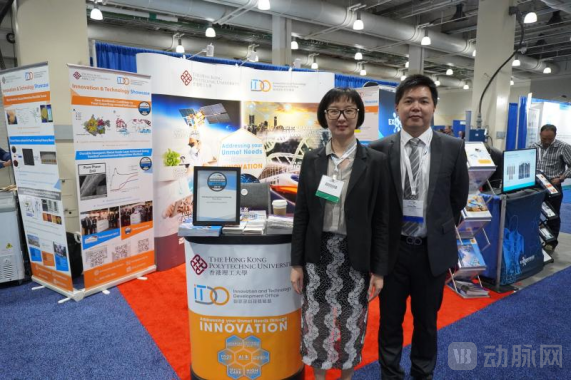
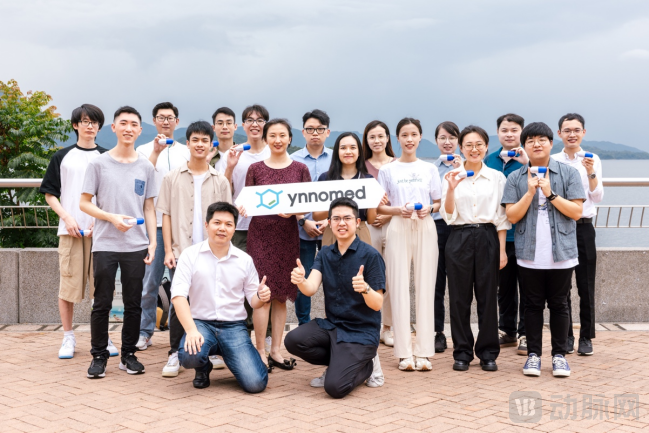
From Career-Defining Moments to AI-Driven Drug Discovery: Team Grows from 2 to Over 20 Members
While embracing AI technology, Professor Yang Xiao and Professor Ma Cong have always remained clear-headed—they are well aware that AI is not a “master key.” Its value depends on data support and oversight by human experts, and the key to overcoming its limitations lies in building a dedicated AI platform tailored to the needs of antibiotic research and development.
Professor Ma Cong has been engaged with computer-aided technologies since his student days. His experience in self-studying the C programming language and obtaining computer certifications has given him a more practical understanding of technology: “The advantages of AI are clear—it can learn patterns from big data and provide high-probability solutions to different problems, making it much more flexible than traditional software.” For this reason, they introduced AI talent into their team at an early stage, hoping to leverage technology to accelerate research and development.
However, as a startup, practical constraints quickly became apparent: “The core of AI is data, yet high-quality training datasets are extremely difficult to obtain.” Professor Ma Cong remarked helplessly that large pharmaceutical companies hold exclusive datasets accumulated through automated robotics but never make them publicly available. “This is not only our dilemma but also a bottleneck for the entire industry. Nevertheless, we cannot force their hand and must find our own solutions.”
This limitation is particularly pronounced at different stages of drug development. In the chemical synthesis phase, AI can play a tangible role—by learning from vast amounts of data on synthetic reaction conditions and substrates, it can precisely recommend optimal reaction conditions for specific starting materials used by research teams, significantly reducing trial-and-error costs. However, once the process enters the preclinical and clinical stages, AI’s “shortcomings” become fully exposed.
“Why do many AI-generated molecules fail in the clinical stage? The key is the lack of sufficient in vivo data,” explained Professor Ma Cong. New drug approval requires a series of complex tests, including toxicology and pharmacokinetics. Currently, there is not enough data on the correlation between molecules and their in vivo effects for AI to learn from. “In the stages that require validation of safety and efficacy, AI can offer the least assistance; it still relies onLet Data Speak。”
Professor Yang Xiao also added that the industry’s skepticism regarding the “difficulty in verifying AI-generated results” is indeed valid, and her team encountered similar issues during early-stage R&D: “AI excels at exhaustive enumeration and iteration within specific environments, much like navigating a decision tree in chess; however, it cannot assess the actual value of molecules by integrating drug mechanisms and protein structural characteristics as human experts do.” She has consistently emphasized the positioning of “AI-assisted” approaches:“It is a tool, not a replacement.”
Faced with the reality of data monopolies held by large pharmaceutical companies, Professor Yang Xiao and Professor Ma Cong’s team did not remain passive. Instead, they leveraged public databases as a foundation to gradually build a proprietary AI platform that both meets the specific needs of antimicrobial drug development and possesses cross-domain scalability. Their approach was clear: overcome resource constraints through data integration and achieve broad adaptability through technological optimization.
On the core track of antimicrobial drug development, the database of the European Molecular Biology Laboratory (EMBL) has become a key support for them. “The EMBL database contains a large amount of published antimicrobial-related data, including molecular structures and antimicrobial activities, with clear classification. For startup teams like ours that rely on public data, it is a rare resource,” explained Professor Ma Cong.
To ensure data quality and timeliness, the team systematically integrated all relevant data up to the end of 2023. From an initial pool of approximately 70,000 molecules with antimicrobial activity, duplicates and invalid entries were removed, resulting in a final set of over 30,000 molecules with well-defined structures and complete activity data. This curated dataset served as the foundation for constructing the “Antimicrobial Activity Prediction Model.” This model accurately correlates the structural features of antimicrobial molecules with their activity profiles, providing a critical basis for early-stage compound screening.
However, they did not limit themselves to model development in a single domain. In light of potential future expansion into other therapeutic areas, the team faced new challenges: incomplete data classification for non-antimicrobial fields (such as cardiovascular and neurological diseases) in the EMBL database, and difficulties in standardizing anticancer activity data due to variations in experimental methodologies. To address these issues, the team turned its attention to the ZINC database—a “treasure trove” containing 60 billion molecules with verified biological activities. Although it offers broad coverage, its activity types are disorganized and lack clear classification.
“Our approach is to avoid getting bogged down by the activity classifications in the ZINC database, and instead leverage computational techniques to extract general structural features of bioactive molecules,” explained Professor Ma Cong.
By optimizing algorithms, the team screened for “drug-like molecules” with drug development potential from the ZINC database, focusing on learning the structure-activity relationship patterns. These insights were then applied in reverse to antibacterial research and validated against models built using EMBL data. The results exceeded expectations: after increasing the sampling volume from the ZINC database and focusing on drug-like molecules, the new model’s performance in predicting antibacterial activity was not only comparable to that of specialized models but even superior in certain metrics.
Professors Yang Xiao and Ma Cong have successively shifted the focus of their careers to Hong Kong, the region that first extended an olive branch to them.
Regarding the choice of Hong Kong as the core region for scientific research and career development, Professor Ma Cong provided a clear explanation from two perspectives: academic platforms and disciplinary specialties. Leveraging their international research backgrounds, the two had explored opportunities in various regions worldwide, with the invitation from The Hong Kong Polytechnic University ultimately serving as the key catalyst. After joining the Department of Applied Biology and Chemical Technology at the university, Professor Ma was able to conduct his work under the auspices of the State Key Laboratory of Drug Research and Chemical Biology (formerly a key laboratory). The laboratory’s focus on drug development aligns closely with the duo’s specialized research on antibiotic development.
What appeals to them even more is the department’s unique structure: unlike the traditional model at most universities, where chemistry and biology are housed in separate departments or schools, this program achieves deep integration of the two disciplines with drug development as its core research focus. This interdisciplinary academic environment provides an ideal foundation for the pair to further deepen and expand their early research achievements, facilitating the translation of basic scientific research into practical applications and enabling preliminary scientific discoveries to evolve into drug development programs with clinical value.
Regarding the selection of the company’s place of registration, Professor Ma Cong stated that although mainland China, Hong Kong, and other regions were all under consideration, Hong Kong’s policy support for startups became a key deciding factor. On one hand, the two founders had already begun their work in Hong Kong, and the overall business environment in the mainland’s Greater Bay Area facilitated company registration. On the other hand, initiatives such as the “University-Industry Collaboration Programme” (UICP) for tech start-ups by the Innovation and Technology Commission of Hong Kong, and the “IncuBio” program at the Hong Kong Science Park, provided critical support for early-stage enterprises.
For teams starting from scratch with only technology and preliminary research results in the early stages, it is challenging to directly connect with investors for financing. However, these government support programs in Hong Kong not only help startups quickly establish their foundational infrastructure but also provide a platform for showcasing their progress, enabling teams to promote their R&D advancements. This, in turn, helps attract investment institutions that can truly drive rapid company growth, injecting critical momentum into the survival and development of enterprises during their initial phases.
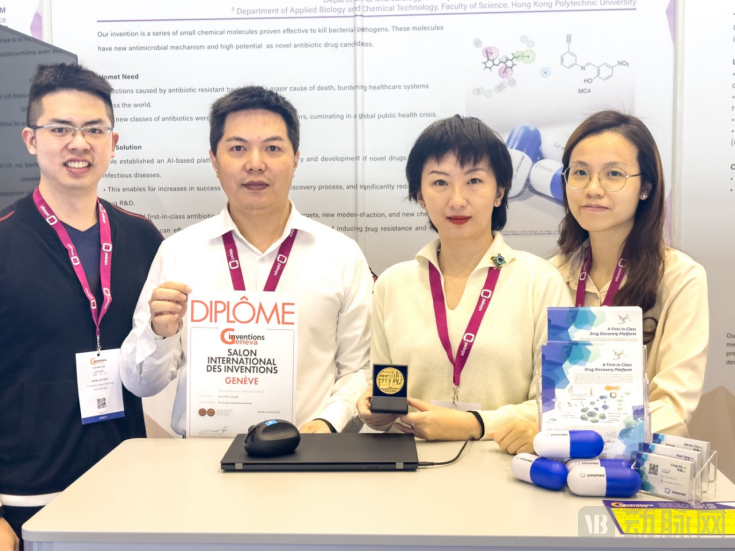
Leveraging its exceptional technological innovation and Hong Kong’s industrial influence, Yuanmei Pharma won the 2019 TechConnect Innovation Award in the year following its establishment. Since then, the company has received numerous accolades, including a bronze medal at the 48th International Exhibition of Inventions Geneva, selection as a 2023 Falling Walls Breakthrough of the Year (in the Falling Walls Venture category), ranking among the top five finalists for the 2023 Boehringer Ingelheim Innovation Award, and advancing to the finals of the China Disruptive Technology Innovation Competition.
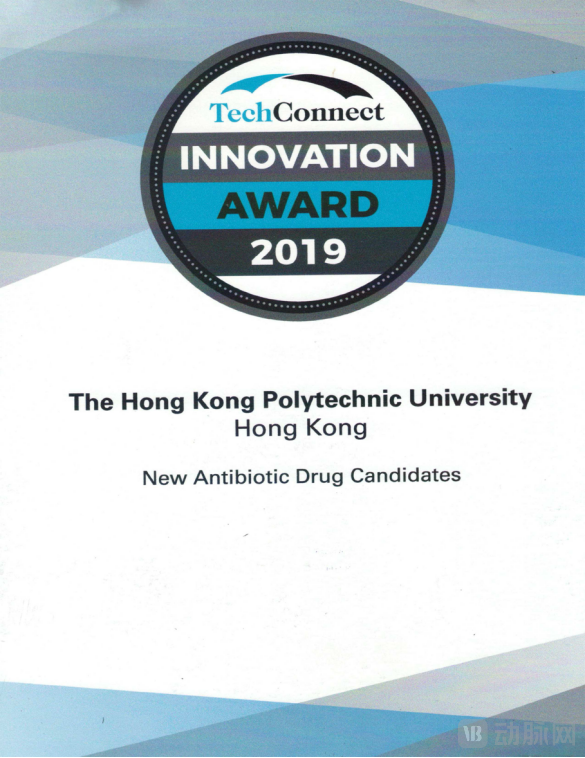
Yuanmei Pharmaceutical Wins 2019 TechConnect Innovation Award (Image provided by the interviewee)
Yuanmei Pharmaceutical Selected for the 2023 Falling Walls Breakthrough of the Year (Science Start-up / Falling Walls Venture Category)
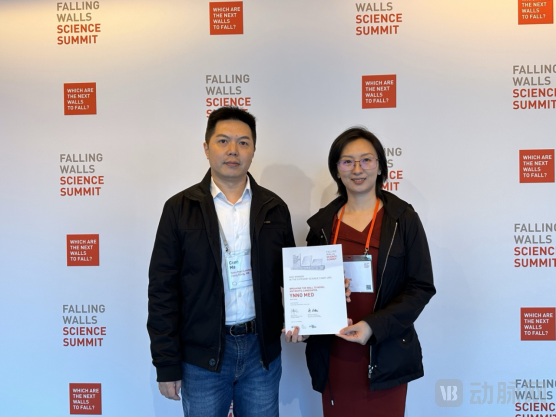
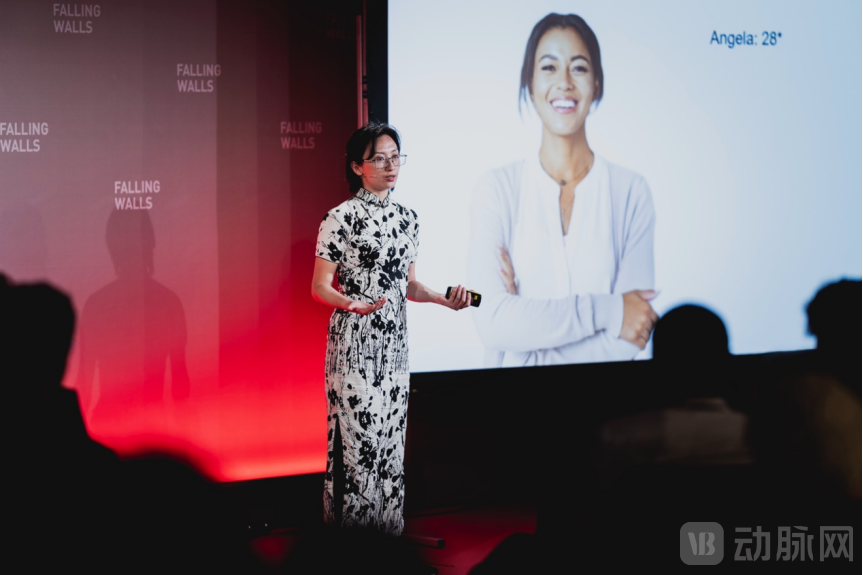
Professor Xiao Yang delivered a presentation at the 2023 Falling Walls event.
Yuanmei Pharmaceutical Wins Bronze Medal at the 48th Geneva International Exhibition of Inventions
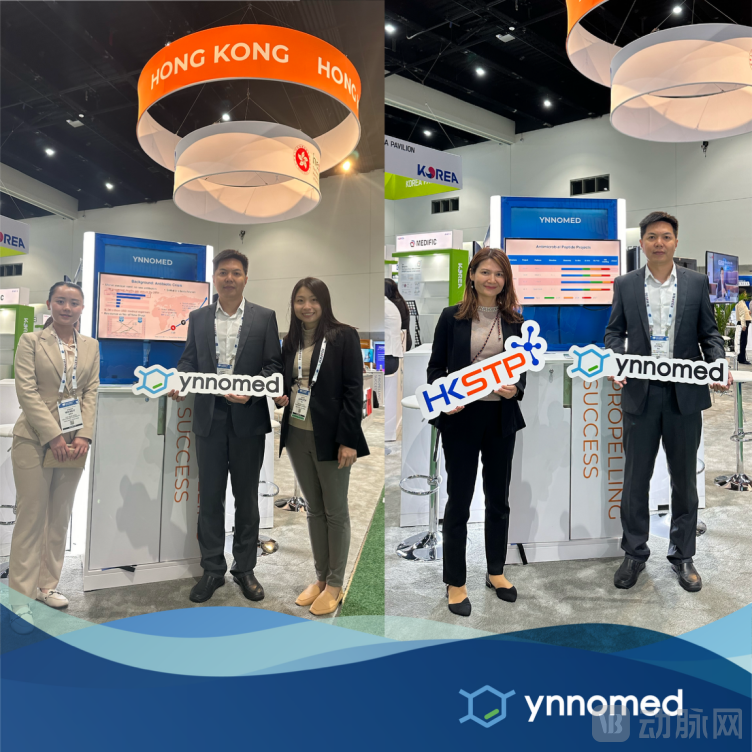
2024 BIO SanDiego
Meanwhile, Hong Kong’s strategic geographic advantage will support the company’s international expansion. The team plans to leverage the Greater Bay Area as a base to expand into international markets such as the United States and Europe, advance preclinical development in these regions, and pursue dual regulatory submissions in China and the United States, aiming to secure approval for conducting clinical trials in China, the United States, Australia, and other jurisdictions.
They emphasized that the demand for antibiotics is global in nature and not confined to the Chinese market. An international expansion strategy will not only provide the company with broader development opportunities but also enable revenues from overseas markets to reinvest in domestic R&D, thereby establishing a virtuous cycle of “global R&D – global markets.”
Expert Commentary:
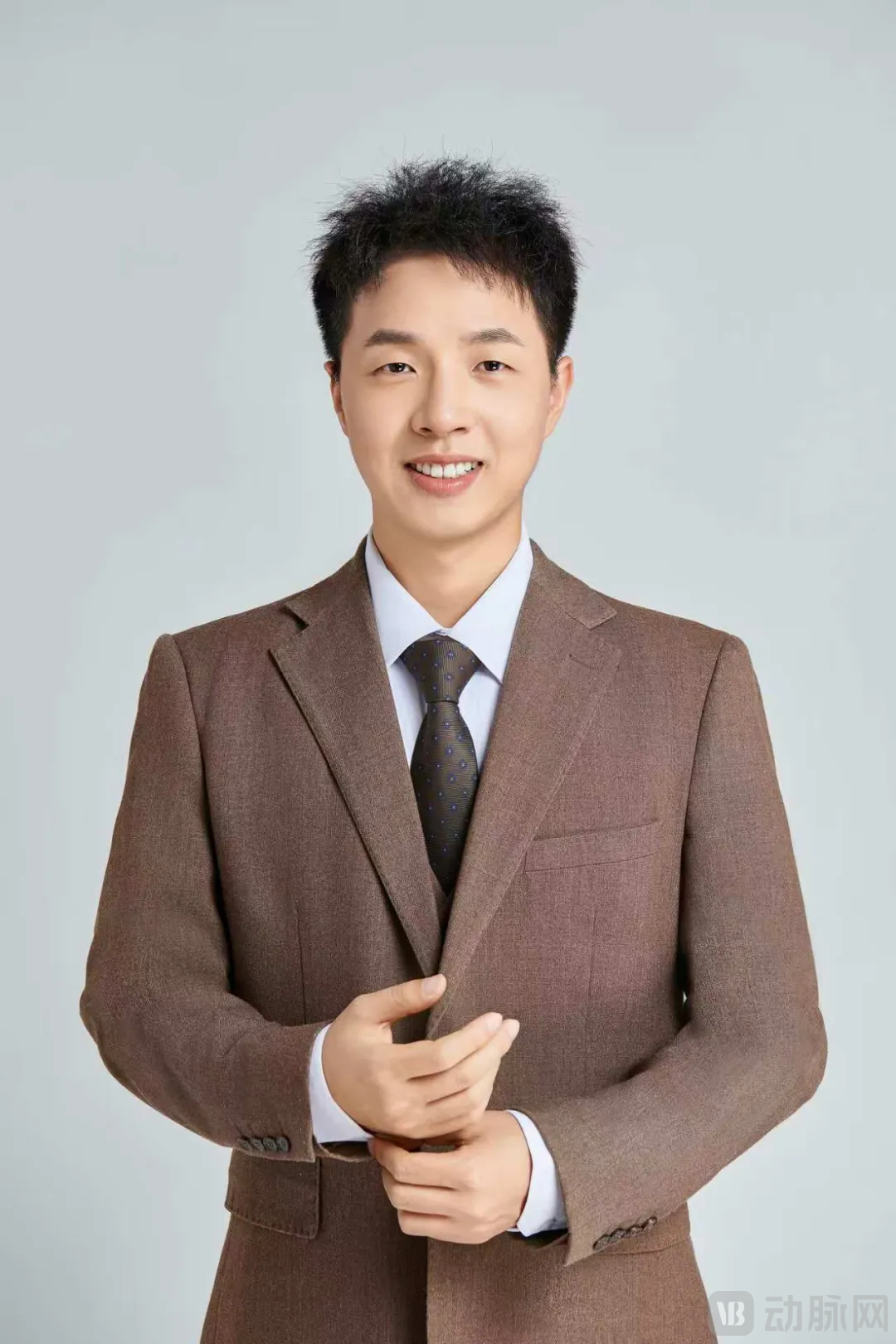
Chen Yiqun, General Manager of Shangjun Investment
Yuanmei’s project holds significant investment value. By targeting the global crisis of antibiotic resistance and addressing the substantial market gap left by the absence of new classes of antibiotics for nearly 40 years, the company has secured validation and support from numerous clinical experts. Furthermore, its team comprises top scholars from multidisciplinary academic backgrounds, including microbiology and medicinal chemistry. With a clear technological roadmap, Yuanmei has developed an proprietary AI-driven drug design platform and demonstrated its feasibility through early-stage screening.
Launched in Hong Kong, the project benefits from an international footprint and supportive policy frameworks. Meanwhile, the Greater Bay Area boasts abundant medical resources capable of facilitating the project’s implementation. Although antibiotic R&D faces commercialization challenges, its strategic significance and social value are prominent, positioning it as a potential benchmark case for China-originated innovations with global impact.