

Pivotal bioVenture: Cross-border Capital Accelerates the Globalization of China's Healthcare Innovation

GenFleet Therapeutics
Innovative Drug Developer
By the end of the first half of this year, the biotechnology sector of the Hong Kong stock market welcomed a long-awaited upturn.
Following valuation corrections in the primary market and sustained adjustments in the secondary market, the biotechnology sectors of the Hong Kong Stock Exchange and the STAR Market have shown clear signs of recovery. A series of landmark transactions, particularly outbound licensing (License-out) deals, have reached record highs, injecting confidence into the market. Data indicates that in the first half of 2025, the total value of License-out transactions for Chinese innovative drugs approached $66 billion, surpassing the full-year total for 2024.
Meanwhile, this recovery has also extended to the Hong Kong stock IPO market. According to Wind data, in the first half of 2025, a total of 189 cornerstone investors were introduced among 43 companies listed on the Hong Kong Stock Exchange, averaging 4.39 cornerstone investors per company. Notably, GenFleet Therapeutics, a biotechnology company that recently went public, attracted numerous prominent cornerstone investors, including RTW Investments and OrbiMed, with its international placement oversubscribed by 39 times. The renewed concentration of capital reflects the market’s reassessment and recognition of the long-term value of Chinese innovative pharmaceutical enterprises.
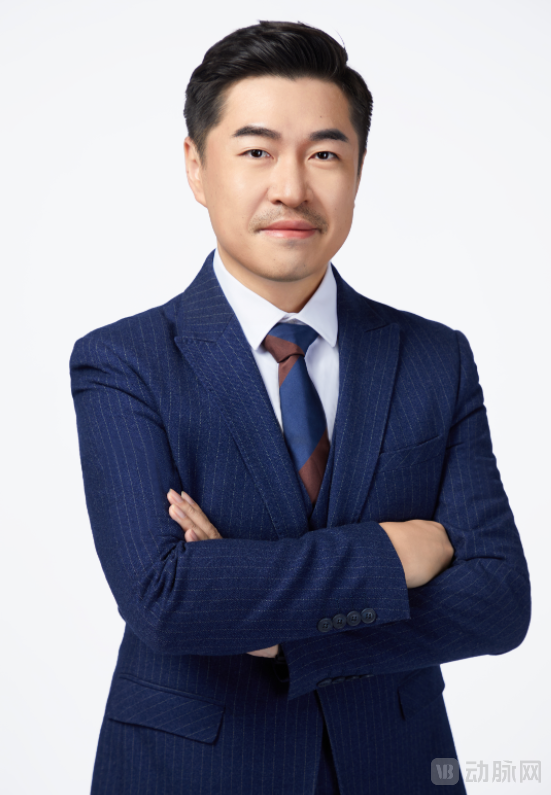
Yet beneath the signs of recovery, the industry still faces many critical questions: Is the current upturn a short-term rebound or the beginning of a long-term trend? How can China’s innovative drug sector evolve from a “large-scale player” to an “international powerhouse”? And what substantive role can capital institutions play in this process? With these questions in mind, VCBeat interviewed Dr. Liu Dan, Managing Partner of Pivotal bioVenture China (Pivotal BioVenture Capital, hereinafter referred to as “Pivotal”), an internationally leading investment firm with extensive cross-border experience in life sciences investing.
Since Dr. Liu Dan joined last year,Pivotal BioVentures has significantly increased its investment efforts in China, appearing among the top-tier global life sciences and healthcare investment consortia in numerous cross-border transactions. It now holds considerable expertise and influence in mergers and acquisitions (M&A) and business development (BD) deals involving Chinese pharmaceutical companies.The company’s portfolio projects have also yielded frequent successes, with several being acquired by multinational pharmaceutical companies or listing on the NASDAQ and Hong Kong capital markets.
In the dialogue, Dr. Liu Dan analyzed the underlying logic behind the current market recovery from the dual perspectives of industry and capital, elucidated the importance of models such as NewCo in facilitating the overseas expansion of Chinese innovative pharmaceutical companies, and outlined the potentially deeper role that capital institutions may play in fostering Sino-foreign corporate collaboration and enhancing the global competitiveness of China’s innovative drugs.
1Chinese Innovative Drug Companies Enter Their "Harvest Period"
VCBeat: First of all, congratulations to Pivotal BioVentures on its participation in several investments and cross-border transaction collaborations in recent months! As a leading life sciences investment fund globally, we have noticed that your firm has been partnering almost exclusively with top-tier funds or major corporations in the United States and Europe. Since you joined Pivotal BioVentures as the Head of China, the China region has demonstrated greater proactivity. Are there any new developments behind this shift that you could share with us?
Dr. Dan Liu:Thank you for VCBeat’s interest. Indeed, we have seen investment or transaction developments nearly every month recently, which underscores the advantage of our international investment platform. Pivotal comprises two investment arms based in China and the United States, enabling truly close collaboration. Leveraging cross-border communication channels and an international cooperation network, we focus on investing in high-quality innovative companies with global competitiveness and leaders in niche sectors. Post-investment, we genuinely assist Chinese startups in expanding overseas through various models, helping them avoid resource-draining domestic competition and enhancing their long-term international competitiveness.
VCBeat: Since the beginning of this year, the biotechnology sector on the Hong Kong stock market has continued to recover, with a surge in large-scale business development (BD) and mergers and acquisitions (M&A) transactions, as overseas capital increasingly increases its investment in Chinese assets. What do you think are the reasons behind this?
Dr. Liu Dan:The recent market upturn is by no means accidental; rather, it is the result of the combined forces of industrial and capital dynamics. On one hand,Since around 2020, I have been predicting that China’s innovative drug industry will accelerate its transition from a “net importer of technology licenses” to a “net exporter of technology licenses.”
In recent years, license-out transactions have become increasingly frequent, with not only a rise in quantity but also in quality, yielding numerous benchmark cases. These signals demonstrate that China has transitioned from a “follower” to a “major power in innovative drugs.” The Chinese innovative drug industry is undergoing a qualitative transformation driven by quantitative growth, and market confidence remains robust.
On the other hand, the capital market remained sluggish in the post-pandemic era, with investors adopting a wait-and-see approach. However, the emergence of replicable success stories within the industry has finally convinced capital that this is not merely a short-term opportunity. Furthermore, as an increasing number of domestically developed innovative drugs achieve clinical and commercial breakthroughs, overseas investors are beginning to reassess the value of China’s innovative assets. They are gradually returning to the Hong Kong capital market and injecting funds into the Chinese innovative drug sector, further amplifying the signals of a market recovery.
Taking M&A as an example,In 2024, multinational pharmaceutical companies completed a total of seven mergers and acquisitions of Chinese biotech firms. Pivotal BioVenture Partners was deeply involved in and facilitated three of these transactions, accounting for nearly half of the total.Taking Novartis’ acquisition of Sinovant Sciences as an example, the company not only led key preparatory steps such as the selection of investment banks, but also conducted negotiations with multiple acquirers, including Novartis, to ensure a smooth transition and successful completion of the handover process.As the pressure from the global MNC “patent cliff” intensifies, an increasing number of foreign companies are recognizing China’s pivotal role in the global division of labor for innovative drug development.
Overall, this round of recovery is not a simple, balanced bottoming-out rebound; some companies are even beginning to exhibit “bubble” characteristics. Going forward, greater attention will be paid to the speed and magnitude of the rebound.I anticipate that China’s role in the global division of labor for innovative drug development will become increasingly important over the next five to ten years.
VCBeat: As business development (BD) transactions among Chinese innovative pharmaceutical companies become increasingly frequent, a narrative of “selling green shoots” has begun to emerge within the industry. What is your perspective on this?
Dr. Liu Dan:This characterization is, in fact, inaccurate. I believe that such moves are a necessary and inevitable phase for China’s innovative pharmaceutical industry. First, many biotech companies faced severe difficulties during 2023–2024, with numerous domestic investors demanding share buybacks. Without business development (BD) deals, these companies might have been unable to continue operations; thus, BD became a means of sustaining innovation. Second, these transactions were not distressed fire sales. On the contrary, the upfront payments for many projects exceeded the companies’ overall valuations. For instance, some projects secured upfront payments of $600 million or $800 million—valuations that no domestic company or investment institution was willing to recognize or offer. Furthermore, most transactions involved only the divestment of overseas rights, while rights within China remained in the hands of the originators. This allows these companies to continue focusing on their core competencies in local R&D and clinical development, while entrusting overseas commercialization to partners with deeper expertise in global markets.
Based on the cases we have been involved in, business development (BD) has indeed helped companies navigate critical periods and achieve growth. Last year, Jimu Biology, invested by Pivotal BioVenture Partners, reached an $85 million strategic partnership with Santen Pharmaceutical of Japan. This July, in the growth hormone market, Viseon Therapeutics, a leading company in endocrinology that we have invested in, formed a strategic partnership with Anke Biotechnology. Not long ago, InnoCare Pharma, in which both parties have invested, secured a potential blockbuster deal worth over $2 billion with Zenas BioPharma. These related projects are all BD transactions achieved by our portfolio companies. We have basically participated in their multiple rounds of early-stage investment, are very clear about the complementary advantages of the projects and teams, and are very optimistic about the strong alliance between both parties.
It is precisely due to the large volume of these transactions that China’s innovative drug industry secured cash flow during its most challenging period and gained access to international resources. This represents a highly effective complementary partnership, constituting a true win-win outcome.
2The NewCo Model Ushers in a New Wave of Overseas Business Development
VCBeat: How do you view the development of the NewCo model in China? Does it still hold irreplaceable value in facilitating the global expansion of Chinese innovative pharmaceutical companies and bridging Chinese innovation with international capital?
Dr. Dan Liu:I believe that the NewCo model will become a standard practice in the international cross-border market in the future, although its positioning will evolve. As a leading global life sciences venture capital fund, we have been involved in the incubation of NewCos from an early stage,Over the past two years, Pivotal Biowoo Capital has also been deeply involved in organizing and structuring three to four NewCo projects.For example, Windward Bio announced capital transactions with Harbour Biomed and Kelun-Biotech at the beginning of the year, and recently co-invested in a landmark case with a top-tier European healthcare fund, demonstrating extensive experience.
We found that the early NewCo model operated in parallel with business development (BD). At that time, many biotech companies faced financial pressures, while the BD processes of traditional multinational corporations (MNCs) often took six months to several years. There was an urgent need for a more efficient pathway to rapidly advance projects from the clinical stage to acquisition. The NewCo model emerged against this backdrop.
However, as the industry continues to evolve and business development (BD) transactions become increasingly frequent, a question has emerged: Why should we still allow “accelerators” like NewCo to capture the spread? Can’t we negotiate directly? From this perspective, it is true that the role once played by NewCo has been partially supplanted by direct engagement between multinational corporations (MNCs) and Chinese biotech firms. Yet this does not mean that NewCo has lost its value. On the contrary, its strategic advantages are being reaffirmed in niche sectors and within complex deal structures.
At the sub-sector level, as Chinese enterprises continue to enhance their capabilities, they can directly engage in business development (BD) in areas where China’s biotech industry has considerable familiarity, such as oncology and immunology. However, in fields where experience is relatively limited, such as cardiovascular disease, metabolism, and nephrology, NewCo remains an essential vehicle for connecting Chinese innovation with international value realization.Meanwhile, in terms of structural design, NewCo is positioned not merely as an intermediary for transactions; it must also integrate three key elements: Chinese assets, an experienced international team, and top-tier global capital.
Currently, the overall trend is to expand Chinese assets overseas, but only a handful of Chinese funds are participating in NewCo. Pivotal BioVenture Capital is one of them, joining other top-tier healthcare investment institutions from Europe and the United States, including ARCH, OrbiMed, Forbion, and RA Capital Management.Furthermore, in terms of capital value, the involvement of a NewCo often leads to higher asset valuation. By leveraging more efficient risk isolation and an internationalized valuation framework, a NewCo enables Chinese innovative drugs to achieve more reasonable, or even higher, market pricing, thereby serving as a “value amplifier” for enterprises.
We observe that for the NewCo projects currently underway, communication with potential MNC buyers or key future capital market participants has largely taken place during the early-stage structural design phase. Only when intentions are relatively clear do these projects move forward, thereby significantly enhancing the likelihood of successful transactions. This approach essentially represents an innovation in mechanism—Through meticulous structural design, the introduction of international capital, and the promotion of resource synergy, China’s innovative assets are ultimately integrated into the global system in a more efficient and sustainable manner.
3Participating in the “International Placement” Is About More Than Just Capital
VCBeat: As the biotech sector on the Hong Kong Stock Exchange rebounds, international placements are drawing increasing attention from investors. We have noted that Pivotal BioVentures has recently made strategic moves in securing cornerstone and anchor investors. Could you share an update on the company’s progress in this area?
Dr. Dan Liu:As the industry recovers, we are also considering how to extend the competitive advantages accumulated from the three aforementioned types of cross-border collaborations to the IPO stage. In recent months, our fund has participated in the international placements of several Hong Kong-listed IPO projects, primarily through cornerstone or anchor investments. We are also negotiating post-listing block trades and private investments in public equity (PIPE) via private placements. For instance, during the Hong Kong IPO of GenFleet Therapeutics, a project in which I led three rounds of significant investment, Pivotal BioVenture Partners participated in its international placement through various forms.Currently, our fund is also advancing international placement investments in the IPOs of a select few high-quality market leaders in niche sectors. The market will see our increasingly active presence as we forge strategic partnerships with these companies.
In fact, our involvement does not end at the IPO; we will continue to extend into areas such as secondary market refinancing and block trades, investing in selected high-quality enterprises from a longer-term perspective. The primary rationale for this strategic expansion is our hope toExtend our cross-border leading platform advantages from the primary market to the IPO stage and secondary market, forming a long-term value investment chain that spans the entire lifecycle of innovative enterprises.
VCBeat: Participating in the international placement as a cornerstone or anchor investor places high demands on an institution’s selection criteria and comprehensive capabilities, going far beyond mere capital injection. Yet, a significant influx of hot money is currently entering this space. In your view, what unique advantages do professional investment firms like yours hold in this field?
Dr. Dan Liu:We have cultivated deep roots in the primary market for many years alongside numerous professional investment institutions both domestically and internationally, accumulating extensive experience in industrial guidance and cross-border collaboration. We are now extending our industrial and ecosystem advantages to the pre-IPO and even secondary market stages, actively participating in international placements such as anchor investments. Our platform has also established a professional investment team for the secondary market. A recent case in point is Novo Nordisk’s acquisition of Akero Therapeutics, which exemplifies a portfolio company we invested in at the secondary market stage that was subsequently acquired.
As an international life sciences investment platform, we place greater emphasis on what products a technology can ultimately be translated into and the magnitude of real clinical benefits it can deliver to patients.When we invest in a listed company, we bring not only the endorsement of professional capital but, more importantly, leverage our resources and experience in global markets to help the company more efficiently connect with overseas markets and capital, thereby enabling portfolio companies to achieve a significant leap in value amidst homogeneous competition.
We have always maintained an open and collaborative stance toward companies currently undergoing fundraising. Even when certain investment targets fail to materialize for various reasons, we remain committed to helping them connect with potential partners, thereby facilitating the release of value from China’s innovation ecosystem within the global healthcare landscape. This approach has earned us a strong reputation in the industry.In summary, we do not engage in blind trading based on short-term stock price fluctuations; instead, we partner with companies over the long term and provide value-enhancement strategies. For instance, when the stock price of a portfolio company falls below expectations, we analyze its fundamentals and take actions such as increasing or supplementing our positions, or assisting in formulating new development strategies and conducting private placements. You will see us proactively creating value by driving a series of collaborative initiatives for our investee companies, including business development (BD), NewCo formations, mergers and acquisitions (M&A), and private investments in public equity (PIPE).
In addition, we have also partnered with our sister companies—China's leading integrated healthcare group, New Frontier Health (which includes United Family Healthcare, Gulian Healthcare, New Frontier Xinyan, Yidekang, and Baosheng Insurance)Deep collaboration enables us to provide innovative enterprises with systematic, full-lifecycle support across key stages such as clinical trials, channel promotion, and insurance reimbursement. Meanwhile, weBoston, London, and Shanghai are also home to life science parks, such as the newly launched Waigaoqiao Nanfeng Innovation and Technology Hub in Shanghai this year.To facilitate the global development and deep integration of medical technology projects.
VCBeat: Looking ahead, in which areas do you believe Chinese innovative pharmaceutical companies need to make further breakthroughs to achieve high-quality global expansion? What development trajectory will the industry as a whole follow?
Dr. Liu Dan:China’s innovative drug industry has moved beyond the “zero-to-one” phase and entered the “2+” era. In the past, we followed the development trajectories of foreign counterparts, playing catch-up by making incremental improvements and engaging in “imitative innovation.”As deeper collaboration models such as BD deals, M&A, and NewCo structures become increasingly prevalent, we have ushered in a new era of “collaborative innovation.”
Looking ahead, we can expect to see more “exploratory innovations” through joint development initiatives between Chinese and foreign enterprises centered on cutting-edge technology platforms. This will require greater participation from institutions and capital with a global perspective, fostering a more open and integrated global R&D ecosystem.
Looking ahead, the Company aims to deepen its involvement in business development (BD), NewCo collaborations, and even mergers and acquisitions for high-quality projects that secure international placement allocations. By integrating top-tier global resources and professional teams, we will fully leverage our unique role in bridging Chinese assets with overseas capital, comprehensively enhance the global market value of China’s innovative pharmaceutical enterprises, facilitate smoother global expansion for Chinese assets, and become a co-creator of the new landscape of medical innovation in China.