

Modular Surgical Robot Reshapes Minimally Invasive Surgery Landscape: Five Complex Surgeries Broadcast Live with Global Expert Consensus

Ronovo
Minimally Invasive Surgical Robot Developer
Domestically produced surgical robots are entering a critical phase of regulatory approvals and volume scaling, bringing with it a major commercialization test. As hospitals increasingly shift from asking “whether to buy” to “how to use effectively,” the market focus has moved beyond mere competition over technical specifications to a reevaluation of clinical efficiency, cost structures, and pathways to widespread adoption.
Large, integrated surgical robots have pushed minimally invasive surgery to new heights, yet they still face practical constraints such as limited operating room space, high procurement and maintenance costs, and restricted utilization within individual departments. The industry urgently needs a clinical solution that is “more flexible, more universally applicable, and more versatile.”
Modular surgical robots have emerged to meet this need. Their modular and dexterous system architecture breaks the constraint of “one robot per operating room,” enabling surgical units to be flexibly configured according to procedural requirements and spatial constraints, thereby allowing robots to serve multiple departments, support a wider range of procedures, and generate greater value. More importantly, modular surgical robots do not merely follow or imitate traditional models; instead, they profoundly reconfigure hospital space efficiency and minimally invasive surgical workflows.
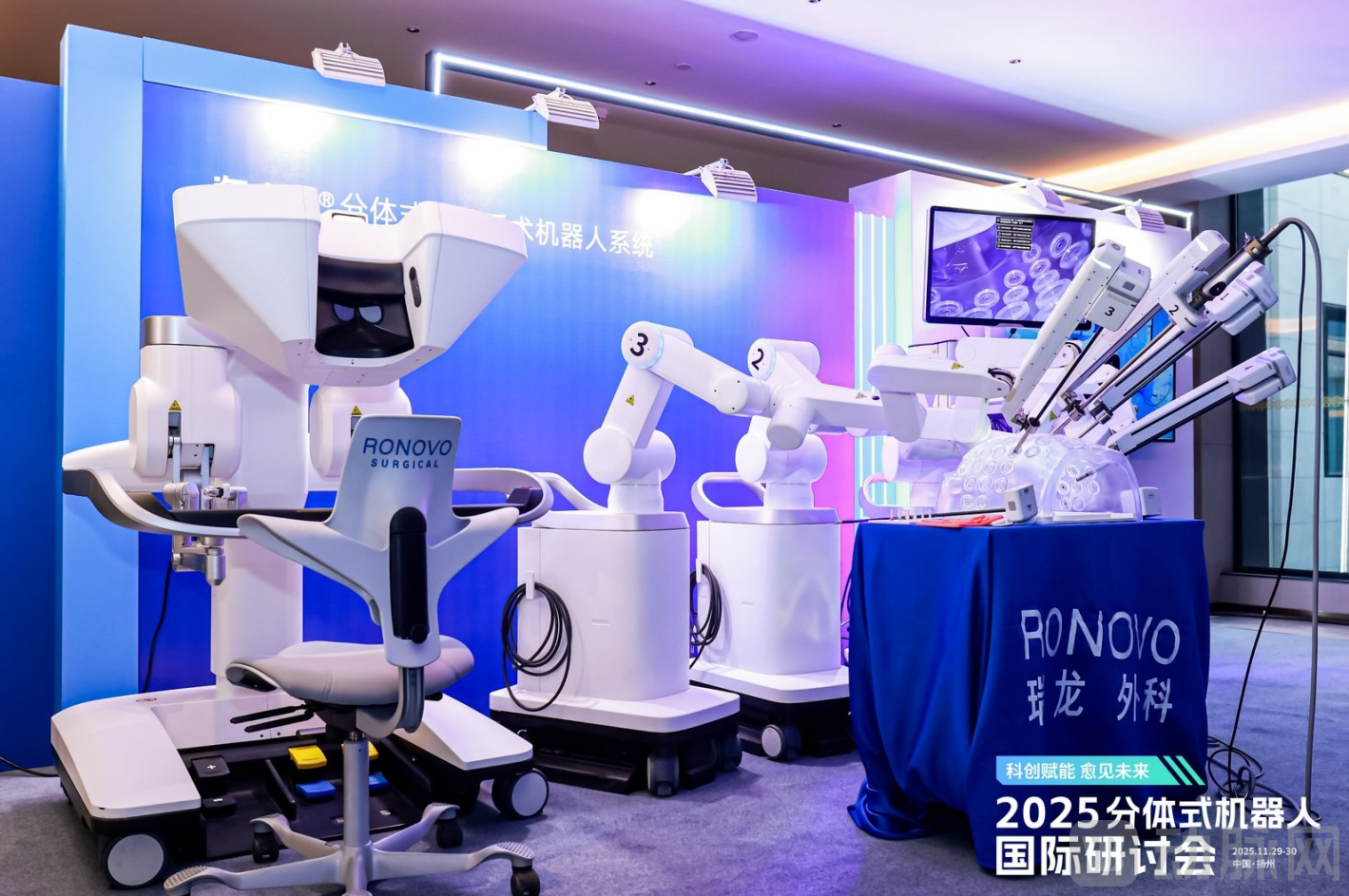
From November 29 to 30, the “Sci-Tech Innovation Empowering Healthcare, Envisioning the Future: 2025 International Symposium on Modular Robots,” hosted by the China Association of Medical Equipment and co-organized by Northern Jiangsu People’s Hospital and the Affiliated Hospital of Yangzhou University, was grandly held in Yangzhou. Deputy Secretary of the Yangzhou Municipal Committee of the Communist Party of China and Secretary-GeneralJiao Qingbiao, Member of the Standing Committee of the Yangzhou Municipal Committee of the Communist Party of China and Secretary of the Party Working Committee of the Economic and Technological Development ZoneZhang Li, Deputy Secretary of the Party Working Committee and Director of the Administrative Committee of Yangzhou Economic and Technological Development ZoneHu Chunfeng, Member of the Party Committee of the Yangzhou Municipal Health CommissionWu Qihong, Member of the Party Working Committee and Deputy Director of the Administrative Committee of Yangzhou Economic and Technological Development ZoneZhang Feng, Chairman of the China Association of Medical EquipmentHou Yan, President of the World Society for Robotic SurgeryDr.Eduardo Parra-Davila, Secretary-General of the European Society for Gastrointestinal EndoscopyDr.Luigi Boni, Deputy Director of Fudan University Shanghai Cancer CenterYe Dingwei, Director of the Department of Surgery, The Affiliated Hospital of Qingdao UniversityZhou Yanbing, Director of the Department of General Surgery, The First Affiliated Hospital of Nanchang UniversityLi Taiyuan, Director of the Department of General Surgery, Northern Jiangsu People's HospitalWang Daorong, Affiliated Hospital of Yangzhou UniversityZhu Yunxiang, Tao Lide, Zhou Ming,Head of the Gynecological Minimally Invasive Surgery Center, The First Affiliated Hospital of Zhengzhou UniversityJi Mei, President of Johnson & Johnson MedTech ChinaZhou Mintao, General Manager of Johnson & Johnson MedTech Surgery ChinaTulio Oliveira, Founder and CEO of Ronovo SurgicalMa ChangzhengGovernment leaders, medical experts, and innovative enterprises gather to jointly discuss the current status and prospects of modular robots in multidisciplinary clinical applications.
This is also the first international symposium in China focused on modular surgical robots. Going beyond mere technical demonstrations, the conference established a comprehensive closed-loop framework centered on “building academic consensus, exploring technological pathways, and implementing clinical training,” thereby laying a solid foundation for broader, more standardized, and higher-quality clinical applications of modular surgical robots in the future.
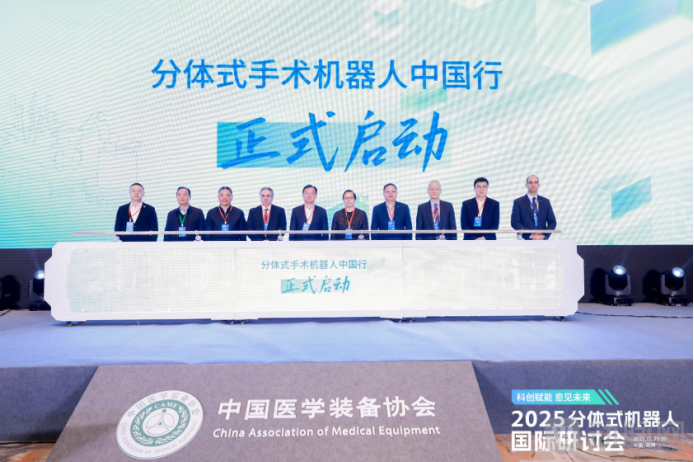
On the morning of November 29, Jiao Qingbiao, Deputy Secretary of the Yangzhou Municipal Committee of the Communist Party of China and Secretary-General; Hou Yan, Chairman of the China Association of Medical Equipment; Dr. Eduardo Parra-Davila, President of the World Society for Robotically Assisted Surgery; Zhang Li, Member of the Standing Committee of the Yangzhou Municipal Committee of the CPC and Secretary of the Party Working Committee of the Yangzhou Economic and Technological Development Zone (YETDZ); Hu Chunfeng, Deputy Secretary of the Party Working Committee of YETDZ and Director of its Administrative Committee; Wu Qihong, Member of the Party Committee of the Yangzhou Municipal Health Commission; Zhang Feng, Member of the Party Working Committee of YETDZ and Deputy Director of its Administrative Committee; Zhou Mintao, President of Johnson & Johnson MedTech China; Tulio Oliveira, General Manager of Johnson & Johnson MedTech Asia-Pacific Surgery Division, China; and Ma Changzheng, Founder and CEO of Ronovo Surgical, jointly lit up the“Launch Ceremony of the Modular Robot China Tour”, marking the official entry of China’s original modular surgical robots into a new phase of nationwide clinical promotion.
In the subsequent academic sessions, leading domestic discipline pioneers took the stage in succession, using robust clinical data to demonstrate how modular robotic systems break down barriers and achieve comprehensive advancements across multiple fields.
Ye Dingwei, Vice President of Fudan University Shanghai Cancer CenterShou took the lead in presenting “Clinical Application of Modular Robots in Urology in China.” He pointed out that although robot-assisted surgery (RAS) accounts for 44% of urological procedures, its penetration rate remains below 1% in gynecology, general surgery, and thoracic surgery—which together constitute 99% of all minimally invasive soft-tissue surgeries. Haishan Yi®As the first modular robotic system approved in China, it offers a flexible and cost-effective solution by leveraging advantages such as modular design, compatibility with open vision systems, and dual-path support for both wristed and straight-shaft instruments. To date, the Haishan series of modular robots has been applied across six specialties—urology, gynecology, gastrointestinal surgery, thoracic surgery, thyroid surgery, and breast surgery—demonstrating remarkable versatility.
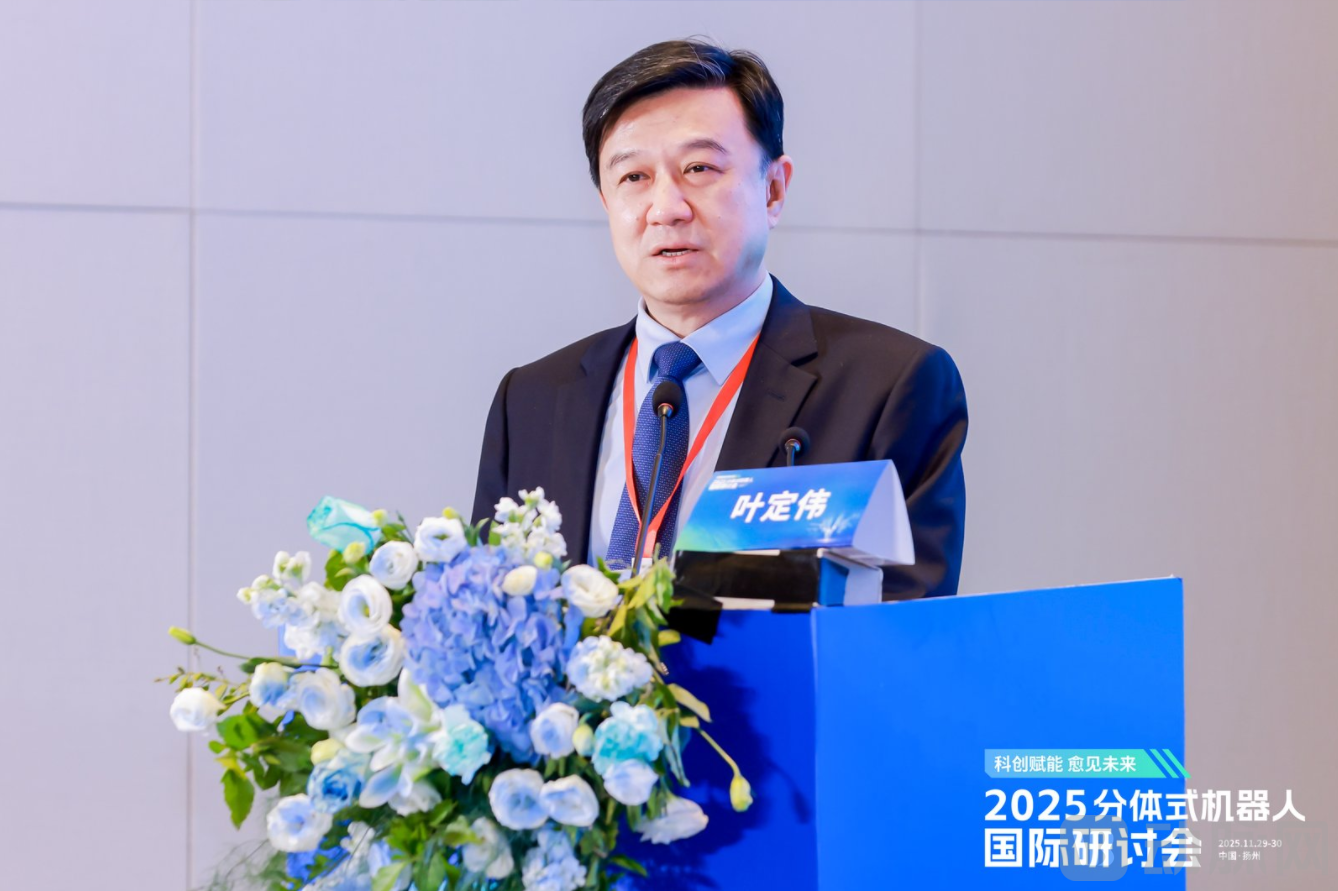
Professor Ye Dingwei, Vice President of Fudan University Shanghai Cancer Center
Professor Ji Mei, Head of the Gynecological Minimally Invasive Surgery Center at the First Affiliated Hospital of Zhengzhou Universitywhich focuses on "Clinical Application of Modular Robots in Gynecology in China." She emphasized that when facing complex and challenging gynecological procedures such as radical hysterectomy for cervical cancer and radical surgery for endometrial cancer, traditional boom-mounted robotic systems require repeated repositioning during cross-quadrant operations, thereby compromising surgical continuity and efficiency. In contrast, Haishan Yi®The split modular design provides surgeons with greater positioning flexibility, more personalized port placement strategies, and a more efficient operational experience. For example, in omentectomy procedures, Haishan Yi®Eliminates the need for repositioning and secondary docking throughout the procedure, providing a superior solution for cross-quadrant gynecological surgeries.

Professor Ji Mei, Head of the Gynecological Minimally Invasive Center at the First Affiliated Hospital of Zhengzhou University
Professor Li Taiyuan, Director of the Department of General Surgery, The First Affiliated Hospital of Nanchang UniversityHe shared practical experience from the clinical application of modular robotic systems in general surgery. He stated that a clinical study involving 26 cases of gastrointestinal tumor surgeries conducted by his team demonstrated that the modular robot rivals mainstream integrated systems in terms of flexibility and precision, while requiring only approximately 35 square meters of space, thereby significantly alleviating operating room layout constraints. Its modular design supports continuous cross-quadrant surgeries without the need for mid-procedure re-docking, substantially improving surgical efficiency. More importantly, it successfully enabled the team to perform pure NOSES (Natural Orifice Specimen Extraction Surgery) procedures without auxiliary incisions, and its compatibility with straight-shaft instruments demonstrates significant potential for cost control.
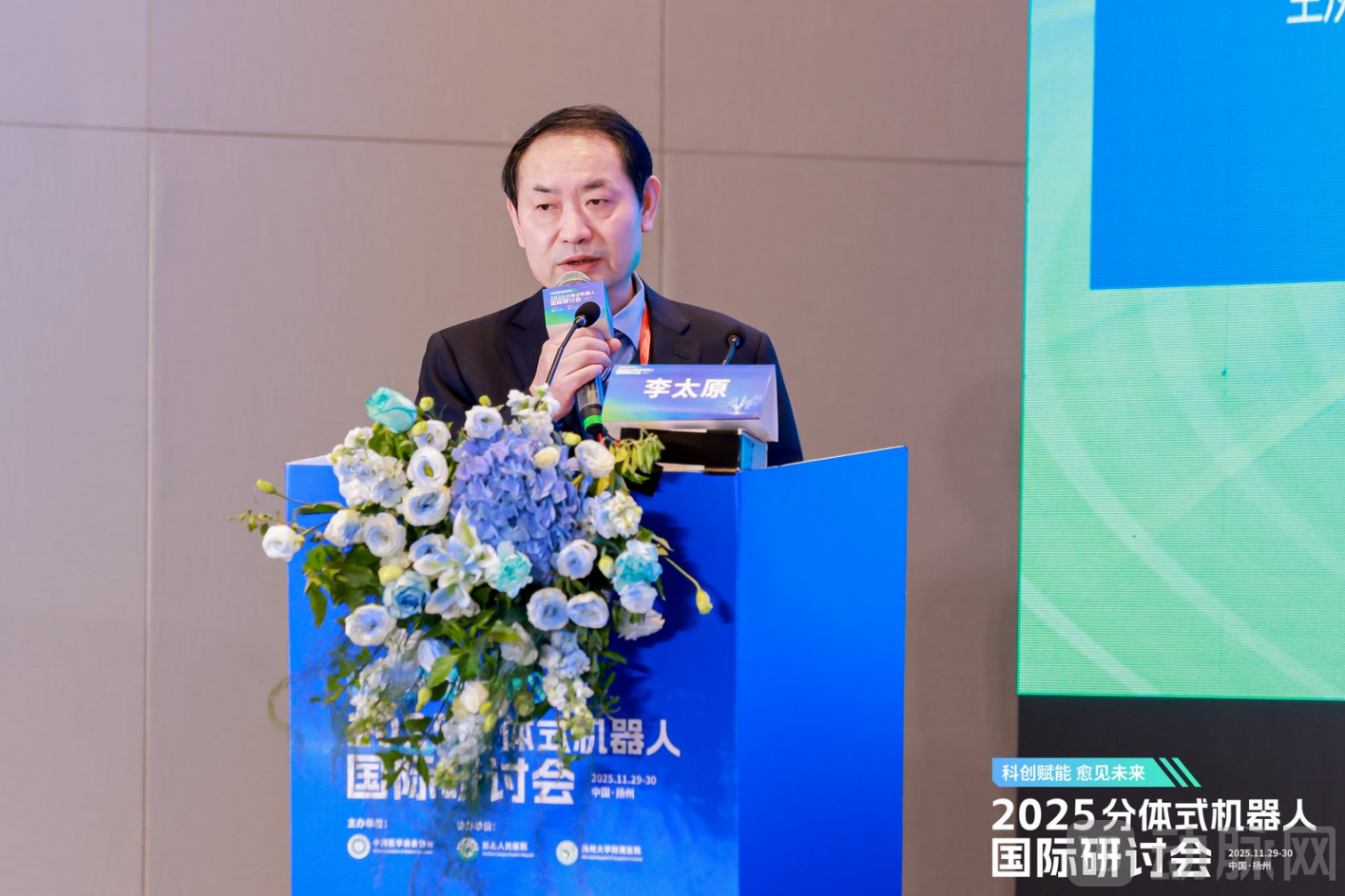
Professor Li Taiyuan, Director of the Department of General Surgery, The First Affiliated Hospital of Nanchang University
Following the presentations by domestic experts, the conference expanded its scope to a global perspective. Two international luminaries highly praised the modular technical approach from the global viewpoints of general surgery and minimally invasive surgery, echoing the insights shared by Chinese experts.
Dr. Eduardo Parra-Davila, President of the World Society of Robotic SurgeryHe delivered a speech titled “Development of Modular Robotic Technology: An International General Surgery Perspective.” He highly praised China for having become a key pole in global surgical robotics innovation. Modular robotic systems have broken the monopoly of traditional all-in-one platforms, improving operating room turnover and healthcare accessibility through their small footprint, high flexibility, and scalable multi-arm coordination. These advancements also help alleviate the worldwide shortage of surgeons and promote the widespread adoption of robotic surgery. Future competition in surgical robotics will center on accessibility and adaptability, with modular systems serving as the core platform for integrating artificial intelligence, automation, and telesurgery.
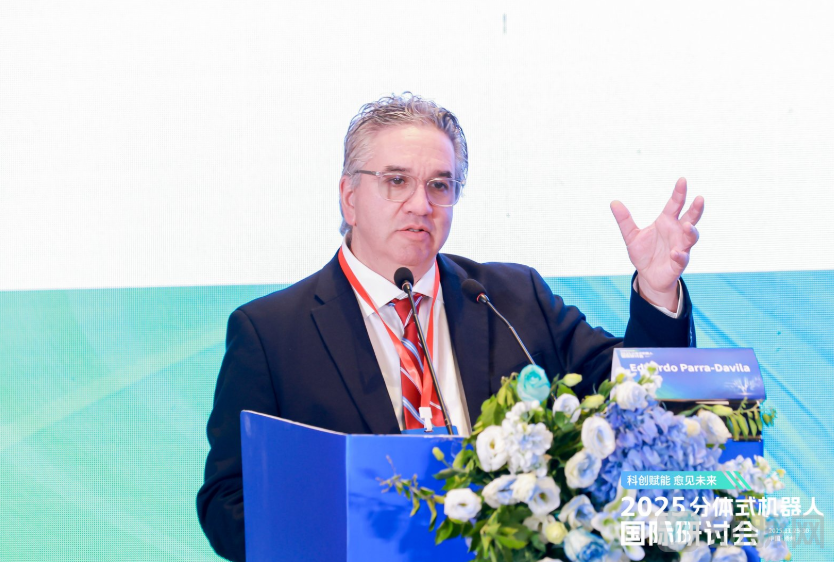
Dr. Eduardo Parra-Davila, President of the World Society for Robotic Surgery
Luigi Boni, Secretary General of the European Association for Endoscopic SurgeryDrawing from the perspective of “Development of Modular Robotic Technology: A Laparoscopic Surgeon’s View,” the article emphasizes the reconstruction of the “human-machine relationship.” He argues that traditional fixed-structure systems often constrain the performance of highly skilled laparoscopic surgeons. The future direction of surgical robotics should be “machines adapting to surgeons,” rather than the reverse. Modular designs preserve surgeons’ existing operative habits while granting them substantial freedom in positioning, control over instrument layout, and the ability to rapidly switch systems. This configurable, scalable, and hybrid-operation-capable platform represents the ideal form to support the evolution of complex laparoscopic procedures.
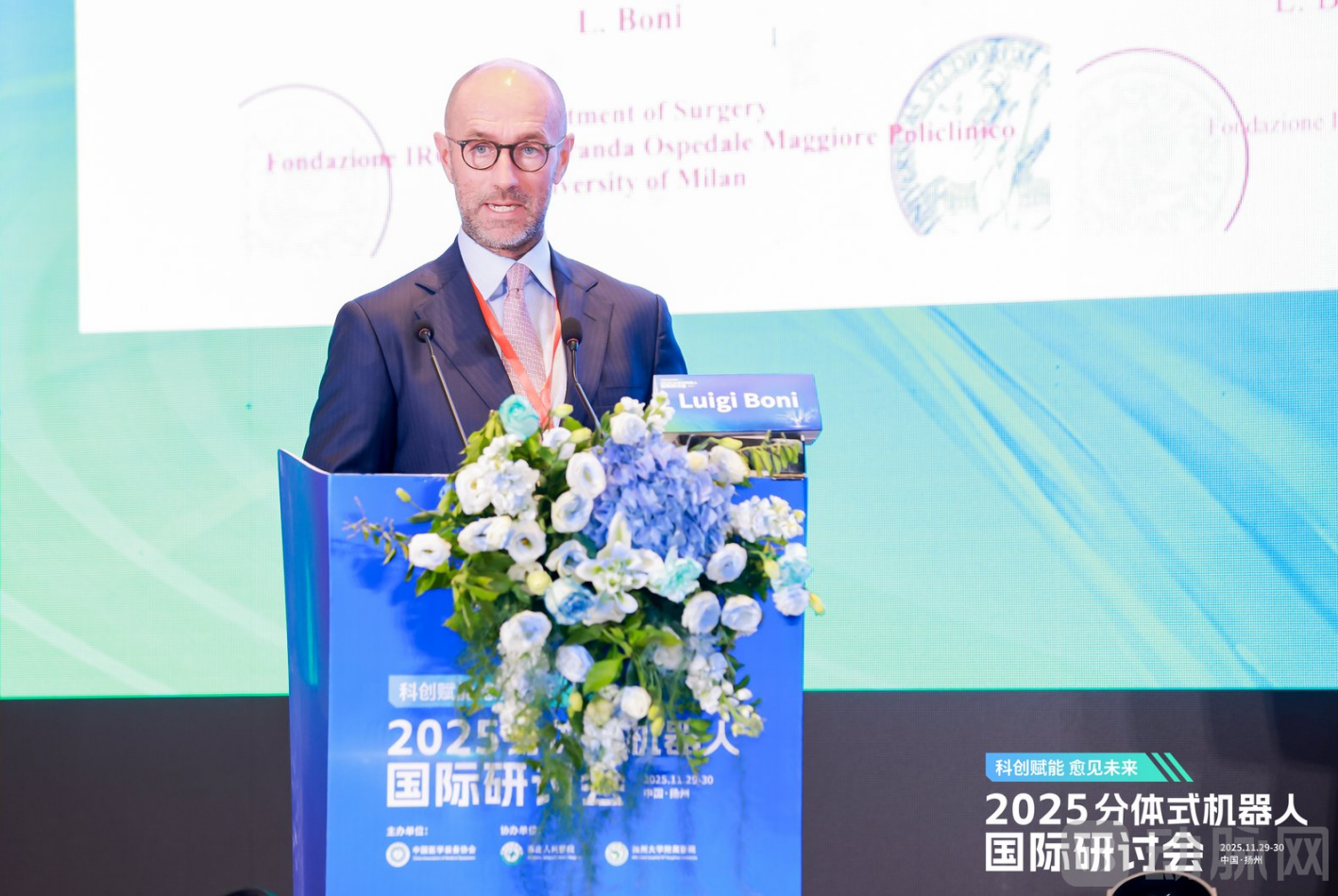
Luigi Boni, Secretary-General of the European Association for Endoscopic Surgery
“Integration of Knowledge and Action” was another highlight of the conference. On the afternoon of November 29, five complex general surgery procedures were consecutively performed via live broadcast. With the support of Professors Zhu Yunxiang, Tao Lide, and Zhou Ming from the Affiliated Hospital of Yangzhou University, Professor Luigi Boni’s team and Professor Eduardo Parra-Davila’s team demonstrated Hai Shan Yi®Robot-assisted radical resection for rectal cancer; Professor Li Taiyuan’s team and Professor Wang Daorong’s team also demonstrated the HaiShan-Yi@Robot-assisted radical resection for rectal cancer; Professor Zhou Yanbing’s team demonstrated the Haishan Yi®Robot-assisted radical gastrectomy for gastric cancer. All five procedures were successfully completed, fully validating the HaiShan One®Enhancing safety, stability, and precision in assisting surgeons with complex surgical procedures.
During the live broadcast, the surgical team was using Haishan One®The system performed the surgery while explaining surgical techniques to attendees, allowing physicians present to gain an immersive experience of the modular robot’s operational procedures and technical details in a real-world setting.
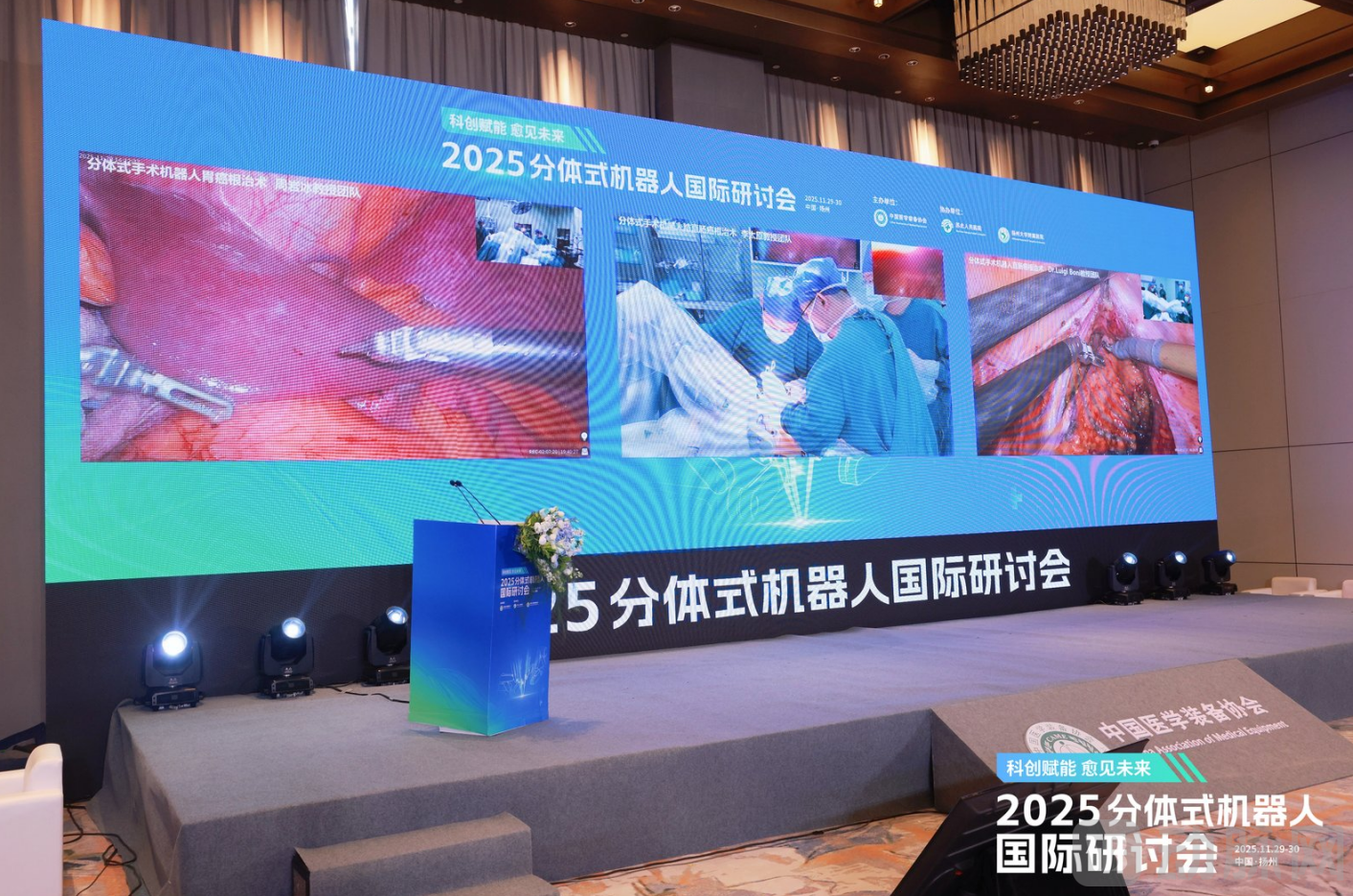
Five High-Difficulty Surgeries Demonstrated Simultaneously; Modular Robot Delivers Robust Performance
Professor Zhou Yanbing’s team performed surgery on a patient with gastric malignancy. The patient presented with thickening of the lesser curvature of the stomach and severe intra-abdominal adhesions, making conventional laparoscopic surgery highly challenging. However, Haishan Yi®With flexible arm reach and precise control, it successfully performs various procedures including dissection, anatomical separation, transection, and suturing.Professor Zhou Yanbing specifically pointed out that Haishan One®It can stably maintain the surgical field and operating space, eliminating the need for liver retraction during surgery. The system features rapid response and a clear visual field, delivering a highly stable overall operational experience.
Professor Li Taiyuan performed surgery on an elderly male patient with malignant rectal tumor. During the procedure, Haishan Yi®Stably navigates within the narrow pelvis, successfully completing procedures such as dissection, lymph node clearance, digestive tract reconstruction, and suturing. The system’s stability is particularly evident when handling tumor-infiltrated areas.Professor Li Taiyuan commented, Haishan Yi®The modular cart distributed at the bedside offers excellent adaptability and flexible trocar placement, eliminating the need to change the patient’s position throughout the procedure. It meets the operational requirements for both right hemicolectomy and low anterior resection of the rectum. More importantly, Haishan One®Equipped with multi-quadrant complex surgical capabilities, the system integrates the ISR procedure, which originally required two docking steps (“abdominal + transanal”), into a single-step operation. This enables continuous, uninterrupted surgery without undocking or secondary docking, significantly improving surgical efficiency and safety. ISR demands extremely high precision in sphincter preservation, distal margin assessment, and deep pelvic manipulation. The flexible channel design of the Haishan Yi® modular system, combined with the high degree of freedom of its wristed instruments, allows surgeons to maintain stable and meticulous operations in confined spaces, thereby helping to increase the success rate of sphincter-preserving surgery and expand the safety margins. Paired with Ronovo Surgical’s self-developed ultrasonic scalpel, it offers non-stick performance and high efficiency.
Professor Wang Daorong’s team also performed surgery on a patient with malignant rectal tumor. Contrast-enhanced pelvic MRI revealed thickening of the rectal wall, chronic inflammation with polyp formation in the proximal transverse colon mucosa, and a tubular adenoma with mild dysplasia of the glandular epithelium in the distal transverse colon.Professor Wang Daorong commented that Haishan One®Excellent handling feel, and due to its open structure, anastomosis can be completed without withdrawing the device, significantly improving surgical efficiency. In terms of image clarity and operational flexibility, Haishan One®On par with imported brands, it provides surgeons with a more precise surgical field and a smoother operational experience.
During the live surgical demonstrations performed by two international experts, multiple attending specialists highly praised the modular surgical robot, noting its excellent flexibility and rapid setup. They highlighted that the distributed layout of the modular carts reduces the risk of instrument collisions, expands the reachable range of the instrument tips, and eliminates visual obstruction caused by the column of integrated systems, thereby ensuring full exposure of the deep abdominal surgical field and facilitating assistance from bedside assistants.
Advanced equipment must be accompanied by a robust training system to achieve widespread adoption in hospitals. On November 30, the conference moved to the Ronovo Surgical Yangzhou Training Center for tiered hands-on training. Professor Luigi Boni, Professor Wang Hongkai from Fudan University Shanghai Cancer Center, and Dr. He Penghui from the First Affiliated Hospital of Nanchang University personally provided instruction and conducted the tiered hands-on training sessions.
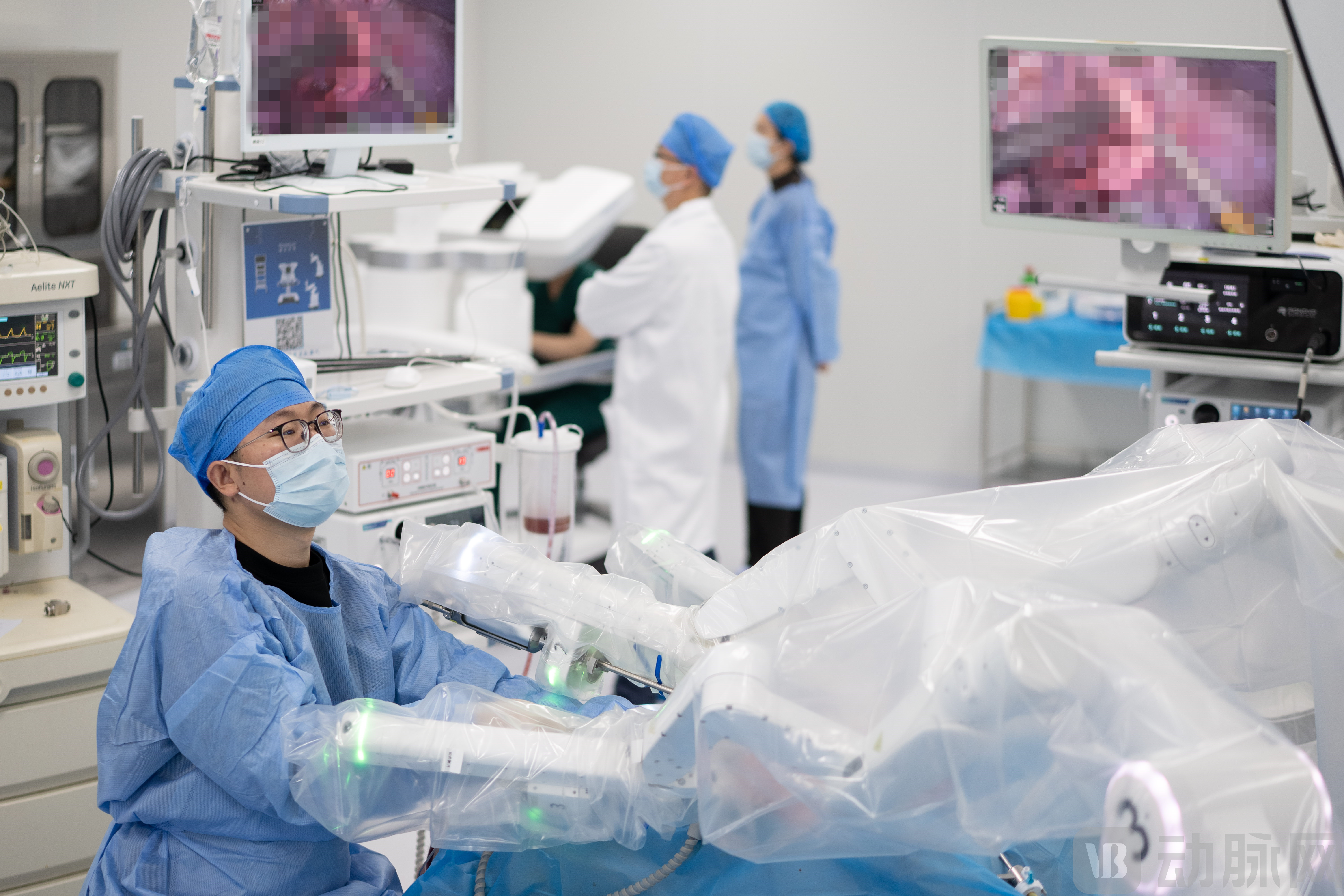
The curriculum is scientifically and rigorously structured, progressing from dry-model and ex vivo tissue exercises for trainees with no prior robotic experience to in vivo porcine experiments for experienced trainees. Upon successful completion, participants receive a Modular Robotic Surgery Training Certificate, laying the foundational skills and cognitive framework necessary to perform modular robotic surgeries safely and in accordance with standards in real-world clinical settings.
The future competition in surgical robotics will no longer be a mere race to stack parameters and outperform on hardware, but rather a comprehensive contest centered on clinical value and pathways to widespread accessibility. Haishan Yi®By deconstructing the physical constraints of traditional robots through modular design and lowering high technical barriers with standardized training, it is not only an advanced and user-friendly device but also a solution that makes minimally invasive surgery more accessible.
With the “academia–clinical–training” closed-loop pathway established at this symposium now fully operational, modular surgical robots are gradually transitioning from an innovative option to a reliable clinical partner. In the “second half” of China’s intelligent minimally invasive surgery landscape, Ronovo Surgical has taken the lead.