

Over RMB 10 Billion Demand List Unveiled: Chengdu-Chongqing IVD Industry Ecosystem Accelerates Development
Currently, the IVD industry is undergoing a historic transformation.
On the one hand, influenced by factors such as domestic centralized procurement, medical insurance cost-containment policies, and homogeneous competition within the industry, IVD companies are currently experiencing a widespread decline in both revenue and profits. Survival pressure is rapidly spreading across the sector, with layoffs, salary cuts, and bankruptcies becoming the “new normal” in the market. According to data from Zhongtai Securities,In the first three quarters of 2025, the revenue of listed companies in the IVD sector decreased by 13.94% year-on-year, and net profit dropped by 32.20% year-on-year, making it the segment under the most significant pressure within the medical device industry.。
On the other hand, as clinical demand continues to expand and more innovative technologies are rapidly integrated into the IVD ecosystem, coupled with “global expansion” becoming a central theme for the industry, new market opportunities are also emerging. Taking global expansion as a specific example, according to statistics from Zhongcheng Data Tech,In the first half of 2025, the export values of IVD instruments and IVD reagents were $1.933 billion and $1.123 billion, respectively, representing year-on-year growth rates of 31.82% and 5.29%.Thus, it is evident that “going global” is becoming the main battlefield for the IVD industry to secure incremental orders.
This is an era where challenges and opportunities coexist, with significantly heightened market uncertainty across the entire IVD industry. Consequently, collaborative efforts to jointly build an industrial ecosystem have become a “must-have” strategy for navigating economic cycles and achieving sustainable growth.
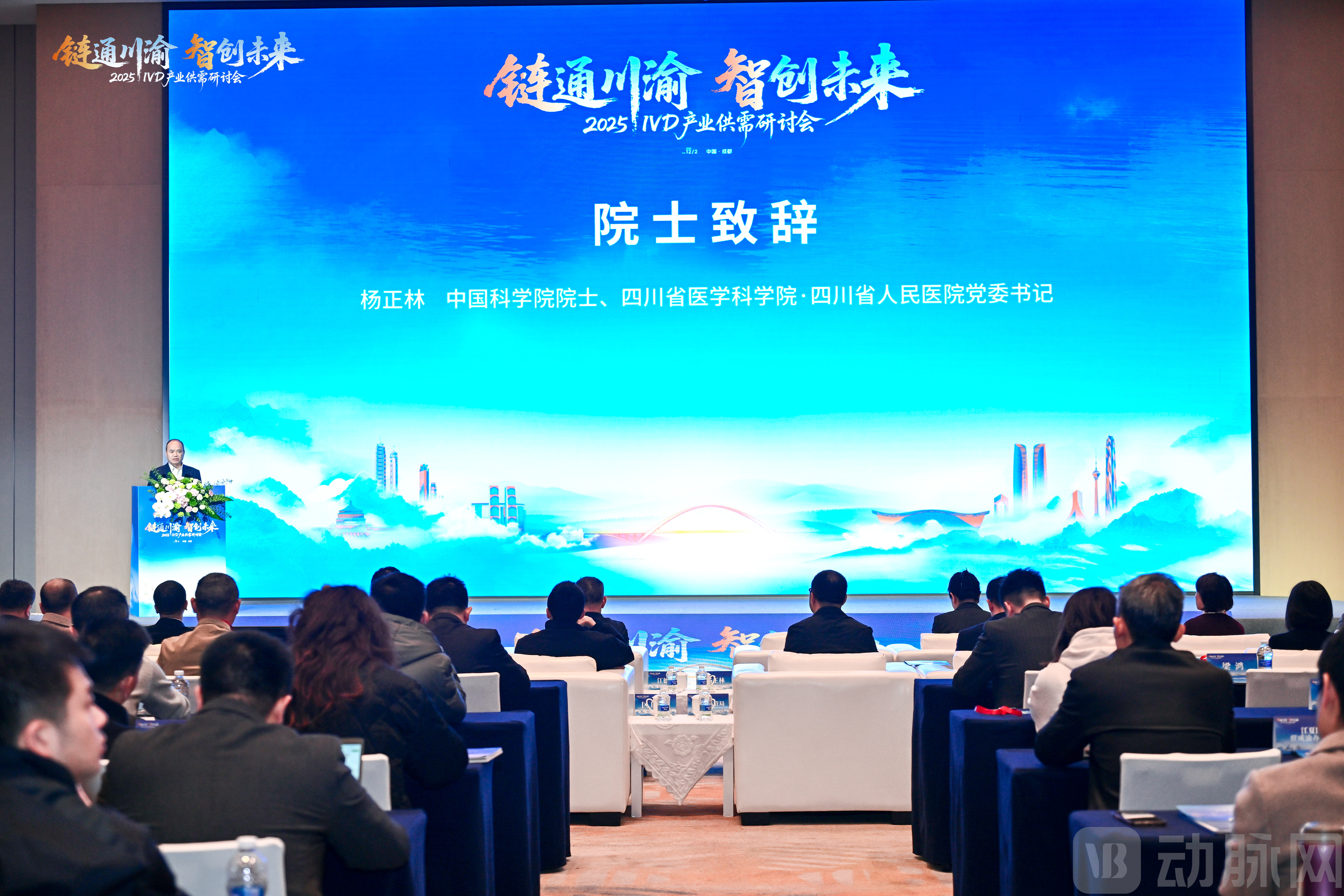
Conference Venue
On December 2, the “2025 Chengdu High-Tech Zone IVD Industry Supply and Demand Seminar” (hereinafter referred to as the “Seminar”) was successfully held at the Chengdu Tianfu International Bio-town.Themed “Linking Sichuan and Chongqing, Innovating for the Future,” the conference brought together stakeholders from government, industry, academia, research institutions, investment sectors, and healthcare in the Sichuan-Chongqing region. Through diverse activities—including policy interpretation, sharing of cutting-edge technologies, supply-demand matchmaking, launches of innovative technologies, and project signing ceremonies—the event aimed to establish an efficient platform for integrating resources within the in vitro diagnostics (IVD) industry, foster consensus on collaborative efforts to build a medical device industrial cluster in Sichuan and Chongqing, and inject new momentum into the high-quality development of the biopharmaceutical industry in the Chengdu-Chongqing Twin City Economic Circle. It is reported thatThe conference attracted more than 200 attendees, including executives from leading IVD companies in China and abroad, teams of top academicians, experts from renowned Grade-A tertiary hospitals in the Sichuan-Chongqing region, scholars from research institutes, and representatives from across the upstream and downstream segments of the industry chain.。
Yang Zhenglin, Academician of the Chinese Academy of Sciences and Party Secretary of Sichuan Academy of Medical Sciences & Sichuan Provincial People’s Hospital, together with relevant leaders from Chengdu High-Tech Zone, delivered opening remarks at the conference, expressing their expectations and vision for the development of the “Sichuan-Chongqing” IVD ecological industrial circle.
IVD Is at a Critical Juncture of Industrial Transformation: Only Through Collaboration Can We Achieve Win-Win Outcomes
Zheng Peng, Deputy Director of the Medical Marketing Center at Zhongyuan Huiji, stated during the conference’s roundtable forum, “"Involution" Is the Main Theme of the Entire IVD Industry This Year。”
This is indeed the case. After experiencing explosive growth in previous years, the in vitro diagnostics (IVD) industry is undergoing a profound transformation from “incremental competition” to “zero-sum competition in a saturated market.” As technical barriers gradually lower, product homogenization intensifies, and policies such as medical insurance cost containment and the normalization of centralized procurement continue to deepen, competition among companies across pricing, distribution channels, and services has become increasingly fierce, placing significant pressure on the industry’s overall profit margins. Consequently,At the inflection point where the market shifts from a “volume-driven frenzy” to a “quality-based elimination round,” innovation and differentiated strategic positioning have become the key pathways for the IVD industry to break through its current impasse.。
This was also one of the focal points of the “Symposium.” During the conference, stakeholders across the industry chain—including corporate executives, research scholars, hospital experts, and government officials—engaged in vigorous discussions and reached the following three consensus points:
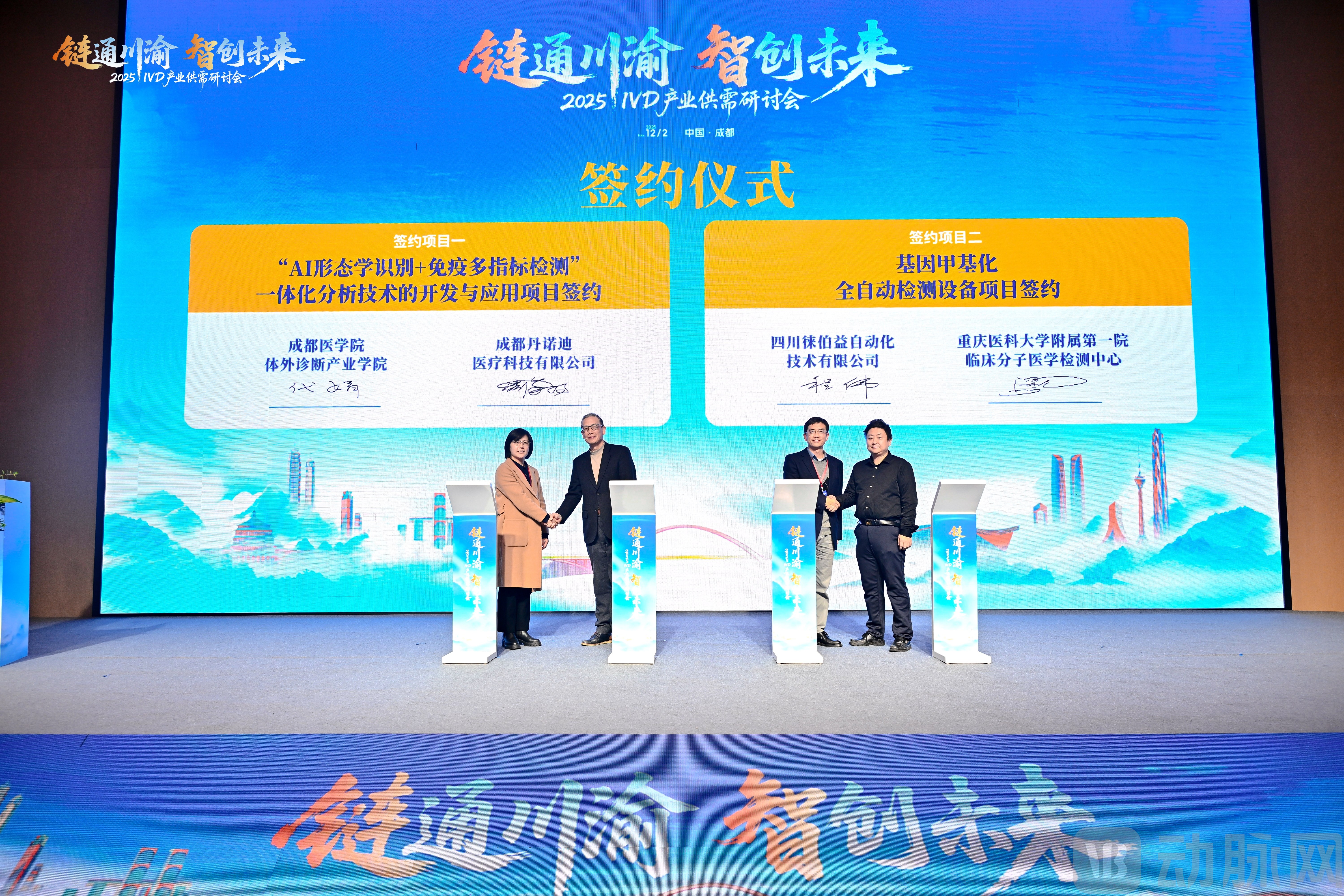
Two Major Cooperation Projects Officially Signed at the Conference
1. Uphold independent innovation. Liu Hao, Marketing Director at Maccura Biotechnology, stated at the conference, “To prevent being constrained by technological bottlenecks and escape involutionary market competition, we must rely on independent research and development, firmly securing control over product话语权 (discourse power/decision-making authority).” It is reported that during this “symposium,” several enterprises from the Chengdu High-Tech Zone signed “medical-engineering interdisciplinary” cooperation agreements on site. These included Danuodi Medical, which reached two collaborative agreements with the College of In Vitro Diagnostics Industry of Chengdu Medical College on “IVD Talent Training” and “Development and Application of Integrated Analysis Technology Combining AI-Based Morphological Recognition with Multi-Parameter Immunoassay Detection”; and Laiboyi, which signed a project agreement with the First Affiliated Hospital of Chongqing Medical University on “Fully Automated Gene Methylation Detection Equipment.” These initiatives have laid the foundation for collaborative innovation among medical institutions, universities, and enterprises in the Sichuan-Chongqing region.
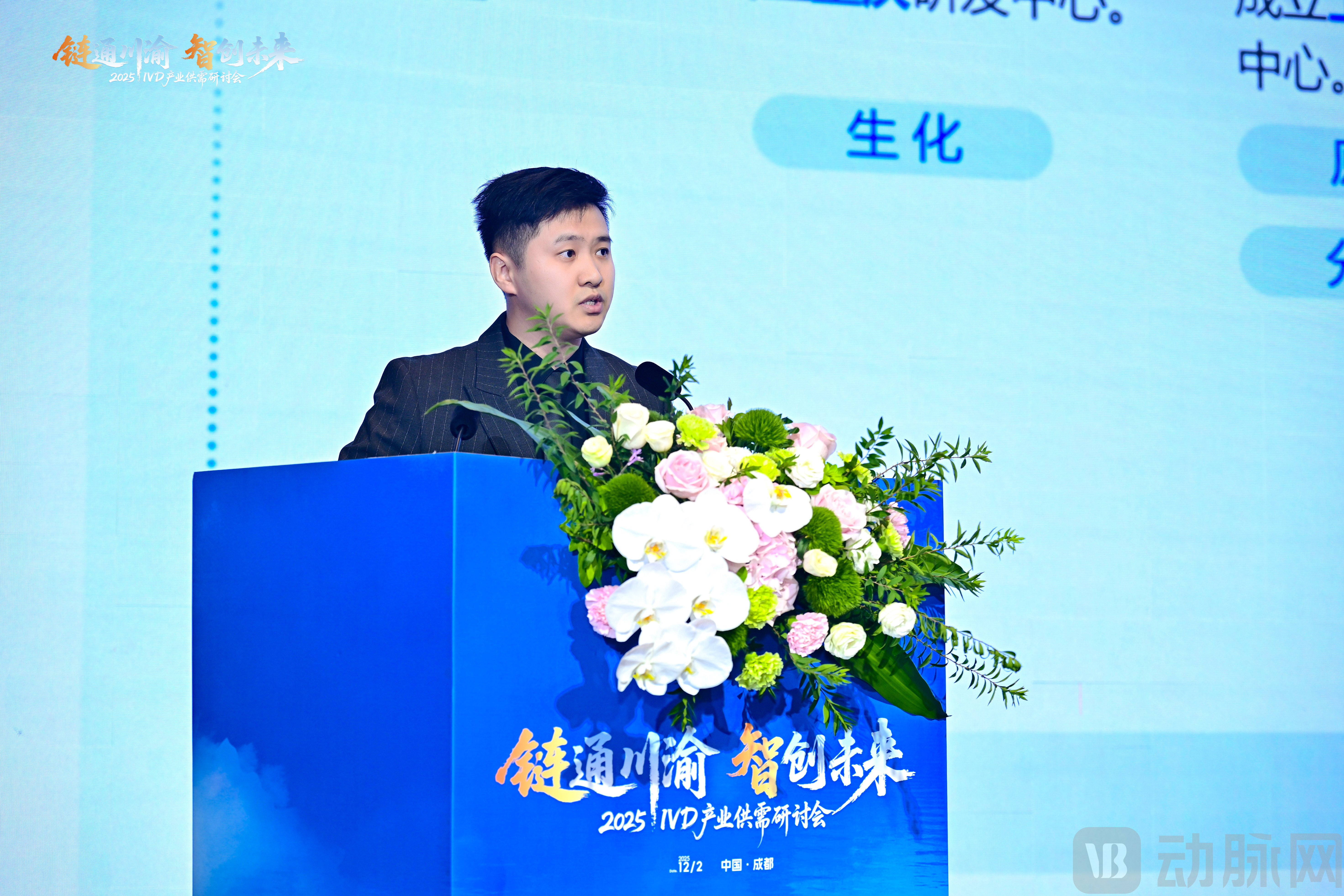
Zheng Peng, Deputy Director of the Medical Marketing Center at Zhongyuan Huiji, Delivers Keynote Address
The second point is to foster supply chain synergy.Attendees unanimously agreed that the journey of in vitro diagnostics (IVD) from the laboratory to the market involves a long chain with numerous links, making it difficult to sustain competitiveness through isolated efforts. Instead, it is essential to achieve synchronized resonance across the entire ecosystem encompassing government, industry, academia, research, healthcare, testing, and capital. Taking the formulation of industry standards and norms as an example, multiple industry experts stated that only through collaborative efforts by upstream and downstream players in the industrial chain—ensuring close coordination across R&D, production, clinical validation, and market promotion—can unified, scientific, and advanced industry standards and norms be established. This will accelerate product approval processes and promote the orderly development of the IVD industry in the Sichuan-Chongqing region.
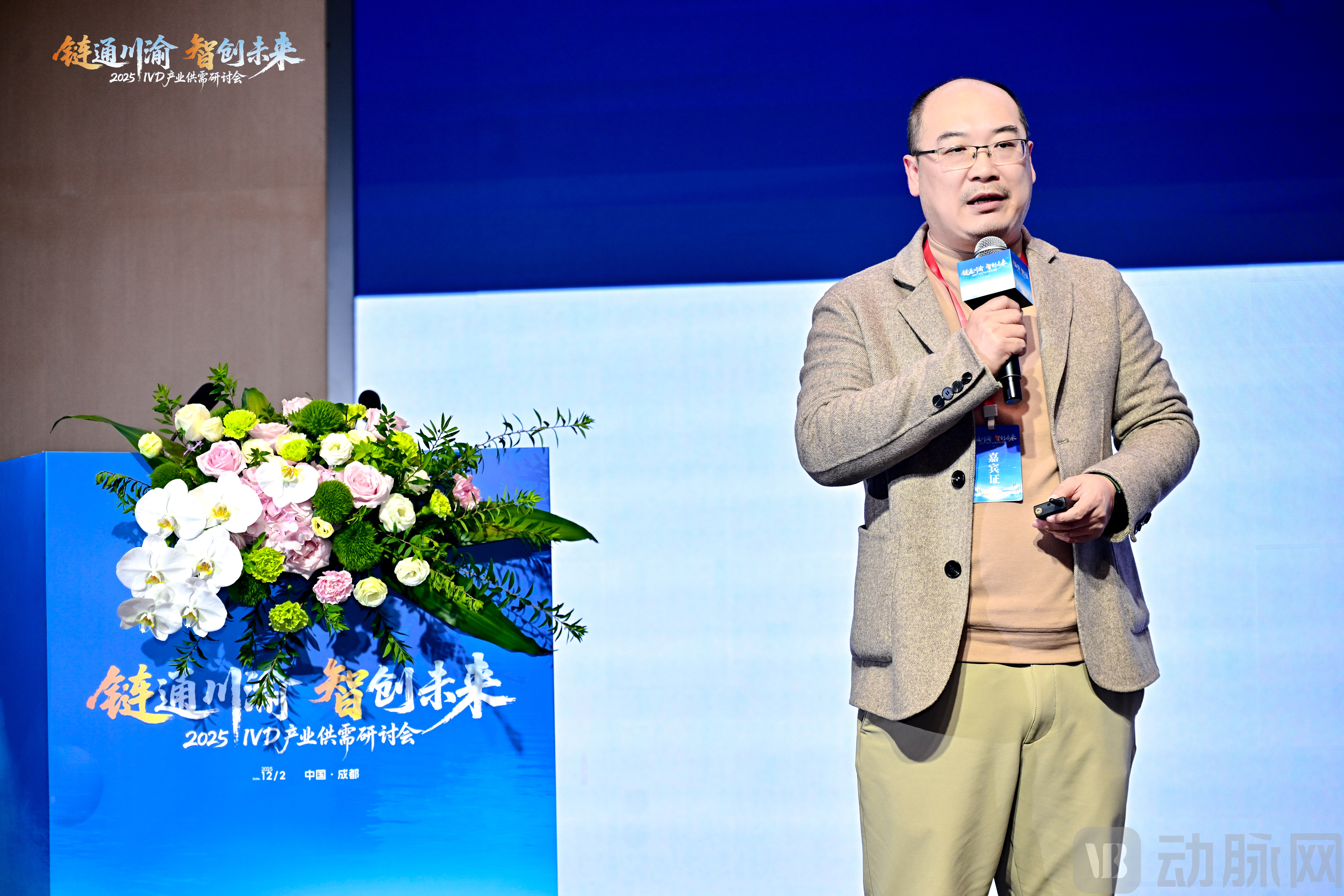
VCBeat Co-founder and COO Bi Yuanfeng Delivers Keynote Address on “Medical Device Global Expansion”
The third point is to “set sail for overseas markets”For the entire IVD industry, going global is an inevitable choice to expand market space, participate in global competition, and enhance technological capabilities and brand influence. In this regard, Bi Yuanfeng, Co-founder and COO of VCBeat, stated, “For enterprises to succeed in global expansion, they must leverage two key advantages: first, products must offer exceptional cost-performance, enabling the production of superior goods at relatively low costs; second, companies must proactively adjust their strategies by customizing core products to align with the characteristics of local markets.”. Take Wowent Biotech, which is based in the Chengdu High-Tech Zone, as an example. By aligning with the current era and its corporate strategic layout, the company has pioneered an international expansion path distinctively styled after Wowent. Leveraging its unique advantages in niche sectors such as automated fecal testing, it has been steadily expanding its global business from specific points to broader markets.
However, this is not something that can be achieved overnight. In the current complex landscape, “collective warmth through unity” is particularly crucial. Thus, at this “symposium,” close collaboration among all parties across the industry chain has become a key cornerstone for breaking down barriers and resolving dilemmas.
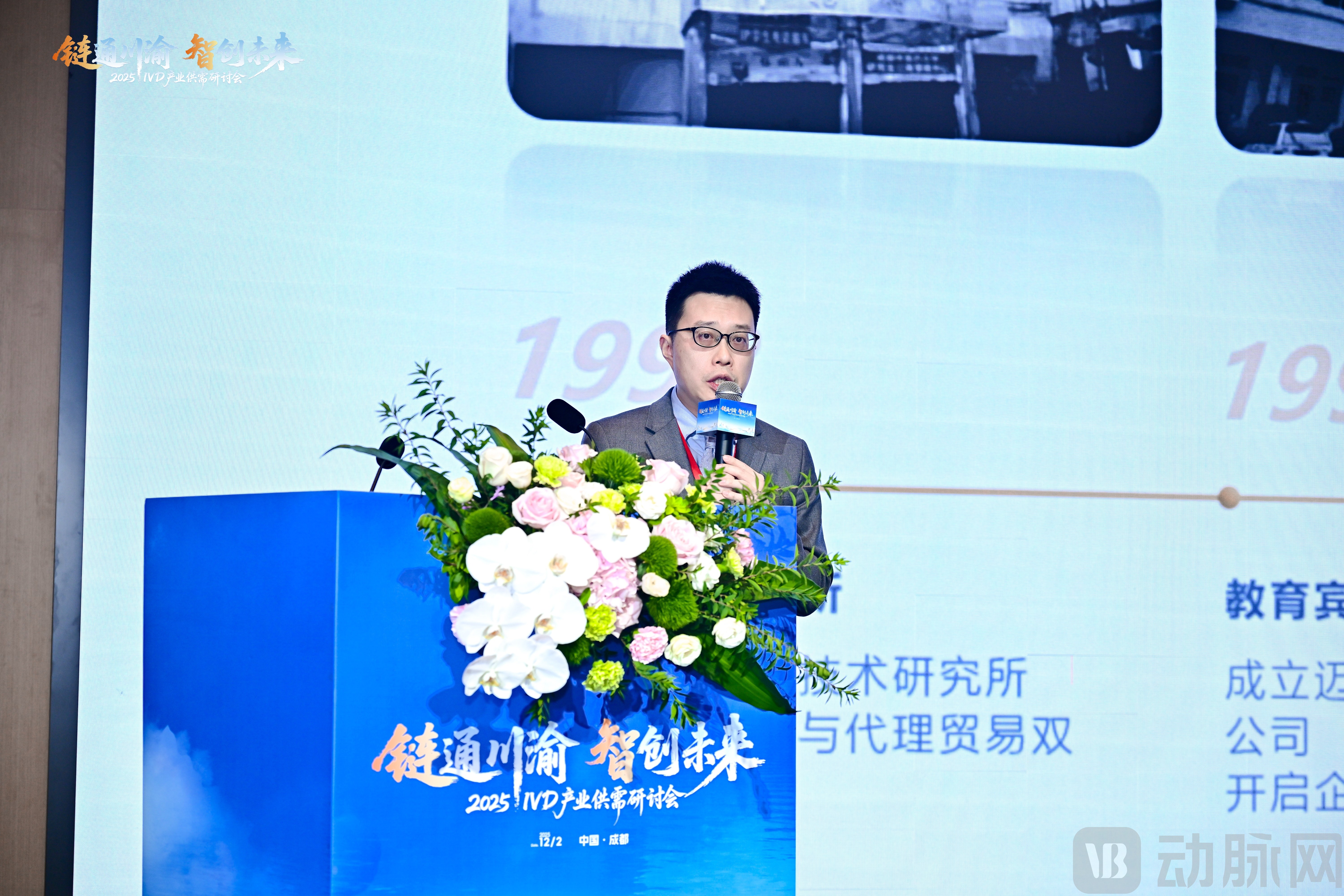
Mike Bio's Marketing Director, Liu Hao, Releases "Opportunity List"
It is reported that, in addition to the two major projects signed during the conference,, six leading IVD companies from the Sichuan-Chongqing region, including Zhongyuan Huiji, Maccura Biotechnology, Lighthouse Diagnostics, and Wowent Bio, jointly released an “Opportunity List” covering areas such as in vitro diagnostic reagent R&D, procurement of intelligent manufacturing equipment, and clinical collaborations, with a total value exceeding RMB 1 billion.In addition, the Gene Sequencing Center of Sichuan Academy of Medical Sciences & Sichuan Provincial People’s Hospital and the School of In Vitro Diagnostics Industry of Chengdu Medical College have simultaneously launched multiple industry-academia-research collaboration projects, covering areas such as technological breakthroughs and joint training of professional talents.
Sichuan-Chongqing Collaboration and Medical-Engineering Integration: Building a New Ecosystem for China’s IVD Industry
During the keynote session, Wu Weixing, Deputy General Manager of the Industry Center at Chongqing Modern Industrial Research Institute, stated, “For the IVD industry in Sichuan and Chongqing, collaboration always outweighs competition."On one hand, during this special period, both sides should leverage each other's strengths to jointly tackle industrial challenges; on the other hand, considering the overall landscape of China's IVD industry, Sichuan and Chongqing have relatively small market sizes, and without forming a collaborative alliance, it will be difficult for them to compete in the future."
So, what are the specific steps to implement this and ultimately achieve the industrial effect of “1+1>2”? In light of this, representatives from government bodies, healthcare institutions, policy-oriented financial institutions, industry media, and other stakeholders provided comprehensive answers during the conference through keynote presentations, roundtable discussions, and other formats.
First, it is essential to establish a new paradigm for integrated regulatory oversight.Attendees unanimously agreed that Sichuan and Chongqing should break down administrative barriers, promote mutual recognition of regulatory standards, sharing of inspection results, and coordinated review and approval processes, so as to establish a unified regional market supervision and service system for in vitro diagnostics (IVD). By establishing a “green channel” for IVD market access and a joint review mechanism in the Sichuan-Chongqing region, an efficient, transparent, and predictable regulatory environment can be created, thereby reducing institutional costs for enterprises and facilitating the rapid market launch of innovative products.
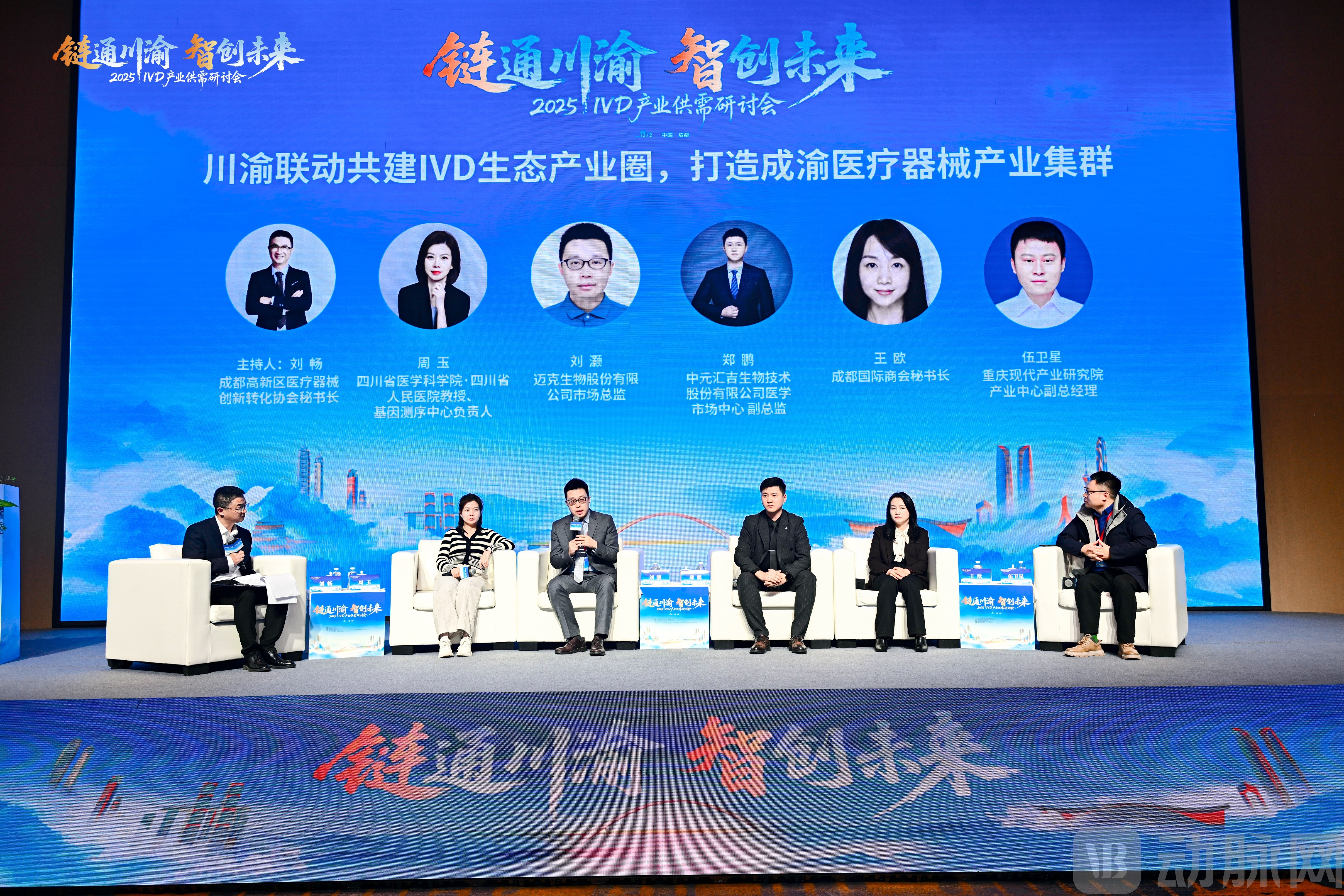
Roundtable Forum: Panelists Engage in Vigorous Discussion
Secondly, it is essential to build an innovation and commercialization platform that deeply integrates government, industry, academia, research, and application, thereby facilitating the efficient implementation of technological achievements.In this regard, multiple industry experts stated in their speeches that both Sichuan and Chongqing possess strong scientific research capabilities and industrial foundations. By addressing bottlenecks across various stages and strengthening multi-dimensional collaboration between research institutions and enterprises in the two regions on innovation commercialization, samples can be rapidly transformed into products. This would establish an IVD industry closed loop within the “Chengdu-Chongqing Twin Cities,” with each city serving as both the front-end and back-end for the other, thereby making Sichuan and Chongqing the “preferred destination” for the commercialization of IVD innovations in western China and across the country.
The final point is to deeply integrate the upstream and downstream segments of the industry, connecting key links such as raw material supply, R&D innovation, manufacturing, and distribution and application, thereby promoting the coordinated development of the IVD industry chain in Sichuan and Chongqing, and establishing an industrial ecosystem characterized by complementary advantages and shared resources.Currently, the Chengdu High-Tech Zone has gathered IVD companies represented by Maccura Biotechnology, Wantai BioPharm, New Healthway, and Xieguang Biology, while Chongqing is also home to leading enterprises such as Zhongyuan Huiji and Runda Medical. If both sides can collaborate closely, they have the potential to rapidly form advantages in industrial complementarity and collaborative innovation, injecting strong momentum into the construction of a nationally leading, internationally competitive IVD industry cluster.
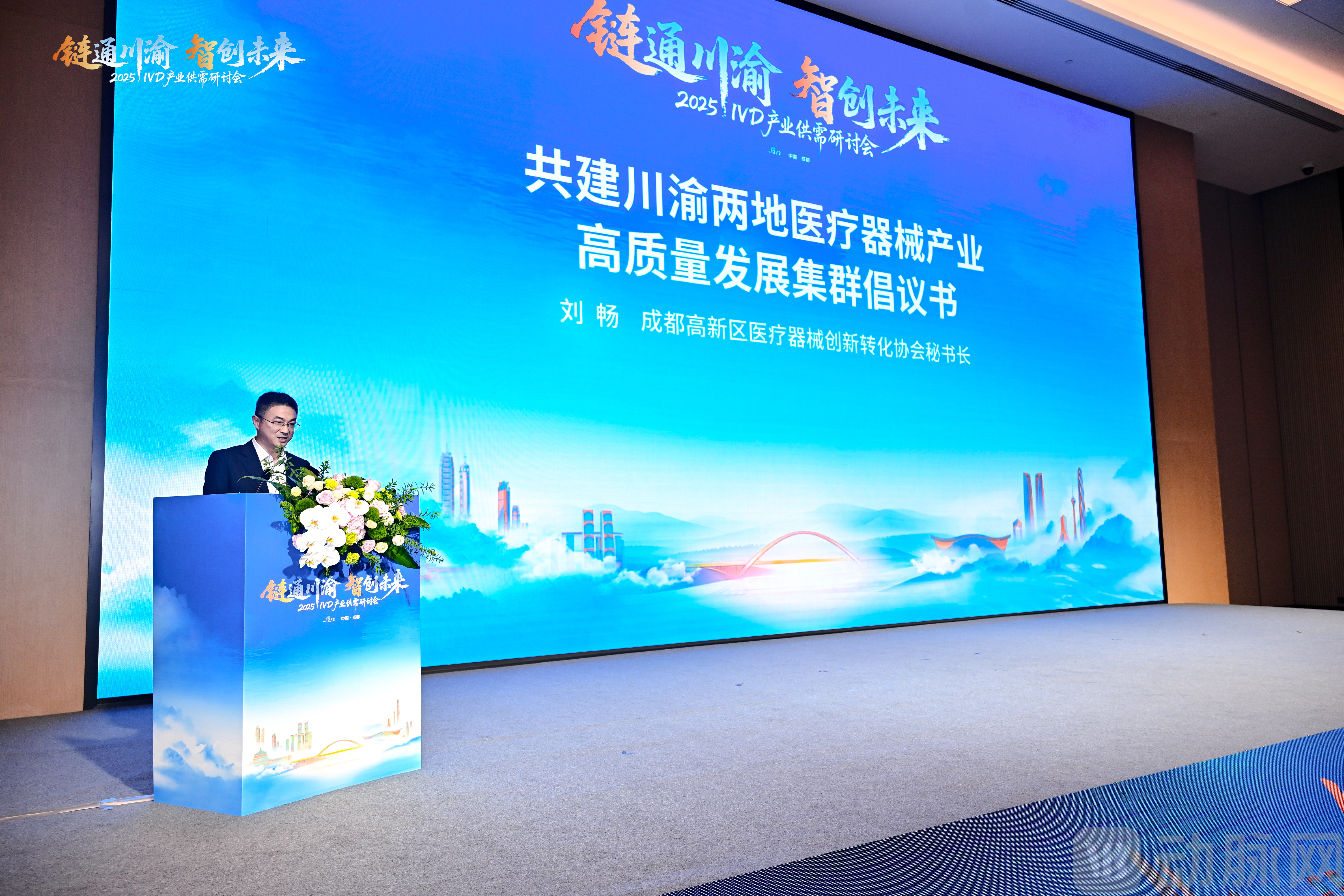 Liu Chang, Secretary-General of the Chengdu Hi-Tech Zone Medical Device Innovation and Transformation Association, Launches an Initiative
At this “Symposium,”Liu Chang, Secretary-General of the Chengdu High-Tech Zone Medical Device Innovation and Transformation Association, launched the "Initiative for Jointly Building a High-Quality Development Cluster for the Medical Device Industry in Sichuan and Chongqing."He stated that Sichuan and Chongqing boast a robust foundation and strong complementarity in the medical device industry. They should seize national strategic opportunities, fully leverage their respective advantages in R&D, manufacturing, clinical applications, and marketing, and enhance collaborative efforts to accelerate the high-quality development of the Sichuan-Chongqing medical device industry.
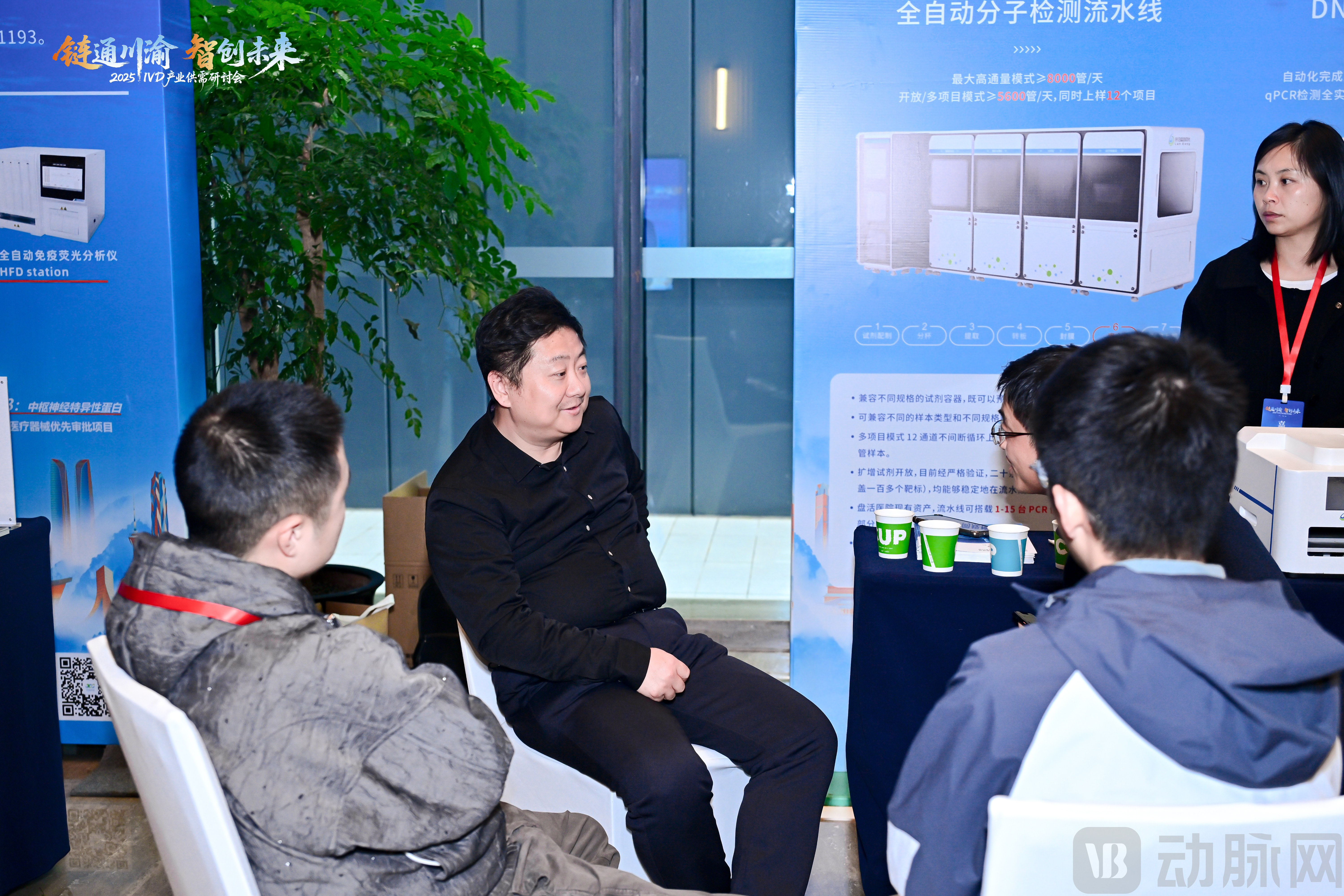
Attendees engaged in business discussions during the coffee break.
It is reported that during the conference, in addition to representatives from various industries offering suggestions on building the “Sichuan-Chongqing” IVD industry ecosystem from the stage, industry professionals from both regions across diverse sectors engaged in close exchanges offstage. All participants expressed strong confidence in the broad prospects for collaborative innovation, resource sharing, and market integration within the “Sichuan-Chongqing” IVD industry.