

AI Ushers in a New Era of Health Science Communication: The First Health Technology and Science Communication Conference Charts a Blueprint for Intelligent and Inclusive Health Literacy
In active response to the “Outline of the Healthy China 2030 Planning,” and to further standardize the integration of health science popularization in the AI era, advance the national campaign for healthy lifestyles, and strengthen guidance and interventions on healthy lifestyles for families and high-risk individuals, the “First Health Technology and Science Popularization Conference” was grandly held and successfully concluded in Haikou City, Hainan Province, on December 5, 2025. The conference was guided by the China Association for Science and Technology Journalism and the Hainan Provincial Medical Academic Exchange Management Center; jointly hosted by the Health Communication Professional Committee of the China Association for Science and Technology Journalism and the Beijing Chen Jumei Public Welfare Foundation; supported by the Hainan Provincial Association for Science and Technology, the Wenchang Municipal People’s Government, and the Hainan Medical Association; and organized by Ziwoo Internet Hospital and VCBeat.
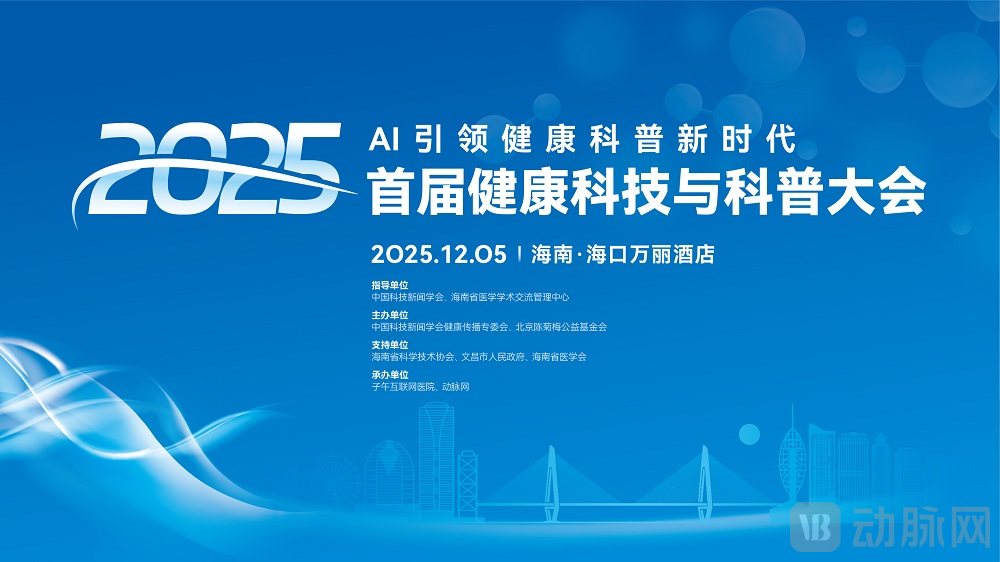
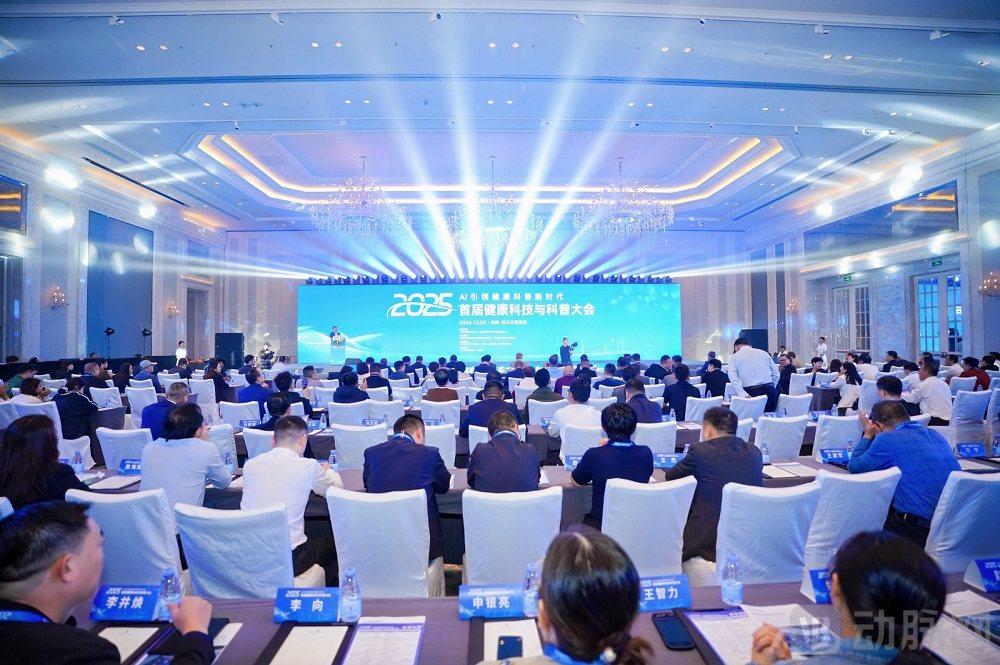
Themed “AI Leading a New Era of Health Science Popularization,” this conference brought together policymakers, academicians from the Chinese Academy of Sciences and the Chinese Academy of Engineering, clinical authorities, technology pioneers, and science communicators with millions of followers. Through top-level strategic interpretations, cutting-edge academic reports, authoritative releases of group standards, sharing of practical case studies, and ecosystem roundtable dialogues, the event systematically explored how artificial intelligence is reshaping the production, dissemination, and service systems of health science popularization. It provided highly forward-looking intellectual support and practical pathways for strengthening the foundation of public health literacy and accelerating the construction of a Healthy China.
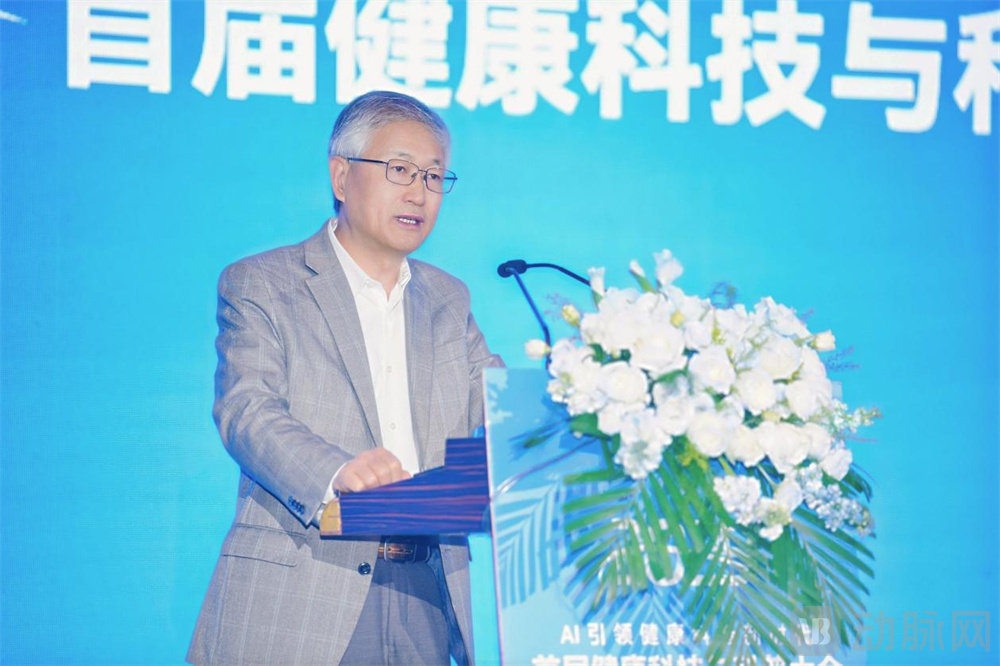
Ren Fujun, Vice Chairman of the China Association for Science and Technology NewsAttended the conference and delivered the opening address. He emphasized that China’s health science popularization initiative has entered a critical strategic phase, with successive policy releases injecting strong momentum into its development. Currently, the construction of Healthy Hainan is achieving strategic resonance with the development of the Hainan Free Trade Port. Breakthrough progress in pilot programs for healthcare and innovative medical services at the Boao Lecheng International Medical Tourism Pilot Zone, along with the benchmark demonstration of international medical services provided by Boao Super Hospital, represent significant achievements across the industry chain that urgently require further translation into public understanding through science popularization. Looking ahead, the Chinese Society for Science and Technology Journalism is committed to building a matrix of science popularization brands with distinctive Free Trade Port characteristics, developing a series of intellectual property (IP) franchises focused on health exploration; establishing a three-tier science popularization workforce comprising “society experts + local physicians + community volunteers” to bridge the “last mile” of health communication; and creating a collaborative innovation platform for industrial science popularization to form a closed loop of “R&D – science popularization translation – industrial implementation.”
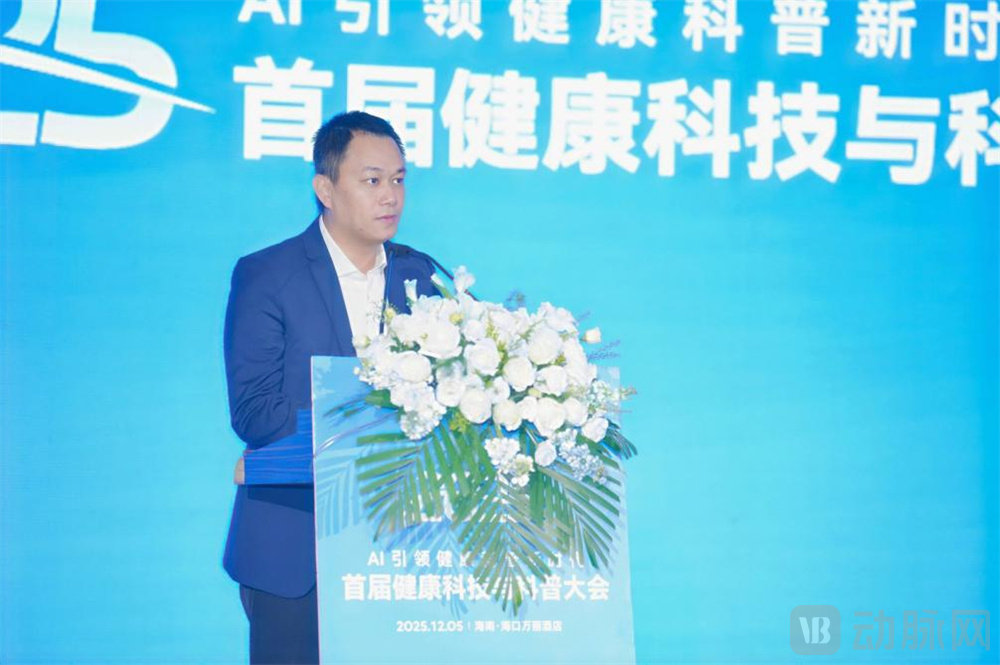
Lin Chang, Science and Education Division, Hainan Provincial Health CommissionIn his address, he pointed out that in recent years, Hainan has actively promoted reforms of the public health system, accelerated the construction of a “1+5+N” disease prevention and control system, and further strengthened the prevention and control of public health risks. The province has reinforced the concept of integrating health into all policies, deeply implemented the Healthy Hainan Initiative and the Action to Increase Life Expectancy, innovatively launched the “2+3 Health Service Package” project, and deepened comprehensive reforms in mental health. By accelerating the decentralization, expansion, and balanced development of high-quality medical resources, Hainan is continuously enhancing the capacity of medical services and hospital management standards. Through establishing a robust health science communication mechanism, Hainan is steadily improving residents’ health literacy. As Hainan further strengthens IT support and promotes continuous improvement of healthcare infrastructure through the construction of an integrated network for coordinated reform of medical insurance, medical services, and pharmaceutical supply (“Three-Medical Linkage on One Network”), the public’s sense of gain from accessing medical care has significantly increased. With the imminent island-wide customs closure operations of the Hainan Free Trade Port, it is hoped that practitioners in the health sector will join hands to jointly write a new chapter for Healthy Hainan.
To achieve the transition from “disease-centered care” to “people-centered health,” popularizing health knowledge is the primary strategy.He Qinghua, Executive Vice President of the China Tobacco Control and Health Association, and former First-Level Inspector at the National Bureau of Disease Control and PreventionThe keynote address provided a profound exposition on the strategic value of nationwide science popularization. In his presentation, “From ‘Passive Treatment’ to ‘Proactive Health’: A Strategic Transformation Discussed Through Tobacco Control,” he pointed out that smoking is the fifth largest global threat, causing as many as 8.7 million deaths worldwide each year. Effective tobacco control serves as the first line of defense in chronic disease prevention and is a core component of the “Healthy China Initiative.” Currently, the industry needs to leverage technologies such as artificial intelligence to educate the public about the health hazards of smoking; break the outdated custom of offering cigarettes as a gesture of respect and establish new, healthy social norms; pay attention to special groups such as adolescents; reduce the number of current smokers; and further develop Hainan into a smoke-free free trade port and smoke-free tourist island.
The conference specially invited numerous academicians from China and abroad, who outlined a grand vision for AI-empowered health science popularization from diverse perspectives, including integrative medicine, rehabilitation science, and the modernization of traditional Chinese medicine.
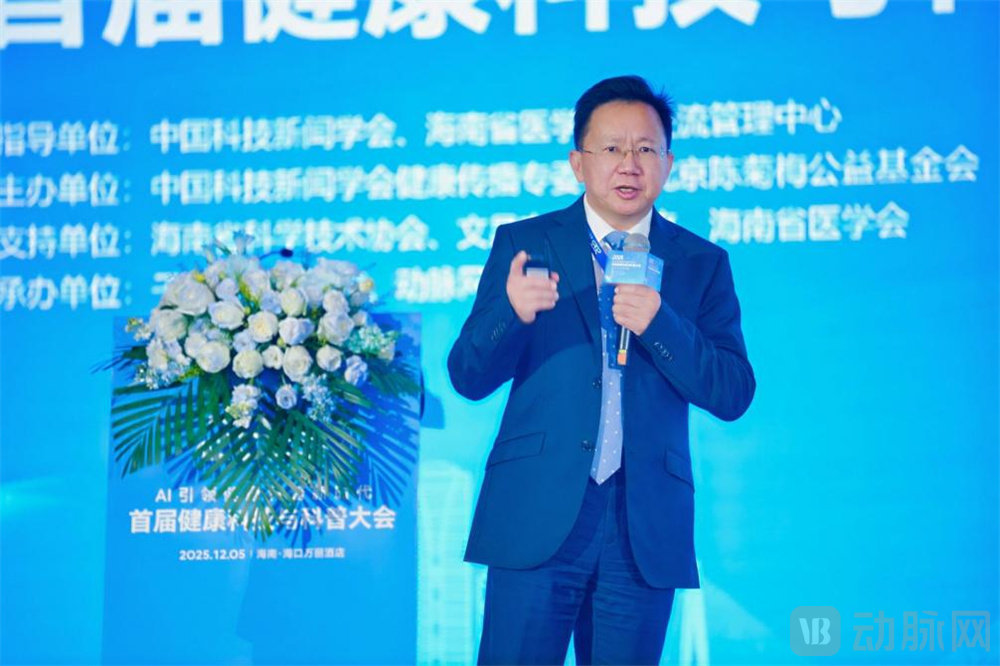
Fan Daiming, Academician of the Chinese Academy of Engineering, Chairman of the China Anti-Cancer Association, and Foreign Member of the National Academies of Medicine of the United States, France, and BrazilIn his speech, “A New Era of Healthy China: The Path to Integrating Medical Health and Universal Benefit,” he proposed that health science popularization must be guided by a holistic perspective of integrative medicine, building upon his renowned concept of integrative medicine. He emphasized that while AI cannot replace physicians, those who neglect AI will inevitably be replaced by the times. Currently, chronic diseases account for approximately 88% of all deaths. The prevailing medical model, which largely focuses on treating single-disease indicators, struggles to address complex challenges such as the rising prevalence of comorbidities, environmental changes, and psychological issues. The healthcare industry should draw inspiration from the traditional cultural philosophy of “unity between humanity and nature,” employing multidimensional thinking—global, dynamic, and dialectical—to transcend the limitations of traditional medicine. This approach enables AI to better serve comprehensive management encompassing “the whole person, the entire process, and all domains,” including medical science popularization. Under the guidance of integrative medicine, the CACA Guidelines of the China Anti-Cancer Association have been disseminated through science popularization efforts to 156 countries and regions, helping to increase the five-year survival rate for cancer from 33.3% to 43.7%.
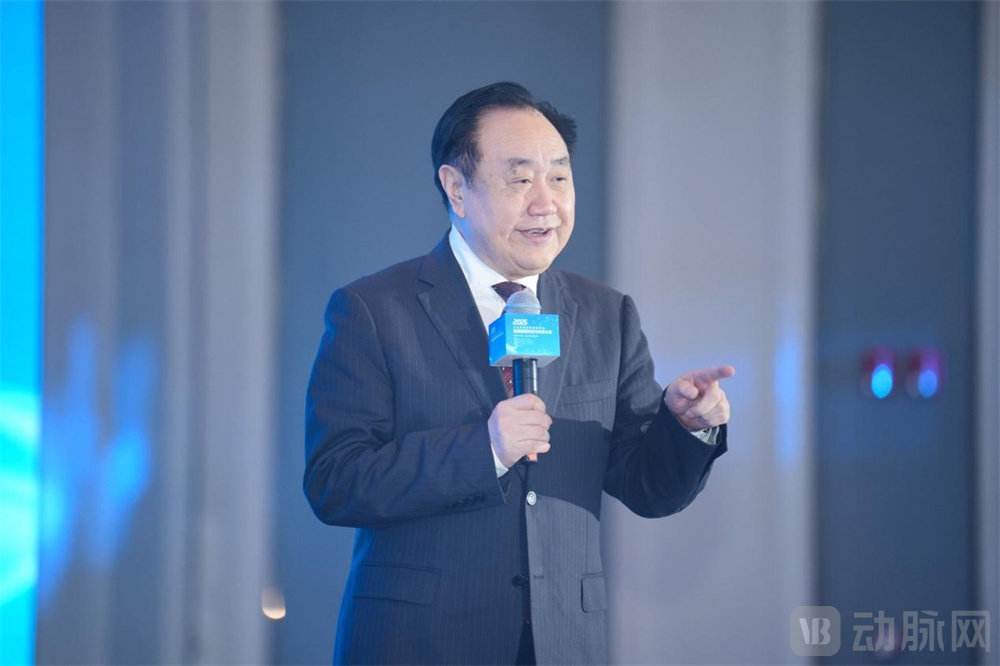
Li Jian'an, International Fellow of the U.S. National Academy of Medicine and Honorary Dean of the School of Rehabilitation Medicine, Nanjing Medical UniversityIn the presentation titled “Big Data and AI Reshaping Rehabilitation Medicine: From Hospitals to Homes,” it was demonstrated how technology is breaking down physical spatial barriers. He pointed out that health is a dynamically evolving process, referring to a positive state of adaptation between individuals and their environment. Currently, four pathways—functional enhancement, compensation, substitution, and environmental modification—are being employed to help individuals with functional impairments regain health. In this process, AI technology is playing a significant role by compensating for human limitations in data storage and computational speed, thereby greatly facilitating the development of primary healthcare services. A profound transformation of the healthcare system is currently underway. Supported by technological advances, the medical industry needs to further promote “decentralization,” restructure community health service systems, strengthen rehabilitation knowledge empowerment through technologies such as AIGC (Artificial Intelligence Generated Content), and develop home-based rehabilitation, ultimately achieving equitable access to technological benefits.
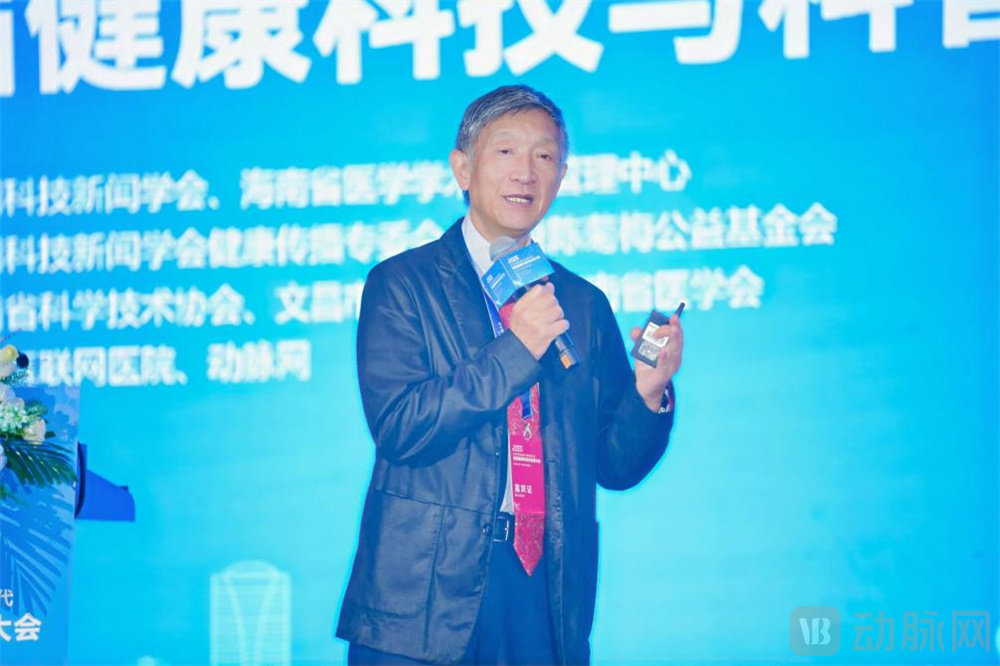
Academician of the European Academy of Sciences and Arts, Tenured Professor at Tsinghua University Li ShaoIn the report “AI-Empowered Health Tech and the Modernization of Traditional Chinese Medicine (TCM),” modern technological momentum is infused into ancient wisdom. He pointed out that, in the face of severe health challenges such as the high incidence of cancer, the original advantages of TCM have not been fully demonstrated. The industry needs to break through the limitation of scarce micro-level data in TCM, draw on the holistic perspective of TCM, develop high-precision predictive algorithms, and uncover the intrinsic laws of TCM at both the microscopic and systems levels, thereby providing scientific guidance for clearly elucidating the principles of TCM. This process requires the assistance of AI. Currently, the team’s development of the UNIQ Integrated Traditional Chinese and Western Medicine Molecular Network Navigation System and a series of algorithms has significantly improved the early detection rate of cancer and the therapeutic efficacy of TCM treatments, propelling TCM into the forefront of international research and revitalizing the TCM concept of “preventive treatment of disease” through modern technologies such as artificial intelligence, to the benefit of people worldwide.
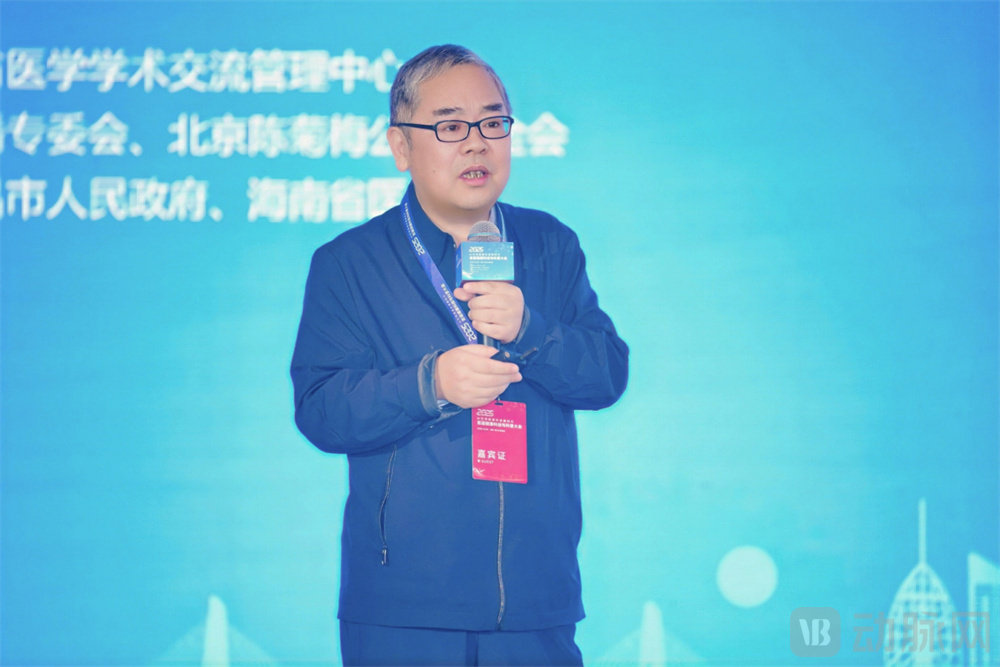
Yu Guangjun, Chair Professor and Vice President of the School of Medicine at The Chinese University of Hong Kong, Shenzhen; Dean of the Second Affiliated Hospital; and Dean of the National Institute of Health and Medical Big Data (Shenzhen)In “From PGC to AIGC: The Evolution and Development of Medical Science Popularization,” the author systematically outlines the generational revolution in content production models. He argues that the current paradigm of science communication is transitioning from the earlier eras of Professional-Generated Content (PGC) and User-Generated Content (UGC) toward the age of AI-Generated Content (AIGC). However, AIGC faces certain challenges, with core issues revolving around content credibility and ethical risks. Adherence to the AEEAT principles—Authority, Experience, Expertise, Transparency, and Traceability—is essential, alongside strengthened human oversight. As AI technology advances, the industry is exhibiting new trends, including real-time generation of multimodal content, increasingly personalized science communication, enhanced AI explainability, stronger human-AI collaboration, and further clarification of platform responsibilities.
The afternoon agenda focused on “How to Bring AI from Concept to Every Household.”
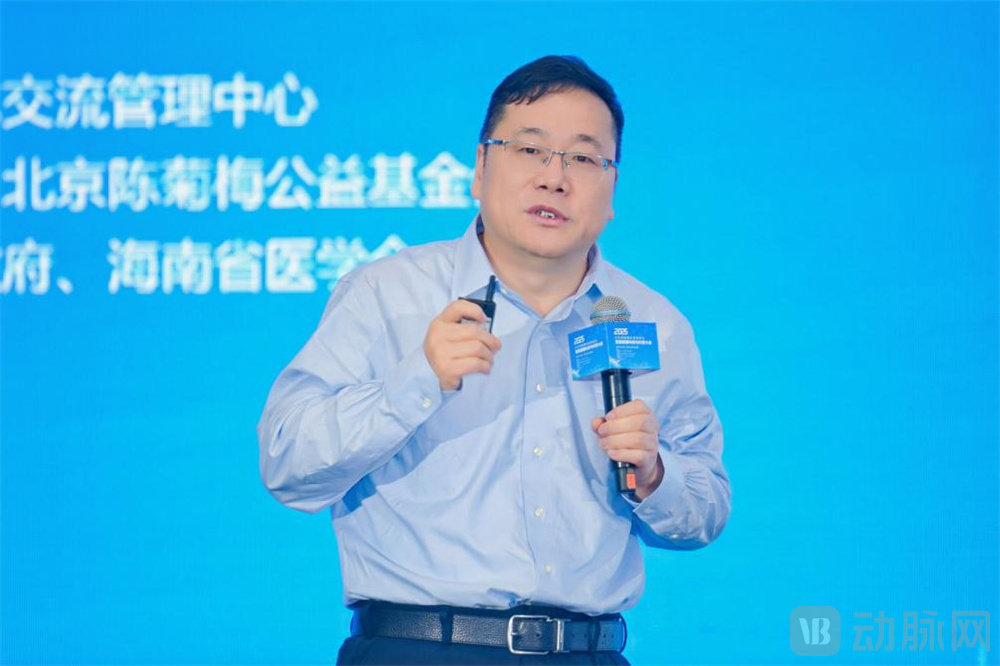
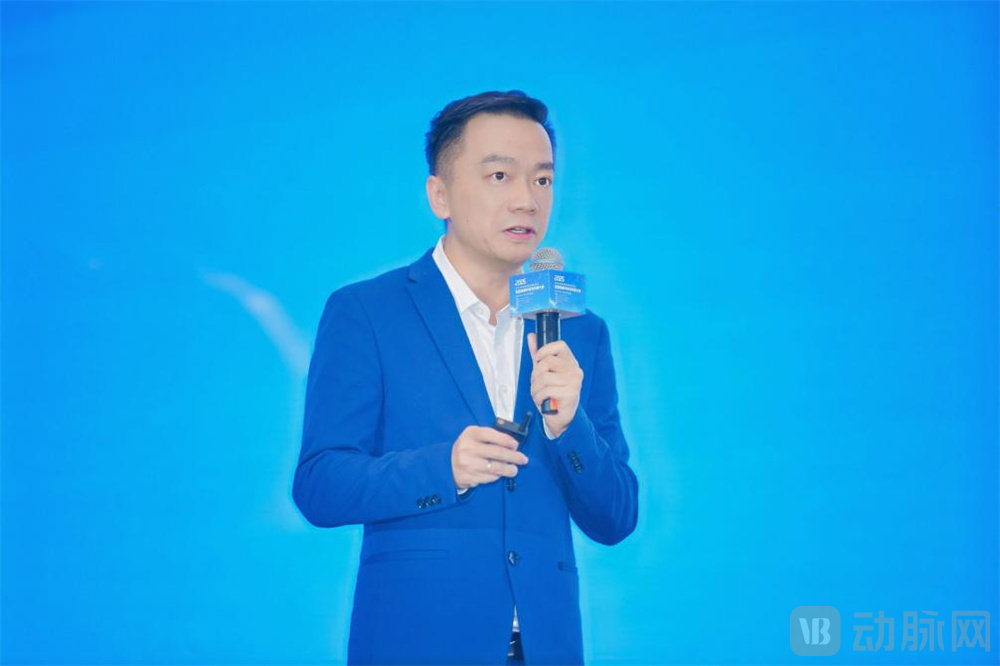
During the thematic report session,Huang Song, Member of the Health Communication Professional Committee of the China Association for Science and Technology Journalism, and Vice President of Xingjiean GroupDelivered a presentation titled “AI Agents: Bridging the ‘Last Mile’ in Health Science Communication—Practical Tools and Large Language Model Applications for Medical and Health Popularization.” He stated that policies such as the “Healthy China 2030” Plan have anchored the core direction of digital transformation in science communication, driving a profound transition in health popularization from traditional one-way dissemination to intelligent, precision-based supply. However, the imbalance between the supply and demand of health science content is now pronounced, with explosive growth in public demand for health knowledge and a 70% shortfall in professional supply, underscoring an urgent need for innovation in the sector. Currently, the industry faces numerous challenges, including production bottlenecks, regulatory requirements, and communication barriers. To better address these issues, Xingjie’an Group unveiled the ZiWu AI Agent at the conference. Powered by AI-driven processing, it enables document analysis and content generation within seconds; supports multimodal intelligent generation to precisely adapt to diverse scenario requirements; and features a minimalist interface that allows one-click triggering of intelligent generation, ensuring barrier-free adoption. Practice has demonstrated that the ZiWu AI Agent, leveraging a medical-specific large language model and a multimodal intelligent engine, achieves comprehensive upgrades in efficiency, professionalism, and user experience. Xingjie’an aims to collaborate with industry practitioners to accelerate the sector’s entry into an era of AI-driven, precision-based medical and health science communication.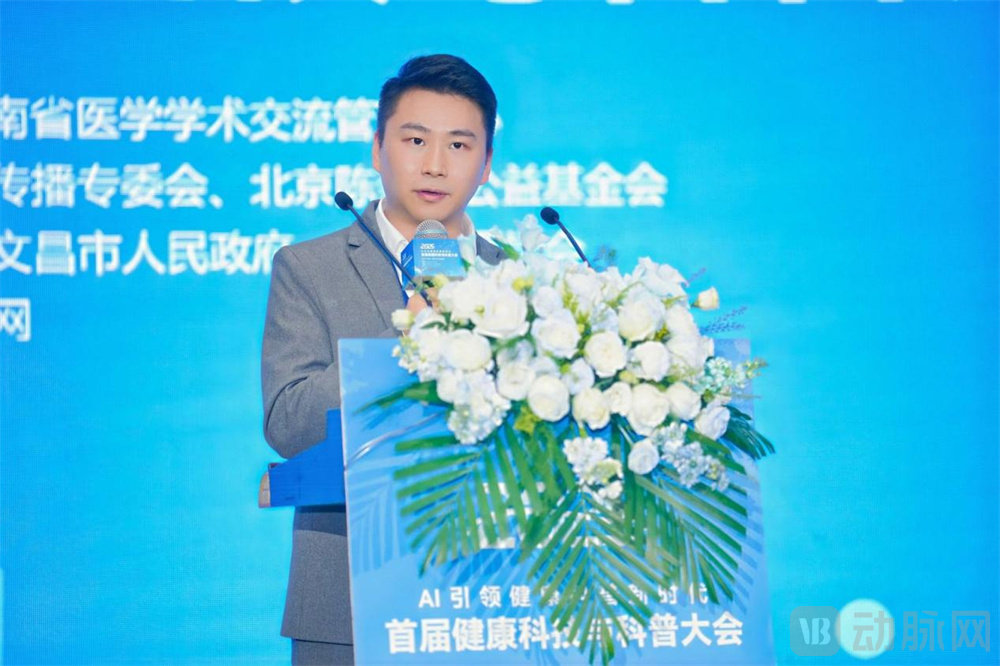
Wang Tianhua, Vice President of He University of Medicine in LiaoningExploring Innovations in Science Popularization within Ophthalmology: Emphasizing Social Value as the Core Driver of Eye Health EducationShe pointed out that, in response to historical barriers to medical care—such as uneven distribution of technology, insufficient quantity and capability of talent, limited affordability, and weak awareness of prevention and healthcare—He Eye Hospital initially established the "City of Light Plan" as its strategic goal. This initiative aimed to build an integrated eye health ecosystem encompassing medical services, education, R&D, industrial transformation, science popularization, and eye care. To address challenges related to the depth, breadth, and sustainability of coverage, He Eye Hospital has constructed a new paradigm for science popularization in the 2.0 era, characterized by "one system and two pillars." Through AI empowerment, the systematic development of science popularization has created a digital-era matrix, achieving systematization, productization, establishment of dedicated platforms, and entertainment-oriented engagement. Furthermore, by deeply integrating the scientific research and educational resources of Liaoning He University, the volunteer services of university students, and the practical network of He Eye Hospital’s digital scenarios, a robust support system linking "medicine, education, research, industry, and popularization" has been formed. Looking ahead, with the integration of multimodal large language models, precise, personalized knowledge delivery based on individual eye health records will enable "tailored content for each individual," heralding the imminent arrival of the Science Popularization 3.0 era.
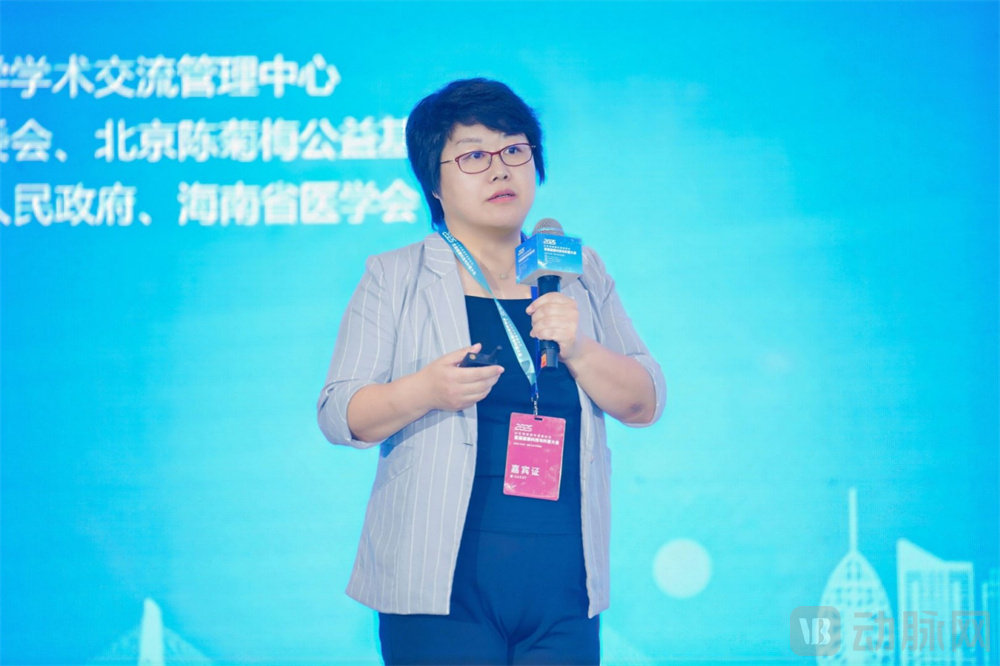
Liu Hui, Senior Researcher at JD Health Exploration Institute (JDH XLab)This article introduces the exploration and practice of health science popularization empowered by large medical models. It points out that while the application of general large models in the healthcare sector faces challenges related to professional accuracy, vertical large models specifically designed for the medical industry hold distinct advantages in addressing specialized issues. Leveraging its position as a leading internet healthcare platform, JD Health has newly upgraded its self-developed vertical medical model, “Jingyi Qianxun” (JD Medical Thousand Queries), to version 2.0. Relying on its comprehensive closed-loop ecosystem encompassing “medical consultation, testing, diagnosis, and pharmaceutical services,” JD Health has deeply integrated large model capabilities into multiple scenarios, including pre-consultation triage for online medical inquiries, personalized health knowledge dissemination, and intelligent generation of patient education content. Powered by the self-developed “Jingyi Qianxun 2.0” large model, professional AI agents under the “AI Jingyi” series—such as the AI doctor “Da Wei”—can retrieve authoritative databases, including clinical guidelines, drug package inserts, and medical literature, by combining user health records with real-time conversational data. This enables the dynamic generation of science popularization content tailored to individual user needs, delivering personalized health guidance and significantly enhancing user adherence to health management plans as well as their sense of benefit.
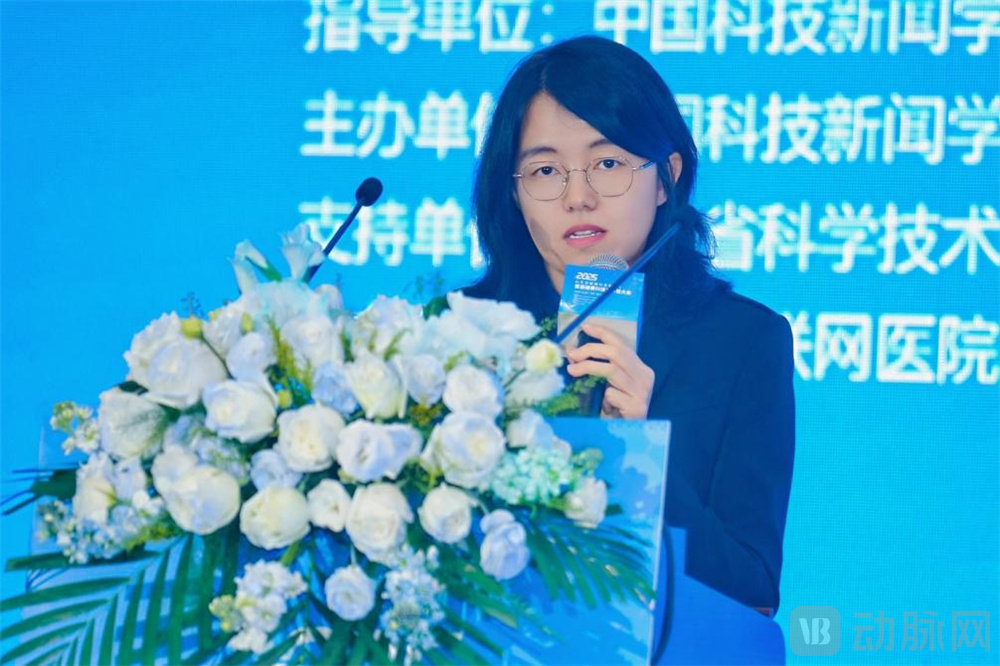
Zhao Miao, Director of the Operations Department at the First Affiliated Hospital of Hainan Medical UniversityStarting from practical experience, he shared innovative methodologies for hospital brand operation and health communication in the era of media convergence. He emphasized that health communication is a process aimed at translating medical research findings into public health knowledge, reducing disease incidence and mortality through changes in attitudes and behaviors, thereby effectively improving residents’ quality of life and health standards. Currently, health communication is undergoing innovation in content, methods, and technology. As obtaining medical information and services online becomes the mainstream trend, converged media platforms are becoming the core bridge for brand dissemination and popular science creation. At present, the First Affiliated Hospital of Hainan Medical University is building a matrix of health popularization brands through operational strategies to enhance the reputation of the hospital, its departments, and its physicians; exploring the “Internet + Services” model by innovatively constructing a series of live-streaming services for internet-based healthcare; carrying out diverse brand culture activities to comprehensively strengthen the hospital’s cultural soft power; implementing regular departmental live streaming; and expanding the hospital’s popular science brand to improve the professionalism of brand communication.
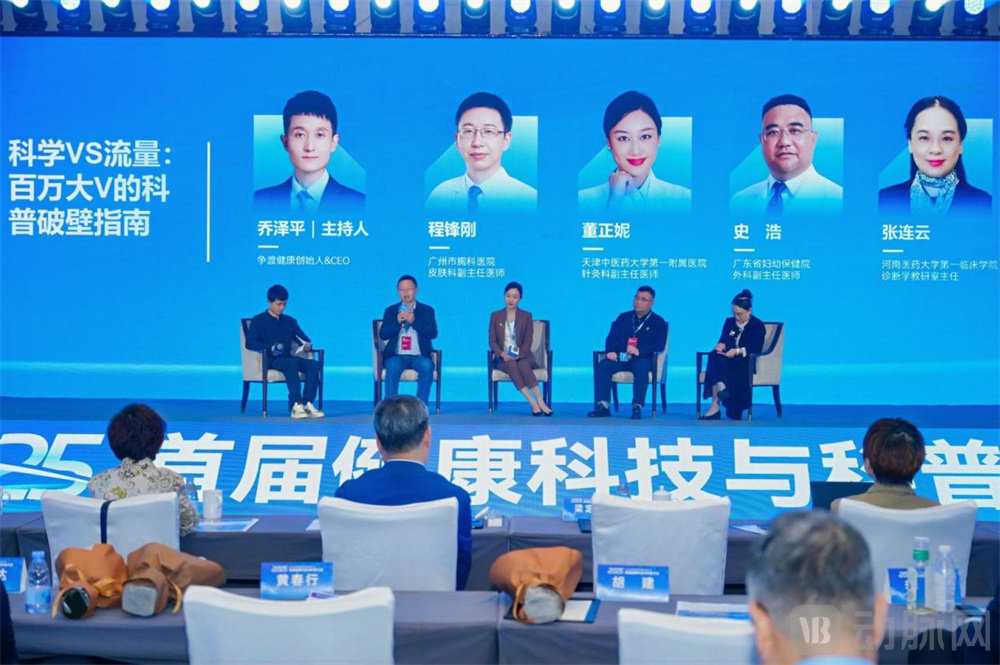
The final two flagship roundtable discussions brought the conference to a climax of intellectual exchange.
“Science vs. Traffic: A Guide for Million-Follower Influencers to Break Through in Science Communication” Roundtable Forum, moderated by Qiao Zeping, Founder and CEO of Zhengdu Health, featured four top physician influencers: Cheng Fenggang, Associate Chief Physician in the Department of Dermatology at Guangzhou Chest Hospital; Dong Zhengni, Associate Chief Physician in the Department of Acupuncture and Moxibustion at the First Affiliated Hospital of Tianjin University of Traditional Chinese Medicine; Shi Hao, Associate Chief Physician in the Department of Surgery at Guangdong Provincial Maternal and Child Health Hospital; and Zhang Lianyun, Director of the Teaching and Research Section of Diagnostics at the First Clinical College of Henan University of Medicine. They directly addressed core industry contradictions and shared valuable insights on striking a balance between upholding medical rigor and adapting to the dynamics of public communication.
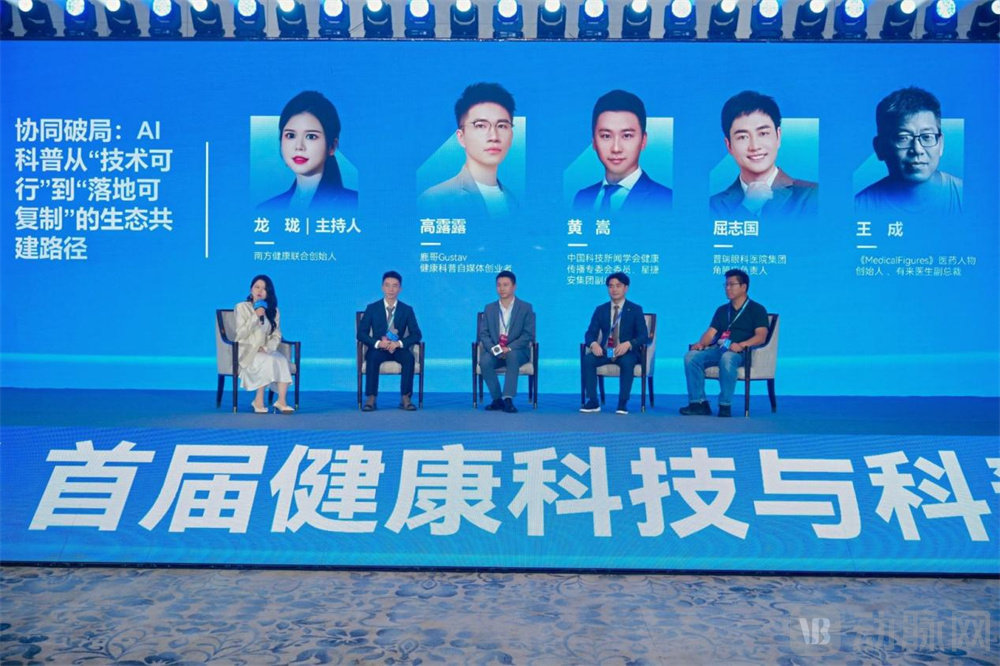
Centered on the theme “Collaborative Breakthroughs: Building an Ecosystem for AI Health Popularization from ‘Technically Feasible’ to ‘Scalable Implementation,’” and moderated by Long Long, Co-founder of Nanfang Health, a diverse group of experts convened to explore how technology, content, platforms, capital, and policy can synergize to create a sustainable new ecosystem for health popularization. Participants included Gao Lulu (known as “Brother Lu”), a health communication entrepreneur; Huang Song, Member of the Health Communication Professional Committee of the China Association for Science and Technology News and Vice President of Xingjie’an Group; Qu Zhiguo, Head of the Cornea Bank at Aier Eye Hospital Group; and Wang Cheng, Founder of MedicalFigures and Vice President of Youlai Doctor.
Beyond the insightful presentations, the conference also featured the release of several major announcements.
At this conference, a landmark launch ceremony was held for the development of the group standard titled "Technical Specifications for AIGC Content Generation and Review in Health Science Popularization," aimed at guiding the scientific, standardized, and orderly development of AIGC in the field of health science communication. This standard is led by the Standard Working Committee of the Zhongguancun Intelligent Technology Development Promotion Association, with Star Jian'an Group as the lead drafter, in collaboration with top universities such as Tsinghua University, Peking University, and Hainan University; industry giants including Kaifeng Pharmaceutical, JD Health, and WeDoctor; and multiple authoritative medical institutions such as the First Affiliated Hospital of Hainan Medical University.
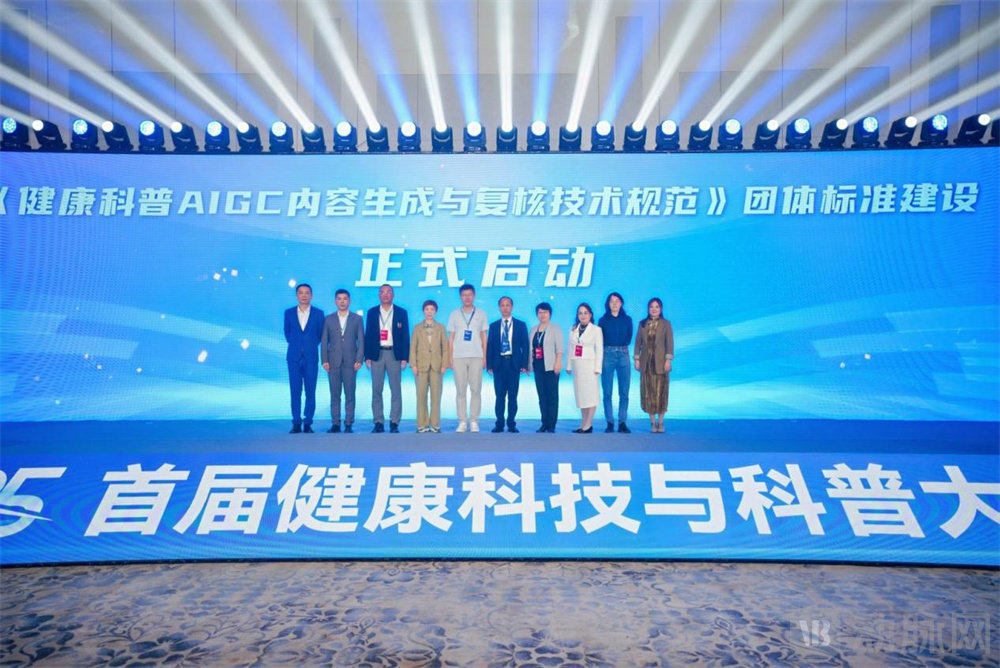
Meng Fanbin, Deputy Director of the Standard Working Committee of the Zhongguancun Intelligent Technology Development Promotion AssociationThe subsequent interpretation emphasizes that this group standard aims to establish a quality baseline, safety red line, and ethical high bar for AIGC-based science popularization content through standardized measures, facilitating the industry’s transition from unregulated growth to standardized prosperity. The group standard will further fill regulatory gaps and, leveraging its agility and efficiency, take the lead in clarifying key requirements for generated content, forming an industry self-regulation pact, and laying a practical foundation for higher-level standards. In the future, the group standard will deliver quadruple value as a “safety lock, quality ruler, trust bridge, and innovation sail,” fostering a multi-stakeholder collaborative governance framework. Through compliance certification and labeling systems, as well as a community integrating government, industry, academia, research, healthcare, and media, it will achieve continuous iteration of the group standard and alignment with international norms, thereby enhancing China’s discourse power while sharing Chinese experience globally.
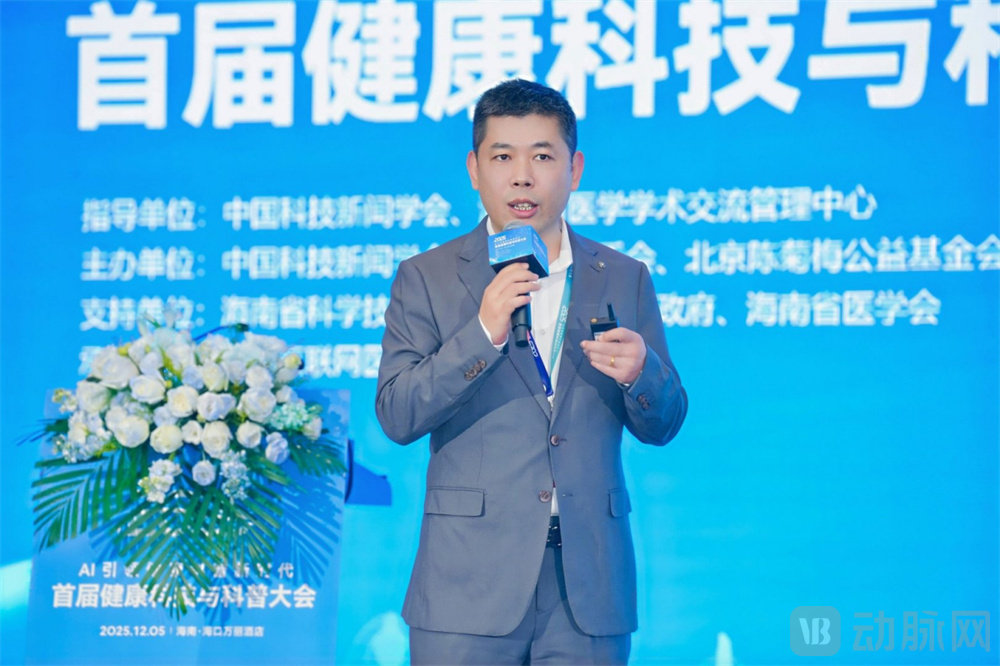
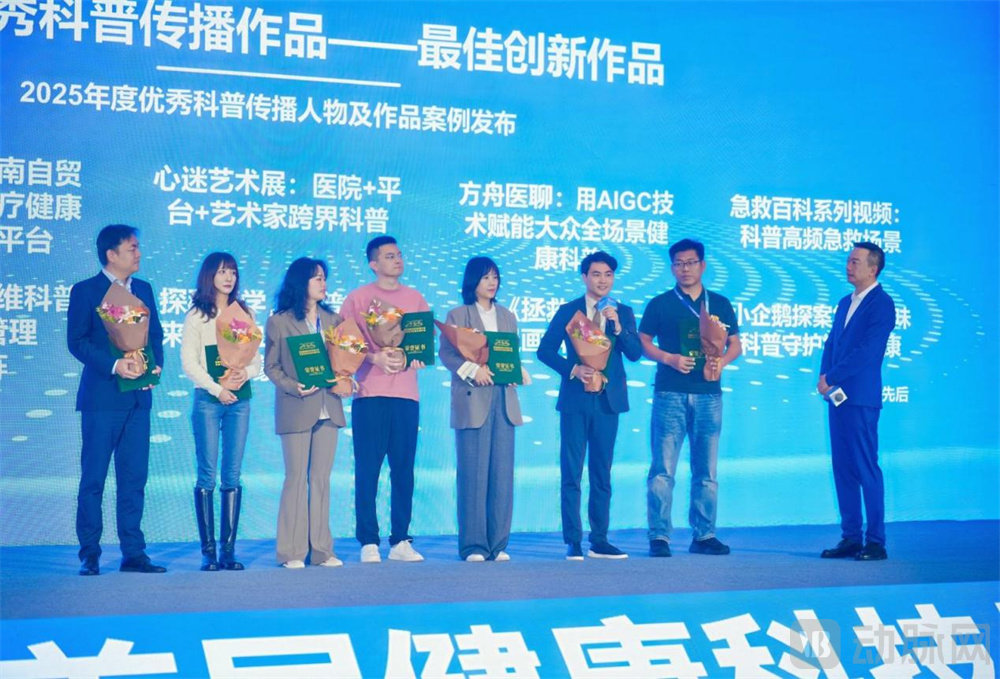
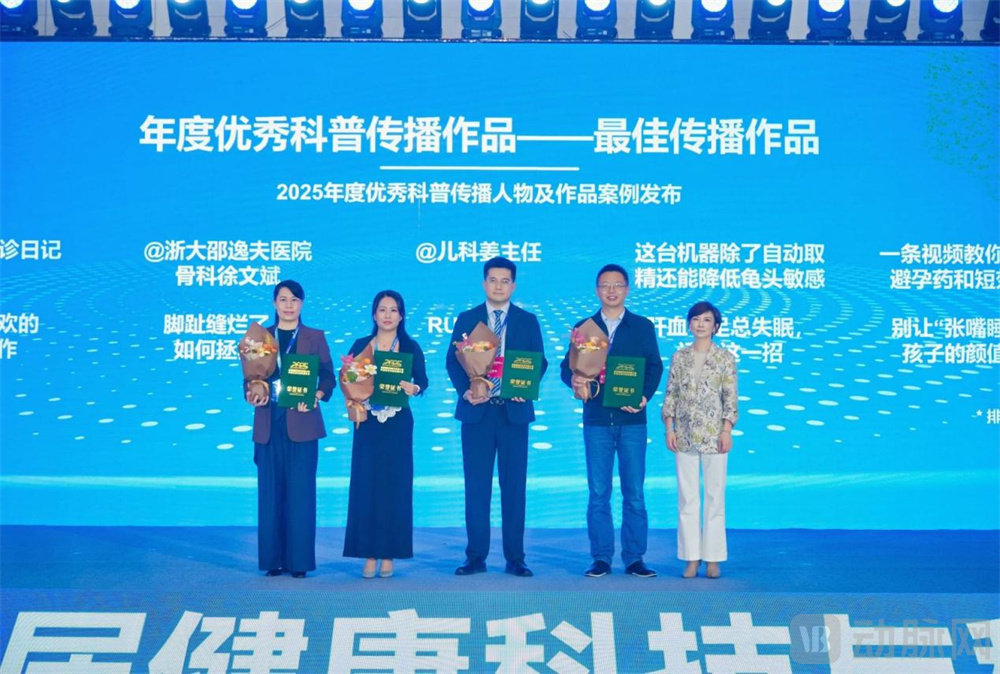
As a highly anticipated highlight of the conference, the “2025 Outstanding Health Science Communication Figures and Case Studies” were grandly announced. Aimed at “identifying high-quality science communication practices and honoring professional science communication forces,” the selection process extensively solicited outstanding practices from medical institutions, health technology enterprises, research institutes, social organizations, and science communication practitioners across China. The initiative sought to identify benchmarks in health science communication that combine professional depth, broad reach, and innovative strength. Ultimately, awards were presented in two categories: “Outstanding Health Science Communication Figure of the Year” and “Outstanding Health Science Communication Work of the Year,” with 50 winners and works emerging as finalists (for the detailed list, please refer toLink)。
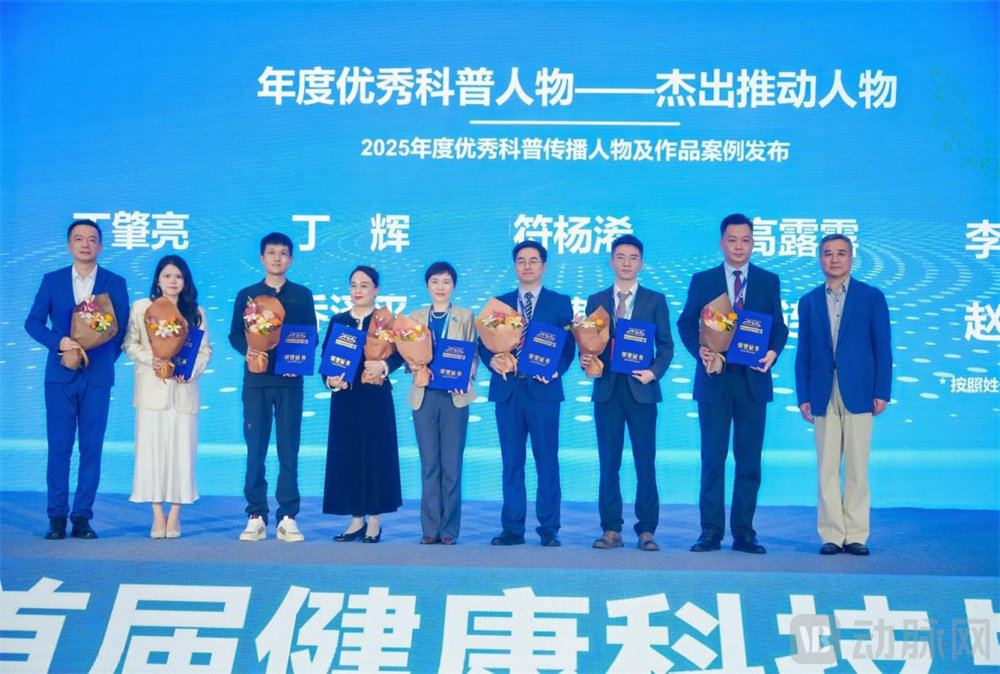
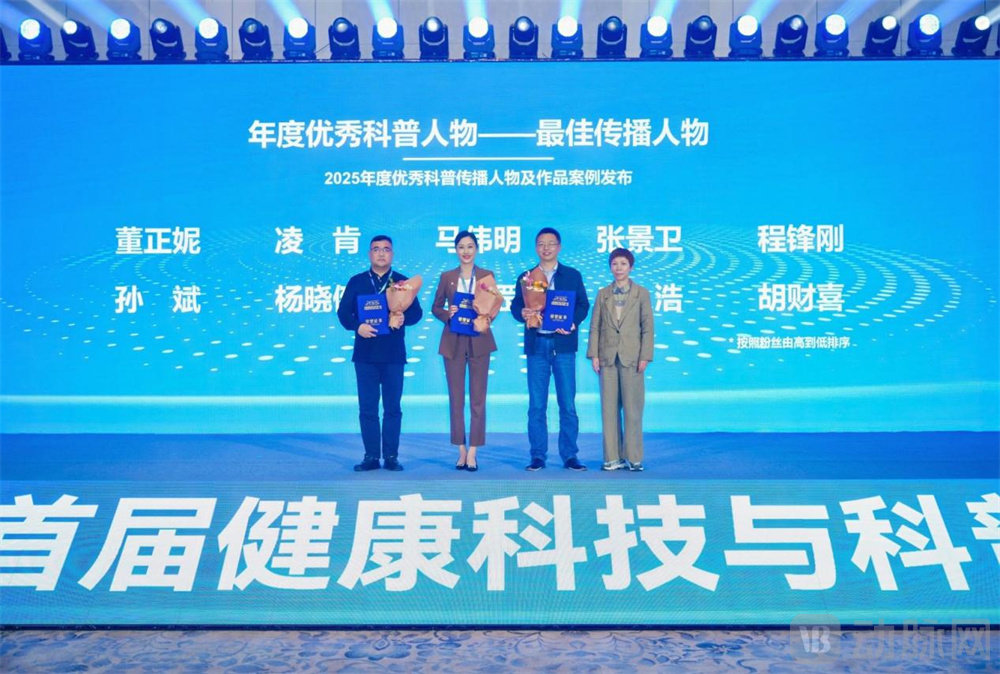
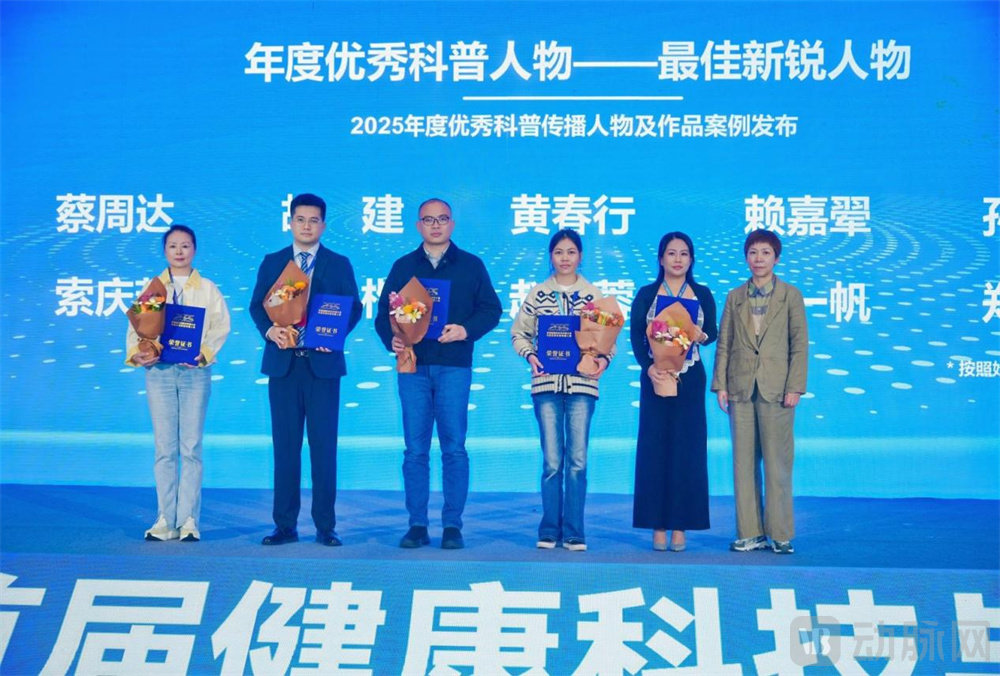
The successful hosting of the inaugural Health Technology and Science Popularization Conference was not only a high-level, forward-looking industry thought summit but also a clear call to action. It marks the formal entry of health science popularization into a new stage driven by artificial intelligence as the core engine.
From the strategic consensus on “top-level design,” to the technological foresight led by academicians, and further to the industrial foundation of “standards and specifications” and the practical path of “co-building the ecosystem,” the conference has fully outlined a future blueprint of “AI Empowerment, Smart Benefits for All.”
As the construction of the Hainan Free Trade Port advances in depth, its open policy environment and concentrated innovation elements are providing an ideal “testing ground” for the integration of health science popularization and cutting-edge technology. The wisdom and consensus gathered at this conference will undoubtedly help Hainan, and indeed all of China, accelerate the cultivation of new quality productive forces in the field of health science popularization, ultimately enabling every member of the public to have equal and convenient access to authoritative, easy-to-understand, and personalized health knowledge services, as we jointly move toward a smarter and more resilient healthy future.
We will also witness the spark of medical science popularization illuminate our path toward better health.