

OriGene Bio's Liver Cancer Early Detection Product Liweiping®, the World's First '6-Gene Methylation + AI Analysis Software' Dual Class III IVD System, Receives NMPA Approval
ORIOMICS
Early Screening Product Developer for Digestive System Tumors
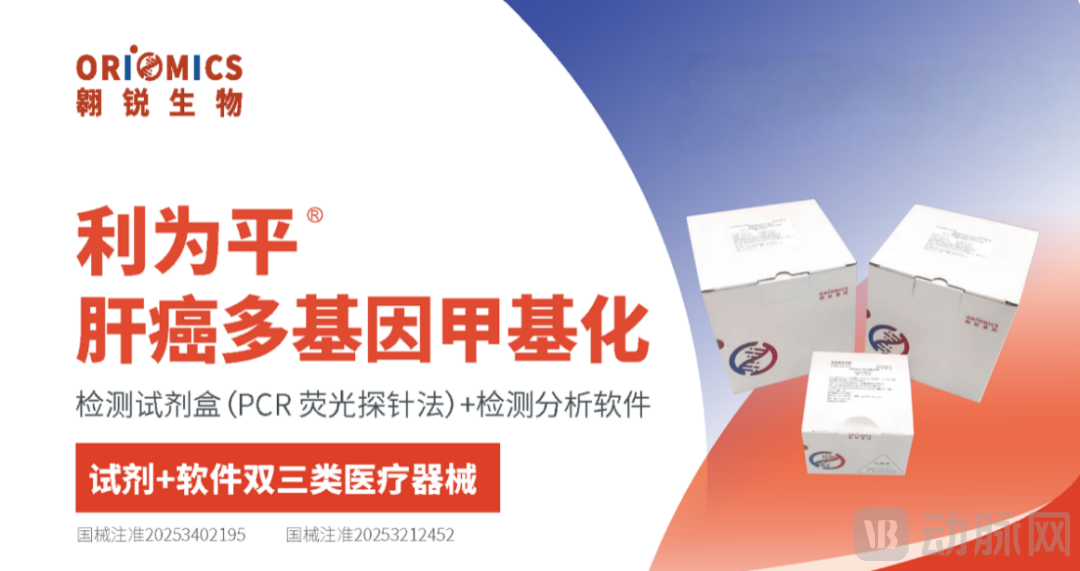
Recently, ORIOMICS' independently developed Liweiping®—The 6-Gene Methylation Detection Kit (PCR Fluorescent Probe Method) for TSPYL5, RASSF1A, DAB2IP, OTX1, PTPN18, and HIST1H3G, along with its accompanying AI model analysis software, has officially received marketing approval from the National Medical Products Administration (NMPA) (Registration No. 20253402195/Registration No. 20253212452). This milestone breakthrough marks the entry of early diagnosis and screening technologies for liver cancer into a new era characterized by “precision” and “digital intelligence.”
01
Early Diagnosis of Liver Cancer: A Breakthrough in Early Cancer Diagnosis in China
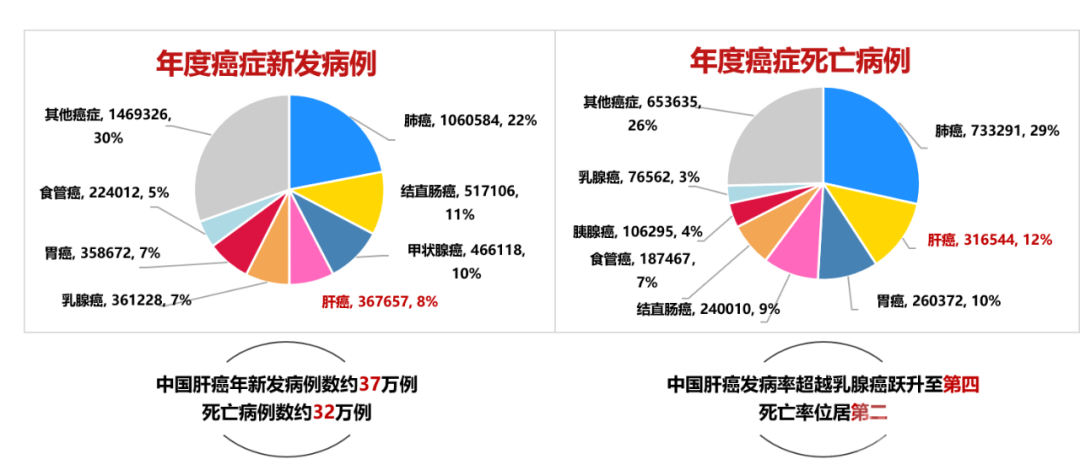
China’s liver cancer incidence remains persistently high, imposing a substantial disease burden. According to the latest data on the burden of malignant neoplasms in China, released by the National Cancer Center in 2024, China ranked first globally in both new cancer cases and cancer-related deaths in 2022.[1]. Particularly noteworthy is that the incidence of liver cancer has risen to the fourth highest in China, while its mortality rate has surpassed that of gastric cancer to rank second, making it the leading cause of death among malignant tumors of the digestive system.
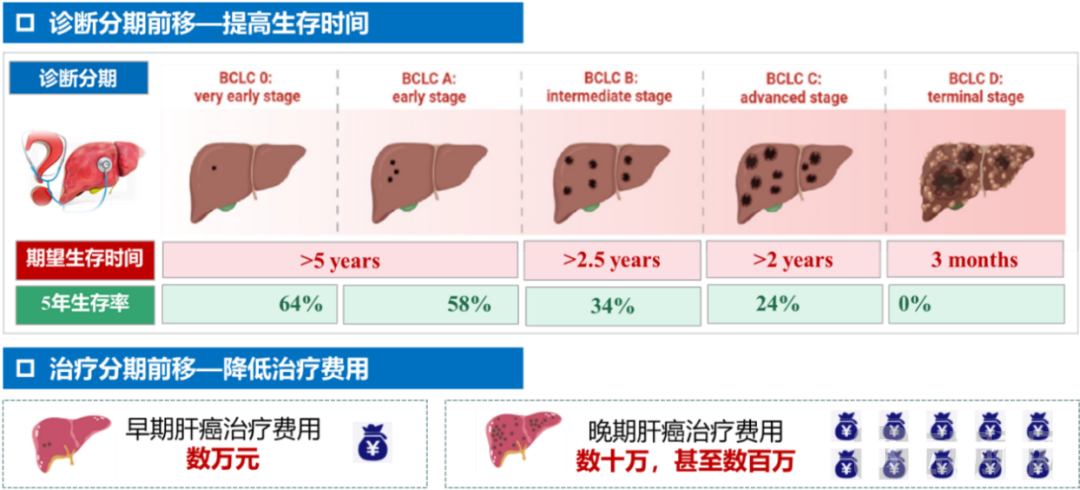
Liver cancer has an insidious onset, rapid progression, and high malignancy, with most cases already at an intermediate or advanced stage at the time of diagnosis. Studies have shown that early detection and timely treatment can significantly improve the five-year survival rate for liver cancer patients. However, the five-year survival rate for liver cancer in China is less than 15%, and the early diagnosis rate is only 21.4%, showing a significant gap compared to neighboring countries such as Japan and South Korea.[2-6], the situation in liver cancer prevention and control remains severe. Efficient early screening and diagnosis for high-risk populations are key to shifting diagnosis and treatment to earlier stages, improving survival rates, and reducing treatment costs.
Current Early Diagnostic Methods for Liver Cancer: Significant Limitations
● Alpha-fetoprotein Failure: Alpha-fetoprotein (AFP) remains negative in 30%-40% of patients, with a sensitivity of less than 50% in early-stage disease;
● Limitations of ultrasound: The detection rate for liver cancer is significantly reduced in obese populations and among the growing population with non-alcoholic fatty liver disease (NAFLD), and it lacks sufficient sensitivity for small hepatocellular carcinomas;
● Lag in imaging: Difficult to detect in specific populations, highly dependent on operator experience, high cost, and unsuitable for large-scale early screening and diagnosis;
● Limited target coverage: Existing methylation-based products detect only 2–3 genes and adhere to the single-positive rule, making it difficult to comprehensively cover the detection window period as well as the multi-pathway molecular alterations characteristic of cancer as a complex disease.
02
ORIOMICS Liweiping®: Directly Addressing Pain Points, Precisely Upgrading
■ 6-Gene Synergistic Detection | Multi-Pathway Coverage, Enhanced Detection Performance
The development of liver cancer is often accompanied by multi-gene methylation abnormalities, Li Weiping®Based on cutting-edge global research into liver cancer methylation, this approach precisely captures the “molecular traces” of very early-stage liver cancer by simultaneously analyzing methylation abnormalities in six liver cancer driver genes: TSPYL5, RASSF1A, DAB2IP, OTX1, PTPN18, and HIST1H3G. It provides a high-sensitivity, high-specificity precision early-diagnosis solution for individuals at high risk of liver cancer, enabling earlier intervention and optimal treatment timing for patients.
● Sensitivity of 93.08%—More accurate identification of liver cancer patients among high-risk populations
● Specificity of 93.70%—effectively reduces false positives and minimizes unnecessary anxiety
■ AI-Powered | Reagents + Software, Both Class III Medical Devices, Ensuring Stable and Reliable Testing
Li Weiping®Innovatively integrating AI-powered analytical models to achieve standardization and digital-intelligent transformation across the entire testing workflow.
● AI Data Analysis—Optimizes threshold determination based on big data artificial intelligence models to improve detection accuracy;
● Automated interpretation—reduces human error, enhances result consistency, and avoids subjective interpretation bias;
● Strong compatibility—adaptable to mainstream PCR platforms, enabling rapid deployment in hospitals and health checkup centers;
This breakthrough means that early screening and diagnosis of liver cancer no longer rely on a single test kit. Instead, intelligent analysis makes testing more efficient and accurate, ushering in an era of “intelligent diagnosis” for the early detection of liver cancer.
03
Clinical Manifestations | Real-World Performance Data from Six Major Medical Centers with Over 1,600 Samples
A multicenter clinical study led by the First Affiliated Hospital of Air Force Medical University of the Chinese People's Liberation Army, with the participation of six institutions including the Second Affiliated Hospital of Air Force Medical University of the Chinese People's Liberation Army, the Affiliated Tumor Hospital of Guangxi Medical University, Beijing You'an Hospital Affiliated to Capital Medical University, the First Affiliated Hospital of Zhengzhou University, and the Fifth People's Hospital of Ganzhou City, has shown that:
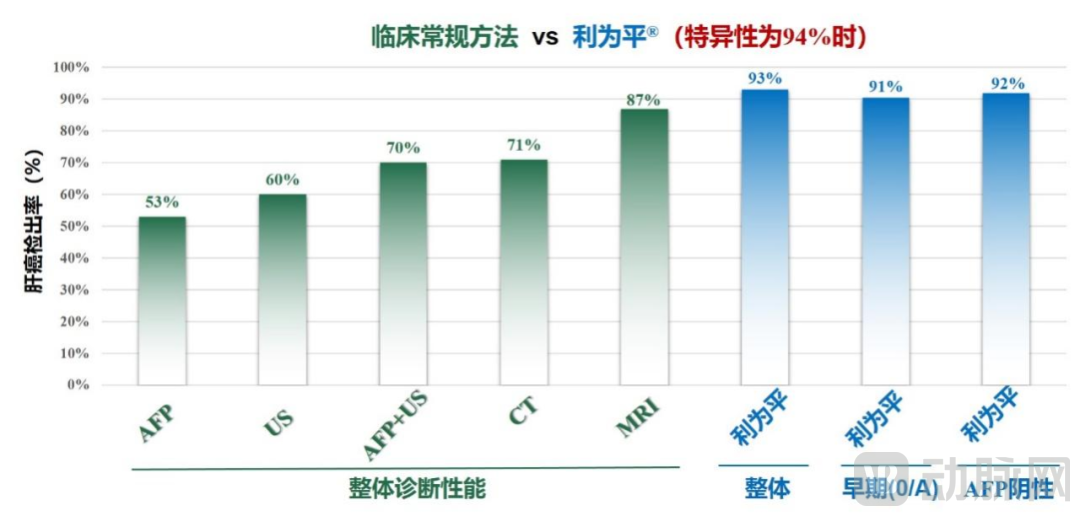
● Multicenter clinical studies have shown that Liweiping®It demonstrates significantly superior sensitivity for liver cancer, particularly early-stage liver cancer, compared to traditional clinical detection methods such as ultrasound, AFP, CT, or MRI. This enables earlier detection of carcinogenesis and provides a more reliable testing tool for high-risk populations, with an overall sensitivity of 93.08% and an overall specificity of 93.70%.
● For stage I liver cancer and small liver cancers smaller than 2 cm, Liweiping®The detection sensitivities reached 90.88% and 91.07%, respectively;
● Li Weiping for AFP-negative liver cancer®The detection sensitivity reached 91.88%. For small hepatocellular carcinomas (<2 cm) missed by ultrasound and AFP, Li Weiping®The detection rate was 89.47%;
● The test specificity reached 93.70%, demonstrating good discriminatory performance for benign liver diseases associated with liver cancer;
● In postoperative recurrence monitoring, methylation levels provide early warning of micrometastases 3–6 months ahead of CT/MRI, thereby securing opportunities for secondary surgery for patients.
■ Broad Applicability | Non-invasive and Convenient, Covering Full-Cycle Health Management
Li Weiping®Suitable for the following populations, facilitating early screening and diagnosis of liver cancer:
● Individuals aged 40 and above;
● Populations infected with hepatitis B virus (HBV) and/or hepatitis C virus (HCV); • Patients with liver cirrhosis caused by various etiologies;
● Individuals with long-term alcohol abuse or those who consume foods contaminated with aflatoxin;
● Individuals with a family history of liver cancer;
● Patients with negative AFP and indeterminate imaging diagnosis.
Meanwhile, Li Weiping®It is not only applicable for the early diagnosis of liver cancer but also demonstrates excellent potential in recurrence monitoring. Baseline samples are collected from patients prior to treatment, followed by regular postoperative testing. By leveraging the dynamic changes in methylation markers to warn of recurrence risk, this approach captures recurrence trends earlier than conventional imaging examinations, thereby providing a critical basis for therapeutic decision-making.
■ Standard Recognition | Methylation Technology Recommended by Multiple Authoritative Guidelines
In recent years, methylation testing for liver cancer has gained recognition from multiple authoritative guidelines and consensus statements both domestically and internationally, and is being progressively incorporated into clinical screening and diagnostic systems.
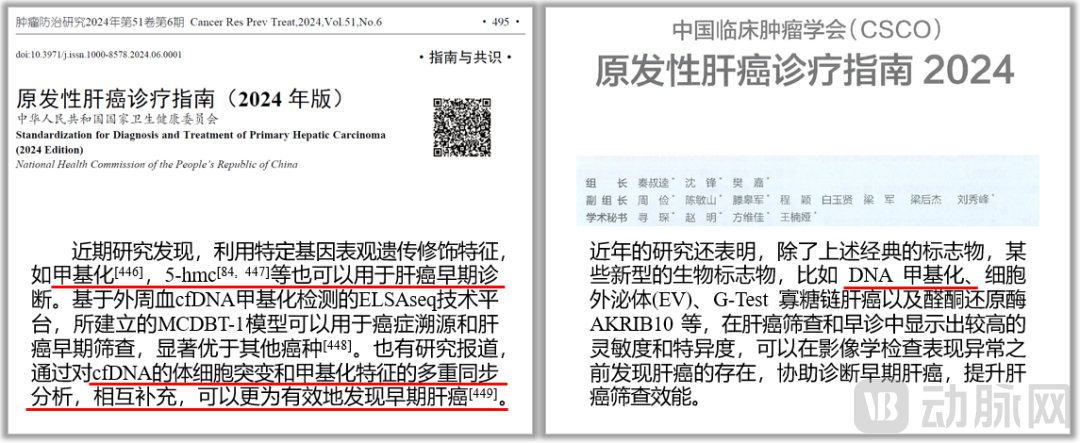
● The "Guidelines for the Diagnosis and Treatment of Primary Liver Cancer (2024 Edition)" state: "Specific epigenetic modification features of genes, such as methylation and 5-hmC, can also be used for the early diagnosis of liver cancer."
● The "Chinese Society of Clinical Oncology (CSCO) Guidelines for the Diagnosis and Treatment of Primary Liver Cancer 2024" state: "DNA methylation demonstrates high sensitivity and specificity in liver cancer screening and early diagnosis, enabling the detection of liver cancer prior to abnormal imaging findings, facilitating the diagnosis of early-stage liver cancer, and enhancing the efficacy of liver cancer screening."
● The "Consensus on Secondary Prevention of Primary Liver Cancer (2021 Edition)" emphasizes: "ctDNA methylation has specific advantages in the diagnosis of HCC."
"Guidelines for Liver Cancer Screening in the Chinese Population (2022, Beijing)"
《China Association of Clinical Oncology (CACA) Guidelines for the Integrated Diagnosis and Treatment of Cancer - Liver Cancer Section》
“Expert Consensus on Early Screening Strategies for Liver Cancer in China (2021)”
“Expert Consensus on the Use of Blood Biomarkers for Early Screening of Clinical Hepatocellular Carcinoma (2021 Edition)”
“Guidelines for Stratified Screening and Surveillance of Primary Liver Cancer (2020 Edition)”
The recommendations in the above guidelines fully affirm the clinical value of methylation testing. Li Weiping®As the world’s first early liver cancer screening product based on 6-gene methylation analysis combined with an AI model, it will lead technological innovation and standard upgrades in this field.
04
ORIOMICS | Making Liver Cancer Screening More Precise and Accessible
ORIOMICS has remained committed to the research, development, and clinical translation of early cancer screening technologies. As a global innovator in this field, ORIOMICS has filed more than 50 invention patents and software copyrights, with its service network covering dozens of major Grade A tertiary hospitals across China. On March 21, 2025, the U.S. Food and Drug Administration officially granted ORIOMICS’ Liwei’an®— “Breakthrough Medical Device” Designation for the Multi-Gene Methylation and Protein Multi-Omics Screening Reagent for Liver Cancer and Its Accompanying Analysis Software. This product is suitable for liver cancer monitoring in various high-risk populations, including individuals with chronic hepatitis, excessive alcohol consumption, non-alcoholic liver disease, cirrhosis, and a family history of liver cancer, demonstrating broad applicability potential in complex risk contexts. Li Weiping®Listing and Liwei'an®international recognition, both based on ORIOMICS' core technological accumulation in liquid biopsy, epigenetics, and bioinformatics analysis; the two form a strong synergistic effect: the former focuses on clinical auxiliary diagnosis scenarios, while the latter extends to more upstream large-population risk screening. The "reagent + AI software" dual-certified product Liweiping®Its market launch marks China’s formal entry into the “era of digital-intelligence precision” for early liver cancer screening! In the future, ORIOMICS will wield methylation-based diagnosis and treatment as a sharp tool to continuously break through technical barriers in early cancer detection, empowering the shift of the “golden window for early diagnosis” to an earlier stage. This will leave latent cancer cells nowhere to hide and enable hundreds of millions of Chinese people to take the initiative in the race against time for their lives.
Precision Methylation Testing: One Step Earlier in Screening, A Lifetime of Health!
About Hangzhou Ao Rui Biological Technology Co., Ltd.
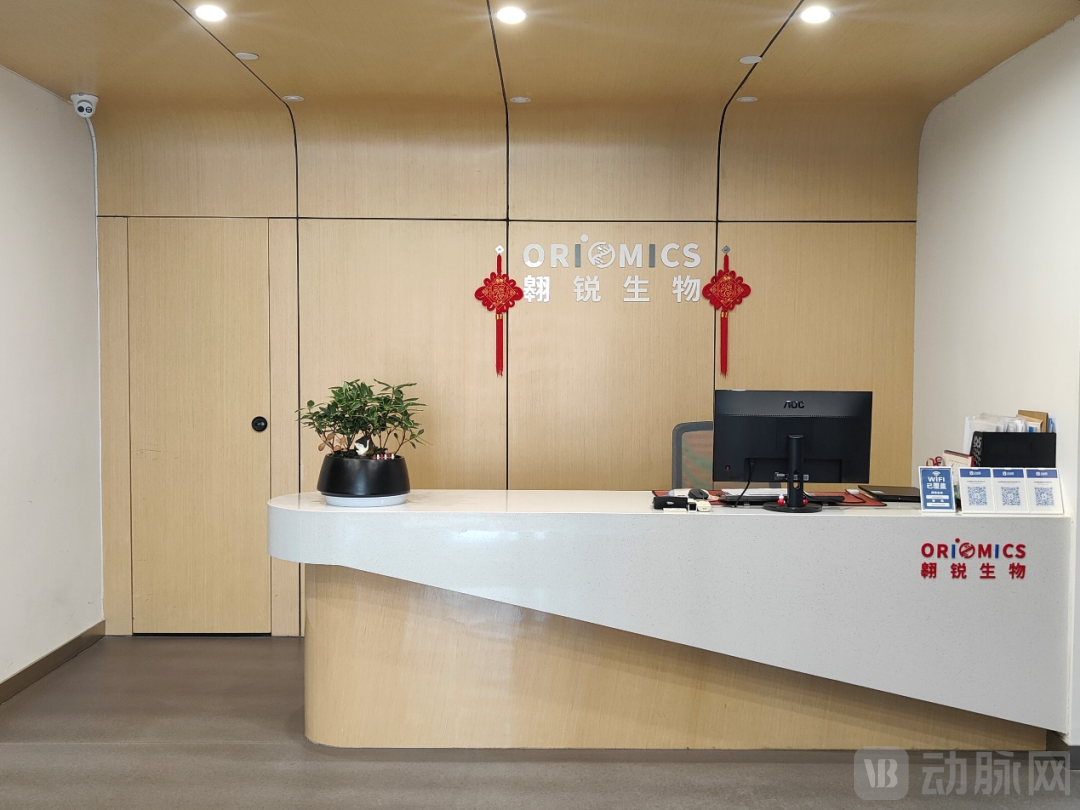
Hangzhou Ao Rui Biological Technology Co., Ltd., located in the Qiantang New Area of Hangzhou, is a "National High-Tech Enterprise" dedicated to providing comprehensive solutions for "precision medicine" in oncology and gastrointestinal health. The company’s core technical team comprises experts from renowned medical schools and cancer centers in China and the United States, and it hosts the "Provincial High-Tech Research and Development Center for Non-Invasive Early Screening and Diagnosis of Tumors." Keeping pace with the era of precision oncology treatment and whole-process management, the company continuously expands the research, development, and application of products covering the entire tumor diagnosis workflow through sustained technological innovation and optimization. These applications include early screening, auxiliary diagnosis, medication guidance, efficacy evaluation, treatment monitoring, detection of recurrence and drug resistance, and prognostic monitoring. Leveraging its robust biotechnology and bioinformatics teams, the company employs non-invasive liquid biopsy technology combined with next-generation sequencing (NGS) and its proprietary dual-layer machine learning core algorithms based on big data artificial intelligence analysis. This approach enables genome-wide analysis and comparison of multi-omics tumor characteristics, such as copy number variations and methylation, in early-stage cancer patients, thereby establishing an early screening and diagnostic technical system covering multiple cancer types. Currently, the company’s product portfolio spans the early screening field for various malignant tumors, including liver cancer, colorectal cancer, gastric cancer, pancreatic cancer, and esophageal cancer, providing comprehensive solutions to promote early diagnosis and treatment of cancer.
Mission: To ensure early detection for every cancer patient.
Vision: To become a world-class provider of cancer diagnostic products
* References
[1] Han B, Zheng R, Zeng H, et al. Cancer incidence and mortality in China, 2022[J]. Journal of the National Cancer Center, 2024, 4(1): 47-53.
[2] Park J W, Chen M, Colombo M, et al. Global patterns of hepatocellular carcinoma management from diagnosis to death: the BRIDGE Study[J]. Liver International, 2015, 35(9): 2155-2166.
[3] Marrero J A, Kulik L M, Sirlin C B, et al. Diagnosis, S taging, and M anagement of H epatocellular C arcinoma: 2018 P ractice G uidance by the A merican A ssociation for the S tudy of L iver D iseases[J]. Hepatology, 2018, 68(2): 723-750.
[4] Zeng H, Chen W, Zheng R, et al. Changing cancer survival in China during 2003–15: a pooled analysis of 17 population-based cancer registries[J]. The Lancet Global Health, 2018, 6(5): e555-e567.
[5] Kudo M. Management of hepatocellular carcinoma in Japan as a world-leading model[J]. Liver Cancer, 2018, 7(2): 134-147.
[6] Wang C, Li S. Clinical characteristics and prognosis of 2887 patients with hepatocellular carcinoma: A single center 14 years experience from China[J]. Medicine, 2019, 98(4): e14070.