Five Million-Dollar CAR-T Therapies Included in China's First Commercial Insurance Formulary: Sustainable Payment Models Emerge as the Next Challenge
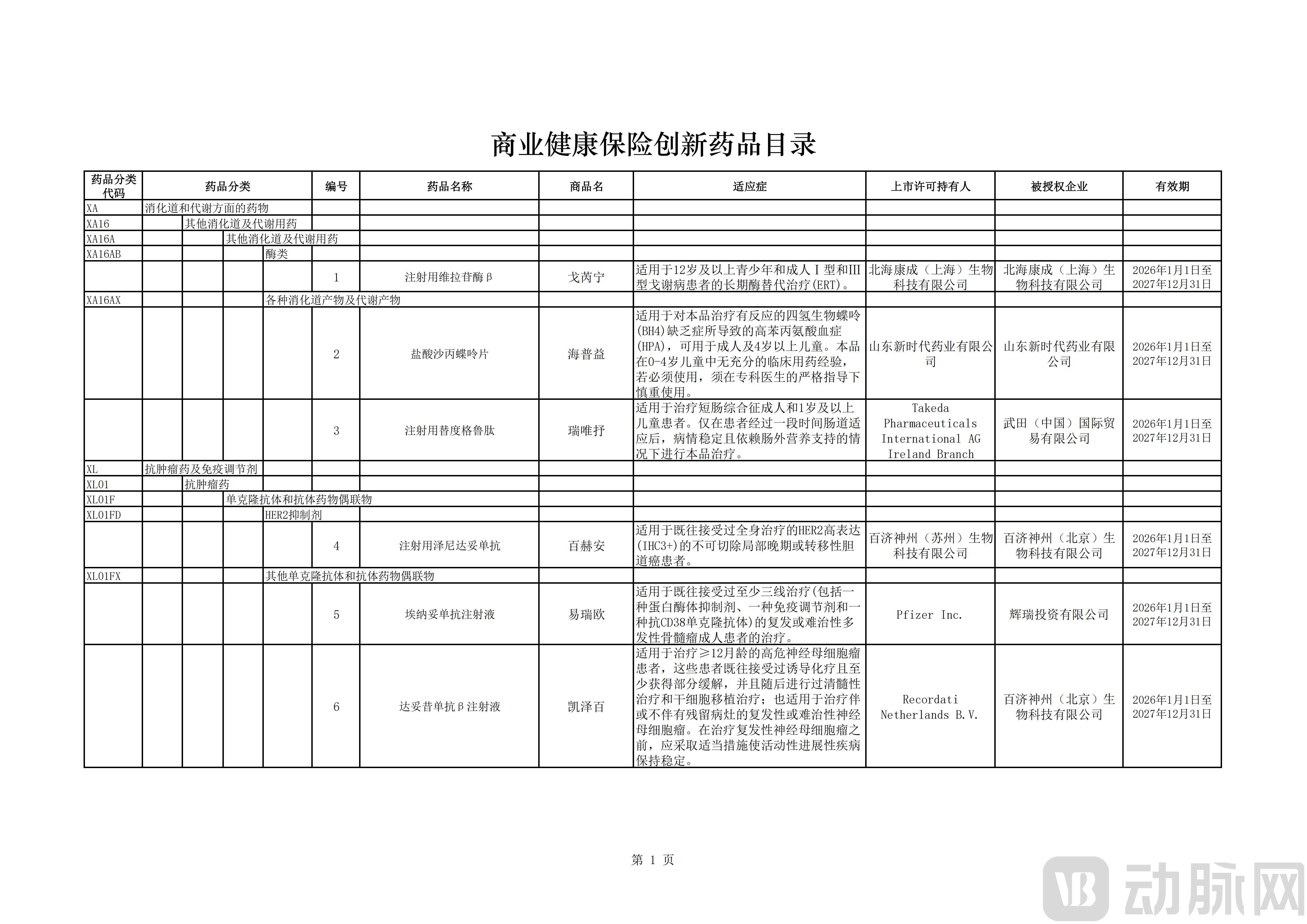
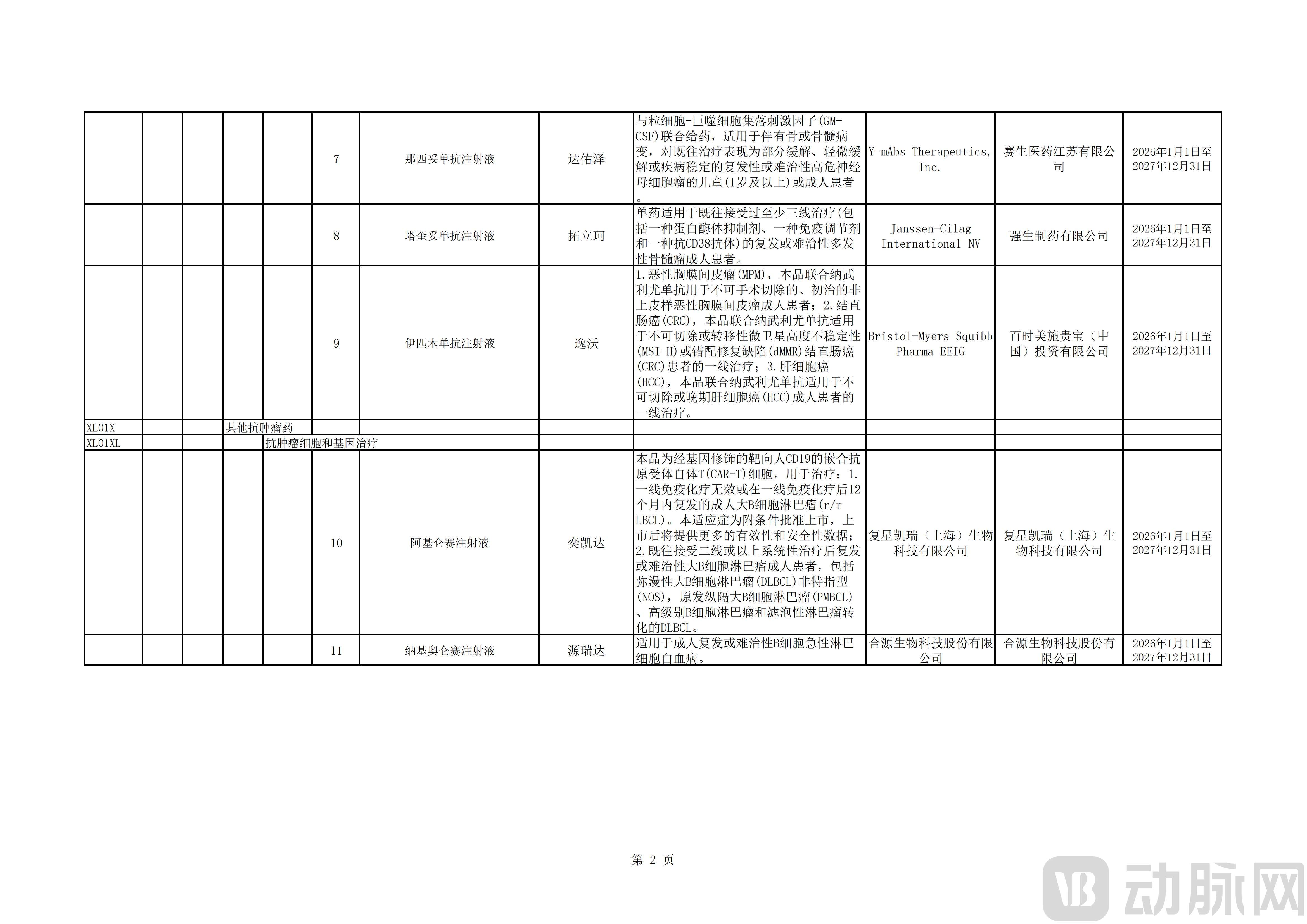
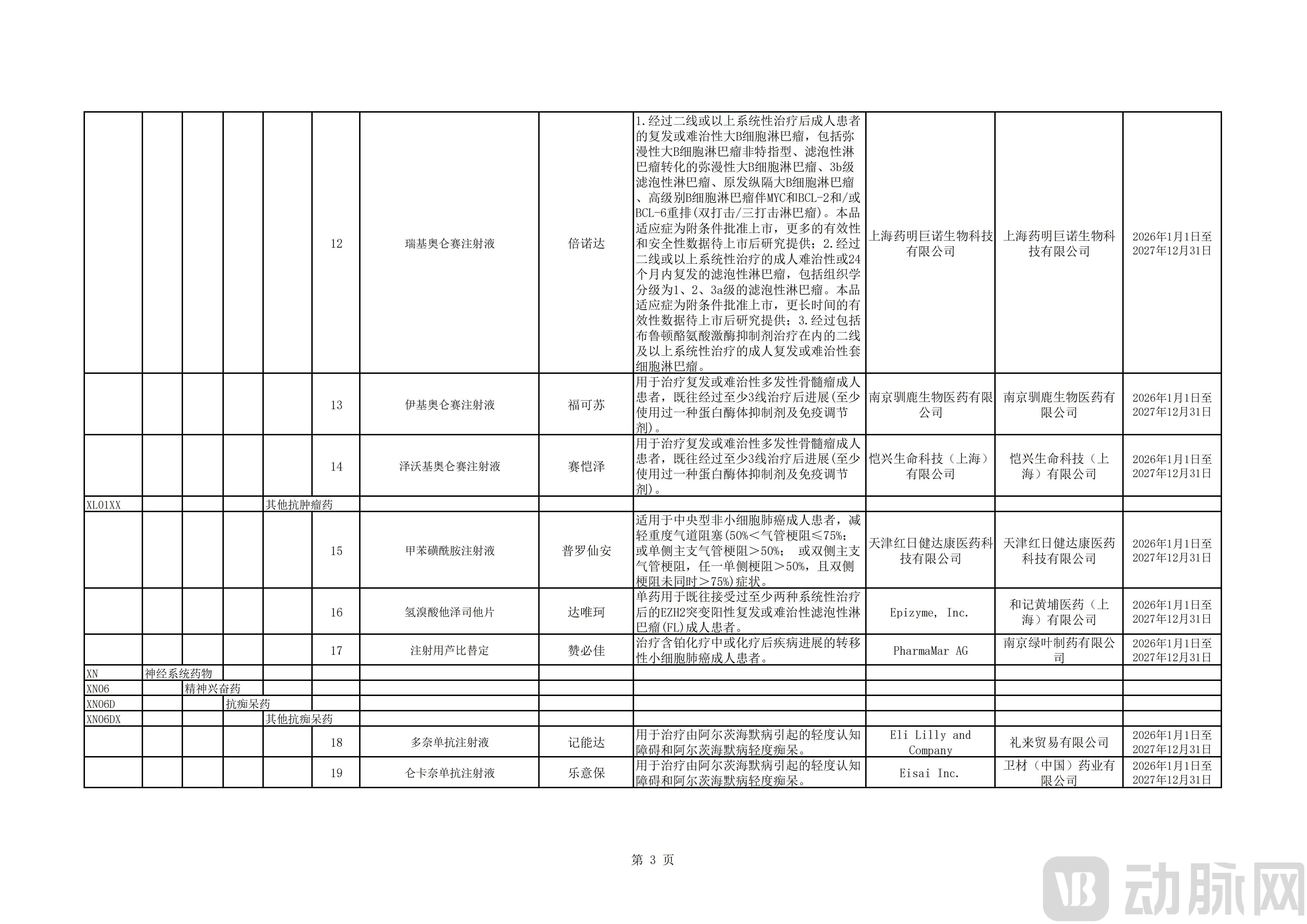
On December 7, the 2025 Conference on High-Quality Development of Innovative Drugs was held in Guangzhou, where the 2025 National Reimbursement Drug List for Basic Medical Insurance, Maternity Insurance, and Work-Related Injury Insurance (hereinafter referred to as the “National NRDL”) and the 2025 Commercial Health Insurance Innovative Drug List (hereinafter referred to as the “Commercial Innovative Drug List”) were released. In 2025, the National Reimbursement Drug List (NRDL) successfully added 114 new drugs, including 50 Class 1 innovative drugs, achieving an overall success rate of 88%, a significant increase from 76% in 2024. Following the adjustment, the total number of drugs included in the NRDL rose to 3,253, comprising 1,857 Western medicines and 1,396 traditional Chinese medicine (TCM) proprietary formulations. Coverage for key therapeutic areas, such as oncology, chronic diseases, mental disorders, rare diseases, and pediatric medications, has been further enhanced. The Innovative Drug Catalogue for Commercial Health Insurance fills the gaps beyond the coverage of basic medical insurance, prioritizing the inclusion of drugs that demonstrate significant clinical value, high levels of innovation, and substantial patient benefits, but fall outside the scope of basic medical insurance coverage. The newly released commercial insurance formulary can be described as a “list of cutting-edge therapies.”Ultimately, 19 drugs from 18 innovative pharmaceutical companies were successfully included, among which 9 are Class I new drugs. CAR-T cell therapies, monoclonal antibodies, and small-molecule targeted drugs are included in the list. The five CAR-T cell therapy products priced at the million-yuan level, which had previously passed expert review, were also incorporated into the commercial insurance innovative drug catalog. However, the implementation of the catalog is merely the first step; establishing a sustainable payment mechanism has become the next practical challenge.Industry experts pointed out to VCBeat that the core contradiction in payment for innovative drugs lies in the pricing paradox between “one-time payment” and “long-term health benefits.” Payers find it difficult to “prepay” the full cost for patients’ health benefits over the coming decades based solely on limited data during the early stages of a drug’s market launch.Taking CAR-T therapy as an example, the cost of a single infusion exceeds one million yuan. Even with insurance coverage, it still imposes a significant short-term financial shock on the payment system. "Catalogue of Innovative Drugs for Commercial Health Insurance (2025)"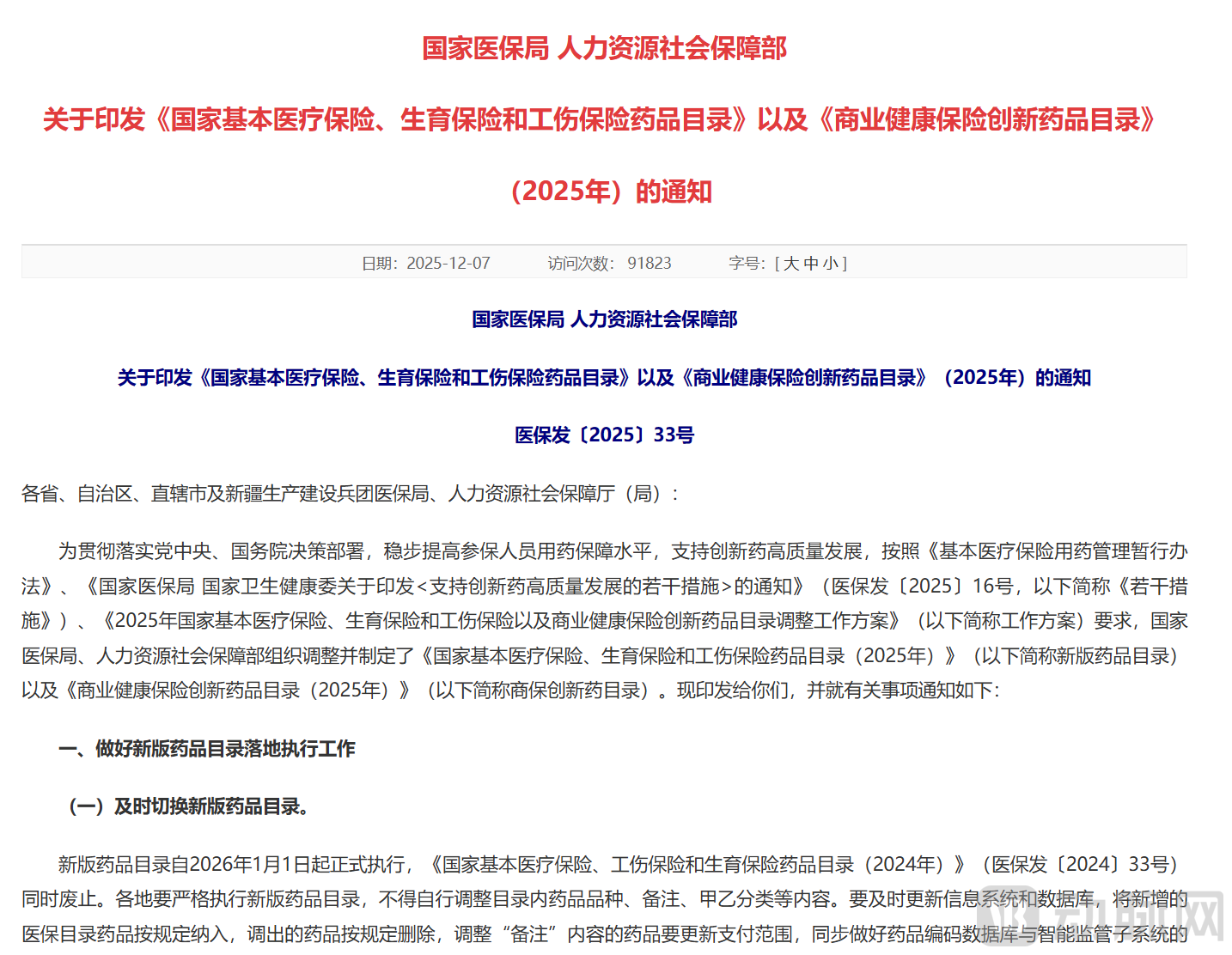
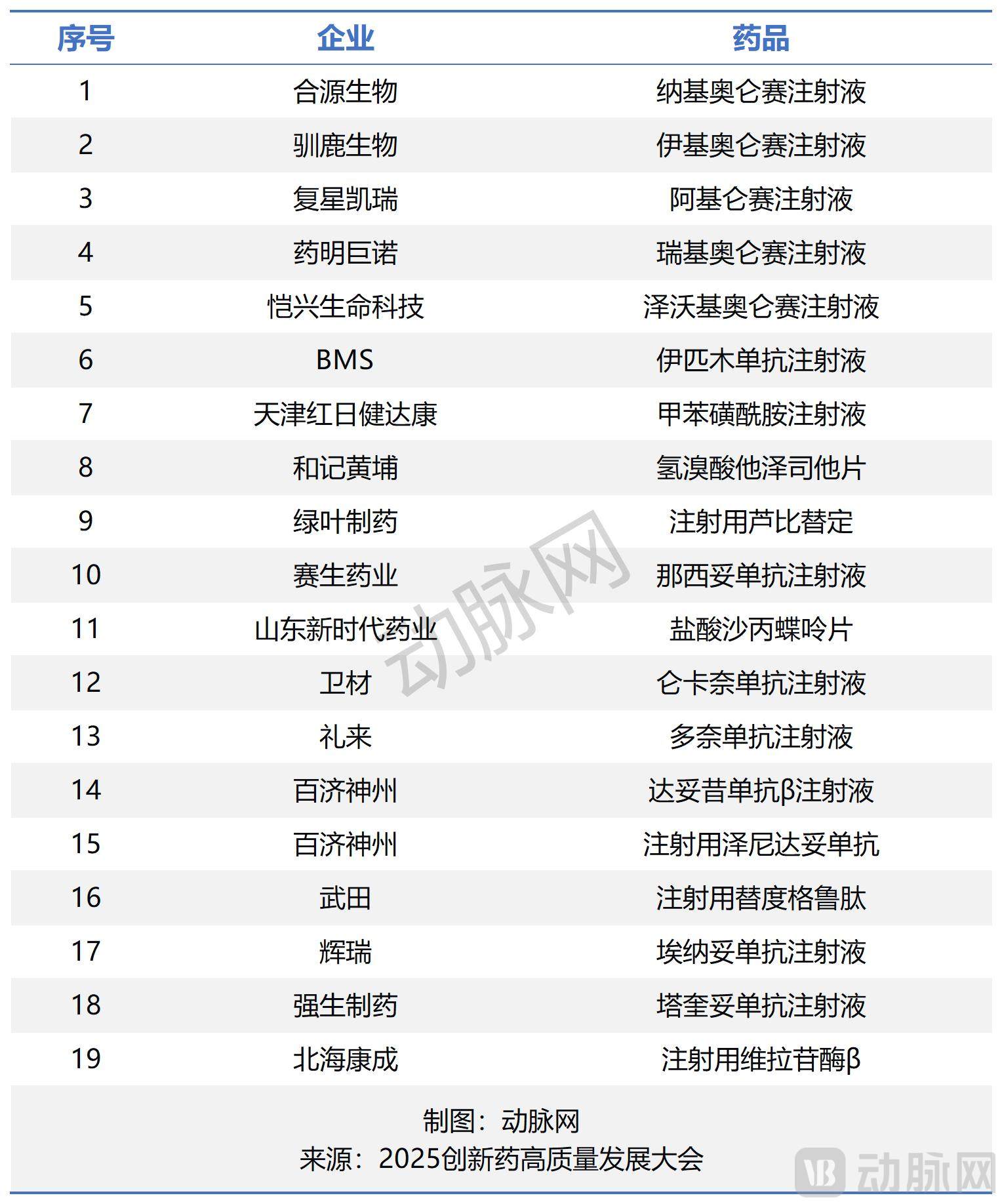
Five Million-Dollar CAR-T Therapies Selected
This innovative drug directory for commercial health insurance demonstrates three key characteristics: First, it has a clear orientation, strongly supporting frontier achievements in pharmaceutical technology by including globally prominent therapies such as CAR-T therapy, T-cell engager (TCE) therapy, and bispecific antibodies. Second, it focuses on key populations, covering not only medications for Alzheimer’s disease to address the challenges of an aging society but also drugs for pediatric rare diseases such as Gaucher disease and neuroblastoma. Third, it clearly defines the coverage boundaries between basic medical insurance and commercial health insurance. Basic medical insurance adheres to its position of providing “basic coverage,” primarily reimbursing drugs that are safe, reliable, have proven efficacy, and feature relatively mature targets and mechanisms. In contrast, commercial health insurance places greater emphasis on covering cutting-edge, higher-priced innovations, thereby improving patient access to advanced treatments.
From a therapeutic perspective, these drugs cover multiple key areas, including oncology, rare diseases, neurodegenerative disorders, and metabolic diseases.
Among the specific drugs selected, five CAR-T cell therapy products that had previously passed expert review were collectively shortlisted, including Healios’ Naqiocel Injection, IASO Bio’s Ikirelcel Injection, Fosun Kite’s Axicabtagene Ciloleucel Injection, JW Therapeutics’ Relmacabtagene Autoleucel Injection, and KaiXing Life Sciences’ Zevorcabtagene Autoleucel Injection.
The other 14 innovative drugs included in the catalog are: Bristol Myers Squibb’s ipilimumab injection; Tianjin Chase Sun Jiandakang’s toluenesulfonamide injection; Hutchmed’s tazevisib hydrobromide tablets; Luye Pharma’s lurbinectedin for injection; Sinocelltech’s nasituximab injection; Shandong New Time Pharmaceutical’s sapropterin hydrochloride tablets; Eisai’s lecanemab injection; Eli Lilly’s donanemab injection; BeiGene’s daratumumab beta injection and zenidatamab for injection; Takeda’s teduglutide for injection; Pfizer’s enapotamab vedotin injection; Janssen Pharmaceuticals’ tarquetamab injection; and CanSino Biologics’ velaglucerase alfa for injection.
Among them, Takeda’s teduglutide for injection is indicated for the treatment of short bowel syndrome, which is commonly seen in neonates with congenital intestinal malformations or in postoperative patients. Canaan Healthcare’s velaglucerase beta for injection is used to treat Type 1 Gaucher disease. New Era Pharmaceutical’s sapropterin hydrochloride tablets are suitable for patients with phenylketonuria who are responsive to tetrahydrobiopterin; without timely intervention, this inherited metabolic disorder can lead to intellectual developmental delays.
In the field of pediatric oncology, ScienCell’s naxitamab injection and BeiGene’s dinutuximab beta injection are both indicated for the treatment of neuroblastoma.
Notably,The commercial health insurance innovative drug list has included two Alzheimer’s disease treatments: Eli Lilly’s donanemab and Eisai’s lecanemab.
At the press conference, Dan Herron, President and General Manager of Eli Lilly and Company China, pointed out that in recent years, China has become a core strategic market for multinational corporations. The approval and reimbursement processes for innovative drugs have continued to accelerate, and global companies have been continuously expanding their R&D, manufacturing, and clinical trial operations in the country. In 2024, the number of clinical trials in China increased by nearly 10%, and foreign direct investment reached $48.5 billion in early 2025, representing an 8% increase compared with 2020.
Dehlan revealed, “Over the next three years, we plan to launch more than 20 new products and new indications in China, with a focus on areas characterized by urgent medical needs and high market access barriers. Our goal is to achieve simultaneous global launches, enabling patients in China to benefit from innovative achievements with ‘zero time lag.’”
A representative from a pharmaceutical company whose product was included in the Commercial Insurance Innovative Drug Directory stated, “The quality of innovative drugs is derived not only from the drugs themselves but also from whether patients can truly access them. If the national drug negotiation mechanism established in 2016 was an extremely important milestone on the path to improving the accessibility of innovative drugs in China, then the release of the Commercial Insurance Innovative Drug Directory is undoubtedly another milestone worth commemorating. This marks a critical step forward in the development of China’s multi-tiered medical security system, providing new payment pathways for more cutting-edge, high-value innovative therapies.”
How Can Payment Reform for Innovative Drugs Take the Next Step?
Indeed, the launch of the commercial health insurance formulary marks another milestone in payment reform for innovative drugs, yet the scale and models of its practical implementation remain to be explored by all stakeholders.
A former senior expert at the Center for Drug Evaluation (CDE) pointed out to VCBeat that the most prominent core challenge in payment for innovative drugs is the short-term “shockwave” high-cost therapies impose on payment systems. Whether for basic medical insurance or commercial health insurance, annual expenditure budgets are typically actuarially derived from long-term, stable historical data. When innovative drugs with unit prices reaching hundreds of thousands or even millions of yuan are introduced into clinical practice in a concentrated manner, they create a significant short-term “shockwave” to the payment pool, directly testing the financial stability and sustainability of the entire payment system.
At the meeting, the Guangdong Provincial Healthcare Security Administration disclosed a statistic: in March 2025, Guangzhou took the lead in launching a pilot program to include innovative drugs and medical devices in commercial health insurance coverage, introducing six “Suixinbao” series commercial insurance products that cover more than 40 items listed in the provincial and municipal catalogs of innovative drugs and medical devices.It is projected that the cumulative number of insured individuals will exceed 20,000 by year-end, with total premiums surpassing RMB 10 million.
Regarding this premium volume, a senior insurance practitioner believes that it is in line with prior industry expectations. When a large number of high-value innovative drugs and medical devices are included in the coverage scope, while insurers’ corresponding cost-containment capabilities are still under development, adopting a prudent pricing strategy is an inevitable choice.
Based on precedents of collaboration between CAR-T therapies and commercial insurance, Shanghai’s “Hu Hui Bao” has included Fosun Kite’s axicabtagene ciloleucel injection (marketed at approximately RMB 1.2 million per dose) in its special drug coverage list for four consecutive years. Enrolled patients who meet the indicated criteria can receive reimbursement for drug costs up to RMB 500,000.Over the past three years, more than 80 lymphoma patients have received reimbursement for axicabtagene ciloleucel injection therapy through “Shanghai Huibao,” with total payouts exceeding RMB 40 million.
According to industry rumors, the discount rates for drugs included in the commercial insurance formulary were finalized through negotiations at between 15% and 50%. The specific discount rate for each product is determined by expert review based on its individual characteristics, resulting in differentiated pricing concessions across different products.
While discussing innovations on the payment side, the practical challenges facing pharmaceutical companies in their international expansion have also been brought to the forefront.
"Chen Sujuan, Senior Executive Director of Hong Kong Research Pharmaceutical Joint Venture, frankly stated in her speech that mainland Chinese pharmaceutical companies face multiple pain points when expanding overseas."
For example, do drugs in the clinical research stage possess international multi-center trial data? Have these drugs obtained approval from international regulatory agencies or even been marketed? The GMP standards commonly adopted by mainland Chinese pharmaceutical manufacturers differ from the PIC/S GMP standards (Pharmaceutical Inspection Co-operation Scheme Good Manufacturing Practice) recognized internationally and in Hong Kong. Furthermore, companies are often uncertain whether their products can pass the Health Technology Assessment (HTA) of target markets, which serves as a key reference for international market access and pricing.
Meanwhile, Chen Sujuan revealed that the planned Hong Kong Center for Drug and Medical Device Regulation is expected to be fully operational by 2030, at which time all innovative drugs are anticipated to undergo initial regulatory review in Hong Kong. “If Hong Kong’s regulatory center achieves international standards, it will further assist domestic institutions in expanding into global markets.”
Securities practitioners, analyzing from the perspective of capital markets, have pointed out that at the R&D stage, there is redundant investment and homogenized competition, with a “crowding” effect in the development of popular targets. In terms of internationalization, when some enterprises engage in cross-border transactions, counterparties expect to see more evidence based on international multi-center clinical trials, rather than data limited to China. In the capital market, while leading companies demonstrate strong fundraising capabilities, some small and medium-sized enterprises still face financing difficulties amid market fluctuations.
However, the industry’s potential is already evident from the data. Currently, China’s innovative drug R&D pipeline is transitioning from “fast follow” to “best in class” and even “first in class.”
As shared by the aforementioned securities practitioner, latest data shows that Chinese enterprises completed 103 outbound licensing deals in the first three quarters, with a total value reaching $90.3 billion, representing a 77% year-on-year increase from 2023. Several transactions featured upfront payments exceeding $1 billion, placing China among the global leaders. China has now become the second-largest source of project deals for multinational pharmaceutical companies, after the United States.
The industry firmly believes that China’s domestic market has the capacity to nurture “blockbuster” innovative drugs with sales exceeding billions or even tens of billions of RMB. This requires companies to make a thorough shift toward source innovation, while payers need to optimize their evaluation systems to provide adequate value recognition and price protection for products with genuine clinical breakthrough potential, thereby shortening the return on investment period and attracting long-term commitment from “patient capital.”
So, how can we encourage “blockbuster products” and even foster the emergence of homegrown major pharmaceuticals?
The commercial health insurance formulary released this year can be described as a “breakthrough move” to resolve the payment dilemma. The industry anticipates that a multi-tiered payment structure, characterized by “basic medical insurance covering basic needs and commercial insurance promoting innovation,” will mature as soon as possible. This would enable innovative drugs to explore value-based pricing through commercial insurance during their initial market launch, and subsequently achieve broad accessibility through national medical insurance negotiations, thereby establishing a virtuous pathway for price and value realization.
Chinese innovative pharmaceutical companies possess internationally competitive R&D efficiency, but sustained global expansion requires substantial R&D investment.
A stable and predictable domestic profit base serves as the “ballast” and “fueling station” for enterprises expanding overseas. This foundation is not secured through policy protection but must be achieved through a company’s own strengths. By implementing scientific rules for centralized procurement and medical insurance negotiations, safeguarding reasonable profits for innovative drugs, and building a diversified payment system, outstanding enterprises can be nurtured within the domestic market.
Detailed List: