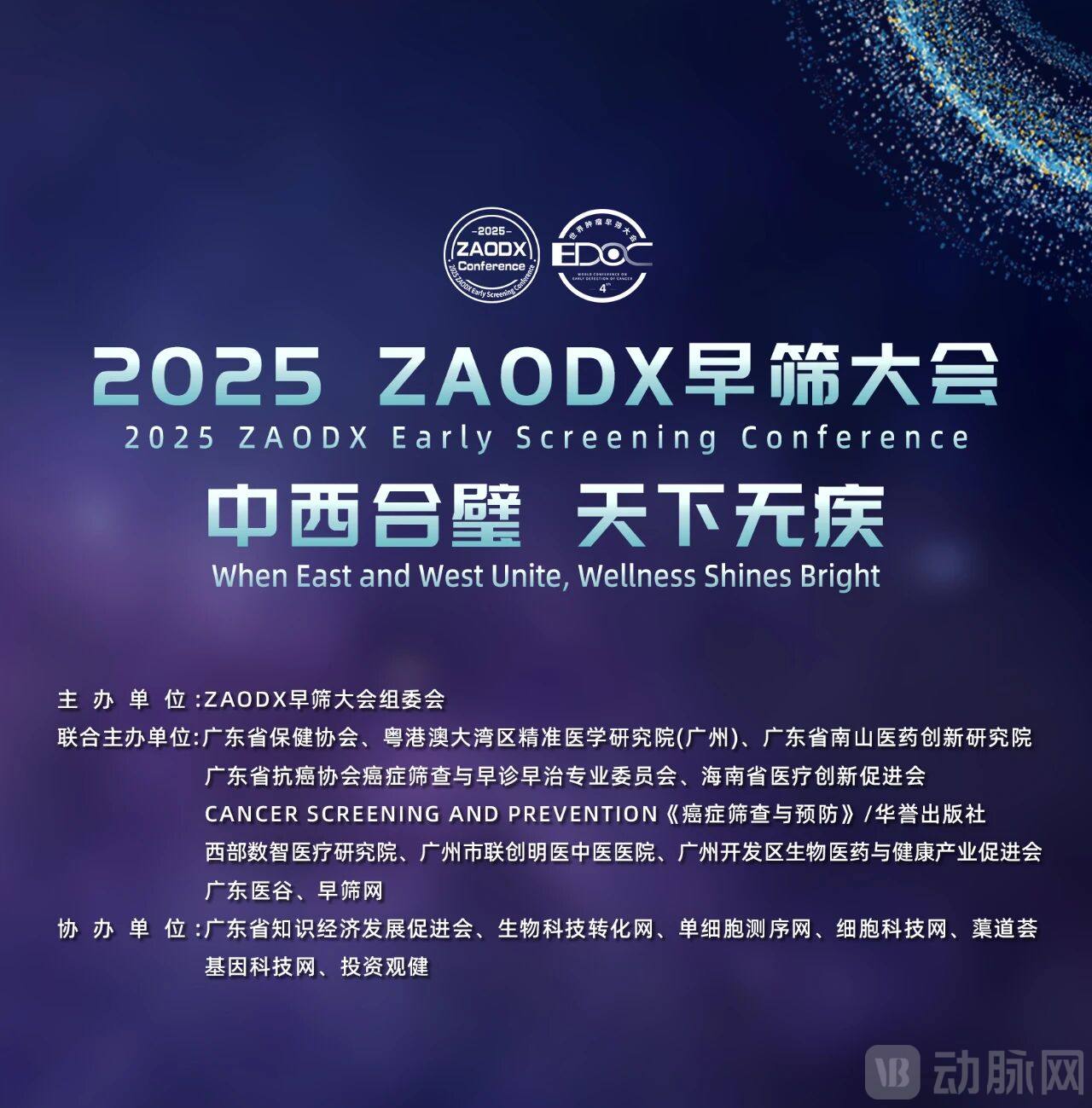
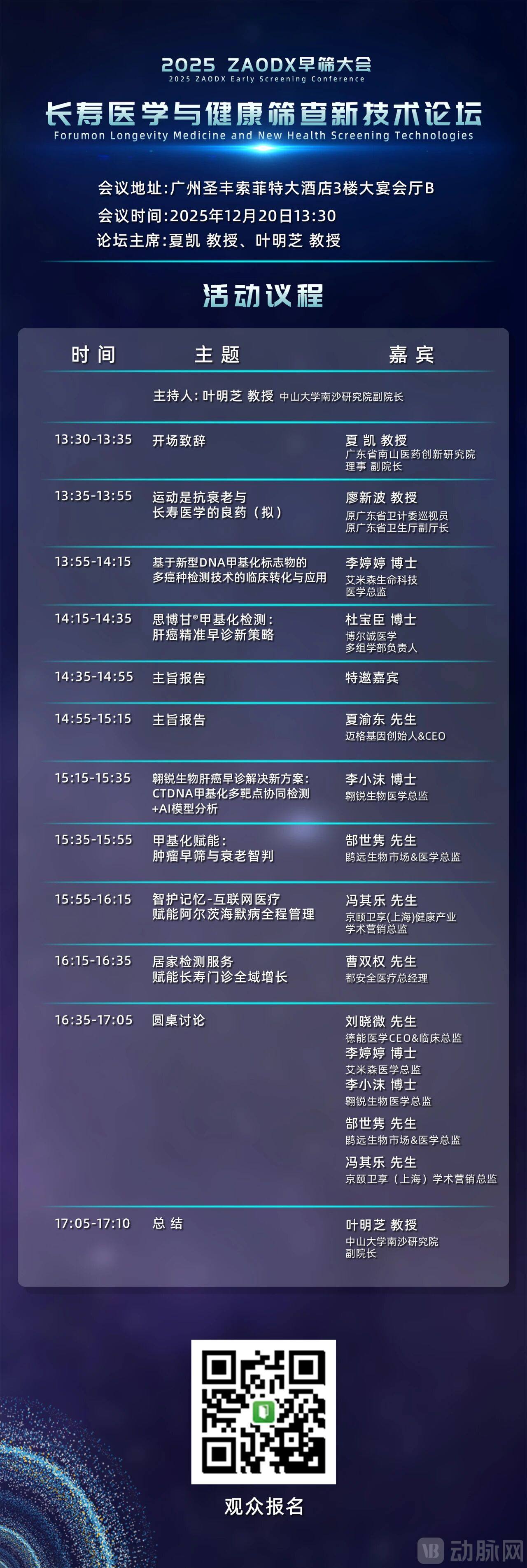
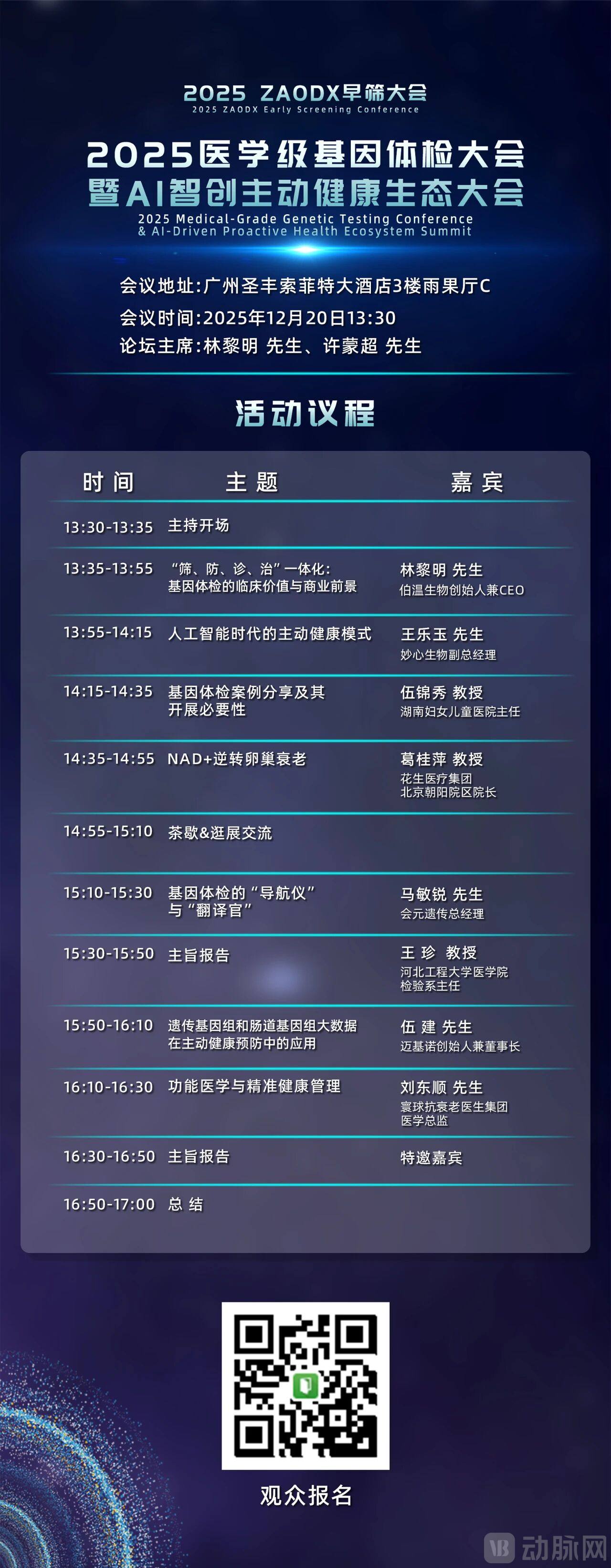
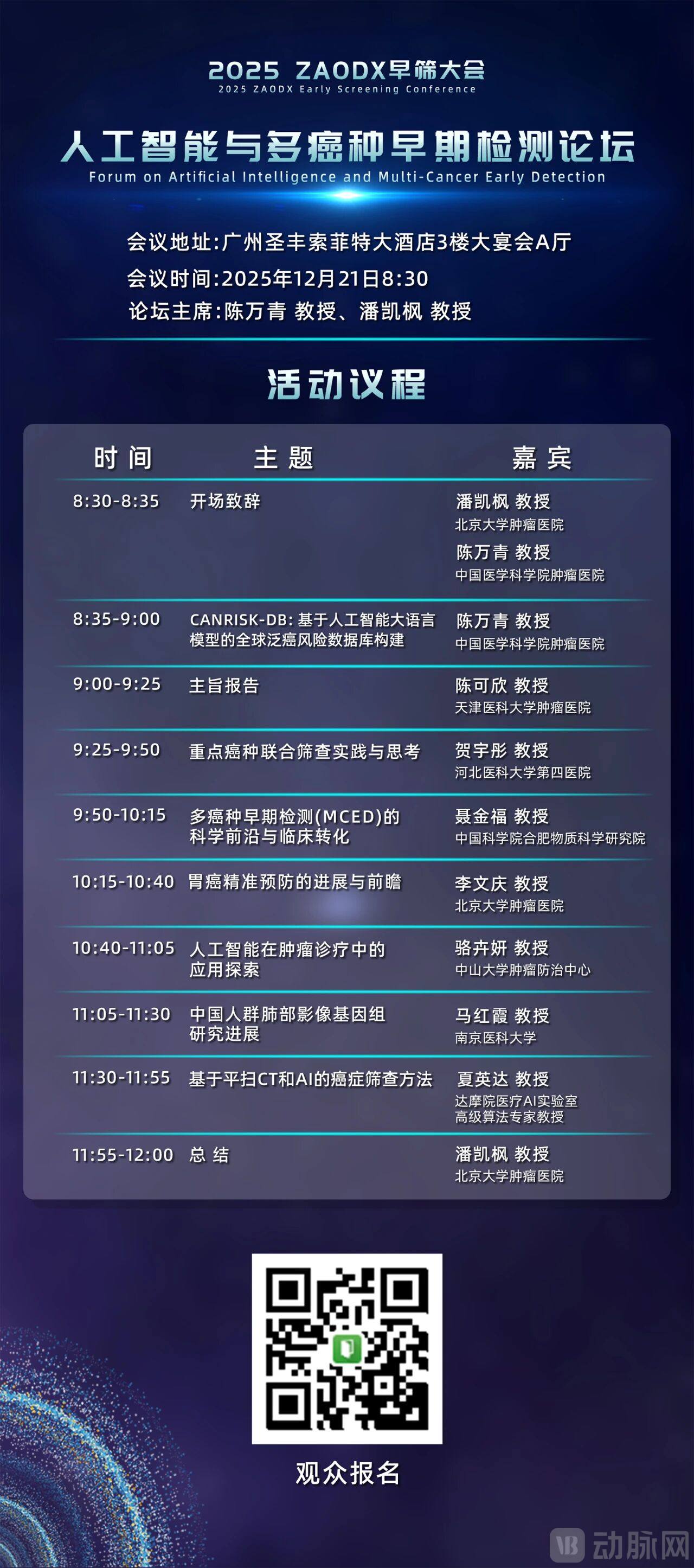
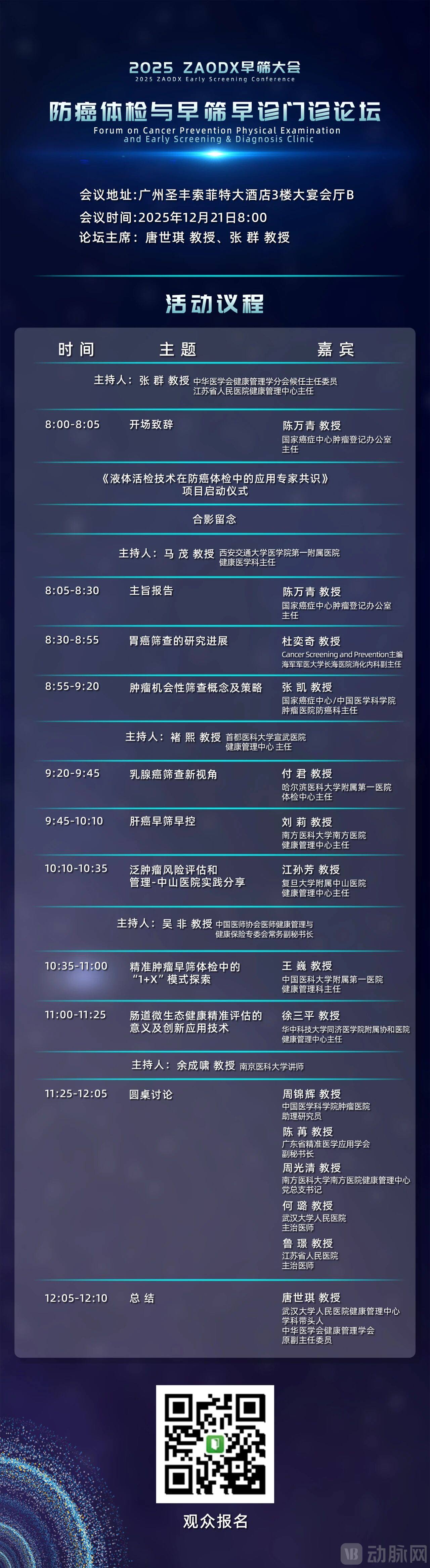
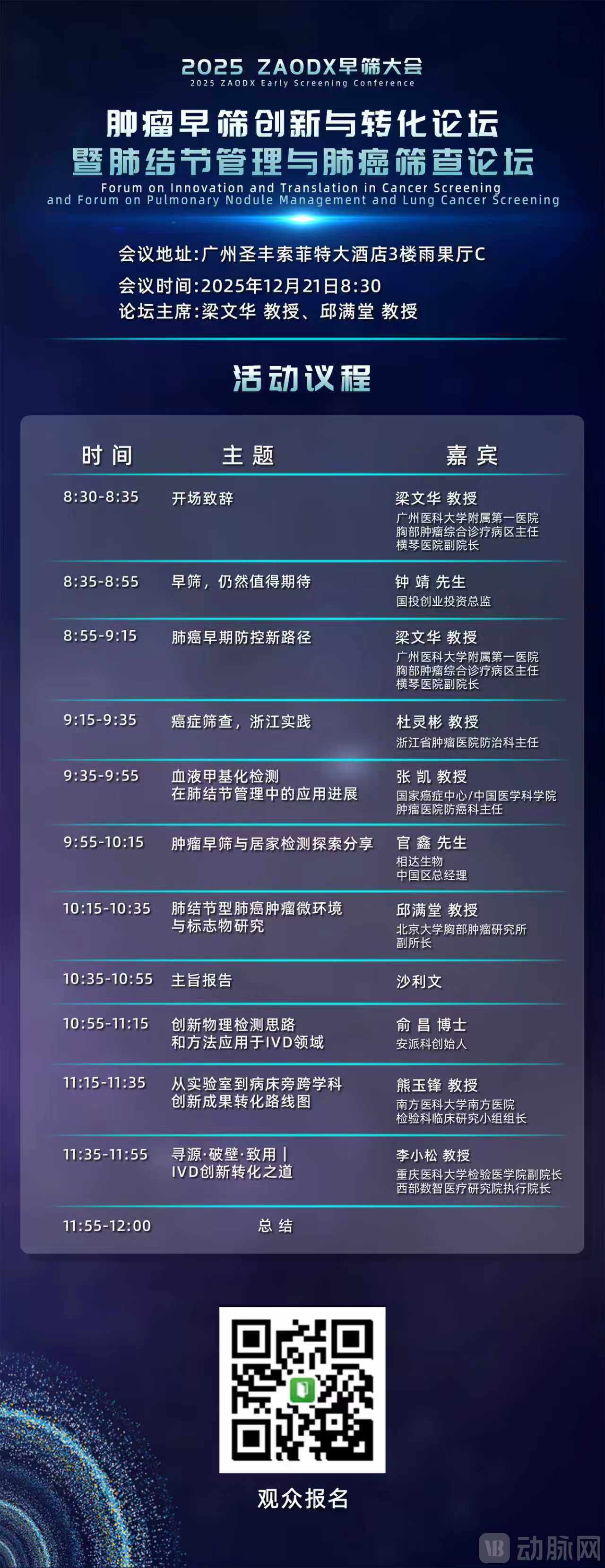
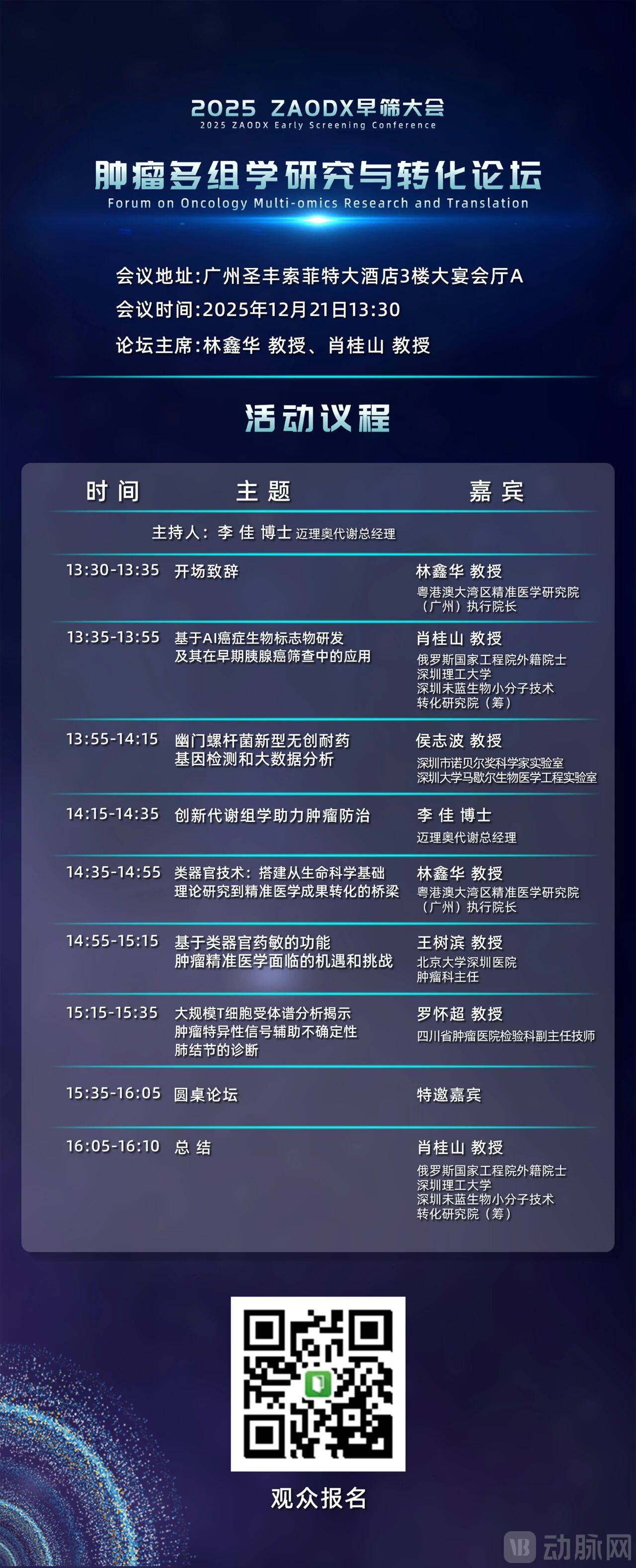
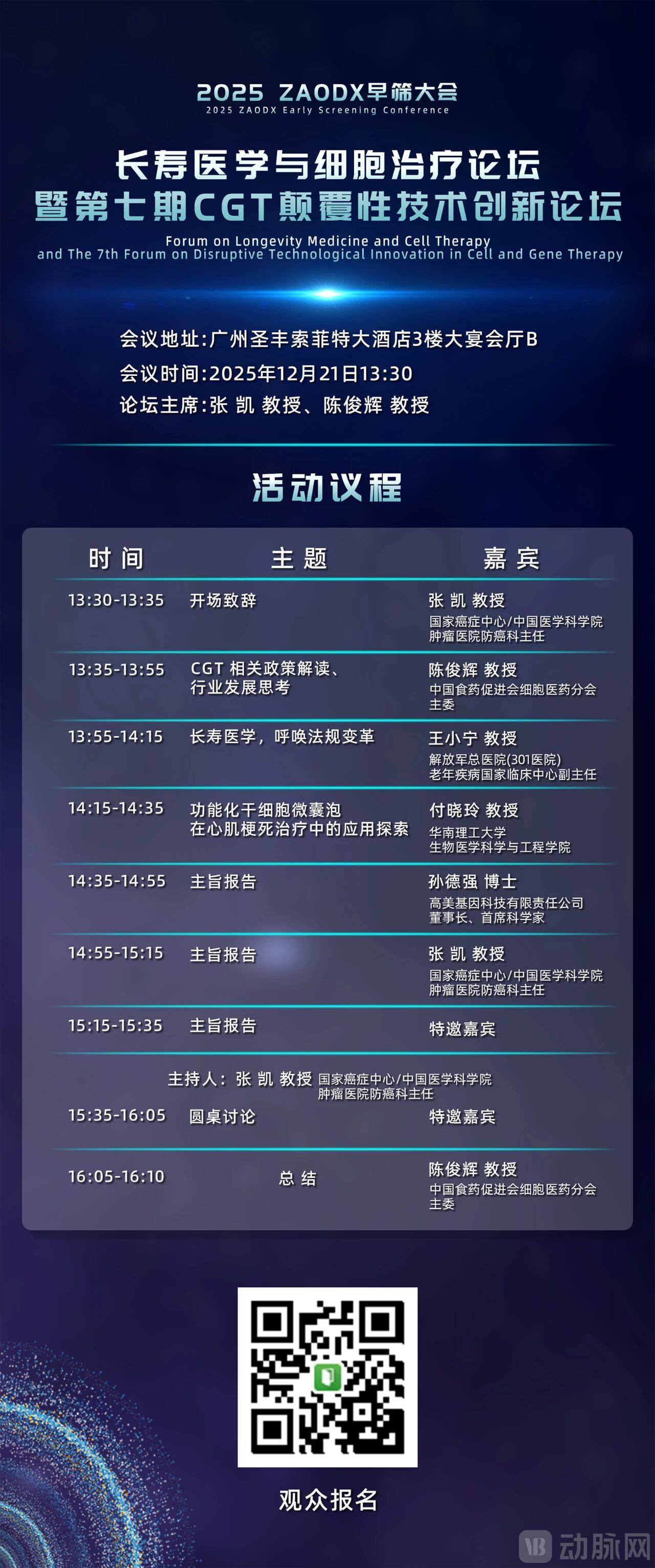
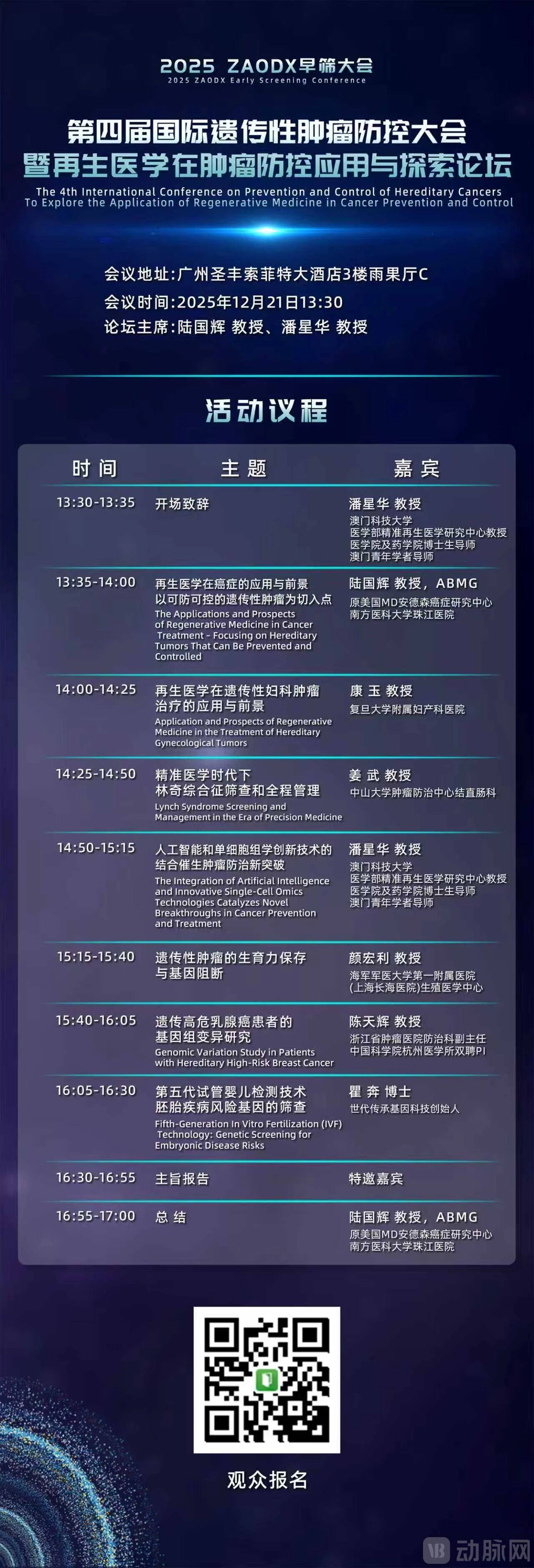
ZAODX Early Screening Conference 2025 to Be Held in Guangzhou on December 20–21 Under the Theme 'Integrating Chinese and Western Medicine for a World Without Disease'
Against the backdrop of heightened global health awareness and accelerating population aging, “healthy longevity” has become a societal consensus. As a major threat to public health, cancer imposes a substantial burden, with 4.8247 million new cases and 2.5742 million deaths reported in China in 2022. Scientific early screening can significantly improve cure rates and quality of life, serving as a critical pathway toward achieving the “Healthy China 2030” initiative.
In recent years, the fields of life sciences and precision medicine have achieved revolutionary breakthroughs. Innovative technologies, represented by liquid biopsy, multi-omics combined testing, and artificial intelligence, are driving the early cancer screening industry into an unprecedented period of rapid growth. In particular, liquid biopsy-based multi-cancer early detection (MCED) technology enables simultaneous screening for multiple cancers from a single sample, breaking through the limitations of traditional single-cancer screening and ushering in a new era of precise prevention, diagnosis, and treatment.
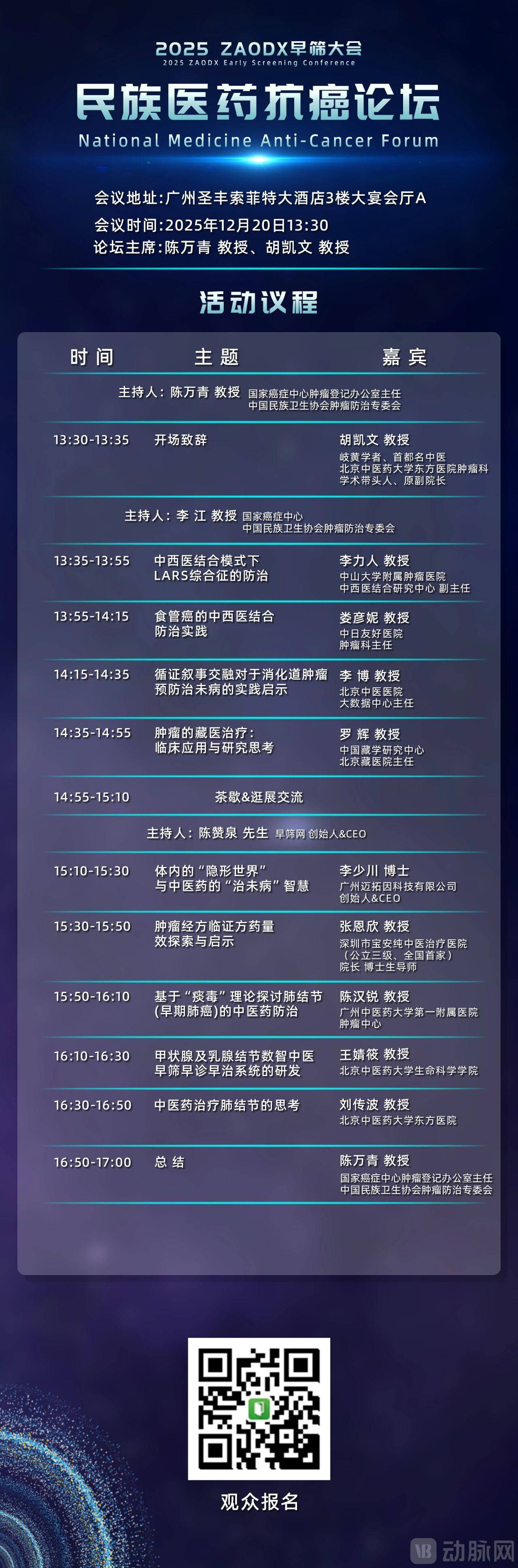
Meanwhile, Chinese ethnic medicines, represented by Traditional Chinese Medicine (TCM), Tibetan medicine, and Miao medicine, have demonstrated unique wisdom and value in the prevention and treatment of tumors. The integrated model of traditional Chinese and Western medicine for tumor prevention and treatment has become a "Chinese solution" for improving clinical efficacy and achieving "survival with cancer," garnering increasing attention and recognition worldwide.
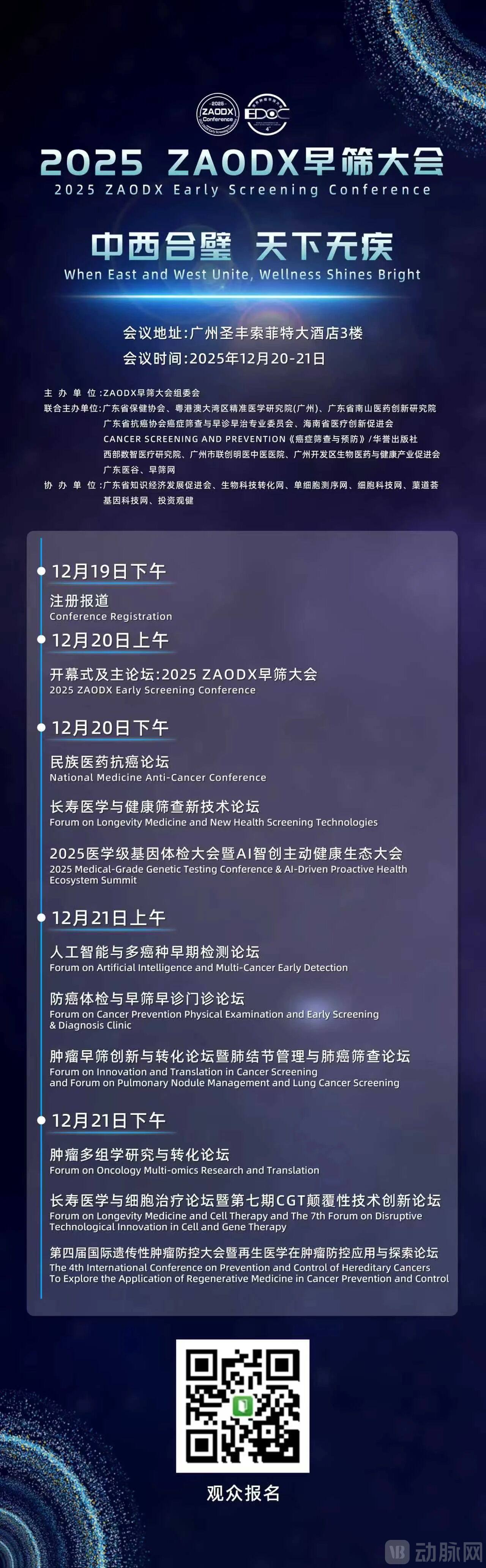
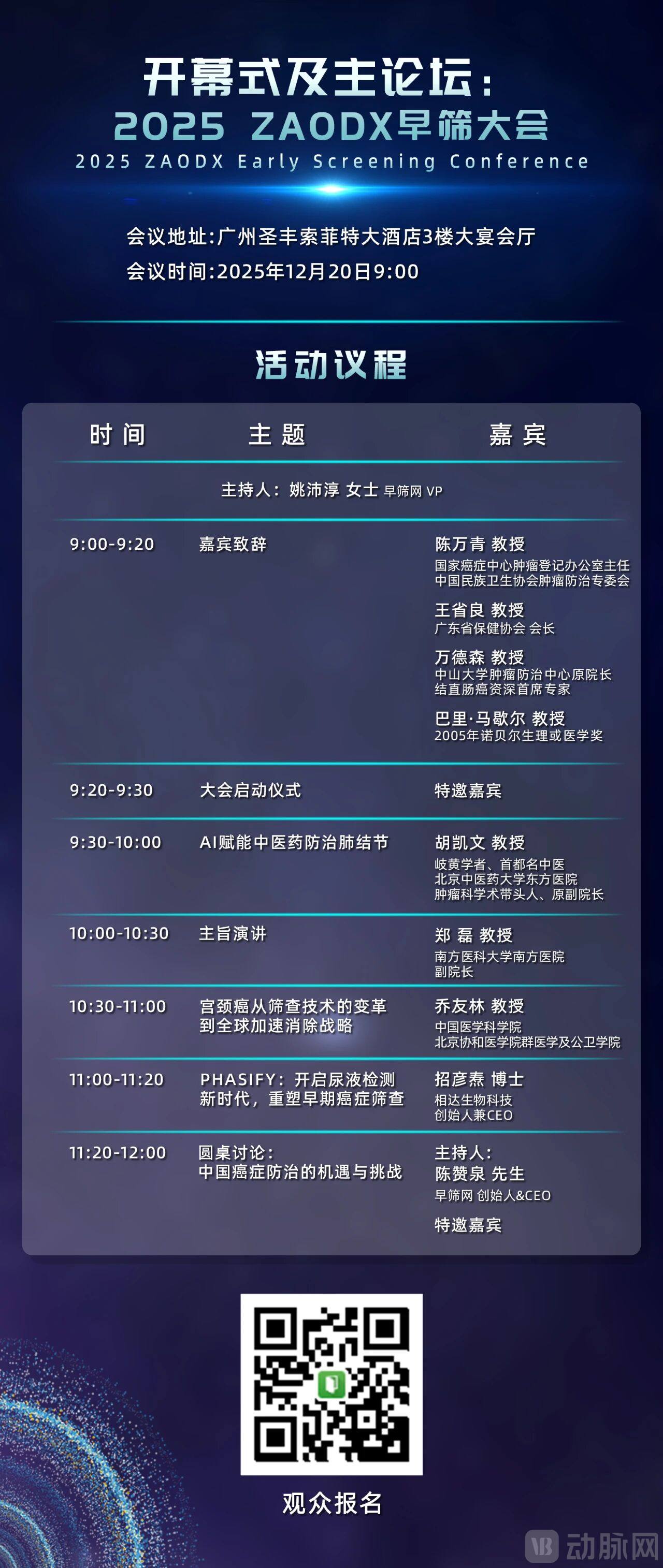
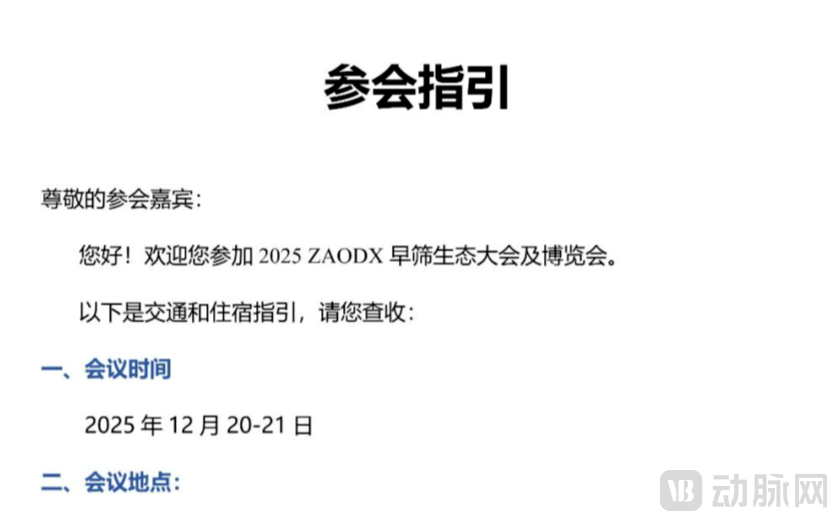
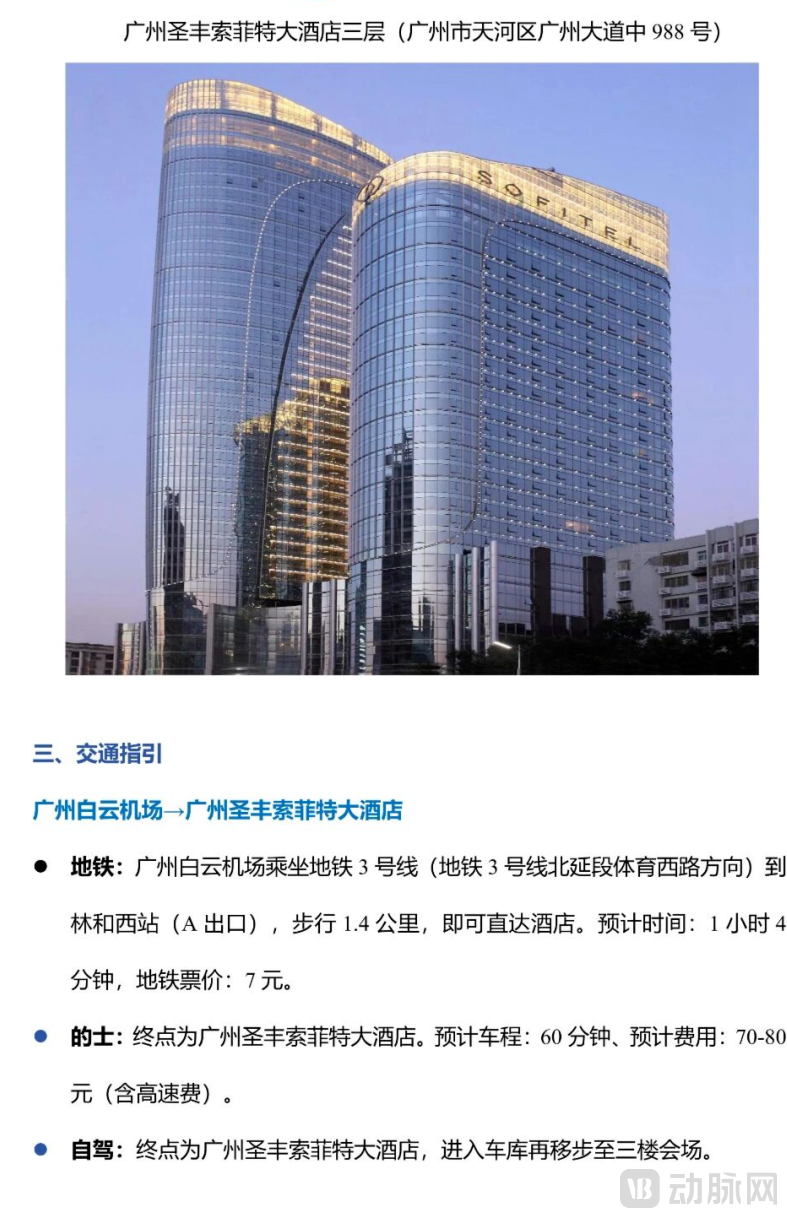
In response to national strategies and to promote the integration of early screening technologies with ethnic medicine, the 2025 ZAODX Early Screening Conference is scheduled to be held in Guangzhou on December 20–21. Themed “Integrating Traditional Chinese and Western Medicine for a Disease-Free World,” the conference will bring together global experts to build a platform for academic exchange, translation of research findings, and industrial collaboration, thereby advancing early screening from “consensus” to “action” and contributing Chinese wisdom.