

Breaking Down Disciplinary Barriers: Interdisciplinary Integration Emerges as Consensus at the Second Union Medical Heart-Brain Conference
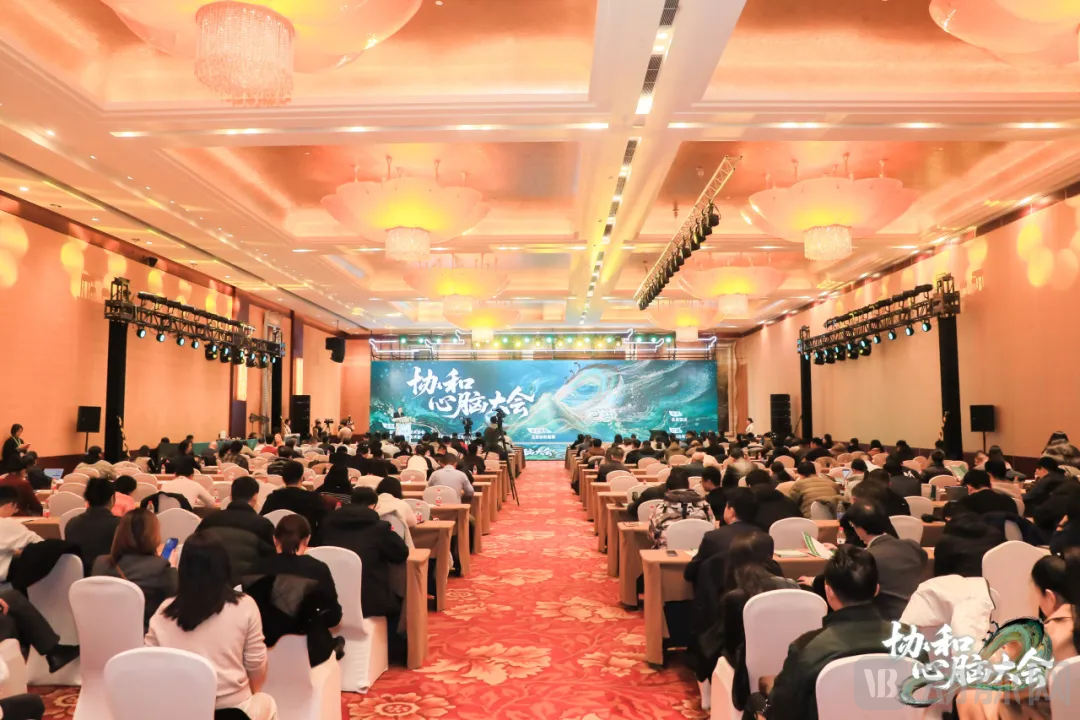
Recently, byCo-hosted by the Cardiovascular Surgery Technology and Engineering Branch of the Chinese Medical Biotechnology Association and Peking Union Medical College Hospitalof"The 2nd Peking Union Medical College Heart and Brain Conference"Held in Beijing, the conference centered on the theme of “Integrated Management of Brain and Heart Diseases and Interdisciplinary Collaboration.” It brought together leading experts and scholars from across China in the field of cardiovascular and cerebrovascular diseases, focusing on interdisciplinary integration to drive “new breakthroughs in the joint management of heart and brain conditions” and explore novel approaches to addressing diagnostic and therapeutic challenges in cardiovascular and cerebrovascular diseases.
Studies have shown that among patients initially diagnosed with cerebrovascular disease, 28% to 31% also suffer from cardiovascular disease; among those initially diagnosed with cardiovascular disease, over 50% also have cerebrovascular disease. "In China, the mortality rate of comorbid heart and brain diseases has long ranked first among all types of diseases." Said the Deputy Dean of the School of Neurosurgery at Capital Medical University and Chief Physician at Beijing Tiantan HospitalWang ShuoEmphasis.
Director of the Department of Cardiac Surgery, Peking Union Medical College HospitalZheng JunIt is pointed out that the spectrum of high-risk diseases for cardiocerebral comorbidities is mainly divided into five categories, including cardiac patients at high risk of stroke, patients at high risk of cardioembolism, patients with a history of or recent cerebrovascular events, patients with concomitant peripheral artery disease or systemic arteriosclerotic changes, and patients with long-standing refractory hypertension or secondary hypertension.
Zheng Jun revealed that high-risk patients with cardio-cerebral comorbidities account for approximately 51% of all cardiac surgery patients at Peking Union Medical College Hospital. "Among them, about 54% require joint treatment by cardiac and neurological teams, a proportion significantly higher than that of other hospitals." "Although the overall prevalence of cardio-cerebral comorbidities among patients with heart disease is not high, the actual number of patients remains substantial due to China's large population base."
However, due to the limitations of the traditional specialty-based diagnosis and treatment model, patients with comorbid cardiovascular and cerebrovascular diseases sometimes encounter cumbersome medical procedures and difficulties in accessing care. Currently, the integrated management of cardiovascular and cerebrovascular conditions still faces challenges such as the lack of unified management protocols and treatment strategies, as well as barriers to interdisciplinary collaboration.
Director, Department of Neurosurgery, Peking Union Medical College HospitalZhao YuanliIt was pointed out that the core bottleneck in current integrated cardiovascular and cerebrovascular care practices is the lack of a unified, standardized solution for comorbid cardiovascular and cerebrovascular diseases. "Some patients with cardiovascular and cerebrovascular diseases also present with other comorbidities, such as coagulation abnormalities. This necessitates organizing personalized multidisciplinary discussions and conducting comprehensive assessments for each patient, which is time-consuming."
Faced with this severe challenge, participating experts unanimously emphasized that in the critical field of cardiovascular and cerebrovascular disease prevention and treatment, single-discipline "solo efforts" are no longer sufficient to address complex disease challenges. It is imperative to break down traditional disciplinary barriers and establish a multidisciplinary collaborative diagnosis and treatment model that is "patient-centered and disease-chain-oriented."
Peking Union Medical College HospitalProf. Du BinIn his address, he explicitly pointed out that cardiovascular and cerebrovascular diseases have become a major public health challenge threatening the health of Chinese citizens. The multidisciplinary collaborative model has not only driven breakthrough advances in diagnostic and therapeutic technologies but also more precisely addressed patients’ core clinical needs.
Academician of the Chinese Academy of Engineering, President of Peking Union Medical College and Director of the Chinese Academy of Medical SciencesJi XunmingIn his address, he advocated for the thorough dismantling of disciplinary barriers, proposing that the concept of "integrated heart-brain treatment" must balance the dual objectives of cardiac rhythm regulation and cerebral health protection. "The development of the heart-brain health field requires multidimensional breakthroughs: it is essential to precisely control cardiac rhythm and brain function, deepen expertise in refined medical and surgical diagnostic and therapeutic techniques, integrate source innovations from basic medicine, and embrace technological empowerment from frontier fields such as engineering, information technology, and artificial intelligence." Ji Xunming believes that by focusing on the entire chain of "prevention, diagnosis, treatment, and control" of cerebrovascular and cardiovascular diseases, this conference will clarify the development path for clinical practice.
China Biopharmaceutical Technology AssociationSecretary-General Zhao BeihaiIt was pointed out that biotechnology is currently experiencing an explosive phase of development, with frontier technologies such as gene therapy and cell therapy reshaping the landscape of human disease management. This underscores the urgent need to accelerate deep interdisciplinary integration and facilitate the rapid translation of cutting-edge biotechnological achievements into clinical practice.
Based on the consensus of interdisciplinary integration, the conference released several important outcomes.
At the meeting,Professor Wang ShuoShared the achievements of the National "14th Five-Year Plan" Project on the Integrated Management of Cerebrovascular and Cardiovascular Comorbidities. Through collaborative research on six key topics, the project yielded eight core research outcomes. It established a specialized diagnosis and treatment system for cerebrovascular and cardiovascular comorbidities tailored to the Chinese population, encompassing three dimensions: preventive screening, precise diagnosis, and standardized treatment, thereby laying a solid foundation for clinical breakthroughs in pan-vascular diseases.
At the conference, the Expert Consensus on Imaging for Combined Brain and Heart Assessment was officially released, filling the gap in clinical technical standards for “combined brain and heart assessment” and serving as a landmark achievement of interdisciplinary collaboration at the event. This consensus will enhance the precision and efficiency of diagnosis and treatment through unified and standardized technical guidelines.
At the practical level, Director of the Department of Neurosurgery at Peking Union Medical College HospitalZhao YuanliIt was pointed out that the greatest advantage of integrated cardio-cerebral management lies in breaking down the barriers between neurosurgery and cardiac surgery, thereby ensuring from a mechanistic standpoint that patients with comorbid heart and brain conditions receive timely diagnosis and treatment. This represents an innovation in diagnostic and therapeutic models. Over the past two years since Peking Union Medical College Hospital initiated its practice of integrated cardio-cerebral management, it has completed over one hundred cases of combined cardiac and cerebral interventions.
In terms of clinical diagnosis and treatment, Peking Union Medical College Hospital has launched a combined cardiovascular and cerebrovascular screening package. "This package integrates tests such as blood draws, electrocardiograms (ECG), and cerebrovascular ultrasound, while collaborating with the Department of Radiology to enable simultaneous heart and brain assessment. A single CT or MRI scan completes a comprehensive examination from the cardiac vessels to the head, neck, and cerebral vasculature, addressing the issues of multiple registrations and redundant testing for patients," emphasized Zhao Yuanli. Furthermore, he noted that the hospital will promote a diagnostic and treatment model characterized by "joint consultation, joint examination, joint treatment, and joint rehabilitation," and will release technical specifications for simultaneous cardiovascular and cerebrovascular screening.
Through the sharing of real-world cases, multiple experts demonstrated the decision-making process for diagnosis and treatment under multidisciplinary collaboration, providing a clear clinical pathway for managing cardio-cerebral disorders. The experts unanimously agreed that the joint establishment of specialized cardio-cerebral disease departments by neurology and neurosurgery, along with the formation of hybrid operating room teams, offers a replicable model for the treatment of comorbidities.
Technological breakthroughs have provided new support for the integrated management of cardiovascular and cerebrovascular diseases. During the conference, multiple experts focused on sharing insights regarding the translation of cutting-edge technologies and core clinical issues. The application of AI technology in the integrated management of cardiovascular and cerebrovascular diseases emerged as a significant highlight.
Director of the Department of Cardiac Surgery, Peking Union Medical College HospitalZheng JunIt was revealed that the Heart-Brain Co-Management Team will leverage AI-assisted generation of imaging reports to address the lack of specialized expertise among physicians in different departments when interpreting cross-disciplinary imaging. Additionally, the team will use AI to build a clinical database, enabling automated data collection and analysis for patients. “AI will also be applied during surgical procedures, such as precise navigation and localization in neurosurgery, robot-assisted angiography, and the development of artificial hearts in cardiology.”
The application of high-resolution brain imaging and 3D AI reconstruction technologies in precise vascular wall imaging provides technical support for interdisciplinary diagnosis and treatment. The practical value of combining brain-computer interfaces with AI in the rehabilitation of cerebrovascular and cardiovascular diseases has also opened up new pathways for treatment.
In terms of scientific research, Peking Union Medical College Hospital has incorporated the treatment of cardio-cerebral comorbidities into its research scope, leveraging initiatives such as the Special Clinical Research Program for High-Level Central Hospitals and the Chinese Academy of Medical Sciences’ Innovation Project for Medical and Health Science and Technology. “In addition to clinical studies, the Peking Union Medical College Hospital team dedicated to integrated cardio-cerebral management will also focus on basic research to explore the neural regulatory mechanisms of the heart and conduct related studies using technologies such as brain-computer interfaces,” said Zheng Jun.