

Raye Group's MDT-Focused Case Competition Reaches Hundreds of Thousands of Dentists, Driving Industry Transformation

ARRAI
Oral Healthcare Service Provider
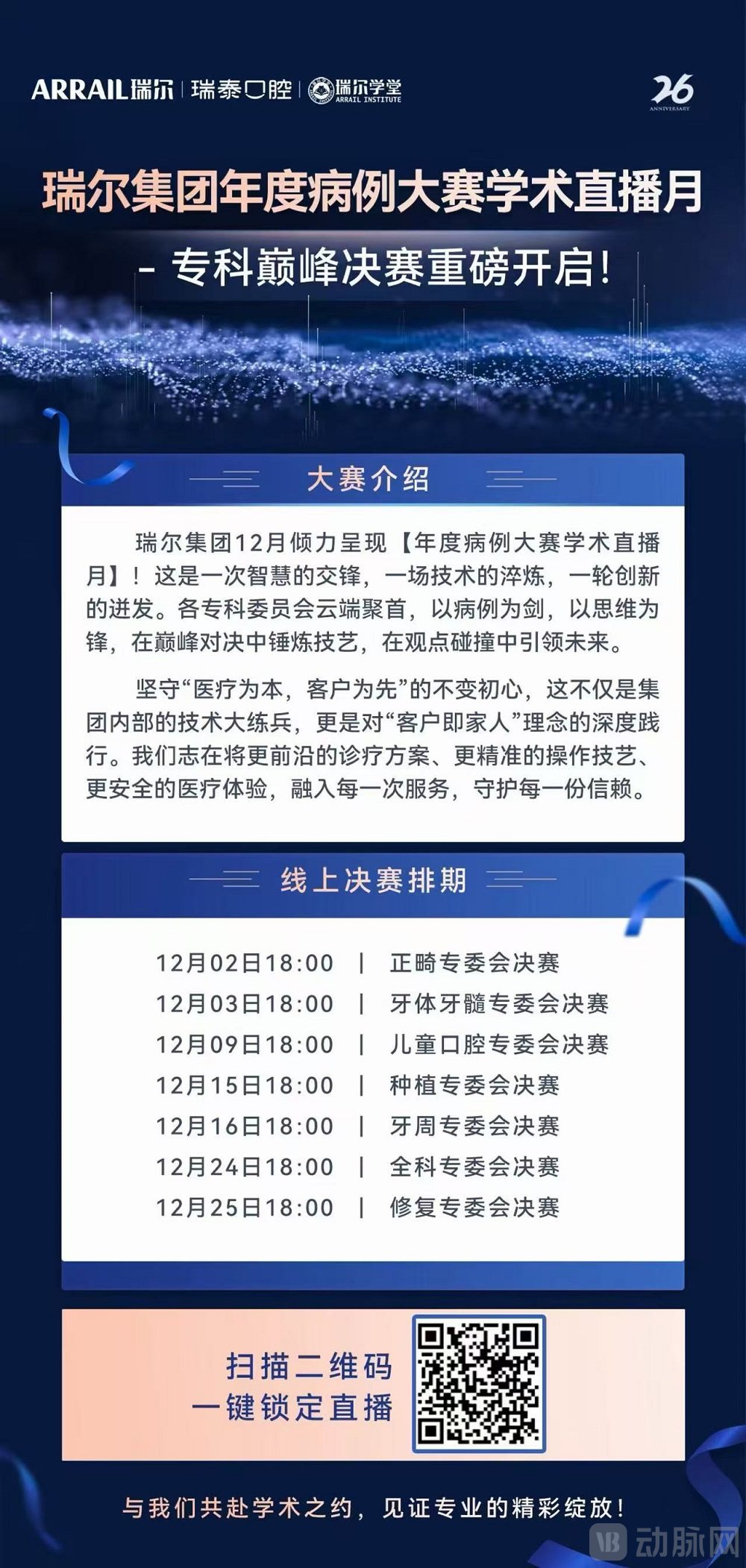
In December, ARRAI’s Annual Case Competition kicked off. Centered on the theme of “Multidisciplinary Team (MDT) Diagnosis and Treatment,” this year’s competition adopted a specialty-specific contest format and was made accessible to dentists across China via live cloud streaming. As of December 9, the finals organized by the ARRAI Annual Case Competition Expert Committee had successfully held three specialty competitions in orthodontics, endodontics, and pediatric dentistry, attracting hundreds of thousands of dental professionals to watch online.
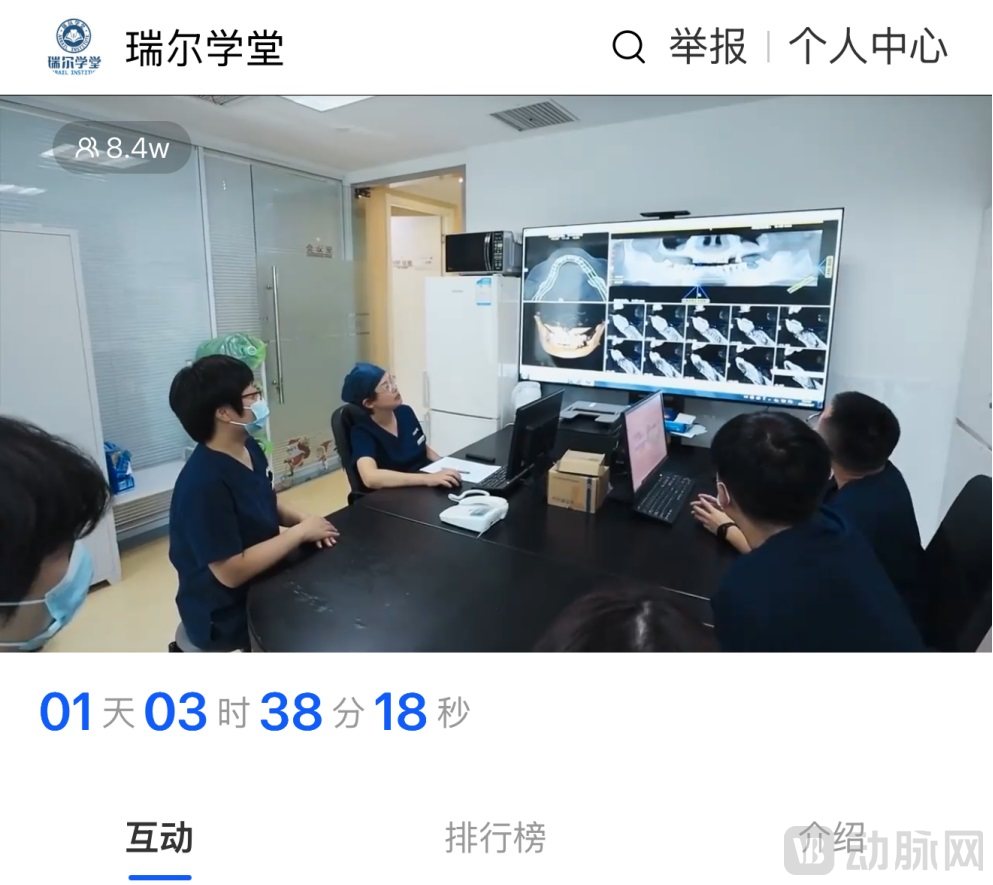
ARRAI 2026 Case Competition Live Stream
Since its establishment in 1999, ARRAI has been committed to providing high-quality dental diagnosis and treatment services to patients.As of the end of March this year, ARRAI operated a total of 118 facilities across 15 cities in China, comprising 107 dental clinics and 11 hospitals. As a case competition that has been held for nearly a decade, its objective is unequivocal: to promote the delivery of higher-quality dental healthcare services.
However, the actual objectives achieved by the Oral Case Competition clearly extend far beyond this.
Currently, the dental industry is facing a more complex situation than ever before: on one hand, with the centralized procurement of dental implants and declining consumer spending, price wars are rampant and competition is intense; on the other hand, innovative equipment and digital systems are continuously being launched, and the industry continues to move forward, albeit unsteadily.Amidst the turbulent development of the industry, the core demand has never changed: namely, patients’ need for high-quality dental diagnosis and treatment services.
However, the provision of high-quality dental care services faces inherent developmental constraints. On one hand, there remains a significant shortage of dentists, whose professional development is exceptionally slow, posing substantial challenges to talent cultivation. On the other hand, the delivery of clinical services within the industry lacks standardization. Variations in clinical protocols and operational standards may exist not only between different dental institutions but also within the same institution. Furthermore, the current industry practice continues to categorize patients into specialized sub-disciplines for treatment, overlooking the fact that individual departments are often ill-equipped to manage complex conditions. There is an urgent need for the dental industry to integrate multidisciplinary approaches to deliver professional clinical care.
The Case Competition was convened to better address the aforementioned issues.:
On the one hand, the selection process of dental case competitions often features the presentation and teaching of complex oral cases. By establishing benchmark cases, these competitions aim to enhance dentists’ theoretical experience in managing complex cases and broaden their professional horizons. On the other hand, such competitions typically require participants to present treatment plans covering the entire workflow, including “case background, diagnostic basis, treatment rationale, implementation process, and postoperative follow-up.” Judges evaluate entries based on clinical standards or guidelines for dental diagnosis and treatment. This implies that expert interpretations during the competition will further facilitate consensus on dental clinical practices, thereby promoting standardized procedures among practitioners. Furthermore, case competitions provide junior dentists with opportunities to interact with senior or leading experts, fostering academic exchange and encouraging the integrated development of the discipline.
As previously mentioned, while the Case Competition centers on enhancing the quality of medical services, its actual achievements extend far beyond this scope. For instance, the competition also serves to promote innovation and the translation of scientific research outcomes, thereby accelerating the clinical implementation of applied products. Various innovative technologies and digital solutions showcased at the event will be more effectively promoted, demonstrated, and adopted across the industry. Furthermore, the conference helps to further strengthen patient trust and provides a valuable reference for dental patients when accessing medical services.
In recent years, dental case competitions organized by dental associations, dental institutions, and government bodies have increasingly come into the public spotlight. Behind this trend lies a clear recognition among all stakeholders of the role these competitions play as a “value connector.” Among the key players, ARRAI Group, which has been hosting such case competitions since 2017, stands out as a prominent representative.
Years of experience in organizing competitions have enabled ARRAI to better grasp the current focal points of the industry. This year’s case competition features numerous highlights:
First, the competition itself is backed by heavyweight authoritative experts from the dental industry, further enhancing the value and credibility of the selected benchmark projects.The competition’s judging panel comprises leading specialists from various disciplines, forming a formidable lineup. It includes Professor Zhang Jincai, Executive President of Medical Affairs and National Hospital Director-General of ARRAI; Liang Qinye, Vice Chairman of ARRAI’s Expert Technical Committee; Yu Jianming, Chair of the Orthodontics Specialty Committee; Xu Shitong, Chair of the Prosthodontics Specialty Committee; Huang Yuanliang, Chair of the Implantology Specialty Committee; Xu Pingping from Oral and Maxillofacial Surgery; Luo Gang from General Dentistry; Du Yan from Periodontics; Bai Lian from Endodontics; and Li Wen from Pediatric Dentistry. These individuals are not only the backbone of ARRAI but also widely recognized authorities in China’s dental industry. Their participation ensures the professional standards and academic value of the competition.
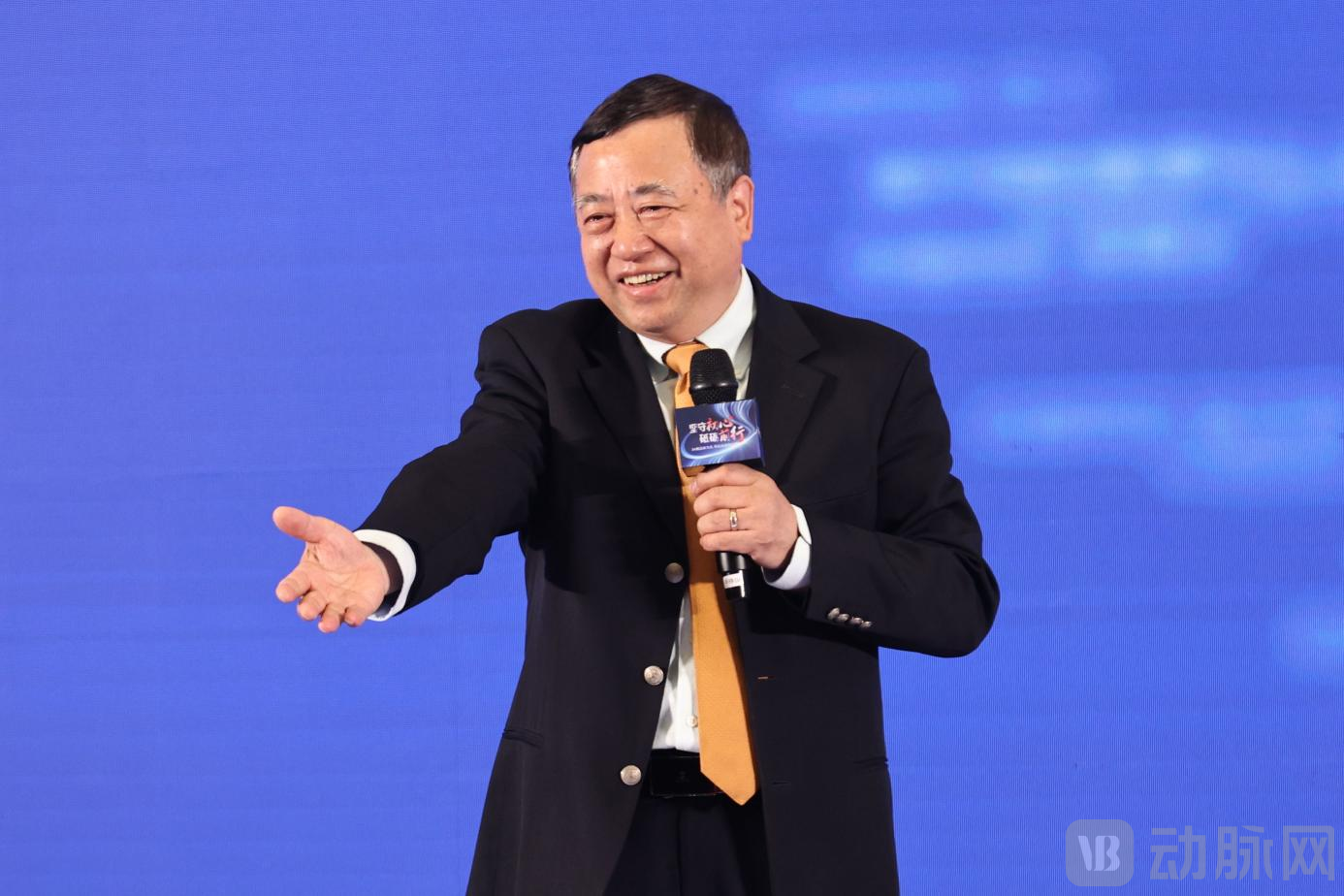
Professor Zhang Jincai, Executive President of Medical Affairs at ARRAI
Secondly, the competition covers all subspecialties of dentistry, and its format further ensures in-depth exchanges among specialized departments.On one hand, the specialist pinnacle finals will unfold sequentially throughout December, covering major dental specialties including orthodontics, endodontics, pediatric dentistry, implantology, periodontics, general dentistry, prosthodontics, and oral and maxillofacial surgery, thereby addressing all key areas. On the other hand, unlike previous competition formats, this year’s contest introduces a discipline-specific competition model for the first time—each specialty committee conducts independent online competitions to determine the champion case in its respective field. These winning cases will be centrally presented and showcased during ARRAI’s anniversary celebrations, creating a comprehensive academic exchange system that spans from online to offline platforms. This discipline-specific structure ensures the professionalism and fairness of the judging process, while also allowing outstanding cases in each subspecialty to be fully displayed and recognized by the broader community.
Furthermore, the competition is driving the dental industry toward a multidisciplinary team (MDT) approach to diagnosis and treatment, thereby better addressing the longstanding challenge that single-discipline treatment plans often fail to achieve optimal outcomes for complex cases.From the perspective of humanistic care, this signifies that oral diagnosis and treatment are further transforming toward a “patient-centered” model. By integrating fragmented specialized medical services, it provides patients with more scientific, efficient, and humane care, while simultaneously driving improvements in medical quality, coordinated disciplinary development, and optimization of the healthcare system. In terms of the competition itself, it thoroughly implements the concept of Multidisciplinary Team (MDT) diagnosis and treatment by establishing clear professional access criteria for participating cases: all submitted cases must demonstrate clinical pathways characterized by multidisciplinary collaboration. Specifically, cases from each specialty committee must transcend the boundaries of a single discipline, reflecting systematic joint treatment designs. Taking periodontology as an example, submitted cases must involve combined periodontal-orthodontic treatment or combined periodontal-prosthodontic treatment, thereby ensuring a paradigm shift in diagnostic thinking and practice from single-point interventions to comprehensive oral health management. The benchmark cases emerging from the competition also demonstrate the substantive effectiveness of multidisciplinary joint diagnosis and treatment: cases combining orthodontics and prosthodontics have resolved the issue of unifying aesthetics and function; cases combining periodontology and implantology have provided new approaches for implant treatment in patients with periodontal disease. These successful cases will serve as replicable experiences for the entire industry in the future.
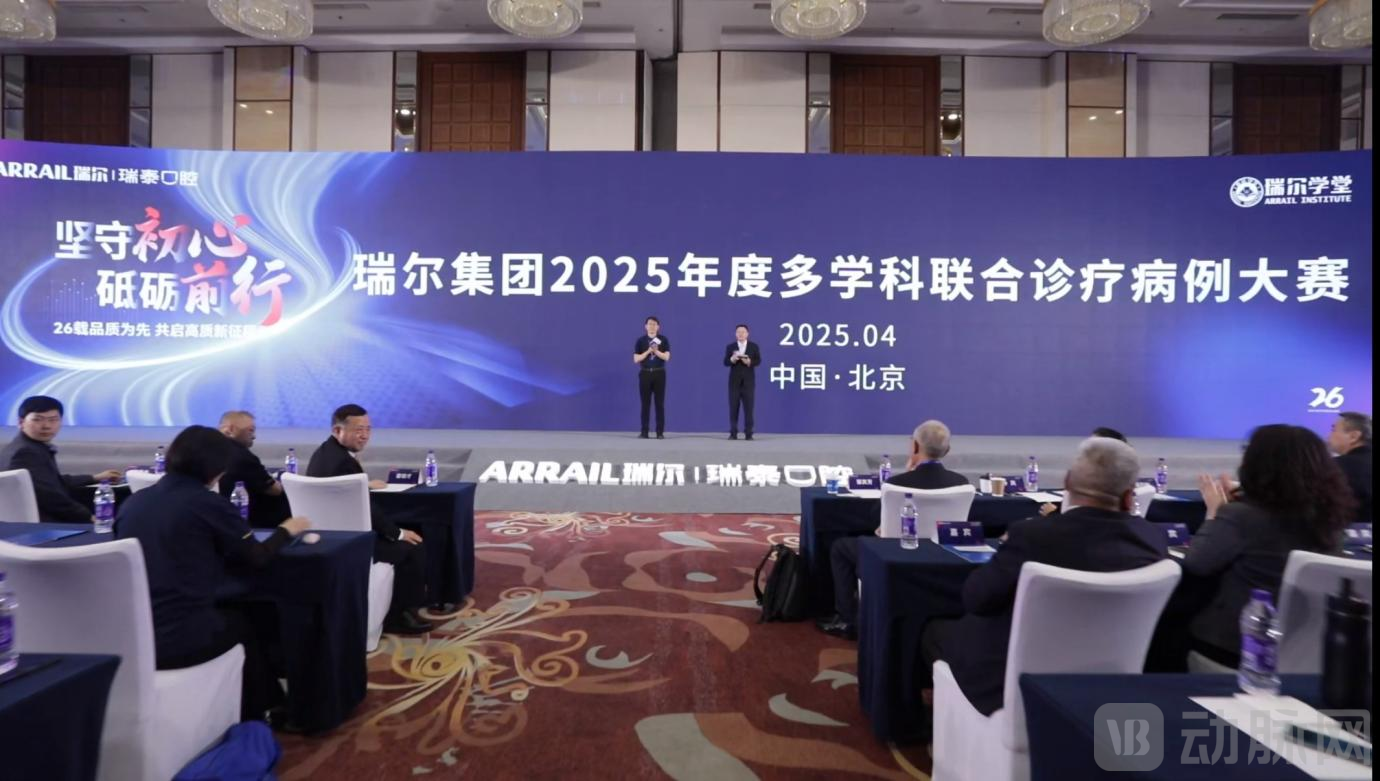
ARRAI 2025 Annual Case Competition
Finally, the competition leveraged the Internet to reach a broader audience of professionals, thereby comprehensively promoting the enhancement of diagnostic and therapeutic capabilities across the industry.ARRAI is acutely aware that merely enhancing the clinical capabilities of its own dentists cannot address the fundamental challenges facing the industry. Consequently, the company has chosen to provide unconditional access to online live-streaming educational resources for dentists across China who are committed to improving their clinical skills. The three completed finals alone attracted hundreds of thousands of online viewers.
Furthermore, it is worth noting that beyond the competition, ARRAI has established the “Arrail Academy” platform to further enhance clinical diagnostic and treatment standards across the industry and provide academic support for its development. To date, Arrail Academy has organized hundreds of open courses, attracting hundreds of thousands of participants, and has become a key platform for continuing medical education and professional exchange among dentists in China.
Currently, the finals of ARRAI’s Annual Case Competition are in full swing. The final rounds for implantology, periodontics, general dentistry, and prosthodontics will be held sequentially. Interested practitioners can view the details on Arrail Academy.It is worth emphasizing that this is not the only edition of the Case Competition. Since launching the competition in 2017, ARRAI has persisted in hosting it for nearly a decade.
Behind this steadfast commitment lies ARRAI Group’s emphasis on medical quality. In an increasingly competitive market environment, ARRAI Group prioritizes medical quality, leveraging competitions to foster learning and development. These competitions have increasingly become a vital mechanism for cultivating medical talent and enhancing technical expertise within ARRAI Group. Centered on the core objective of improving medical standards and benefiting patients, ARRAI Group is also fostering a richer, more rigorous, and open academic atmosphere internally, driving continuous advancement in the group’s overall medical proficiency, service depth, and discipline construction.
At a deeper level, the competition captures the cutting-edge development of Multidisciplinary Team (MDT) concepts in the industry, forging them into clinical models that are evaluable, demonstrable, and disseminable. This actually represents a value leap for leading institutions: from providing high-quality services to extending their role to defining standards, sharing methodologies, and cultivating industry consensus. This will undoubtedly further solidify ARRAI’s position in the industry.
More importantly,The Case Competition provides the current dental industry with a solid pathway to navigate economic cycles and achieve value elevation—“The competition not only selects outstanding dentists and cases but also shapes an industry future that places greater emphasis on collaboration, pursues holistic treatment outcomes, and prioritizes patients’ long-term health.”