

National Innovation Report Card: How the National Innovation Center for High-Performance Medical Devices Accelerates China's Medical Device 'National Team' Speed
In 2010, China’s medical device market surpassed the RMB 100 billion mark for the first time, rising to become the second largest in the world. However, China’s medical device industry has long faced the dilemma of being “large but not strong,” characterized by high-end products accounting for less than 30% of the market, overcapacity in mid- and low-end segments, and imbalanced R&D investment. By 2020, the market size had exceeded RMB 700 billion, yet fundamental structural weaknesses remained unaddressed. With the deepening implementation of national strategies such as “Manufacturing Powerhouse” and “Healthy China 2030,” the domestic medical device industry is entering a critical phase focused on breakthrough innovations and achieving self-reliance and controllability.
In April 2020, with the approval of the Ministry of Industry and Information Technology, the National Innovation Center for High-Performance Medical Devices (hereinafter referred to as the “National Innovation Center”) was officially established. As the only national-level manufacturing innovation center in China’s medical device sector, the National Innovation Center was founded at a critical juncture when China’s medical device industry urgently needed breakthroughs. From its inception, it has shouldered the responsibility of overcoming key challenges and exploring high-quality innovation in China’s medical device industry, aiming to propel the domestic high-end medical device market from “Made for China” to “Made in China.”
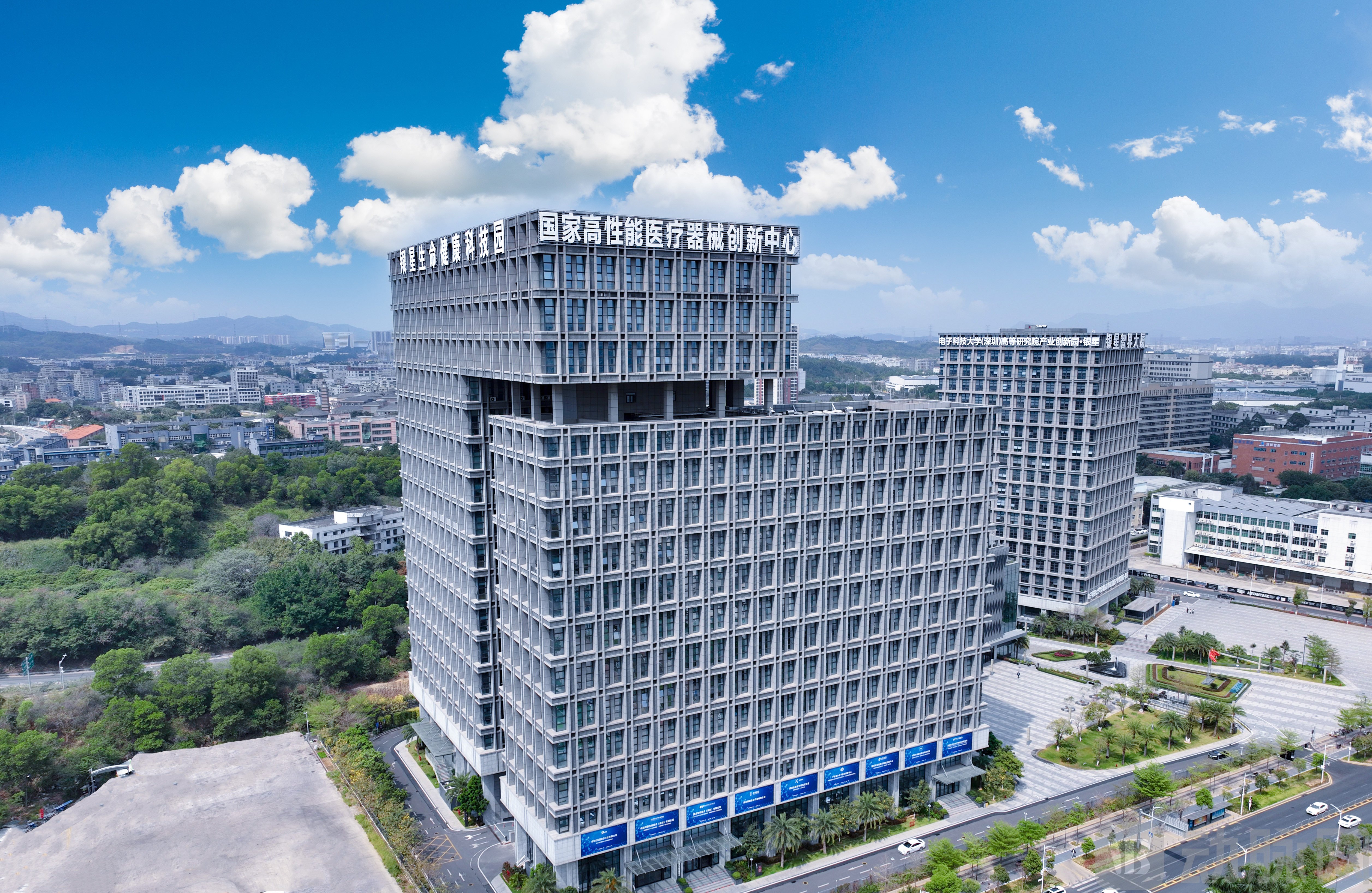
“Medical devices are a cornerstone of the nation, critical to safeguarding people’s lives and health, ensuring national medical security, and achieving technological self-reliance and strength. We must champion innovation in medical devices, achieve independent control over high-end medical equipment, drive innovation, take the lead, and build an advanced Chinese medical device industrial system.” At that time, Zheng Hairong, Director of the National Innovation Center, voiced this call from the industry and anchored the center’s development strategy on the dual-wheel drive of “technological innovation + industrial services.”
Over the past five years of forging ahead, China’s innovative medical device industry has experienced rapid development. During the 14th Five-Year Plan period, the number of domestically produced innovative medical devices approved for market entry surged by 144% compared to the total volume over the seven years from 2014 to 2020. Leveraging national support for innovation, the National Center for Technological Innovation in Medical Devices has actively pioneered a new development path—shifting from isolated breakthroughs to ecosystem synergy, and from technological leadership to industrial clustering. This approach has not only yielded a series of key technological breakthroughs, introducing internationally top-tier innovative equipment such as the world’s first 5.0T whole-body human MRI scanner and China’s first extracorporeal membrane oxygenation (ECMO) system; but also, guided by Academician Zheng Hairong’s profound insight that “systematic translation capability is the true strategic asset of China’s science, technology, and industry,” it has nurtured a cohort of cutting-edge innovative medical device enterprises. By building a comprehensive industrial development ecosystem around the center, it has become a refined microcosm of China’s independent innovation in the medical device industry during the 14th Five-Year Plan period, marking its transition from large to strong.
Looking back to 2020, China still faced unresolved challenges in its medical device industry, namely heavy reliance on imports for high-end products and a lack of core technologies. Under the special circumstances of that time, the severe shortage of critical emergency care equipment exacerbated the survival crisis stemming from these industrial weaknesses. In the same year, the National Development and Reform Commission issued the Guiding Opinions on Expanding Investment in Strategic Emerging Industries and Cultivating New Growth Points and Poles, which explicitly called for accelerating efforts to address shortcomings in the high-end equipment manufacturing sector, with high-end medical equipment identified as one of the key areas for support.
Extracorporeal Membrane Oxygenation (ECMO), commonly known as the “artificial lung,” fully assumes cardiopulmonary function and sustains systemic blood circulation and gas exchange in patients undergoing open-chest surgery, experiencing cardiac arrest, or suffering from severe cardiopulmonary failure. It is one of the critical life-saving medical devices in emergencies. Following the outbreak of the COVID-19 pandemic, demand for ECMO among critically ill patients surged significantly. In response, the Ministry of Industry and Information Technology urgently launched a special research initiative on ECMO. Leveraging its collaborative advantages in industry, academia, and research, the National Innovation Center emerged as the lead institution, successfully outperforming other research entities in this competitive selection process.
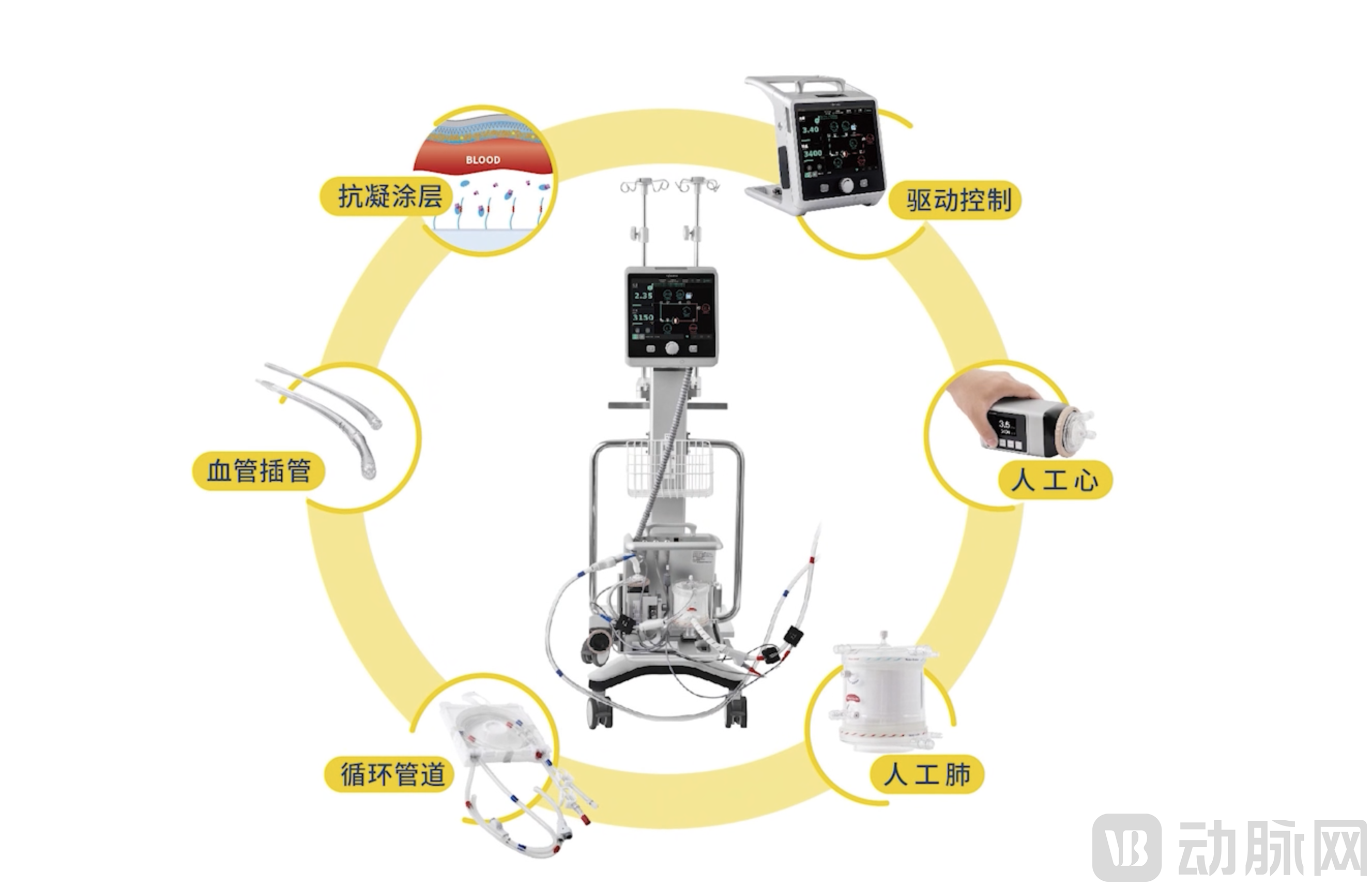
Figure Caption: The First Domestically Produced Extracorporeal Membrane Oxygenation (ECMO) System
Leveraging the resource integration capabilities of the new nationwide system, the team at the National Innovation Center, under the leadership of Academician Zheng Hairong, joined forces with the Shenzhen Institute of Advanced Technology of the Chinese Academy of Sciences, Mindray Medical, and Hannuo Medical to form a special task force. In less than three years, they achieved breakthroughs in key core technologies such as magnetically levitated blood pumps and PMP hollow fiber membranes, successfully completing the domestic manufacturing of complete ECMO systems. With performance metrics reaching international standards, this achievement fills a gap in China and marks an important milestone in the development of high-end medical equipment in the country.
In January 2023, this ECMO system, which filled a domestic gap in China, received marketing approval from the National Medical Products Administration (NMPA). During the peak of the pandemic, 300 units were mass-produced within 30 days and deployed for clinical use, establishing China as one of the few countries capable of independently developing and manufacturing ECMO systems. This achievement marked a leapfrog breakthrough in high-end medical equipment, transitioning from “nonexistence” to “strength.”
In other key sectors dominated by foreign enterprises, the National Innovation Center is also accelerating its efforts to break through technological containment. For instance, in the field of ultra-high-field whole-body clinical MRI imaging, the center’s team, in collaboration with the Shenzhen Institute of Advanced Technology of the Chinese Academy of Sciences and United Imaging Healthcare, jointly tackled critical challenges such as high-density nonlinear RF imaging, overcoming more than two decades of foreign technological blockade. In 2022, they launched the world’s first 5.0T whole-body human MRI system, which not only filled an international gap but also reshaped the global technological landscape for ultra-high-field MRI, enabling China to achieve “overtaking on a bend” in the realm of high-end medical imaging equipment.
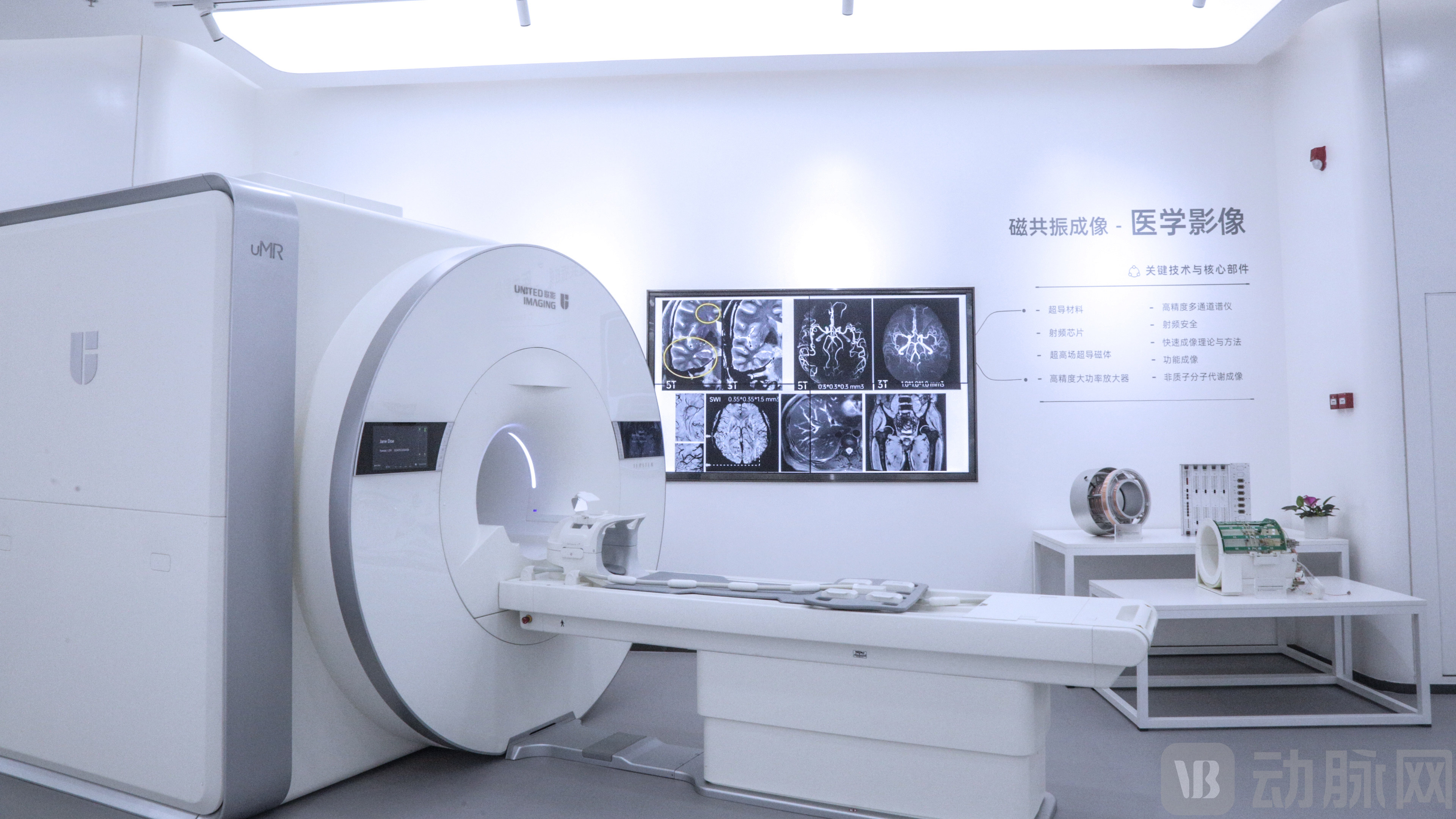
Figure Caption: The World’s First 5.0T Whole-Body Human Medical Magnetic Resonance Imaging System
The National Innovation Center’s strategic depth extends beyond the primary battlefield of whole-unit R&D and commercialization of high-end medical equipment; it is also dedicated to strengthening foundational technological breakthroughs in core components and critical raw materials, thereby fortifying supply chain resilience. To address the long-standing dominance of foreign enterprises over core chips for handheld ultrasound devices, the Center collaborated with Huawei HiSilicon to develop high-performance AFE (Analog Front-End) chips, achieving full-chain domestication from chip design to manufacturing. In response to the prolonged reliance on imports for critical raw materials, the Center has organized teams to complete R&D and achieve mass production of high-precision medical-grade nickel-titanium alloys and high-performance membrane materials, establishing a fully domesticated end-to-end production system.
Over the past five years, supported by national policies fostering innovative medical devices, the National Innovation Center has undertaken more than 120 national and local research projects, filed 296 patent applications (two-thirds of which were for invention patents), obtained 143 granted patents, and participated in the development and revision of 11 industry standards.
While keeping our heads down to press forward, we also lift them to survey the path ahead. While tackling key generic technologies critical to the industry, the National Innovation Center (NIC) has consistently monitored technological evolution trends, fully leveraging its think tank’s foresight to contribute strategic vision from a national-level innovation platform to the industry. The NIC has undertaken more than 30 strategic research and planning tasks at various levels, deeply participated in the top-level strategic planning for China’s high-end medical equipment sector during the 15th Five-Year Plan period, and assumed responsibilities such as technological forecasting and proposing key special projects for national ministries and commissions. It has continuously participated in major national research initiatives, including the Green Book on Technological Innovation in Key Areas of China’s Manufacturing Industry: Technology Roadmap and the Report on the Development of China’s Strategic Emerging Industries. Furthermore, it has led the compilation of a series of in-depth industry insight reports, such as the White Paper on Innovative Research of Medical Devices in China, the Industry Development Report on Surgical Robots in China, and the Annual Innovation and Development Report on High-Performance Medical Devices, providing robust intellectual support for serving national strategies, informing government decision-making, facilitating industrial resource coordination, and guiding corporate strategic layout. By translating five years of innovation practice into systematic solutions, the NIC has evolved its “think tank” function from an advisor to an implementation enabler, thereby achieving a strategic value upgrade for this national-level platform.
While breaking down technical barriers, the National Innovation Center has also paved the way for latecomers in the industry.
In December 2021, the Ministry of Industry and Information Technology, together with nine other departments, jointly issued the “14th Five-Year Plan for the Development of the Medical Equipment Industry,” emphasizing the need to “promote interdisciplinary integration and innovation, address weaknesses, strengthen advantages, and build sustainable innovation capabilities.” Guided by this plan, over the past five years, the National Innovation Center has not only achieved continuous breakthroughs in core technologies but also, aligning with the development needs of strategic emerging industries, anchored its core objective of “driving industrial rise through breakthroughs in individual technologies.” It has proactively established a comprehensive innovation empowerment system, systematically disseminating its accumulated technologies, resources, and expertise, thereby achieving a strategic elevation from “independent innovation” to “leading innovation.”
In 2021, Anjieming Medical was established as the first enterprise incubated from the National Innovation Center’s laboratory, with its growth trajectory fully validating the practical logic of this ecosystem. Throughout Anjieming Medical’s development, the Center provided comprehensive support spanning R&D, engineering translation, clinical application, team building, and equity financing, thereby accelerating the industrial translation of achievements in the critical public-health sector of early glaucoma diagnosis. The company’s independently developed intelligent ophthalmic diagnostic products have recently received regulatory approval for market launch, offering more precise and efficient solutions to make early eye disease screening more accessible and inclusive.
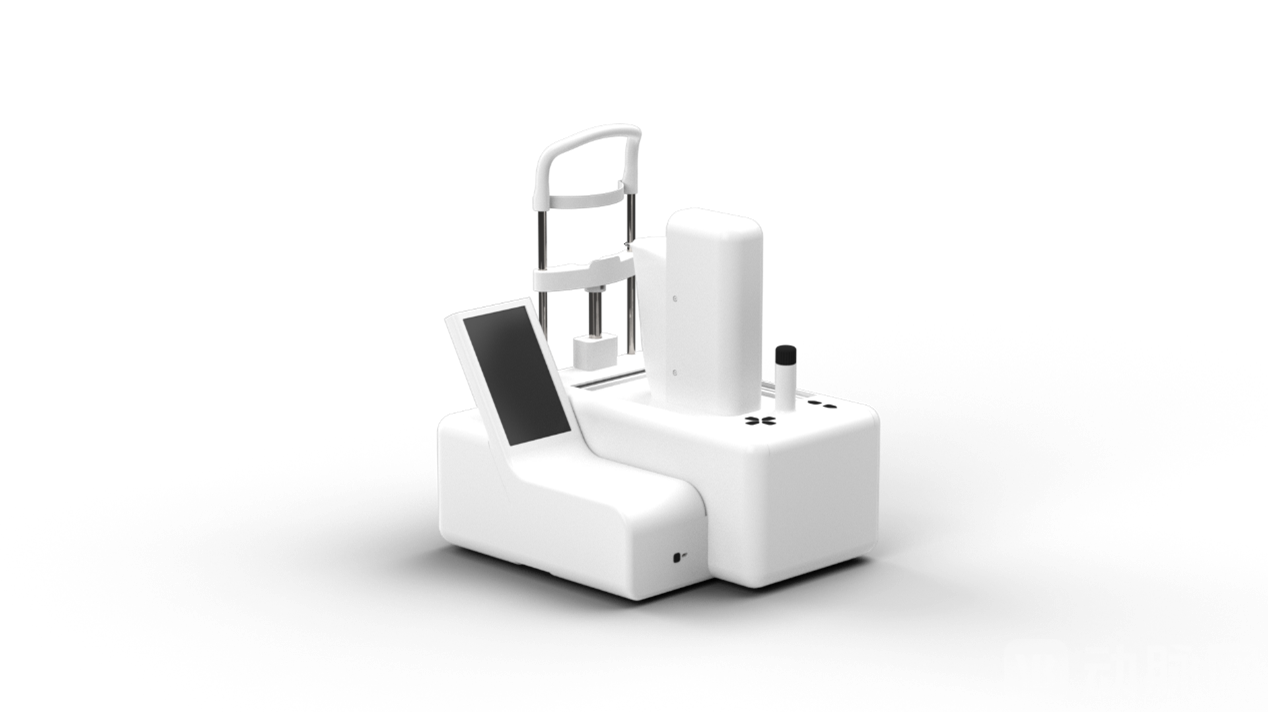
Figure Caption: Anjieming Medical “Applanation Tonometer”
To address the “chokehold” issue of long-term import dependence on medical-grade nickel-titanium (NiTi) materials for vascular interventional therapy, Natai Medical, incubated and established by the Center, has successfully mastered high-precision processing and forming technologies for NiTi wires and tubes, achieving mass production. By supplying medical-grade NiTi alloy capillary tubes and other materials to downstream device manufacturers such as LifeTech Scientific, it has built an autonomous and controllable supply system for key materials in vascular interventional devices, laying a solid foundation for the secure development of the entire industry.
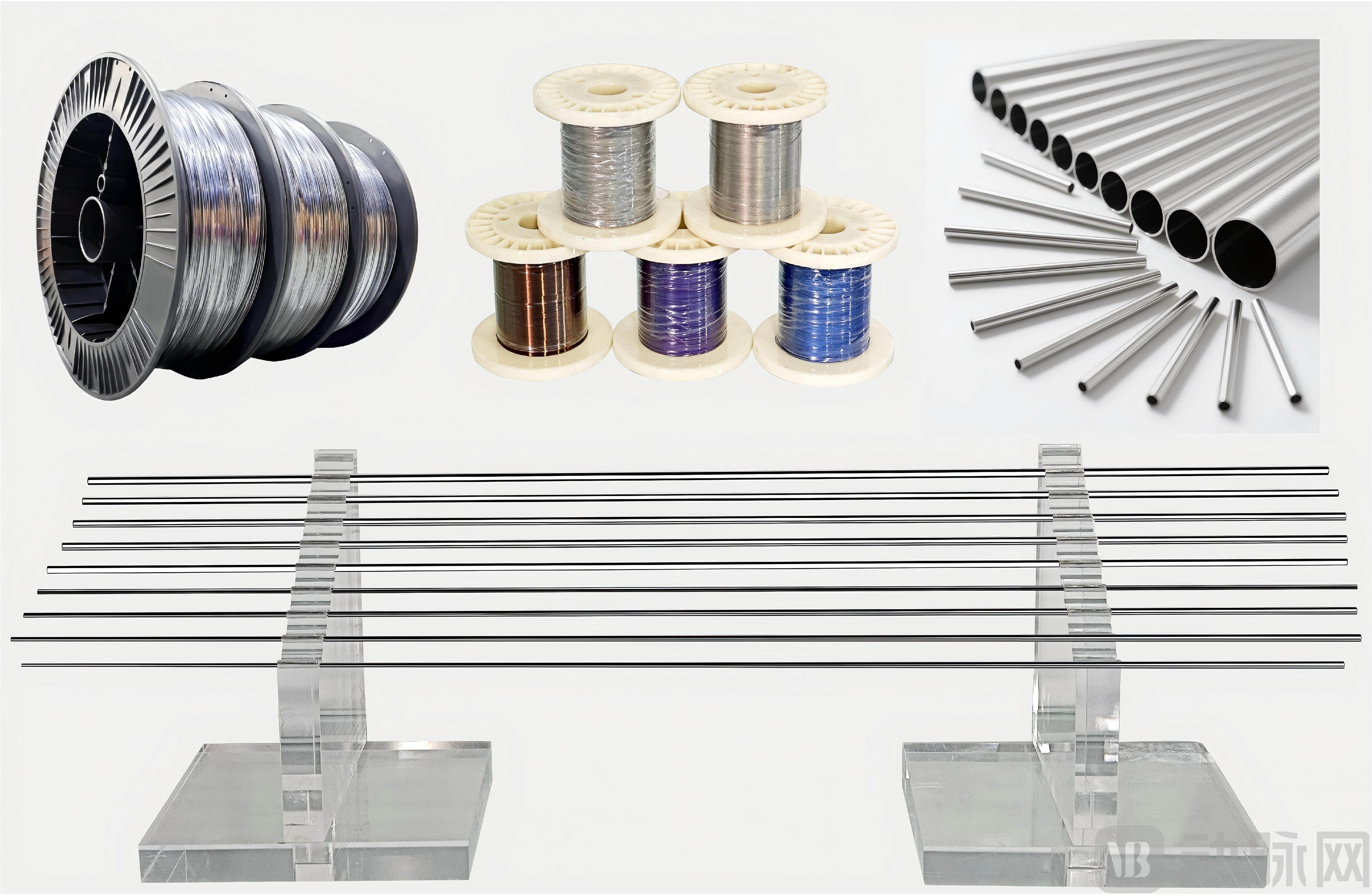
Figure Caption: Natin Medical's "Nanocrystalline Nitinol Material"
The rapid rise of Mingzhun Medical, a leader in the light-sheet microscopy industry, fully demonstrates the tangible impact of the National Innovation Center’s empowerment. With the Center’s support, Mingzhun Medical has accelerated the development of the world’s leading and China’s first 3D non-sectioning tissue pathology imaging system, enabling无损 (non-destructive) 3D diagnosis of entire specimens and providing a revolutionary tool for precise tumor diagnosis and treatment. The product is poised to initiate clinical trials. The company completed two rounds of financing within just three years of its establishment, reflecting strong recognition from the capital market for the National Innovation Center’s incubation model and its drive for innovation.
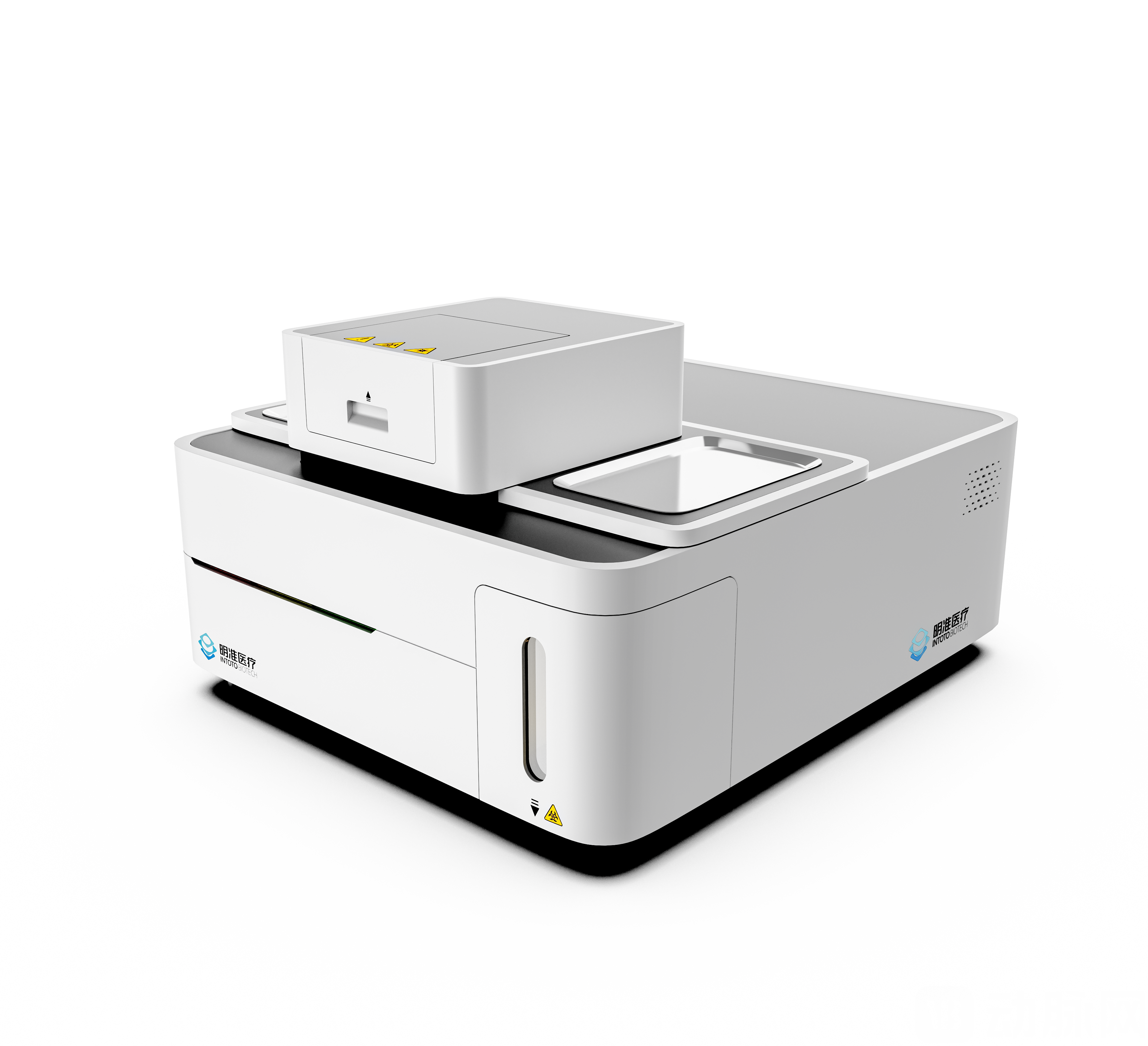
Figure Caption: Mingzhun Medical’s “3D Non-Sectioning Histopathological Imaging System”
Furthermore, empowered by the National Innovation Center’s full-chain incubation system, a cohort of industry benchmark enterprises has emerged, providing a replicable “National Innovation Model” for the growth of hard-tech medical companies. LifeTech Scientific, a leader in cardiovascular intervention, received dual support in technology and capital from the National Innovation Center. It became the first company in China to hold certification for precise vascular functional measurement products and the first innovative medical device enterprise in Shenzhen to pass the review under the fifth set of listing standards of the STAR Market, setting a paradigm for the growth of hard-tech enterprises. Hanovo Medical achieved breakthroughs in core technologies through the ECMO special project led by the Center, developing the first domestically produced complete unit with independent intellectual property rights, thereby filling the gap in high-end emergency rescue equipment made in China. Leveraging the Center’s resources, Silicon-Based Bionics overcame key technical challenges such as factory calibration for continuous glucose monitoring systems, screen printing, and painless needle assistance. It launched continuous monitoring products with medical-grade precision, becoming a model for applying medical-grade technology services to consumer-side health management.
Such stories of innovation cultivation have continued to unfold over the past five years: Under the early strategic layout and continuous empowerment of the National Innovation Center, CoSight Medical achieved an annual output value exceeding RMB 50 million in its first year of commercialization in the field of flexible endoscopy, ranking among the top tier of domestic manufacturers; Meanwhile, Genetron Biology has rapidly solidified the foundation for independent and controllable core tools in its niche segment of gene sequencing.
“Integration of medicine and engineering is the vital source of innovation.” While leveraging its role in leading innovation, the National Innovation Center places particular emphasis on the value of medical-engineering integration in defining innovative directions. To this end, the Center has established a full-chain system encompassing “basic research – technological breakthroughs – achievement translation,” and set up an open fund for medical-engineering integration. Over the past five years, it has supported 114 clinical research projects across 102 hospitals nationwide, with funding exceeding RMB 30 million. By co-establishing clinical translation bases with top-tier medical institutions such as Zhongshan Hospital Affiliated to Fudan University and Nanfang Hospital of Southern Medical University, the Center ensures that clinical needs directly guide the direction of technological R&D, thereby preventing disconnection between innovation and practical application.
Today, the National Innovation Center has incubated and invested in nearly 60 companies, with a total valuation exceeding RMB 20 billion. This is not merely a simple clustering of enterprises, but an innovation community refined through time and strategic polishing. It has elevated industrial innovation from scattered “point” breakthroughs to coordinated “area”-wide layouts, driving the rise of a cohort of strategic emerging industries related to medical devices as a “Chinese force.” This effort has built core capabilities for China’s medical device industry to withstand risks and compete globally, further demonstrating the historical responsibility of national-level innovation platforms in empowering industrial upgrading through long-term strategic planning.
Beyond fostering and leading innovation, the medical device industry—characterized by long innovation chains, stringent regulation, and high demands for collaboration—must break through a series of pain points such as “technology silos,” “translation barriers,” and “fragmented resources.” Only then can resource interaction be enabled, truly forming cluster competitiveness driven by industrial agglomeration.
As a national-level innovation platform, the National Innovation Center is acutely aware of the critical mission entrusted to it by the state: to address the fragmentation and weakness of the industry and to drive the rise of industrial clusters. Over the past five years, the Center has remained committed to a long-term perspective in building a collaborative and symbiotic ecosystem. It has worked to establish what Academician Zheng Hairong described as “a system where technology, capital, talent, data, and compliance knowledge can flow freely and be allocated efficiently,” thereby transforming its own innovation potential into developmental momentum for the entire industry. Serving as a core hub that integrates the innovation chain, industrial chain, capital chain, and talent chain, the Center has vividly implemented the national strategic requirement of “integrated development of scientific-technological innovation and industrial innovation.”
To address the common challenges faced by small and medium-sized enterprises (SMEs)—namely, the lack of R&D platforms, limited channels for technology transfer, and insufficient operational funding—the National Innovation Center has actively explored innovative models. It has established an open and shared R&D experimental platform that integrates high-end instruments and specialized technical resources, providing SMEs with low-cost, high-efficiency R&D support. Furthermore, the Center has set up five market-oriented subsidiaries to build a full-chain service system covering “product development, testing and inspection, clinical trials, regulatory registration, manufacturing, clinical application, and financing/IPO.” Among these, Guochuang Yucheng, as the core enterprise incubation service platform, accelerates the transition of innovative medical device projects from the laboratory to the market through base-based, specialized, and resource-driven operations. Over the past five years, it has helped more than 50 companies overcome obstacles from technological R&D to product commercialization. The CDMO platform, Guochuang Huikang, jointly built a large-scale production base with Foxconn by the National Innovation Center, solving mass production challenges for SMEs. The capital operation platform, Guochuang Zhiyuan, has launched nine funds with a total managed scale of nearly RMB 1 billion, incubating and investing in over 30 projects. This has not only achieved successful market-oriented exits with high returns, such as in the case of Hano Medical, but also assisted companies like Northcore Life Sciences in listing on capital markets. These five years of practice have demonstrated the feasibility of the National Innovation Center’s enterprise service model in empowering technological innovation.
To secure the essential talent resources for industrial innovation, the National Innovation Center has built an open and diversified talent development platform to recruit top-tier global expertise. To date, the Center hosts 26 innovation and entrepreneurship teams, with PhD holders accounting for 67% of its internal R&D workforce. It has gathered a cohort of leading figures, including academicians of the Chinese Academy of Sciences, recipients of the National Natural Science Foundation’s “Overseas Outstanding Young Scholars” program, and high-level talents from Guangdong Province. Meanwhile, the Center has jointly cultivated 57 master’s and doctoral candidates in collaboration with premier institutions such as the Shenzhen Institutes of Advanced Technology of the Chinese Academy of Sciences, Harbin Institute of Technology, and the University of Science and Technology of China, and has been approved to establish a branch station for postdoctoral research in Shenzhen. Additionally, it has co-established the Medical Device Industry Technology Research Institute with Shenzhen University of Advanced Technology, serving as a core vehicle for industry-academia-research collaboration to nurture top-notch innovative talent. After five years of exploration and accumulation, the Center has formed a dual-wheel talent supply model of “introduction + cultivation,” providing core intellectual support and sustained momentum for building the industrial ecosystem, and is gradually establishing itself as a highland for high-end medical device talent based in the Greater Bay Area and radiating across China.
Furthermore, the cultivation of an innovation ecosystem and atmosphere reflects the deeper strategic thinking of the National Center for Technological Innovation in Medical Devices (NCTIMD). Over the past five years, NCTIMD has continuously conducted the annual assessment of the medical device industry’s innovation ecosystem, initiated and advocated by Academician Zheng Hairong. This professional and systematic evaluation framework identifies innovators with genuine technological breakthrough capabilities and industrial leadership value, thereby guiding the future direction of industrial innovation. Meanwhile, the Center has consistently organized a series of innovation and entrepreneurship activities, including the National Summit on High-Performance Medical Device Innovation Ecosystem, the Shenzhen International High-Performance Medical Device Exhibition, and the “NCTIMD Cup” National Medical Device Innovation and Entrepreneurship Competition. By building platforms for exchange and collaboration among innovators, these initiatives stimulate innovative vitality and promote the high-quality upgrading of the entire medical device industry, demonstrating the responsibility and strategic value of a national-level innovation platform.
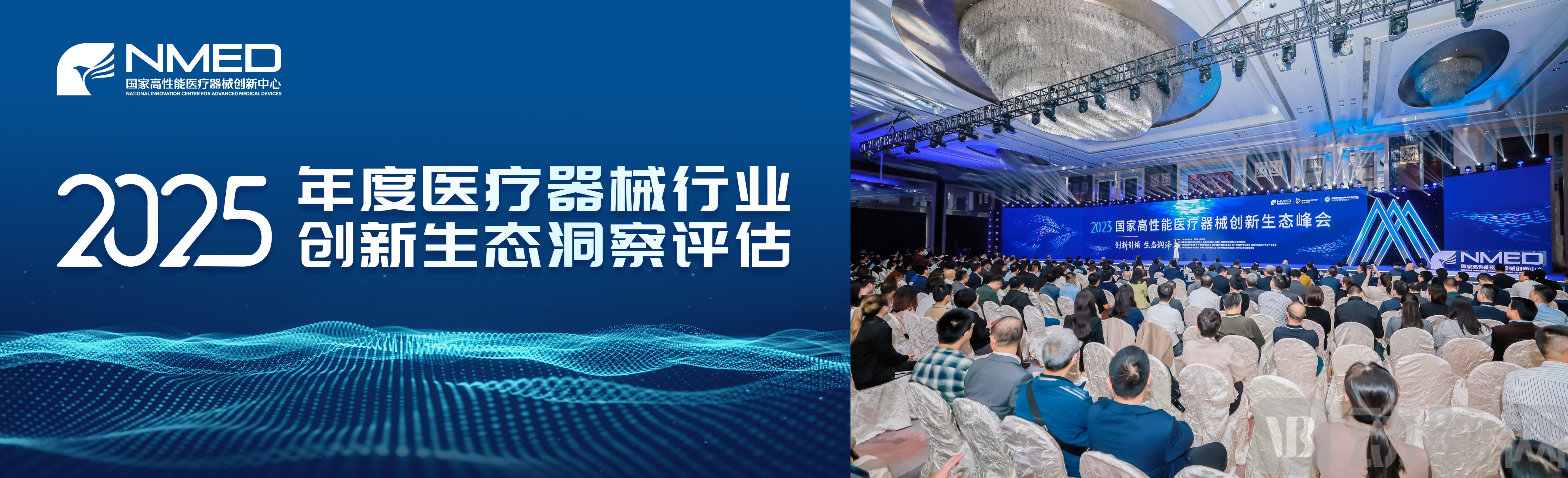
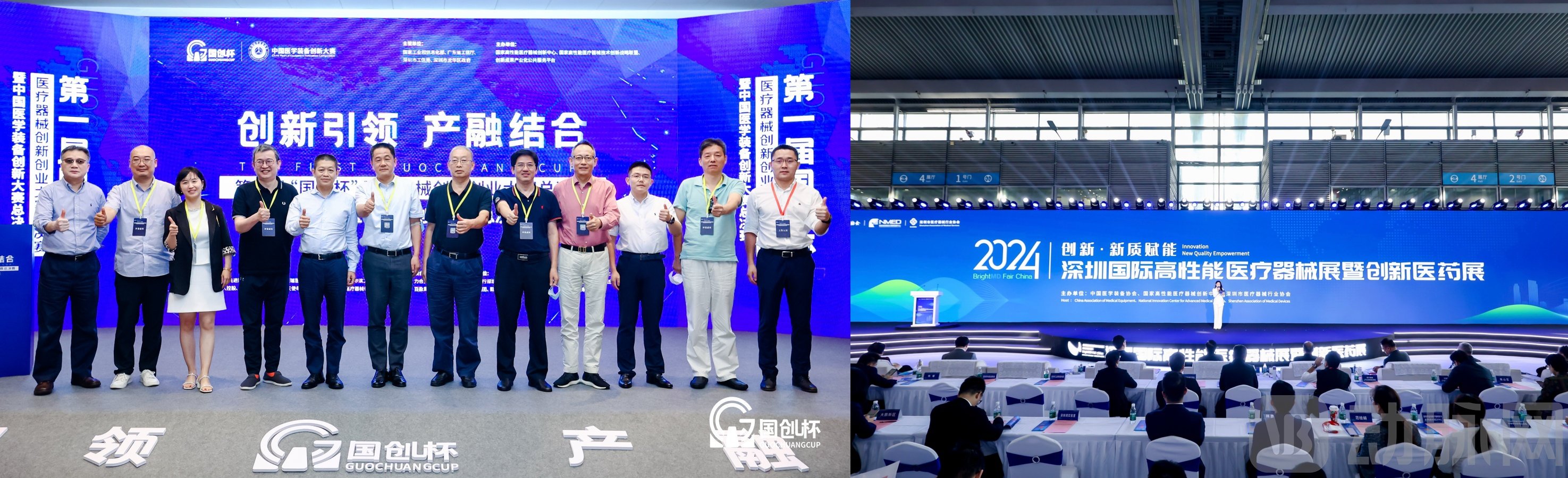
Driven by the industrial cohesion fostered through collaborative ecosystem development, talent cultivation, and the nurturing of an innovative atmosphere, a highland for the medical device industry—representing the most advanced productive forces—has taken shape in the Guangdong-Hong Kong-Macao Greater Bay Area, where the National Innovation Center is firmly established. The Center’s industrial service layout not only practically implements the State Council’s goal of “enhancing industrial concentration and market competitiveness” as outlined in the Action Plan for High-Quality Development of the Medical Equipment Industry (2023–2025), but also deeply aligns with Shenzhen’s “20+8” industrial cluster development strategy. The innovative policies, talent reserves, and industrial foundations of Shenzhen City and Longhua District have provided a favorable environment for the implementation of the Center’s industrial service system. In turn, the Center’s full-chain service capabilities continue to attract high-quality enterprises and innovative resources to Shenzhen, forming a virtuous industrial cycle characterized by “large enterprises leading smaller ones and high-end advancements driving innovation.” This contributes a replicable “National Innovation Solution” to stimulating innovative vitality and enhancing the competitiveness of industrial clusters. Consequently, the National Innovation Center has been recognized as an “Outstanding Collective in Advancing the Construction of the Guangdong-Hong Kong-Macao Greater Bay Area,” becoming one of the core drivers of industrial cluster development in the region.
Looking back on the past five years, every step taken by the National Innovation Center has resonated in sync with national strategies. From technological breakthroughs under the new nationwide mobilization system, to ecosystem building driven by dual engines, and to forward-looking guidance provided by its strategic think tank, the Center has forged a “National Innovation Model” for the high-quality development of China’s medical device industry through five years of practice. This has demonstrated the core value of national-level innovation platforms: serving as the “locomotive” that overcomes critical bottlenecks, the “resource hub” that promotes deep industrial integration, and the “mainstay” that supports national strategies amid global scientific and technological competition.
Standing at the historical juncture where the 14th Five-Year Plan concludes and the 15th Five-Year Plan begins, China is accelerating its transition from a manufacturing giant to a manufacturing powerhouse. The consensus within the industry that “technology must take root in the industrial landscape to jointly forge national competitive advantages” has further anchored the medical device sector’s development course toward self-reliance, controllability, and global leadership.
“The 15th Five-Year Plan period will be a critical window for domestically produced medical devices to transition from ‘isolated breakthroughs’ to ‘systemic leadership.’ Only by persistently promoting the deep integration of technological innovation and industrial innovation can we truly seize the initiative in development and drive a leapfrog enhancement of China’s medical device industry within the global value chain.” Guided by this perspective of Academician Zheng Hairong, the National Innovation Center’s path for the next five years is clear: First, strengthen the foundational role of technological innovation. We will continue to focus on areas with high import dependence, such as high-performance medical materials and core components, while concentrating efforts on frontier sectors like AI healthcare and brain-computer interfaces. In line with the development trends of artificial intelligence and precision medicine, we will proactively identify and systematically promote the efficient translation of a batch of cutting-edge technologies that are usable, practical, and scalable. Second, build an innovative ecosystem for intelligent medicine. As intelligent medical devices move toward personalization and universal accessibility, it is essential to establish seamless links across the entire chain of “data–computing power–models–acquisition–clinical practice–individuals.” The National Innovation Center will continuously improve its industrial service system and promote the efficient allocation of resources, serving as a robust incubator for technological and industrial transformations in intelligent medical devices.
On the global stage, China is transforming from a key participant into a core leader in the landscape of medical device innovation. The exploration and practices of the National Medical Device Innovation Center are driving China’s medical device industry toward a higher-quality development phase, providing systematic support for the industry’s transition from large-scale to strong-and-competitive status and its participation in cutting-edge global competition. This represents not only technological innovation within the industry but also the beginning of a reshaping of China’s role in the global medical device landscape, leveraging “national innovation power” to facilitate a historic leap from “manufacturing powerhouse” to “innovation powerhouse.”
Amidst the rising tides, in the next five years, supported and guided by national strategies, the National Innovation Center will continue to scale new heights as a pioneer, etching a distinct Eastern mark of China’s medical device industry on the global stage.